
EPISODE · Mar 12, 2026 · 26 MIN
Why Jackson Steele Launched a New Conservative Movement
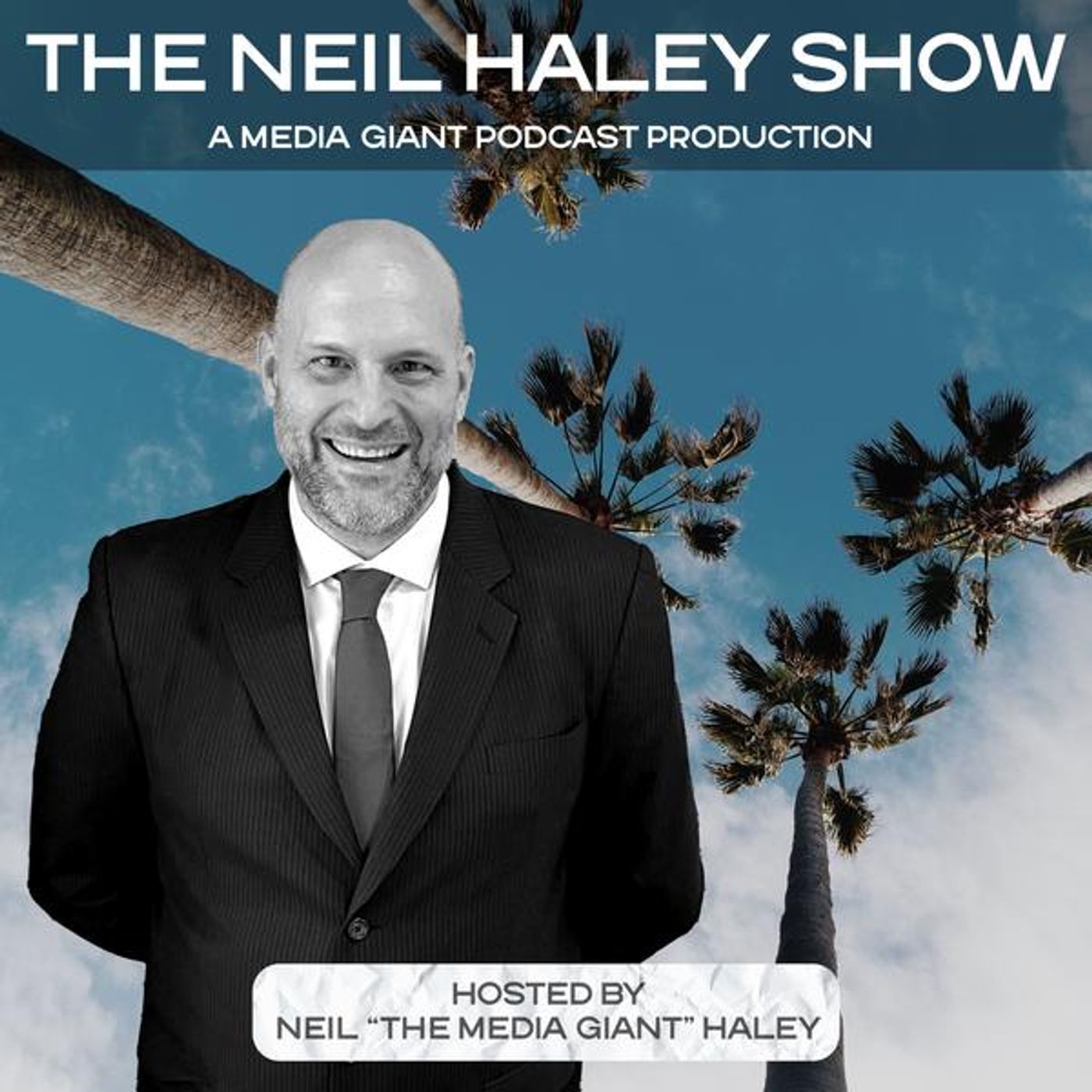
from The Neil Haley Show · host Neil Haley
In the debut episode of America First Gen X, host Jackson Steele joins Neil Haley to explain why he believes the conservative movement in America has reached a critical turning point. The conversation explores the ideological roots of the America First movement, internal divisions within conservatism, and why Steele believes a new political direction may be necessary.Steele outlines his perspective that the original America First constitutional conservative movement—which historically opposed interventionist foreign policy—has been overtaken by a new political faction aligned with neoconservative priorities. The episode sets the stage for an ongoing podcast series aimed at challenging current political leadership and redefining what America First principles mean in today’s political environment.Episode OverviewJackson Steele introduces America First Gen X, a news and commentary platform designed to give voice to conservatives who believe the current political direction of the Republican movement no longer reflects traditional constitutional conservatism.According to Steele, the mission of the platform is to:Reclaim the original America First philosophyChallenge interventionist foreign policyAdvocate for constitutional limits on federal powerEncourage debate within the conservative movementRather than focusing primarily on political opponents, Steele argues the current battle is within the conservative movement itself, where he believes core principles have been compromised.The Origins of the America First MovementSteele traces the roots of the modern America First movement to the early 2000s, particularly during opposition to the Iraq War.He describes a political divide that emerged between two factions of the political right:1. The Old Right / America First ConservativesFocused on national sovereigntySkeptical of foreign military interventionsEmphasized constitutional limitations on federal authorityOften aligned with libertarian and traditionalist viewpoints2. The Neoconservative MovementAdvocated for interventionist foreign policySupported regime-change wars abroadPrioritized global alliances and strategic dominanceSteele argues that conflicts in Iraq, Libya, and Syria reflected this divide and led to growing dissatisfaction among voters who believed foreign wars were not aligned with American national interests.Support for Trump and the Disappointment That FollowedSteele explains that many America First conservatives strongly supported Donald Trump because his campaign rhetoric aligned with their views on foreign policy and nationalism.Key campaign promises that appealed to these voters included:Ending foreign warsAvoiding new military interventionsChallenging the Washington political establishmentPrioritizing American economic interestsHowever, Steele argues that after the election, many supporters began to feel that those promises were not fully realized.According to Steele, signs of a shift began appearing about a year earlier when the administration did not immediately withdraw American involvement from global conflicts.Concerns About U.S. Foreign PolicyA major theme of the episode centers on foreign policy decisions that Steele believes contradict the original America First philosophy.He specifically highlights:Continued U.S. involvement in the Russia-Ukraine conflictIntelligence and military support abroadMilitary actions involving IranThe influence of geopolitical alliances on U.S. decision-makingSteele argues that these policies resemble the interventionist strategies of previous administrations rather than the non-interventionist approach he expected.The Debate Over Political Influence and PowerAnother issue discussed in the episode is the role of political donors, corporate interests, and lobbying in shaping U.S. policy.Steele claims that large donors and powerful interest groups can heavily influence political decisions and party direction.He also raises concerns about:The influence of the military-industrial complexCorporate political fundingLong-term career politicians in CongressLobbying power in WashingtonThe discussion reflects a broader critique of what Steele describes as “crony capitalism” within American politics.The Epstein Files and Transparency ConcernsDuring the conversation, Steele briefly references controversies surrounding the investigation into financier Jeffrey Epstein.Steele suggests that unresolved questions surrounding the case and potential intelligence connections have raised concerns about transparency in government institutions.He argues that full disclosure of the case could expose broader networks of influence involving powerful individuals and organizations.The Case for a Split GovernmentSteele proposes a controversial strategy for upcoming elections: intentionally creating a split government during the midterms.His reasoning is that dividing control of Congress between parties could:Limit executive powerForce greater political accountabilityPrevent sweeping policy decisionsSteele acknowledges that this strategy could result in short-term political gridlock but believes it could send a message to political leadership that voters expect accountability.Concerns About Expanding Executive PowerAnother key topic discussed is the balance of power between the three branches of government.Steele argues that over the past several decades:Presidents have gained more authorityCongress has surrendered oversight responsibilitiesFederal agencies have expanded their influenceHe warns that excessive executive power could undermine the constitutional system of checks and balances designed by America’s founders.The Future of the Conservative MovementLooking ahead to the 2028 election cycle, Steele predicts the conservative movement may need new leadership and a renewed debate about its direction.Key issues he believes must be addressed include:Foreign policy prioritiesNational sovereigntyFederal government authorityEconomic nationalismPolitical accountabilityHe also raises the possibility that a new political coalition or even a third-party movement could emerge if voters feel the current system no longer represents their interests.The Role of Media and Alternative PlatformsSteele and Haley emphasize that platforms like America First Gen X aim to provide space for open political discussion.The podcast will focus on:Long-form political analysisInterviews with political thinkers and commentatorsDebate about the future of conservatismExploration of alternative policy approachesThe show will be distributed through multiple social platforms and simulcast through The Neil Haley Show network.Where to Follow America First Gen XListeners can follow the new movement and podcast on:Become a supporter of this podcast: https://www.spreaker.com/podcast/the-neil-haley-show--6503396/support.
Embed this episode
What this episode covers
In the debut episode of America First Gen X, host Jackson Steele joins Neil Haley to explain why he believes the conservative movement in America has reached a critical turning point. The conversation explores the ideological roots of the America First movement, internal divisions within conservatism, and why Steele believes a new political direction may be necessary.Steele outlines his perspective that the original America First constitutional conservative movement—which historically opposed interventionist foreign policy—has been overtaken by a new political faction aligned with neoconservative priorities. The episode sets the stage for an ongoing podcast series aimed at challenging current political leadership and redefining what America First principles mean in today’s political environment.Episode OverviewJackson Steele introduces America First Gen X, a news and commentary platform designed to give voice to conservatives who believe the current political direction of the Republican movement no longer reflects traditional constitutional conservatism.According to Steele, the mission of the platform is to: Reclaim the original America First philosophy Challenge interventionist foreign policy Advocate for constitutional limits on federal power Encourage debate within the conservative movement Rather than focusing primarily on political opponents, Steele argues the current battle is within the conservative movement itself, where he believes core principles have been compromised.The Origins of the America First MovementSteele traces the roots of the modern America First movement to the early 2000s, particularly during opposition to the Iraq War.He describes a political divide that emerged between two factions of the political right:1. The Old Right / America First Conservatives Focused on national sovereignty Skeptical of foreign military interventions Emphasized constitutional limitations on federal authority Often aligned with libertarian and traditionalist viewpoints 2. The Neoconservative Movement Advocated for interventionist foreign policy Supported regime-change wars abroad Prioritized global alliances and strategic dominance Steele argues that conflicts in Iraq, Libya, and Syria reflected this divide and led to growing dissatisfaction among voters who believed foreign wars were not aligned with American national interests.Support for Trump and the Disappointment That FollowedSteele explains that many America First conservatives strongly supported Donald Trump because his campaign rhetoric aligned with their views on foreign policy and nationalism.Key campaign promises that appealed to these voters included: Ending foreign wars Avoiding new military interventions Challenging the Washington political establishment Prioritizing American economic interests However, Steele argues that after the election, many supporters began to feel that those promises were not fully realized.According to Steele, signs of a shift began appearing about a year earlier when the administration did not immediately withdraw American involvement from global conflicts.Concerns About U.S. Foreign PolicyA major theme of the episode centers on foreign policy decisions that Steele believes contradict the original America First philosophy.He specifically highlights: Continued U.S. involvement in the Russia-Ukraine conflict Intelligence and military support abroad Military actions involving Iran The influence of geopolitical alliances on U.S. decision-making Steele argues that these policies resemble the interventionist strategies of previous administrations rather than the non-interventionist approach he expected.The Debate Over Political Influence and PowerAnother issue discussed in the episode is the role of political donors,...
Ready to play
Why Jackson Steele Launched a New Conservative Movement
No transcript for this episode yet
Similar Episodes
No similar episodes found.
Similar Podcasts
No similar podcasts found.