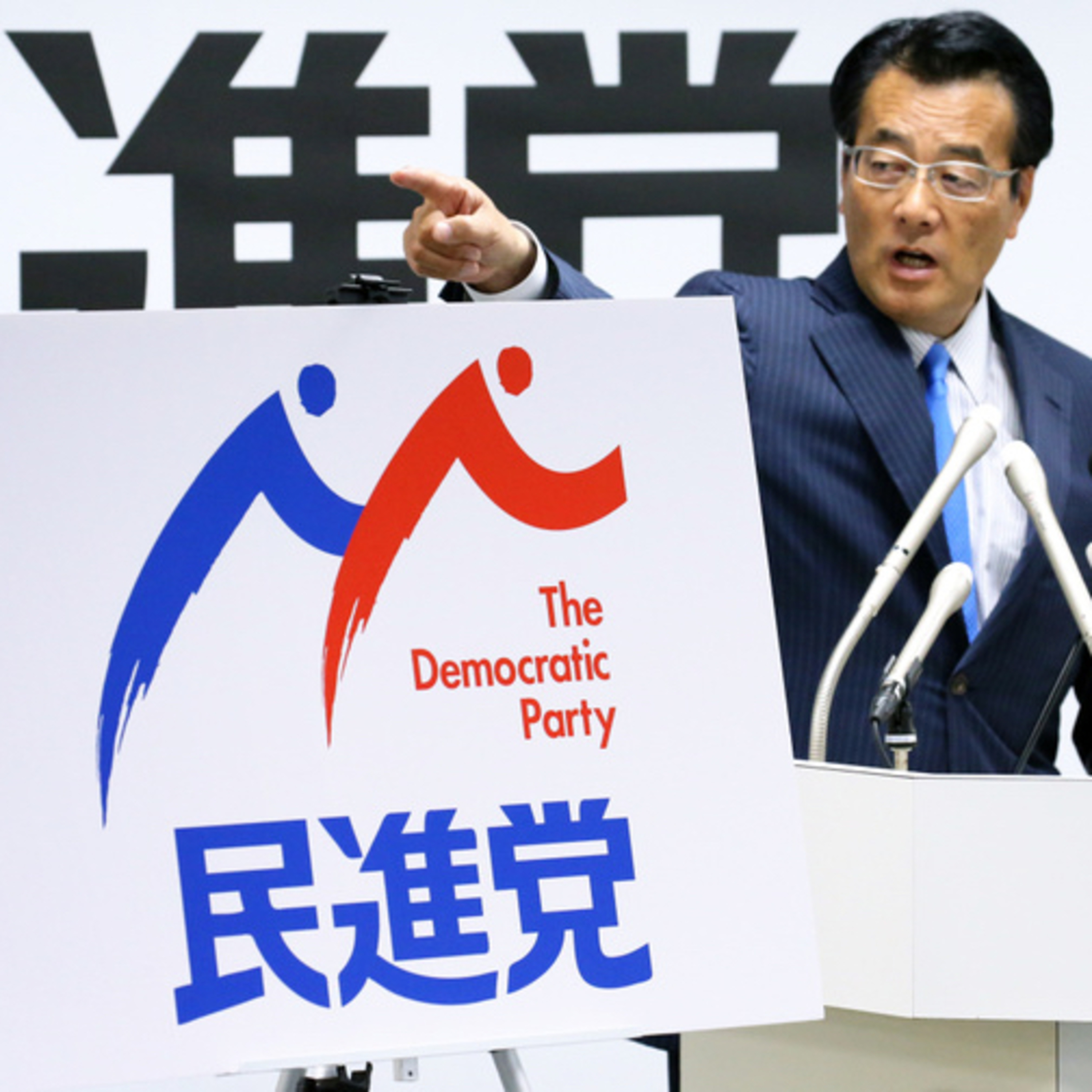
Why Japan’s opposition parties keep splintering: Minshinto Party
from Democratic Party Channel (DPC) Hosted by Yu-ai Research Center
The Minshinto party was officially established on March 27, 2016, through a merger between the Democratic Party of Japan (DPJ) and the Japan Innovation Party, along with other smaller groups and independent lawmakers. At its inception, the party was led by Katsuya Okada and aimed to provide a powerful alternative to the ruling Liberal Democratic Party by championing the principles of freedom, coexistence, and responsibility for the future. The party’s founding declaration emphasized a commitment to constitutionalism and the protection of Japanese democracy, which it viewed as being in a state of crisis. Despite this unified start, Minshinto inherited a complex factional structure from the DPJ, with internal groups organized around past political affiliations, such as the former Socialist and Democratic Socialist parties, and personal leadership ties. The party faced significant leadership challenges early on, with its second leader, Renho, becoming the first woman to lead the main opposition before resigning in 2017 following local election losses and personal controversy. The most critical turning point for the party occurred during the 2017 general election under the leadership of Seiji Maehara. Maehara shifted the party's strategy by abandoning cooperation with the Communist Party and attempting to merge the entire Minshinto candidate list with Yuriko Koike’s Kibo no To (Party of Hope). However, Koike’s subsequent "exclusion" of liberal-leaning Minshinto members led to a chaotic three-way split: some members joined Kibo no To, others formed the Constitutional Democratic Party of Japan (CDPJ) under Yukio Edano, and some ran as independents. In the aftermath of the 2017 election, Minshinto was left in a weakened state with significantly fewer seats in the House of Representatives than its offshoots. The party, now led by Kazuhiro Otsuka, attempted to facilitate a reunification of the opposition through unified caucuses, but these efforts were largely rejected by the CDPJ. By May 2018, the party moved toward its final dissolution and transformation by adopting the "98-style" merger method—the same technique used to form the original DPJ—to absorb a portion of Kibo no To. This resulted in the creation of the Democratic Party for the People (DPFP), marking the end of Minshinto’s brief two-year history. The party's trajectory serves as a notable example of how ideological divisions and tactical missteps can lead to the fragmentation of a major political force, ultimately making it difficult to maintain a consistent challenge to the dominant ruling coalition.
Embed this episode
No transcript yet.