Why kind leaders finish first (according to science) episode artwork

EPISODE · Jan 9, 2026 · 1H 38M

Why kind leaders finish first (according to science)

from Berkeley Talks

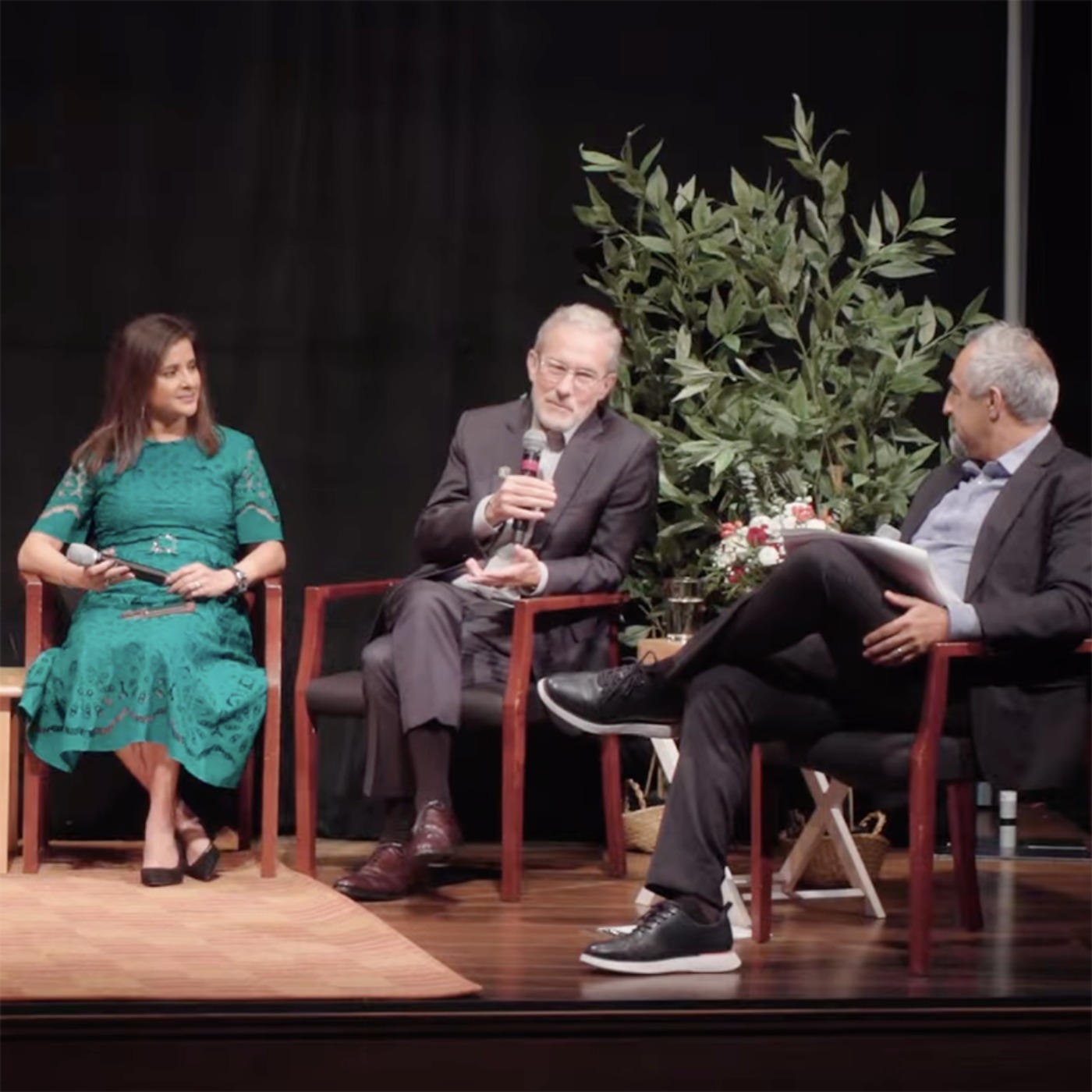
A broad group of leaders from academia and the private sector — including UC Berkeley Chancellor Rich Lyons and neuroscientist Emiliana Simon-Thomas of the Greater Good Science Center — discuss how kindness is a strategic asset rather than a professional weakness, and why the traditional “jerk” model of leadership is scientifically flawed.This shift toward evidence-based management, the panelists point out, is backed by massive datasets. “When companies perform very well, we find that prosocial CEOs are more likely to share credit with others,” explains Weili Ge, a professor at the University of Washington’s Foster School of Business, drawing on data from a decadelong analysis of 3,500 corporate leaders. “And when firms don't do well,” she continues, “they're less likely to shift the blame, they're more likely to take responsibility. This is quite different from self-centered CEOs, who are more likely to take credit when things go well and shift the blame when things don't go well."The panelists include: Rich Lyons: 12th chancellor of UC Berkeley Emiliana Simon-Thomas: Science director at UC Berkeley’s Greater Good Science CenterWeili Ge: Professor of accounting at the University of Washington’s Foster School of BusinessYamini Rangan: CEO of HubSpot, Berkeley alumKeyAnna Schmiedl: Chief human experience officer at WorkhumanDenis Ring: Former CEO of Ocho Chocolates, creator of the Whole Foods 365 brandKia Afcari (moderator): Director of Greater Good Workplaces at the Greater Good Science CenterThe event, which took place on Dec. 1, 2025, was hosted by the Greater Good Science Center in partnership with the Berkeley Center for Workplace Culture and Innovation.Listen to the episode and read the transcript on UC Berkeley News (news.berkeley.edu/podcasts/berkeley-talks).Music by HoliznaCC0.Video screenshot. Hosted on Acast. See acast.com/privacy for more information.

A broad group of leaders from academia and the private sector — including UC Berkeley Chancellor Rich Lyons and neuroscientist Emiliana Simon-Thomas of the Greater Good Science Center — discuss how kindness is a strategic asset rather than a professional weakness, and why the traditional “jerk” model of leadership is scientifically flawed.This shift toward evidence-based management, the panelists point out, is backed by massive datasets. “When companies perform very well, we find that prosocial CEOs are more likely to share credit with others,” explains Weili Ge, a professor at the University of Washington’s Foster School of Business, drawing on data from a decadelong analysis of 3,500 corporate leaders. “And when firms don't do well,” she continues, “they're less likely to shift the blame, they're more likely to take responsibility. This is quite different from self-centered CEOs, who are more likely to take credit when things go well and shift the blame when things don't go well."The panelists include: Rich Lyons: 12th chancellor of UC Berkeley Emiliana Simon-Thomas: Science director at UC Berkeley’s Greater Good Science CenterWeili Ge: Professor of accounting at the University of Washington’s Foster School of BusinessYamini Rangan: CEO of HubSpot, Berkeley alumKeyAnna Schmiedl: Chief human experience officer at WorkhumanDenis Ring: Former CEO of Ocho Chocolates, creator of the Whole Foods 365 brandKia Afcari (moderator): Director of Greater Good Workplaces at the Greater Good Science CenterThe event, which took place on Dec. 1, 2025, was hosted by the Greater Good Science Center in partnership with the Berkeley Center for Workplace Culture and Innovation.Listen to the episode and read the transcript on UC Berkeley News (news.berkeley.edu/podcasts/berkeley-talks).Music by HoliznaCC0.Video screenshot. Hosted on Acast. See acast.com/privacy for more information.

NOW PLAYING

Why kind leaders finish first (according to science)

0:00 1:38:16

No transcript for this episode yet

We transcribe on demand. Request one and we'll notify you when it's ready — usually under 10 minutes.

Carnivores Don't Get Sunburn - Carnivore Diet Talks Carnivores Don't Get Sunburn - Carnivore Diet Talks Welcome to “Carnivores Don’t Get Sunburn,” where we have fun and explore the carnivore diet and its transformative power. Join us as we uncover real stories from individuals who have thrived on this diet, defying convention and embracing optimal health. Plus, stay tuned for our upcoming documentary featuring diverse carnivores overcoming health challenges. Learn more at www.carnivoredietdocumentary.com.Excitingly, we’re working on an upcoming documentary where we’ll feature carnivores from various walks of life, conquering diverse health challenges. Join us on this journey and learn more at www.carnivoredietdocumentary.com.Join us in uncovering the power of the carnivore diet. Prepare to be inspired, informed, and empowered to embrace optimal health and well-being.Welcome to “Carnivores Don’t Get Sunburn: Unveiling Real Stories of the Carnivore Diet.” Stay tuned for our upcoming documentary. Discover how this lifestyle can transform lives. Learn more at www.carnivoredietdocumentary.com IT IS WHAT IT IS with SHALLZ - SHALLY ZOMORODI Shally Zomorodi What?  "It is what it is" with ShallZ – Shally ZomorodiWhen? WeeklyHow long? 35 minutesEvery week, Mother of 4, wife, morning TV news anchor and ultimate hostess, Shally Zomorodi talks about life - its up's and downs and how to stay on track in her weekly podcast, ‘It is what it is.’  Known for her high energy, infectious smile and ability to see the cup as half full Shally talks about all things in life and how to work through its challenges. From parenting, marriage, friendships, current events to how to smile when it just seems impossible ‘It is what it is’ is the perfect podcast to help inspire you to dance through the rain. Tracking Nuclear Weapons Programs Center for Strategic and International Studies The CSIS Proliferation Prevention Program talks to experts about transparency and nuclear weapons. Cover Stories with Chess Life US Chess Chess Life Editor John Hartmann talks to the authors of each month's Chess Life cover story.

Frequently Asked Questions

How long is this episode of Berkeley Talks?

This episode is 1 hour and 38 minutes long.

When was this Berkeley Talks episode published?

This episode was published on January 9, 2026.

What is this episode about?

A broad group of leaders from academia and the private sector — including UC Berkeley Chancellor Rich Lyons and neuroscientist Emiliana Simon-Thomas of the Greater Good Science Center — discuss how kindness is a strategic asset rather than a...

Can I download this Berkeley Talks episode?

Yes, you can download this episode by clicking the download button on the episode player, or subscribe to the podcast in your preferred podcast app for automatic downloads.
URL copied to clipboard!