
EPISODE · Mar 6, 2026 · 12 MIN
Why Many Iranians Associate Western Influence With Political Repression
from The Arrogant Independent · host Shawn Havens
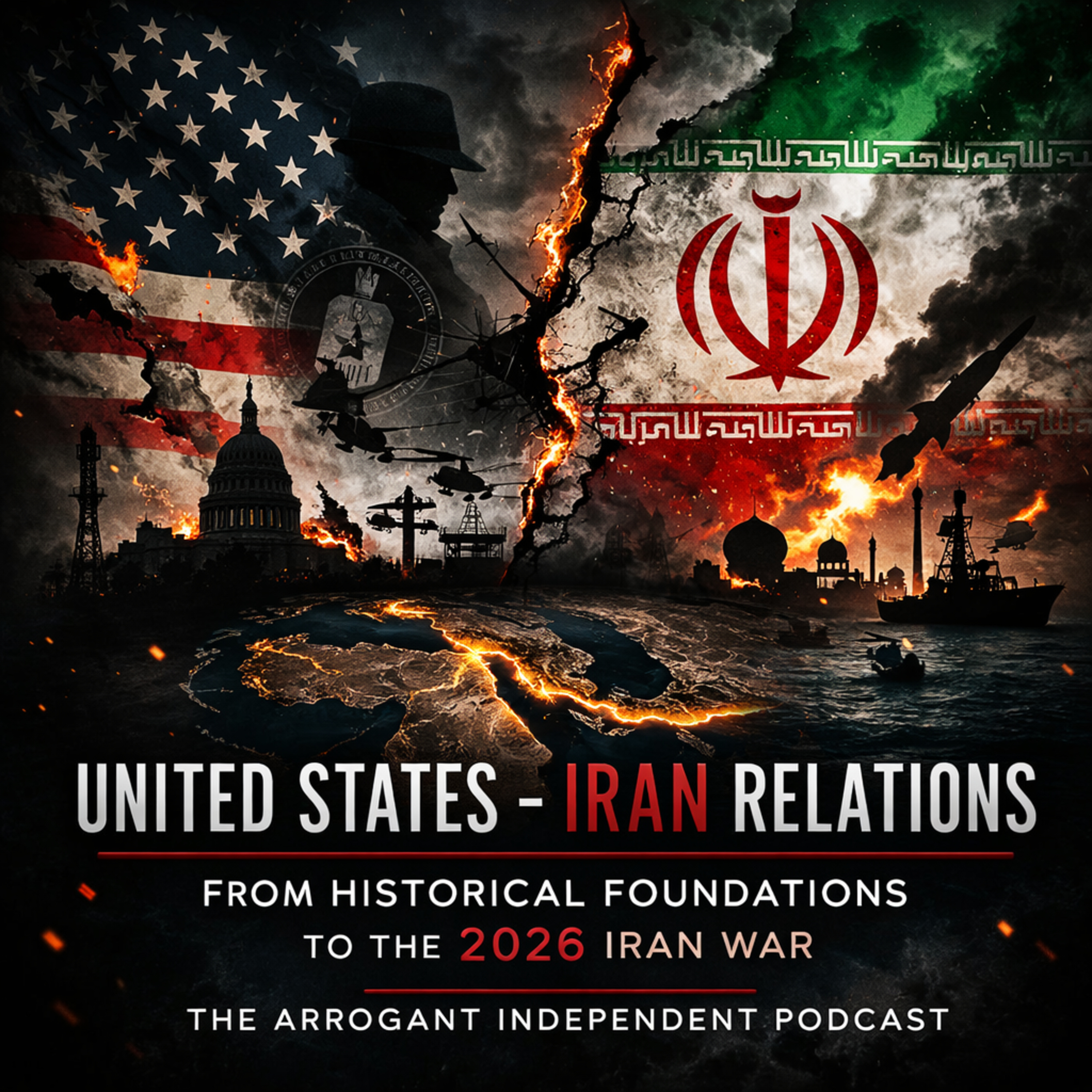
The Arrogant Independent New Report + Podcast Why Many Iranians Associate Western Influence With Political Repression If you want to understand why U.S.–Iran relations remain so hostile today, you have to understand something uncomfortable about history. For many Iranians, the United States is not remembered as a neutral outsider. It is remembered as the power that helped install and sustain the Shah’s regime after the 1953 overthrow of Prime Minister Mohammad Mosaddegh. That regime relied heavily on SAVAK, a powerful secret police organization created in 1957 that became infamous for surveillance, political repression, and torture of dissidents. Human-rights organizations in the 1970s documented extensive abuses by SAVAK, including widespread torture and imprisonment of political opponents. At the same time, U.S. intelligence agencies maintained close relationships with the Shah’s security apparatus. Historical records show cooperation and intelligence sharing between SAVAK and U.S. agencies, which reinforced the perception among many Iranians that the regime’s repression was tied to Western support. This matters because it created a lasting psychological and political association inside Iran: Western influence → the Shah’s regimeThe Shah’s regime → torture and repressionTherefore, Western-backed government → political oppression That perception became one of the central drivers of the 1979 Iranian Revolution, when millions of Iranians rejected the monarchy and replaced it with the Islamic Republic. Whether Americans agree with that interpretation or not, it remains a powerful part of Iranian political memory. And that reality creates a major strategic challenge today. Any future government in Iran that appears to be installed or controlled by the United States would almost certainly face immediate rejection by large parts of Iranian society—not simply because of ideology, but because of this historical association between Western power and the abuses of the Shah’s regime. Understanding that history does not justify today’s Iranian government. But ignoring it makes the conflict impossible to understand. This new report examines the full historical context—from the early 20th century through the 2026 Iran War—and explores why decades of mistrust continue to shape the region today. Read the full report:https://docs.google.com/document/d/1PNvKXRrx4nms0lqqg6i8Pq4oJmivWAxs/edit?usp=sharing&ouid=109546342972521669046&rtpof=true&sd=true Listen to the podcast version:The Arrogant IndependentIndependent analysis. No party lines. Just the facts and the questions that matter.
Embed this episode
NOW PLAYING
Why Many Iranians Associate Western Influence With Political Repression
No transcript for this episode yet
Similar Episodes
No similar episodes found.
Similar Podcasts
No similar podcasts found.