
EPISODE · Jan 1, 2026 · 11 MIN
Why Resolutions Fail: The Biology of Survival Strategies
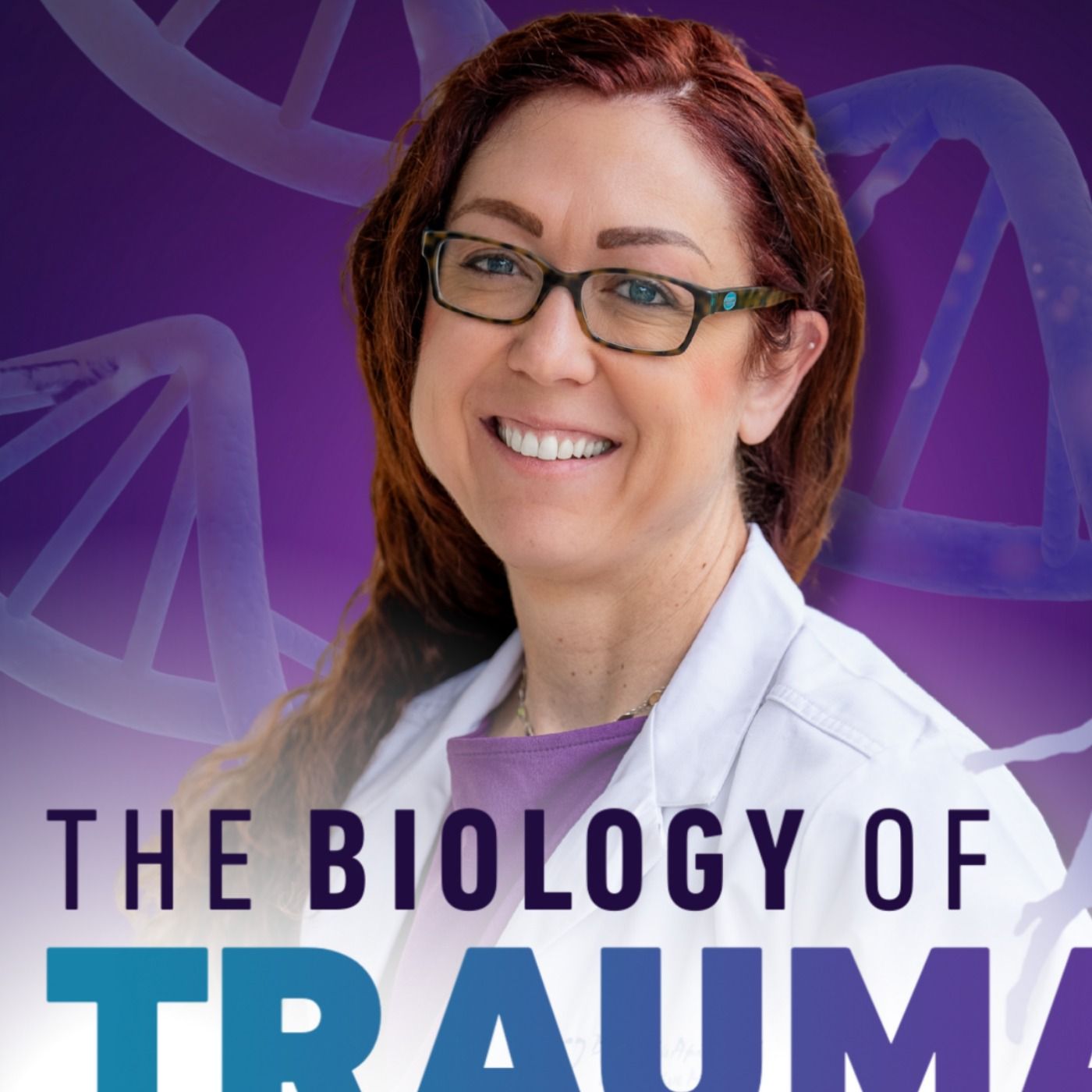
from The Biology of Trauma® With Dr. Aimie · host Dr. Aimie Apigian
What if the habit you've been trying to break is actually how you learned to survive? It's January. You've made the resolution. This year will be different. You start strong. First week goes well. By February, you're back where you started. Maybe feeling worse because now you've added shame to the pile. I share about Rachel, a 42-year-old marketing director. She tried everything to stop late-night eating. Willpower. Mantras. Accountability apps. Nothing worked for more than a few weeks. When I asked what she felt right before reaching for food, she'd never thought about it. That knot in her stomach? It went away when she ate. Her nervous system had found a way to keep emotions manageable. This wasn't about the food. It was about how she was getting through life. In this episode you'll hear more about: Why willpower isn't the problem: When we try to remove a survival strategy through willpower alone, our nervous system panics. We just took away one of its tools without offering anything in its place. The difference between a habit and a survival strategy: A habit is brushing our teeth or taking the same route to work. A survival strategy helps us cope when capacity has been overwhelmed. Late-night eating, scrolling, overworking—these are never just habits. Why our body fights back: Our nervous system won't give up a survival strategy easily. Its job is to help us survive. Of course we're back at the refrigerator by end of January. What one of my course members realized: "My protectors are able to relax when I create safety and support in my nervous system." That's the step most people miss. Why capacity matters for resolutions: Capacity is how much stress we can hold before we get overwhelmed. When we remove a survival strategy without building capacity, we overflow right back into overwhelm. Two ways to create space: We can create safety inside our current container. This removes the need for numbing and distraction. Or we can build a larger container that holds more. It is never about the behavior. The behavior is the downstream effect. When we understand this, we can work with our biology instead of against it. Resources/Guides: Biology of Trauma book — Available now everywhere books are sold. Get your copy 🎙️ Check out this week's main episode, Episode 154: The Biology of Burnout (Part 2): What Understanding Can't Do 💭 Try this practice this week: Before you reach for that habit you're trying to break, pause. Ask yourself: "What am I feeling in my body right now? What is this survival strategy helping me avoid?" Leave a review on Apple Podcasts, Spotify, or YouTube. It helps others find trauma-informed care.
Embed this episode
NOW PLAYING
Why Resolutions Fail: The Biology of Survival Strategies
No transcript for this episode yet
Similar Episodes
Mar 19, 2026 ·34m
Feb 11, 2026 ·45m
Sep 26, 2025 ·24m
Sep 5, 2025 ·41m
Similar Podcasts
No similar podcasts found.