
EPISODE · Sep 11, 2026 · 12 MIN
Why the Biggest Store Pays the Lowest Rent
from Invisible Economics · host Invisible Economics
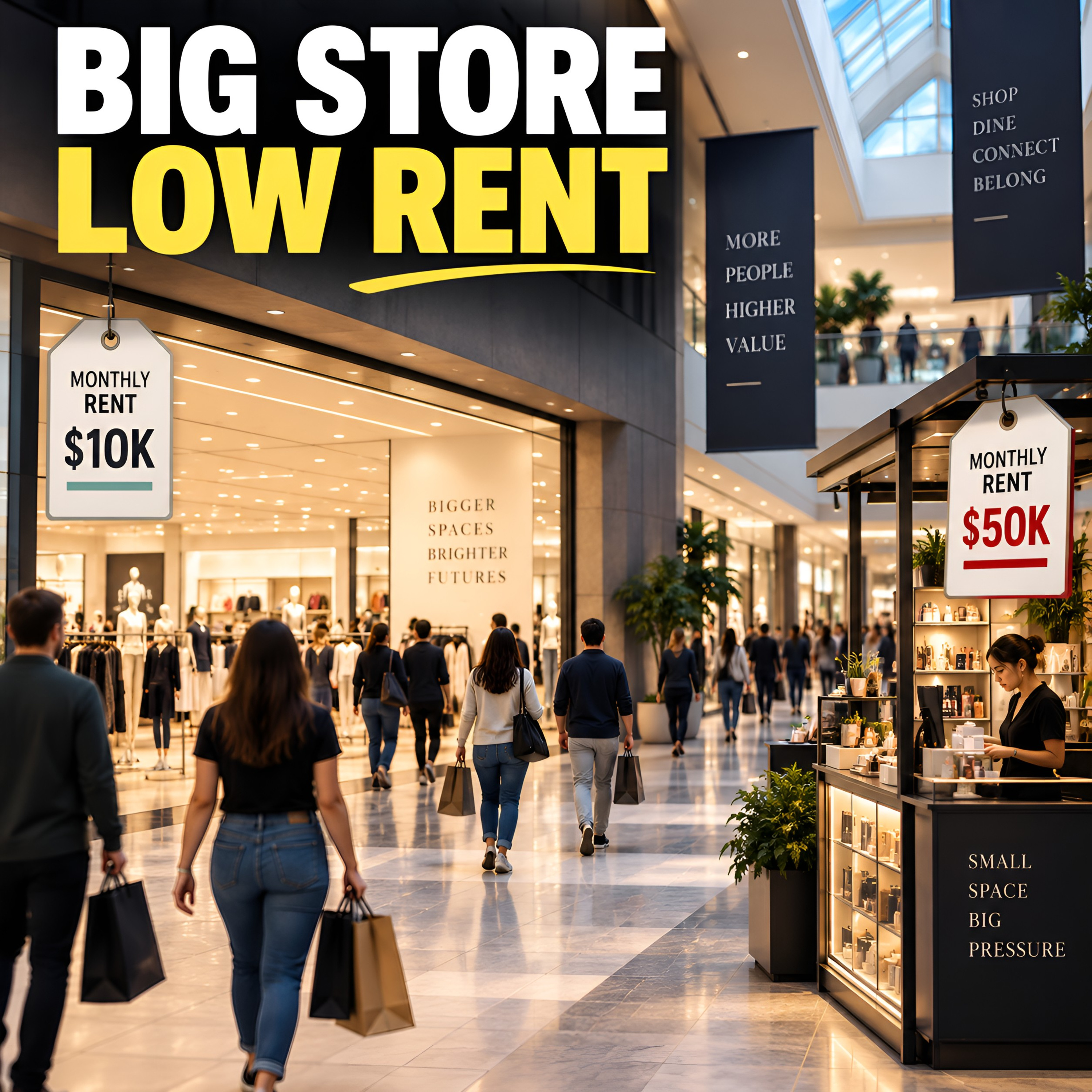
At each end of a shopping mall sits one of its largest stores. They take up more space, sign longer leases, and draw the crowds. They also tend to pay some of the lowest rent per square metre in the building.The next time you walk the corridor between two anchor stores, you'll notice the smaller shops along the way — and realize that the footsteps outside their doors are part of what they're paying for.▌│▌│ ▌│ ▌▌│ ▌│▌ ▌│ ▌▌│▌ ▌│ ▌│▌│IN THIS EPISODE— Why shopping centres charge anchor stores less for space— How smaller tenants help pay for the traffic those anchors create— Why co-tenancy clauses can turn one store closure into a problem for an entire mallTHE NUMBERAt least 72% lower rent per square foot for anchor stores versus non-anchor tenants — Pashigian & Gould, Journal of Law and Economics, 1998SOURCESPeter Pashigian & Eric Gould — “Internalizing Externalities: The Pricing of Space in Shopping Malls,” Journal of Law and Economics, 1998▌│▌│ ▌│ ▌▌│ ▌│▌ ▌│ ▌▌│▌ ▌│ ▌│▌│Narration in this episode is AI-assisted.Research, writing and editorial judgment are human.Invisible Economics — The Systems Behind Everyday Life
Embed this episode
Ready to play
Why the Biggest Store Pays the Lowest Rent
No transcript for this episode yet
Similar Episodes
No similar episodes found.