
EPISODE · Nov 13, 2025 · 1H 9M
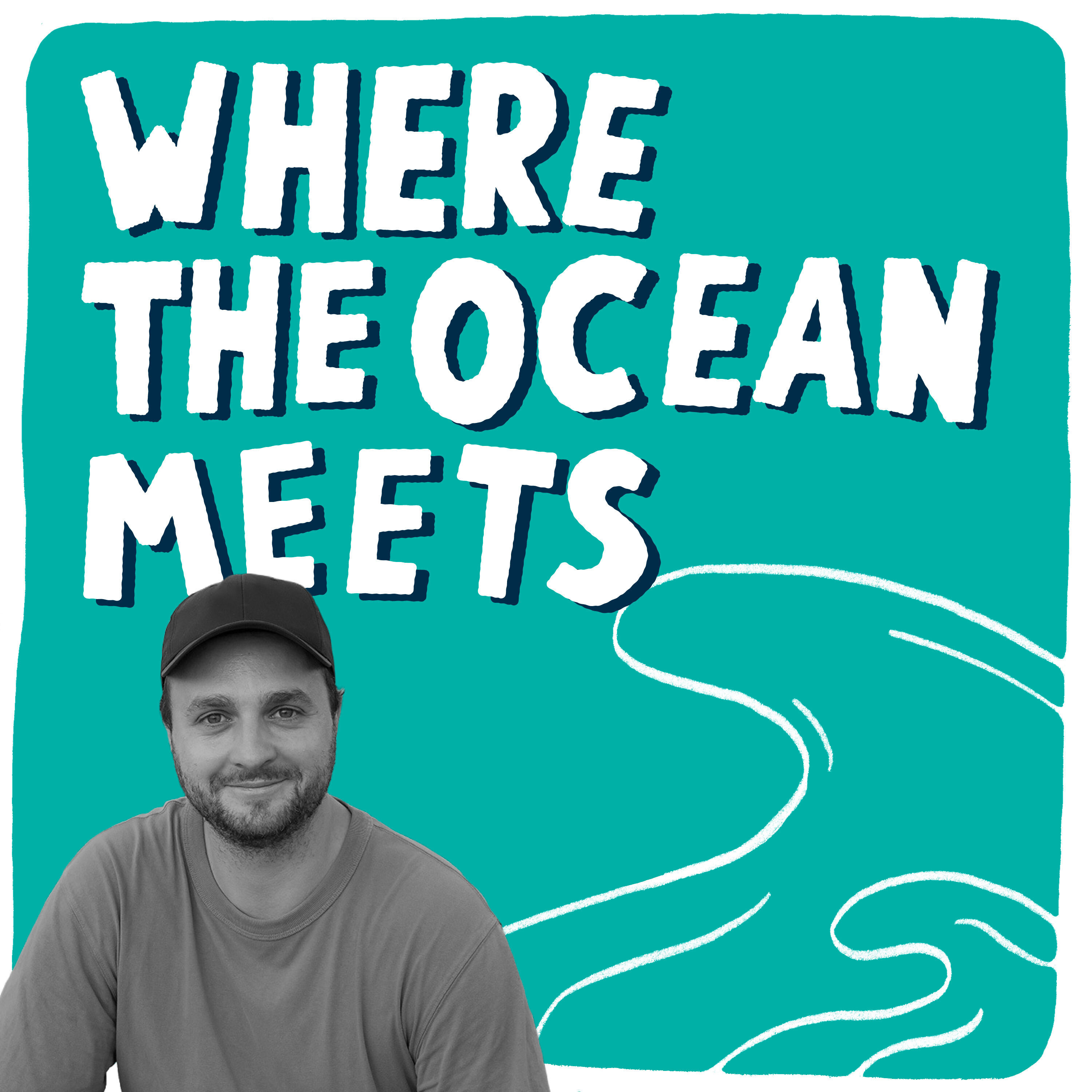
Why we need to improve ocean literacy | Where The Ocean Meets: Dr. Tom Pickerell, Global Director Oceans Program at World Resources Institute
from Where The Ocean Meets: · host Joel Tasche
Imagine you'd have one organ in your body that produces 50% of the air you breathe. It helps regulate your body temperature to a point that you can survive. It absorbs gases that would make living impossible for you. It delivers nutrients that keep you alive.All these things done by one single organ.How much would you want to know about that organ? How much money would you want to be spent on researching that organ? And how would you adjust your behavior to keep that organ alive?Probably you'd give it all the attention you can.Now this organ doesn't exist but the ocean basically provides these services to you every single day. It absorbs 25% of CO2, it produces 50% of oxygen, it absorbs 90% of heat. It feeds us with protein (if you eat seafood), it serves as shipping lines for the majority of the goods we consume. And yet, we don't know a whole lot about it.That's why I sat down with Dr. Tom Pickerell, a marine biologist and the Head of the Global Ocean Program at the World Resources Institute. With him I work through Ocean Literacy 101 and discuss if a sustainable blue economy is possible.👤 ABOUT TOM:Tom is a marine biologist working with the World Resources Institute's Ocean Program, supporting the High Level Panel for a Sustainable Ocean Economy—18 serving heads of state committed to protecting and sustainably managing 100% of their national waters. He's also a member of the Marine Stewardship Council's Stakeholder Advisory Committee and was inspired by Jacques Cousteau's vision of farming the ocean responsibly.💡 KEY TOPICS:Why ocean literacy is the missing piece in environmental educationThe economic case for ocean protection (and it's massive)How overfishing, pollution, and climate change interconnectWhat Marine Protected Areas actually do (and don't do)The Monterey Bay sea otter story—a perfect example of trophic cascadesWhy multilateralism for the ocean is both succeeding and failing right nowThe one type of seafood everyone can eat guilt-freeHow 18 countries representing 37.5% of national waters committed to 100% sustainable management
Embed this episode
Ready to play
Why we need to improve ocean literacy | Where The Ocean Meets: Dr. Tom Pickerell, Global Director Oceans Program at World Resources Institute
No transcript for this episode yet
Similar Episodes
No similar episodes found.
Similar Podcasts
No similar podcasts found.