
EPISODE · Nov 3, 2020 · 54H 19M
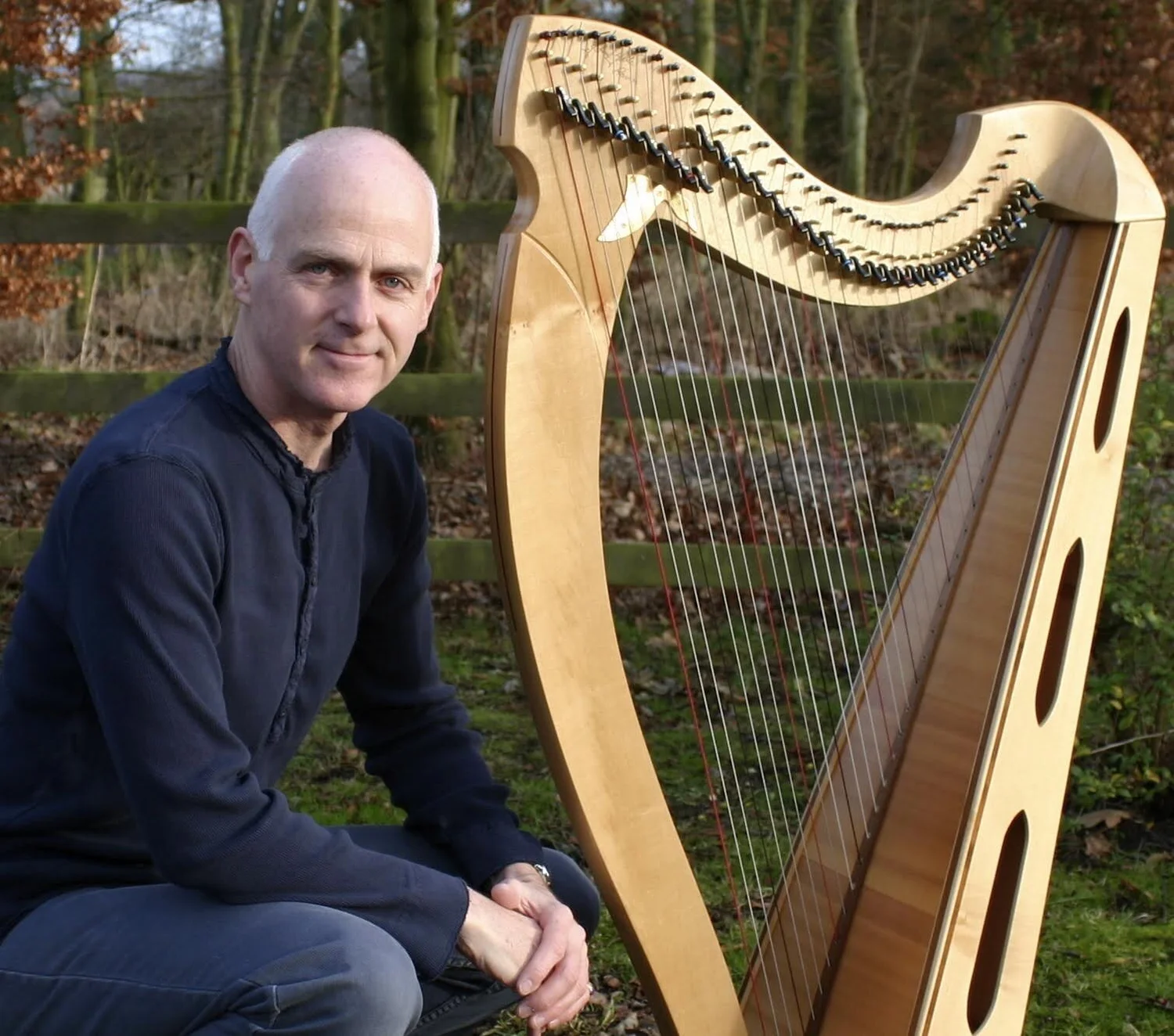
William Jackson: Scottish Harper/Composer/Multi-Instrumentalist
from HarpSong™️ Harp Podcast: A Moon Over the Trees Music and Theatre Productions® · host Maureen Buscareno
www.moonoverthetrees.com/podcastwjharp.com“Things that we’re doing now are going to be the tradition of tomorrow.”William Jackson is one of Scotland's most well respected and sought after performers and teachers of the Scottish harp. Billy’s humor and graciousness are a constant as his fans from around the world will agree.Billy’s musical journey started with classical piano at the age of 11 and when he became interested in traditional music he took up the mandolin. At 15 he started playing the double bass and bass guitar and joined the band Contraband in Glasgow.Who or what inspired you to play the harp?When Billy was in London he noticed a lever harp in the window of a store that piqued his interest. He had been listening to harpers Alan Stivell, Derek Bell, and Alison Kinnaird. He didn’t buy that particular harp, but in 1975 he decided to sell his bass and buy a harp.He played harp, Uilleann Pipes and whistles with the band Ossian for fourteen years starting in 1976. A band that continues to inspire traditional musicians from around the world. Some refer to them as, “The Scottish Planxty”.Like any other instrument the harp is constantly being developed.“It’s like a tree and it grows different branches.”Arranging tunes and playing the bouzoukiThe bouzouki has changed a lot. Tuning that’s good for Scottish music. only been used in Irish and Scottish music since the 1960s. They work really well with traditional music. It uses open tuning. Like having a drone on the bagpipe with the melody over it. Dance music would not have been accompanied originally in traditional music. That whole sense of harmony has gone onto the harp. Often when playing dance music on the harp and in a lot of the old harp pieces as well, there is so much going on with the ornamentation and variations you actually don’t have to do tons [with your accompaniment] anyway.” The melody often speaks for itself and the melody’s always telling you what the harmony could be. Scottish tunes are hugely influenced by the Scottish Pipes.On Uilleann Pipes, you can actually block the chanter on your knee and close all the holes and you can actually make a silence, you can even switch the drones off.But, it’s the melody that is the important thing. The drones can be continuous But the melody could have actual gaps or silences between the notes, so that’s a different style.But, in the Scottish bagpipe to make the second note to make trebles and doubles, you have to use cuts and ornaments to make the rhythm because it’s one long continuous sound there’s no silence. So that is hugely influential in fiddle music and harp as well.A lot of the old harp music would have a simple melody and a whole series of variations. And that’s kind of the form of the Scottish bagpipe, the Pibroch.You’re always hugely influenced by every musician you’ve ever worked with.He is also a music therapist. We talked about how wonderful the harp is for sharing with others in therapy situations and how powerful music therapy can be. He is a multi instrumentalist who started his musical journey learning classical piano, then fiddle, and pipes, among other instruments. He also plays the bouzouki, an instrument in the lute family that is very popular in Greece. It gained popularity in Irish music in the 1960s where it has become a very common instrument to hear in Irish Sessions. Billy often tours and gives harp workshops with his wife, Grainne Hambly as The Masters of Celtic Harp. However during the Covid lockdowns of 2020 they are presenting concerts and workshops online.
Embed this episode
What this episode covers
“Things that we’re doing now are going to be the tradition of tomorrow.” William Jackson is one of Scotland's most well respected and sought after performers and teachers of the Scottish harp. Billy’s humor and graciousness are a constant as his fans from around the world will agree. Billy’s musical journey started with classical piano at the age of 11 and when he became interested in traditional music he took up the mandolin. At 15 he started playing the double bass and bass guitar and joined the band Contraband in Glasgow. Who or what inspired you to play the harp? When Billy was in London he noticed a lever harp in the window of a store that piqued his interest. He had been listening to harpers Alan Stivell, Derek Bell, and Alison Kinnaird. He didn’t buy that particular harp, but in 1975 he decided to sell his bass and buy a harp. He played harp, Uilleann Pipes and whistles with the band Ossian for fourteen years starting in 1976. A band that continues to inspire traditional musicians from around the world. Some refer to them as, “The Scottish Planxty”. Like any other instrument the harp is constantly being developed. “It’s like a tree and it grows different branches.”
Ready to play
William Jackson: Scottish Harper/Composer/Multi-Instrumentalist
No transcript for this episode yet
Similar Episodes
No similar episodes found.
Similar Podcasts
No similar podcasts found.