Windows is Becoming a Specialty OS (and That’s Okay)
from The Xero for Hire Podcast Hosted by Xeroforhire
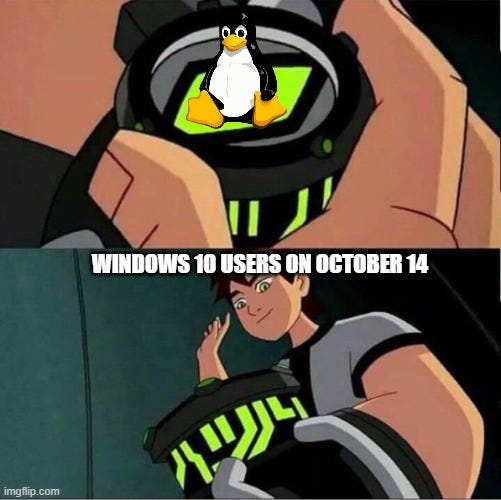
🐧 This week on the podcast, I walked through a personal tech crossroads: realizing that Windows is no longer my “everyday OS.” I hit a breaking point after too many failed recordings, BitLocker bricking my system out of nowhere, and Microsoft’s constant push toward “Windows-as-a-service.” It made me rethink how I actually use computers — and whether Windows even deserves to be my daily driver. 💻 The Everyday Computer Problem Back in the mid-2000s, running Linux was an experiment in frustration. Distros like Ubuntu and Mint were cool, but drivers, media, and compatibility were constant headaches. Fast-forward to 2025, and the story has flipped. * Daily tasks? Browsing, email, docs, spreadsheets, notes — Linux handles them effortlessly. * Creative work? Linux has strong tools (Krita, GIMP, Kdenlive), but Adobe, FL Studio, and top-tier video editing still lock you to Windows. * Gaming? Steam runs better than ever on Linux, but some titles (like Fortnite) are still tied to Windows. That makes Windows less of a “default OS” and more like a studio tool — something you fire up for specialized work, not daily living. 🖥️ The New Tier System Here’s the reframing that hit me: * Phone = my “pocket computer” for GPS, calls, and cameras. * Linux laptop / Pi terminal = the real everyday computer. Lightweight, private, customizable. * Windows PC = a “specialty machine,” just like a console. Needed for certain games, video editing, or music production — but not for everything else. Once you accept that, the stress of “making Linux replace Windows” goes away. Instead, Linux gets to shine in the space where it’s already better. 🐧 Where to Start If you’re thinking of jumping, don’t overcomplicate it. A few distros that just work in 2025: * Ubuntu GNOME → Best touchscreen & modern hardware support. * Ubuntu MATE → Mint-like, lightweight, family-friendly. * Xubuntu → Very light, runs great on older laptops. * Debian 12 → Rock-solid, works across both x86 and ARM (hello Raspberry Pi). I’m leaning toward Debian for my own build — it’s boring in the best way. ✝️ Closing Thought Windows is becoming a specialty tool. Linux is becoming the everyday computer. That’s the future I see, and it feels good to finally accept it. Stay holy,— Shae 🕒 Timestamps 00:00 – 01:25 | Technical issues & feeling sick Failed attempt at recording an instructional video. Audio problems in OBS made the video unusable. Allergies and a virus left the host drained, prompting a switch to phone recording. 01:30 – 02:53 | Installing Linux again Starts a new Linux install. Compares Linux motivations in 2025 vs. 2005. Early Ubuntu history and spin-offs (Xubuntu, Kubuntu). 03:00 – 04:31 | Windows as a “live service” Windows has shifted to subscription and license-heavy model. Frustration with forced updates, licensing costs, and the push for Office 365. Notes open-source software often works “good enough” for average users. 05:00 – 07:20 | Specialty software limits Linux adoption For art/design: GIMP, Krita vs Adobe. For music: FL Studio vs open alternatives. For video: DaVinci Resolve partially supports Linux but imperfectly. The “out of the box” expectation vs tinkering. 07:30 – 09:04 | Negative Windows experiences Issues with OneNote overwriting icons. BitLocker bricking system unexpectedly. Windows pushing unwanted services led to “last straw”. 09:10 – 10:36 | Gaming headaches on Linux Installed Mint for kids → Fortnite not working. Steam runs, but only some games are compatible. Mentions Wine as an upcoming experiment. Specialty drivers and hardware often Windows-only. 10:40 – 12:13 | Redefining computer use Most daily tasks (email, browsing, docs, spreadsheets, light drawing) work fine on Linux. Suggests keeping Windows only for specialty “studio” use: DaVinci, FL Studio, or certain games. Everything else = Linux. 12:18 – 15:05 | Raspberry Pi & ARM realizations Pi uses ARM, not x86 → Windows not viable. Linux more universal across platforms. Phones already cover much of daily computing; PCs are for “specialty work.” Shifts view of Windows PCs into the same category as consoles: specific-use devices. 15:10 – 16:16 | Closing thoughts & distro picks Recommends Ubuntu, Xubuntu, Debian, or Ubuntu MATE. Personally leaning toward Debian for x86 + ARM compatibility. Ends with optimism about Linux’s future and a sign-off: “Stay holy”. This is a public episode. If you'd like to discuss this with other subscribers or get access to bonus episodes, visit xeroforhire.substack.com/subscribe
Embed this episode
No transcript yet.