
EPISODE · Feb 8, 2017 · 40 MIN
Women and Colonial Legal Pluralism in Algeria | Sarah Ghabrial
from Ottoman History Podcast · host Ottoman History Podcast
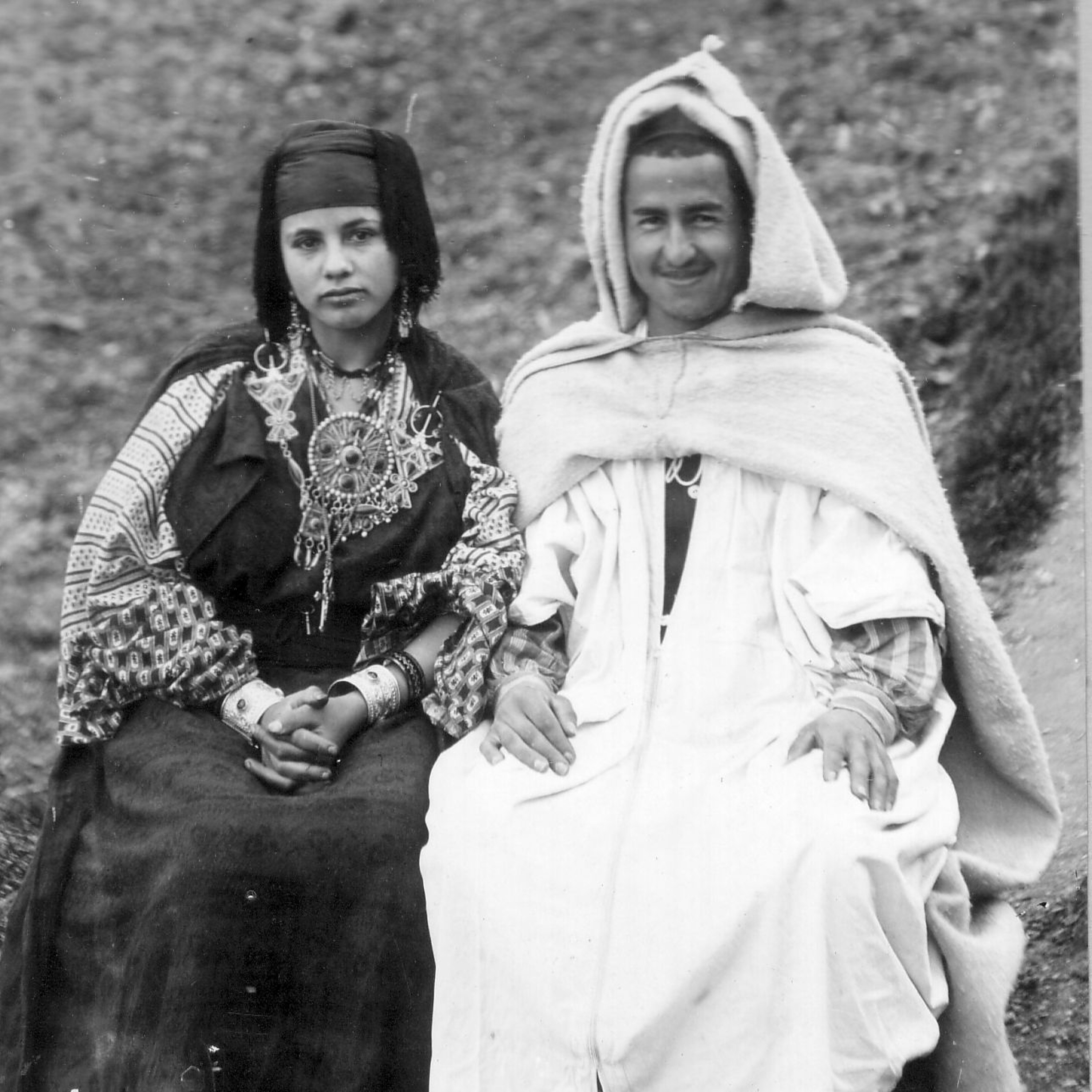
E296 | In French Algeria, the colonial imperatives of assimilation and difference gave birth to legal pluralism. In this episode, Dr. Sarah Ghabrial explains what it meant for Algerian women to have different legal structures operating at the same time. The ability to argue one's case in an Islamic court and also appeal it in French common law provided openings for women in matters of personal status. But it also had limits. They may have ultimately been able to divorce their husbands, but divorcing themselves from patriarchal structures of power proved more difficult, if not impossible. At the same time as legal codes changed, so, too, did medicine. As in much of the world, a state-sponsored scientific medicine, mostly practiced by men, began to crowd out local healing practices and knowledge of bodies, in many cases performed and possessed by women such as midwives. But it would have a particularly racialized impact in French Algeria. We also examine the impact of this change in court, where the latter form of medicine came to be an arbiter of truth, particularly in divorce cases. We close by shifting from matters of impotence to questions of agency, and how useful of a concept it is for this history. More at http://www.ottomanhistorypodcast.com/2017/02/ghabrial.html Sarah Ghabrial is a Postdoctoral Research Fellow in the Department of History at Columbia University. Her current book project, Colonial Law and the Muslim Family in Algeria (1870-1930), uses social and gender history approaches and untapped judicial archives to examine the French governance of Islamic law in colonial Algeria. Her article, "The Traumas and Truths of the Body: Medical Evidence and Divorce in Colonial Algerian Courts” Journal of Middle East Women’s Studies (November 2015) won the 2014 JMEWS Graduate Student Paper Prize. Edna Bonhomme is a doctoral candidate in History of Science at Princeton University. Her dissertation focuses on the history of the bubonic plague in Cairo and Tunis during the outbreaks in the 1780s and 1790s. She graduated from Reed College in 2006 with a degree in Biology and from Columbia University with a master's in public health. Prior to pursuing history, she was a research assistant at the Oregon Health and Sciences University. In addition to academic work, she occasionally writes for Socialist Worker and Red Wedge Magazine. Sam Dolbee is a PhD student completing his dissertation on the environmental history of the late-Ottoman and mandate-era Jazira region at New York University in the joint program in history and Middle Eastern and Islamic studies. CREDITS Episode No. 296 Release Date: 7 February 2017 Recording Location: New York, NY Audio editing by Chris Gratien Music: from Excavated Shellac - Lili Labassi - Mazal Haye Mazal; Hocine Slaoui – Yal Cahlafrom archive.org - Harmandali - Recep Efendi, Cemal Efendi; Baglamamin Dugumu - Necmiye Ararat and Muzaffer Special thanks to Kara Güneş for permission to use the composition "Istanbul" Images and bibliography courtesy of Sarah Ghabrial available at http://www.ottomanhistorypodcast.com/2017/02/ghabrial.html
Embed this episode
Ready to play
Women and Colonial Legal Pluralism in Algeria | Sarah Ghabrial
No transcript for this episode yet
Similar Episodes
No similar episodes found.
Similar Podcasts
No similar podcasts found.