
EPISODE · Oct 19, 2025 · 3 MIN
Women Empowering Psychological Safety: The Leadership Revolution
from The Women's Leadership Podcast · host Inception Point AI
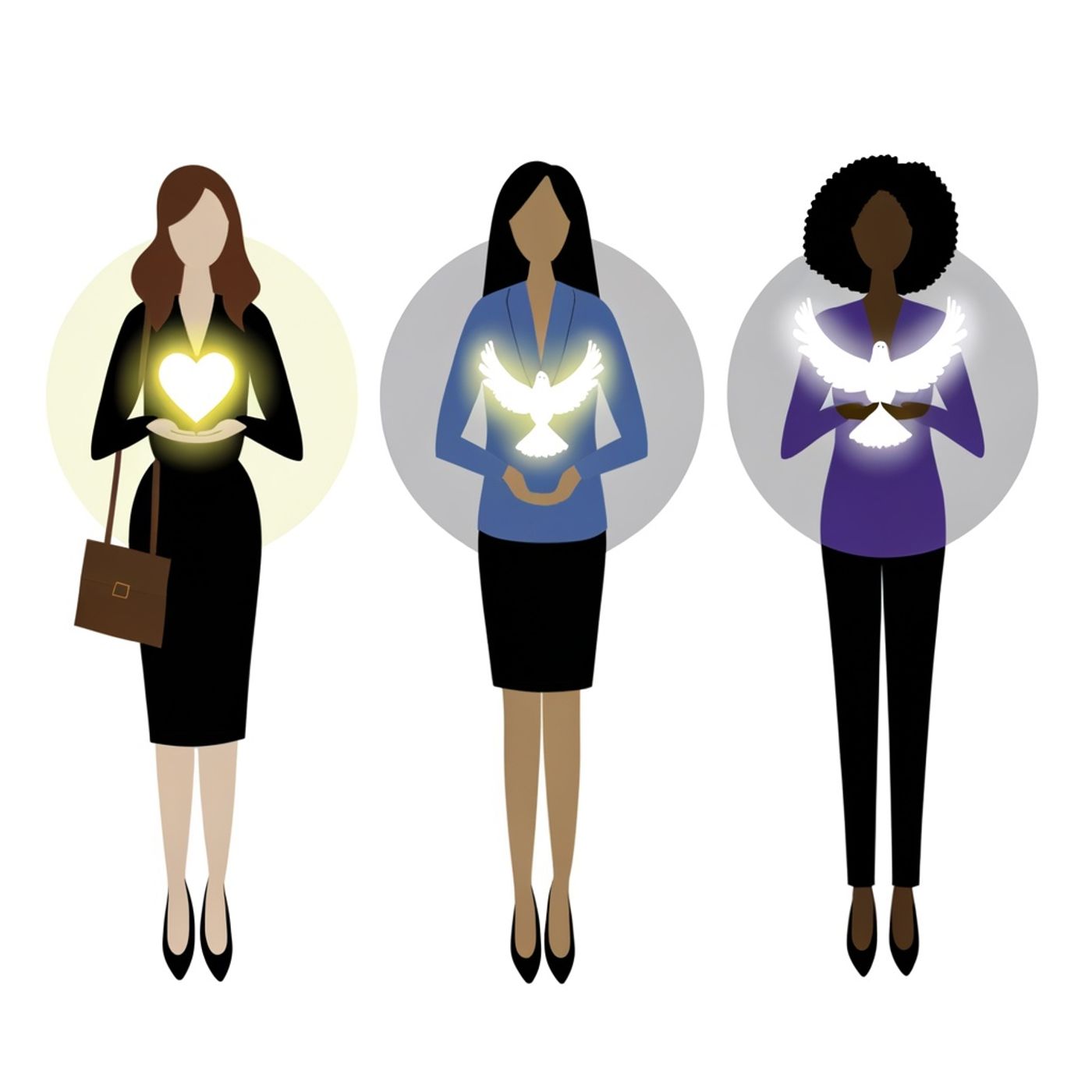
This is your The Women's Leadership Podcast podcast. Welcome back to The Women's Leadership Podcast. Today, we're diving into the heart of modern leadership: leading with empathy, and how women leaders are uniquely positioned to foster psychological safety in the workplace. Empathy is no longer just a soft skill—it's the driving force behind successful teams and innovative companies. Leaders like Mary Barra at General Motors, Ginni Rometty at IBM, and Jacinda Ardern, former Prime Minister of New Zealand, have embodied empathy in how they respond to crises, build trust, and champion inclusive values. These women show us that empathetic leadership isn’t about being nice for the sake of it—it’s about understanding your team’s challenges, sharing in their struggles, and creating a foundation where everyone feels safe to speak up and thrive. Let’s get right to the main discussion. Psychological safety means that employees feel free to express ideas, ask questions, and even challenge decisions—without fear of retribution or losing respect. According to Harvard Business Review, organizations with psychologically safe environments are simply more resilient. When people feel comfortable bringing their authentic selves to work, innovation flourishes, stress reduces, and diverse perspectives shape smarter solutions. For women, this is especially crucial. Research shows women often face biases, stereotypes, and unique challenges—from being interrupted in meetings to struggling with imposter syndrome, especially if they’re from underrepresented backgrounds. Joanna McCrae from PageGroup points out the power of psychological safety for women of color, who need spaces to challenge and question without being mislabeled as aggressive or difficult. So how do women leaders foster psychological safety? First, they lead by example—modeling open communication and vulnerability. Take Sheryl Sandberg, who consistently championed emotional intelligence and openness at Meta. When leaders like her ask for feedback, admit mistakes, and show genuine concern, it empowers employees to do the same. Second, women prioritize mentorship and sponsorship—building networks where women support each other, share career advice, and navigate workplace challenges together. These trusted relationships create a safe space for honest dialogue. Third, women leaders embrace flexible work arrangements and inclusive policies. During the pandemic, Mary Barra implemented flexible options and resources at GM, signaling that employee well-being comes before business as usual. Flexibility isn’t just a perk—it’s a lifeline that enables women to balance work and life, speak up about personal challenges, and remain engaged. Fourth, promoting allyship is vital. Psychological safety thrives when men and other colleagues support women’s voices, advocate for fairness, and challenge exclusionary behaviors. Angela Seymour-Jackson at PageGroup reminds us that diversity isn’t enough; real inclusion means This content was created in partnership and with the help of Artificial Intelligence AI.
What this episode covers
This is your The Women's Leadership Podcast podcast. Welcome back to The Women's Leadership Podcast. Today, we're diving into the heart of modern leadership: leading with empathy, and how women leaders are uniquely positioned to foster psychological safety in the workplace. Empathy is no longer just a soft skill—it's the driving force behind successful teams and innovative companies. Leaders like Mary Barra at General Motors, Ginni Rometty at IBM, and Jacinda Ardern, former Prime Minister of New Zealand, have embodied empathy in how they respond to crises, build trust, and champion inclusive values. These women show us that empathetic leadership isn’t about being nice for the sake of it—it’s about understanding your team’s challenges, sharing in their struggles, and creating a foundation where everyone feels safe to speak up and thrive. Let’s get right to the main discussion. Psychological safety means that employees feel free to express ideas, ask questions, and even challenge decisions—without fear of retribution or losing respect. According to Harvard Business Review, organizations with psychologically safe environments are simply more resilient. When people feel comfortable bringing their authentic selves to work, innovation flourishes, stress reduces, and diverse perspectives shape smarter solutions. For women, this is especially crucial. Research shows women often face biases, stereotypes, and unique challenges—from being interrupted in meetings to struggling with imposter syndrome, especially if they’re from underrepresented backgrounds. Joanna McCrae from PageGroup points out the power of psychological safety for women of color, who need spaces to challenge and question without being mislabeled as aggressive or difficult. So how do women leaders foster psychological safety? First, they lead by example—modeling open communication and vulnerability. Take Sheryl Sandberg, who consistently championed emotional intelligence and openness at Meta. When leaders like her ask for feedback, admit mistakes, and show genuine concern, it empowers employees to do the same. Second, women prioritize mentorship and sponsorship—building networks where women support each other, share career advice, and navigate workplace challenges together. These trusted relationships create a safe space for honest dialogue. Third, women leaders embrace flexible work arrangements and inclusive policies. During the pandemic, Mary Barra implemented flexible options and resources at GM, signaling that employee well-being comes before business as usual. Flexibility isn’t just a perk—it’s a lifeline that enables women to balance work and life, speak up about personal challenges, and remain engaged. Fourth, promoting allyship is vital. Psychological safety thrives when men and other colleagues support women’s voices, advocate for fairness, and challenge exclusionary behaviors. Angela Seymour-Jackson at PageGroup reminds us that diversity isn’t enough; real inclusion means This content was created in partnership and with the help of Artificial Intelligence AI.
NOW PLAYING
Women Empowering Psychological Safety: The Leadership Revolution
No transcript for this episode yet
Similar Episodes
Mar 26, 2026 ·1m
Mar 19, 2026 ·34m
Feb 18, 2026 ·11m
Feb 11, 2026 ·45m