
EPISODE · Dec 16, 2024 · 19 MIN
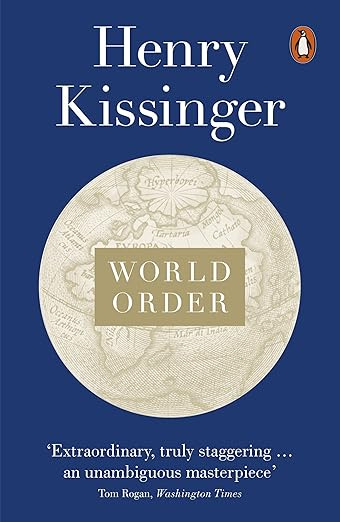
World order by Henry Kissinger: Reflections on the character of nations and the course of history
from BigIdeas.FM: Audiobooks delivered as conversational podcasts! · host BigIdeas.FM
World order by Henry KissingerGet the book: https://amzn.to/3OXBUVGAs Henry Kissinger observes in this magisterial book, there has never been a true world order. For most of history, civilizations have defined their own concepts of order, each one envisioning its distinct principles as universally relevant. Now, as international affairs take place on a global basis, these historic concepts of world order are meeting. Every region participates in questions of high policy in every other, often instantaneously - yet there is no consensus among the major actors about the rules and limits guiding this process, or its ultimate destination. The result is mounting tension.Blending historical insight with prognostication, World Order is a meditation from one of our era's most prominent diplomats on the 21st century's ultimate challenge: how to build a shared international order in a world of divergent historic perspectives, violent conflict, proliferating technology and ideological extremism.Here are 7 key lessons from World Order by Henry Kissinger:* Balance of Power is Key to Stability: Maintaining a balance of power among nations is essential to preserving global stability and preventing any one power from dominating.* Understanding Cultural and Historical Context Matters: To navigate international relations effectively, it’s crucial to understand the history, culture, and identity of different nations.* Effective Diplomacy Prevents Conflict: Diplomacy, rather than military force, is critical to resolving global tensions and preventing escalation, especially when dealing with adversaries.* The U.S. Must Play a Leadership Role: The United States has a unique position in global politics and must actively shape the liberal world order to maintain influence while respecting sovereignty.* China’s Rise Requires Strategic Engagement: The rise of China presents both opportunities and challenges, requiring careful diplomatic management to avoid conflict and foster cooperation.* Globalization Faces Political Limits: While globalization connects the world economically, it doesn’t always align with political integration, and nations still prioritize their national interests.* Ideological Differences Shape Global Conflicts: Ideological divides, such as between democracy and authoritarianism, create tensions that must be managed to prevent global instability. This is a public episode. If you'd like to discuss this with other subscribers or get access to bonus episodes, visit ideas.nextbigwhat.com/subscribe
Embed this episode
Ready to play
World order by Henry Kissinger: Reflections on the character of nations and the course of history
No transcript for this episode yet
Similar Episodes
No similar episodes found.
Similar Podcasts
No similar podcasts found.