
EPISODE · Nov 15, 2025 · 22 MIN
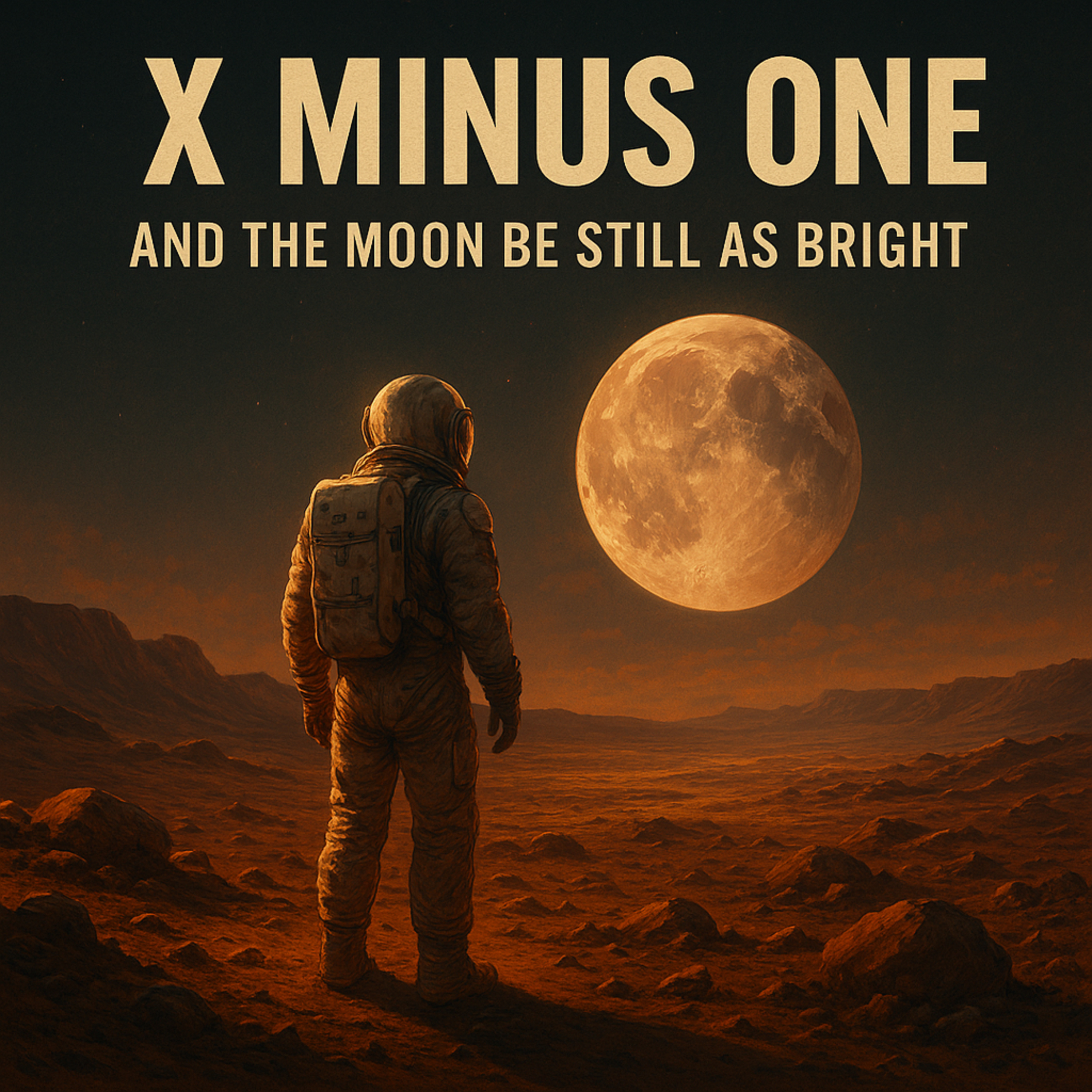
X Minus One: And the Moon Be Still as Bright (04-22-1955)
from Classic Streams: Old Time Retro Radio · host Dwight Allen
The Silent Echoes of Mars: A Journey Through Time and SpaceThe story explores the themes of civilization, legacy, and the reasons behind the decline of great empires, emphasizing the importance of understanding history beyond superficial explanations.In the vast expanse of the cosmos, Mars stands as a silent witness to the passage of time. The story of the fourth expedition to Mars, as narrated in "And the Moon Be Still as Bright," unfolds a tale of discovery, loss, and reflection. As the crew lands on the red planet, they are greeted not by Martians, but by the echoes of a civilization long gone, wiped out by an Earthly disease.The Journey Begins: The expedition's journey is marked by the thrill of exploration and the sobering reality of their predecessors' fate. As they step onto Martian soil, the crew is enveloped by the cold, intoxicating air, a stark reminder of the planet's desolate beauty. The city they encounter is a testament to the Martians' architectural prowess, yet it stands empty, a ghostly relic of a once-thriving society.A Tragic Revelation: The crew's discovery of the Martians' demise due to chickenpox—a disease trivial to humans but deadly to Martians—serves as a poignant reminder of the unintended consequences of exploration. The narrative delves into the philosophical musings of Spender, a crew member who grapples with the moral implications of their presence on Mars. His internal conflict highlights the broader theme of humanity's impact on the universe.A Reflection on Humanity: As the story unfolds, the crew's actions mirror the historical patterns of colonization and cultural erasure. Spender's struggle with his crewmates' disregard for Martian heritage echoes the sentiments of indigenous peoples on Earth. His ultimate decision to stand against his own kind underscores the tension between progress and preservation."And the Moon Be Still as Bright" is more than a tale of space exploration; it is a reflection on humanity's place in the universe. As we reach for the stars, we must also look inward, acknowledging the footprints we leave behind. The story invites us to ponder the legacy we wish to create, both on Earth and beyond.Subscribe Now: Join us on this journey through time and space. Subscribe for more stories that explore the depths of human experience and the mysteries of the cosmos.TakeawaysA race builds itself for a million years.Civilizations strive for respect and beauty.The decline of empires often lacks a decent explanation.Historical narratives can be oversimplified.Understanding history requires deeper analysis.The fall of great civilizations is a complex issue.Empires are often remembered for their achievements.The reasons for decline can be trivialized.History should honor the legacy of past civilizations.The conversation encourages a thoughtful reflection on history.civilizations, legacy, empires, history, decline, respect, beauty
Embed this episode
Ready to play
X Minus One: And the Moon Be Still as Bright (04-22-1955)
No transcript for this episode yet
Similar Episodes
No similar episodes found.
Similar Podcasts
No similar podcasts found.