
EPISODE · Sep 11, 2025 · 3 MIN
Y2K Tech Revival Sweeps 2025: How Millennial Nostalgia Transforms Art, Music, and Digital Culture
from Y2K Tech Reboot: Retro Future · host Inception Point AI
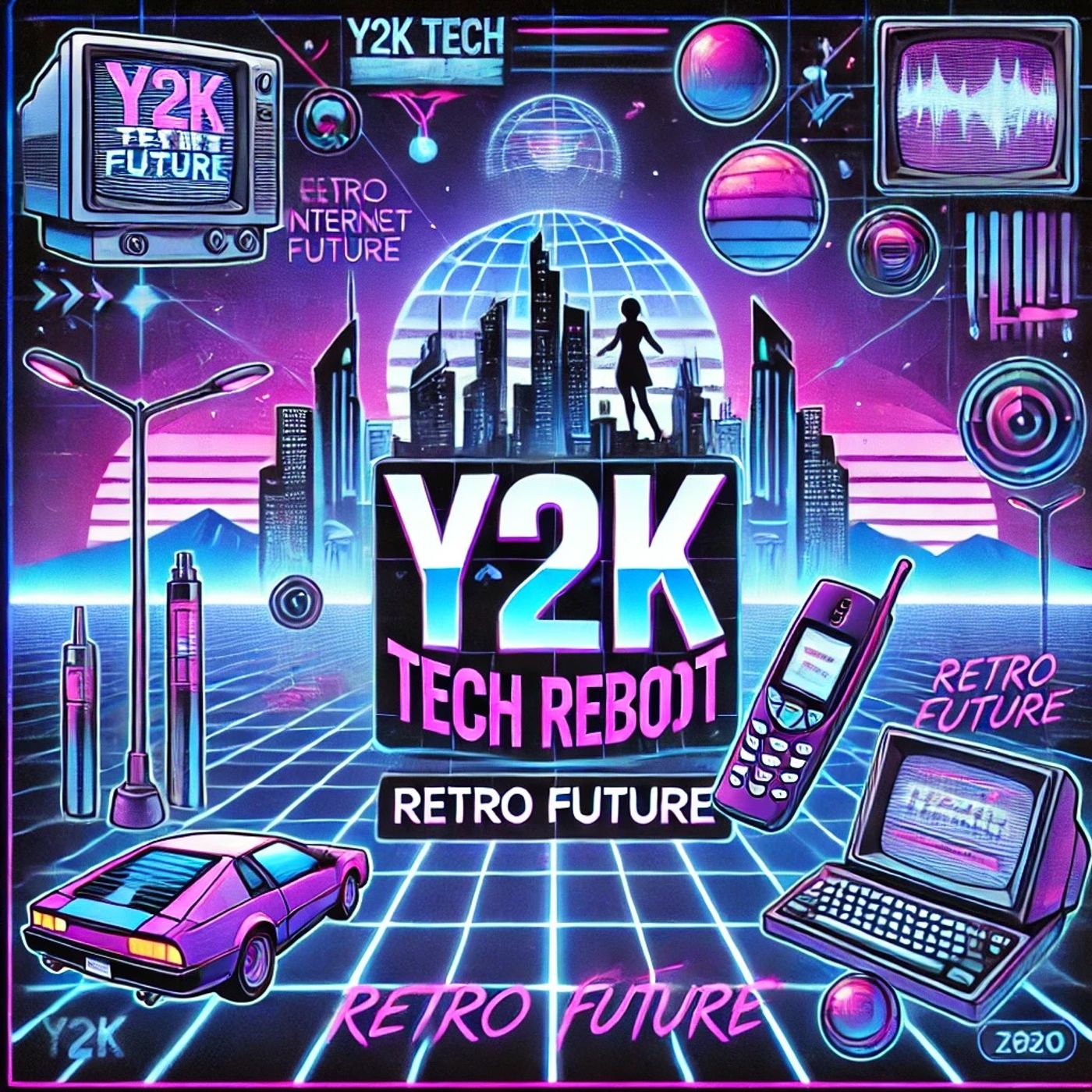
Y2K Tech Reboot: Retro Future is no longer just a nostalgic style—it’s a cultural phenomenon inspiring art, music, gaming, and even tech design in 2025. This year, the Y2K wave is alive and surging, turning the once-dated aesthetics of chrome gloss, chunky polycarbonate plastics, and the optimism of millennial tech into today’s symbol of creative rebellion. Whether it’s fashion brands reviving iridescent bubble jackets or technology startups launching translucent hardware inspired by 1999-era game consoles, the retro-futurist style is everywhere. In entertainment, gamers are flocking to experiences like Hyper Yuki from Wabisabi Design. This high-speed, trick-driven snowboarding game takes players through neon-lit landscapes doused in the signature Y2K palette, blending slick minimalism with playful excess. According to gaming coverage by Jerry Paxton at GamingShogun, Hyper Yuki isn’t just a nod to the past; it’s a celebration of the era’s positivity and fearless embrace of the digital unknown, encouraging players to chase high scores the same way millennials once chased download bars on their dial-up connections. Pop culture’s love affair with Y2K is also influencing music, with retro-futurist visuals and synth-heavy beats marking a new wave of emerging artists. Mark Feist, veteran producer and founder of the label Hitmakers, recently noted in The Beat Asia that artist development now reflects both throwback aesthetics and modern storytelling, making acts like Tash and Shanice stand out for listeners seeking both nostalgia and innovation. Shanice’s latest collab with Jay R, “Never Ever,” launching in August, is wrapped in sparkling Y2K visuals and sleek digital production that echoes the best of late-‘90s pop. Streaming and social media platforms are also full of creators paying homage to the era. In a feature on The Beat Asia, TikTok and Instagram personalities gather millions of followers making content inspired by the turn-of-the-millennium tech optimism—think camcorder filters and stylized tributes to the first generation of internet memes. Content creators like Tony LC, known for translating his scripts through Google Translate to purposefully recreate the clunky, endearing Internet English of the period, are blending the sincerity and silliness that defined early online subcultures. Critics argue that this Y2K reboot is more than empty nostalgia. It’s a kind of cultural optimism—a way to revisit the past’s dreams for the future with today’s tools. These “retro-futurists,” as they’re sometimes called, argue that the Y2K aesthetic offers a refreshing hopefulness after years of dystopian narratives and digital fatigue. By looking back, society finds permission to look ahead again, with new confidence. Thank you for tuning in and remember to subscribe. This has been a quiet please production, for more check out quiet please dot ai. Some great Deals https://amzn.to/49SJ3Qs For more check out http://www.quietplease.ai This content was created in partnership and with the help of Artificial Intelligence AI.
Embed this episode
Ready to play
Y2K Tech Revival Sweeps 2025: How Millennial Nostalgia Transforms Art, Music, and Digital Culture
No transcript for this episode yet
Similar Episodes
No similar episodes found.