
EPISODE · Sep 23, 2020 · 1H 47M
Yin & Young EP050 - Emi Higashiyama - Taiwanese Language, History, Identity
from Yin & Young Podcast · host James Shih
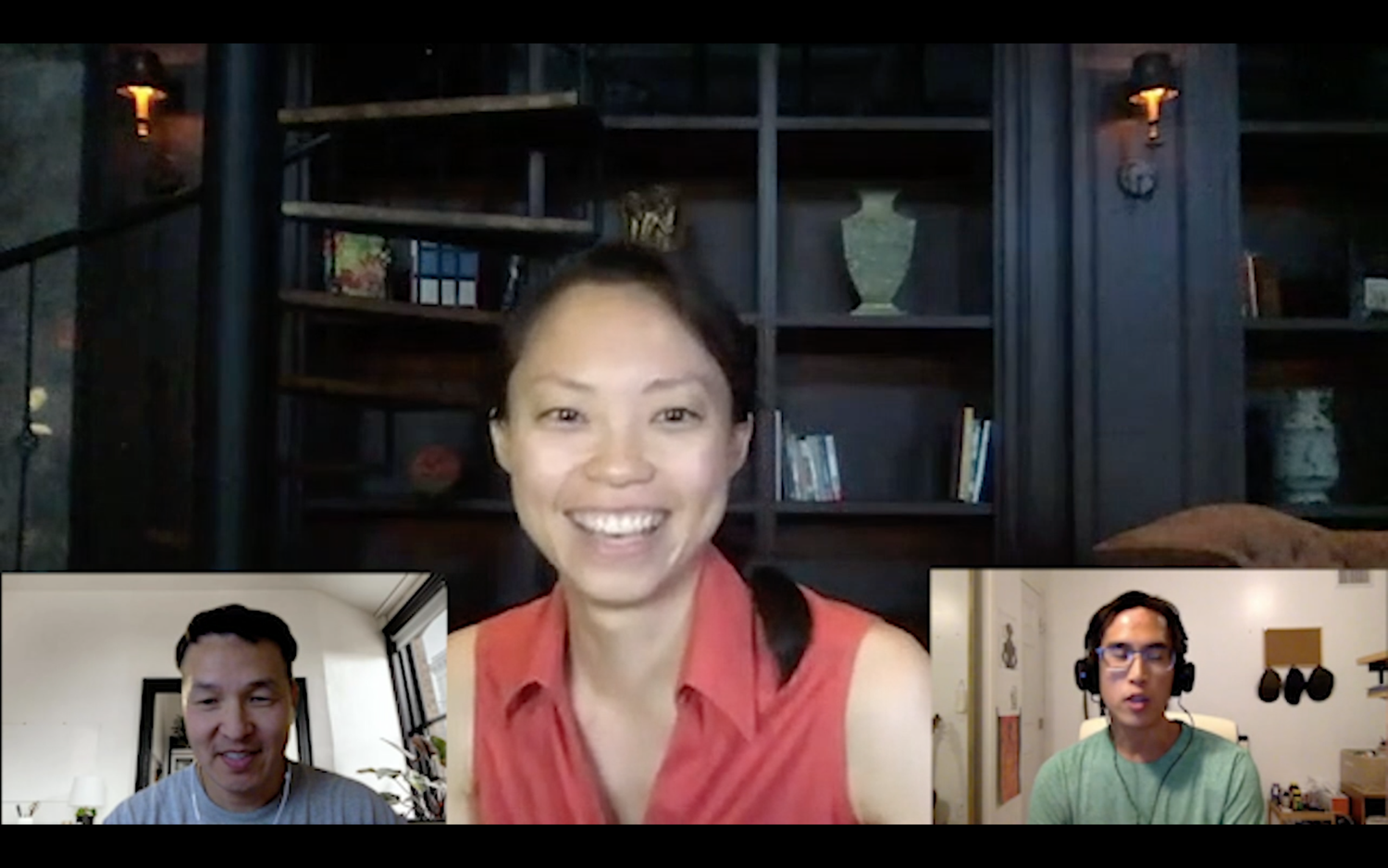
In this episode, James and Dan chat with Emi Higashiyama about the Taiwanese language and history of the Hokkien dialect family. Emi Higashiyama is a historic preservationist, specializing in Japanese colonial architecture in Taiwan and multicultural/multilingual aspects of Taiwanese heritage issues. Highlights: - 2:48 Emi’s cultural background is a complex mix of Taiwanese, Japanese, and American influences. - 11:52 Language and identity often are closely tied to each other. - 28:00 Hokkien is present throughout Southeast Asia, with different forms and variances. - 33:23 Language, dialect, and accent are all different from each other. - 39:00 Discussed how different races and cultures become “trendy” and “popular” in certain countries, leading to idealization (e.g. U.S. and Japanese culture in Taiwan). - 44:57 Brief history of linguistics in Taiwan: indigenous languages, Hokkien, Hakka, Japanese, Mandarin. - 47:15 Taiwan is like a melting pot due to its history of back and forth migration and colonial rule by the Japanese and Chinese. - 51:55 Emi quizzes Dan to see if he can figure out the Japanese equivalent to Taiwanese words. Taiwanese and Japanese have common words because of the Japanese colonial era in Taiwan. - 1:13:00 Emi’s shares the etymology of the Japanese sounding, but uniquely Taiwanese phrase あたまコンクリ (atama konkuri). - 1:25:55 Discussed the suppression of the Taiwanese language under the KMT to today’s increasing interest in learning Taiwanese. - 1:30:20 Final thoughts: go learn languages! Don’t treat it as a “foreign” language. Language Corner (1:41:31): Japanese (日本語) - - ちんぷんかんぷん - “that’s Greek to me!” or “I can’t make heads or tails of this.” From the Chinese phrase: 聽不懂看不懂 (tīng bù dǒng kàn bù dǒng) meaning “I can’t understand what you’re saying or writing.” - ボンネット- bonnetto - car hood. From the word “bonnet." - クラクション - kurakushon - car horn. From the word “klaxon." Hakka (客家話) - https://youtu.be/ktCOVjX1fEQ - ng3 ho4 (汝好) - 你好 - how are you? - an4 zii4 se (恁仔細) - 謝謝 - thank you! - siit bau4 mang (食飽吂)- 吃飽了嗎?- did you eat yet? Emi’s links: - Photo documentation project of Japanese colonial era architecture in Taiwan: https://www.instagram.com/japanesecolonial/ - Curated reading list on Taiwan’s history: https://medium.com/@emihigashiyama/how-to-become-an-expert-in-taiwan-history-94a89e225ea7 - Newsletter (exclusive access to Emi’s work in Taiwan): https://japanesecolonial.substack.com/subscribe - Learn Taiwanese with Bite-size Taiwanese: https://bitesizetaiwanese.com/ - Learn Japanese with Japanese by Chunking: www.youtube.com/c/japanesebychunking [Notes prepared by Emi’s intern Esther, edited/added to by James.] — Consider being a Yin & Young patron on our Patreon. Find Yin & Young: - Website: http://www.jamesyshih.com/yin-young-podcast - iTunes: https://itunes.apple.com/us/podcast/yin-young-podcast-jys/id1185421015?mt=2 - Facebook: https://www.facebook.com/yinyoungpodcast/ - Spotify: https://tinyurl.com/rkrynzq - Stitcher: https://www.stitcher.com/podcast/yin-young-podcast Be a patron: https://tinyurl.com/u7to2s6 Comments, questions? Email us at [email protected].
Embed this episode
NOW PLAYING
Yin & Young EP050 - Emi Higashiyama - Taiwanese Language, History, Identity
No transcript for this episode yet
Similar Episodes
No similar episodes found.
Similar Podcasts
No similar podcasts found.