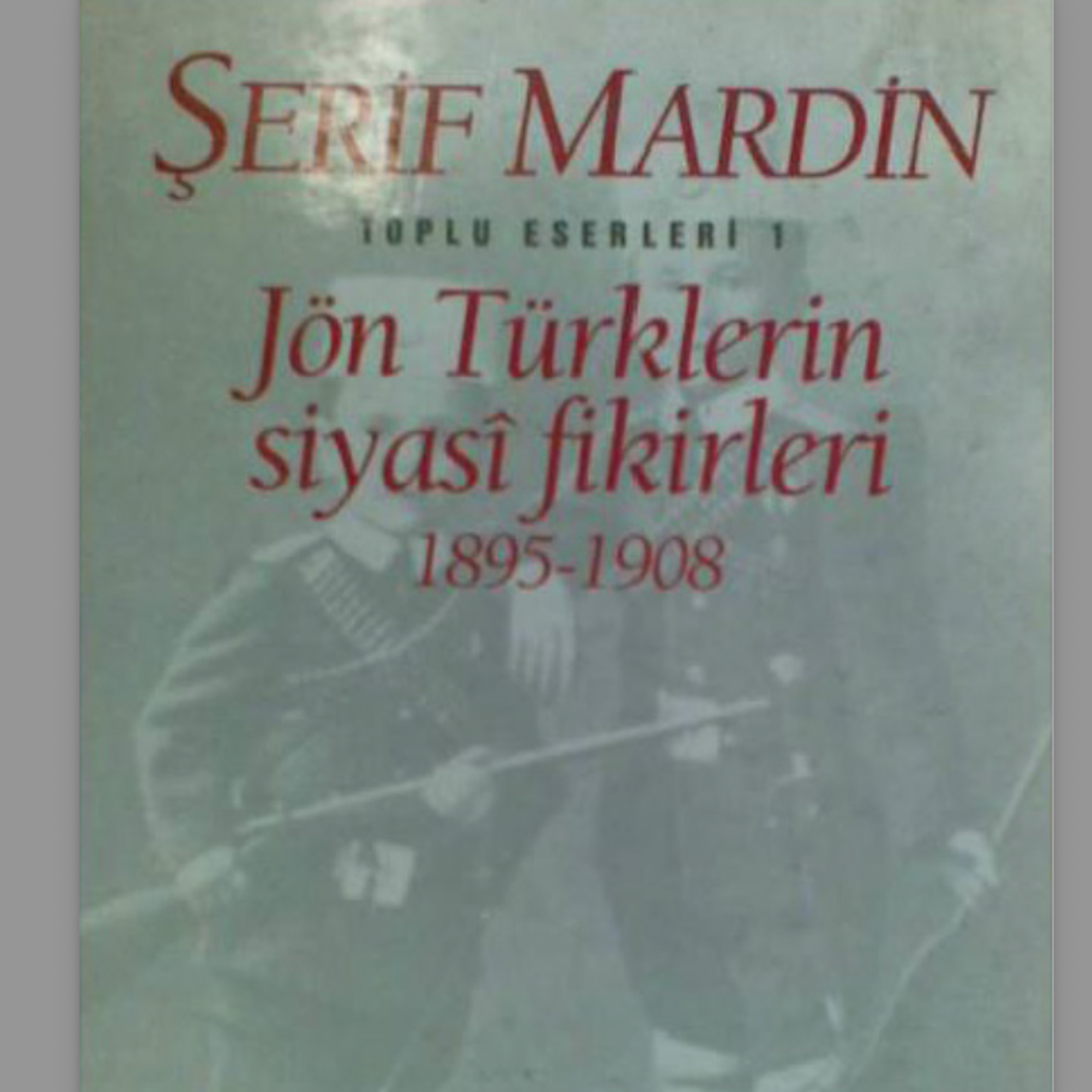
📰 Young Turk Political Thought (1895–1908)- Şerif MARDİN episode artwork

EPISODE · May 25, 2025 · 29 MIN

📰 Young Turk Political Thought (1895–1908)- Şerif MARDİN

from HAKAN AKARCALI PodcastBox / Özgün Eser İncelemeleri / Reviews of Original Works · host Hakan AKARCALI

This study explores the transformation of Young Turk political thought from 1895 to 1908. Initially, their ideas were shallow and lacked deep theoretical grounding. Influenced by diluted European liberalism and earlier Young Ottoman ideas, they functioned more as intermediaries than original theorists. Early efforts focused on opposing excessive Westernization and central bureaucracy but lacked unity and clarity.As the movement matured, Young Turks increasingly adopted realpolitik and practical administrative reforms. Murat Bey's proposals in Le Palais de Yıldız reflected this pragmatic turn, contrasting with earlier idealistic faith in constitutionalism. His approach, focusing on administration over abstract liberty, marked a key evolution from romanticism to bureaucracy.Abroad, leaders like Ahmet Rıza became disillusioned with European support. Initially hopeful that liberal Europe would back Ottoman reform, they later recognized anti-Islamic bias and Western skepticism toward Turkish revival. This disappointment bred a harsher, more authoritarian tone in publications like Meşveret, where elitist ideas emerged—arguing that only an educated elite could guide the ignorant masses. This authoritarian-elitist stance began to shape the ideology of the Committee of Union and Progress (CUP).By 1903, Ahmet Rıza had abandoned abstract theory in favor of short-term activism aimed at mobilizing military officers in Macedonia. His pamphlet Vazife ve Mes'uliyet: Asker reflects a belief that regime change was possible through organized pressure, echoing Balkan revolutionary tactics. Meanwhile, figures like Prince Sabahattin began criticizing the character of Turks themselves, leading to calls for cultural reform that would align Turks more closely with Western civilization.The Young Turks thus politicized Westernization, diverging from earlier educationalist models. Some, like Abdullah Cevdet, insisted on resolving cultural deficiencies before launching political reforms—showing a split between cultural and political priorities. Debates about national identity emerged, especially through Yusuf Akçura’s "Three Policies" (Ottomanism, Pan-Islamism, Turkism). While Turkism gained appeal, many continued to defend Ottomanism as the only historically rooted and feasible policy, despite its limitations.Within the military, secular ideas such as “social morality” began replacing religious ones like umma. Still, the movement’s core goal remained preserving the Ottoman Empire. “Freedom” was seen only as a tool to prevent secession, not an end in itself. The Young Turks never developed utopian visions aimed at transforming society; rather, their thought was pragmatic and conservative, not revolutionary. According to Karl Mannheim’s definitions, they produced "ideology" rather than "utopia"—that is, ideas aimed at preserving or adjusting the current order, not overthrowing it.In conclusion, Young Turk political thought evolved from superficial liberalism to a blend of authoritarian elitism, administrative pragmatism, selective activism, and cultural reformism—all driven by the overriding concern of saving the Ottoman Empire. Despite internal diversity, their worldview remained fundamentally conservative.

This study explores the transformation of Young Turk political thought from 1895 to 1908. Initially, their ideas were shallow and lacked deep theoretical grounding. Influenced by diluted European liberalism and earlier Young Ottoman ideas, they functioned more as intermediaries than original theorists. Early efforts focused on opposing excessive Westernization and central bureaucracy but lacked unity and clarity.As the movement matured, Young Turks increasingly adopted realpolitik and practical administrative reforms. Murat Bey's proposals in Le Palais de Yıldız reflected this pragmatic turn, contrasting with earlier idealistic faith in constitutionalism. His approach, focusing on administration over abstract liberty, marked a key evolution from romanticism to bureaucracy.Abroad, leaders like Ahmet Rıza became disillusioned with European support. Initially hopeful that liberal Europe would back Ottoman reform, they later recognized anti-Islamic bias and Western skepticism toward Turkish revival. This disappointment bred a harsher, more authoritarian tone in publications like Meşveret, where elitist ideas emerged—arguing that only an educated elite could guide the ignorant masses. This authoritarian-elitist stance began to shape the ideology of the Committee of Union and Progress (CUP).By 1903, Ahmet Rıza had abandoned abstract theory in favor of short-term activism aimed at mobilizing military officers in Macedonia. His pamphlet Vazife ve Mes'uliyet: Asker reflects a belief that regime change was possible through organized pressure, echoing Balkan revolutionary tactics. Meanwhile, figures like Prince Sabahattin began criticizing the character of Turks themselves, leading to calls for cultural reform that would align Turks more closely with Western civilization.The Young Turks thus politicized Westernization, diverging from earlier educationalist models. Some, like Abdullah Cevdet, insisted on resolving cultural deficiencies before launching political reforms—showing a split between cultural and political priorities. Debates about national identity emerged, especially through Yusuf Akçura’s "Three Policies" (Ottomanism, Pan-Islamism, Turkism). While Turkism gained appeal, many continued to defend Ottomanism as the only historically rooted and feasible policy, despite its limitations.Within the military, secular ideas such as “social morality” began replacing religious ones like umma. Still, the movement’s core goal remained preserving the Ottoman Empire. “Freedom” was seen only as a tool to prevent secession, not an end in itself. The Young Turks never developed utopian visions aimed at transforming society; rather, their thought was pragmatic and conservative, not revolutionary. According to Karl Mannheim’s definitions, they produced "ideology" rather than "utopia"—that is, ideas aimed at preserving or adjusting the current order, not overthrowing it.In conclusion, Young Turk political thought evolved from superficial liberalism to a blend of authoritarian elitism, administrative pragmatism, selective activism, and cultural reformism—all driven by the overriding concern of saving the Ottoman Empire. Despite internal diversity, their worldview remained fundamentally conservative.

NOW PLAYING

📰 Young Turk Political Thought (1895–1908)- Şerif MARDİN

0:00 29:45

No transcript for this episode yet

We transcribe on demand. Request one and we'll notify you when it's ready — usually under 10 minutes.

Ask A Spaceman Archives - 365 Days of Astronomy Ask A Spaceman Archives - 365 Days of Astronomy Podcasting Astronomy Every Day of the Year Eat to Live Jenna Fuhrman, Dr. Fuhrman Our health is our most precious gift and smart nutrition can change your life. Each month, join Dr. Fuhrman and his daughter, Jenna Fuhrman as they discuss important topics in the world of nutrition. Eat to Live will change the way you eat and think about food. French Your Way Jessica: Native French teacher founder of French Your Way Boost your French listening skills and test your comprehension with this one of a kind series of podcasts. Get the chance to listen to a real conversation between native speakers talking at normal speed AND customise your learning experience through carefully designed sets of questions (2 levels of difficulty) available for download at www.frenchvoicespodcast.com. All interviews also come with the transcript. French teacher Jessica interviews native speakers of French from around the world who share a bit of their life and passion. Where else would you meet in one same place a French yoga teacher based in Melbourne, a soap manufacturer from Provence, or a couple cycling around the world? That Hoarder: Overcome Compulsive Hoarding That Hoarder Hoarding disorder is stigmatised and people who hoard feel vast amounts of shame. This podcast began life as an audio diary, an anonymous outlet for somebody with this weird condition. That Hoarder speaks about her experiences living with compulsive hoarding, she interviews therapists, academics, researchers, children of hoarders, professional organisers and influencers, and she shares insight and tips for others with the problem. Listened to by people who hoard as well as those who love them and those who work with them, Overcome Compulsive Hoarding with That Hoarder aims to shatter the stigma, share the truth and speak openly and honestly to improve lives.

Frequently Asked Questions

How long is this episode of HAKAN AKARCALI PodcastBox / Özgün Eser İncelemeleri / Reviews of Original Works?

This episode is 29 minutes long.

When was this HAKAN AKARCALI PodcastBox / Özgün Eser İncelemeleri / Reviews of Original Works episode published?

This episode was published on May 25, 2025.

What is this episode about?

This study explores the transformation of Young Turk political thought from 1895 to 1908. Initially, their ideas were shallow and lacked deep theoretical grounding. Influenced by diluted European liberalism and earlier Young Ottoman ideas, they...

Can I download this HAKAN AKARCALI PodcastBox / Özgün Eser İncelemeleri / Reviews of Original Works episode?

Yes, you can download this episode by clicking the download button on the episode player, or subscribe to the podcast in your preferred podcast app for automatic downloads.
URL copied to clipboard!