Who Owns the Network Between You and Your Cloud?
from Tech Deep Dive Hosted by ITBroker.com
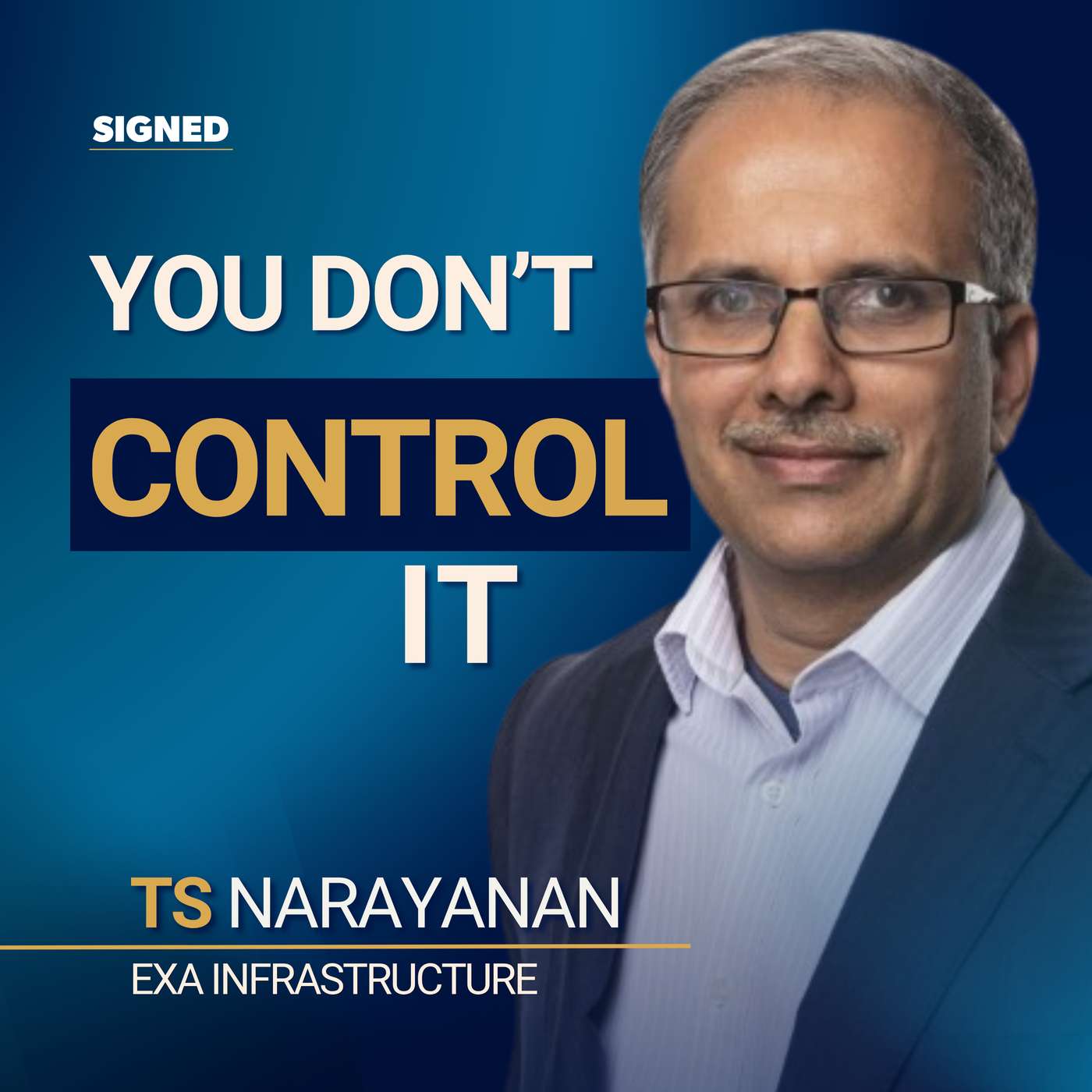
You're making infrastructure decisions on a system you can't see. It's fast, stable, and invisible. That's the problem. Underneath it, global capacity is planned years in advance, routes are shaped by geopolitics, and resilience depends on infrastructure you don't control. Max Clark sits down with TS Narayanan, CTIO of EXA Infrastructure, to explain the layer most enterprise buyers never see — and why it quietly determines whether your cloud strategy, your regional expansion, and your infrastructure commitments actually deliver what you paid for. They get into why AI isn't driving the traffic spike everyone assumes, what geopolitical risk actually does to a network route, why adding nodes costs more than buyers expect, and where the real constraint is right now (hint: it's not bandwidth). If you've ever signed a provider contract without fully understanding what sits underneath it, this is the episode that fills in the gap. WHAT YOU'LL LEARN Is AI really driving up network traffic? How do we protect our network from undersea cable cuts? Should we use one carrier or several for global connectivity? Do we need more bandwidth or lower latency? Should we buy our own wavelengths or a managed bandwidth service? How will data sovereignty rules affect access to our data across regions? WHAT WE GET INTO (00:00) - Cold open: are we overbuilding again for AI (00:51) - Being a network engineer when the network is the invisible thing nobody thinks about (01:51) - What Exa actually builds: optical infrastructure, subsea cables, and what rides on top (02:56) - Why fiber already works so well nobody thinks about it, and the myth that networking is a solved problem (04:02) - How demand and prediction decide where a new route gets built (05:04) - Why bandwidth per user has flatlined, and what 400 gig and 800 gig upgrade announcements don't tell buyers (06:58) - North-south versus east-west traffic, and what AI actually adds to the backbone (08:58) - Is this the AI version of the dot-com fiber bubble (09:58) - AI traffic is still in the low teens of total backbone volume (11:30) - Capacity versus latency: which one should actually drive a vendor decision (13:00) - The node tradeoff: more connections means more value and more complexity (14:00) - Density versus simplicity, from mobile networks to the optical layer (16:45) - A terrestrial route through Turkey, and where geopolitics enters network planning (19:00) - Multinational buyers: outsource the whole footprint, or be your own integrator (20:48) - Hyperscalers as both the biggest customer and the biggest competitor (21:50) - Why subsea stays consortium led while terrestrial stays proprietary (23:04) - Why fiber follows train tracks, and what subsea planning actually requires (26:00) - Mediterranean risk, anchor dragging accidents, and building in resilience (28:33) - Why LATAM, Africa, and Southeast Asia stayed underserved for so long (31:46) - Data sovereignty as the new driver of network and data center growth (32:50) - The messier reality of cross border data access under regional law (33:50) - Whether the EU can get competitive on cloud infrastructure (35:17) - From a 1200 baud modem to terabit: why Ethernet won (36:24) - Why optical upgrades got easier with pluggable technology (37:33) - The real cost of an upgrade: power, not just the optic itself (39:33) - Wavelengths, spectrum, and how many you can pack into one route (41:12) - The business model question: selling wavelengths, strands, or raw capacity (42:30) - Why some buyers want full control and others just want it handled (43:30) - Why this industry barely markets itself, and why that still works (45:03) - Data centers as both the on-ramp and the competitor (46:20) - Why Europe has dense interconnection hubs and the US doesn't (47:30) - Network as a Service, and why nobody agrees on what it means (49:30) - Closing: a landing station tour, and where AI actually takes this next WHAT WE MENTIONED EXA Infrastructure — https://www.linkedin.com/company/exa-infrastructure/ TeleGeography subsea cable maps — https://www.submarinecablemap.com GÉANT (European R&D network, referenced in EU connectivity context) AMS-IX, DE-CIX (European internet exchange points) IRU (Indefeasible Right of Use) — the long-term capacity lease structure common in subsea contracts OVH, Hetzner (EU-based cloud providers referenced as demand drivers) ABOUT TS NARAYANAN TS Narayanan is the Chief Technology and Information Officer at EXA Infrastructure, one of the largest fiber and subsea backbone networks spanning Europe and North America. He's spent his career across enterprise IT, systems integration, and telecom — which means he's seen infrastructure decisions from both sides: the buyer who has to live with them and the operator who builds and maintains them. That makes him unusually direct about where capacity planning goes wrong and what buyers should have asked before they signed. LinkedIn: https://www.linkedin.com/in/ts-narayanan-62b3617/ EXA Infrastructure: https://www.linkedin.com/company/exa-infrastructure/ ABOUT THE SHOW Signed is the podcast for buyers in a market built for sellers. Host Max Clark, CEO of ITBroker.com, sits down with CIOs, CFOs, operators, and founders who've lived inside real enterprise tech deals. New episodes weekly at itbroker.com/podcast. If you're in the middle of a real tech decision and want someone in your corner, book an intro call at itbroker.com. Buy tech without regret. Follow: @itbrokerdotcom FULL TRANSCRIPT Click here to view the episode transcript.
Embed this episode
Chapters
- 0:00 Cold open: are we overbuilding again for AI
- 0:51 Being a network engineer when the network is the invisible thing nobody thinks about
- 1:51 What Exa actually builds: optical infrastructure, subsea cables, and what rides on top
- 2:56 Why fiber already works so well nobody thinks about it, and the myth that networking is a solved problem
- 4:02 How demand and prediction decide where a new route gets built
- 5:04 Why bandwidth per user has flatlined, and what 400 gig and 800 gig upgrade announcements don't tell buyers
- 6:58 North-south versus east-west traffic, and what AI actually adds to the backbone
- 8:58 Is this the AI version of the dot-com fiber bubble
- 9:58 AI traffic is still in the low teens of total backbone volume
- 11:30 Capacity versus latency: which one should actually drive a vendor decision
- 13:00 The node tradeoff: more connections means more value and more complexity
- 14:00 Density versus simplicity, from mobile networks to the optical layer
- 16:45 A terrestrial route through Turkey, and where geopolitics enters network planning
- 19:00 Multinational buyers: outsource the whole footprint, or be your own integrator
- 20:48 Hyperscalers as both the biggest customer and the biggest competitor
- 21:50 Why subsea stays consortium led while terrestrial stays proprietary
- 23:04 Why fiber follows train tracks, and what subsea planning actually requires
- 26:00 Mediterranean risk, anchor dragging accidents, and building in resilience
- 28:33 Why LATAM, Africa, and Southeast Asia stayed underserved for so long
- 31:46 Data sovereignty as the new driver of network and data center growth
- 32:50 The messier reality of cross border data access under regional law
- 33:50 Whether the EU can get competitive on cloud infrastructure
- 35:17 From a 1200 baud modem to terabit: why Ethernet won
- 36:24 Why optical upgrades got easier with pluggable technology
- 37:33 The real cost of an upgrade: power, not just the optic itself
- 39:33 Wavelengths, spectrum, and how many you can pack into one route
- 41:12 The business model question: selling wavelengths, strands, or raw capacity
- 42:30 Why some buyers want full control and others just want it handled
- 43:30 Why this industry barely markets itself, and why that still works
- 45:03 Data centers as both the on-ramp and the competitor
- 46:20 Why Europe has dense interconnection hubs and the US doesn't
- 47:30 Network as a Service, and why nobody agrees on what it means
- 49:30 Closing: a landing station tour, and where AI actually takes this next
No transcript yet.