
EPISODE · Nov 18, 2024 · 11 MIN
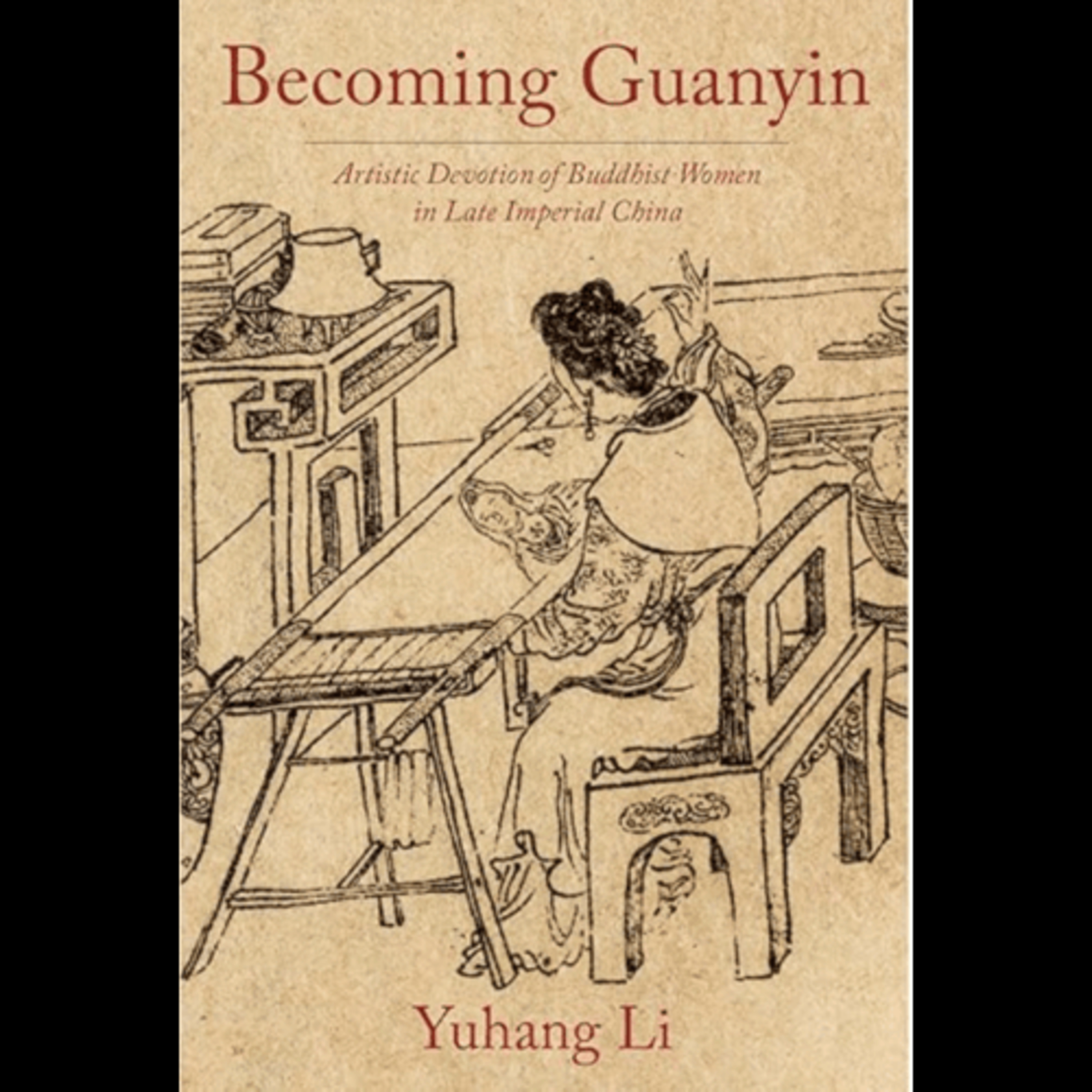
Yuhang Li, "Becoming Guanyin: Artistic Devotion of Buddhist Women in Late Imperial China," (Columbia University Press, 2020)
from The New East Asian Studies Podcasts in the Age of AI · host Barton Qian
The goddess Guanyin began in India as the bodhisattva Avalokiteśvara, originally a male deity. He gradually became indigenized as a female deity in China over the span of nearly a millennium. By the Ming (1358–1644) and Qing (1644–1911) periods, Guanyin had become the most popular female deity in China. In Becoming Guanyin, Yuhang Li examines how lay Buddhist women in late imperial China forged a connection with the subject of their devotion, arguing that women used their own bodies to echo that of Guanyin.Li focuses on the power of material things to enable women to access religious experience and transcendence. In particular, she examines how secular Buddhist women expressed mimetic devotion and pursued religious salvation through creative depictions of Guanyin in different media such as painting and embroidery and through bodily portrayals of the deity using jewelry and dance. These material displays expressed a worldview that differed from yet fit within the Confucian patriarchal system. Attending to the fabrication and use of “women’s things” by secular women, Li offers new insight into the relationships between worshipped and worshipper in Buddhist practice. Combining empirical research with theoretical insights from both art history and Buddhist studies, Becoming Guanyin is a field-changing analysis that reveals the interplay between material culture, religion, and their gendered transformations. Guanyin and Avalokiteśvara transformation Becoming Guanyin Yuhang Li analysis female deity worship in late imperial China Buddhist women devotion practices Guanyin in Ming and Qing periods lay Buddhist women religious devotion mimetic devotion in Chinese Buddhism material culture and Buddhist worship secular women and religious salvation art history and Buddhist studies podcast gender transformation in Chinese religion embroidery and painting in Guanyin worship Confucian patriarchal system and Buddhism women’s creative depictions of Guanyin bodily portrayal of Guanyin through dance and jewelry East Asian Studies Podcast East Asian Religion Podcast Chinese Religious History East Asian Religious History Chinese Art History Chinese Buddhist Art
Embed this episode
Ready to play
Yuhang Li, "Becoming Guanyin: Artistic Devotion of Buddhist Women in Late Imperial China," (Columbia University Press, 2020)
No transcript for this episode yet
Similar Episodes
No similar episodes found.
Similar Podcasts
No similar podcasts found.