
All Episodes
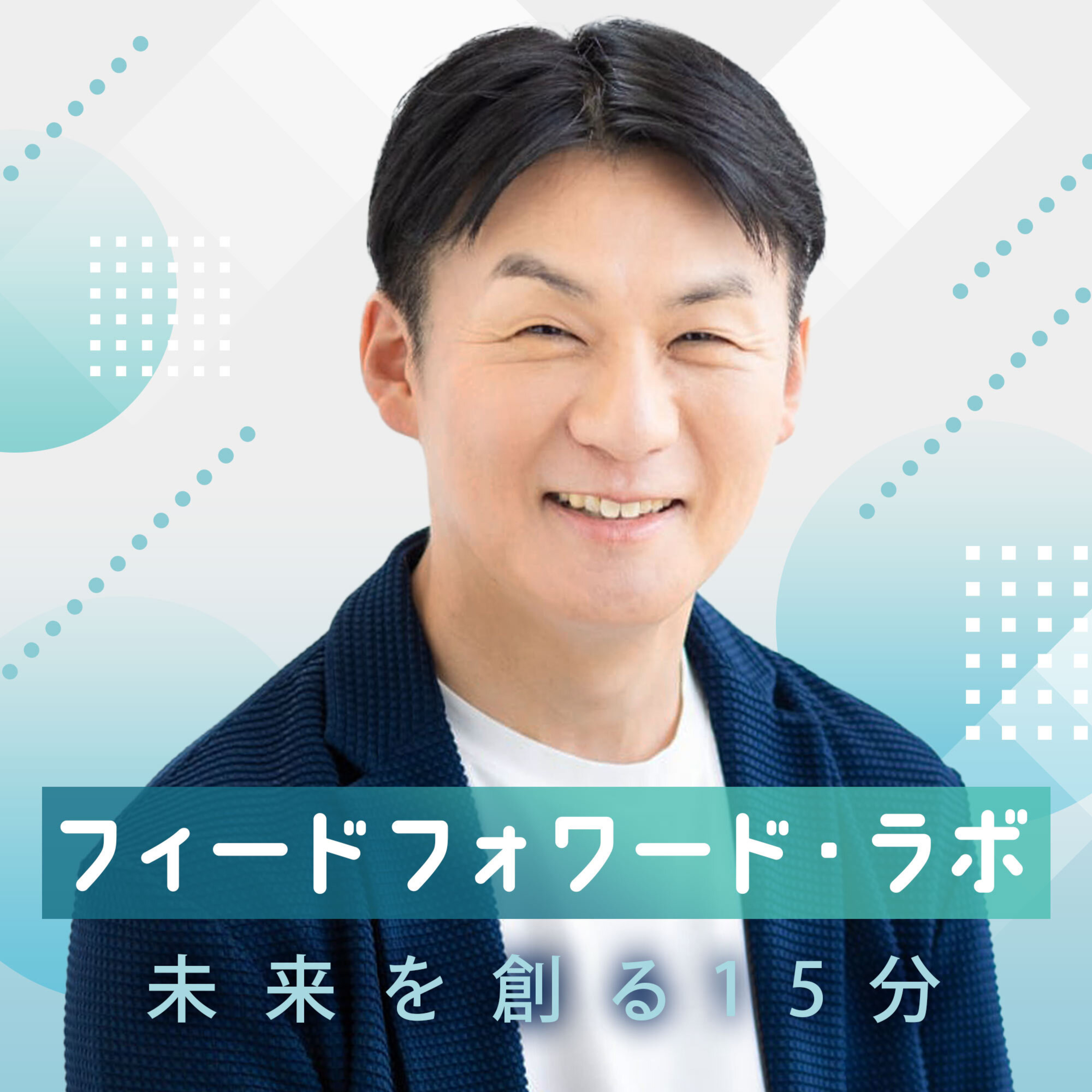
フィードフォワード・ラボ 未来を創る15分 — 156 episodes
感謝を伝えることの大切さ
「企業文化」の本質
「任せる」と「放置」は何が違う?
「いい人」は損をするのか?
AIの答え、そのまま信じますか?
「言語化」は未来の必須スキル
なぜ会議で“本音”は言いにくいのか
30歳手前の漠然とした不安。どうすれば幸せになれる?
災害、事件に遭遇した経験と脳の関係
AI時代に“知っていること”の価値は残るのか
「努力」と「根性」は間違いなのか?
The Right Distance Between Leaders and Employees
経営者と社員の適切な距離感は?
Believe It or Question It? The Goals You Set for Yourself
Success Is Smooth — But What Should You Rethink?
業績が順調なとき業績が順調なときに何を問い直すべきかに何を問い直すべきか
How to speed up decision-making
意思決定のスピードを上げるにはどうしたらいいか
About wars
戦争について
The art of a good meeting
会議や打ち合わせで気をつけるべきこと
What drives our need for validation?
承認欲求とはなにか?
Appearance, Conduct, and Choice of Words
外見と所作、言葉遣いについて
Turning the Generation Gap Into a Learning Opportunity
ジェネレーションギャップは“学びのチャンス”
What Do We Really Mean by “Old Thinking”?
「老害」という言葉の正体
About rest
休息について
About the Gold Vision
ゴールドビジョンについて
What does it mean to be a professional?
「プロ」の定義とは?
#10 Is Any Coaching Out of AI’s Reach?
#10 AIにできないコーチングはあるのか?
#09 Loneliness: Blessing or Curse?
#09 孤独は良いこと?悪いこと?
#08 Why Are We So Afraid of Failing?
#08 なぜ失敗を恐れてしまうのか?
#07 How to Deal with People Who Don’t Like You
#07 自分を嫌いな人とどう向き合えばいいか?
#06 Things I Always Watch Out for When Traveling Abroad
#06 海外に行くときに気を付けていること
#05 How to think when you can't decide
#05 どうして物事に迷ってしまうのか?
#04 How can we make our core values really stick?
#04 理念浸透ってどうすればいい?
#03 A gap in maturity and comprehension stemming from generational and skill-level differences.
#03 実力や世代による成熟度と理解力のギャップ
#02 What does a future-ready leader look like?
#02 今の時代に求められるリーダー像とは?
#01 What does the future look like in 10 years?
#01 10年後の未来はどうなっているか?
#00 Introduction to the "Feedforward Lab"
#00「フィードフォワード・ラボ」イントロダクション
S5-10 Some Advice on Withdrawal and Truancy
S5-10 引きこもりと不登校について
S5-09 When is the right time to pass on advice that will guide someone?
S5-09 誰かを導くアドバイスを伝えるタイミングは?
【Kazu.Log】What I learned about AI at TED X
【Kazu.Log】「TED X」で得たAIに関する学び
S5-08 expectation management
S5-08 期待値のコントロール
Life Lessons Learned in Warsaw and Arizona
「フィードフォワードの日」記念セレモニー4/20イベントのご案内
S5-07 Guide to speaking at TED X
S5-07 「TED X」登壇について
S5-06 Tips on how to think objectively
S5-06 狭くなってしまう視野はどう広げればいい?
S5-05 How do I reproduce good performance?
S5-05 実力が発揮できたけどどう再現すればいい?
S5-04 What do I do when something unexpected happens?
S5-04 想定外のことが起きたときにどうすればいい?
S5-03 If I make a mistake at the beginning, I can't recover.
S5-03 最初にミスをするとリカバリーできない
S5-02 How can I make statements and suggestions even in tense situations?
S5-02 空気が重くても発言や提案をするには?
S5-01 Time limits make it difficult to speak well in public.
S5-01 時間の制約があると人前で上手くしゃべれない
S4-14 The Importance of Objectivity
S4-14 客観視の重要性
S4-13 People who are not able to demonstrate their ability in important situations.
S4-13 「勝負弱い人」とはどういう人なのか?
S4-12 What is the state of “getting used to things?”
S4-12 どうなったら「慣れた」といえるのか
S4-11 How to create opportunities
S4-11 いかに「場数」をつくるか
S4-10 Points to enhance performance (3);Coolness
S4-10 「決定力」の高め方③ ~冷静さ~
S4-09 Points to enhance performance (2);Tanryoku
S4-09 「決定力」の高め方② ~胆力~
S4-08 Rethink what it takes to perform at your best
S4-08 「決定力」を構成する要素(2)
S4-07 Points to enhance performance (1);Relaxation
S4-07 「決定力」の高め方① ~リラックスの重要性~
S4-06 Things needed for best performance
S4-06 「決定力」を構成する要素とは?
S4-05 Importance of setting goals
S4-05 ゴール設定の重要性
S4-04 Process for obtaining the best performance
S4-04 「決定力」を身につけるためのプロセス
S4-03 Key Points for Noticing "critical moments"
S4-03 「決定的な場面」に気づくためのポイント
S4-02 Are you aware of your own "critical moments"?
S4-02 「決定力」に必要な力とは何か?
S4-01 How to maximize your power in critical situations
S4-01 大事な場面で力を発揮するための「決定力」
S3-09 Achieving results at a critical juncture
S3-09 ゴールと習慣を土台に「決定的な場面」で成果を出す
S3-08 Are you feeling the power of habit?
S3-08 あなたは習慣の力を感じて生きていますか?
S3-07 Do you regularly review your habits?
S3-07 定期的な習慣の棚卸しは必要か?
S3-06 Are you using digital devices?
S3-06 デジタルデバイスをつかっていますか?
S3-05 How do you make time to learn?
S3-05 どうやって学ぶ時間を作っているか?
S3-04 What are you learning now?
S3-04 学んでいることはありますか?
S3-03 Habit of recognizing one's own mental
S3-03 メンタルを見極める「認識」の習慣
S3-02 Visualization is important for habituation
S3-02 習慣に必要な「ビジュアライゼーション」
S3-01 Commonalities between "Health Habits" and "Role of Management"
S3-01 健康の習慣と経営者の役割の共通点
S2-09 Can we change other people's habits?
S2-09 他人の習慣を変えたいと思うことはありますか?
S2-08 Are there any habits you want to stop?
S2-08 やめたい習慣はありますか?
S2-07 What is your tendency to think?
S2-07 思考のクセはありますか?
S2-06 How do we establish the habit?
S2-06 どのように習慣を定着させていくか?
S2-05 What is Designing Habits?
S2-05 どうしたら習慣をデザインできる?
S2-04 Do you recognize your own behavior?
S2-04 自分の行動を認知していますか?
S2-03 What do you want to be?
S2-03 あなたはどうなりたいですか?
S2-02 Differences in Psychological Models
S2-02 行動主義モデルの心理学と認知科学モデルの心理学の違いは?
S2-01 What does "habit" mean to you?
S2-01 あなたにとって「習慣」とはどういうものですか?
S1-05 What kind of people are "future creators"?
S1-05 「未来を創る人」は、どんな人?
S1-04 Do you want to be happier than you are now?
S1-04 今よりもっと幸せになりたいですか?
S1-03 Are you thinking and acting?
S1-03 思考して、行動してますか?
S1-02 Do you have any new "habits" you would like to acquire?
S1-02 新しく身につけたい「習慣」はありますか?
S1-01 Do you have Habits?
S1-01 あなたは未来を創っていますか?