
PODCAST · education
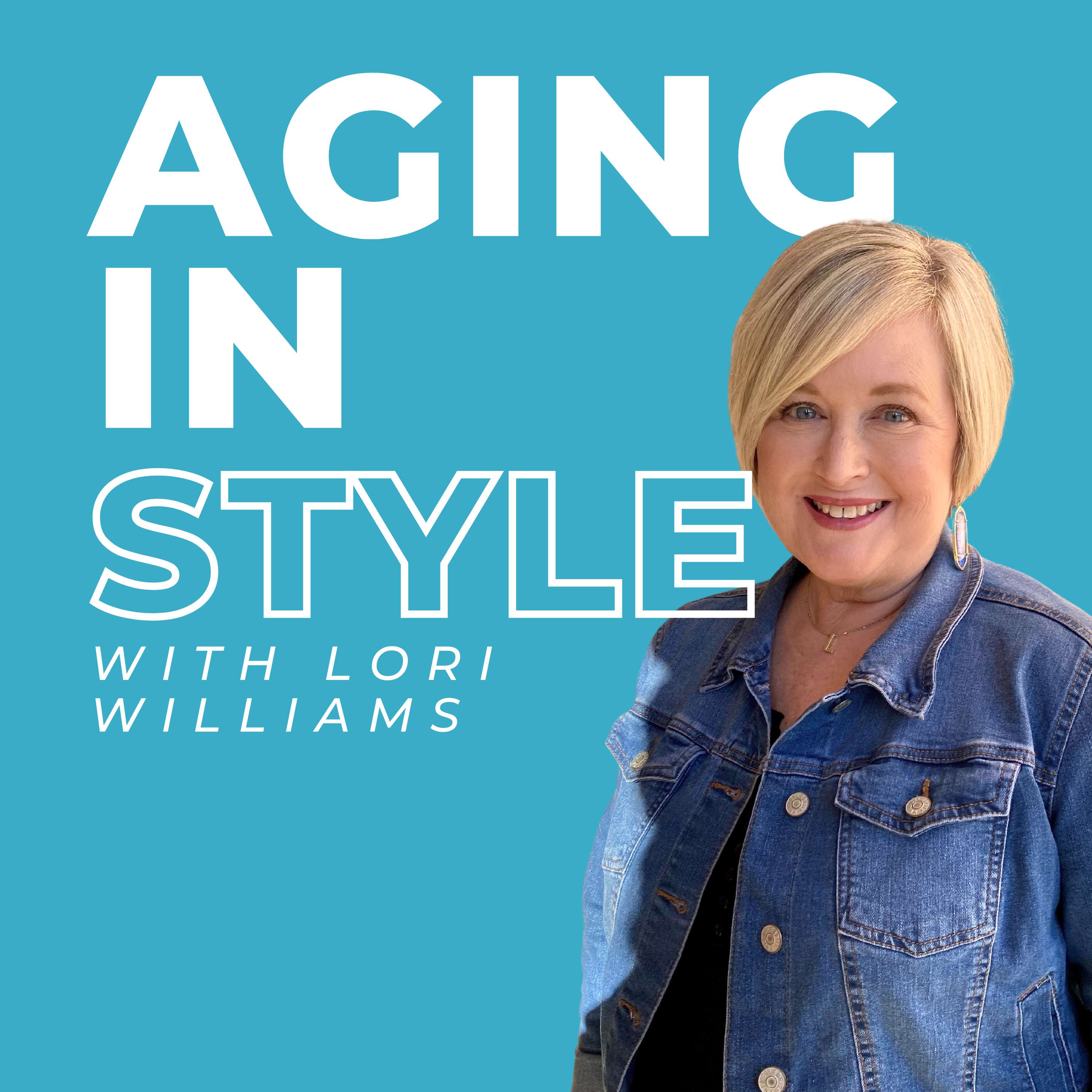
Aging in Style with Lori Williams
by Lori Williams Senior Services
Aging in Style with Lori Williams is about finding the silver lining no matter what life throws at you. Whether you're a caregiver or an older adult, you can count on author and multi-award-winning senior living expert Lori Williams to provide you with education and resources on all aspects of aging. The podcast will introduce you to aging experts and inspirational seniors.Lori pulls from her experience as the caregiver for her husband Mark who is a stroke survivor, and shares how to pay for care, navigate senior housing options, advocate for your loved one's care, and most importantly, learn to thrive not just survive as you age.loriwilliams-seniorservices.com
-
275
277. Big Changes Ahead for Aging and Style Podcast
Where have we been? Great question, let me tell you.After 276 episodes of Aging and Style, I made the decision to press pause. Yes, 276. When I say that number out loud, I am still amazed at the depth of conversations we’ve had about aging, caregiving, dementia, senior living, and the real-life experiences of incredible older adults and their families. But this isn’t goodbye. It’s not the end. It’s a strategic pause.This episode details why I chose to put the podcast on hiatus, what’s happening behind the scenes, and how this next chapter will allow us to serve families in an even bigger way.From day one, the mission of Aging and Style has been simple and clear: provide education, guidance, and practical support to help families navigate aging without confusion and overwhelm. Every guest, every topic, every story has been rooted in that purpose, and that mission has not changed.What has changed is the scope of what’s possible! Over the years, I’ve received emails, phone calls, texts, and messages from people across the country asking, “Where do I start?” “Can you help me?” “What do I do next?” While much of my work has been centered in the Dallas–Fort Worth area, the need for clarity and guidance around aging is universal. Families everywhere are facing the same questions, often with very little direction.At the same time, I am not just a podcast host. I am a business owner. I am a caregiver. I am someone balancing many roles, just like so many of you. Time is a finite resource. And in order to build the tools and resources I’ve been wanting to create for years, something had to give.So I made a deliberate choice. Rather than continue producing episodes while stretching myself too thin, I decided to focus fully on developing new projects that will expand our reach beyond one region and into homes all over the country. These new resources are designed to provide structured, accessible guidance so families don’t feel like they’re starting from scratch when a crisis hits.Think of this hiatus not as a stop, but as a build phase. The podcast is taking a short nap while we create something stronger, more scalable, and more impactful. And when it returns, it will be part of a larger ecosystem of support.In the meantime, I don’t want you to miss a single update. The best way to stay informed about what we’re building and to know exactly when the podcast returns is to subscribe to the newsletter at LoriWilliams-SeniorServices.com.Sign up, stay connected, and if you haven’t yet, this is the perfect time to revisit past episodes and share them with someone walking the aging journey. We’re not done. We’re just getting started on the next chapter.Resources mentioned in this episode:Get my new book, 'Surrounded by Love: One's Family Journey Through Stroke Recovery': https://loriwilliams-seniorservices.com/bookTo suggest a topic, be a guest or support the podcast, please email [email protected] For more senior resources and to sign up for the newsletter, please visit:https://www.facebook.com/LoriWilliamsSeniorServices/https://www.instagram.com/theloriwilliams/https://www.linkedin.com/in/theloriwilliams/https://loriwilliams-seniorservices.com/aging-in-style-podcast/
-
274
276. Setting Your Word of the Year as a Caregiver
As we usher in 2026, many of us find ourselves seeking a sense of renewal and determination, especially if we're caregiving for family members. With the new year come reflections on personal growth and the resolve to set a guiding principle—a word of the year—that encapsulates our aspirations. For caregivers, who balance a myriad of demands and commitments, selecting a word can be particularly transformative. It serves as a beacon, offering clarity amidst the chaos of caring for others while reminding us not to neglect our own needs.This year, my word is "No." While it may seem counterintuitive, saying "No" is not about refusing tasks out of selfishness, but rather about establishing boundaries critical to preserving our well-being. Caregivers often shoulder an overwhelming burden, and learning to say "No" to additional demands allows us to say "Yes" to self-care, ensuring we remain healthy and resilient in our caregiving roles.To many caregivers, the idea of setting boundaries feels foreign, even uncomfortable. Living a life dedicated to assisting others—whether a spouse, parent, or friend—often leaves little room for personal care. The inherent nature of caregiving predisposes us to say "Yes" to almost every request, be it organizing a PTA event, baking for a party, or running yet another errand. Yet, without boundaries, we risk becoming overwhelmed—a lesson I learned firsthand after three relentless years as a caregiver.It hit me in October when I found myself spread too thin, juggling the dual responsibilities of running a business and providing constant care to my husband. My body sent a clear signal: slow down. Pneumonia, stubborn and unyielding, was my wake-up call. Realization dawned—every time I said "Yes" to someone else, I was saying "No" to myself.Such experiences underscore why "No" deserves recognition as a caregiver's mantra. It's a boundary, not a flaw, a necessary tool to prioritize our health and sanity. Embracing "No" means preserving our energy for when it's truly needed, ensuring we're effective and present in our caregiving.The demands on caregivers extend beyond traditional in-home roles. Even if your loved one is in assisted living, your role as their advocate and supporter persists. This perpetual cycle of care can lead to decision fatigue, emotional overload, and a constant crisis mode mindset. By owning your "No," you're not just setting a boundary; you're establishing a lifeline.I encourage caregivers to reflect deeply on their word for 2026. Perhaps it is "Breathe" for those holding their breath in anticipation of the next crisis, or "Peace" for those living under the weight of constant anxiety. Each word serves as a reminder of our humanity beyond caregiving.Rest, even briefly, is essential. I often find solace in small moments, like sipping a Diet Coke in the car. It's a brief pause, yet it's rejuvenating. These reminders—of the importance of self-worth and setting boundaries—are vital.And don't underestimate the power of hope. In caregiving, it's all too easy to lose sight of brighter tomorrows. Clinging to hope assures that there's meaning behind the hardship, a belief that better days lie ahead.Ultimately, discovering and adhering to your word of the year lays the foundation for both maintaining caregiver roles effectively and rediscovering joy amidst obligations. As caregivers, we deserve support, fulfillment, and peace.Chapters:00:00 Introduction to Caregiving and Self-Care00:26 Welcome to Aging and Style with Lori Williams00:59 New Year Resolutions and Choosing a Word for the Year01:54 The Power of Saying No03:03 Challenges of Being a Caregiver06:16 Setting Boundaries and Protecting Your Energy10:25 Finding Your Word of the Year15:01 Conclusion and Call to ActionAs we embrace 2026, I invite you to select a word that resonates with your journey, particularly if you’re a caregiver. Consider writing it down, making it visible as a daily reminder to help guide decisions and preserve peace. Let's support one another by sharing our chosen words and embodying their spirit. Together, we can navigate the intricacies of caregiving with strength, hope, and resolve. Now, raise an imaginary glass with me to toast this year of boundaries and balance. Visit my website, Lori Williams Senior Services, or find me on Facebook to share your word of the year. Let’s connect and inspire one another. Here's to a transformative new year!Resources mentioned in this episode:Get my new book, 'Surrounded by Love: One's Family Journey Through Stroke Recovery': https://loriwilliams-seniorservices.com/bookTo suggest a topic, be a guest or support the podcast, please email [email protected] For more senior resources and to sign up for the newsletter, please visit:https://www.facebook.com/LoriWilliamsSeniorServices/https://www.instagram.com/theloriwilliams/https://www.linkedin.com/in/theloriwilliams/https://loriwilliams-seniorservices.com/aging-in-style-podcast/
-
273
275. Navigating Senior Care Pt. 3: Winter Safety Tips for Your Loved Ones
As the chill of winter sets in, a question we frequently encounter is, "How do I keep my loved ones safe during the winter months?" It's a valid concern given the unique challenges that the colder season presents. From icy roads and outdoor activities to keeping our homes warm and safe, winter demands a vigilant approach to safety that we can't ignore.The holiday season, while a time of joy and celebration, also brings its own set of risks. The stark decrease in temperatures can lead to various hazards at home, around our neighborhoods, and while traveling. Therefore, understanding how to mitigate these risks becomes crucial. Let's delve into practical strategies that ensure your family's well-being and peace of mind throughout the winter.Understanding Winter Hazards: Winter often brings inclement weather conditions such as snowstorms and icy roads. It's important to stay informed about the weather forecasts and prepare accordingly to avoid any surprises.Keeping the Home Safe: Ensure that your heating systems are checked and serviced before the winter season fully sets in. This prevents potential malfunctions during the coldest days. It's also a good time to test smoke detectors and carbon monoxide alarms to avoid the dangers of heating equipment failures.Maintaining Outdoor Safety: Accumulated snow can create hazards around your home. Clear paths and driveways of ice and snow to reduce risks of slipping and falls. Use salt or sand as needed to increase traction on walkways.Vehicle Preparedness: Prepare your car for winter by checking the antifreeze, battery, and tire conditions. Keep a winter emergency kit in your vehicle, including blankets, a flashlight, and food supplies.Health Considerations: Cold weather can exacerbate certain health issues, especially for the elderly and those with chronic illnesses. Regularly check on vulnerable family members and ensure they have adequate warmth and access to medications.Dress Appropriately: Dressing in layers is key to staying warm. Encourage family members to wear hats, gloves, scarves, and thermal undergarments to maintain their body heat when venturing outdoors.Fire Safety: If you use a fireplace or wood stove, make sure it's in working order. Keep flammable materials at a safe distance, and always have a fire extinguisher nearby as a preventive measure.Staying Active Safely: Outdoor activities are a wonderful way to enjoy winter, but they come with potential risks. Ensuring everyone wears appropriate gear and understands safety practices can prevent injuries while skiing, sledding, or even just playing in the snow.Emergency Plans and Supplies: Have a family emergency plan and kit ready for unexpected situations, such as power outages. This should include non-perishable food, water, batteries, and other essentials to last for several days.Educational Awareness: Foster an environment of learning and safety awareness within your family. Discuss and plan for potential scenarios to ensure everyone knows what to do in case of emergencies.Chapters:00:00 Introduction to Winter Safety Risks00:20 Welcome to Aging and Style00:50 Overview of the Three-Part Series02:17 Winter Safety Concerns for Seniors03:30 Personal Stories and Examples07:27 Immediate Steps for Winter Safety10:25 Emergency Preparedness and Planning13:21 Final Thoughts and ResourcesAs we navigate the winter months, remember that safety begins with preparedness. By taking these preventative steps, you're not only safeguarding your loved ones but also enhancing your peace of mind. Stay informed, stay prepared, and above all, enjoy the winter season. If you found these tips helpful, please share them with friends and family who might benefit, and stay tuned for our next series on family safety.Resources mentioned in this episode:Get my new book, 'Surrounded by Love: One's Family Journey Through Stroke Recovery': https://loriwilliams-seniorservices.com/bookTo suggest a topic, be a guest or support the podcast, please email [email protected] For more senior resources and to sign up for the newsletter, please visit:https://www.facebook.com/LoriWilliamsSeniorServices/https://www.instagram.com/theloriwilliams/https://www.linkedin.com/in/theloriwilliams/https://loriwilliams-seniorservices.com/aging-in-style-podcast/ Are you at risk of falling in your home?https://www.loriwilliams-seniorservices.com/aging-in-style-podcast/episode/1e9c24c0/159-are-you-at-risk-of-falling-in-your-home
-
272
274. Navigating Senior Care Pt. 2: Crafting Your Plan A, B, and C (and other frequently asked questions)
As the festive season approaches, families gather around the dinner table not only to celebrate but to reflect and plan for the future. Among the laughter and shared memories, a recurring theme emerges in many households: senior care. It’s during these moments that key questions arise - what are our realistic options for care, and how do we devise a foolproof plan for the years ahead?Understanding the intricacies of senior care is crucial, especially during the holidays when families have the opportunity to address these concerns collectively. In the spirit of preparedness and informed decision-making, I'm here to guide you through the important considerations as you formulate your Plan A, B, and C for senior care. This is not just about planning; it's about ensuring peace of mind for you and your loved ones.Exploring the Spectrum of Care OptionsUnderstanding the Levels of CareWhen considering senior care, it's vital to recognize the spectrum of options available. From independent living arrangements to full-time nursing facilities, each option offers distinct advantages tailored to varying needs.The Importance of In-home CareIn-home care presents a personalized approach, allowing seniors to remain in familiar surroundings while receiving necessary assistance. For many, this achieves a balance between independence and support.The Value of Assisted Living CommunitiesAssisted living facilities provide both care and community. These environments offer structured assistance while enabling seniors to engage socially, fostering both physical health and emotional well-being.Nursing Homes and Their RoleFor those requiring intensive medical care, nursing homes provide round-the-clock support. Understanding the services and quality of these institutions is key when they form part of your plan.Adult Day Care ServicesAdult day care is a valuable option, offering daytime supervision and activities, which relieves family members and enhances the daily life of your loved ones.Financial Planning for Senior CareFinancial considerations are paramount in senior care planning. It’s essential to understand the costs associated with each type of care and explore options like insurance and government programs.Legal Preparations and Power of AttorneyLegal readiness often involves establishing power of attorney and other critical documents. Ensuring these are in place will smoothen decision-making processes when the time arises.Involving the Whole Family in Decision MakingInvolving family members in open discussions about care options will mitigate emotional burdens and foster collective understanding and support.The Emotional Aspects of Transitioning CareAddressing the emotional impact on both seniors and their families is crucial. Transitioning care is not just a logistical shift but a significant life change.Monitoring, Reviewing, and Adapting Your PlanA plan is not static. Regularly reviewing and adjusting your care strategy ensures it remains aligned with evolving needs and circumstances.Chapters:00:00 Introduction to Senior Care Planning00:50 Key Questions After the Holidays01:33 Planning for Senior Care: Options and Strategies02:36 Personal Caregiving Experience05:12 Home Safety and Caregiver Support06:18 Paying for Senior Living07:13 When Home Care is No Longer Enough11:04 Emergency Backup Plans13:28 Conclusion and Next StepsNavigating the complexities of senior care requires foresight, compassion, and an emotional investment from every family member involved. As you ponder these vital decisions, remember that crafting your senior care plan is a journey towards securing a future of dignity and care for your loved ones. I invite you to explore these options further and encourage dialogue within your family, so everyone feels confident in the path you choose together.By planning ahead and considering these crucial factors, you ensure a safer and more comfortable future for the ones you love. Make this holiday season the moment you turn plans into action and if you have any questions, my team and I are here to answer.Resources mentioned in this episode:Get my new book, 'Surrounded by Love: One's Family Journey Through Stroke Recovery': https://loriwilliams-seniorservices.com/bookTo suggest a topic, be a guest or support the podcast, please email [email protected] For more senior resources and to sign up for the newsletter, please visit:https://www.facebook.com/LoriWilliamsSeniorServices/https://www.instagram.com/theloriwilliams/https://www.linkedin.com/in/theloriwilliams/https://loriwilliams-seniorservices.com/aging-in-style-podcast/
-
271
273. Post-Holiday Panic: The #1 question we get from families about their loved one's future care needs
As we gather with our families during the holiday season, it's a time filled with joy, celebration, and often reflection. Yet, amidst the laughter and festivities, many find themselves faced with significant considerations regarding the well-being of our older relatives. A recurrent theme that emerges during these gatherings is the question, "What level of care does my loved one need?" This inquiry isn’t just a passing thought; it represents an urgent and deeply personal decision that many families confront.The holidays, serving as pivotal moments when families unite, often become the catalyst for recognizing changes in a loved one's abilities or health. You might notice subtle shifts in their day-to-day functioning that weren’t as apparent before. This change might range from small signs of forgetfulness to more notable physical difficulties. Determining the appropriate level of care is a crucial step to ensuring their safety, comfort, and overall well-being as they continue to age gracefully.Understanding Care LevelsThe concept of "level of care" can initially seem daunting. It involves evaluating various factors such as physical health, cognitive changes, and the ability to perform daily activities independently. The goal is to assess whether your loved one can continue living safely in their current environment or if they need additional assistance.Recognizing Physical NeedsPhysical health is one of the primary indicators to consider. This includes mobility, balance, and physical strength. Is your loved one able to move around their home without assistance? Do they have trouble climbing stairs, or have they recently fallen? Evaluating these aspects can guide the decision toward facilitating in-home care or considering assisted living communities.Cognitive AssessmentAnother critical factor is cognitive ability. Is there noticeable memory decline? Are there instances where your loved one becomes confused or disoriented? Cognitive assessments, often conducted by healthcare professionals, can help determine the specific needs related to memory care or more specialized support services.Daily Living ActivitiesThe ability to perform daily activities independently is a telling measure of the required care level. This includes tasks such as preparing meals, managing medications, and personal hygiene. If these tasks become increasingly challenging, it might be time to consider intervention, either through home health services or residential care options.Social and Emotional Well-beingSocial interactions and emotional health also play a crucial role in determining care needs. Isolation can accelerate cognitive and physical decline. Engaging in social activities and having opportunities for interaction are vital for maintaining mental health. Evaluating whether your loved one has a support network or if they could benefit from more social engagement is key.Financial ConsiderationsFinances are an inevitable component of planning for elder care. Understanding your loved one’s financial situation will help in evaluating options such as home health care, assisted living, or nursing facilities. It's essential to balance the quality of care with available resources to sustain their care in the long term.Professional EvaluationsEngaging with professionals can provide clarity in this decision-making process. Geriatric care managers, social workers, or therapists can offer valuable insights and assessments. They can facilitate discussions about needs and preferences, ensuring that the chosen care path aligns with both your loved one’s wishes and well-being.Creating a Care PlanOnce a level of care is determined, the next step is developing a care plan. This involves outlining immediate needs and future planning to accommodate changes in your loved one's health. Flexibility is crucial, as needs may evolve, requiring adjustments in care arrangements.Family DiscussionsHave open, honest conversations with your family about observations and potential concerns. These discussions are vital for ensuring all family members are on the same page and can collectively support the care journey.Exploring OptionsResearching available care options in your area will provide a clearer picture of the services that may best suit your loved one’s needs. This includes evaluating the quality and reputation of providers, asking for recommendations, and visiting facilities to understand the environments they offer.Chapters:00:00 Recognizing the Problem: Signs of Aging00:22 Introduction to Aging In Style Podcast00:56 Key Questions After Holiday Visits01:37 Identifying Care Needs and Senior Living Options02:37 Observations and Concerns During Visits05:10 Levels of Care Explained06:42 Senior Living Options: From Home Care to Memory Care10:28 The Role of a Senior Living Advisor13:09 Conclusion and Next StepsNavigating the intricacies of elder care isn’t easy, but being informed can help families make well-rounded decisions during the holidays and beyond. Take the opportunity during family gatherings to observe, discuss, and plan ahead for these essential conversations. For more guidance on elder care options and support, don’t hesitate to reach out to professionals like my team at Lori Williams Senior Services who can assist you in understanding the best path forward.Resources mentioned in this episode:Get my new book, 'Surrounded by Love: One's Family Journey Through Stroke Recovery': https://loriwilliams-seniorservices.com/bookTo suggest a topic, be a guest or support the podcast, please email [email protected] For more senior resources and to sign up for the newsletter, please visit:https://www.facebook.com/LoriWilliamsSeniorServices/https://www.instagram.com/theloriwilliams/https://www.linkedin.com/in/theloriwilliams/https://loriwilliams-seniorservices.com/aging-in-style-podcast/ How to Pay For Senior Living:https://www.loriwilliams-seniorservices.com/aging-in-style-podcast/episode/251098f0/115-how-to-pay-for-senior-livingSenior Housing 101:https://www.loriwilliams-seniorservices.com/aging-in-style-podcast/episode/78876793/005-senior-housing-101Tips for Hiring a Caregiver:https://www.loriwilliams-seniorservices.com/aging-in-style-podcast/episode/1fcd1a05/156-need-to-hire-a-caregiver-follow-these-tipsLicensed and Unlicensed Care Homes:https://www.loriwilliams-seniorservices.com/aging-in-style-podcast/episode/31d6df44/183-are-unlicensed-care-homes-legal-scams-red-flags-and-how-to-vet-licensed-and-unlicensed-care-homesThe Role of a Local Senior Placement Service and Why You Need One:https://www.loriwilliams-seniorservices.com/aging-in-style-podcast/episode/1b161ed2/196-the-role-of-local-senior-placement-service-and-why-you-need-oneAre Prices in Senior Housing Negotiable?https://www.loriwilliams-seniorservices.com/aging-in-style-podcast/episode/50fd5554/184-are-prices-in-senior-housing-negotiable-8-insider-tips-to-help-you-get-a-better-price
-
270
272. The Grand Baby Project: Transforming the Lives of Dementia Patients: Replay
My loved one with dementia is anxious and agitated – what can I do?It’s common for those with Alzheimer’s to have challenging behaviors – maybe they’re terrified, aggressive, or not sleeping. However, when Tonja Moon’s family gave her grandma a baby doll, everything changed. Her grandma’s mood completely changed, and the baby became her purpose. She began eating more and stopped wandering. She finally settled down and had a routine. Best of all, it helped provide the calmness she needed.Tonja founded The Grand Baby Project in memory of her grandmother. It’s a research-backed nonprofit that offers dolls to Assisted Living and Memory Care communities and those suffering from dementia and Alzheimer’s. They even offer training to help implement daily therapy in a way that will benefit those with dementia, including tips on introducing the baby, engagement techniques, and examples of activities.Doll therapy is huge in the United Kingdom and Australia, but hasn’t yet gained traction in the U.S. It may seem odd to give dolls to a senior with dementia, but doll therapy helps give this population purpose – and those with dementia still deserve a sense of purpose!Plus, caring for a doll can help provide peace, comfort, and joy, and the results have been remarkable. Many will sing to their dolls or revert to behaviors from when they were parents themselves, like bouncing or rocking them. Having a doll also provides a daily routine like walking them in a stroller, music time, and bedtime.The Grand Baby Project is a nonprofit that works to find sponsors and donate to the folks who need them, and it is backed by the Dementia Society of America. They’re always fundraising so they don’t have to tell someone no. Topics discussed:Alzheimer’s and dementiaDoll therapyTherapeutic activities for dementiaAlternatives to dementia medicationActivities for dementia patientsAssisted Living and Memory Care Training Takeaways from this episode:- Those with advanced dementia live in the moment. Doll therapy is a great way to help them find purpose, peace, and joy during a troubled time.- Some studies have shown that if a dementia patient has doll therapy, they don’t have to take as much medication.- The Grand Baby Project uses lifelike and life-sized dolls that are soft and cuddly, and come in different ethnicities. They also wear clothing in pleasing textures to those with dementia, who often have sensory issues as the disease progresses.- When a senior is focused on the doll, it helps relieve often overworked and understaffed memory care facilities. When someone with the disease is calm and sitting, this calm state allows workers to check on more patients.- There are many regulations around prescribing medications, and they're not always guaranteed to work. Doll therapy for Alzheimer's and dementia patients offers a great alternative.Resources mentioned in this episode:Get my new book, 'Surrounded by Love: One's Family Journey Through Stroke Recovery': https://loriwilliams-seniorservices.com/bookTo suggest a topic, be a guest or support the podcast, please email [email protected] For more senior resources and to sign up for the newsletter, please visit:https://www.facebook.com/LoriWilliamsSeniorServices/https://www.instagram.com/theloriwilliams/https://www.linkedin.com/in/theloriwilliams/https://loriwilliams-seniorservices.com/aging-in-style-podcast/ Learn more about The Grand Baby Project:https://thegrandbabyproject.orghttps://www.facebook.com/grandbabyprojectContact The Grand Baby Project to donate, sponsor an event, and more:[email protected]
-
269
271. The Ultimate Gift Guide: 50 Ideas for Seniors in Senior Housing (All Price Points)
Finding the perfect gift for our older family members can sometimes feel like an uphill battle. As we grow closer to the holiday season, the task can seem more daunting, especially when considering the unique needs of seniors, particularly those living in assisted living or those living with dementia. But fear not—I’m here to guide you through a thoughtful and heartfelt gifting journey that celebrates comfort and connection over material abundance.Christmas is a special time of year filled with warmth and love, and it's the perfect occasion to show our appreciation to the seniors in our lives. As they transition into assisted living or experience the cognitive changes that come with dementia, their needs and desires can change significantly. They often value gifts that provide comfort, safety, and an opportunity for connection. With a little thinking outside the box, you can find gifts that resonate deeply and foster joy.Let's dive into some fabulous gifting ideas that fit all budgets. Starting with an affordable range of gifts, you can consider cozy non-slip socks or large print puzzle books. These small tokens of affection not only provide practical benefits—like preventing falls or encouraging mindfulness through puzzles—but also offer comfort and engagement. Simple items like lavender roll-on oils can also promote relaxation and soothe anxieties, which are invaluable for those with dementia.In a slightly higher price range, you might find weighted lap blankets to help soothe agitated nerves or digital clocks showcasing large displays for clarity and assistance with routine. Such gifts help maintain independence and dignity, while providing reassurance in everyday living. As an award-winning senior living expert, I've witnessed firsthand how small changes can make a big impact, bolstering both physical safety and emotional well-being.Another thoughtful idea is a memory foam slipper with a sturdy tread for safe walking around the home or community, tackling the practical side of gift-giving. For tech-savvy senior loved ones, even a simple Bluetooth speaker brings immense joy and utility, whether it's used for music, audiobooks, or connecting with loved ones through audio calls.If your budget allows for a slightly more premium gift, consider electronics like electronic jar openers, which can significantly enhance a senior's independence and ease everyday chores. Items like heated blankets are wonderful, albeit with necessary precautions, to provide comforting warmth on chilly nights.For those willing to invest in more luxurious items, a Roomba vacuum can automate cleaning tasks, reducing the physical strain on seniors. Alternatively, an Amazon Echo Show not only opens doors for entertainment and information for seniors but also provides a hands-free assistant, making daily life smoother and more entertaining.Don’t overlook the possibility of gifting experiences. Spend time with your senior loved ones by arranging outings like driving tours of holiday lights, or a movie day complete with puzzles and cocoa. These shared moments create lasting memories and strengthen bonds in ways that material gifts cannot.Ultimately, the essence of gift-giving lies in showing our loved ones that they are seen and valued, providing them with reassurance and connection. So, if there’s one takeaway from today, I encourage you to choose gifts that celebrate who they are and the beautiful journey they’ve traveled, while offering practical benefits that enhance their quality of life.Thank you for taking this journey with me as we explored unique gifting ideas for our senior loved ones. For more gift ideas and to explore links to our suggestions, please visit my website. Remember to share this article with anyone you feel may benefit. And if you haven’t subscribed to the podcast already, please do so—you won't want to miss our upcoming episodes. Here's to a season filled with love, warmth, and meaningful connections. See you next Friday!Chapters:00:00 Introduction to Aging in Style00:21 Welcome and Christmas Gift Giving01:51 The Heart Behind Gift Giving06:39 Gifts Under $2511:42 Gifts Under $5016:17 Gifts Under $10020:05 Premium Gifts Over $15022:37 Experience Gifts and Final Thoughts25:18 What Not to Buy and ConclusionResources mentioned in this episode:Get my new book, 'Surrounded by Love: One's Family Journey Through Stroke Recovery': https://loriwilliams-seniorservices.com/bookTo suggest a topic, be a guest or support the podcast, please email [email protected] For more senior resources and to sign up for the newsletter, please visit:https://www.facebook.com/LoriWilliamsSeniorServices/https://www.instagram.com/theloriwilliams/https://www.linkedin.com/in/theloriwilliams/https://loriwilliams-seniorservices.com/aging-in-style-podcast/ Full list available here: https:// https://www.loriwilliams-seniorservices.com/blog/unique-gift-ideas-for-our-senior-loved-ones-living-in-senior-livingBaby Dolls and Dementia Patients: An Unexpected Match: The Grand Baby Project episode: https://www.loriwilliams-seniorservices.com/aging-in-style-podcast/episode/270e27e3/202-baby-dolls-and-dementia-patients-an-unexpected-match-the-grand-baby-project-replaySurrounded by Love: One Family's Journey Through Recovery (book): https://www.loriwilliams-seniorservices.com/book
-
268
270. Navigating Holiday Gatherings with Loved Ones with Dementia: 9 Tips for a Harmonious Season
As the holiday season approaches, the hustle and bustle of family gatherings can be incredibly overwhelming for everyone involved, especially those living with dementia. The vibrant chaos of laughter, chattering, and clattering plates may spark joy for many but can be overpowering for elderly family members who process the world differently. In this episode, I will share key insights into why these gatherings can become a whirlwind for those with dementia and offer nine thoughtful strategies to transform your holiday affair into a more inclusive and joyous occasion for all.The challenges of hosting and attending family gatherings with a loved one managing dementia are rooted in sensory overload and disrupted routines—not to mention the pressure to navigate old family dynamics. Yet, with a little preparation and mindfulness, these gatherings can be tailored to become meaningful experiences that prioritize comfort and understanding.Why the Holidays Can Overwhelm Those with Dementia:Emotions tend to run high during the holidays, with stresses ranging from preparing perfect meals to managing the hopes of achieving that idyllic family moment. However, family dynamics and unresolved childhood tensions can quickly bubble to the surface, especially when someone with dementia is present.Sensory Overload:Holiday meals often translate to a cacophony of noise—a symphony of clinking cutlery, overlapping conversations, children scampering about, and the medley of kitchen aromas. For a person with dementia, such sensory input is akin to living life at a deafening volume. It can quickly overwhelm them, turning what should be a time of joy into a sensory nightmare.Too Many People, Too Little Familiarity:Even the faces of beloved family members and friends can become bewilderingly unfamiliar to someone with dementia. This lack of recognition can lead to embarrassment or withdrawal, especially when well-meaning relatives insist on being remembered.Routine Disruptions:For those with dementia, deviations from their established routines can be distressing. Holiday schedules disrupt the comfort of familiarity with new environments, foods, and social interactions, leading to confusion and agitation.Difficulty Following Conversations:The rapid-fire exchange typical in lively family talks makes it challenging for individuals with dementia to follow, leading to frustration. Misunderstandings or memory lapses could easily be misconstrued by others as intentional behavior.The Pressure to Act 'Normal':The unintentional insistence that someone with dementia should act like their old self is a common occurrence. It assumes they can recall past events or participate in the same manner they once did, causing undue stress when they cannot.Strategies to Make Gatherings Better:Create a Quiet Space: Designate a peaceful room where your loved one can retreat if the surroundings become too overwhelming.Manage the Crowd: Keep gatherings small or stagger guest arrivals to ease sensory load. A buffet style or come-and-go arrangement can manage crowd size effectively.Easy Seating Arrangements: Seat them next to someone calm and understanding to provide emotional stability.Simplify the Meal: Limit food choices on their plate to prevent confusion.Reduce Background Noise: Turn off the television and keep music volumes low, allowing conversations to be the main auditory focus.Assign Meaningful Tasks: Involve them by giving simple responsibilities that instill a sense of purpose and inclusion.Avoid Memory Quizzes: Frame conversations positively by sharing beloved memories without the expectation of recollection.Opt for Short Visits: Quality time trumps exhausting durations; short, peaceful visits are often more meaningful.Assign a 'Buddy': Have a family member vigilantly attentive to the needs of your loved one to keep stress levels in check.The holiday season is a time for family connections and cherished memories, reflecting not only on past traditions but the present reality of our loved ones. By fostering a more understanding and calm environment, we can ensure our gatherings remain harmonious and enjoyable for everyone, especially those living with dementia. Should you need further guidance navigating these situations or want more information on senior care, please don't hesitate to reach out. Let's transform our holiday celebrations into moments of warmth, acceptance, and genuine togetherness. As always, thank you for joining me on this journey of aging gracefully, and please share these insights with anyone who might find them beneficial.Chapters:00:58 Holiday Meals and Dementia: Understanding the Challenges03:50 Why Holiday Gatherings Overwhelm Those with Dementia07:27 Signs of Overwhelm in Loved Ones with Dementia08:47 Tips for a Calmer, Enjoyable Holiday Gathering14:16 Creating a Supportive Environment for Loved Ones with Dementia17:36 Conclusion and Resources for Dementia CareResources mentioned in this episode:Get my new book, 'Surrounded by Love: One's Family Journey Through Stroke Recovery': https://loriwilliams-seniorservices.com/bookTo suggest a topic, be a guest or support the podcast, please email [email protected] For more senior resources and to sign up for the newsletter, please visit:https://www.facebook.com/LoriWilliamsSeniorServices/https://www.instagram.com/theloriwilliams/https://www.linkedin.com/in/theloriwilliams/https://loriwilliams-seniorservices.com/aging-in-style-podcast/ 219. Alzheimer’s Holiday Season Guide: Tips for Caregivers and Familieshttps://www.loriwilliams-seniorservices.com/aging-in-style-podcast/episode/30c42043/219-alzheimers-holiday-season-guide-tips-for-caregivers-and-families-replayNavigating the Holiday Season While Living with Early-Onset Alzheimer’shttps://drive.google.com/file/d/1sYDGswQhRDN7OOzxzpQxN79eS6CZbO-N/view?usp=share_linkhttps://www.alz.org/blog/alz/december-2021/navigating-the-holiday-season-while-living-with-ea
-
267
269. One Fall Away: Five Small Changes That Can Save a Life
Have you ever considered how quickly a fall can change a life, especially for our cherished older adults? I'm Lori Williams, and I can tell you firsthand how a simple accident can become a pivotal event. With over 20 years of experience in senior living, I’ve encountered many instances where a fall becomes a critical turning point. Recently, this reality hit home when my mother, at the age of 86, experienced a fall. Her story highlighted a truth many ignore: while falls are often preventable, they can drastically alter the independence of our loved ones.We often imagine falls as something that won't happen to us or our family members, but statistics tell a different story. The Centers for Disease Control and Prevention (CDC) reports that over 14 million adults over 65 experience at least one fall annually. Interestingly, it's not a matter of "if," but "when" for many seniors. It’s crucial to focus not just on understanding these incidents but on actionable steps we can take to prevent them.Understanding the Impact of FallsFalls are the leading cause of injury among older adults, often resulting in hospitalization or the loss of independence. My mom recently became part of a sobering statistic: 37% of seniors who fall sustain injuries severe enough to require medical treatment. In her case, she needed four staples in her head but, thankfully, no broken bones. Despite the initial shock, witnessing the care team in her assisted living facility respond swiftly offered immense relief.The reality is, a fall at home could have been disastrous. Without the right help at the right time, she could have been left alone for hours, unable to get assistance. It’s these moments that stress just how critical it is for senior housing solutions to be a part of our family's contingency plans.Why Falls HappenSo why do so many older adults experience falls? There are five major reasons. Nighttime bathroom trips top the list, with inadequate lighting and drowsiness being key culprits. Medications contribute to dizziness and confusion, weakening the strength and balance that’s so crucial for preventing falls. Environmental hazards like throw rugs and poor lighting create tripping hazards, while changes in vision and hearing may obscure essential safety cues.However, even with these challenges, the path to prevention isn’t hidden. It requires us to address each factor with the seriousness it deserves, ensuring our loved ones can live safely in their environments. Prevention doesn't only lie in turning on brighter lights or removing a throw rug; it calls for a comprehensive approach.Five Steps to Prevent FallsHere is what we can do. First, improve home lighting, especially in paths that lead to the bathroom. A simple installation of motion sensor nightlights can make an enormous difference. Second, encourage and facilitate exercises that build strength and balance. Chair yoga, tai chi, or even daily walks can dramatically decrease fall risks.Third, a regular review of medications and vision checkups should become commonplace. Fourth, eliminate environmental hazards. Remove those tempting throw rugs, secure cords, and keep pets out from underfoot. Lastly, plan for emergencies by setting up an alert system. Fall detection technology, whether through pendants or smart devices, is an invaluable tool for immediate response.Utilizing TechnologyIn today’s tech-savvy world, understanding your options for alert systems can be life-saving. Devices like the Apple Watch or dedicated alert systems such as Medical Guardian can offer emergency contact services when falls are detected. Consider even simpler solutions like Alexa-enabled emergency calls, as they’ve been a lifesaver for those unable to reach a phone.When visiting family this holiday season, it’s the perfect time to ensure these measures are in place. Set up or test the alert systems, assess the home for potential hazards, and discuss plans for getting immediate help when needed. Remember that each small adjustment could prevent a fall and the subsequent life-altering consequences.Aiming for More than Just SurvivalAs we grow older or support aging loved ones, our focus shouldn’t be solely on surviving, but thriving. Falls don’t only cause physical injuries; they strip away confidence. Taking preemptive steps can restore peace of mind for families and affirm our commitment to those we care about.Closing ThoughtsReflecting on my mom’s recent experience has deepened my commitment to sharing these crucial insights. Aging is inevitable, but preventable tragedies like falls shouldn’t be. As caregivers, family members, or concerned individuals, we owe it to our seniors to create safer living environments. Let’s turn this conversation into action. I invite you to download our fall-proof home checklist from the website or email me for a copy, and make your loved one’s safety a priority. To keep updated with more tips and insights, subscribe to our podcast where we delve into topics that matter each Friday. Together, let's work towards a safer future.Chapters:00:00 Introduction to Aging and Style00:32 Personal Story: The Impact of Falls04:07 Understanding the Causes of Falls08:05 Preventing Falls: Practical Tips12:57 Technology and Tools for Fall Prevention14:45 Final Thoughts and Call to ActionResources mentioned in this episode:Get my new book, 'Surrounded by Love: One's Family Journey Through Stroke Recovery': https://loriwilliams-seniorservices.com/bookTo suggest a topic, be a guest or support the podcast, please email [email protected] For more senior resources and to sign up for the newsletter, please visit:https://www.facebook.com/LoriWilliamsSeniorServices/https://www.instagram.com/theloriwilliams/https://www.linkedin.com/in/theloriwilliams/https://loriwilliams-seniorservices.com/aging-in-style-podcast/ 10 Tips to “Fall Proof” Your Home checklist:https://www.loriwilliams-seniorservices.com/post/10-tips-to-fall-proof-your-homeHow to Senior proof a home: https://www.loriwilliams-seniorservices.com/aging-in-style-podcast/episode/218ae64a/046-how-to-senior-proof-a-home-on-a-budgetFall prevention tips: https://www.loriwilliams-seniorservices.com/aging-in-style-podcast/episode/35adf41e/105-replay-a-conversation-about-fall-prevention
-
266
268. When Caregivers Get Sick: Five Strategies To Avoid Everything Falling Apart
As a caregiver, the demands of daily life can quickly overwhelm even the strongest among us. We find ourselves juggling countless responsibilities, often at the expense of our own well-being. This cycle can take a heavy toll on our health if we don't pause to listen to what our bodies are telling us. In this week's episode, I will share with you five key steps that helped me as a caregiver find balance and ensure my well-being amid the chaos of life. Trust me, your health is just as important as your loved one's.Caregiving is an extraordinary role that requires our utmost attention and energy, making it easy to overlook our own needs. Recently, I experienced a severe wakeup call in the form of pneumonia, which forced me to confront the reality that ignoring my health was no longer an option. This experience fueled my determination to change my approach to caregiving, and I hope to encourage you to do the same. Let's dive into these five crucial steps for maintaining your health while caring for others.Being a caregiver is often likened to being the hero of the family, holding everything together. However, we can't take on that role effectively if we're not in good health. The first step is to listen before your body screams. Recognize any signs of exhaustion, dizziness, or forgetfulness as cues to take action and address your health. When I began feeling unusually tired and needed frequent naps, it was my body's way of signaling that something was amiss.Sleep deprivation is a common challenge for caregivers, yet quality rest is essential for preventing illness and maintaining energy levels. Prioritize sleep as if your life depends on it. As a caregiver to my husband, Mark, whose health needs often disrupt my sleep, I found that discussing sleep issues with my doctor and exploring options like melatonin or anxiety-reducing medications was beneficial. It's critical to find what works for you and allows you to rest effectively.An effective backup team is your lifeline. You don't have to do it all by yourself. Whether it's family, friends, or neighbors, building a reliable support network is crucial. In my case, enlisting the help of my children, a caregiver, and our wonderful neighbors across the street allowed me to press pause when needed. No one should have to navigate caregiving alone; it takes a village.Simplifying your life might sound like a luxury, but it's essential for preserving your energy. Letting go of non-essential commitments and focusing on just the essentials has been transformative for me. Assess your current commitments and determine where you can cut back. Time is precious, and simplifying allows you to focus on what truly matters—your health and your loved one’s well-being.Lastly, grant yourself permission to rest without guilt. Many caregivers, myself included, feel the urge to push through exhaustion to complete one more chore or task. But remember, you're not failing by taking a nap or indulging in a moment of relaxation. Rest is crucial for sustaining your health. Remind yourself that it’s okay to let the laundry wait or the floors remain unswept for a little while longer.Chapters:00:00 Introduction and Personal Experience00:20 Welcome to Aging and Style with Lori Williams01:16 The Role and Challenges of Caregivers02:51 Personal Story: When the Caregiver Gets Sick03:49 A Month of Challenges11:49 The Importance of Self-Care for Caregivers13:24 Five Steps to Better Caregiving23:11 Conclusion and Final ThoughtsAs caregivers, we often become statistics, more prone to depression, heart disease, or chronic illnesses due to the stress of caregiving. But embracing these five steps has empowered me to change that narrative. I urge you to evaluate your needs and commit to one small change today, starting with permission to care for yourself.To wrap it all up, shifting our mindset towards self-care doesn't make us any less dedicated as caregivers. In fact, it fortifies us, ensuring we're there for our loved ones when they need us most. I invite you to share this journey with other caregivers in your life. Together, we can foster a supportive community. Please consider liking and following my podcast for more insights on thriving as we age, and join me next time for continued conversations on caregiving. Thank you for reading, and remember to cherish your health—it’s your most precious asset.Resources mentioned in this episode:Get my new book, 'Surrounded by Love: One's Family Journey Through Stroke Recovery': https://loriwilliams-seniorservices.com/bookTo suggest a topic, be a guest or support the podcast, please email [email protected] For more senior resources and to sign up for the newsletter, please visit:https://www.facebook.com/LoriWilliamsSeniorServices/https://www.instagram.com/theloriwilliams/https://www.linkedin.com/in/theloriwilliams/https://loriwilliams-seniorservices.com/aging-in-style-podcast/ 265. Finding Faith and Joy in Caregiving:https://www.loriwilliams-seniorservices.com/aging-in-style-podcast/episode/282ddf78/265-finding-faith-and-joy-in-caregiving-replay245. The Real Emotional Impact of Caregiving:https://www.loriwilliams-seniorservices.com/aging-in-style-podcast/episode/3545e5ca/245-the-real-emotional-impact-of-caregiving
-
265
267. Hot Flashes, Menopause, And An Entrepreneur Who Wants To Solve Women's Problems: Replay
As someone who has been deeply immersed in the world of aging and senior care, I've noticed that there’s a significant aspect of aging that often goes unspoken: menopause and perimenopause. Despite the numerous conversations about other transitional stages in life, this particular journey at the end of our reproductive cycles is seldom discussed openly.What is even more puzzling is that so many of us experience it, yet it remains a taboo subject.Menopause and Perimenopause: The Unspoken JourneyHave you ever found yourself wondering why menopause isn’t ever talked about? I certainly have. As I explored the topic further alongside Carin Luna-Ostaseski, the founder of "Hot or Just Me," I realized how crucial it is to shine a light on these changes that profoundly impact our lives.Carin began her journey into understanding menopause in her early forties, grappling with hot flashes, brain fog, and anxiety. Despite common symptoms that many women experience, she found herself asking, "Is it hot or is it just me?" This sparked the creation of her online shop, offering products and solutions for managing these symptoms.Chapters:00:00 Introduction to Perimenopause01:26 Introducing Carin Luna-Ostaseski02:42 Carin's Journey with Perimenopause03:40 Lori's Experience with Menopause04:36 Discussing Hormone Replacement Therapy05:49 Hot Flashes and Night Sweats08:09 Carin's Business: Hot or Just Me09:44 Menopause and Andropause12:01 Carin's Background in Whiskey14:01 Supporting Women Entrepreneurs15:22 Menopause in the Workplace16:30 Starting a New Business at Any Age26:04 Tips for Better Sleep29:55 Conclusion and Promo CodeCommunity and Support in MenopauseIn my conversation with Carin, we explored various facets of menopause that are essential yet often overlooked. From hormonal changes affecting libido and causing discomfort during intercourse to lifestyle adjustments, there's much to learn.Carin's shop provides a treasure trove of solutions, from cooling sheets and blankets to low libido products, catering to the nuanced needs women face during this transition.Understanding the Broader ImpactsCarin also highlighted the importance of discussing the broader implications of menopause and how they intertwines with our personal and professional worlds. She emphasized the need for more initiatives in workplaces to support women undergoing menopause, ensuring the right resources and accommodations are available. This not only aids women in coping well but also ensures they can continue contributing effectively to their workplaces.The Silver Linings of Midlife EntrepreneurshipInterestingly, Carin’s journey also echoes a broader theme of reinvention during midlife. Her transition from a successful whiskey entrepreneur to founding "Hot or Just Me" illustrates the potential to embark on new ventures and create meaningful change, even in later stages of life. It’s inspiring to see how life experiences, challenges, and passions can coalesce to foster new beginnings and opportunities for growth.Creating Conversations That MatterThe discussions with Carin and experiences shared by women bring to light the necessity of having open, honest conversations about menopause. Whether through support networks, products designed to alleviate symptoms, or workplace initiatives, it’s time we started treating menopause as a journey worth discussing instead of a hidden struggle.By sharing these insights and stories, I hope to encourage more women to engage in theseIf you’re intrigued by Carin’s story or looking for resources to help manage menopause, I invite you to check out "Hot or Just Me" for innovative and supportive solutions. Additionally, if you’re passionate about aging with grace and style, continue following my podcast and website for more empowering content.Resources mentioned in this episode:Get my new book, 'Surrounded by Love: One's Family Journey Through Stroke Recovery': https://loriwilliams-seniorservices.com/bookTo suggest a topic, be a guest or support the podcast, please email [email protected] For more senior resources and to sign up for the newsletter, please visit:https://www.facebook.com/LoriWilliamsSeniorServices/https://www.instagram.com/theloriwilliams/https://www.linkedin.com/in/theloriwilliams/https://loriwilliams-seniorservices.com/aging-in-style-podcast/ Hor or Just Me Shop:https://hotorjustme.com/?ref=aginginstylePeriod.org:https://Period.orgHumor has no age limit: Comedian at 59, meet Karyl Thomashttps://www.loriwilliams-seniorservices.com/aging-in-style-podcast/episode/2a83c524/226-humor-has-no-age-limit-comedian-at-59-meet-karyl-thomas
-
264
266. Dangerous driving? Signs It's Time To Take The Keys Away: Replay
How to Know It's Time to Take the Keys Away from a Senior Loved OneDriving is more than just a means of getting from point A to point B; it's a symbol of freedom, independence, and self-reliance. This significance is particularly pronounced among seniors who have spent their lives behind the wheel. However, there comes a time when the risks of driving may outweigh the benefits, and it's crucial for families to recognize when that moment approaches. Having this conversation with an aging parent or grandparent can be challenging, emotionally complex, and fraught with resistance, yet it is essential for their safety and the safety of others on the road.The reluctance of many adult children to initiate this conversation stems from the potential conflict it might cause. Taking away someone's ability to drive may seem like stripping them of their independence. Yet, ignoring the signs that a parent or grandparent may no longer be safe to drive can lead to dire consequences. Stories abound of seniors who become disoriented, get lost, or even cause accidents due to physical or cognitive impairments that invariably accompany aging. Therefore, it becomes crucial to approach this sensitive topic with compassion, transparency, and an understanding approach.The first step in addressing this issue is understanding the specific signs of impaired driving ability in seniors. Physical changes due to aging, such as decreased vision, slower reflexes, or joint stiffness, can make driving more challenging. These physical limitations might hinder their ability to judge distances, recognize signals, or react quickly to unpredictable situations on the road. It's pivotal to observe if your loved one struggles with these physical aspects of driving.Moreover, cognitive decline can also impact driving skills. Seniors with memory issues might find multitasking while driving more difficult and become more susceptible to distractions. If your parent or grandparent is getting lost on familiar routes or mixing up the gas and brake pedals, these are red flags that shouldn't be dismissed lightly. It's important to assess these risks collectively to form a holistic understanding of their driving fitness.Another indicator is a noticeable change in driving habits. If you observe your loved one runs stop signs without realizing it, struggles with lane changes, or forgets to wear their seatbelt, these changes might signify a deteriorating capacity to drive safely. Such developments are crucial indicators that should trigger a deeper conversation about their driving habits.Aside from physical and cognitive signs, emotional responses to driving can also highlight a problem. If driving has become a source of stress, confusion, or exhaustion for them, it suggests it's becoming increasingly unmanageable. Consistent road rage, a lack of focus, or feeling overwhelmed by everyday traffic may imply it's time to consider alternatives to driving.One potential pitfall is ignoring feedback from others. If friends, neighbors, or family voice concerns about your loved one's driving, these observations should not be underestimated. Others might notice patterns or incidents that we might not see during the occasional car ride. Such external insights can be invaluable in evaluating the urgency of addressing this sensitive issue.In reflecting upon these various signs, we need to approach our elder loved ones with empathy and understanding. Initiating such discussions can feel daunting due to the personal and emotional nature of the topic. Encouraging them to share their thoughts while expressing your concern for their safety can help build an open dialogue, reducing resistance and fostering cooperation.Thankfully, resources abound for families facing this challenge. For example, AARP offers a complimentary online seminar titled "We Need To Talk," which provides tools and tips to begin this conversation. It equips families to handle the subject delicately, offering guidance in encouraging self-evaluation and mutual understanding. Additionally, various articles and resources are available to deepen your knowledge and approach.Ultimately, proactive communication is crucial when considering a loved one's driving capability. Maintaining their dignity while prioritizing their safety requires a balanced, informed, and considerate approach. Though tough conversations are necessary, they may ultimately prevent potential difficulties and hazards associated with seniors continuing to drive unsafely.I hope this guide offers some clarity and support as you navigate these conversations about your senior loved ones' driving. It's a tough but necessary talk that can ensure safety while respecting their autonomy. For those interested in more information, our website has additional resources: LoriWilliams-SeniorServices.com. Thank you for joining today’s discussion, and we’ll meet again on the next episode of Aging in Style.Resources mentioned in this episode:Get my new book, 'Surrounded by Love: One's Family Journey Through Stroke Recovery': https://loriwilliams-seniorservices.com/bookTo suggest a topic, be a guest or support the podcast, please email [email protected] For more senior resources and to sign up for the newsletter, please visit:https://www.facebook.com/LoriWilliamsSeniorServices/https://www.instagram.com/theloriwilliams/https://www.linkedin.com/in/theloriwilliams/https://loriwilliams-seniorservices.com/aging-in-style-podcast/ https://www.aarp.org/auto/driver-safety/we-need-to-talk/
-
263
265. Finding Faith and Joy in Caregiving: Replay
Grappling with FaithWhen you're faced with a loved one's health crisis—be it a spouse, child, or parent—it's natural to question and confront every emotion you feel, including those tied to faith. Experiences like this can push some to lose faith, while others find their faith strengthened. Personally, during the two and a half years since my husband Mark suffered four strokes, I've found my faith not just intact but growing. Of course, I've had moments of profound anger and even directed harsh words at God, questioning why this would happen to us.Questioning WhyIt's very human to ask why catastrophic illnesses affect our loved ones. Watching someone you cherish suffer is excruciating, and it's common to feel helpless and angry at the situation—and even at God. You're left wondering why such a wonderful person, who has only shown kindness, has to endure such hardship. But I've learned to turn to my faith for strength. This is not to say everyone will resonate with this path, but for me, prayer and my relationship with God have been pivotal. It's important to find a purpose amidst the struggle.Finding a PurposeThrough this challenging journey, I discovered a new purpose—to educate others about strokes. By sharing our story, I've been able to help many, whether through my podcast, my book, or the Stroke Smart series I developed. Educating others about preventing strokes, navigating medical systems, and being a caregiver has been a pathway I never expected but one I now embrace.Embracing Joy in CaregivingAt first, becoming a caregiver was the one thing I never wanted to do. But I learned to find joy in the role. Little things, like funny moments shared with Mark, have brought laughter and light. It's okay to find humor in unexpected places, like when our beloved dog Sadie ended up with chicken pot pie on her head due to a caregiving "mishap!"Sustaining FaithIf your loved one is a person of faith, it's important to help them maintain their spiritual practices. Whether it's attending mass or having someone pray with them, these moments can be profoundly comforting. Navigating the emotions tied to faith—from sadness and anger to peace and growth—is okay. We must remember to seek support, whether from therapists, support groups, or spiritual leaders.Miracles in Everyday LifeEven amidst trials, I've witnessed miracles. There are moments when seemingly small blessings, like a stranger’s kind word or someone paying for a coffee at Starbucks, remind me of the goodness in the world. My experience with a kind driver who stayed with me during a tense hospital visit was such a moment of grace.Chapters:00:00 Introduction and Personal Testimony01:11 The Role of Faith in Caregiving02:29 Struggling with Faith During Health Crises04:16 Finding Strength in Faith06:44 Purpose and Growth Through Adversity07:50 Finding Joy in Small Moments08:40 Finding Joy in Caregiving09:08 A Funny Story About Mark and Sadie11:18 The Importance of Faith in Dementia Care11:56 Navigating Emotions and Seeking Support12:50 Little Miracles and Acts of Kindness16:13 Concluding Thoughts and EncouragementTakeaways:Faith in the Face of Crisis: When caring for a loved one with a severe illness, your faith can be challenged. However, it can also become a source of strength and growth during difficult times.Finding Purpose Through Struggles: Difficult experiences can unexpectedly lead to discovering new purposes, such as sharing knowledge and educating others about specific health issues.Embracing Joy and Humor: Even in trying circumstances, finding moments of humor and joy can be crucial for emotional resilience, especially in caregiving roles.Maintaining Spiritual Practices: For those with a strong faith, continuing spiritual practices can provide comfort and continuity, even when facing cognitive challenges like dementia.Recognizing Everyday Miracles: Small acts of kindness and unexpected support from others can be seen as miracles, providing hope and affirmation of the goodness in the world.Resources mentioned in this episode:Get my new book, 'Surrounded by Love: One's Family Journey Through Stroke Recovery': https://loriwilliams-seniorservices.com/bookTo suggest a topic, be a guest or support the podcast, please email [email protected] For more senior resources and to sign up for the newsletter, please visit:https://www.facebook.com/LoriWilliamsSeniorServices/https://www.instagram.com/theloriwilliams/https://www.linkedin.com/in/theloriwilliams/https://loriwilliams-seniorservices.com/aging-in-style-podcast/
-
262
264. It's Not About You: Why You Need To Be There For Your Disabled Friend: Replay
The Importance of Visiting Loved Ones with Dementia or DisabilitiesVisiting friends who have dementia or disabilities can be challenging. My husband, Mark, had four strokess, and it's been a journey for us. Initially, everyone was supportive, but as time went on, visits dwindled. It’s sad to see him feeling isolated, especially when many of his friends have stopped checking in.People have their lives, and I understand that, but seeing someone you care about in a vulnerable state is hard. The changes can be frightening, and you may feel helpless watching them struggle. These feelings are valid, and I'm not here to judge anyone.Chapters:00:00 Introduction to the Episode00:30 The Challenge of Visiting Friends with Disabilities01:27 Understanding the Emotional Barriers03:26 The Importance of Showing Up03:39 The Positive Impact of Visits08:20 Supporting the Caregiver09:41 Final Thoughts and Call to ActionThe Importance of Showing UpWhen you don’t visit, it’s often because of the discomfort you feel or the guilt of not coming sooner. These feelings are natural, but it’s crucial to overcome them. Remember, it’s about your friend and how much your visit can mean to them.Your Presence MattersFor those with dementia or other progressive diseases, the presence of friends offers comfort, familiarity, and a sense of the past. Even if they don’t fully recognize you, your visit can bring a sense of peace and connection.Think about the caregiver too. As a caregiver myself, having friends visit Mark gives me relief and happiness. It reminds me that we’re not alone in this journey.Overcoming Emotional HurdlesYes, visiting a friend who’s ill can be emotionally taxing. It might bring up feelings of grief or worries about your own health. But doing so is an act of love and empathy. It’s about making them feel valued and supported.Even a short visit can make a difference. Spend 15 minutes, hold their hand, and talk. It's not about the duration but the quality of the time spent.Supporting the CaregiverSupport for the caregiver is equally important. When Mark’s friends visit, it lightens my load and spreads joy. It’s a relief to see him interact with those who care about him, sharing stories and laughing together.Kevin, Mark's best friend, was incredibly supportive until he tragically passed away in October 2023. His dedication meant the world to us, and his loss was devastating. It underscores the importance of those who remain, stepping up to show their care.Final ThoughtsSo, I urge you to overcome your discomfort and visit your friend. It’s not about you; it’s about offering love and connection to someone who needs it. Visiting a friend with dementia or a disability is an act of kindness with immeasurable value.Please, don’t let too much time pass thinking it's been too long. Just go.Episode Takeaways:Watching someone you love struggle with memory loss or a physical disability, it can make you feel powerless but it shouldn't be the reason why you don't visit them.Visiting friends who are suffering from a debilitating disease, Alzheimer's or any form of disability goes beyond that single person. Their caregiver also gets supported during those visits. Visiting friends struggling with disability or hardship can have a bigger personal impact than you think: it teaches you empathy patience and doing the right thing and showing up for someone that needs you the most, even when it's hard.Visiting a friend with a disability or dementia can make their day, combat isolation and seriously improve their mental health- even a quick 15-minute visit can be powerful and meaningful.Resources mentioned in this episode:Get my new book, 'Surrounded by Love: One's Family Journey Through Stroke Recovery': https://loriwilliams-seniorservices.com/bookTo suggest a topic, be a guest or support the podcast, please email [email protected] For more senior resources and to sign up for the newsletter, please visit:https://www.facebook.com/LoriWilliamsSeniorServices/https://www.instagram.com/theloriwilliams/https://www.linkedin.com/in/theloriwilliams/https://loriwilliams-seniorservices.com/aging-in-style-podcast/
-
261
263. Navigating Medicare with Confidence: An Insider's Guide
Medicare can feel overwhelming, especially when you're making crucial decisions that influence your healthcare journey for years to come. If you're like many others approaching the Medicare milestone, you've probably already been inundated with stacks of mail, each piece claiming to offer the best advice or solution. As I found with my husband Mark, having a reliable guide through this maze isn't just helpful—it's essential.When Mark turned 65, we were thrust into this complex arena, plus his significant health challenges made it more important that I make the right decision to ensure his health needs would be covered. Our journey through the system revealed the need for a strategy, a personalized roadmap tailored to his specific needs. It got me thinking, if I found this process challenging with a background in senior living, how confusing must it be for others without such a framework? That's why I'm sharing insights from a recent discussion with Annette Campbell, a Medicare specialist who's been pivotal in our healthcare navigation. Chapters:01:36 Understanding Medicare Advantage Plans02:33 Navigating Medicare Mail and Enrollment04:26 Original Medicare: Part A and Part B Explained08:35 Medicare Supplements and Prescription Drug Plans12:20 Understanding Medicare Advantage Plans12:25 HMO Plans: Benefits and Limitations13:51 PPO Plans: Flexibility and Costs14:27 Choosing the Right Plan for You14:50 Importance of Consulting a Specialist21:44 Medicare Enrollment Periods and Deadlines22:34 Final Thoughts and Contact InformationUnderstanding Medicare: A Crucial ChoiceEntering Medicare demands a shift in perspective for many, marking the transition to lifelong health coverage. Annette Campbell, a seasoned expert in the field, stresses the significance of understanding your options well before your 65th birthday. During this critical period, you have a seven-month window to sign up for your Parts A and B, without being queried on your health conditions.Working with Annette underscored the importance of recognizing the differences between the Original Medicare and various Advantage plans. Original Medicare, comprised of Part A for hospital services and Part B for medical services, sets you up with a base plan. For many, the logical next step is to consider a supplemental plan to cover out-of-pocket expenses our traditional Medicare doesn't.Despite being free in theory, Part A, which covers hospital stays, can accrue costs through deductibles—these aren't immediately obvious to many. Annette was vital in breaking down these potential expenses, introducing us to the concept of a Medicare supplement. This additional plan almost nullifies any lagging costs not covered by basic Medicare.Simultaneously, Mark's experience made it clear that even when health challenges like his exist, there's flexibility and room to maneuver within the system. Our choice of a supplement plan, for instance, offered peace of mind by covering the myriad specialist visits and regular treatments he needs. This decision process might vary for others, particularly those who rarely travel, whose needs might be better suited to a Medicare Advantage plan.Medicare Advantage plans appeal by offering packaged services, often inclusive of dental, vision, and sometimes hearing care. They present two main types: HMOs and PPOs, each with pricing and spatial coverage differences. Annette particularly emphasized the importance of understanding these differences and matching them to one's lifestyle.Our rationale for sticking to traditional Medicare with a supplement echoed Annette’s advice: weigh the benefits thoroughly. Advantage plans often draw individuals with promises of additional perks. Still, the restrictions and network limitations can catch the unprepared off guard, especially if your medical needs require frequent travel or the freedom to choose any physician.Exploring the role of Medicare is resource-intensive, demanding time and detailed research. However, working with great service providers like Annette can take the guesswork out, giving you the information needed to craft a fitting healthcare strategy. Remember, it's about tailoring a Medicare plan that holistically meets your needs—be it through copayment limits, traveling considerations, or specific health conditions.As annual enrollment looms closer from October 15th to December 7th, I urge you to use this window to evaluate your health plan's appropriateness for the coming year. You can reach out to professionals like Annette, and don't hesitate to return to the various resources we’ve compiled in past episodes to deepen your understanding. Armed with knowledge and the support of experts, you can confidently maneuver the Medicare maze. Resources mentioned in this episode:Get my new book, 'Surrounded by Love: One's Family Journey Through Stroke Recovery': https://loriwilliams-seniorservices.com/bookTo suggest a topic, be a guest or support the podcast, please email [email protected] For more senior resources and to sign up for the newsletter, please visit:https://www.facebook.com/LoriWilliamsSeniorServices/https://www.instagram.com/theloriwilliams/https://www.linkedin.com/in/theloriwilliams/https://loriwilliams-seniorservices.com/aging-in-style-podcast/ Learn more about Medicare enrollment on Amerilife: https://amerilife.com/texas/Everything you always wanted to know about Medicarehttps://www.loriwilliams-seniorservices.com/aging-in-style-podcast/episode/2823cd18/157-replay-everything-you-always-wanted-to-know-about-medicare
-
260
262. Six Lessons I Learned on the Other Side of the Move
It's funny how life has a way of teaching us new things, even when we think we're well-versed in a particular area. As someone who has been a senior living expert for nearly 20 years, I thought I had a firm grasp on everything related to senior housing. However, this past experience of helping my mother and her husband transition to assisted living and memory care offered a fresh perspective. Being on the other side of the process with my family allowed me to glean six valuable lessons that I want to share with you today. These insights not only deepened my understanding of this challenging transition but also equipped me with more empathy for the families I work with daily.Chapters:01:01 Personal Journey: Helping My Mother Move01:36 Six Lessons Learned from the Move05:32 Lesson 1: Plan in Advance10:23 Lesson 2: Be on the Same Page with Siblings12:18 Lesson 3: Go with Your Gut14:16 Lesson 4: Set Expectations17:13 Lesson 5: Communication is Key20:58 Lesson 6: Financial Planning is a Gift22:33 Conclusion and Final ThoughtsWhat's interesting is that the advice I often dispense to others became my guiding light during this journey. It's a humbling reminder that no matter how much we know, there's always room for growth and learning. As I navigated this process as a family member, I discovered nuances and emotional layers that previously seemed theoretical. Today, I'm excited to share these insights with you, hoping they will provide some guidance and peace of mind if you ever find yourself in a similar situation.Lesson 1:Let's dive in with the first lesson: planning in advance. As much as we try to avoid it, acknowledging the future and preparing for it can make all the difference. I always advise people to plan ahead, yet it's easy to overlook this when reality hits home. My family learned firsthand that waiting lists are real and getting ahead of the curve can be a lifesaver. We found a memory care for my stepfather close to my brother's home—an essential factor when emergencies arise, however, we had to wait three weeks until a room was available. My mother waited almost three months until an apartment in assisted living came available for her.Lesson 2:Being on the same page with siblings was our second lesson, proving crucial. My brothers and I managed to stay united, allowing us to support our mother effectively. This unity reduced stress and facilitated decision-making. However, I couldn't help but feel some guilt, as the bulk of the responsibility fell on them due to my own caregiving commitments and that I live in Texas and the rest of the family is in Mississippi. It highlighted the importance of being honest with each other and shouldering the load together as best as possible.Lesson 3:Thirdly, going with your gut proved to be invaluable. It's easy to get caught up in a checklist mentality, weighing pros and cons in black and white. But the intangible feel or vibe of a place shouldn't be underestimated. A compassionate staff member's interaction with a resident served as a deciding factor for us, embedding confidence that our choice was right—trusting this gut feeling made all the difference.Lesson 4:Setting expectations formed the foundation of our fourth insight. We had to understand and accept that no place is perfect; challenges are inevitable. From ventilation issues in my mom’s room to protocol nuances when my stepfather had falls—being prepared for imperfections made these situations more manageable. Understanding that no community can promise a fall-free experience emphasizes this point.Lesson 5:Fifth on our list is communication. We often hear it, but its importance can't be overstressed. Whether it was about a missed sign-out when leaving the community or unfinished paperwork, open lines of communication prevented minor issues from spiraling into significant problems. For my mom, adapting to rules like signing out felt intrusive, yet it ensured her safety—a balance of openness and adherence to routines eased transitions.Lesson 6:Lastly, financial planning cannot be ignored. My mother and her husband’s foresight in purchasing long-term care policies and saving was a significant comfort. Preparing financially reassured us and made the move less daunting. Many families don't have this luxury, often leading to hard decisions. So, if you can, start these discussions early and plan accordingly.As I wrap up, I hope sharing my experience encourages you to begin these critical conversations if you haven't already. It's not easy, but it's a path worth navigating with care and intention. Be sure to check out the show notes for related podcast episodes that delve deeper into topics like caregiving and financial preparedness. As always, share this episode with anyone you feel might benefit from it. Remember, every step towards planning is a step towards peace of mind.Resources mentioned in this episode:Get my new book, 'Surrounded by Love: One's Family Journey Through Stroke Recovery': https://loriwilliams-seniorservices.com/bookTo suggest a topic, be a guest or support the podcast, please email [email protected] For more senior resources and to sign up for the newsletter, please visit:https://www.facebook.com/LoriWilliamsSeniorServices/https://www.instagram.com/theloriwilliams/https://www.linkedin.com/in/theloriwilliams/https://loriwilliams-seniorservices.com/aging-in-style-podcast/ The 3 Hardest Conversations to Have with Older Adults (and Tips to Make it Easier)https://www.loriwilliams-seniorservices.com/aging-in-style-podcast/episode/2e8518d6/257-the-3-hardest-conversations-to-have-with-older-adults-and-tips-to-make-it-easierPaperwork You Need Before Moving to Assisted Living and Memory Carehttps://www.loriwilliams-seniorservices.com/aging-in-style-podcast/episode/24c2f6eb/256-paperwork-you-need-before-moving-to-assisted-living-and-memory-careThey Canceled the Caregiver?! What now?https://www.loriwilliams-seniorservices.com/aging-in-style-podcast/episode/223d0bfc/254-they-canceled-the-caregiver-what-now
-
259
261. 'Wait, You're Not There When We Move In?' Roles and Responsibilities of Senior Placement Agencies
Navigating the world of senior living can be quite a maze, especially when you're trying to figure out where the responsibilities of a senior placement service end and the duties of a senior community begin. Some families I've worked with have found themselves unsure about this transition, leading to confusion on move-in day and beyond. It's a common concern: knowing who to turn to for answers when it comes to important details like parking the moving truck or discussing care needs. These are things most people don't think about until they're knee-deep in the process, so let's start clearing up where my role as a senior placement advisor ends and where the community's responsibilities begin.Chapters:00:00 Introduction and Moving Day Questions00:26 Welcome to Aging and Style with Lori Williams00:55 Clarifying the Role of Senior Placement Services01:31 How Senior Placement Services Help You04:33 Transitioning to Community Care06:06 Common Questions During the Move09:24 Ongoing Support and Communication11:40 Conclusion and Podcast Subscription ReminderIn my years of experience, I've seen many families, like the sweet family I worked with recently, find themselves unsure about which questions to direct to whom. It often boils down to ensuring everyone is on the same page, which can make all the difference in transitioning smoothly into a senior community. Let's dive into why this understanding is so crucial and how it can make your journey to finding the right care environment more seamless.As a senior placement service, my team and I are here to help you sift through the dizzying array of senior housing options. Whether it's an independent living facility, assisted living, memory care, or a residential care home, we are your guides through the process. We listen to your stories, your needs, and even preferences, such as garden-loving mothers or casino-going dads. Our goal is to match you with two to three communities that we believe fit best based on our knowledge and relationships with these communities.But once you've chosen that perfect community, our role begins to change. While we stay in touch and provide guidance throughout the transition, the community is now in the spotlight. Their team, including executive directors, marketing and sales directors, nurses, and caregivers will be the ones you turn to for questions involving the community and care needs.It's important to emphasize that, though it may seem like one cohesive journey, it's a handover. Similar to a realtor helping you find a new home, once you're ready to call it your own, it's the community itself that becomes your new point of contact. They oversee everything from health care management to everyday logistics, like parking on that all-important move-in day. Of course, I’m just a message away if questions arise or circumstances change significantly.A common mix-up occurs when families ask me to join them on moving day. I appreciate being part of your journey, but carrying the couch isn't part of my job description! Instead, I connect you with trusted packers and movers, individuals who excel at this facet of the move and ensure it all goes smoothly.And let's not forget about those critical questions concerning medication management and care needs. These are also domains where the community really takes the lead, thanks to their accredited staff who are dedicated to maintaining the necessary health standards and protocols.I often remind families that they need to establish strong rapport and communication channels with their community's team once they have moved in. Issues will arise, questions will pop up, and knowing who to direct them to makes all the difference in ensuring your loved one remains happy and safe.In instances where care needs change—say if your loved one develops dementia or if the community undergoes significant changes like a sale or staff turnover—this is when you circle back to me. I am always available to answer questions, assist with transitioning to another level of care or to another community altogether.Ultimately, my goal as a senior placement advisor is to ensure you or your loved one thrives in a community where they're comfortable and safe. Remember, our relationship is much like partners at different points in this journey. Understanding each other’s roles is not only essential for a smoother transition but also for maintaining peace of mind throughout. Resources mentioned in this episode:Get my new book, 'Surrounded by Love: One's Family Journey Through Stroke Recovery': https://loriwilliams-seniorservices.com/bookTo suggest a topic, be a guest or support the podcast, please email [email protected] For more senior resources and to sign up for the newsletter, please visit:https://www.facebook.com/LoriWilliamsSeniorServices/https://www.instagram.com/theloriwilliams/https://www.linkedin.com/in/theloriwilliams/https://loriwilliams-seniorservices.com/aging-in-style-podcast/ Paperwork you need before moving to senior housing:https://www.loriwilliams-seniorservices.com/aging-in-style-podcast/episode/24c2f6eb/256-paperwork-you-need-before-moving-to-assisted-living-and-memory-care12 items you should NOT take to assisted living:https://www.loriwilliams-seniorservices.com/aging-in-style-podcast/episode/3c7a064e/250-12-items-you-should-not-take-to-assisted-living
-
258
260. AI Is Fuelling A Billion-Dollar Scam And Seniors Are The Main Target: Here's How To Stay Protected
There's a new billion-dollar scam that is targeting seniors, using artificial intelligence in ways that are both alarming and sophisticated. Imagine working your whole life, saving diligently, only to have your retirement funds siphoned away by cunning scammers leveraging cutting-edge technology. It’s a chilling thought, but it's not just a distant worry for the future—it's happening right now. The FBI has been sounding the alarm on this very issue, and as a senior living expert, I feel compelled to share what I know so we can better guard against these threats.These scams are disturbingly creative, targeting vulnerable seniors, many of whom are already balancing the challenges of living on a fixed income. The deceptive practices being used are truly frightening, and knowing what to watch out for is crucial. So let's break down how these scams unfold and explore steps you can take to protect yourself and your loved ones.Chapters:00:00 Introduction to the Podcast00:49 The Rise of AI-Driven Scams Targeting Seniors01:31 How AI Scams Unfold02:17 The Role of AI in Senior Scams 06:19 Protecting Yourself and Your Loved Ones from Scams07:56 Final Thoughts and ResourcesJust this past week, the FBI issued a warning about AI-fueled scams that are manipulating trust on a massive scale. We're talking about criminals engaged in a three-phase con artistry, beginning with a seemingly innocent tech support call. This is usually where they trick you into giving them remote access to your computer, leading to far more damaging involvement.The next step sees the scammers posing as representatives from your bank, seeding panic by claiming your account has been compromised. In this state of confusion and fear, many are coerced into moving their funds to a so-called "safe" account—which, in reality, is entirely under the scammer's control.But it doesn't stop there. The third tactic involves impersonating government agencies like the FBI or Medicare, creating an overwhelming sense of urgency for transferring assets immediately. It's this pressing urgency that hooks unsuspecting victims, perpetuating the false narrative right until it's too late.A particularly unsettling element in these scams is the use of AI to clone voices or create deepfake videos. Imagine hearing the voice of someone you trust, urging you to act quickly—it'd be hard not to comply. These scammers are gathering information from social media, tailoring their cons with personal touches that make their messages appear genuine.Pete Nicoletti, the Chief Information Security Officer at Checkpoint, has warned that these AI-driven tactics are devastating, emphasizing how families need to be on the lookout. One strategic approach to counteract voice cloning and deepfakes is establishing a family code word that’s only known among trusted individuals. It's a simple yet effective safety measure to confirm identities quickly in an emergency.Furthermore, banks aren't sitting idly by. Many are combating these scams with their AI tools, flagging unusual transactions and raising alerts for suspicious activities. However, you too must take part. Always verify any financial activities directly with your institution using official channels—not the ones given by potential scammers.If you find yourself caught in any scenario that feels off or induces panic, the golden rule is to pause and verify before acting on impulse. Consult official sources and connect with your bank using trusted contact numbers—not those a possible scammer might provide.Being forewarned is being forearmed. Talking openly about these scams, sharing experiences and advice with neighbors and friends—it's our best defense. We must act collectively, supporting one another in these uncertain times. If you believe you've been targeted, report it to the relevant authorities and lean into your community for support.Resources mentioned in this episode:Get my new book, 'Surrounded by Love: One's Family Journey Through Stroke Recovery': https://loriwilliams-seniorservices.com/bookTo suggest a topic, be a guest or support the podcast, please email [email protected] For more senior resources and to sign up for the newsletter, please visit:https://www.facebook.com/LoriWilliamsSeniorServices/https://www.instagram.com/theloriwilliams/https://www.linkedin.com/in/theloriwilliams/https://loriwilliams-seniorservices.com/aging-in-style-podcast/ The Jury Duty Scam: How It Almost Got My Brother and Mehttps://www.loriwilliams-seniorservices.com/aging-in-style-podcast/episode/1a1566a1/240-the-jury-duty-scam-how-it-almost-got-my-brother-and-meHow to report fraud: Contact the FBI Elder Fraud Hotline - 1833 fraud 11, or 18333728311. You can also report the [email protected] about the Billion-Dollar Scam:https://www.forbes.com/sites/zakdoffman/2025/08/27/fbi-billion-dollar-hacker-warning-do-not-install-this-app/
-
257
259. Navigating Senior Living Locations: Close to Home or Venture Further Out?
When it comes to finding the right senior living arrangement for our loved ones, the options can seem both endless and confining. It's a deeply personal decision that hinges on balancing proximity with care quality. As families, we often find ourselves at a crossroads: should we choose a senior living community that's geographically close, offering frequent visits and convenience? Or should we explore options a bit farther afield, where specialized care and affordability might better align with our family's needs?These are not just logistical decisions but emotional ones, filled with the desire to maintain strong family ties while ensuring our loved ones receive the best possible care. It can be challenging to weigh these factors, but with a little guidance, the path ahead can become clearer.Chapters:01:05 Common Question: Proximity vs. Distance01:55 Benefits of Staying Close04:53 Considering Options Further Away05:19 Specialized Care Needs and Affordability07:12 Availability and Wait Lists08:18 Balancing Needs and Final Thoughts09:19 Conclusion and Contact InformationThe decision of proximity is a tale of two paths. On one hand, the benefits of staying close to home are undeniable. Convenience and accessibility stand out, making it easier to pop in for a quick visit, manage doctor's appointments, or simply check in. In bustling metropolitan areas like Dallas, TX, where I am based, being able to swing by after work without a lengthy drive can ease stress for both you and your loved one.There's also significant peace of mind when mom or dad is just a few minutes away. In emergencies, close proximity allows for quicker responses, providing comfort knowing you're not far if needed. Maintaining a strong family connection is another benefit, ensuring cherished little moments together are frequent and filled with love.However, sometimes the best solution isn't right around the corner. Specialized care needs can mean exploring communities further away, especially if they offer exceptional programs tailored to your loved one's requirements. Quality of care should always be a priority, and sometimes, a bit more travel is worth it for peace of mind.Affordability and availability are notable considerations when expanding your search. Pricing can vary significantly by zip codes, and looking a bit farther might reveal communities that offer the right care at a more manageable cost. Additionally, availability can differ; broadening your net can sometimes avoid long waitlists and ensure timely placement in the right environment.Picture this scenario: you fall in love with a community close to home, but there's a waitlist, and your loved one needs immediate care. Exploring slightly wider options might quickly secure a place where they can be safe and cared for until a spot opens closer by. The potential to transition back when the time is right demonstrates the flexibility and creativity necessary in these decisions.What's crucial is to have an open mind and to weigh these options based on what works best for both you and your loved one. Proximity has its advantages, but sometimes, the better fit lies across town or in the next city over. The right decision prioritizes a balance between family needs and the quality and safety of care for our loved ones.At the end of the day, there's no one-size-fits-all answer, and each family must navigate this journey in their own unique way. Remember, you don't have to figure it all out alone. My team and I are here to help guide you through these tough decisions, providing clarity and peace of mind. Whether you're in the Dallas-Fort Worth area or beyond, reach out—we're just a call away. And don't forget to share this insight with friends and family who might be facing similar choices. Subscribe to the podcast to keep informed and connected. Resources mentioned in this episode:Get my new book, 'Surrounded by Love: One's Family Journey Through Stroke Recovery': https://loriwilliams-seniorservices.com/bookTo suggest a topic, be a guest or support the podcast, please email [email protected] For more senior resources and to sign up for the newsletter, please visit:https://www.facebook.com/LoriWilliamsSeniorServices/https://www.instagram.com/theloriwilliams/https://www.linkedin.com/in/theloriwilliams/https://loriwilliams-seniorservices.com/aging-in-style-podcast/ When should you start planning a move to senior living?https://www.loriwilliams-seniorservices.com/aging-in-style-podcast/episode/1f21d6c8/255-ask-lori-when-should-i-start-planning-a-move-to-senior-living-replay5 Strategies to Follow before moving your loved one from their current senior livinghttps://www.loriwilliams-seniorservices.com/aging-in-style-podcast/episode/36c09f9c/236-5-strategies-to-follow-before-moving-your-loved-one-from-their-current-senior-living
-
256
258. Four New Texas Laws Are Changing Senior Housing: What You Need To Know To Stay Protected
Big changes are on the horizon for senior care homes in Texas, sparked by a wave of new legislation designed to enhance protections for our elders. While these laws were inspired by some recent news stories, the focus is now on creating a brighter, safer future for seniors in residential care.Now is the perfect time to explore these legal updates, understand their implications, and ensure our seniors enjoy the quality of care they deserve. Let’s dive in and see how these changes are set to enhance senior living in Texas.Chapters:0:43 - Overview of New Texas Laws Affecting Senior Care 1:39 - Cases That Prompted Legislative Action 4:32 - House Bill 2510: Penalties for Unlicensed Facilities 5:17 - Senate Bill 1137: Regulations for Group Home Consultants 6:31 - Senate Bill 1383: Placement Agency Requirements 9:31 - Senate Bill 1777: Healthcare Provider Referral Restrictions 10:28 - Understanding the Gray Areas in New Legislation 12:05 - Guidance for Families Seeking Senior Care 13:03 - Closing Thoughts on Senior Care Standards Understanding the New Laws:Recent legislation in Texas aims to ensure holistic safety and well-being in care homes. These changes are part of a broader effort to improve standards and make senior living facilities safer for everyone. House Bill 2510, effective September 1, 2025, is one piece that underscores the necessity for proper licensing in care facilities.Similarly, Senate Bill 1137 aims to provide clarity and safeguard the integrity of placement services by regulating referrals to unlicensed homes. This ensures families have transparent and reliable guidance when choosing a care home for their loved ones.Another vital component is Senate Bill 1383, which mandates liability insurance and due diligence for placement agencies. This echoes an industry-wide push towards greater accountability and trust, reassuring families that their best interests are being protected.Senate Bill 1777, taking effect on September 1, 2025, curtails any payments for referrals to unlicensed homes. This move emphasizes the commitment to maintaining ethical practices in senior care transactions.These updates may seem complex at first glance, but they aim to create a more robust system, ensuring senior residents receive the best possible care. Think of them as paving the path to a more trustworthy and dependable senior living environment.At Lori Williams Senior Services, we're embracing these changes wholeheartedly. We've decided to go above and beyond by no longer referring clients to unlicensed care homes. It may be legal for smaller homes to operate without a license, but we believe that peace of mind for families is priceless.As we navigate these big changes, we encourage families to stay informed and proactive in their decision-making. Always verify the licensing of care homes and ensure your placement service is compliant with these new developments. Our show notes are filled with valuable resources to help guide you through this journey.Thank you for joining in on this important conversation, and remember, knowledge is our strongest ally in championing the care our seniors deserve. Please share this with friends and loved ones, especially those in Texas, to spread the word about positive changes in senior care. Resources mentioned in this episode:Get my new book, 'Surrounded by Love: One's Family Journey Through Stroke Recovery': https://loriwilliams-seniorservices.com/bookTo suggest a topic, be a guest or support the podcast, please email [email protected] For more senior resources and to sign up for the newsletter, please visit:https://www.facebook.com/LoriWilliamsSeniorServices/https://www.instagram.com/theloriwilliams/https://www.linkedin.com/in/theloriwilliams/https://loriwilliams-seniorservices.com/aging-in-style-podcast/ New Texas Laws Keep Senior Placement Services in Check (Senate Bill 1383)https://www.loriwilliams-seniorservices.com/aging-in-style-podcast/episode/23e4474a/249-new-texas-laws-keep-senior-placement-services-in-check-senate-bill-1383Official Bill Texts • HB 2510 – Enrolled Bill Text: https://capitol.texas.gov/tlodocs/89R/billtext/html/HB02510F.htm • SB 1137 – Enrolled Bill Text: https://capitol.texas.gov/tlodocs/89R/billtext/html/SB01137F.htm • SB 1383 – Enrolled Bill Text: https://capitol.texas.gov/tlodocs/89R/billtext/html/SB01383S.htm • SB 1777 – Enrolled Bill Text: https://capitol.texas.gov/tlodocs/89R/billtext/html/SB01777S.htm📰 News Articles • Inside the ‘hell’ of North Texas boarding homes (WFAA)https://www.wfaa.com/article/news/local/investigates/dallas-texas-boarding-homes-arlington-grand-prairie-investigation/287-9c79948d-bfce-4f78-9887-61151390d343 • WFAA coverage: legislative push on unlicensed homeshttps://votechristurner.com/news/wfaa-texas-lawmakers-push-to-criminalize-unlicensed-assisted-living-homes-regulate-senior-housing-consultants/ • Arlington PD Murder Charge in Group Homes (ArlingtonTX.gov)https://www.arlingtontx.gov/News-Articles/2024/June/APD-Files-Murder-Charge-as-Investigation-into-Unlicensed-Community-Living-Homes-Continues • KERA News: Care home owner charged with murderhttps://www.keranews.org/criminal-justice/2024-06-20/arlington-adult-care-home-owner-charged-with-murder • CBS Texas: Abuse, neglect, theft allegedhttps://www.cbsnews.com/texas/news/abuse-neglect-theft-alleged-at-unlicensed-care-home-arlington-police-investigating/ • People: Texas woman charged with murder, tied to 20 deathshttps://people.com/regla-su-becquer-charged-murder-police-say-possibly-more-8671517
-
255
257. The 3 Hardest Conversations to Have with Older Adults (and Tips to Make it Easier)
As time goes on, relationships evolve, and new conversations begin to surface, especially with senior adults in our lives. It's not uncommon to find ourselves tiptoeing around certain discussions, unsure of how to approach them without causing discomfort or misunderstanding. Today, I want to talk about three conversations that tend to be particularly challenging: taking the car keys away, transitioning from independence, and end-of-life planning.Chapters:00:00 – Introduction: Hardest Conversations with Aging Loved Ones01:00 – Hard Conversation #1: Taking Away the Keys02:30 – Tips for the Keys Conversation04:30 – Hard Conversation #2: Considering Senior Living06:00 – Emotional Attachments and Fears About Moving07:30 – Tips for Discussing a Move to Senior Living09:30 – Creative Ways to Introduce Senior Living Communities11:30 – Identifying What Would Make Them Ready to Move12:00 – Hard Conversation #3: Health and End-of-Life Wishes14:30 – Tips for Discussing End-of-Life PlansThese aren't easy topics, and they require sensitivity, patience, and the right timing. Personally, I've found that initiating these discussions takes a little courage and a lot of empathy. But don't worry—you're not alone in this. By tackling these topics with care, we can foster understanding and strengthen our bonds with those we love.End-of-Life Care: More Than a Difficult ConversationIt's crucial to remember that these discussions are about providing peace of mind and ensuring that their wishes are respected. Framing it as a collaborative planning effort can ease tension and open the doors for a more meaningful exchange.Balancing Independence and SafetyAnother tricky topic is the transition from independence and driving. When it became clear that it was no longer safe for my grandmother to live alone, addressing the subject was heart-wrenching. It's important to focus on sensitivity, avoiding any language that might make them feel invalidated. Finding the right senior living arrangement can feel like a tightrope walk, but framing it as a way to ensure their safety and comfort usually helps.End-of-life Planning: Uncovering the InevitableEnd-of-life conversations can be uncomfortable at any age, but they’re increasingly vital as our loved ones age. I discovered that approaching this with openness and honesty can lay the groundwork for a more secure future. It’s less about prying and more about ensuring that no one is left in uncertainty during difficult times.The Role of Empathy in Difficult DialoguesOne key aspect in all these conversations is empathy. By truly listening and understanding their perspective, you’re more likely to foster a supportive environment. Seniors often have wisdom and experiences that are invaluable to these discussions. Tap into that and make them feel heard.Emphasizing Legacy and Life StoriesDiscussing legacy can enrich these talks, transforming what might be seen as a chore into a celebration of life and accomplishments. Encouraging them to share stories not only adds depth to their narrative but also provides a natural segue into tougher topics with a backdrop of fond memories.Overcoming Avoidance: Taking the First StepI’ve found that procrastination is a common hurdle. Waiting for the 'perfect' moment usually results in missed opportunities. Setting aside a time to talk, perhaps during a family gathering or a quiet candid evening, can set the stage more naturally.Leveraging External Support SystemsThere are times when bringing in a mediator or counselor can bridge the gap, especially for financial or health care discussions. They can offer an unbiased perspective that might be easier for seniors to relate to, lessening the emotional strain.Learning from Experience: A Support System of Your OwnFinally, don't be afraid to reach out for advice from others who've walked this path before you. Hearing from friends or support groups can offer invaluable insights. We're all learning, and sharing these experiences can make the journey smoother for everyone involved.And there you have it, the roadmap for tackling some of the most challenging conversations with senior adults. Remember, the goal is to approach these talks with love and the mutual respect that underpins your relationship. If you have any questions or stories of your own, please feel free to share in the comments. Let's continue to support one another in this important journey.Resources mentioned in this episode:Get my new book, 'Surrounded by Love: One's Family Journey Through Stroke Recovery': https://loriwilliams-seniorservices.com/bookTo suggest a topic, be a guest or support the podcast, please email [email protected] For more senior resources and to sign up for the newsletter, please visit:https://www.facebook.com/LoriWilliamsSeniorServices/https://www.instagram.com/theloriwilliams/https://www.linkedin.com/in/theloriwilliams/https://loriwilliams-seniorservices.com/aging-in-style-podcast/ 045. Dangerous driving? How to have the conversation about giving up the keyshttps://www.loriwilliams-seniorservices.com/aging-in-style-podcast/episode/7943cd8a/045-dangerous-driving-how-to-have-the-conversation-about-giving-up-the-keys255. Ask Lori: When Should I Start Planning A Move to Senior Living? Replayhttps://www.loriwilliams-seniorservices.com/aging-in-style-podcast/episode/1f21d6c8/255-ask-lori-when-should-i-start-planning-a-move-to-senior-living-replay252. The 4 types of families we help in our senior placement servicehttps://www.loriwilliams-seniorservices.com/aging-in-style-podcast/episode/19cd010d/252-the-4-types-of-families-we-help-in-our-senior-placement-service-replay
-
254
256. Paperwork You Need Before Moving to Assisted Living and Memory Care
When the time comes to transition a loved one into assisted living or memory care, the relief of choosing the perfect community can quickly be overshadowed by the seemingly mountainous paperwork that follows. I remember the personal journey of navigating these requirements with my family, and let's just say, it's an experience that can be downright overwhelming, if you're not prepared.But breathe, now. You're not alone in this journey, and with a little guidance, you can tackle these administrative challenges efficiently. In our latest podcast episode of "Aging and Style with Lori Williams," I sat down with Theresa Williams, seasoned sales director at Rambling Oaks in Highland Village, Texas, to learn more about what comes next after selecting a community for your loved one.Chapters:00:00 Introduction to Senior Living Requirements00:28 Welcome to Aging and Style with Lori Williams00:58 Steps After Choosing Assisted Living or Memory Care02:25 Essential Move-In Information and Paperwork02:50 Medical Requirements and Physician Orders06:43 Tuberculosis Screening and DNR09:35 Additional Documentation and Pet Requirements16:59 Medication Management in Assisted Living18:45 Final Thoughts and Checklist RecapUnderstanding the Paperwork and ProcessesThe first thing to note is that every assisted living community will require a certain amount of paperwork—it's a necessary part of ensuring your loved one's smooth transition into their new home. Theresa emphasized the importance of having all medical and legal documentation on hand, including a signed physician's order listing all medications, even over-the-counter ones like vitamins and aspirin.A surprising requirement for many families is the need for a negative tuberculosis screening before moving in. This health check is crucial for ensuring the safety of all residents and staff at the community. Additionally, an out-of-hospital Do Not Resuscitate (DNR) order, signed by a doctor, is often mandatory, underscoring the importance of understanding and preparation with your healthcare policies.One key tip Theresa shared is to be proactive in facilitating this process. Families can often expedite things by personally visiting the doctor's office with the required paperwork during an appointment. After all, the speed at which these documents are processed can largely depend on the doctor's workload and familiarity with the protocol.Interestingly, requirements such as chest x-rays might differ from state to state. In some areas, such as Mississippi, both the tuberculosis test and chest x-ray are mandatory, while in others, like Texas, one or the other may suffice. It's always best to check with the community on their specific requirements to avoid delays.Aiding Families Through the JourneyTheresa mentioned that while some communities might take a guiding role, others expect families to manage the document submission. Regardless, keeping an organized checklist and maintaining regular communication with all parties involved can significantly streamline the process.Don't forget about your pet's needs if they are joining your loved one in their new home! Communities may also require vaccination records for any pets accompanying residents, so have those ready as part of the preparation.The familiarity of the community staff with the transition process can be a real asset. Experienced directors like Theresa often go out of their way to support families, helping them understand what specific paperwork is needed well ahead of time, ensuring there are no surprises down the line.The process of moving a loved one into assisted living might seem daunting, but with the right preparation and support, it doesn't have to be overwhelming. I urge families to approach this with a relaxed mindset, embracing the journey as a collaborative effort between the family and the community. Remember, knowledge is power, and by equipping yourself with information, you can ensure a smoother transition.As always, thank you for joining us on “Aging and Style.” Please share this episode with friends, families, and neighbors who might benefit from this information. And don’t forget to subscribe to our podcast for more insightful content every Friday. Let's continue to support each other as we navigate the world of senior living.Resources mentioned in this episode:Get my new book, 'Surrounded by Love: One's Family Journey Through Stroke Recovery': https://loriwilliams-seniorservices.com/bookTo suggest a topic, be a guest or support the podcast, please email [email protected] For more senior resources and to sign up for the newsletter, please visit:https://www.facebook.com/LoriWilliamsSeniorServices/https://www.instagram.com/theloriwilliams/https://www.linkedin.com/in/theloriwilliams/https://loriwilliams-seniorservices.com/aging-in-style-podcast/ 231. Assisted Living Uncovered: Myths, Misconceptions, and the Truth You Need to Knowhttps://www.loriwilliams-seniorservices.com/aging-in-style-podcast/episode/fd96c1d3/231-assisted-living-uncovered-myths-misconceptions-and-the-truth-you-need-to-know
-
253
255. Ask Lori: When Should I Start Planning A Move to Senior Living? Replay
As we gracefully move into the 'golden years' of our lives, I often hear concerns about what lies ahead. Many are worried about the changes that come with age, particularly concerning living situations. It's no secret that the conversation around planning for assisted living or senior housing can stir emotions. But what if I told you that being proactive about your future could open up exciting new opportunities for you and your loved ones?While the idea of considering a new living arrangement may initially seem daunting, it's essential to start these discussions early. As a certified senior advisor, I know that planning for the future can alleviate stress and give you a sense of control. After all, you should have the freedom to enjoy your later years without unnecessary worries lingering in the background.Chapters:00:00 Introduction to Aging and Style01:40 Planning for Senior Living03:12 Dealing with Emotional Challenges03:44 Safety and Home Modifications04:11 Exploring Senior Living Options05:32 Importance of Early Planning08:35 Understanding Wait Times and Deposits10:32 The Role of Placement Services11:44 Conclusion and EncouragementImagine this: you're on a time crunch, emotions are running high, and suddenly you're faced with the monumental task of choosing between a nursing home and assisted living. It’s not uncommon for individuals and families to wait until a crisis hits before exploring their options. Avoidable? Absolutely. Starting with a detailed plan, long before a "must-move" situation arises, can save time, heartache, and ensure you're making the best choices.The whole idea is about being informed. Whether it's you or a loved one, understanding the various options such as assisted living, memory care, or nursing homes, can make a vast difference. Think of it like using a map for a journey—knowing what paths are available can lead to more fulfilling, positive experiences. Consulting with professionals can provide much-needed guidance, making your transition as smooth as possible.In previous episodes, we've heard stories from older adults thriving in ways they hadn't imagined due to well-executed plans. From lively assisted living communities to peaceful senior apartments, the possibilities are numerous. I remember visiting a senior apartment and thinking, “Wow, can I move in?” These places often exceed expectations, offering lifestyles that promote freedom from the demands and expenses of owning a traditional home.Let's face it: the thought of leaving our beloved home can trigger resistance. But understanding that various senior living options exist to enhance—not diminish—lifestyle should encourage exploration. Not every place fits everyone. For some, it's the allure of a golfing community with friends, while others prefer solitude. Indeed, like any other life decision, personal preferences dictate the best choice.Financial considerations cannot be overlooked. Sure, maintaining a home is costly—taxes, repairs, utilities, they all add up. Planning ahead offers a clear view of the financial landscape, allowing you to assess what suits your budget while achieving comfort and care requirements. Many are surprised to discover the comparative affordability and attractiveness of senior living arrangements.Waitlists shouldn't scare you, but they are a reality. Smaller residential care homes, renowned for their cozy appeal, often mean limited availability. Being on a waitlist, even years before the move, grants you options when the time comes. Think of it as a reservation for peace of mind.Additionally, tapping into the expertise of seasoned advisors provides a layer of reassurance. Our services, including placement advice, come at no cost but offer priceless peace of mind. I can't recount how many times families have expressed relief, wishing they knew of these resources earlier. We strive to ensure the process is neither overwhelming nor confusing.Knowing what's out there, understanding terminology, and feeling equipped before a change happens removes the stigma and uncertainty often associated with aging. Through our podcast and other resources, we aim to make the journey towards senior living less intimidating, reminding you that it's simply a new chapter, full of potential.As you reflect on these insights, I urge you to start the conversation today. Don't wait for a fall or an illness to begin planning. The earlier you prepare, the less stressful it will be. Remember, educating yourself now is the key to a smoother transition later. Explore our previous podcasts and share them with friends and family who could benefit. Together, we can reshape the narrative of aging into one that's exciting and not so scary. Thank you for tuning in, and be sure to join us for our next episode where we continue to share wisdom and stories that inspire.Resources mentioned in this episode:Get my new book, 'Surrounded by Love: One's Family Journey Through Stroke Recovery': https://loriwilliams-seniorservices.com/bookTo suggest a topic, be a guest or support the podcast, please email [email protected] For more senior resources and to sign up for the newsletter, please visit:https://www.facebook.com/LoriWilliamsSeniorServices/https://www.instagram.com/theloriwilliams/https://www.linkedin.com/in/theloriwilliams/https://loriwilliams-seniorservices.com/aging-in-style-podcast/ How to senior proof a home on a budget, on a weekend:https://www.loriwilliams-seniorservices.com/aging-in-style-podcast/episode/2541015a/077-want-to-senior-proof-a-home-on-a-budget-on-a-weekend-follow-these-stepsSenior Housing 101:https://www.loriwilliams-seniorservices.com/aging-in-style-podcast/episode/78876793/005-senior-housing-101Putting together a binder of essential documents:https://www.loriwilliams-seniorservices.com/aging-in-style-podcast/episode/7907ae1f/039-getting-organized-creating-a-binder-of-essential-documents-for-aging-parents
-
252
254. They Canceled the Caregiver?! What now?
Ever found yourself in a situation where you've meticulously arranged a caregiver for a loved one, only to have them cancel at the last minute or be sent away by your family member? If that scenario sounds all too familiar, you're not alone. It's a common and frustrating experience that many adult children face, leaving us scrambling to find a solution while managing our own lives.As someone who deals with this professionally and personally, I can assure you that you're doing your best under challenging circumstances. It's a journey laden with unpredictable elements, but understanding these challenges can make a world of difference. Let's explore why caregivers get canceled and how you can navigate these choppy waters with a solid Plan B.Chapters:00:00 Introduction: The Caregiver Dilemma00:19 Welcome to Aging In Style00:48 Personal Story: Caregiving Challenges04:22 Why Do Older Adults Cancel Caregivers?09:17 Setting Expectations for Caregivers12:53 Finding the Right Caregiver Fit14:41 Plan B: When Home Care Isn't Enough17:47 Final Thoughts and EncouragementHaving a Stranger in Your HomeFirst and foremost, having a caregiver around can initially feel like a breach of personal space for our loved ones. It often boils down to a loss of control. Inviting someone into their home can feel invasive, and it's a hurdle that both my husband and I have had to jump over. After all, nobody likes to feel like they’re the subject of someone else’s oversight.Embarrassment can also play a big part in this dynamic. Asking for help with personal tasks such as bathing or dressing is daunting for many. Admitting that they need help can be a tough pill to swallow, and accepting aid can feel humiliating. I know I struggled with this when I had to arrange caregiving for my husband. It's a complicated intersection of pride and necessity.When you don't 'gel' with the caregiverNext, there’s the potential of personality mismatches with caregivers. This was the case with my mom's caregiver experience. What happens if a caregiver’s approach doesn’t gel well with your loved one’s person? For instance, a caregiver who seemed too hovering made my stepfather uncomfortable. It was a prime example of mismatched expectations leading to dissatisfaction.Communication with caregivers is keyAnother trouble spot is poor communication. Sometimes expectations aren't clearly defined, leaving caregivers unsure about their roles. I didn't even realize it until recently, but I was guilty of not clearly verbalizing my expectations too. It's essential to articulate your needs and make sure everyone is on the same page.Denial is perhaps one of the most underestimated reasons why caregivers might be dismissed. Many older adults convince themselves they can manage without assistance, right up until a crisis hits. This was the case with my family; recognizing we needed help was a turning point.So, how do we move forward knowing these pitfalls? Setting expectations early can be crucial. Having an open dialogue with your loved one about the necessity and benefits of caregiving is vital. It's essential they feel a part of the decision-making process.Always have a backup plan ready. Understand the early signs that signal the need for more permanent care solutions, such as wandering or frequent falls. Preparing a list of local senior living options can prevent last-minute panic.Caregiving can feel overwhelming, but it’s a path many of us have to walk. Remember, you’re not failing if a caregiver doesn't work out right away. It’s part of the process, and you’re doing your best to navigate complex emotions and dynamics. If you're in the Dallas-Fort Worth area and need guidance, my team and I are here to assist you every step of the way.Reach out, share this post with others navigating similar challenges, and let’s work together to make caregiving a more positive experience. Join us each Friday for new insights, and remember, you’re not alone on this journey.Resources mentioned in this episode:Get my new book, 'Surrounded by Love: One's Family Journey Through Stroke Recovery': https://loriwilliams-seniorservices.com/bookTo suggest a topic, be a guest or support the podcast, please email [email protected] For more senior resources and to sign up for the newsletter, please visit:https://www.facebook.com/LoriWilliamsSeniorServices/https://www.instagram.com/theloriwilliams/https://www.linkedin.com/in/theloriwilliams/https://loriwilliams-seniorservices.com/aging-in-style-podcast/ Mentioned in this episode:Surrounded by LoveYou can find my book, "Surrounded by Love: One Family’s Journey Through Stroke Recovery," on Amazon. It is available as a Kindle, hardcover, paperback, and also on Audible. More details can be found on my website: https://loriwilliams-seniorservices.com/book
-
251
253. Seven Essential Communication Strategies for Caregivers: Replay
Being a caregiver is a demanding role, one that requires not just physical and emotional strength but also strong communication skills. It's about ensuring clear understanding, providing comfort, and facilitating coordination among everyone involved in the caregiving journey. Today, I want to delve into the seven ways that being a good communicator can significantly enhance the caregiving experience for everyone involved.Chapters:00:00 Introduction to Aging in Style00:44 Personal Caregiving Journey02:53 The Importance of Communication in Caregiving11:41 Building a Support System15:32 Adapting to Changing Needs21:56 Conclusion and Final Thoughts1. Establish Clear ExpectationsFrom the outset, it's crucial to set clear expectations with all parties involved. Whether you're coordinating with healthcare professionals, family members, or the person you're caring for, clarity helps avoid misunderstandings. This involves discussing care routines, medical instructions, and emotional needs openly and honestly.2. Listen ActivelyActive listening is a cornerstone of effective communication. It’s not just about hearing words but understanding the emotions and intentions behind them. By giving your undivided attention and responding thoughtfully, you can build trust and ensure that the needs of the person you're caring for are truly understood.3. Provide Regular UpdatesKeeping all stakeholders informed is essential. Regular updates about the health and well-being of the person you're caring for can help everyone stay aligned. Tools like group chats or shared online documents can be invaluable for keeping track of appointments, medications, and other crucial information.4. Encourage Open DialogueFoster an environment where everyone feels comfortable expressing their thoughts and concerns. This includes the person receiving care, who should feel empowered to communicate their needs and preferences. Open dialogue helps to identify potential issues early, preventing small problems from escalating into bigger ones.5. Use Positive ReinforcementEncouragement and positive reinforcement can do wonders for morale. Use affirming language to recognize the efforts and progress of both the person you're caring for and any supporting family members or healthcare professionals. Positive communication can enhance cooperation and foster a supportive atmosphere.6. Be Empathetic and PatientEmpathetic communication involves acknowledging feelings and showing understanding. When conversations become challenging, patience helps to defuse tension and allows for more constructive exchanges. Genuinely empathizing with others' experiences can strengthen relationships and improve overall caregiving outcomes.7. Leverage TechnologyIn today’s digital age, technology can greatly aid communication. From telehealth appointments to apps that track medication schedules, technology ensures that information is readily accessible and easily shared with relevant parties. Embracing these tools can streamline caregiving tasks and enhance coordination.Episode Takeaways:Effective communication is the glue that holds the caregiving process together. It mitigates stress, reduces the likelihood of errors, and enriches the caregiving experience for everyone involved. By honing these communication skills, caregivers can create a positive environment where everyone feels informed, valued, and supported.Embracing clear, compassionate, and consistent communication can transform the caregiving journey into a more manageable and fulfilling experience. By focusing on these strategies, caregivers can not only improve their capability to provide care but also enhance the quality of life for everyone involved.Resources mentioned in this episode:Get my new book, 'Surrounded by Love: One's Family Journey Through Stroke Recovery': https://loriwilliams-seniorservices.com/bookTo suggest a topic, be a guest or support the podcast, please email [email protected] For more senior resources and to sign up for the newsletter, please visit:https://www.facebook.com/LoriWilliamsSeniorServices/https://www.instagram.com/theloriwilliams/https://www.linkedin.com/in/theloriwilliams/https://loriwilliams-seniorservices.com/aging-in-style-podcast/
-
250
252. The 4 types of families we help in our senior placement service: Replay
Ever notice how families considering senior-living moves seem to slip into familiar “roles”? After 18 years and thousands of consults, I can predict which of four archetypes will call me next: the Denial ostrich, the Always-Yes rabbit, the Dysfunctional tug-of-war team, or the Guilt-Ridden promise-keeper. Spotting your role early turns panic into a plan and saves both money and heartache.Each type brings genuine love—and very real roadblocks. In today’s episode I share the tell-tale signs of each family personality, the costly mistakes I’ve witnessed, and the practical steps that move everyone forward with dignity.Chapters:00:00 Introduction and Common Family Challenges00:42 Welcome to Aging and Style01:26 Types of Families Seeking Senior Living03:25 The Denial Family10:23 The Always Yes Family15:54 The Dysfunctional Family19:49 The Guilt-Ridden Family25:17 Conclusion and Final ThoughtsInside the Four Family Archetypes Denial – “Mom’s fine, right?”I hear this after holiday visits: “She’s lost weight and seems forgetful, but we’ll act in a few years.” One client’s 90-year-old mom kept driving—until she parked in front of the grocery store entrance and wandered inside, motor running. Denial often masks overwhelm, so I urge families to create a shortlist of communities or in-home supports before crisis strikes.Always-Yes – The Enthusiastic RabbitThese families sign on the dotted line after one tour—sometimes in the wrong level of care. A daughter paid assisted-living rates for seven years even though her mom needed only meals, draining funds that should have lasted decades. My job is to pump the brakes, match real needs to services, and protect the budget. Dysfunctional – Sibling Cross-fireOld rivalries resurface fast. Recently, a mom told her Texas daughter she must move back, while assuring her Florida daughter the opposite—fueling a bi-state standoff. Three-way calls or even short-term family therapy keep the focus on Mom’s safety, not purple-boot memories.Guilt-Ridden – “I promised Dad I’d never move him.”Guilt can freeze decisions until disaster hits. One devoted daughter waited a year—then Dad vanished for two days, driving hundreds of miles before a neighbor spotted him and called police. Reframing the move as protecting dignity and safety helps families act before the next 911 moment.Across all four types, the cure is education plus a trusted, local placement partner who asks the right questions and narrows choices to the true best fit.Ready to Move Forward? If you recognized yourself—or a sibling—in any of these stories, let’s talk. Book a no-pressure call. And if this episode helped you, please share Aging & Style with a friend and leave a quick review. Together, we can trade overwhelm for a clear, compassionate plan.Resources mentioned in this episode:Get my new book, 'Surrounded by Love: One's Family Journey Through Stroke Recovery': https://loriwilliams-seniorservices.com/bookTo suggest a topic, be a guest or support the podcast, please email [email protected] For more senior resources and to sign up for the newsletter, please visit:https://www.facebook.com/LoriWilliamsSeniorServices/https://www.instagram.com/theloriwilliams/https://www.linkedin.com/in/theloriwilliams/https://loriwilliams-seniorservices.com/aging-in-style-podcast/ 131. 5 reasons to use senior placement services, plus 3 determining factors to choose the right one:https://www.loriwilliams-seniorservices.com/aging-in-style-podcast/episode/cedd6e34/131-5-reasons-to-use-senior-placement-services-plus-3-determining-factors-to-choose-the-right-one
-
249
251. 1 In Every 4 Adults Is Dehydrated - Do You Know The Signs?
Staying Hydrated: A Key to Aging GracefullyEver feel like you're sipping water all day, yet not getting enough? Imagine being in an older adult's shoes, where the sense of thirst is just a whisper of what it used to be. A study from 2023 found that dehydration affects one in four older adults, with the numbers rising even more for those in long-term care. It's easy to see a glass of water as just that—a simple beverage. But for seniors, it's more of a lifeline, especially when every hot day or new health condition poses an increased risk for dehydration.Chapters:00:25 Welcome to Aging and Style with Lori Williams00:56 The Importance of Discussing Dehydration01:48 Why Older Adults Are More Vulnerable to Dehydration05:30 Health Consequences of Dehydration07:39 Signs and Symptoms of Dehydration10:06 Tips to Keep Seniors Hydrated15:17 When to Seek Medical Attention16:47 Conclusion and Final ThoughtsUnraveling the Dehydration CrisisAs we age, our bodies become like a well-worn novel with pages gently yellowed and worn. One of the surprising chapters in this story is the diminished urge to drink water. Older adults often find themselves not feeling thirsty, which can lead to drinking less than they need. Coupled with the body’s reduced ability to regulate heat, this becomes an alarming situation, especially during summer months. If it's hot where you are, you'll want to listen up. It's blazing down here in Texas, and the humidity only exacerbates it.Chronic health conditions like diabetes, kidney problems, and medications such as diuretics further blur the signals the body sends about hydration. Older adults lose more fluids through medications and conditions, leaving their bodies crying out silently for hydration. Understanding this silent struggle helps us grasp why dehydration is behind numerous hospitalizations among seniors.Then there's the matter of lifestyle and mobility, serving as a roadblock to adequate fluid intake. Many seniors intentionally drink less to dodge frequent trips to the restroom, an understandable choice if mobility is an issue. Incontinence concerns also play into this choice, meaning seniors might go through extended periods without adequate hydration.Cognitive issues, such as dementia, add yet another layer to this complex picture. Forgetfulness becomes an uninvited guest at the table, making regular drinking routines hard to remember without reminders. The trifecta of these issues significantly raises the stakes, putting seniors at risk for dehydration, a risk compounded by the normal and abnormal effects of aging.For older adults, dehydration isn’t simply about sipping a bit of water. The consequences can ripple out, leading to hospital visits and complicating existing health conditions. Dehydrated individuals face additional risks of kidney injuries, confusion, and even urinary tract infections—a condition that presents quite differently in seniors than younger folks.Recognizing early signs of dehydration can be like reading a language you're still learning. But keen observers can spot dark-colored urine, infrequent trips to the restroom, or more vague signs such as unusual fatigue or dry mouth. Recognizing these can save the day and help you step in before severe dehydration wreaks havoc.Now let's talk preventive measures, a crucial part of the conversation. One simple step is encouraging frequent fluid intake, even if they claim they're not thirsty. I've seen this first-hand with my husband, a stroke survivor. A bright, appealing Stanley cup has made all the difference for him, and it could for your loved one too. Make hydration appealing by offering flavored waters or juices—anything to make a sip more inviting.And for goodness’ sake, let's not forget the power of foods like watermelon, cucumbers, and popsicles—nature's own cooling snacks. Combined with keeping indoor temperatures reasonable and encouraging adaptable clothing, these simple things help stack the deck against dehydration. In an environment where heat is no stranger, these steps are more than suggestions—they're lifelines.Stay Vigilant, Stay HydratedRemember, ensuring our loved ones stay hydrated is an ongoing journey—sometimes uphill, sometimes smooth. But with informed choices and regular care, we can keep them safe through the warm months and beyond. It's about doing what we can, knowing we're empowering their health and comfort. If things seem off, never hesitate to seek medical advice. Trust your instincts to guide you.Resources mentioned in this episode:Get my new book, 'Surrounded by Love: One's Family Journey Through Stroke Recovery': https://loriwilliams-seniorservices.com/bookTo suggest a topic, be a guest or support the podcast, please email [email protected] For more senior resources and to sign up for the newsletter, please visit:https://www.facebook.com/LoriWilliamsSeniorServices/https://www.instagram.com/theloriwilliams/https://www.linkedin.com/in/theloriwilliams/https://loriwilliams-seniorservices.com/aging-in-style-podcast/MDPI Hydration study: https://www.mdpi.com/2072-6643/17/14/2256How seniors can stay safe and hydrated during the summer heat:https://www.loriwilliams-seniorservices.com/aging-in-style-podcast/episode/3f3b33e1/195-how-seniors-can-stay-safe-and-hydrated-during-the-summer-heat
-
248
250. 12 Items You Should NOT Take To Assisted Living
Have you ever looked around your home and realized just how much you’ve accumulated over the years? When it’s time to move into assisted living, it’s not about taking everything — it’s about being thoughtful and intentional with what you bring.This next chapter is all about comfort, safety, and simplicity. You’re creating a space that’s manageable, meaningful, and truly feels like home — not just a smaller version of your current house. It’s an opportunity to surround yourself with the items you love and use the most, while letting go of things that no longer serve you.Not long ago, someone shared with me a story about their family member's jewelry being stolen in assisted living. This got me thinking about the importance of protecting our valuables. My own mother and her husband are on this journey towards assisted living, and I’ve been reflecting on what truly needs to be left behind. Let’s take a look at the key things you might want to reconsider bringing along to ensure a safe and comfortable transition.Chapters:00:00 Introduction and Clarifications01:53 Welcome to Aging and Style02:23 Things Not to Bring to Assisted Living03:28 Detailed List of Items to Avoid08:58 Final Thoughts and Personal Advice11:31 Conclusion and FarewellWhat You Shouldn't Bring To Assisted LivingFirst on the list of what to leave behind: big, bulky furniture. On the surface, this might seem arbitrary, but when downsizing from a house to a cozier living space, every square inch counts. Most people moving into assisted living have some level of mobility issues, which could be aggravated by cramped spaces. Walking aids or wheelchairs require space to maneuver. I recommend looking at the floor plan of the new place and bringing in only those pieces that will fit comfortably within that layout.Then, there are fire hazards. Items such as hot plates or space heaters fall into this category and should be left behind. These items are generally prohibited within assisted living communities for your safety and the safety of others. Rest assured, the community will ensure your new home is safe and cozy without these potential risks.Valuables are another category worth a second thought. I'm not insinuating that your things will be stolen, but both personal experience and hearsay remind us that things do disappear. Cases of jewelry theft in assisted living, whether by third parties like caregivers or rare unscrupulous visitors, are not unheard of. My advice? Store those heirlooms, treasures, and large sums of cash in a safety deposit box, or entrust them with a family member.When it comes to clothes, remember that you’re not packing for a fashion runway. If you haven't worn it since 1985, chances are you won't miss it. Assisted living is an opportunity to downsize and focus on comfort and essentials. Try to pare down your wardrobe, keeping only those items you frequently wear. Remember, closet space is often limited.Harsh cleaning chemicals are another item on the do-not-pack list. Assisted living comes with the perk of housekeeping services. They provide cleaning products, and they tackle chores like washing sheets and general cleaning, so you don’t have to.As for gym equipment, while staying fit is crucial, there’s no need to lug your treadmill or indoor bicycle along. Most communities offer gym facilities with exercise rooms and equipment. However, if small items like a yoga mat or set of light weights are part of your daily routine, feel free to bring them along.Weapons, surprisingly, are sometimes not considered, but this too is a no-go. Regardless of historical or personal significance, weapons should never accompany you to assisted living. It’s safer and wiser to pass them on to a trusted relative or keep them in secure storage.Lastly, pets—oh yes, our furry friends! While most places allow pets, it's essential to confirm the policies. Typically, there are restrictions on size and breed, and a plan is needed for their care. Ensure your new facility's pet policies align with your expectations and capabilities.Embracing this new chapter requires careful thought and planning about what to bring and what to store away or pass on. As I've learned with my mom's preparations for her move, simplifying can make your new living environment both safe and comfortable. With the right planning, you can transform a downsized space into a cozy, personalized home that still echoes with pieces of your past. If you found these tips helpful, share this post with friends and family who might be embarking on a similar journey, and subscribe to my podcast for more insights every Friday. Until next time, happy downsizing!Resources mentioned in this episode:Get my new book, 'Surrounded by Love: One's Family Journey Through Stroke Recovery': https://loriwilliams-seniorservices.com/bookTo suggest a topic, be a guest or support the podcast, please email [email protected] For more senior resources and to sign up for the newsletter, please visit:https://www.facebook.com/LoriWilliamsSeniorServices/https://www.instagram.com/theloriwilliams/https://www.linkedin.com/in/theloriwilliams/https://loriwilliams-seniorservices.com/aging-in-style-podcast/Assisted Living Uncovered: Myths, Misconceptions, and the Truths You Need To Know:https://www.loriwilliams-seniorservices.com/aging-in-style-podcast/episode/fd96c1d3/231-assisted-living-uncovered-myths-misconceptions-and-the-truth-you-need-to-knowTrue or false: Pets are not allowed in senior living communities:https://www.loriwilliams-seniorservices.com/aging-in-style-podcast/episode/2d503110/109-true-or-false-pets-are-not-allowed-in-senior-living-communities
-
247
249. New Texas Laws Keep Senior Placement Services in Check (Senate Bill 1383)
When finding suitable senior housing for yourself or a loved one, the journey can seem daunting and filled with unknowns. But if you're in the state of Texas, recent legislative changes promise a safer and more transparent path forward. With the enactment of Senate Bill 1383, the senior placement industry is set to undergo significant shifts towards enhanced oversight and accountability, bringing peace of mind to families navigating these critical life decisions.As a senior living expert who's been in the trenches for 18+ years, I've seen firsthand the pressing need for these changes. The industry can often feel like the wild west because it lacks uniform standards and checks. But now, with these new regulations, families can breathe a little easier knowing that the people they trust are held to higher standards of integrity and professionalism.Chapters:00:45 Understanding Senior Placement Services01:10 How Senior Placement Agencies Operate03:40 The Need for Senate Bill 138306:31 Key Requirements of Senate Bill 138310:23 What This Means for Consumers13:21 Lori's Personal Stories and ExperiencesAt the heart of Senate Bill 1383 is the need to protect our most vulnerable population. Why was this necessary? Simply put, not everyone in the senior placement world played by the rules. Before this legislative change, entering the industry was relatively easy, leading to a patchwork of service providers. Although many are motivated by a genuine passion for helping seniors, others joined without a full understanding of the responsibilities involved. The law requires a criminal background check on anyone involved with seniors and their families. It's crucial that we trust those who are meant to guide us through these pivotal transitions. Additionally, the mandate for liability insurance while it might seem like a no-brainer is sometimes overlooked. This insurance protects not only the families we serve but also the agencies themselves.Documented proof of a valid license and a community's good standing are now prerequisites for referral agencies, ensuring that the places we recommend meet state standards. I've always emphasized the importance of walking through these spaces, being boots on the ground, and ensuring that they live up to their promises. However, for many, this bill will be a needed push in that direction.Full disclosure now extends to compensation methods as well. Although placement services are free for families, there's often confusion about how businesses like mine sustain themselves. We receive payment directly from the senior living communities but are obligated to reveal how and why we are compensated. No more guessing games for families trying to understand the process.The right to discontinue a service without consequence is now enshrined in law. In the past, families frequently found themselves tied to agencies without proper informed consent. This often happened when they mistakenly contacted a national service instead of a local one. Now, any family unhappy with a service can easily transition to another without any strings attached.Additionally, disclosure requirements mean families must be informed if they're not being presented with every available option. Sometimes families need to be reminded that there might be places we do not recommend due to contractual or quality reasons, but that should never limit their right to explore all their options. The power is now back in the hands of the families.Lastly, I must say, my agency's been adhering to these best practices even before the legislation required it. But knowing that now everyone must follow the same rigorous standards gives me great comfort. These measures set a precedent for excellence and integrity across the state that should serve as a model elsewhere.The journey to find the right living arrangement for a loved one can be overwhelming, but you are never alone. Thanks to Senate Bill 1383, the path is clearer and safer for families in Texas. If you find yourself in need of guidance, especially in the Dallas-Fort Worth area, my service is here, free of charge, for you and your loved ones. I invite you to reach out via my website for any assistance or to access more resources. Remember, sharing knowledge empowers others, so please spread the word about our podcast and blog to anyone navigating the same waters. Resources mentioned in this episode:Get my new book, 'Surrounded by Love: One's Family Journey Through Stroke Recovery': https://loriwilliams-seniorservices.com/bookTo suggest a topic, be a guest or support the podcast, please email [email protected] For more senior resources and to sign up for the newsletter, please visit:https://www.facebook.com/LoriWilliamsSeniorServices/https://www.instagram.com/theloriwilliams/https://www.linkedin.com/in/theloriwilliams/https://loriwilliams-seniorservices.com/aging-in-style-podcast/ The role of local Senior Placement Service and why you need one: https://www.loriwilliams-seniorservices.com/aging-in-style-podcast/episode/1b161ed2/196-the-role-of-local-senior-placement-service-and-why-you-need-oneThe 4 types of families we help in our senior placement service:https://www.loriwilliams-seniorservices.com/aging-in-style-podcast/episode/1b791fdf/223-the-4-types-of-families-we-help-in-our-senior-placement-service-replayAre Unlicensed Care Homes Legal? Scams, Red Flags, and How to Vet Licensed & Unlicensed Care Homes:https://www.loriwilliams-seniorservices.com/aging-in-style-podcast/episode/31d6df44/183-are-unlicensed-care-homes-legal-scams-red-flags-and-how-to-vet-licensed-and-unlicensed-care-homes5 strategies to follow before moving your loved one from their current senior living:https://www.loriwilliams-seniorservices.com/aging-in-style-podcast/episode/36c09f9c/236-5-strategies-to-follow-before-moving-your-loved-one-from-their-current-senior-living
-
246
248. Celebrating Inclusivity in Senior Living: A Journey Towards Acceptance Coalition for Aging LGBT: Replay
Have you ever pondered the challenges faced by LGBT seniors when searching for welcoming communities and services? Imagine walking into a new environment with the fear that being true to yourself might not be met with understanding or tolerance. As someone who values inclusivity and acceptance, I've been moved by the stories and efforts to create culturally competent spaces for aging adults in the LGBT community. I had the pleasure of discussing this very topic with Founding Board Member, Treasurer, and Chairman of the Housing Committee, Robert Emery and Executive Director Dr. Diane Thornton, and their passion for supporting our LGBT seniors is nothing short of contagious.Chapters:00:00 Introduction and Initial Research01:13 Welcome to Aging and Style Podcast02:00 Discovering the Coalition for Aging LGBT03:55 Meet the Guests: Robert Emery and Dr. Diane Thornton05:34 The Importance of LGBT-Friendly Senior Housing06:32 Challenges Faced by LGBT Seniors08:14 The Coalition's Mission and Impact10:17 Creating Inclusive Senior Communities16:17 Personal Stories and Testimonials24:02 Concluding Thoughts and ResourcesPicture this: you’re seeking a welcoming community for your aging mother and her wife. The initial responses from senior residential facilities may be positive, but scratch the surface, and you might find they lack specific programs or awareness needed for LGBT inclusivity. This stark reality prompted the Coalition for Aging LGBT to take action, and they’ve devised innovative measures to improve the landscape for our aging LGBT friends. By instilling cultural competence in senior living facilities across North Texas, they are paving the way for a more inclusive future.The Coalition for Aging LGBT began with a pivotal moment in 2011—an invitation to a meeting at the Obama White House focused on aging in America. When their founder returned to Dallas, he realized the pressing need to address the unique requirements of the 200,000 LGBT seniors residing in North Texas. Through surveys and personal anecdotes, it became clear that housing was a primary concern for this demographic, motivating the coalition's continuous advocacy for legal and legislative change. They also focus on health issues and financial security.Their efforts didn't just stop at advocacy; they developed an LGBT Friendly Senior Housing Guide with a rigorous metric system to assess the preparedness of facilities. What stands out is their commitment to education and awareness—training staff at all levels to foster a welcoming environment. This isn't about transforming spaces into exclusive LGBT communities; it's about ensuring everyone feels at home, opening dialogues, and moving from implicit support to explicit acknowledgment and inclusion.It's vital to understand the microaggressions faced by LGBT seniors, often stemming from unintentional but nevertheless hurtful comments. A classic example is the assumption that being LGBT is a "choice"—a misconception the coalition addresses through their training. The end goal is to create environments where revealing one's identity isn't met with silence or judgment but rather acceptance and support. In this way, LGBT seniors and their family members can enjoy peace of mind about their care and community.As our conversation concluded, I was filled with hope and determination, recognizing the impact that education, acceptance, and informed dialogue can have on creating inclusive spaces for LGBT seniors. I invite you to reflect on the stories shared and consider how we, as a community, can continue to support LGBT seniors in living their truth in comfort and security.Thank you for joining this journey towards inclusiveness. If you're inspired and want to know more, think about reaching out to organizations like the Coalition for Aging LGBT or visiting their website. For those in the senior living industry, it's a call to action: engage, learn, and grow in creating a world where everyone can age with dignity.Resources mentioned in this episode:Get my new book, 'Surrounded by Love: One's Family Journey Through Stroke Recovery': https://loriwilliams-seniorservices.com/bookTo suggest a topic, be a guest or support the podcast, please email [email protected] For more senior resources and to sign up for the newsletter, please visit:https://www.facebook.com/LoriWilliamsSeniorServices/https://www.instagram.com/theloriwilliams/https://www.linkedin.com/in/theloriwilliams/https://loriwilliams-seniorservices.com/aging-in-style-podcast/ About the Coalition for Aging LGBT:www.cfa.lgbtwww.facebook.com/CFALGBTOn-line North Texas LGBT-Friendly Senior Housing Guide: https://www.cfa.lgbt/2018-2019-housing-guide.htmlCheck out this great article: https://www.dallasvoice.com/episcopal-ministry-donates-80k-to-lgbt-organizations/The Best Exotic Marigold Hotel Movie:https://www.imdb.com/title/tt1412386/https://www.amazon.com/gp/video/detail/amzn1.dv.gti.8ca9f715-9f23-6313-a6c8-d0cb5fb86c8e?ref_=imdbref_tt_wbr_pvc_cinemax&tag=imdbtag_tt_wbr_pvc_cinemax-20
-
245
247. What to know about the shift in the real estate market (senior edition) with Tricia Spurrier
What does the real estate market look like in 2025 for seniors who want to sell their homes?As more senior homeowners consider downsizing or relocating to be closer to family, the real estate market presents both opportunities and challenges. Navigating this transition requires careful planning, a trusted realtor, and a strategy tailored to meet individual needs. Whether you're contemplating selling your lifetime residence or simply curious about current trends, understanding what lies ahead in 2025 will be instrumental in making informed decisions.In our latest episode of Aging and Style with Lori Williams, we dive into the complexities of the real estate market for seniors. Joined by Tricia Spurrier, a seasoned realtor with expertise in working with senior clients, we explore the current real estate market's considerations, the impact of market changes, and how seniors can maximize their home equity during this pivotal stage of life.Understanding the Market DynamicsThe real estate market in 2025 has seen some significant shifts since 2021. Gone are the days of the "crazy hair on fire seller's market" spurred by the pandemic and low-interest rates. Instead, we're experiencing a more stabilized environment, though still a seller's market with increased inventories across regions like the Dallas-Fort Worth metroplex.The key difference today is inventory levels. Seniors looking to sell now face about two to three months' worth of inventory compared to the meager weeks available in previous years. This means homes may stay on the market longer but are still selling due to the ongoing demand driven by life changes like marriage, divorce, or relocation.Embracing Buyer TrendsTricia highlights a demographic shift in today's buyer profile, with the average first-time homebuyer being 38 years old compared to the early twenties seen in past decades. Economic factors and cultural changes contribute to Americans waiting longer to buy homes, but their purchasing decisions are driven by necessity and lifestyle changes, ensuring a steady market for sellers.Seniors selling their homes have an opportunity to capture this buyer interest, especially when relocating buyers, such as those from other states seeking to be near family, are factored into their strategies.Real Estate Options for SeniorsOne of the most reassuring takeaways from our conversation is the multitude of options available to seniors. Whether it involves placing a home on the MLS or considering an off-market cash offer, working with experienced realtors like Tricia ensures seniors are well-equipped with all the information they need. In some cases, working with trusted investors provides a straightforward and stress-free path, allowing seniors to bypass the traditional listing process altogether.Seniors often hesitate to contact a realtor due to the fear of being pressured into making quick decisions or undergoing extensive home renovations. Tricia assures us that professional assessments can be done without urgency or obligation, empowering seniors to make comfortable and informed decisions about the sale of their homes.Navigating Emotional TransitionsSelling a home after several decades encompasses more than financial transactions; it's a deeply personal journey. Emotions run high as homeowners sift through years of memories, and the thought of packing and moving can feel overwhelming. This is where senior-focused real estate services, including specialized movers, make a difference by easing the transition process.Also, multigenerational living is becoming increasingly popular, with seniors choosing to cohabitate with family members rather than live independently. Whether moving into a dedicated suite within a family home or pooling resources to purchase a new property, this trend underscores the familial ties driving many real estate decisions today.Preparing for the TransitionWith every real estate decision comes preparation. Seniors can benefit by engaging with realtors early, exploring market data, and contemplating prospective changes while having the flexibility to decide on timing and method of selling. Education and awareness come at no cost—with the right resources in place, seniors are better prepared to embark on their next chapter.As the 2025 real estate market offers new opportunities, making informed decisions is crucial for seniors looking to sell their homes. I urge anyone considering this transition to engage with knowledgeable professionals, weigh their options, and prioritize their needs. Remember, selling a home is not just a financial decision; it’s a personal journey that should reflect your comfort and goals.Resources mentioned in this episode:Get my new book, 'Surrounded by Love: One's Family Journey Through Stroke Recovery': https://loriwilliams-seniorservices.com/bookTo suggest a topic, be a guest or support the podcast, please email [email protected] For more senior resources and to sign up for the newsletter, please visit:https://www.facebook.com/LoriWilliamsSeniorServices/https://www.instagram.com/theloriwilliams/https://www.linkedin.com/in/theloriwilliams/https://loriwilliams-seniorservices.com/aging-in-style-podcast/ Connect to Tricia Spurrier:[email protected]://www.linkedin.com/in/triciaspurrier/https://www.facebook.com/tricia.spurrier/about002. Stop Downsizing, start rightsizing with Realtor Tricia Spurrier:https://www.loriwilliams-seniorservices.com/aging-in-style-podcast/episode/78b68278/002-stop-downsizing-start-rightsizing-with-realtor-tricia-spurrier070. Seniors Beware: Why Knowledge is Power, especially when selling your homehttps://www.loriwilliams-seniorservices.com/aging-in-style-podcast/episode/4dda6ff7/070-seniors-beware-why-knowledge-is-power-especially-when-selling-your-home
-
244
246. Canines for Christ: How Therapy Dogs Are Changing Lives in Crisis and Care
What if a dog could break through silence, spark healing, and bring peace to the most vulnerable people—just by showing up? In this episode of Aging in Style with Lori Williams, you’ll hear the incredible story of a nonverbal woman in a senior facility who spoke and sang for the first time after petting a therapy dog. This is just one of many emotional, real-life moments shared by Debbie Piland and Kelly Ray from Canines for Christ Therapy Dog Ministry.Chapters:00:01:00- Introduction to Canines for Christ00:02:00 - The mission: loving God, loving people, loving dogs00:05:00 - Expanding beyond senior care to crisis response and prisons00:09:30 - Luca the therapy dog and his path to certification00:17:00 - Training, testing, and how any dog can become a therapy dog00:20:00 - Real-life stories of impact and healing00:27:00 - Overcoming fear of dogs through therapy sessions00:34:00 - Volunteer roles and ambassador opportunitiesThis isn't just about dogs offering comfort—it's a mission rooted in faith, compassion, and powerful connection. From memory care facilities to crisis response scenes like Uvalde, Texas, these dogs (and their handlers) are offering more than presence—they’re changing lives. If you’ve ever wondered how therapy animals really work, or if your dog might have what it takes, this episode is your guide.Canines for Christ is an international Christian ministry using therapy dogs as vessels of healing, hope, and love. Volunteers visit senior living communities, hospitals, children’s grief centers, crisis sites, and even prisons. With a unique “ministry of presence,” these animals open doors where words often fail, reaching people in emotional and spiritual pain.Debbie and Kelly share not only their personal journeys but also the training and qualifications involved in becoming a Canines for Christ therapy dog handler. From passing the AKC Canine Good Citizen test to understanding each dog’s temperament and gifts, this episode breaks down what’s truly needed to get involved. You’ll also learn about the diverse programs offered—from reading buddies to junior handlers—and how every visit is tailored to the emotional needs of the setting.Through touching stories and practical insight, this conversation unveils the beautiful, often unexpected ways dogs connect with people. Whether it’s a child in trauma, a veteran in hospice, or a lonely senior missing their pet, therapy dogs can break barriers, inspire conversation, and even stir memory and song. And with only one chapter currently in the Dallas-Fort Worth area, the need for more volunteers is real and growing.If this story stirred your heart, don’t just listen—get involved. Learn more, donate, or start your journey toward becoming an ambassador with Canines for Christ at k9forchrist.org. You can also visit LoriWilliams-SeniorServices.com to hear more inspiring episodes, and don’t forget to share this one with someone who loves dogs—or needs hope. Resources mentioned in this episode:Get my new book, 'Surrounded by Love: One's Family Journey Through Stroke Recovery': https://loriwilliams-seniorservices.com/bookTo suggest a topic, be a guest or support the podcast, please email [email protected] For more senior resources and to sign up for the newsletter, please visit:https://www.facebook.com/LoriWilliamsSeniorServices/https://www.instagram.com/theloriwilliams/https://www.linkedin.com/in/theloriwilliams/https://loriwilliams-seniorservices.com/aging-in-style-podcast/
-
243
245. The Real Emotional Impact of Caregiving
On the last week of Stroke Awareness Month, we're diving deep into the emotional journey that families experience when a loved one suffers a stroke. Throughout May, I've been sharing about the profound impact that strokes have had on my family, especially on me as a caregiver to my husband, Mark, who is a four-time stroke survivor. To start with, let me transport you back to that chilling Christmas night in 2022. I remember driving to the hospital, it was freezing cold, and I was in complete shock and disbelief, praying that Mark would be okay. These immediate feelings of shock and crisis mode are something many families go through. Chapters:00:59 Personal Stroke Journey01:39 Emotional Impact on Families02:42 Immediate Reactions to a Stroke05:41 Living in Crisis Mode 09:42 Role Reversal and Family Dynamics 15:06 Long-Term Psychological Effects26:23 Coping Mechanisms and Support for Stroke Survivors and their families31:51 Honoring Joyful Moments 34:49 Closing Thoughts and ResourcesThe initial impact is intense, but it doesn’t end there. Mark didn’t come home for seven months, moving from one hospital to another and then to rehabs. During this time, my life was filled with hypervigilance, always on high alert for fear of falls or seizures. I also share a deeply personal incident where Mark had a massive seizure, an event even more terrifying than the strokes, which left my son and me shaken for months. The role reversals hit us hard as well. Our son, Chris, had to step into the caregiver role, something that I’m incredibly proud of yet saddened by. It's tough seeing your child taking care of their parent, but Chris has been a rock through it all. We also experienced a shift in my relationship with Mark. As his primary caregiver, our dynamic shifted away from being partners to me being more in a caretaker mode. This shift is common for many families dealing with chronic illnesses. Long-term psychological effects are real and tough to manage. I experienced chronic anxiety and even PTSD-like symptoms, particularly after Mark’s seizure. Little things would trigger this constant state of anxiety, whether it was a cough sounding off or the fear of another stroke. Depression and grief also crept in when I least expected it. I found myself grieving the man Mark used to be and the life we had planned together, like traveling in an RV across the country or going to Europe. To cope, I’ve sought support from friends and occasionally use medication for anxiety. It’s vital to have an emergency plan. We keep a detailed medication list on the refrigerator, have a grab bag ready for hospital trips, and maintain an A, B, C plan for caregiving. It gave me peace of mind to have these in place. Educating myself about strokes and connecting with support groups also helped me feel empowered. Yet, amidst all this, it’s crucial to honor the joyful moments. There are still beautiful, small victories to celebrate, like Mark walking up the stairs with the help of a wonderful PT or going for a walk in our neighborhood after two and a half years. These moments, although they may seem small to others, mean the world to us. Many families are walking similar paths, dealing with the ripple effects of a loved one’s illness. If you’re feeling overwhelmed, seek help, whether it’s through therapy, a support group, or just talking to a friend. Don’t forget to take care of yourself and find something to laugh about each day. Thank you for sticking with me through this month of Stroke Awareness. Please share this episode with friends and family who might be going through the same journey. Follow us on social media, and don’t miss our new episodes every Friday. Until next time, take care, and remember to find the silver lining in every situation.Resources mentioned in this episode:Get my new book, 'Surrounded by Love: One's Family Journey Through Stroke Recovery': https://loriwilliams-seniorservices.com/bookTo suggest a topic, be a guest or support the podcast, please email [email protected] For more senior resources and to sign up for the newsletter, please visit:https://www.facebook.com/LoriWilliamsSeniorServices/https://www.instagram.com/theloriwilliams/https://www.linkedin.com/in/theloriwilliams/https://loriwilliams-seniorservices.com/aging-in-style-podcast/ 199. A Heartfelt Conversation With My Kids: Life After Strokehttps://www.loriwilliams-seniorservices.com/aging-in-style-podcast/episode/3f50191b/199-a-heartfelt-conversation-with-my-kids-life-after-stroke241. Stroke Awareness Month: Differences between Female and Male Symptons:https://www.loriwilliams-seniorservices.com/aging-in-style-podcast/episode/1fcf5a1c/241-stroke-awareness-month-differences-between-female-and-male-symptoms-advocacy-and-resources237. 10 Strategies to combat caregiver stresshttps://www.loriwilliams-seniorservices.com/aging-in-style-podcast/episode/1c01d9b9/237-10-strategies-to-combat-caregiver-stress-replay234. Navigating the Challenges of Caregiving: The Importance of Advocacy and Preparednesshttps://www.loriwilliams-seniorservices.com/aging-in-style-podcast/episode/219af19b/234-navigating-the-challenges-of-caregiving-the-importance-of-advocacy-and-preparedness236. 5 Strategies to Follow before moving your loved one from their current senior living:https://www.loriwilliams-seniorservices.com/aging-in-style-podcast/episode/36c09f9c/236-5-strategies-to-follow-before-moving-your-loved-one-from-their-current-senior-livingMentioned in this episode:Surrounded by LoveYou can find my book, "Surrounded by Love: One Family’s Journey Through Stroke Recovery," on Amazon. It is available as a Kindle, hardcover, paperback, and also on Audible. More details can be found on my website: https://loriwilliams-seniorservices.com/book
-
242
244. Are you Stroke Smart? Replay
When my husband had his first stroke on Christmas Day 2022, I wasn’t prepared for how much our lives would change. One moment, we were preparing a late dinner; the next, I was rushing him to the hospital. That night marked the beginning of a series of events that would redefine our family's routine and my role as a caregiver.Since then, I’ve learned a lot about strokes, from prevention to recovery, and how crucial it is to be stroke-smart. Through my personal journey, I hope to share what I’ve learned to help other families avoid some of the mistakes I made and prepare for the challenges of stroke recovery.Understanding Strokes: What I Wish I KnewLooking back, I wish I’d known that 80% of strokes are preventable. This is a staggering statistic that continues to resonate with me. If we’d been aware of the risk factors, maybe we could’ve prevented my husband’s strokes. The fact that strokes are the fifth leading cause of death and a leading cause of long-term disability underscores just how critical it is to be informed.So, what exactly is a stroke? There are two main types:Ischemic stroke, the most common type, occurs when a blood clot blocks a vessel in the brain.Hemorrhagic stroke happens when a blood vessel ruptures, causing bleeding in the brain.Spotting a Stroke: The B.E. F.A.S.T. MethodIf you suspect someone is having a stroke, time is of the essence. The B.E. F.A.S.T. method helps you identify the signs and act quickly:Balance lossEyesight changesFace droopingArm weaknessSpeech difficultyTime to call 911I made the mistake of driving my husband to the hospital instead of calling 911, which delayed the care he needed. Calling 911 ensures the stroke team is ready when you arrive.The Long Road to RecoveryRecovery after a stroke isn’t quick, but the brain has an incredible ability to adapt, thanks to neuroplasticity. Through continuous physical, speech, and occupational therapy, my husband has made progress, even two years later. We celebrate every win, no matter how small. If you or your loved one is recovering from a stroke, remember that improvement is possible—even years later.Takeaways from the episode:Know the Signs of a Stroke: Balance loss, eyesight changes, face drooping, arm weakness, speech difficulty, and the importance of calling 911 immediately.Prevent 80% of Strokes: Maintain healthy blood pressure and cholesterol levels, quit smoking, stay physically active, and manage health conditions like diabetes and sleep apnea.Understand Stroke Impact: Strokes cause permanent brain damage and can result in a wide range of physical and cognitive disabilities.Leverage Neuroplasticity for Recovery: Engage in repeated therapy to help the brain re-route around damaged areas and promote recovery.Support and Community Matter: Simple acts like meal trains and walking the dog significantly ease the burden on families going through medical crises.Resources mentioned in this episode:Get my new book, 'Surrounded by Love: One's Family Journey Through Stroke Recovery': https://loriwilliams-seniorservices.com/bookTo suggest a topic, be a guest or support the podcast, please email [email protected] For more senior resources and to sign up for the newsletter, please visit:https://www.facebook.com/LoriWilliamsSeniorServices/https://www.instagram.com/theloriwilliams/https://www.linkedin.com/in/theloriwilliams/https://loriwilliams-seniorservices.com/aging-in-style-podcast/ 171. How to fast-track social security disability (SSD) benefits:https://www.loriwilliams-seniorservices.com/aging-in-style-podcast/episode/25800821/171-how-to-fast-track-social-security-disability-ssd-benefits191. 6 Realistic Strategies To Help Caregivers Fight Burnouthttps://www.loriwilliams-seniorservices.com/aging-in-style-podcast/episode/5027fdfe/191-6-realistic-strategies-to-help-caregivers-fight-burnout-replayMentioned in this episode:Surrounded by LoveYou can find my book, "Surrounded by Love: One Family’s Journey Through Stroke Recovery," on Amazon. It is available as a Kindle, hardcover, paperback, and also on Audible. More details can be found on my website: https://loriwilliams-seniorservices.com/book
-
241
243. Navigating Crisis: What NOT to Say to Someone Going Through a Difficult Time
In the midst of a crisis, words can be powerful. They can uplift and support, or they can unintentionally wound. After experiencing a medical emergency with my husband, Mark, I've come to appreciate the importance of words. People often want to help but can end up saying the wrong thing, leaving the person in crisis feeling more stressed and alone. Today, I want to share some things you should avoid saying to someone in a crisis based on my own experiences, because sometimes the most supportive thing is knowing what not to say.Chapters:00:00 Introduction and Personal Story00:37 Welcome to Aging and Style01:08 Stroke Awareness Month01:58 Things Not to Say During a Crisis07:43 Caregiver Challenges and Self-Care11:09 Conclusion and ResourcesMisguided Attempts and Multilevel MarketingAs Mark battled his strokes, I encountered a statement that still baffles me: “My heart hurts for Mark that you're using traditional medicine. You should use my supplements.” This suggestion overlooked the gravity of four strokes that my husband faced and minimized the urgency of his situation. Multi-level marketing pitches, regardless of the product, aren't helpful in serious medical scenarios. Replace recommendations with empathetic support – that's far more valuable.Business as Usual?During one of our toughest times, someone remarked, “I guess you’re out of business now,” on merely the third day of our crisis. As an entrepreneur, my business not only supports us financially but also provides the insurance covering Mark’s medical bills. The presumption of failure was not only premature but demoralizing. Instead, show understanding and respect for the balancing act of those who own a business while handling personal emergencies.Aging Under StressAnother unexpected comment landed like a punch: “This has all really aged you.” During a period of immense stress, highlighting someone’s appearance isn’t going to help. While I may have looked tired and worn, it was because I was focusing my energies on survival -- both my husband's and my own. In our youth-obsessed culture, expressing anything about someone’s age or appearance during a crisis shows insensitivity. Let’s choose compassion over unnecessary critiques.Competing CompassionThen, a perplexing offer came amidst the chaos – “I have exciting news since you’re so busy with Mark. I’m starting a business just like yours in the same town.” In moments where I was trying to maintain my business while caring for Mark, such competition was not comforting. Rather than staking claim on someone’s livelihood, try asking how you can help shoulder their burden.The Caregiver's DilemmaLastly, it’s not uncommon to hear, “You need to take care of yourself.” Although well-intentioned, this advice can overlook the challenging logistics of caregiving. As many caregivers know, self-care appointments often fall by the wayside because the person we care for frequently needs immediate attention. Remember, offering practical help is often more appreciated than general advice.Reflecting on these experiences, I urge everyone to be mindful of their words during crises. Sometimes, the simplest acts of listening and genuinely asking, “How can I help?” can make all the difference. Let’s aim to be the comfort, not the critique. For more insights on navigating life’s challenges, visit my website, Lori Williams Senior Services, and share these lessons with friends and family. Together, we can cultivate a more understanding and supportive community.Resources mentioned in this episode:Get my new book, 'Surrounded by Love: One's Family Journey Through Stroke Recovery': https://loriwilliams-seniorservices.com/bookTo suggest a topic, be a guest or support the podcast, please email [email protected] For more senior resources and to sign up for the newsletter, please visit:https://www.facebook.com/LoriWilliamsSeniorServices/https://www.instagram.com/theloriwilliams/https://www.linkedin.com/in/theloriwilliams/https://loriwilliams-seniorservices.com/aging-in-style-podcast/ 212. 10 Tips for Caregivers: Navigating Recovery with Hope and Realismhttps://www.loriwilliams-seniorservices.com/aging-in-style-podcast/episode/241d493e/212-10-tips-for-caregivers-navigating-recovery-with-hope-and-realism147. The silent struggle of caregivers and tips to best support themhttps://www.loriwilliams-seniorservices.com/aging-in-style-podcast/episode/3305a7b8/147-the-silent-struggle-of-caregivers-and-tips-to-best-support-themMentioned in this episode:Surrounded by LoveYou can find my book, "Surrounded by Love: One Family’s Journey Through Stroke Recovery," on Amazon. It is available as a Kindle, hardcover, paperback, and also on Audible. More details can be found on my website: https://loriwilliams-seniorservices.com/book
-
240
242. 2.5 Years After the Stroke: Our Journey and Lessons Learned
Life as we knew it completely transformed on Christmas Day, 2022, at precisely 7:00 PM. It was a day that started normally, with my husband Mark about to say the blessing at dinner. Suddenly, he couldn’t speak, and our world exploded into chaos. That evening marked the beginning of an unexpected journey after Mark suffered four strokes.As I reflect this May, Stroke Awareness Month, I am inspired to share our experiences over the past two and a half years. Our journey has been overwhelming, but in its challenges, I’ve learned invaluable lessons and found silver linings.The Unexpected JourneyStrokes are known as the silent attackers, and no one is prepared for their stealthy arrival. What started as one stroke quickly escalated to four, leaving Mark severely disabled. The prognosis initially seemed grim, with medical professionals suggesting six months post-stroke as the optimal timeframe for recovery. But Mark has defied these expectations, showing remarkable improvement, such as walking upstairs with assistance—a feat we never imagined.Building Our Support TeamBeing thrust into the role of a caregiver has emphasized the importance of support. One of my dearest friends, Karyl, helped me realize that I couldn't do this alone. We developed a strong support team, including our children, Chris and Abby, who have taken on more responsibilities. Chris has been invaluable in helping with caregiving duties like showering Mark, which has relieved some of the pressure from me. Abby, balancing her college life, chips in whenever she's home.Having professionals like our caregiver Rebecca and the wonderful therapists from Rehab Without Walls has been life-changing. They have pushed Mark beyond expectations, helping him make strides in his recovery.Lessons and ReflectionsEvery challenge has shaped us. I’ve become resilient, learning to find positivity amid adversity. My children have grown into compassionate and responsible individuals, shaped by our experiences. Our golden retriever, Sadie, has been a source of comfort and joy—Mark’s constant sidekick and our family’s happy distraction.Humor remains an essential tool. Even small victories, like Mark managing new words, bring laughter and relief. Our daily life, though challenging, has humor woven into its fabric. Finding these moments is crucial to staying positive and resilient.Advocacy and Sharing Our StoryAdvocating for Mark through his rehabilitation has taught me to question and push for continued therapy, a role I embraced from the start. Sharing my story has become a passion, leading me to write "Surrounded by Love: One Family’s Journey Through Stroke Recovery." It was a therapeutic endeavor aimed at providing a resource for others facing similar challenges.Through this journey, I’ve met many caregivers. We are united by our roles, often facing silent struggles. I am determined to offer support and share the resources and knowledge we’ve gained. As caregivers, knowing we are not alone is vital, and promoting stroke awareness can prevent similar stories.Moving ForwardTwo and a half years in, my anxiety has lessened. I’ve learned to address challenges with newfound calmness. Each setback has been a lesson in resilience, positioning us not just to survive but thrive amidst adverse circumstances.This update is both a chronicle and a reminder that strength can emerge from struggle. Stroke awareness is a lifelong mission. If you or someone you know is navigating this path, connect with me for guidance or visit my website, LoriWilliamsSeniorServices.com, to explore further resources. Together, we can face tomorrow with optimism and strength—an ever-important message of hope and unity.Thank you for taking this journey with us. I look forward to continuing to share our story and hearing yours. Stay strong and hopeful.Resources mentioned in this episode:Get my new book, 'Surrounded by Love: One's Family Journey Through Stroke Recovery': https://loriwilliams-seniorservices.com/bookTo suggest a topic, be a guest or support the podcast, please email [email protected] For more senior resources and to sign up for the newsletter, please visit:https://www.facebook.com/LoriWilliamsSeniorServices/https://www.instagram.com/theloriwilliams/https://www.linkedin.com/in/theloriwilliams/https://loriwilliams-seniorservices.com/aging-in-style-podcast/ Mentioned in this episode:Surrounded by LoveYou can find my book, "Surrounded by Love: One Family’s Journey Through Stroke Recovery," on Amazon. It is available as a Kindle, hardcover, paperback, and also on Audible. More details can be found on my website: https://loriwilliams-seniorservices.com/book
-
239
241. Stroke Awareness Month: Differences between Female and Male Symptoms, Advocacy, and Resources
The month of May holds special importance for me, as it is Stroke Awareness Month – a cause that has touched my life profoundly. My husband, Mark, had his first of four strokes on Christmas Day 2022, a moment that changed everything overnight and set me on a mission: to educate and advocate so others might avoid a similar path or, at the very least, navigate it with more clarity.Stroke Symptoms in WomenThough both men and women can experience these classic stroke symptoms, women may also show signs often overlooked: confusion, hiccups, shortness of breath, seizures, and changes in behavior. These subtle cues can be misdiagnosed, presenting a unique challenge, especially for younger women who might not fit the assumed profile of a stroke victim.Chapters:00:00:00 – Introduction to stroke symptoms, including lesser-known signs in women.00:01:30 – Personal story about Mark’s first stroke and the inspiration for advocacy.00:03:00 – Explanation of the BFAST acronym and the urgency of calling 911.00:06:00 – Why women have worse outcomes from strokes and challenges they face.00:10:00 – Fighting for the right stroke rehab care and the importance of advocacy.The Unseen Struggle and AdvocacyThe statistics are sobering: women often have worse stroke outcomes, and many face these challenges alone. Whether it's due to living alone or receiving less aggressive treatment, the deck can seem stacked against recovery. Throughout Mark’s strokes, my knowledge and contacts ensured he received the right care—a reality not everyone is equipped to navigate.Connecting with others on this journey brings me solace and purpose. Writing "Surrounded by Love: One Family's Journey Through Stroke Recovery" was a way to share our experiences and offer a resource to those facing what often feels like an insurmountable struggle. It’s not just our story; it's a beacon for others who might feel lost in the chaos of caregiving and advocating for a loved one.Moreover, living in an area like Dallas afforded us exceptional medical resources, which many do not have. This disparity is why I'm committed to standing as a guide, sharing insights and strategies to empower caregivers to become strong advocates for their loved ones.Caregiving: A Role of Love and DeterminationCaregiving is no small feat—it requires being a powerful, unwavering advocate. I’ve faced challenges convincing healthcare professionals of the necessity for specific treatments, knowing systemic misunderstandings could hinder Mark’s recovery. Not everyone has the knowledge or the support system to tackle these issues, underscoring the need for advocacy education.Strokes are a personal and communal fight. Each conversation I have, every person who reaches out to connect over shared stories of struggle or need for advice, is a reminder that this journey is impactful. My mission is clear: educate to prevent and fight for the best care when necessary.To those who share this path, my heart is with you. Resources mentioned in this episode:Get my new book, 'Surrounded by Love: One's Family Journey Through Stroke Recovery': https://loriwilliams-seniorservices.com/bookTo suggest a topic, be a guest or support the podcast, please email [email protected] For more senior resources and to sign up for the newsletter, please visit:https://www.facebook.com/LoriWilliamsSeniorServices/https://www.instagram.com/theloriwilliams/https://www.linkedin.com/in/theloriwilliams/https://loriwilliams-seniorservices.com/aging-in-style-podcast/ Mentioned in this episode:Surrounded by LoveYou can find my book, "Surrounded by Love: One Family’s Journey Through Stroke Recovery," on Amazon. It is available as a Kindle, hardcover, paperback, and also on Audible. More details can be found on my website: https://loriwilliams-seniorservices.com/book
-
238
240. The Jury Duty Scam: How It Almost Got My Brother and Me
Have you ever received a phone call saying there’s a warrant out for your arrest? That’s exactly what happened to my brother. The jury duty scam is making waves across the U.S., and it’s not just targeting older adults. It sounds legitimate, it’s terrifying, and it’s catching even the most skeptical people off guard.In today’s episode, we break down this sophisticated scam that uses fear, authority, and just enough truth to reel in victims. It’s a growing problem with real consequences—and being aware is your first defense. Whether you're caring for aging parents or just want to protect yourself, this conversation could save you or someone you love thousands.Chapters 00:00:00 – “There’s a warrant out for your arrest.”00:02:00 – Craig's shocking phone call from a fake detective00:04:30 – The red flags start adding up00:06:00 – The "bond payment" twist00:08:00 – Visiting the real sheriff’s office00:10:00 – Why the scam felt so real00:12:00 – Other scams targeting seniors00:14:00 – Tips to protect yourself from phone fraud00:16:30 – Final thoughts and scam reporting resourcesI’m joined by someone very close to me—my brother Craig Martin. Craig’s not an expert in fraud prevention, but he became an unwilling student of scam tactics when he was nearly caught up in a convincing jury duty scam. His firsthand story is equal parts alarming and eye-opening.Craig shares how a regular day turned sideways after one phone call. The scammer had all his personal info and even directed him to the real sheriff’s department—making the con feel completely legit. He’ll walk us through every twist and turn, including how they tried to get $3,000 out of him under the guise of a “bond.”We’ll talk about the psychology of these scams—how scammers use urgency, fake authority, and legal jargon to manipulate their targets. Craig will share the exact red flags that made him pause and how he ultimately avoided losing money.We also cover how this isn’t just an isolated trick. I’ve experienced a version of it too, and many others I know have received similar calls. We’ll explain why older adults are often targeted, and how you can help protect your loved ones from falling prey to phone scams, including Medicare fraud and the grandparent scam.We’ll answer common questions like:• What does a real jury duty notice look like?• How do scammers get your personal info?• What should you do if you get a suspicious call?Want to stay one step ahead of scams and get expert guidance on all things senior living? Visit loriwilliams-seniorservices.com for more helpful resources, tips, and tools to keep you and your loved ones informed and protected. You’ll also find previous podcast episodes, blog posts, and ways to connect with trusted senior living services. Let’s age wisely—together.Resources mentioned in this episode:Get my new book, 'Surrounded by Love: One's Family Journey Through Stroke Recovery': https://loriwilliams-seniorservices.com/bookTo suggest a topic, be a guest or support the podcast, please email [email protected] For more senior resources and to sign up for the newsletter, please visit:https://www.facebook.com/LoriWilliamsSeniorServices/https://www.instagram.com/theloriwilliams/https://www.linkedin.com/in/theloriwilliams/https://loriwilliams-seniorservices.com/aging-in-style-podcast/ Report Fraud to the FTC:https://reportfraud.ftc.gov/The Grandparents' Scam:https://www.loriwilliams-seniorservices.com/aging-in-style-podcast/episode/25b81890/071-elder-abuse-is-on-the-rise-and-covid-19-is-to-blameHow can senior protect themselves against identity theft and scams:https://www.loriwilliams-seniorservices.com/aging-in-style-podcast/episode/1db894f4/206-how-seniors-can-protect-themselves-against-identity-theft-personal-data-leaks-and-online-scams
-
237
239. Finding the exercise that moves you
Let's be honest: the thought of exercising often brings up a sense of dread. Many of us create countless excuses, with "lack of time" being the most popular. But let’s be real — we all know how essential it is. Exercise is not about achieving that six-pack or preparing for marathons; it’s about maintaining independence, preventing falls, and keeping our strength for those who depend on us. Like many, my priorities regarding exercise have changed over the years. In my twenties, it was all about aesthetics, fueled by those classic Jane Fonda workout tapes. But now, at 61, I'm focused on health and balance. Exercise has shifted from a chore to a necessity—for me and my family. Chapters:00:00:00 Opening & Fall Risk Stats00:01:00 The Real Reason to Exercise00:02:30 My Personal Fitness Journey00:04:00 Exercise Anxiety & Gym Intimidation00:05:30 Signs of Aging & Simple Solutions00:07:00 Recommending Movement Options00:11:30 It's Never Too Late to Start00:12:30 Budget-Friendly Fitness00:14:30 Walking Groups & Community Ideas00:16:30 Final Encouragement & Caregiver TipsAs a caregiver to my husband, Mark, who suffered multiple strokes, and as the breadwinner of my household with a daughter in college, excuses come easily. Yet, reaching 61 served as a wake-up call. I need to stay fit not just for myself but for those relying on me. Gyms have always intimidated me. However, it was a revelation when a friend recommended Pilates. It offered a non-threatening environment among peers of all ages, and to my surprise, it hooked me. The classes fly by, and though they challenge muscles I didn’t know I had, they’re invigorating! We know the major risks of not exercising are weak muscles and poor balance, notably problematic as we age. Simple activities like Tai Chi can enhance balance, flexibility, and strength, as can yoga and Pilates. Resistance training using weights or bands adds to core strength, crucial for preventing falls. Moreover, staying active doesn’t have to be costly or complicated. Leisure walking is an excellent, low-impact start for increasing endurance. For those on a budget, free online resources or affordable local community centers, such as senior centers and YMCAs, offer various exercise classes. Medicare beneficiaries could explore Silver Sneakers for cost-effective programs. For those who haven’t found their exercise niche, give different activities a try—whether it’s dancing, water aerobics, or chair exercises; there’s something for everyone and every mobility level. Move when and how you can; explore free resources on platforms like YouTube. As we move into sunnier days, let’s seize this opportunity to take our health into our own hands. Exercise is a commitment to ourselves, bolstering our physical and mental well-being. As we age, keeping active is a gift to ourselves — one that promises energy, resilience, and peace of mind. So, let me know what you’re doing to keep moving. Your journey inspires me, and together we can encourage one another to maintain our health and vitality. Our ultimate goal is to prevent those falls and to adopt a mindset where exercise is good. Thanks for joining me today. I invite you to subscribe for more discussions every Friday, and remember, it’s never too late to start investing in your health. Let’s thrive, not just survive.Resources mentioned in this episode:Get my new book, 'Surrounded by Love: One's Family Journey Through Stroke Recovery': https://loriwilliams-seniorservices.com/bookTo suggest a topic, be a guest or support the podcast, please email [email protected] For more senior resources and to sign up for the newsletter, please visit:https://www.facebook.com/LoriWilliamsSeniorServices/https://www.instagram.com/theloriwilliams/https://www.linkedin.com/in/theloriwilliams/https://loriwilliams-seniorservices.com/aging-in-style-podcast/ Tai Chi Episode:https://www.loriwilliams-seniorservices.com/aging-in-style-podcast/episode/20bd1c8b/238-shes-80-and-still-practices-tai-chi-every-day-heres-why-you-should-tooHow to Senior Proof a Home:https://www.loriwilliams-seniorservices.com/aging-in-style-podcast/episode/eb819d29/103-replay-how-to-senior-proof-a-home-on-a-budgetFall prevention:https://www.loriwilliams-seniorservices.com/aging-in-style-podcast/episode/1e9c24c0/159-are-you-at-risk-of-falling-in-your-homeStaying active as you age: https://www.loriwilliams-seniorservices.com/aging-in-style-podcast/episode/2d439fdf/056-the-importance-of-maintaining-exercise-health-and-vitality-as-we-ageSilver Sneakers program: https://tools.silversneakers.com/
-
236
238. She's 80 and still practices Tai Chi every day - here's why you should too!
Have you ever wondered how Tai Chi might help aging seniors remain vibrant and active? As an advocate for senior wellness and living, I was eager to explore this topic with my Aunt Edna Silva. Edna is a remarkable woman—a retired registered nurse with six decades of experience and a Tai Chi expert with a passion for helping others. Together, we're uncovering the rich history of Tai Chi and its invaluable contributions to senior health.Discovering Tai Chi’s BenefitsOur conversation revealed so much more than I’d anticipated—Tai Chi’s benefits extend far beyond the graceful, flowing movements it's known for. Originally founded as a martial art, Tai Chi has evolved into a holistic practice that addresses the critical aspects of fitness that we especially need as we age: aerobic capacity, muscular strength, flexibility, and balance. Edna highlighted compelling research indicating that regular Tai Chi practice can reduce the risk of falls by up to 45%. This is not merely impressive, but a potential life-saving benefit for seniors, turning Tai Chi into an indispensable ally in maintaining independence longer.Chapters:00:00 The Impact of Tai Chi on Fall Prevention01:22 Understanding Tai Chi: Basics and Benefits03:06 The Origins and Philosophy of Tai Chi05:52 Tai Chi as a Comprehensive Exercise11:33 Personal Journey: Discovering Tai Chi18:50 The Evolution and Styles of Tai Chi24:40 The Health Benefits of Different Tai Chi Styles24:50 The Importance of Practice and Perseverance25:28 Tai Chi as Moving Meditation29:11 The Five Key Principles of Tai Chi33:41 Tai Chi for Everyday Health and Independence44:18 Conclusion and Final ThoughtsA Personal Journey with Tai ChiHearing Edna’s personal journey into Tai Chi has been inspiring. Her transition from traditional nursing to a focus on prevention illuminated Tai Chi's profound impact on lifestyle-related health issues. She reminisced about her transformative experiences with Tai Chi, sharing how the unexpected moment of realizing she could aid in keeping others out of the hospital fueled her passion. The serenity and strength she gained from Tai Chi were pivotal—not only in fortifying her own health but in empowering her to guide others toward this peaceful and powerful practice.The Four Components of FitnessIn exploring Tai Chi deeper, I learned that it seamlessly integrates the four critical components of fitness, addressing the full spectrum of our physical needs. Aerobic fitness is catered to through the continuous rhythmic movements akin to a brisk walk. In my discussions with Edna, I was captivated by how Tai Chi strengthens not just the legs but the upper body through its extensive movements. Flexibility is enhanced through these gentle stretches, providing a supple body that greatly aids in stability and fall prevention. The most intriguing aspect, however, is perhaps its role in improving balance—a vital skill that tends to decline with age. Edna made it clear that with perseverance and regular practice, Tai Chi holds the power to transform one’s health outlook significantly.Building Community and WellbeingThe communal aspect of practicing Tai Chi cannot be understated. Through her classes in Tucson and internationally through Zoom, Edna has woven a supportive and inclusive community, where everyone from novices to seasoned practitioners can find joy and improvement. The power of moving together with others, united in purpose and motion, has enhanced the meditative and healing aspects of Tai Chi. In our day-to-day lives, stress reduction is crucial, and this practice offers a unique moving meditation, emphasizing present-moment awareness and fostering tranquility.ConclusionTai Chi stands out as a life-enhancing practice, particularly for seniors aiming to stay active, reduce stress, and prevent falls. I wholeheartedly recommend exploring this ancient art. Whether through Edna’s classes or her instructional book available at ednasilva.com, there is much to gain. Ultimately, staying active as we age isn't just about adding more years to our life—it’s about adding more life to our years. Tai Chi offers a balanced and enriching path to achieving this ideal.Resources mentioned in this episode:Get my new book, 'Surrounded by Love: One's Family Journey Through Stroke Recovery': https://loriwilliams-seniorservices.com/bookTo suggest a topic, be a guest or support the podcast, please email [email protected] For more senior resources and to sign up for the newsletter, please visit:https://www.facebook.com/LoriWilliamsSeniorServices/https://www.instagram.com/theloriwilliams/https://www.linkedin.com/in/theloriwilliams/https://loriwilliams-seniorservices.com/aging-in-style-podcast/ What is Speech Therapy and Its Benefits for Stroke Survivors:https://www.loriwilliams-seniorservices.com/aging-in-style-podcast/episode/2255da10/203-what-is-speech-therapy-how-it-benefits-memory-and-how-it-can-be-paid-for-replay
-
235
237. 10 Strategies to combat caregiver stress: Replay
Dementia is not just an individual’s disease. In fact, it’s estimated that it requires two-and-a-half loved ones to care for someone with dementia. And caregiving is a 24/7 job.Unfortunately, caregivers often neglect their own needs to care for a loved one with dementia. They will delay their own appointments and engagements while enduring the mental, emotional and physical toll of caregiving – which can even leave them in a worse state than those with dementia!Strategies to manage stress are pivotal. Megan Rowe, Senior Program Manager for the Alzheimer’s Association Dallas and Northeast Chapter, joins us to discuss the 10 symptoms of caregiver stress. Not only that, she’ll discuss ways to alleviate stress and prevent caregiver burnout.Too much stress can be harmful to both a person with dementia and the caregiver. Often at the beginning, caregivers experience denial about the disease and the impact it’s having on them and their loved one. This leads to them putting off the help their loved one needs as dementia progresses.Also, caregivers often wonder how they’ll handle it all and experience anxiety as a result. This may be paired with depression, which is often demonstrated through apathy, or giving up due to the burnout and stress. Irritability is also common as a sign someone is exhausted and overwhelmed.It’s important to get connected with dementia-friendly services in the community to provide support for the caregiver and provide meaningful engagement for the one with dementia. It’s also helpful to prepare for the future, before the situation gets worse. Self-care every step of the way is critical.Takeaways from this episode:- Visit caregiver support groups or connect with the Alzheimer’s Association for crisis intervention and helpful resources.- If your loved one’s behavior is deviating from the norm – maybe they always went to church and now they don’t – that’s a big sign of dementia.- If you’re over 40 and care for someone over 65, you may qualify for support services, and potentially respite vouchers.- Churches and other faith-based organizations may offer adult day stay programs to use for a few hours or all day so caregivers can get much-needed time back in their day.- Use your breaks however you need. If you want a bubble bath, take one! Self-care and recharging is important, and you have permission to do what you love and enjoy.- Try breathing and meditation apps and YouTube videos to use for as little as 15 seconds, as well as physical activity to help reduce stress and help overall wellbeing. (Even better if you can get your loved one to join!)-There’s a lot to do to prepare for memory care, including paperwork, so don’t wait until an emergency strikes to research memory care assistance.- Keep your doctors’ appointments in addition to your loved ones’. Maintaining your health is best for everyone involved.Resources mentioned in this episode:Get my new book, 'Surrounded by Love: One's Family Journey Through Stroke Recovery': https://loriwilliams-seniorservices.com/bookTo suggest a topic, be a guest or support the podcast, please email [email protected] For more senior resources and to sign up for the newsletter, please visit:https://www.facebook.com/LoriWilliamsSeniorServices/https://www.instagram.com/theloriwilliams/https://www.linkedin.com/in/theloriwilliams/https://loriwilliams-seniorservices.com/aging-in-style-podcast/ Contact the Alzheimer’s Association free 24/7 helpline:(800) 272-3900Learn more about caregiving resources at:https://www.alz.org/careFor Texas residents:Contact the Department of Aging and Disability Services in Texas to ask about getting compensated for caregiving:https://ctadvrc.org/blog/projects/texas-department-of-aging-and-disability-services/Calm app to help you meditate:https://www.calm.com/Contact someone in senior services like Lori to learn about community resources and to plan in advance for memory care options (there may be a waiting list):https://www.loriwilliams-seniorservices.com/087. How every community can be Dementia Friendlyhttps://www.loriwilliams-seniorservices.com/aging-in-style-podcast/episode/4e5ff26c/087-how-every-community-can-be-dementia-friendly039. Getting Organized! Creating a Binder Of Essential Documents for Aging Parentshttps://www.loriwilliams-seniorservices.com/aging-in-style-podcast/episode/7907ae1f/039-getting-organized-creating-a-binder-of-essential-documents-for-aging-parentsMentioned in this episode:Surrounded by LoveYou can find my book, "Surrounded by Love: One Family’s Journey Through Stroke Recovery," on Amazon. It is available as a Kindle, hardcover, paperback, and also on Audible. More details can be found on my website: https://loriwilliams-seniorservices.com/book
-
234
236. 5 Strategies to Follow before moving your loved one from their current senior living
In the ever-changing landscape of senior living, I’ve found that choosing the right community for a loved one is both daunting and crucial. The process becomes even more challenging when the community you carefully selected undergoes unexpected changes. Based on my recent experiences, I wanted to share some insights and tips on how to navigate these complexities effectively.Chapters:00:00 Introduction and Team Efforts01:02 A Facebook Post That Inspired This Episode03:19 Five Practical Tips for Senior Living03:21 Tip 1: Trust Your Gut and Gather Facts05:32 Tip 2: Communicate with Community Leadership06:45 Tip 3: Visit at Different Times10:18 Tip 4: Talk to Other Families11:13 Tip 5: Know When It's Time to Make a Change12:19 The Role of Senior Placement Services14:56 Conclusion and Contact InformationUnderstanding Change in Senior Living CommunitiesIt’s not uncommon for senior living communities to experience shifts—whether it's staff turnover or changes in ownership—and these can deeply affect the quality of care and the environment your loved one experiences. When a community no longer feels like the one you once knew, addressing these changes becomes necessary.1. Trusting My Gut and Gathering FactsWhen changes occur, I suggest paying close attention to the loved one’s behavior and the care they receive. If something feels off, I advise documenting every detail—whether it’s noticing them looking uncared for or socially withdrawing. Understanding if these changes are due to staffing or a shift in your loved one’s condition helps approach the situation with a clear perspective.2. Communicating with Community LeadershipArmed with observations, I suggest approaching the leadership in your loved one’s community. Professional and honest communication is key in these situations. By requesting a care plan meeting, you can discuss your concerns and work collaboratively towards a solution. A quality community will welcome this feedback and make efforts to resolve issues.3. Visiting at Different TimesTo gain a comprehensive understanding, I advise visiting the community at various times of the day. This allows families to observe different caregivers and the overall atmosphere outside scheduled tours. Such insights are critical, especially in memory care settings, where consistent care is essential for your loved one's well-being.4. Engaging with Other FamiliesTalking to other families provides valuable perspectives on the community’s current state. Discovering whether others have similar concerns or different viewpoints can be reassuring. Finding common ground with other families validates your observations and highlights issues that might need collective attention from the community’s leadership.5. Knowing When It’s Time to Consider a ChangeDespite all efforts, there might come a time when moving becomes the best solution. Recognizing when the community no longer meets your loved one's needs is important, and staying open to exploring other options helps ensure the best care. Utilizing a local senior placement service can ease this transition, offering options that align with your specific needs.The Role of a Senior Placement ServiceSenior placement services, like mine, are designed to guide families through these transitions. While acknowledging that changes in communities are inevitable, my service remains committed to providing accurate information and support, ensuring that loved ones continue to receive top-notch care. As always, these services are free, with a strong focus on community engagement to stay informed on local senior living dynamics.ConclusionCaring for a loved one involves making difficult decisions, but you are not alone. If you’re facing challenges with a current senior living situation, reaching out to a placement service can alleviate stress and provide clarity. Being an advocate for your loved one is a profound responsibility, and with the right resources and support, it’s possible to ensure they receive the best care possible.Resources mentioned in this episode:Get my new book, 'Surrounded by Love: One's Family Journey Through Stroke Recovery': https://loriwilliams-seniorservices.com/bookTo suggest a topic, be a guest or support the podcast, please email [email protected] For more senior resources and to sign up for the newsletter, please visit:https://www.facebook.com/LoriWilliamsSeniorServices/https://www.instagram.com/theloriwilliams/https://www.linkedin.com/in/theloriwilliams/https://loriwilliams-seniorservices.com/aging-in-style-podcast/
-
233
235. Should grandma and grandpa move in with your family? Pros and Cons of this big decision: Replay
Should I move an elderly family member in with me? Or should we look into senior living?This is a question I receive a lot. Before I dive in, it’s important to remember that every situation is different. Be sure to do what’s best for you and your family. But to gauge what’s right, I have a list of pros and cons for you to consider.Pros:· Living with your loved one can help connect the family. Some of my fondest memories are of my grandmother Emelita living with us. Multiple generations living together can create special memories, especially the kids and their grandparents.· If everyone’s in agreement for your loved one to move in, it can be a great cost-saving measure. A common fear for many seniors is outliving their funds.· If your loved one is healthy, they can support you around the house. Some of my memories with my grandmother involve her staying busy by folding clothes, cleaning the kitchen, and more.· You can help remind your loved one to take their medications and keep an eye on them, especially if they have an existing health condition.Cons:· Moving a loved one in with you can increase your responsibility, sometimes significantly. It can impact your lifestyle and add new demands on your time and energy.· If your loved one is at home and can’t drive, they may have limited socialization. I recommend signing them up at the local senior center and finding transportation. That way they can socialize with others and stay active and moving instead of sitting home all day watching TV.· You and your members of the household may enjoy less personal space.· Depending on the situation, burnout can be a risk. If your loved one has health issues, it can be stressful and exhausting.Remember that in all situations, the dynamic of your household can change. And yes, it can be a big life change for all involved! Make sure everyone is on the same page in your household as you make plans. Topics discussed:· Caring for an elderly family member· Pros and cons of living with older family members· Dynamics of multigenerational homes· Caregiver burnout· Staying social as a senior· Cost-saving considerations for seniorsTakeaways from this episode:· Discuss the different considerations for opening your home to a senior family member with the other people in your household. If the family doesn’t get along, don’t do it.· Consider your existing relationship with that loved one along with their current needs. Establish ground rules with the rest of your family if needed. · Welcoming a family member into your home is a great cost-saving measure, but be sure to weigh that against your existing responsibilities and demands.Resources mentioned in this episode:Get my new book, 'Surrounded by Love: One's Family Journey Through Stroke Recovery': https://loriwilliams-seniorservices.com/bookTo suggest a topic, be a guest or support the podcast, please email [email protected] For more senior resources and to sign up for the newsletter, please visit:https://www.facebook.com/LoriWilliamsSeniorServices/https://www.instagram.com/theloriwilliams/https://www.linkedin.com/in/theloriwilliams/https://loriwilliams-seniorservices.com/aging-in-style-podcast/
-
232
234. Navigating the Challenges of Caregiving: The Importance of Advocacy and Preparedness
As life throws inevitable challenges our way, caregiving for a loved one—especially during a medical crisis—can test our resilience and resourcefulness. In this episode, I share my personal experiences as a caregiver and senior living expert. From unexpected medical emergencies to the necessity of being a strong advocate, I offer practical insights and compassionate advice for anyone navigating a similar journey.Chapters:00:00 Preparing for the ER: Essential Tips00:49 My Personal Journey: Navigating Senior Care02:33 The Importance of Advocacy in Healthcare06:49 Challenges in the ER and Hospital10:32 Fighting for the Right Rehab28:53 Final Thoughts and TakeawaysThe Emergency Room Experience: Prepare with a “Go Bag”Emergencies can happen when we least expect them, and being prepared can make a world of difference. I’ve learned firsthand that having a go bag ready can help minimize stress in critical moments. Here are a few essentials I always recommend packing:A warm blanket – Hospital environments are notoriously cold.Snacks – You never know how long you’ll be waiting, and food options may be limited.Personal medications – Always keep them with you in case of extended stays.Personal items – A phone charger, a book, or anything that provides comfort.I’ve experienced the discomfort of long ER waits without the right essentials, and I can’t stress enough how a little preparation can make a big difference.Advocacy: Speak Up and Be PersistentBeing an advocate is about more than just being present—it’s about ensuring your loved one receives the best care possible. Here’s what I’ve learned:Speak up—especially if your loved one cannot.Keep records—maintain a list of medications and treatments.Verify everything—double-check that medical staff administer treatments correctly.Ask questions—if something doesn’t seem right, don’t be afraid to push for answers.I’ve had to advocate fiercely for my husband to receive the right rehabilitation care. It was a lesson in persistence and the power of informed communication. Being proactive can make all the difference in securing the best treatment and outcomes.Building a Support System: You Can’t Do It AloneOne of the most valuable lessons I’ve learned is the importance of a strong support network. Whether it’s family, friends, or professional caregivers, having a team you can rely on is invaluable.Coordinate with family and friends—lean on them when you need help.Involve them in the process—make sure they understand emergency plans and care protocols.During a medical emergency, my family worked together seamlessly, and that organization played a crucial role in ensuring the best care for my husband. I couldn’t have done it alone.The Role of Knowledge and ExperienceExperience is empowering—it equips you to handle situations that might otherwise feel overwhelming. My background in senior living gave me insight into making informed decisions, but I know that’s not the case for everyone. That’s why I always encourage caregivers to:Educate yourself—understand your loved one’s medical conditions and possible complications.Know your resources—from medical services to insurance benefits, being informed can save time and stress.The more you know, the more confident you’ll feel navigating complex healthcare systems.Conclusion: Advocating for Quality of LifeCaregiving isn’t just about managing crises—it’s about ensuring a high quality of life for those we love. That means understanding their needs, standing up for their rights, and finding silver linings even in difficult moments.By sharing my journey, I hope to help others facing similar challenges find strength and inspiration. If you’re a caregiver, know that you’re not alone. With the right tools, determination, and support, you can make a meaningful difference in your loved one’s life.For more insights, be sure to subscribe to the Aging in Style podcast, where I share more stories, expert advice, and practical tips for navigating caregiving and senior living challenges.Thank you for listening, and I hope this episode provides you with strength and guidance on your caregiving journey.Resources mentioned in this episode:Get my new book, 'Surrounded by Love: One's Family Journey Through Stroke Recovery': https://loriwilliams-seniorservices.com/bookTo suggest a topic, be a guest or support the podcast, please email [email protected] For more senior resources and to sign up for the newsletter, please visit:https://www.facebook.com/LoriWilliamsSeniorServices/https://www.instagram.com/theloriwilliams/https://www.linkedin.com/in/theloriwilliams/https://loriwilliams-seniorservices.com/aging-in-style-podcast/ 124. 5 Tips to remember when your loved one is in ICU (Intensive Care Unit)https://www.loriwilliams-seniorservices.com/aging-in-style-podcast/episode/3eb6bd43/124-5-tips-to-remember-when-your-loved-one-is-in-icu-intensive-care-unit
-
231
233. 7 practical tips when hiring a caregiver: Replay
So, you decided your loved one needs a caregiver…what’s next? Where do you find one? How do you choose the right fit?I'm not only a senior living expert with 17+ years of experience in the industry, but I am also the primary caregiver for my husband who is a stroke survivor. I have the perspective of helping others find the right resources while navigating this reality for my own family. With this unique position, I have gathered 7 tips for choosing a caregiver:1. Understand the needs of your loved one. Do they have dementia? Find someone with relevant experience. Which tasks do you need help with? Also, figure out if you need someone only a few hours a week, or a few hours each day.2. Know your finances. If you don’t have Medicare, you may be paying out of pocket. Consider what you can reasonably afford. Read your long-term care policy or contact your agent to make sure you understand financial limitations.3. Involve your family. Make sure everyone’s on board with a caregiver. Communicate with them if you’ve been the caregiver up to this point and you’re burning out.4. Decide on an agency vs. a private caregiver. Ask around at your church or in your social groups for recommendations. There are also franchises, but those tend to be pricier than local options and may require a minimum amount of time per day or week.5. Ask others about their experience. Look at online reviews and see what people are saying about certain agencies.6. Interview the candidate. Find a fit for your needs – and consider personality too! This could be someone that spends a lot of time with your family. Do you have a dog? Make sure they’re okay with dogs.7. Communicate with your loved one and have a plan. It may be hard for your loved one to accept they need a caregiver. Present your plan and tell them it’s for their safety and your own well-being as well. Topics discussed:- Hiring a caregiver / home care- Caregiver considerations- Long-term care provisions- Home care agencies- Private caregivers- Home care reviews- Caregiver ratesTakeaways from this episode:- Know if your loved ones have a pension, what their expenses are, and anything else that can impact your plan for hiring a caregiver.- Consider reverse-mortgaging your home to access more funds.- If your loved one is a veteran, there are different VA programs such as aid and attendance. Some agencies even have a contract with the VA to cover home care. - Big-name home care franchises tend to be more expensive, depending on your state, and can be $30-35 per hour. A private caregiver averages $25 an hour.- Home care may require a minimum amount of time with you – for example, 4 hours a day, 12 hours a week.- Have a plan in place before telling your loved one about home help coming in. Stand firm if adding help to your life is something you need to feel safe.Resources mentioned in this episode:Get my new book, 'Surrounded by Love: One's Family Journey Through Stroke Recovery': https://loriwilliams-seniorservices.com/bookTo suggest a topic, be a guest or support the podcast, please email [email protected] For more senior resources and to sign up for the newsletter, please visit:https://www.facebook.com/LoriWilliamsSeniorServices/https://www.instagram.com/theloriwilliams/https://www.linkedin.com/in/theloriwilliams/https://loriwilliams-seniorservices.com/aging-in-style-podcast/ Caregiver Burnout? These 6 Realistic Tips will help you support caregivers better:https://www.loriwilliams-seniorservices.com/aging-in-style-podcast/episode/3ea79d8f/155-caregiver-burnout-these-6-realistic-tips-will-help-you-support-caregivers-betterReverse mortages: https://www.loriwilliams-seniorservices.com/aging-in-style-podcast/episode/496a46e6/137-reverse-mortgages-explainedHow to Pay for Senior Living: https://www.loriwilliams-seniorservices.com/aging-in-style-podcast/episode/251098f0/115-how-to-pay-for-senior-living
-
230
232. Successfully Navigating Your Parents' Later Years
In life, as in everything else, preparation can be the key to gracefully overcoming challenges. Understanding and planning for our loved ones’ aging years not only mitigates stress but ensures decisions reflect their wishes—before difficult moments arrive.As a senior living expert, author, educator, and caregiver, I know it's key to explore essential strategies to navigate your parents’ aging years with empathy and foresight. In this episode, we'll discuss the importance of open discussions, understanding family dynamics, and preparing for unexpected scenarios.The Importance of Open ConversationsConversations about aging can often be uncomfortable, but they are crucial. Early dialogue ensures clarity on your parents' wishes and plans. For example, discussing health and financial matters before a crisis provides clear understanding when your parents may no longer be able to express their desires due to illness or an accident.Talking about these topics isn't easy, but I want to encourage you to engage in these discussions proactively. Here are some tips:Choosing the Right Time and Setting: Opt for a relaxed, private environment rather than attempting to breach these subjects during family gatherings or events.Using Open-Ended Questions: Instead of diving into heavy subjects, start with general questions like, "How have you been feeling lately?" or "What do you think about your living situation?"Sharing Personal Stories: Relate stories of friends or your experiences to gently encourage openness without pressure.Involving Parents in Decisions: Instead of assuming control, encourage their involvement in planning to ensure the decisions made are reflective of their desires.Family Dynamics: Communicating and CollaboratingGetting everyone on the same page can prove challenging with multiple siblings involved. Differing opinions may arise due to denial, fear, or varying perspectives. Therefore, fostering effective communication is vital:Regular Family Meetings: Schedule discussions to express each person’s views and update on issues collectively.Define Roles and Responsibilities: Identify each family member's strengths and divide tasks accordingly, like assigning financial responsibilities to a family member with finance expertise.Involve Professionals: Engage mediators if necessary to facilitate smoother conversations.Preparation and Planning: Understanding Wishes and Estate PlanningWith only 32% of Americans having a will, many families face complications when unprepared. Estate planning and understanding your loved ones' wishes in advance help avoid complexities and ensure a smoother transition through challenging periods. Consider crafting a comprehensive binder of necessary documents, such as wills, birth certificates, and insurance policies.Preparing for the UnexpectedHaving contingency plans is paramount. When crises like sudden illness or injury strike, knowing the process for care, finances, and housing options in advance can significantly ease the burden. For instance, comprehending the logistics of assisted living or home health care empowers families to make rapid, well-informed decisions.ConclusionSuccessfully navigating your parents' aging years hinges on preparedness and involvement. Open conversations, familial cooperation, and future-proofing plans are vital steps worth taking today. Equip yourself with knowledge and ensure your family is ready to gracefully tackle any obstacles that arise.Please share this post with family and friends. To delve deeper into these topics, visit my website at LoriWilliams-SeniorServices.com and explore resources like my book "Surrounded By Love." Resources mentioned in this episode:Get my new book, 'Surrounded by Love: One's Family Journey Through Stroke Recovery': https://loriwilliams-seniorservices.com/bookTo suggest a topic, be a guest or support the podcast, please email [email protected] For more senior resources and to sign up for the newsletter, please visit:https://www.facebook.com/LoriWilliamsSeniorServices/https://www.instagram.com/theloriwilliams/https://www.linkedin.com/in/theloriwilliams/https://loriwilliams-seniorservices.com/aging-in-style-podcast/ 26. Paperwork you'll need in a medical emergency: get that binder ready:https://www.loriwilliams-seniorservices.com/aging-in-style-podcast/episode/2a105359/126-paperwork-youll-need-in-a-medical-emergency-get-that-binder-ready048. Understanding Power of Attorney, Living Will and Other Legal Terminologyhttps://www.loriwilliams-seniorservices.com/aging-in-style-podcast/episode/2ca905f2/048-understanding-power-of-attorney-living-will-and-other-legal-terminology
-
229
231. Assisted Living Uncovered: Myths, Misconceptions, and the Truth You Need to Know
After years of helping families, I've come across a myriad of myths about assisted living that are nothing short of fiction. Today, we’re setting the record straight and exploring why assisted living can be a fantastic choice for many.Busting Common Myths About Assisted LivingAssisted living often brings up images of sterile, institutional environments, stuck in a time warp of outdated care practices. But as Theresa Williams, a sales director at Rambling Oaks, and I discussed, the reality is far different.Myth #1: Assisted Living Is a Nursing HomeContrary to popular belief, assisted living is not a synonym for a nursing home. They provide vibrant communities with independent living spaces and assist as needed. Most are privately paid and not covered by Medicare. And yes, they have chefs crafting meals to cater to dietary needs and preferences, making the dining experience a cornerstone of community life.Myth #2: Limited Freedom and Loss of Personal SpacePeople often think moving into assisted living means relinquishing personal freedom. But in truth, you can make your apartment your own—paint the walls, bring your furniture, and even keep your wine collection. As Theresa aptly mentioned, residents often enjoy the autonomy to create their living spaces to reflect personal tastes.More Than Just a Living ArrangementDining Flexibility with All-Day DiningWorried about rigid schedules? Many communities, like Rambling Oaks, offer all-day dining options, giving you the freedom to decide when and what to eat. Indeed, for those who love their morning sleep-ins, waking up to a sumptuous breakfast after 10 a.m. is entirely doable.Social Opportunities AboundCommunity living also means vibrant social engagement. From organized outings to impromptu coffee dates, there are plenty of chances to make connections and even find a little romance! Theresa shared delightful stories of residents building new friendships and rekindling romance in their golden years.The Real Benefits of Assisted LivingEmphasizing Independence with SupportAssisted living aims to keep you as independent as possible with help when you need it. This means you can enjoy life without the added burden of home maintenance, meal preparation, or wondering who will help if you fall.Potential Cost-Savings Over TimeAssisted living might seem expensive initially, but consolidating living expenses compared to maintaining a home and hiring external caregivers often shows significant savings. Many communities offer financial guidance, helping families tap into previously unexplored resources like veterans' benefits or long-term care insurance.Eliminating Everyday StressorsThe move often results in testimony of families wishing they had chosen assisted living sooner. Not dealing with the stress of home upkeep or potential safety hazards at home means everyone can focus on enjoying life.Addressing Lesser-Known ConcernsTheresa and I also touched on more obscure myths like assisted living regulating your daily routine, prohibiting family visits, or being a place only for the elderly. We’re debunking these fears by highlighting personalized care plans, community events for families, and resident age diversity ranging from the 60s to centenarians who thrive in these enriched environments.If you're out there juggling the decision for yourself or a loved one, I urge you to look beyond the myths. Assisted living communities like Rambling Oaks offer dynamic, supportive, and enriching environments that serve as a great venue to flourish in later years.Should you have questions or if there’s a myth we missed, I'd love to hear from you. Visit my website at loriwilliams-seniorservices.com for more resources or to reach out directly.Resources mentioned in this episode:Get my new book, 'Surrounded by Love: One's Family Journey Through Stroke Recovery': https://loriwilliams-seniorservices.com/bookTo suggest a topic, be a guest or support the podcast, please email [email protected] For more senior resources and to sign up for the newsletter, please visit:https://www.facebook.com/LoriWilliamsSeniorServices/https://www.instagram.com/theloriwilliams/https://www.linkedin.com/in/theloriwilliams/https://loriwilliams-seniorservices.com/aging-in-style-podcast/ Rambling Oaks:https://ramblingoaks.org/How to pay for senior living:https://www.loriwilliams-seniorservices.com/aging-in-style-podcast/episode/fe612202/230-replay-how-to-pay-for-senior-livingAre pets allowed in Senior Living?:https://www.loriwilliams-seniorservices.com/aging-in-style-podcast/episode/2d503110/109-true-or-false-pets-are-not-allowed-in-senior-living-communitiesCan I bring my car to senior living?:https://www.loriwilliams-seniorservices.com/aging-in-style-podcast/episode/27b0a3ea/143-ask-lori-can-i-bring-my-car-with-me-to-senior-livingCan I bring my own furniture to senior living?:https://www.loriwilliams-seniorservices.com/aging-in-style-podcast/episode/1ce260ba/178-can-i-bring-my-furniture-to-senior-housing-ask-lori
-
228
230. Replay: How to Pay for Senior Living
Different ways to pay for senior living:So you’ve decided you or your loved one needs senior living - how much is it going to cost? A 2020 study by Genworth determined that the U.S. average for assisted living is $4,429 a month, though it could be less (or even more) depending on where you live! Budget is a huge factor in determining what’s available to you. Unfortunately, there’s also a huge misconception that Medicare will cover the cost. That is simply not the case.With that in mind, as a Senior Living Expert, I'll be sharing 10 ways to pay for senior living. Depending on how you’ve prepared over the years, there may be different options available that you never considered. Most people tap into social security, and if you have a pension plan, add that to your monthly income.Savings are another way to pay, and you can consider savings in your 401(k) or other retirement funds as well.Other means of payment: Do you own a house? Speak to a realtor - you may be able to sell without renovating your home. Are you a military veteran? VA benefits, like Aid & Attendance for war era veterans and spouses, can pay great rates. If you have Long term care insurance and qualify for care, it will cover Assisted Living & Memory Care. Family may also chip in to help, and there are life insurance policies to cash in, as well as bridge loans and reverse mortgages.Nothing brings you back to reality like discussions about budget. However, there are many options. It’s also important to discuss finances with your loved ones, even if it’s an uncomfortable conversation, just so you’re prepared when the time comes.Topics discussed:-Senior living-Paying for senior living-Asset management-Long-term care-Medicare-Insurance policies-Selling your homeTakeaways from this episode:-Medicare does not cover senior living. However, Medicare does pay for doctor’s visits, hospitalizations, rehab, hospice, and home health.-Speak to a realtor to get a market analysis and discuss potential earnings if you were to sell your house.-To prevent potential rejection, seek an elder law attorney’s help when completing the veteran’s benefits application.-Purchase a long-term care policy when you’re younger. They can become cost-prohibitive if you wait until you’re older with health issues.- It’s important to discuss your loved ones’ assets and preferences. That way, you can help respect their wishes if they need a new living arrangement.Resources mentioned in this episode:Get my new book, 'Surrounded by Love: One's Family Journey Through Stroke Recovery': https://loriwilliams-seniorservices.com/bookTo suggest a topic, be a guest or support the podcast, please email [email protected] For more senior resources and to sign up for the newsletter, please visit:https://www.facebook.com/LoriWilliamsSeniorServices/https://www.instagram.com/theloriwilliams/https://www.linkedin.com/in/theloriwilliams/https://loriwilliams-seniorservices.com/aging-in-style-podcast/ Listen to this episode before upgrading your house:https://www.loriwilliams-seniorservices.com/aging-in-style-podcast/episode/4dda6ff7/070-seniors-beware-why-knowledge-is-power-especially-when-selling-your-homeSenior Living 101:https://www.loriwilliams-seniorservices.com/aging-in-style-podcast/episode/2dd082bc/053-replay-senior-housing-1015 benefits to moving to senior living community:https://www.loriwilliams-seniorservices.com/post/5-benefits-of-moving-to-a-senior-living-community
-
227
229. Senior apartments: peace of mind with a built-in social life
Life is a journey, and as we move forward, our needs and desires evolve. When it comes to senior living, many people are daunted by the myths and misconceptions that surround it. But I believe it’s time to look at senior living communities with an open mind. These communities aren’t just about change—they’re about enhancing one’s quality of life with confidence.Understanding Senior Living OptionsWhen it comes to senior housing, it's essential to choose options that foster independence and enrich your lifestyle. I’ve narrowed it down to two main types of communities: active aging senior apartments (for ages 55+ or 62+), and all-inclusive independent living, which often includes meal services. These communities are not about losing your independence—they’re about enhancing it by providing a supportive environment tailored to seniors.Chapters:00:27 Welcome to Aging in Style01:02 Addressing Senior Living Myths01:24 Types of Senior Housing02:19 Concerns About Moving to Senior Living03:01 Benefits of Senior Living11:12 Social Life and Activities13:49 Final Thoughts and Challenge15:35 Conclusion and Contact InformationBreaking Free from Household DutiesOne of the greatest advantages of moving to a senior living community is saying goodbye to home maintenance. No more worrying about yard work, fixing broken sprinklers, or managing a never-ending to-do list. Senior living offers the freedom to leave those responsibilities behind, giving you more time to enjoy the things you love.Combating Loneliness and IsolationStaying at home can often mean loneliness, especially if your social circle isn’t as accessible as it once was. In senior living communities, you’ll find yourself part of a built-in social network. Whether it’s engaging in activities, joining clubs, or simply having neighbors nearby, there are endless opportunities to make new connections and enjoy meaningful social interactions.Enjoying More Family TimeA common fear is that moving to a senior living community means losing precious family time. But most communities actually encourage family visits! From shared dinners to Disney movie nights in on-site theaters, there are countless ways to create cherished memories with your loved ones.Pet-Friendly LivingFor many, the thought of leaving behind a beloved pet is a major deterrent. But many senior living communities not only allow pets—they cater to them. With amenities like pet-friendly walking trails and grooming facilities, you and your furry friend can embark on this new chapter together without compromise.A Resort-Like ExperienceImagine living in a place that feels like a vacation every day. Senior living communities today offer amenities that resemble five-star resorts—fitness centers, gourmet dining, and even spas. With a variety of housing styles, from cottages to apartments, there’s something for everyone.Maintaining Independence and FreedomMoving to a senior community doesn’t mean losing your freedom. Residents maintain the ability to come and go, travel, and live their social lives outside the community. The "lock and leave" lifestyle is perfect for those who love adventurous getaways without the worry of home security.Senior living communities offer a wide variety of activities that cater to many interests—whether you enjoy happy hours, crafting, book clubs, or concerts. There’s no pressure to join everything, but the opportunities are there if you want them.Taking the First StepI always encourage people to take a proactive approach by exploring senior living options with an open mind. Tour a community and see firsthand the benefits of senior living in a real-life setting. Even if you don’t plan to move right away, understanding your options can offer peace of mind for the future.ConclusionEmbracing the idea of senior living doesn’t mean giving up your independence—it’s about gaining new opportunities, freedom from household chores, a rich social life, and beautiful living spaces. As I always say, aging should be about thriving, not just surviving. For those in the Dallas-Fort Worth area, my team and I are here to help you explore the senior communities that best fit your lifestyle and needs.Challenge YourselfI challenge you to visit a senior living community in your area. See for yourself the vibrant environment and amazing amenities they offer. It could completely change how you envision your or a loved one’s retirement years. For more information on senior living or to get in touch with my team, visit https://www.loriwilliams-seniorservices.com.Resources mentioned in this episode:Get my new book, 'Surrounded by Love: One's Family Journey Through Stroke Recovery': https://loriwilliams-seniorservices.com/bookTo suggest a topic, be a guest or support the podcast, please email [email protected] For more senior resources and to sign up for the newsletter, please visit:https://www.facebook.com/LoriWilliamsSeniorServices/https://www.instagram.com/theloriwilliams/https://www.linkedin.com/in/theloriwilliams/https://loriwilliams-seniorservices.com/aging-in-style-podcast/ Senior Housing 101: https://www.loriwilliams-seniorservices.com/aging-in-style-podcast/episode/2dd082bc/053-replay-senior-housing-101
-
226
228. Hot flashes, menopause, and an entrepreneur who wants to solve women's problems
As someone who has been deeply immersed in the world of aging and senior care, I've noticed that there’s a significant aspect of aging that often goes unspoken: menopause and perimenopause. Despite the numerous conversations about other transitional stages in life, this particular journey at the end of our reproductive cycles is seldom discussed openly. What is even more puzzling is that so many of us experience it, yet it remains a taboo subject.Menopause and Perimenopause: The Unspoken Journey Have you ever found yourself wondering why menopause isn’t ever talked about? I certainly have. As I explored the topic further alongside Carin Luna-Ostaseski, the founder of "Hot or Just Me," I realized how crucial it is to shine a light on these changes that profoundly impact our lives.Carin began her journey into understanding menopause in her early forties, grappling with hot flashes, brain fog, and anxiety. Despite common symptoms that many women experience, she found herself asking, "Is it hot or is it just me?" This sparked the creation of her online shop, offering products and solutions for managing these symptoms.Chapters:00:00 Introduction to Perimenopause01:26 Introducing Carin Luna-Ostaseski02:42 Carin's Journey with Perimenopause03:40 Lori's Experience with Menopause04:36 Discussing Hormone Replacement Therapy05:49 Hot Flashes and Night Sweats08:09 Carin's Business: Hot or Just Me09:44 Menopause and Andropause12:01 Carin's Background in Whiskey14:01 Supporting Women Entrepreneurs15:22 Menopause in the Workplace16:30 Starting a New Business at Any Age26:04 Tips for Better Sleep29:55 Conclusion and Promo CodeCommunity and Support in Menopause In my conversation with Carin, we explored various facets of menopause that are essential yet often overlooked. From hormonal changes affecting libido and causing discomfort during intercourse to lifestyle adjustments, there's much to learn. Carin's shop provides a treasure trove of solutions, from cooling sheets and blankets to low libido products, catering to the nuanced needs women face during this transition.Understanding the Broader Impacts Carin also highlighted the importance of discussing the broader implications of menopause and how they intertwines with our personal and professional worlds. She emphasized the need for more initiatives in workplaces to support women undergoing menopause, ensuring the right resources and accommodations are available. This not only aids women in coping well but also ensures they can continue contributing effectively to their workplaces.The Silver Linings of Midlife Entrepreneurship Interestingly, Carin’s journey also echoes a broader theme of reinvention during midlife. Her transition from a successful whiskey entrepreneur to founding "Hot or Just Me" illustrates the potential to embark on new ventures and create meaningful change, even in later stages of life. It’s inspiring to see how life experiences, challenges, and passions can coalesce to foster new beginnings and opportunities for growth.Creating Conversations That Matter The discussions with Carin and experiences shared by women bring to light the necessity of having open, honest conversations about menopause. Whether through support networks, products designed to alleviate symptoms, or workplace initiatives, it’s time we started treating menopause as a journey worth discussing instead of a hidden struggle.By sharing these insights and stories, I hope to encourage more women to engage in these If you’re intrigued by Carin’s story or looking for resources to help manage menopause, I invite you to check out "Hot or Just Me" for innovative and supportive solutions. Additionally, if you’re passionate about aging with grace and style, continue following my podcast and website for more empowering content.Resources mentioned in this episode:Get my new book, 'Surrounded by Love: One's Family Journey Through Stroke Recovery': https://loriwilliams-seniorservices.com/bookTo suggest a topic, be a guest or support the podcast, please email [email protected] For more senior resources and to sign up for the newsletter, please visit:https://www.facebook.com/LoriWilliamsSeniorServices/https://www.instagram.com/theloriwilliams/https://www.linkedin.com/in/theloriwilliams/https://loriwilliams-seniorservices.com/aging-in-style-podcast/ Hor or Just Me Shop:https://hotorjustme.com/?ref=aginginstylePeriod.org:https://Period.orgHumor has no age limit: Comedian at 59, meet Karyl Thomashttps://www.loriwilliams-seniorservices.com/aging-in-style-podcast/episode/2a83c524/226-humor-has-no-age-limit-comedian-at-59-meet-karyl-thomas
We're indexing this podcast's transcripts for the first time — this can take a minute or two. We'll show results as soon as they're ready.
No matches for "" in this podcast's transcripts.
No topics indexed yet for this podcast.
Loading reviews...
ABOUT THIS SHOW
Aging in Style with Lori Williams is about finding the silver lining no matter what life throws at you. Whether you're a caregiver or an older adult, you can count on author and multi-award-winning senior living expert Lori Williams to provide you with education and resources on all aspects of aging. The podcast will introduce you to aging experts and inspirational seniors.Lori pulls from her experience as the caregiver for her husband Mark who is a stroke survivor, and shares how to pay for care, navigate senior housing options, advocate for your loved one's care, and most importantly, learn to thrive not just survive as you age.loriwilliams-seniorservices.com
HOSTED BY
Lori Williams Senior Services
CATEGORIES
Loading similar podcasts...
Frequently Asked Questions
How many episodes does Aging in Style with Lori Williams have?
Aging in Style with Lori Williams currently has 50 episodes available on PodParley. New episodes are automatically indexed when they're published to the podcast feed.
What is Aging in Style with Lori Williams about?
Aging in Style with Lori Williams is about finding the silver lining no matter what life throws at you. Whether you're a caregiver or an older adult, you can count on author and multi-award-winning senior living expert Lori Williams to provide you with education and resources on all aspects of...
How often does Aging in Style with Lori Williams release new episodes?
Aging in Style with Lori Williams has 50 episodes. Check the episode list to see recent publication dates and frequency.
Where can I listen to Aging in Style with Lori Williams?
You can listen to Aging in Style with Lori Williams on PodParley by clicking any episode. We provide an embedded audio player for direct listening, and you can also subscribe via your preferred podcast app using the RSS feed.
Who hosts Aging in Style with Lori Williams?
Aging in Style with Lori Williams is created and hosted by Lori Williams Senior Services.
URL copied to clipboard!