
PODCAST · arts
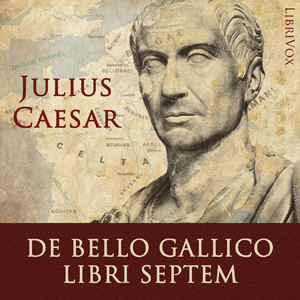
De Bello Gallico Libri Septem by Gaius Julius Caesar (100 - 44 BCE)
by LibriVox
In this book the famous Gaius Julius Caesar himself describes the seven years of his war in Gaul.When Caesar got proconsul of Gallia and Illyria in 58 B.C, the conquest of land in Gaul was an urgent need, both to improve his political standing and to calm his creditors in Rome. So Caesar claims his interest for a very large area already in the first sentence.His steps and measures always appear clear and logical, but this simplicity is the result of a strict discipline in style. Caesar really chooses his words, and the list of standard words that he never or rarely uses, is astonishing. E.g. for "river" he only uses flumen and never fluvius or amnis. He avoids porro (furthermore), which would be no decided beginning of a sentence, and in his writings never occurs the word clades (the defeat), although this would normally be demanded by the context.It is remarkable, that still today in all the lands of his conquest the word for "peace" is derived from
No episodes available yet.
We're indexing this podcast's transcripts for the first time — this can take a minute or two. We'll show results as soon as they're ready.
No matches for "" in this podcast's transcripts.
No topics indexed yet for this podcast.
Loading reviews...
ABOUT THIS SHOW
In this book the famous Gaius Julius Caesar himself describes the seven years of his war in Gaul.When Caesar got proconsul of Gallia and Illyria in 58 B.C, the conquest of land in Gaul was an urgent need, both to improve his political standing and to calm his creditors in Rome. So Caesar claims his interest for a very large area already in the first sentence.His steps and measures always appear clear and logical, but this simplicity is the result of a strict discipline in style. Caesar really chooses his words, and the list of standard words that he never or rarely uses, is astonishing. E.g. for "river" he only uses flumen and never fluvius or amnis. He avoids porro (furthermore), which would be no decided beginning of a sentence, and in his writings never occurs the word clades (the defeat), although this would normally be demanded by the context.It is remarkable, that still today in all the lands of his conquest the word for "peace" is derived from
HOSTED BY
LibriVox
CATEGORIES
Loading similar podcasts...
Frequently Asked Questions
How many episodes does De Bello Gallico Libri Septem by Gaius Julius Caesar (100 - 44 BCE) have?
De Bello Gallico Libri Septem by Gaius Julius Caesar (100 - 44 BCE) currently has 0 episodes available on PodParley. New episodes are automatically indexed when they're published to the podcast feed.
What is De Bello Gallico Libri Septem by Gaius Julius Caesar (100 - 44 BCE) about?
In this book the famous Gaius Julius Caesar himself describes the seven years of his war in Gaul.When Caesar got proconsul of Gallia and Illyria in 58 B.C, the conquest of land in Gaul was an urgent need, both to improve his political standing and to calm his creditors in Rome. So Caesar claims his...
How often does De Bello Gallico Libri Septem by Gaius Julius Caesar (100 - 44 BCE) release new episodes?
De Bello Gallico Libri Septem by Gaius Julius Caesar (100 - 44 BCE) is no longer actively publishing new episodes, but the existing catalog remains available.
Where can I listen to De Bello Gallico Libri Septem by Gaius Julius Caesar (100 - 44 BCE)?
You can listen to De Bello Gallico Libri Septem by Gaius Julius Caesar (100 - 44 BCE) on PodParley by clicking any episode. We provide an embedded audio player for direct listening, and you can also subscribe via your preferred podcast app using the RSS feed.
Who hosts De Bello Gallico Libri Septem by Gaius Julius Caesar (100 - 44 BCE)?
De Bello Gallico Libri Septem by Gaius Julius Caesar (100 - 44 BCE) is created and hosted by LibriVox.
URL copied to clipboard!