
PODCAST · education
DHS US History II
by DHS US History II
Podcast by DHS US History II
Episodes
-
Freedom Rides - May 4th, 1964 Max Ranney
Over the course of the Civil Rights movement there were many events that lead to the eventual improvement of civil rights. However, one event that is seen as a breaking point for the movement were the “Freedom Rides” that took place on May 4th 1964. The plan was for the group to leave Washington...
-
August 28th 1963 March On Washington By Sam Katz
Sam Katz Mael P.3 US History II May 2, 2017 Background on the March on Washington; The March On Washington was a giant gathered march to help protest for civil rights for African Americans. The leaders of the civil rights movement and also religious groups organized the march. More than 200.000...
-
August 6, 1965: Voting Rights Act
August 6, 1965: Voting Rights Act by DHS US History II
-
MLK assassination
MLK assassination by DHS US History II
-
June 28, 1969 -- The Stonewall Inn Riots
June 28, 1969 -- The Stonewall Inn Riots by DHS US History II
-
June 11, 1963: Civil Rights Address
Luke Bernier Mr. Mael 4/30/17 U.S. History II How the Civil Rights Address Movement Affected Civil Rights The Civil Rights Address was a speech given by John F. Kennedy, following the famous stand at the schoolhouse door. During the stand at the schoolhouse door, Governor George Wallace of…
more -
March 7, 1965: Bloody Sunday | Selma, Alabama
During 1961 and 1964, the Student Nonviolent Coordinating Committee (SNCC) had led a voting registration campaign in Selma, the seat of Dallas County, Alabama, a small town with a record of consistent resistance to black voting. Resistance from law enforcement cramped SNCC’s efforts. Local civil...
-
September 15, 1963: 16th Street Baptist Church Bombing
In the 1960s, Birmingham, Alabama was one of the most racially segregated cities in the United States. By 1963, Birmingham had earned the nickname “Bombingham” because homemade bombs set of in homes and churches were so common. KKK members would call in bomb threats to black churches to interrupt...
-
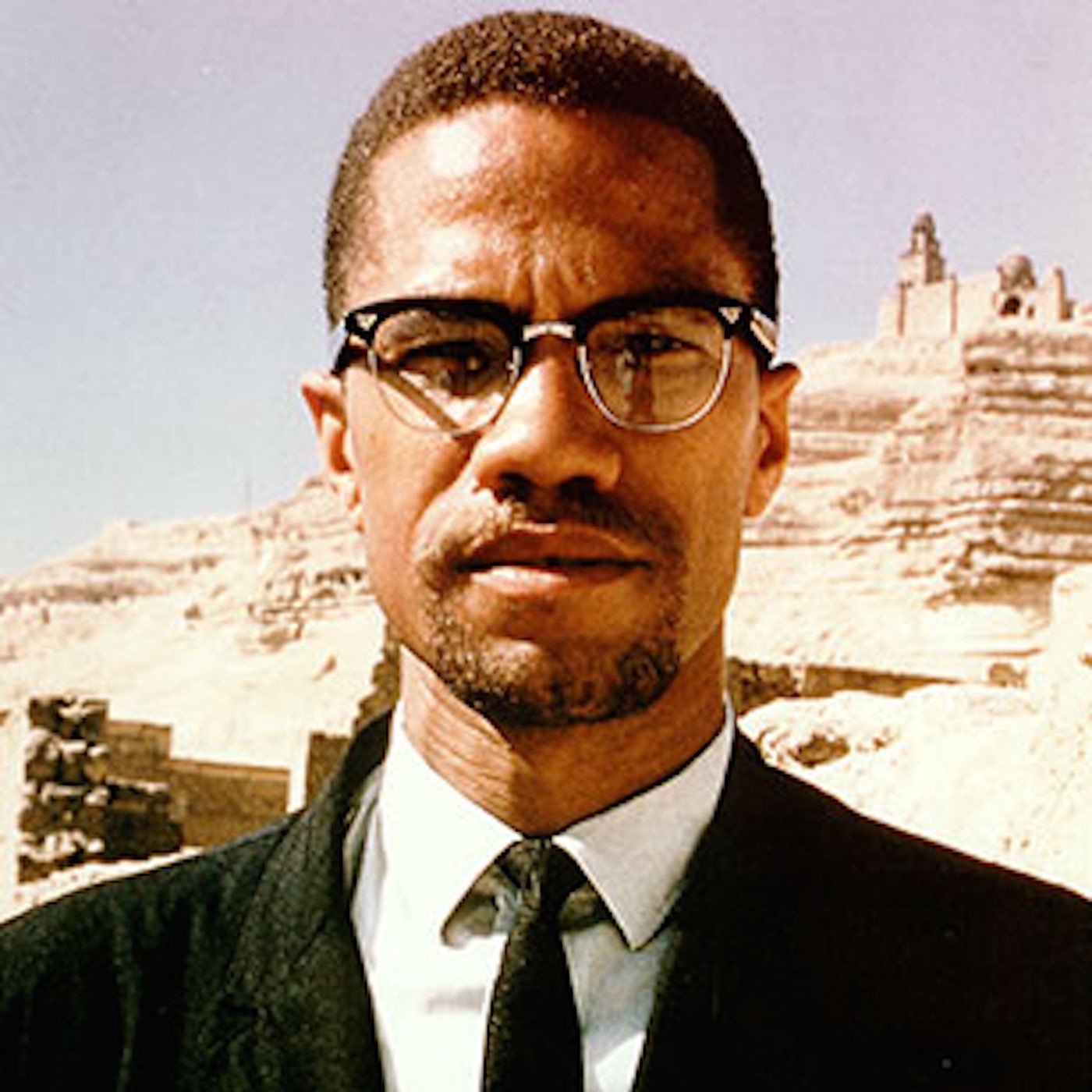
February 21, 1965 -- Malcolm X is Assassinated
Malcolm X who was born in Omaha, Nebraska on May 19th 1925 from his mother Louise Norton Little and his father Earl Little. He was one of 8 children and grew up in a very proactive household. His father, Earl who was a baptist minister was very outspoken and was a large supporter of the Black...
-
1966: Black Panther Party
The Black Panther Party was created in 1966, in Oakland, California. It was established in California but it spread throughout the US including many different cities in the following years, a few of them being: Boston, Chicago, and New York. The founders of this party were Huey P. Newton and…
more -
1964: Freedom Summer
In 1964 the number of registered African American voters had been gradually increasing. In most Southern States, about 50-70% of African American citizens were registered to vote on average. However, this number was drastically lower in Mississippi. Unfortunately, less than 7% of African…
more -
July 2, 1964, President LBJ Signs The Civil Rights Act of 1964 Into Law
July 2, 1964, President Lyndon B. Johnson signs the Civil Rights Act of 1964 into law Background: The Civil Rights Act of 1964, simply put, declared that all men are equal in the workforce as well as in public. It applied to all genders, races, religions, and nationality. It proved to very...
-
August 1965 Watts Riots
On August 11, 1965, an African-American was pulled over for allegedly drunk driving in a predominantly black neighborhood in Los Angeles. The man behind the wheel was Marquette Frye and was arrested by two white police officers for reckless driving. The situation escalated when Frye’s mother...
-
June 11, 1963 George Wallace "Stand in the Schoolhouse Door"
Civil Rights movements were being sparked all over the place in the 1960s due to gross injustices against the African American population. Brave people from black communities were sick of the treatment and started to protest and speak out. Their courage gave effective attention to the cause....
-
February 1st, 1960 Greensboro Sit-In
The Beginning of the Movement: During the 1960s, southern states were still mostly segregated and it was not a strange thing. Southern states did not enact the desegregation laws as quickly as the other states did. This was not fair for the African American people and they took action, a...
-
1963: The Birmingham Campaign
The Birmingham Campaign: During the early 1960s, segregation was at an all time high in the south, especially in Alabama. Times were very difficult for African Americans as they were seen as the inferior race. They were segregated from restaurants, bathrooms, water fountains and they had specific...
-
September 7, 1968: Miss America Protest
In the early 1920s women began to have a safe place outside the home. They were given more rights, not abused in the workplace, and were able to express themselves more freely. They stood up for what was right and in August of 1920 the 19th amendment was ratified; they were granted the right to...
-
April 16th, 1963: "A Letter from Birmingham" is released
Martin Luther King held a peaceful, nonviolent protest in Birmingham, Alabama in 1963. It is commonly referred to as the Birmingham movement. Because of King’s harmonious approach to the issue, he gained supporters for it quickly, and, although peaceful, his protests posed a high risk for its...
-
February 19, 1963: The Feminine Mystique
“The Feminine Mystique” – February 19, 1963 Background Before the early 1960s, women’s purpose was to take care of their families at home and have children. Many women did follow this way of life, whether it meant cooking homemade meals for their husbands while they were at work or cleaning the...
-
April 15, 1947: Jackie Robinson makes MLB Debut
April 15, 1947, Jackie Robinson makes MLB debut Background: Major League Baseball had been segregated since the late 1800s, even though many teams played in cities that were generally regarded as progressive like New York, Philadelphia, and Boston. Some of the most talented players in the history...
We're indexing this podcast's transcripts for the first time — this can take a minute or two. We'll show results as soon as they're ready.
No matches for "" in this podcast's transcripts.
No topics indexed yet for this podcast.
Loading reviews...
Loading similar podcasts...
Frequently Asked Questions
How many episodes does DHS US History II have?
DHS US History II currently has 20 episodes available on PodParley. New episodes are automatically indexed when they're published to the podcast feed.
What is DHS US History II about?
Podcast by DHS US History II
How often does DHS US History II release new episodes?
DHS US History II has 20 episodes. Check the episode list to see recent publication dates and frequency.
Where can I listen to DHS US History II?
You can listen to DHS US History II on PodParley by clicking any episode. We provide an embedded audio player for direct listening, and you can also subscribe via your preferred podcast app using the RSS feed.
Who hosts DHS US History II?
DHS US History II is created and hosted by DHS US History II.
URL copied to clipboard!