
PODCAST · music
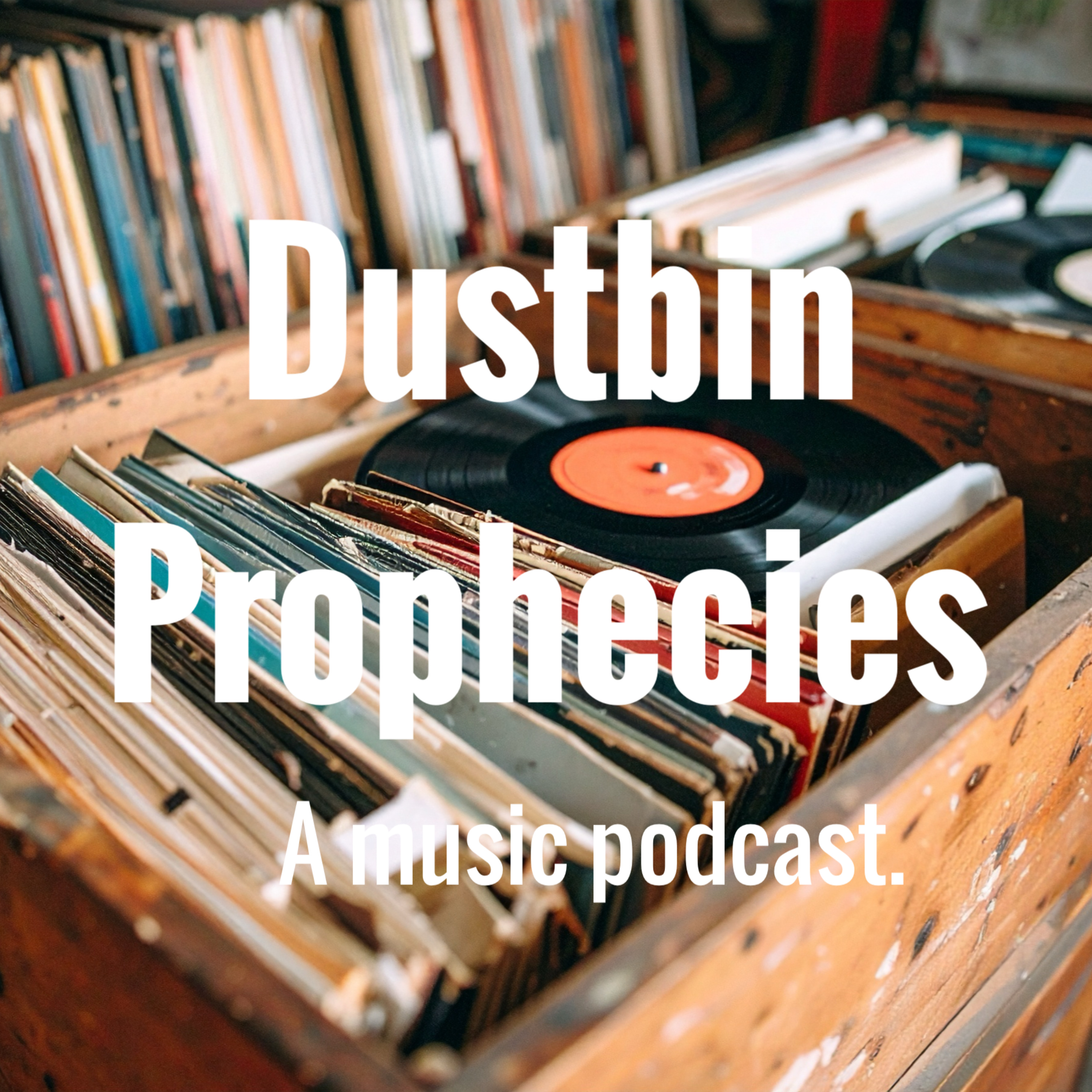
Dustbin Prophecies
by Dustbin Prophecies
Dustbin Prophecies Podcast unearths the forgotten corners of music history — the songs, artists, and stories that time tossed aside. Each episode dives into a hidden gem from the past, blending rich storytelling, cultural context, and fascinating trivia to reveal how these “lost” tracks shaped the soundscape we know today. For music lovers and curious minds alike, it’s a journey through the grooves of the forgotten.
-
12
"Fallin' Rain" by Link Wray
Before distortion became the language of rock and roll Link Wray discovered its power.With “Rumble” he created one of the most influential guitar sounds in music history, inspiring generations of musicians who followed. But the story of Link Wray did not end with the birth of the power chord.In 1971, after stepping away from the spotlight and relocating to Denmark, Link created one of the most personal recordings of his career. His self-titled album revealed a different side of the rock pioneer — a songwriter influenced by country, folk, blues, and the memories of a lifetime spent making music.This episode explores “Fallin’ Rain,” the forgotten beauty at the center of that record, the story behind Link Wray’s transformation from rock and roll rebel to reflective storyteller, and the lasting legacy of a musician whose influence can still be heard every time a guitar turns up the volume.This is the story of Link Wray’s “Fallin’ Rain.”
-
11
"Duchess" by Scott Walker
In 1969, Scott Walker released what many now consider his masterpiece. Almost nobody noticed. This week on Dustbin Prophecies, we trace the remarkable journey of Noel Scott Engel—from child actor in Southern California, to British teen idol, to one of the most visionary and uncompromising artists in popular music—and explore the haunting beauty of "Duchess," one of the emotional centerpieces of the legendary album Scott 4. Along the way, we'll dive into the album's recording sessions, its baffling commercial failure, and the extraordinary afterlife that transformed it into one of the most influential records of its era, inspiring generations of musicians from David Bowie to Radiohead. A story of memory, longing, reinvention, and the strange way great art sometimes waits decades to be fully heard.
-
10
"Gonna Move" by Paul Pena (Part 2 of 2)
For nearly three decades, one of the greatest albums you never heard sat trapped on a shelf. Meanwhile, the man who made it lost his sight, watched another artist turn his song into a hit, and quietly disappeared from the music industry. Or so it seemed.In Part Two of our story on Paul Pena, we follow the remarkable second act of a musician whose career refused to stay buried. From the long-delayed release of New Train to the astonishing journey that led him to become a respected master of Tuvan throat singing, Pena's story takes turns no one could have predicted. Along the way, we'll explore the unlikely friendships, legal battles, and moments of perseverance that transformed a forgotten recording into a cult classic, culminating in the acclaimed documentary Genghis Blues and a late-life rediscovery by a new generation of listeners.This is a story about second chances, artistic integrity, and the strange ways great music can find its audience—even if it takes twenty-seven years to arrive. Because sometimes the train is late... but it's still worth waiting for.Dustbin Prophecies: digging through the forgotten corners of rock history — one record at a time
-
9
"Gonna Move" by Paul Pena (Part 1 of 2)
A lost album. A forgotten release. A song that seems to already understand the shape of the life it belongs to.In Part One of Dustbin Prophecies, we follow Paul Pena from his early life in Massachusetts through the shifting music world of San Francisco in the 1970s, arriving at the recording of New Train, a record filled with extraordinary collaborations and quietly buried before it ever had a chance to be heard.Some music doesn’t disappear. It waits.
-
8
"Big Bird" by Eddie Floyd
In this episode of Dustbin Prophecies, we explore the haunting soul classic “Big Bird” by Eddie Floyd—a song born from the devastating loss of Otis Redding in 1967.Written during a flight into Memphis, “Big Bird” captures the disorienting weight of grief, longing, and the impossible desire to reconnect with someone who’s gone. Through its aching vocals and restrained Stax instrumentation, the song stands as one of the most emotionally raw recordings of the era.We dive into the story behind the song, the moment that inspired it, and why its quiet power continues to resonate decades later.A meditation on loss, memory, and the spaces in between—this is one of soul music’s most underrated masterpieces.Dustbin Prophecies: digging through the forgotten corners of rock history — one record at a time
-
7
"Red Cadillac and A Black Moustache"
A jealous question. A vivid image. And a story that never quite confirms itself.In this episode of Dustbin Prophecies, we explore Warren Smith’s “Red Cadillac and a Black Moustache”—a hypnotic Sun Records track built on suspicion, repetition, and one unforgettable image. Recorded in the raw, echo-filled room of Sun Studio the song captures the unstable emotional edge of early rock and roll.We break down the lyrics, uncover the tension behind the performance, and trace how this strange, obsessive track influenced later artists drawn to mood, minimalism, and mystery.Some songs tell stories. This one asks a question—and never lets it go.Dustbin Prophecies: digging through the forgotten corners of rock history — one record at a time.
-
6
"Dark Was The Night - Cold Was the Ground" by Blind Willie Johnson
In 1927, gospel-blues preacher Blind Willie Johnson recorded two songs in a temporary studio in Dallas that would echo across the next century. On one side of the record: the haunting, wordless meditation “Dark Was the Night – Cold Was the Ground.” On the other: the fierce spiritual warning “It’s Nobody’s Fault But Mine.”In this episode of Dustbin Prophecies, we explore the life of Blind Willie Johnson — from dusty Texas street corners to a makeshift Columbia Records recording session — and the extraordinary story behind one of the most emotionally powerful recordings ever captured. Dustbin Prophecies: digging through the forgotten corners of rock history — one record at a time.
-
5
"Which Side Are You On?" by Pete Seeger
What happens when a song stops being entertainment and starts being a call to make a stand?In this episode of Dustbin Prophecies, we trace the story of “Which Side Are You On?” — a song born not in a recording studio, but in a moment of fear and defiance in Harlan County during the violent coal miner labor struggles of the 1930s.Written by Florence Reece after armed men searched her home looking for her union-organizer husband, the song began as a simple melody borrowed from a Baptist hymn and a set of lyrics scribbled on a calendar page. But its message proved powerful enough to travel far beyond the coalfields.Decades later, folk singer and activist Pete Seeger would help carry the song into the wider American consciousness — performing it at union rallies, civil rights gatherings, and college campuses across the country. Along the way, the song became more than a labor anthem. It became a challenge.We explore how Seeger discovered the song through the networks of labor organizers and folk musicians of the 1940s, how he recorded it in the stripped-down style of the folk revival, and how his own confrontation with the House Un-American Activities Committee during the Cold War reshaped both his career and the legacy of protest music in America.Because some songs age. Others keep asking the same question. And this one still does. Which side are you on?Dustbin Prophecies: digging through the forgotten corners of rock history — one record at a time.
-
4
"Between the Devil and The Deep Blue Sea" by The Boswell Sisters
In 1931, as America sank deeper into the Great Depression, the Boswell Sisters recorded a song about a different kind of crisis — the kind where every choice feels like a trap.Written by Harold Arlen and Ted Koehler, “Between the Devil and the Deep Blue Sea” sounds light, even playful. The harmonies glide. The rhythm swings. But beneath the polish is a confession: sometimes you’re not choosing between right and wrong — you’re choosing between bad and worse.In this episode of Dustbin Prophecies, we explore how the Boswell Sisters transformed a Tin Pan Alley dilemma into something quietly devastating. We’ll break down the lyrics, the harmonic tension, the 1931 recording session featuring musicians like Tommy Dorsey and Benny Goodman, and the subtle musical choices that make this record feel suspended — unresolved — nearly a century later.Because this isn’t just a jazz standard. It’s a song about understanding the trap. And singing anyway.Dustbin Prophecies: digging through the forgotten corners of rock history — one record at a time.
-
3
"Haunted House" by Lonnie Johnson & Elmer Snowden
This episode drops the needle on “Haunted House,” a sly, spectral blues recorded in the late 1920s by two giants of early American music: guitar virtuoso Lonnie Johnson and banjoist-turned-bandleader Elmer Snowden. On the surface, it’s a playful ghost story — blue spirits drifting through a lonely home.But like the best blues, the haunting here is metaphorical: for love that lingers, loneliness that won’t leave, and memories that pace the halls long after the night has settled in.Dustbin Prophecies: digging through the forgotten corners of rock history — one record at a time.
-
2
"Just Because" by Lloyd Price
In this episode of The Dustbin Prophecies, we drift back to the late 1950s and drop the needle on a record that doesn’t raise its voice — it just tells the truth. Lloyd Price’s 1957 recording of “Just Because” is heartbreak delivered with a straight face, a piano rolling beneath words that refuse to beg.On the surface, it’s a simple breakup song, calm and conversational. But listen closer and you’ll hear something deeper: a postwar kind of masculinity learning how to stand its ground without bluster, how to say I’m hurt without losing composure. Price sings not as a conqueror or a victim, but as a man taking inventory of his pride, his dignity, and the silence that follows a love gone wrong.Recorded in New Orleans with musicians who knew how to let space do the talking, “Just Because” lives in the pauses as much as the notes. It’s restraint as attitude, understatement as strength — a quiet blueprint for rock and roll before it learned to shout.Tune in, turn it down just a little, and let Lloyd Price remind you: sometimes the strongest statements aren’t made in anger — they’re made by walking away without explanation.Dustbin Prophecies: digging through the forgotten corners of rock history — one record at a time.
-
1
"Hi-Heel Sneakers" by Tommy Tucker
In this episode of The Dustbin Prophecies, we slip back into the early 1960s and drop the needle on a blues shuffle so cool, so effortless, it strutted its way from the Chicago club scene straight into global musical DNA — Tommy Tucker’s 1963 classic, “Hi Heel Sneakers.”On the surface, it’s all red dresses, slick riffs, and a night on the town. But beneath that easy groove is the charm of a working musician who knew how real people lived, dressed, moved, and prepared for the trouble and pleasure a Friday night might bring. Tucker — a painter, pianist, hustler, and survivor — poured every mile of his lived experience into a song that needed no flash to make its mark.Tune in, turn it up, and let Tommy Tucker remind you: sometimes the coolest songs are the ones that don’t shout — they just walk in with confidence.Dustbin Prophecies: digging through the forgotten corners of rock history — one record at a time.
-
0
"I'm Gonna Bake My Biscuits" by Memphis Minnie
In this episode of The Dustbin Prophecies, we turn the dial back to the 1930s and drop the needle on one of the fiercest, funniest, and most fearless voices in early blues — Memphis Minnie.Recorded in 1936, “I’m Gonna Bake My Biscuits” is playful on the surface — all talk of ovens, dough, and good home cooking — but beneath the flour and fire is a sly wink at power, independence, and coded desire. Minnie wasn’t just baking biscuits; she was rewriting what it meant to be a woman in blues, crafting lyrics that teased, provoked, and claimed her own space in a man’s world. We trace her story from the dusty roads of Mississippi to the electric hum of Chicago, and uncover how her songs would ripple far into the bones of rock and roll itself.Tune in, turn it up, and let Memphis Minnie remind you — the kitchen was never just a kitchen.Dustbin Prophecies: digging through the forgotten corners of rock history — one record at a time.
-
-1
"In the Still of the Night" by The Five Satins
Close your eyes and drift back to a 1956 Connecticut church basement where a group of high school friends — The Five Satins — recorded a song that would echo through the decades: “In the Still of the Night.” In this episode of Dustbin Prophecies, we uncover how one simple ballad of love and longing became one of the most enduring songs in American pop history.We’ll explore how lead singer Fred Parris, inspired by a fleeting romance before shipping out for military service, poured his heart into the lyrics and melody — crafting a tune that would help define the doo-wop sound. From its haunting echo to its unforgettable “doo-wop, doo-wah” refrain, this song didn’t just top charts — it shaped a genre.Dustbin Prophecies: digging through the forgotten corners of rock history — one record at a time
-
-2
"Midnight Shift" by Buddy Holly
Step back into the smoke and neon of the 1950s Texas music scene as Dustbin Prophecies digs into one of Buddy Holly’s earliest and most daring tracks — “Midnight Shift.” Recorded in 1956 at Nashville’s legendary Bradley Film and Recording Studio, this rockabilly gem tells the story of Annie, a young woman who trades her innocence for the allure of the midnight life. It’s a tale of temptation, freedom, and consequence — all wrapped in twangy guitars, slap-back echo, and Buddy’s unmistakable energy.In this episode, we explore the musical DNA of “Midnight Shift” — how it stood out in Buddy’s early catalog, flirted with controversy, and hinted at the songwriting genius that would later shape rock and roll. You’ll hear how Buddy and his producer experimented with country, rhythm & blues, and emerging rock sounds to create something entirely new.We’ll also uncover the cultural context behind the song — a time when jukeboxes ruled, radio DJs were tastemakers, and the idea of a “midnight shift” was both dangerous and irresistible. Plus, we’ll drop a few bits of Buddy Holly trivia that even die-hard fans might not know.Whether you’re a lifelong Holly devotee or just discovering the roots of rock, this episode captures the spark of rebellion and invention that defined Buddy’s short but legendary career.Dustbin Prophecies: digging through the forgotten corners of rock history — one record at a time
We're indexing this podcast's transcripts for the first time — this can take a minute or two. We'll show results as soon as they're ready.
No matches for "" in this podcast's transcripts.
No topics indexed yet for this podcast.
Loading reviews...
ABOUT THIS SHOW
Dustbin Prophecies Podcast unearths the forgotten corners of music history — the songs, artists, and stories that time tossed aside. Each episode dives into a hidden gem from the past, blending rich storytelling, cultural context, and fascinating trivia to reveal how these “lost” tracks shaped the soundscape we know today. For music lovers and curious minds alike, it’s a journey through the grooves of the forgotten.
HOSTED BY
Dustbin Prophecies
Loading similar podcasts...
Frequently Asked Questions
How many episodes does Dustbin Prophecies have?
Dustbin Prophecies currently has 15 episodes available on PodParley. New episodes are automatically indexed when they're published to the podcast feed.
What is Dustbin Prophecies about?
Dustbin Prophecies Podcast unearths the forgotten corners of music history — the songs, artists, and stories that time tossed aside. Each episode dives into a hidden gem from the past, blending rich storytelling, cultural context, and fascinating trivia to reveal how these “lost” tracks shaped the...
How often does Dustbin Prophecies release new episodes?
Dustbin Prophecies has 15 episodes. Check the episode list to see recent publication dates and frequency.
Where can I listen to Dustbin Prophecies?
You can listen to Dustbin Prophecies on PodParley by clicking any episode. We provide an embedded audio player for direct listening, and you can also subscribe via your preferred podcast app using the RSS feed.
Who hosts Dustbin Prophecies?
Dustbin Prophecies is created and hosted by Dustbin Prophecies.
URL copied to clipboard!