
PODCAST · science
Foodie Pharmacology Podcast
by Co-Conspiracy Entertainment
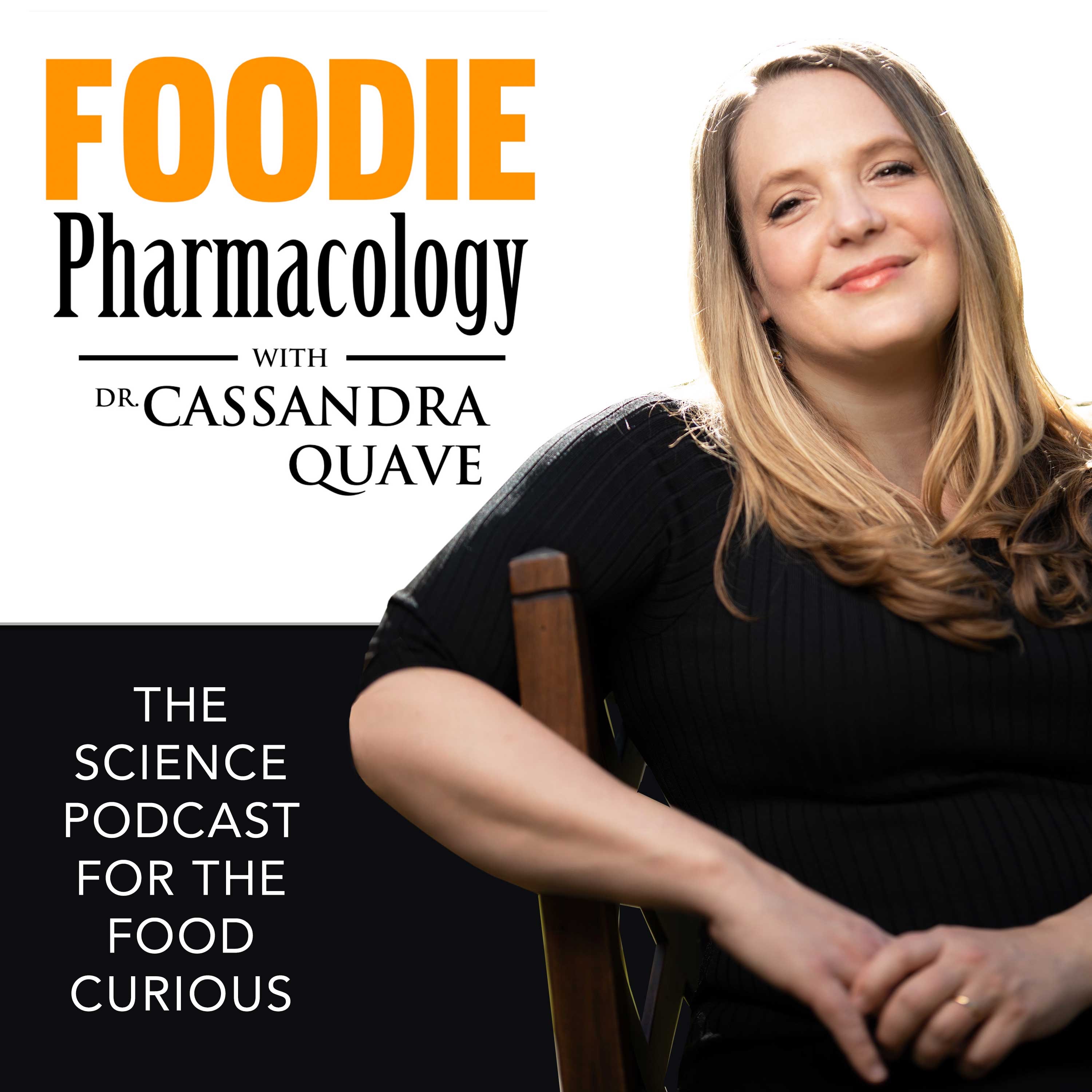
Have you ever wondered where your food comes from? Not just where it’s grown today, but where it originally popped up in the world? Have you ever bit into a delicious ripe fruit and wondered, hey – why is it this color? What’s responsible for this amazing flavor? Is this good for my health? Could it even be medicinal?Foodie Pharmacology is a science podcast built for the food curious, the flavor connoisseurs, chefs, science geeks, plant lovers and adventurous taste experimenters out in the world! Join American ethnobotanist Dr. Cassandra Quave on this adventure through history, medicine, cuisine and molecules as we explore the amazing pharmacology of our foods.
-
100
Alpha-gal Syndrome (Red Meat Allergy) with Gary Falcetano | Foodie Pharmacology with Dr. Cassandra Quave
We’d once again like to thank Thermo Fisher Scientific Incorporated for their sponsorship of this episode. What if a single tick bite could change the way you eat forever? In this episode, I sit down with allergy expert Gary Falcetano to explore alpha-gal syndrome, a strange and increasingly recognized condition triggered by tick bites that can lead to delayed allergic reactions to red meat and other mammalian products. We unpack the science behind this unusual immune response, why symptoms can emerge hours after eating, and why many cases go undiagnosed for years. From hidden sources of alpha-gal in foods and medications to the growing spread of tick species linked to the condition, this conversation reveals how a tiny bite can have surprisingly large consequences. We also share practical tips for prevention, diagnosis, and staying safe outdoors, whether you’re hiking in your backyard or heading out on your next adventure. This Foodie Pharmacology podcast episode is part of a special two-part series sponsored by Thermo Fisher Scientific Incorporated. The views and opinions in this podcast are those of the presenters and represent the synthesis of the science.
-
99
Pregnancy, Nutrition, and the Science of the Placenta with Dr. Cheryl Rosenfeld | Foodie Pharmacology with Dr. Cassandra Quave
Did you know that one of the most important organs shaping lifelong health is only temporary? In this episode of Foodie Pharmacology, I sit down with developmental biologist Dr. Cheryl Rosenfeld to explore the fascinating science of the placenta and its role as the communication hub between mother and developing baby. We discuss the emerging concept of the placenta-brain axis and discuss how maternal diet, the gut microbiome, environmental exposures, and even tiny molecular signals can influence fetal development long before birth. From serotonin and the microbiome to probiotics, inflammation, and the hidden impacts of modern life, this conversation reveals how the earliest environment we experience may shape health outcomes for years to come.
-
98
The Ethnobotany of Candomblé with Dr. Bob Voeks
Journey to Brazil to uncover the hidden roots of Candomblé, an Afro-Brazilian spiritual tradition shaped by African plant knowledge, resilience, and cultural memory. In this episode, I speak with ethnobotanist Dr. Bob Voeks to explore how enslaved Africans preserved sacred healing traditions and foodways across the Atlantic, transforming plants into powerful symbols of identity and survival. From spiritual cleansing rituals with sacred leaves to the fascinating story of caruru, a revered okra dish tied to twin deities, we trace the remarkable journey of African plants through the diaspora. Along the way, we uncover surprising connections linking Candomblé, callaloo, and even Southern gumbo, revealing how food can carry history, spirituality, and culture across continents and generations. #Okra #Gumbo #Acarajé #DiasporaFood #AfricanCuisine #BlackEyedPeas
-
97
How Pet Food Went Wrong with Dr. Judy Morgan
Pet nutrition has undergone a dramatic shift over the past century, moving from whole foods to highly processed convenience diets, and not always for the better. This week on Foodie Pharmacology, Dr. Cassandra Quave speaks with Dr. Judy Morgan, a veterinarian with over 40 years of experience in integrative and holistic care, about what’s gone wrong in the modern pet food industry and how to rethink what we feed our animals. The conversation explores the rise of ultra-processed kibble, gaps in regulation, and the health consequences linked to highly processed diets, while offering practical guidance on incorporating fresher, more species-appropriate foods. From understanding ingredient labels to simple additions like eggs, sardines, and fresh produce, this episode provides a grounded, accessible framework for pet owners looking to support long-term health and longevity in their animals. LISTENER OFFER: Use discount code PHARMACOLOGY50 for 50% off Dr. Judy authored Books found on https://drjudymorgan.com/
-
96
Genome Mining and the Quest for New Antibiotics with Dr. Nadine Ziemert
Antibiotic resistance is one of the most pressing challenges in modern medicine, raising the risk of a return to a pre-antibiotic era where common infections become life-threatening. This week on Foodie Pharmacology, Dr. Cassandra Quave speaks with Dr. Nadine Ziemert about how scientists are turning to microbial genomes to discover the next generation of antibiotics. A professor of translational genome mining at the University of Tübingen, Nadine explains how bacteria themselves are prolific chemists, producing complex natural products that can be harnessed to fight infection. The conversation explores why traditional discovery methods have slowed, how genome mining reveals hidden “chemical dark matter” in the environment, and how computational tools are helping researchers predict new molecules before they are even isolated in the lab. From the vast, untapped diversity of soil microbes to the future potential of AI-driven discovery pipelines, this episode offers a hopeful look at how science is working to stay ahead in the race against antibiotic resistance. Learn more about Dr. Ziemert’s research on her lab’s YouTube channel.
-
95
Legal Action for Nature with Dr. Jacob Phelps
The health of our environment underpins everything from food systems to future medicines, yet much of the damage done to nature goes unaddressed. This week on Foodie Pharmacology, Dr. Cassandra Quave speaks with Jacob Phelps about a new approach to conservation that brings science into the courtroom. Together, they explore how environmental litigation can move beyond small fines and toward holding offenders accountable for restoring damaged ecosystems, from illegal mining and deforestation to wildlife trafficking. The conversation highlights the gap between strong environmental laws on paper and their limited use in practice, and how interdisciplinary teams of scientists and lawyers are working to change that. From protecting biodiversity and safeguarding food systems to preserving resources that may hold future therapeutic value, this episode offers a powerful look at how legal action can be used as a tool to defend and repair the natural world. Learn more at https://www.conservation-litigation.org/
-
94
Natural Remedies for Pets with Angela Ardolino
Spring is a time when many of us think about fresh starts and better health, including the well-being of our pets. This week on Foodie Pharmacology, Dr. Cassandra Quave speaks with Angela Ardolino about natural approaches to supporting aging dogs. Angela, a formulator and educator specializing in cannabinoids, medicinal mushrooms, and adaptogens, explains how these compounds interact with the endocannabinoid system to regulate inflammation, neurological function, and overall balance. They discuss the differences between full-spectrum hemp extracts and isolated compounds, how cannabinoids may support joint pain, seizures, and cognitive decline, and the growing interest in functional mushrooms like lion’s mane, reishi, and cordyceps for brain health of our pets. The conversation also examines what cognitive decline looks like in aging pets, the role of inflammation and the gut-brain connection, and how diet and ultra-processed pet foods may contribute to disease. From reading supplement labels to understanding ingredient sourcing and quality, this episode offers a practical framework for pet owners interested in integrative approaches to animal health. Learn more about Angela’s work at https://angelaardolino.com/
-
93
The Truth About Seed Oils with Cherie Calbom | Foodie Pharmacology with Dr. Cassandra Quave
Seed oils are everywhere. From salad dressings to snack foods, they’ve become a quiet staple of the modern diet. But how did they get there, and what do we really know about their impact on human health? This week on Foodie Pharmacology, Dr. Cassandra Quave sits down with nutritionist Cherie Calbom, MS, known as “The Juice Lady,” to unpack the rise of industrial seed oils and the debate surrounding them. Cherie shares her personal journey into nutrition, which began with a serious health crisis and led her to rethink the role of food in healing. Together, they explore what seed oils actually are, how they are processed, and why their chemical structure makes them vulnerable to oxidation. The conversation traces their history from industrial byproducts to “heart-healthy” staples, shaped by wartime supply chains, shifting dietary guidance, and powerful marketing. They also dig into where these oils are hiding in everyday foods, why they can be difficult to avoid even when you are trying to eat well, and how to navigate labels in a highly processed food environment. If you’ve ever wondered what’s really in the oils lining grocery store shelves, or why this topic has become so widely debated, this episode offers a deeper look at the science, history, and real-world implications of seed oils in today’s diet. Learn more about Cherie’s work at thejuiceladycherie.com
-
92
Pollen Food Allergy Syndrome with Gary Falcetano | Foodie Pharmacology with Dr. Cassandra Quave
Spring is here, and seasonal pollen along with it! This week on Foodie Pharmacology, Dr. Cassandra Quave speaks with Gary Falcetano, PA-C, AE-C, Senior Manager of Global Medical & Scientific Affairs in Allergy at Thermo Fisher Scientific and a longtime clinician and educator in asthma and immunologic disorders, about pollen food allergy syndrome and why certain fresh foods can suddenly cause itching or irritation during allergy season. Also known as oral allergy syndrome, this condition stems from cross-reactivity between pollen proteins and similar proteins found in plant foods. Gary explains how this immune mix-up happens, why symptoms are typically limited to the mouth and throat, and why something as simple as cooking an apple can make it more tolerable. They also cover how common this syndrome is, why it is frequently overlooked, and how clinicians distinguish it from more serious food allergies using detailed history and targeted testing. The conversation highlights the role of IgE, component-resolved diagnostics, and the importance of understanding seasonal exposure. The episode closes with practical tips for managing symptoms, from reducing pollen exposure at home to simple food preparation strategies that can make a real difference during peak allergy season. This Foodie Pharmacology podcast is part of a special two part series sponsored by Thermo Fisher Scientific Inc. The views and opinions in this podcast are those of the presenters and represent the synthesis of science. #FoodiePharmacology #PollenAllergy #OralAllergySyndrome #AllergyAwareness #ItchyMouth #AllergySymptoms #SinusRelief #HealthyLiving #SeasonalAllergies #FoodAllergy
-
91
Essential Food Preserving with Dr. Julia Skinner
What if the key to reducing food waste, strengthening community, and reconnecting with our food systems is already in your kitchen? In this episode of Foodie Pharmacology, Dr. Cassandra Quave speaks with Dr. Julia Skinner, food writer, fermentation expert, and founder of the Culinary Curiosity School, to explore the practice of food preserving. From fermentation to freezing, Julia shares how preserving is not just a set of techniques but a way of thinking about food with intention and creativity. They discuss her upcoming book, Essential Food Preserving, which takes an ingredient-first approach. Instead of rigid recipes, it asks a simple question: what can you do with what you have right now? That mindset opens the door to everything from fruit leathers and infused vinegars to fermented drinks and pantry staples built from scraps. They also explore the deeper reasons preserving matters. These practices are rooted in food security, seasonality, and survival. Today, they offer a powerful way to reduce waste and reconnect with the sources of our food. Fermentation, in particular, plays an important role in building community. Sharing techniques, recipes, and traditions creates meaningful connections around food. If you’ve ever felt intimidated by preserving, this episode offers an approachable place to begin. Start small, stay curious, and focus on practice rather than perfection. Essential Food Preserving will be released on May 19, 2026, and is available now for pre-orders! Want to learn more? Enter Code “QUAVE” for a 30% discount to a class offered through the Culinary Curiosity School.
-
90
How Flowers Made Our World with Dr. David George Haskell | Foodie Pharmacology
Flowers may seem delicate, but they have transformed the planet! In this episode of Foodie Pharmacology, Dr. Cassandra Quave speaks with Dr. David George Haskell, author of the new book How Flowers Made Our World, about the revolutionary rise of flowering plants. They discuss how grasses helped shape human evolution as “grass apes,” why orchids rely on intimate fungal partnerships, and how floral chemistry communicates with pollinators through scent and even electrical fields! From the endosperm that feeds much of humanity to the cultural and aesthetic power of flowers, this conversation examines how flowering plants engineered ecosystems, nourished civilizations, and continue to shape our future. How Flowers Made our World: The Story of Nature’s Revolutionaries is available for pre-order now! Learn more at https://dghaskell.com/
-
89
Ancient-biotics: Medieval Remedies Meet Modern Microbiology with Dr. Freya Harrison
What if the future of antimicrobial discovery lies buried in medieval manuscripts? In this episode of Foodie Pharmacology, Dr. Cassandra Quave speaks with microbiologist Dr. Freya Harrison of the University of Warwick about the emerging field of “Ancient-biotics”. They examine how early medieval remedies such as Bald’s eyesalve are being reconstructed and tested against modern antibiotic-resistant biofilms. Dr. Harrison explains how her lab builds infection models that mimic the human body, why biofilms are so difficult to treat, and how combinations of natural products like honey and vinegar may hold clues to new antimicrobial strategies. This conversation bridges microbiology, Medieval texts, and pharmacology showcasing how historical knowledge can still inform modern medicine.
-
88
Understanding Inflammation with Dr. Josh Redd | Foodie Pharmacology with Dr. Cassandra Quave
Inflammation is essential for healing, but when it becomes chronic, it can quietly drive joint pain, blood sugar imbalance, autoimmune conditions, and long-term disease. In this episode of Foodie Pharmacology, Dr. Cassandra Quave speaks with Dr. Josh Redd, founder of RedRiver Health and Wellness and author of The 30-Day Inflammatory Reset, about the root causes of chronic inflammation. They discuss how ultra-processed diets, environmental exposures, stress, hormonal imbalance, and even trauma contribute to inflammatory load, and what practical steps individuals can take to support immune balance through nutrition and lifestyle change. Learn more about Josh’s work at DrJoshRedd.com
-
87
The Science of Sake: Fermentation, Culture, and History with Dr. Eric Rath
Sake sits at the intersection of fermentation science, ritual, and food culture. In this episode of Foodie Pharmacology, Dr. Cassandra Quave is joined by Dr. Eric C. Rath, professor of history at the University of Kansas and author of Kanpai: The History of Sake. Together, they explore what sake really is, how fermentation with koji mold transforms rice into alcohol, and why sake has played such a central role in Japanese ritual, everyday life, and food culture. The conversation also traces the history of home brewing, the rise of izakaya gastropubs, and the emergence of American sake as both adaptation and innovation.
-
86
North of Ordinary: Survival, Solitude, and Choosing Your Own Way with Sue Aikens | Foodie Pharmacology
In the remote Alaskan wilderness, survival is not a simple metaphor. It is an act of daily practice. In this episode of Foodie Pharmacology, Dr. Cassandra Quave reconnects with Sue Aikens, best known from National Geographic’s Life Below Zero, to talk about her memoir North of Ordinary. Broadcasting from Alaska, Sue reflects on a life shaped by abandonment, fierce independence, and learning to endure both emotional and physical extremes—from brutal winters and isolation to surviving a grizzly bear attack. This conversation explores resilience, the role of helpers (human and animal), and what it means to build a sense of self when the wilderness strips everything else away.
-
85
Doctored: Fraud, Arrogance and Tragedy in Alzheimer’s Research with Charles Piller
For decades, Alzheimer’s research has been shaped by a dominant hypothesis, enormous funding streams, and the promise of breakthrough cures. But what happens when the science itself is compromised? In this episode of Foodie Pharmacology, Dr. Cassandra Quave sits down with investigative science journalist Charles Piller to unpack the revelations behind his book Doctored: Fraud, Arrogance, and Tragedy in the Quest to Cure Alzheimer’s. We examine how image manipulation, groupthink, and institutional failures distorted the Alzheimer’s research landscape for years, shaping clinical trials, drug approvals, and patient expectations. This conversation goes beyond a single disease to examine research integrity, reproducibility, and the human cost of getting science wrong.
-
84
Kava Traditions and Modern Wellness with Douglas La Rose
This week on Foodie Pharmacology, we explore the cultural, scientific, and social dimensions of kava (Piper methysticum) with Douglas La Rose, Executive Director of the Kava Coalition. We discuss kava’s roots in Pacific Island traditions, how it’s prepared, what the new AHP monograph means for safety and standards, and why this non-alcoholic beverage is gaining global interest as a pro-social, calming alternative. Douglas shares insights from his work supporting education, responsible use, and sustainable industry growth, offering a grounded look at how this plant bridges community, culture, and modern wellness. #FoodiePharmacology #Kava #Ethnobotany #PlantMedicine #WellnessCulture #NaturalProducts #KavaCoalition
-
83
The Neuropharmacology of Ibogaine with Jonathan Dickinson
What makes ibogaine such a remarkable plant-derived compound? I sit down with Jonathan Dickinson, CEO and co-founder of Ambio Life Sciences, to explore the fascinating neuropharmacology of this alkaloid and its profound impact on the brain. Jonathan is an expert on ibogaine, with more than 15 years of experience spanning clinical care, traditional practice, and psychedelic research. We discuss iboga’s deep cultural roots in Central and West Africa, its role in Bwiti spiritual traditions, and how modern science is uncovering its potential in treating addiction, trauma, and neurological disease. Jonathan also shares insights from his pioneering work in ethical sourcing, including the first Nagoya-compliant export of iboga from Gabon, and highlights promising studies on neuroregeneration, multiple sclerosis, and traumatic brain injury. To learn more about his work, visit https://ambio.life/ #iboga #pscyhedelic #addiction #ibogaine #naturalproduct #addiction #podcast
-
82
Humanely Hatched Hens and Ethical Egg Farming with Jasen Urena
What if the future of egg farming could eliminate one of the industry’s most difficult animal welfare issues—male chick culling? Thanks to in-ovo sexing technology, that future is here. This week on Foodie Pharmacology, I talk with Jasen Urena, Vice President of NestFresh, about the launch of their Humanely Hatched™ eggs—the first in the U.S. to ensure only female chicks are incubated. It’s a groundbreaking step that transforms both animal welfare and consumer choice. Jasen shares his journey at NestFresh and how the company has been at the forefront of ethical innovation, from pioneering Non-GMO Project Verified and Regenerative Organic Certified™ eggs to introducing reusable distribution systems that cut emissions and boost traceability. We discuss the promise of regenerative agriculture, how consumer demand is reshaping food systems, and why bold moves are often the catalyst for lasting change in legacy industries. Whether you care about sustainability, farm animal welfare, or just want to understand where your food comes from, this episode offers a hopeful look at how science and ethics can come together to change what’s on our plates. 🔗 Learn more: nestfresh.com ☕ Support the show: buymeacoffee.com/foodiepharma 🎧 Listen to more episodes: foodiepharmacology.com #animalwelfare #eggs #chickens #podcast #nestfresh
-
81
How Plants Make Medicine with Dr. Ryan Nett
Plants are master chemists. From caffeine and nicotine to powerful drugs like colchicine, they manufacture an incredible array of molecules that defend against pests, attract pollinators, and sometimes even become lifesaving medicines for humans. But how exactly do plants build these complex compounds, and why do they make them in the first place? This week, I sit down with Dr. Ryan Nett, Assistant Professor of Molecular and Cellular Biology at Harvard University, to explore the fascinating world of plant biosynthesis. We talk about how plants orchestrate molecular “assembly lines” using specialized enzymes, why some of the most promising medicines are so difficult to source from nature, and how advances in genetics and synthetic biology are opening new doors to sustainable drug production. Dr. Nett shares insights from his research on alkaloids such as huperzine A, investigated for Alzheimer’s disease, and colchicine, a historic treatment for gout and inflammation. We also discuss the grand challenges of plant chemistry, from deciphering massive genomes to engineering microbes like yeast to produce rare medicinal compounds. If you’ve ever wondered how plants turn simple building blocks into some of the most valuable medicines on Earth, you won’t want to miss this conversation! Learn more at https://www.nett-lab.com/ #botany #medicinalplants #chemistry #science #biosynthesis
-
80
Understanding Food Allergies with Dr. Sarita Patil
Food allergies affect millions of children and adults worldwide—and the numbers are rising. This week on the show, Dr. Quave speaks with Dr. Sarita Patil, Assistant Professor of Medicine at Harvard Medical School and Co-Director of the MGH Food Allergy Center, to explore the science behind allergic reactions. They discuss the differences between food allergies and intolerances, the rise in childhood allergies, and how early exposure to allergenic foods can help prevent these conditions. Dr. Patil shares insights from her latest research on peanut immunotherapy and the role of protective antibodies in reducing severe reactions. She also explains eosinophilic esophagitis, a chronic condition linked to food allergens that affects the esophagus. The conversation covers key topics such as the hygiene hypothesis, the influence of breastfeeding and the microbiome on food allergies, and the challenges of managing food allergies in the context of food insecurity. Whether you are caring for someone with food allergies or interested in how the immune system interacts with our diet, this episode offers practical information and new perspectives on managing food-related health challenges. #foodallergy #allergy #podcast #FoodiePharmacology #Peanuts
-
79
Feed Us With Trees Nuts and Our Food Systems with Elspeth Hay
What if our future food security depended not on fields of grain, but on forests of trees? In this episode of Foodie Pharmacology, I sit down with Elspeth Hay, author of Feed Us with Trees: Nuts and the Future of Food and host of the Local Food Report on CAI NPR. Elspeth takes us on a journey through oak groves and chestnut stands to explore how nut-bearing trees once fed the world—and could again. We unpack the ecological power of keystone species like oaks and the role of fire in maintaining these ancient foodscapes. Elspeth shares how acorns, hazelnuts, and chestnuts offer a compelling alternative to industrial crops—and how Indigenous foodways and land management practices hold the key to unlocking their full potential. From forgotten ancestral practices to the modern movement to rewild our diets and ecosystems, this episode is a hopeful call to reconnect with the trees that once sustained us. Learn more about Elspeth’s work at elspethhay.com and follow her on Instagram @elspethhay. #TreeNuts #WildFoods #FoodiePharmacology #KeystoneSpecies #Rewilding #EdibleForests
-
78
The Dark Matter of Nutrition with Dr. Giulia Menichetti
This week on the show, Dr. Quave speaks with Dr. Giulia Menichetti, a computational physicist at Harvard Medical School, about one of the most elusive frontiers in nutrition science: the “dark matter” of food. While most nutrition data is focused on a handful of known nutrients, Dr. Menichetti’s “Foodome” Project is charting the vast landscape of overlooked bioactive compounds hidden in everyday ingredients—and using artificial intelligence to unlock their therapeutic potential. From network science and protein targets to AI-powered metabolomics and precision diets, this conversation uncovers how foods interact with our biology in ways we’re only beginning to understand. You’ll learn how ultra-processed foods disrupt this balance, why many food databases are incomplete, and how the future of personalized nutrition might be written not just in our genes—but in the chemical language of our meals. 🎧 Tune in to discover how food, evolution, and ecology converge in the search for a more intelligent approach to eating. #Foodome #FoodiePharmacology #AI #PrecisionNutrition #NetworkMedicine #UltraProcessedFoods #NutritionScience
-
77
Ethnobiology of Lake Titicaca with Dr. Daniel Villar
This week on the show, Dr. Quave speaks with conservation biologist Dr. Daniel Villar about the deep connections between culture, ecology, and traditional knowledge in the Central Andes. Their conversation centers on Lake Titicaca, one of the world’s highest navigable lakes, where Dr. Villar has studied how traditional ecological knowledge (TEK) shapes and responds to environmental change. They discuss the many uses of the totora sedge—a plant once used to build floating islands, craft artisanal goods, and provide food for people and livestock—and how its management reflects centuries of indigenous governance and adaptation. Dr. Villar also shares his insights on the role of ethnobiology in conservation, the value of cultural diversity in protecting biodiversity, and how his research sheds light on climate resilience. Don’t miss this fascinating look at the science of survival through the lens of cultural and ecological evolution. #Ethnobiology #LakeTiticaca #TEK #BioculturalDiversity #FoodiePharmacology #Conservation #Andes #IndigenousKnowledge
-
76
Food Medicine is a Recipe4Health with Dr. Steven Chen and Nat Irwin
What if your doctor prescribed kale instead of pills? This week on Foodie Pharmacology, Dr. Quave sits down with Dr. Steven Chen and Nat Irwin to discuss Recipe4Health, a pioneering “Food as Medicine” program transforming how we treat chronic disease. Based in Alameda County, CA, this initiative pairs regenerative and organic produce with health coaching—all covered by Medi-Cal (Medicaid). Learn how fresh, regenerative produce is being prescribed to thousands of patients as part of a broader effort to improve outcomes for chronic conditions like diabetes and depression. This innovative model also delivers ripple effects beyond the clinic—supporting BIPOC farmers, restoring soil health, and advancing equity through the H3E (Health Cubed Equity) framework, which links human, ecological, and economic well-being. Together, we unpack how food, coaching, and community can improve health outcomes, reduce healthcare costs, and nourish both people and the planet. This podcast episode is sponsored by The Periodic Table of Food Initiative in association with the American Heart Association. The views and opinions in this podcast are those of the presenters and represent the synthesis of science. For more information on the Periodic Table of Food Initiative, please visit https://foodperiodictable.org/ Case study form the Center for Health Law and Policy Innovation at Harvard Law School: https://chlpi.org/wp-content/uploads/2025/06/Alameda-County-Case-Study-May-2025-V4.pdf #FoodAsMedicine #Recipe4Health #HealthEquity #RegenerativeAgriculture #ChronicDisease #FoodiePharmacology #Organic
-
75
Psilocybin and the Fountain of Youth with Dr. Louise Hecker
Psilocybin and the Fountain of Youth with Dr. Louise Hecker Could magic mushrooms hold the key to longer life? In this episode, Dr. Quave chats with Dr. Louise Hecker, Associate Professor at Baylor College of Medicine and Founder of Fibronox, about her groundbreaking research on psilocybin and aging. You may have seen the headlines—her team found that psilocybin slowed cellular aging, reduced oxidative stress, and even extended lifespan in mice. Dr. Hecker shares the origin story behind the study, which started with rooftop workouts and curiosity, and walks us through the science behind her findings. From challenges in getting regulatory approval to designing realistic dosing regimens for her laboratory studies, we discuss what it takes to study psychedelics in the lab. We also explore future directions in longevity research and how this ancient fungal compound might one day support healthier aging. Tune in to learn how psilocybin could reshape the way we think about aging and health. #psilocybin #psychedelic #aging #longevity #healthyaging
-
74
What’s on the Menu with Nathalie Cooke
Menus aren’t just lists of food—they’re time machines. This week on Foodie Pharmacology, Dr. Cassandra Quave returns to Season 7 with literary food historian Dr. Nathalie Cooke of McGill University. Together, they explore how menus offer rich clues into the cultural, economic, and even medical mindsets of past centuries. From elephant soup on menus to how Coca-Cola and cigarettes once appeared as health tonics, you’ll hear surprising stories of how dining habits—and health claims—have evolved. Discover how art, identity, and even politics show up on the plate, and how modern “no-choice” tasting menus harken back to royal traditions. Don’t miss this fascinating dive into culinary history through the lens of Nathalie’s latest book, Taste and Traditions: A Journey Through Menu History. 🎧 Subscribe now and take a seat at the historical table. #MenuHistory #FoodCulture #CulinaryTraditions #WildFoods #HealthOnTheMenu #FoodiePharmacology
-
73
From Cactus to Culture: The Science of Ethnomicrobiology with Dr. César Ojeda
This week on the show, we speak with Dr. César Ojeda, an ethnobiologist specializing in fermentation, biocultural diversity, and microbial ecology. Dr. Ojeda shares his insights on traditional Mexican fermented beverages, particularly focusing on the science and cultural importance of these foods. We discuss the concept of ethnomicrobiology, the role of microbes in traditional agriculture, and how microbial communities impact the fermentation process. From lessons on prickly pear cactus fermented beverages and the significance of various fermentation containers, we cover a delightful array of fun food science topics! #cactus #fermentation #pricklypear #microbiology
-
72
Food as Medicine with Kathy Taylor and Dr. Rosette Chakkalakal
This week on the show, we’re joined by Dr. Rosette Chakkalakal, an Associate Professor at Emory School of Medicine and Director of Preventive Medicine, and Kathy Taylor, Director of Medical Nutrition Therapy at Grady Health System. Dr. Chakkalakal and Taylor share insights into Grady’s innovative Food as Medicine program, which addresses food insecurity and chronic disease management through nutrition-based interventions. We discuss the critical role of fresh produce access, cooking education, and personalized nutrition counseling in improving health outcomes for patients with diabetes and hypertension. Our guests highlight how Grady’s approach is transforming patient care—helping to lower A1C levels, reduce hospital visits, and even put diabetes into remission. They also share valuable lessons for other healthcare institutions interested in implementing similar programs. Don't miss this inspiring conversation on how food can truly be medicine! 🔗 Learn more at gradyhealth.org #nutrition #podcast #diabetes #primarycare
-
71
The Plant Powered Diet with Sharon Palmer
If you feel like you never have time to cook a healthy meal, this episode is for you! This week on the show, we’re joined by Sharon Palmer, known as the ‘Plant-powered Dietician.’ Sharon shares helpful tips on easy and healthy meal preparation and explores the intersection of nutrition and sustainability. Plants really are the best when it comes to supporting a healthy planet and a healthy you! Sharon also discusses her new book 'The Plant Powered Plan to Beat Diabetes' and shares valuable information on managing and preventing chronic diseases through dietary choices. Learn more about her work at https://sharonpalmer.com/ and https://foodandplanet.org/. #vegan #vegetarian #cookbook
-
70
Decoding Food's Hidden Secrets with Dr. Selena Ahmed
Have you ever wondered what’s really in your food—beyond just vitamins, minerals, carbs, proteins, and fats—but also the antioxidant and anti-inflammatory compounds that impact health? This week on the show, our guest is Dr. Selena Ahmed, Global Director of the Periodic Table of Food Initiative (PTFI) and Dean of Food EDU at the American Heart Association. With her expertise in food systems research and sustainable agriculture, Dr. Ahmed delves into PTFI’s mission to transform our understanding of food composition and quality. We discuss the importance of biodiversity, nutritional yields, and sustainable farming practices like agroforestry, which support both healthier ecosystems and better human health. Plus, we explore how the fusion of traditional knowledge and cutting-edge science—including the role of AI in food analysis—is uncovering new insights into what we eat. Don’t miss this fascinating conversation about the future of food! Learn more: https://foodperiodictable.org This podcast is sponsored by The Periodic Table of Food Initiative in association with the American Heart Association. The views and opinions in this podcast are those of the presenters and represent the synthesis of science. For more information on the Periodic Table of Food Initiative, please visit https://foodperiodictable.org/ #food #podcast #nutrition #biodiversity #PTFI
-
69
Doctors by Nature with Dr. Jaap de Roode
We’ve all seen it—whether it’s a cat rolling in catnip with pure delight or a dog eating grass, only to vomit it up later. Are these just quirky animal behaviors, or could they be something more—perhaps even a form of self-medication using nature’s pharmacy? This week on the show, we’re joined by Dr. Jaap de Roode, a biology professor at Emory University, to discuss his fascinating new book, 'Doctors by Nature: How Ants, Apes, and Other Animals Heal Themselves.' He shares remarkable insights into how a wide range of creatures—from monarch butterflies to chimpanzees and house sparrows—intentionally use plants and other natural substances to treat infections, repel parasites, and improve their health. Our conversation delves into the evolutionary and learned behaviors behind animal self-medication, as well as the broader implications for traditional and modern medicine. Dr. de Roode also offers practical advice on how we can better support wildlife and our pets by making more informed choices about their habitats and diets. Don’t miss this thought-provoking discussion on the surprising ways animals harness the power of nature to heal! #nature #medicine #animals
-
68
Unlocking the Secrets of Human Milk with Dr. Lars Bode
This week on the show, we’re joined by Dr. Lars Bode, a leading expert in human milk research and director of the Human Milk Institute at UC San Diego. Dr. Bode takes us on a fascinating journey into the science of breast milk, breaking down its unique composition, health benefits, and role in shaping infant development. We discuss how maternal diet, environmental exposures, and even medications influence milk production, as well as the critical role of human milk oligosaccharides (HMOs) in supporting infant immunity and gut health. Dr. Bode also shares groundbreaking research on milk-derived compounds with potential applications in adult health, including cardiovascular disease and arthritis. Don't miss this deep dive into one of nature’s most remarkable superfoods! 🔗 Learn more at https://hmi.ucsd.edu/ #HumanMilk #Breastfeeding #InfantHealth #GutMicrobiome #MaternalHealth #NutritionScience #MilkResearch #FoodiePharmacology
-
67
Metabolic Psychiatry with Dr. Matthew Bernstein
This week on the show, we’re joined by Dr. Matt Bernstein, a psychiatrist specializing in metabolic medicine, to discuss the use of ketogenic diets in improving mental and brain health. Dr. Bernstein shares his personal journey and the transformative results he has seen in his patients, and delves into the science behind ketosis, mitochondrial function, and the role of diet in managing serious mental health conditions like bipolar disorder, schizophrenia, and more. The episode provides a comprehensive overview of how dietary changes can play a pivotal role in brain health and overall wellness. Learn more about this approach to health at www.accordmh.com. #mentalhealth #ketogenicdiet #ketosis #psychiatry #metabolism #brainhealth
-
66
Medicinal Mushrooms with Hamilton Pevec
Our guest this week is Hamilton Pevec, ethnomycologist, entrepreneur, and filmmaker who has dedicated his career to advancing medicinal mushroom efficacy and mycological science. Hamilton discusses his work in advancing medicinal mushroom science and shares insights into the Telluride Mushroom Festival, fungal forays, and the incredible health benefits of various mushrooms. Discover how functional mushrooms like Reishi, Chaga, Cordyceps, and Lion's Mane can support your health, the process behind extracting their medicinal properties, and practical tips for responsible mushroom foraging. Interested in trying his mushroom extracts? Our podcast listeners get a special discount at https://hamiltonsmushrooms.com/FOODIEPHARMA or use coupon code FOODIE10. #mushroom #chaga #resihi #lionsmane #cordyceps #foodie #podcast
-
65
Underbelly with Dr. Rachel Hall-Clifford
Access to clean water is a luxury that many of us take for granted. Without it, the most vulnerable among us—especially children—are at risk of life-threatening diarrheal disease and stunted development due to the cycle of malnutrition and infection. Our guest this week is medical anthropologist, Dr. Rachel Hall Clifford, author of the new book, “Underbelly: Childhood Diarrhea and the Hidden Local Realities of Global Health” available via open access at MIT Press. Rachel shares insights on the challenges of accessing clean water, effective rehydration therapies, and the complex social dynamics affecting health care in rural communities. Discover the importance of low-cost, community-driven solutions and the vital role of women in global health. #publichealth #malnutrition #cleanwater
-
64
Agriculture – Food – Health Linkages in Latin America with Dr. Andres Jaramillo-Botero and Dr. Natalia Vázquez Manjarrez
What can the building blocks of our food ingredients tell us about our health and the health of our planet? This week on the show, we discuss the fields of metabolomics and lipidomics with experts Dr. Andres Jaramillo-Botero and Dr. Natalia Vázquez Manjarrez. Andres is the founding Director of the iOMICAS Research Institute, a Rockefeller Foundation PTFI Center of Excellence focused on elucidating and democratizing access to food composition at the molecular level and led since 2018 the international research alliance, ÓMICAS, a multi-omics crop breeding optimization program funded by the Colombian government through the World Bank’s PACES program. Natalia leads the Metabolomics Unit within the Department of Nutrition Physiology at the National Institute of Medical Sciences Salvador Zubirán in Mexico City. We examine diet from the molecular level and discuss where the future of food might take us! This podcast is sponsored by The Periodic Table of Food Initiative in association with the American Heart Association. The views and opinions in this podcast are those of the presenters and represent the synthesis of science. For more information on the Periodic Table of Food Initiative, please visit https://foodperiodictable.org/ #food #omics #diet #health
-
63
Building a Sustainable Future with Maisie Ganzler
This week we explore valuable lessons on defining sustainability, avoiding corporate greenwashing, and creating meaningful change. Our guest is author, speaker, and corporate advisor Maisie Ganzler. She is the go-to expert on how companies can make positive change for our world. Driving strategy for Bon Appetit Management Company, the $1.7 billion foodservice leader, Maisie tackled local purchasing, antibiotics, sustainable seafood, humane care of farm animals, climate change, farmworkers’ rights, and food waste. We discuss the balance between humane treatment of livestock and environmental sustainability, including the complexities of removing antibiotics from food production. Maisie shares how businesses can strategically grow while committing to sustainability and the importance of transparency in telling their brand stories. Learn more about these insights from her book, 'You Can't Market Manure at Lunchtime,' about building an authentic, sustainable brand. Visit her website: https://www.maisieganzler.com/ #sustainability #foodsystems #marketing
-
62
Cattle Behavior and Animal Welfare with Dr. Temple Grandin
The global beef market is valued at over $400 billion USD, and US consumers eat more beef than any other country in the world. Yet, most consumers know relatively little about livestock handling and the practices bringing cattle from the field to the dinner plate. This week our guest is Dr. Temple Grandin, a leading expert on animal behavior in the livestock industry. Dr. Grandin shares her extensive knowledge on ethical livestock handling, sustainable grazing, and the importance of proper cattle management. The conversation delves into practical advice for managing cattle, from rotational grazing to addressing genetic issues in breeding, and highlights Dr. Grandin’s contributions to improving animal welfare in slaughterhouses. Listeners will gain an insightful perspective on the interconnectedness of animal welfare and sustainable agriculture. To learn more about Dr. Grandin’s work, visit her website at https://www.grandin.com/ #Beef #Cattle #Sustainability #Livestock #Podcast
-
61
The Global Protein Transition with Dr. Robert Hall and Dr. Justin Siegel
Vegan or meat protein? Does the type of protein we eat matter for muscle gain? This week we investigate how proteins and amino acids (the building blocks of proteins) are processed by our bodies. I speak with nutrition and protein experts Dr. Robert Hall and Dr. Justin Siegel about their research on this topic with the Periodic Table of Food Initiative. We also discuss what a global protein transition to plant-based proteins might do for the health of our planet and our bodies. This podcast is sponsored by The Periodic Table of Food Initiative in association with the American Heart Association. The views and opinions in this podcast are those of the presenters and represent the synthesis of science. For more information on the Periodic Table of Food Initiative, please visit https://foodperiodictable.org/ #protein #proteomics #PTFI #vegan #meat #foodie #podcast
-
60
Ghostly Gourmets: Haunted Histories & Spooky Recipes with Amy Bruni
In this Halloween special, we dive into the fascinating world of paranormal cuisine with Amy Bruni, a professional paranormal investigator and author. You may know Amy from the hit TV shows Ghost Hunters and the Travel Channel’s Kindred Spirits! She’s the author of ‘Food to Die For’ and ‘Life with the Afterlife’. From the haunted halls of the Mount Washington Hotel to the infamous Lizzie Borden house, Amy shares eerie tales and historical recipes that are sure to intrigue. Learn about ghostly encounters, historic foodie tidbits, and how food can create a bridge to the past. Tune in for a unique blend of food, culture, and the supernatural. Learn more about Amy and order the book at https://amybruni.com/ #Halloween #podcast #recipes #haunted
-
59
A Call to Farms with Jennifer Grayson
Can small farms make a difference for our climate and our health? This week we take a deeper look at the principles of regenerative and sustainable farming, the challenges small farmers face, and the critical role of soil health. Our guest is an award-winning journalist, Jennifer Grayson. We discuss Jennifer’s new book, A CALL TO FARMS: Reconnecting to Nature, Food, and Community in a Modern World – for which she undertook a regenerative farmer training program at the height of the COVID-19 pandemic. Learn more at https://www.jennifergrayson.com/ #farm #agriculture #soil #microbiome #nature #regenerative #podcast #foodie
-
58
Becoming Earth with Ferris Jabr
Earth is not just a planet with life on its surface but a living entity where life and environment continuously influence and transform each other. Our guest this week is Ferris Jabr, a renowned science writer, to discuss his new book "Becoming Earth." We explore the dynamic interplay between life and Earth's geology, climate, and atmosphere. From the Amazon rainforest's wet breath to microbes that breathe rock miles below the surface, this episode offers insights into the complex and life-sustaining systems on Earth. Listeners will learn how life and environment co-evolve and how this knowledge influences climate change understanding and our future on this planet. Learn more and order the book at https://www.ferrisjabr.com/ #Earth #ClimateChange #Microbiome #Plankton #Podcast
-
57
Dietary Diversity with Dr. Gina Kennedy
A diverse diet is important for both human health and sustainable ecosystems. Our guest this week is Dr. Gina Kennedy, Director of Research, Translation and Impact for the Periodic Table of Food Initiative (PTFI) and Principal Scientist with the Alliance of Bioversity and CIAT. We discuss the importance of diet and food biodiversity, the goals of PTFI to advance scientific understanding and use of food composition data, and PTFI's efforts to promote a healthier food system. Dr. Kennedy highlights the initiative's global collaboration through Centers of Excellence and addresses how the data on food composition can help tackle global nutrition and health challenges. This podcast is sponsored by The Periodic Table of Food Initiative in association with the American Heart Association. The views and opinions in this podcast are those of the presenters and represent the synthesis of science. For more information on the Periodic Table of Food Initiative, please visit https://foodperiodictable.org/ #PTFI #SustainableFood #Podcast #Biodiversity #Nutrition
-
56
Unlocking Gut Health with Nutritionist Morgan Schneller
New on the show, we explore the connection between autoimmunity and the diet, examining how the gut microbiome impacts systemic immunity. Our guest this week is Morgan Schneller. She’s a Certified Nutritionist, writer, educator, and founder of Wellbiome, a nutrition consultation practice that prioritizes bio-individual, custom nutrition plans. Morgan provides insights into maintaining gut health, the benefits of fermented foods, and actionable strategies for improving your nutrition. Learn more about Morgan’s work at wellbiomehealth.com or follow her on Instagram at @wellbiome. #Wellness #NutritionTips #GutHealth #AutoimmuneSupport #Microbiome #Podcast
-
55
Sacred Plants with Dr. Gary Nabhan
Join Dr. Quave in conversation with MacArthur Fellow and James Beard award-winning author of “Agave Spirits”, Dr. Gary Paul Nabhan as they discuss the incredible adaptations of desert plants, innovative water management techniques, and the sacred role of plants across various cultures. Dr. Nabhan is globally known for building cross-cultural teams for the collaborative conservation of biocultural landscapes and rare foods, medicines and sacred plants. An author or editor of over thirty books and 120 scientific articles published in the likes of Nature, Proceedings of the National Academy of Sciences, American Anthropologist, Ethnobiology, and the Ecology of Food and Nutrition, he has also written for the New York Times, LA Times, Smithsonian, Food Tank and Huffington Post. He is a pioneer in the Slow Food, Sustainable Agriculture, Plant/Pollinator Conservation and Ecological Restoration movements. In this episode, Dr. Nabhan shares his personal and professional journey, detailing his work in desert plant conservation, indigenous collaborations, and the Sacred Plant Biocultural Recovery Initiative. The discussion underscores the deep connection between plants, spirituality, and human culture, offering insights into how ancient practices can inform modern sustainability efforts. Learn more about his work at https://www.garynabhan.com/ #ethnobotany #desert #fragrance #conservation #agave
-
54
Solving Overactive Bladder with Dr. Ted Johnson
Our bodies change as we age, and the condition of overactive bladder can interfere with sleep patterns and quality of life. This week on the show, Dr. Quave speaks with Dr. Ted Johnson, who works in geriatric medicine, which is a medical specialty dedicated exclusively to providing high-quality, patient-centered care for older adults. Ted has over 25 years of clinical practice and is Chief of Emory General Internal Medicine, Chair of Emory Family and Preventive Medicine, and a Clinical Investigator at the Atlanta VA Healthcare System. He elaborates on causes, symptoms, and treatments including behavior changes, exercises, and the impact of diet. Learn the science behind urgency, urinary frequency, and nocturia, and explore how factors like caffeine and body mass index play a role. This episode promises insights not only for medical professionals but also for anyone looking to understand and manage bladder health better. #bladderhealth #diet #overactivebladder #sleep
-
53
Space Food with Vickie Kloeris
Have you ever wondered what and how astronauts eat in outer space? A lot of thought and scientific planning is required to design a space menu! This week on the show, Dr. Quave speaks with Vickie Kloeris, author of “Space Bites” and retired NASA food scientist with over 34 years of experience. Vickie shares her journey from food microbiology to managing NASA’s food systems for space missions and the International Space Station. They cover topics like how to create shelf-stable, crumb-free foods for astronauts and also explore how space food has evolved over the years. They also discuss nutrition and what it may take to reach a point of sustainable food systems for future missions to Mars. #Space #ISS #food #NASA #mealplanning #foodscience #spacechef
-
52
Navigating Climate Anxiety with Dr. Britt Wray
In a world facing the looming crisis of climate change, it's essential to address not only the environmental impacts but also the mental health challenges that arise from eco-anxiety, grief, and despair. This week on Foodie Pharmacology, Dr. Quave speaks with Dr. Britt Wray, Director of CIRCLE at Stanford Psychiatry, a research and action initiative focused on Community-minded Interventions for Resilience, Climate Leadership and Emotional wellbeing in the Stanford School of Medicine. Britt is the author of two books; her latest ‘Generation Dread: Finding Purpose in an Age of Climate Anxiety’, is an impassioned generational perspective on how to stay sane amid climate disruption. She explains that eco anxiety, though uncomfortable, is a rational response to environmental degradation and stresses the importance of acknowledging these feelings as part of our human connection to the planet. The discussion also covers generational perspectives on climate anxiety, the importance of building resilience and hope through action, and the creation of Dr. Ray's nonprofit, ‘Unthinkable Earth’, designed to support mental health in the face of climate challenges. #ClimateChange #anxiety
-
51
Food EDU with Kevin Cody & Jackie Bertoldo
Food EDU is an exciting new educational initiative under development from the American Heart Association. This platform aims to unite various disciplines, geographies, and professions to advance our understanding of food, agriculture, and nutrition. It was inspired by the Periodic Table of Food Initiative (PTFI) to enable scientists to utilize new food composition data more effectively. Food EDU seeks to inspire and educate a new generation about the intersection of food science, sustainability, and health, using an open-access model to provide a global educational resource. Drs. Cody and Bertoldo share how the Food EDU initiative and the Good Food Fellows program support the broader mission of research and education on food, sustainable agriculture, and health. This podcast is sponsored by The Periodic Table of Food Initiative in association with the American Heart Association. The views and opinions in this podcast are those of the presenters and represent the synthesis of science. For more information on the Periodic Table of Food Initiative, please visit https://foodperiodictable.org/ #food #education #health #PTFI #foodedu
We're indexing this podcast's transcripts for the first time — this can take a minute or two. We'll show results as soon as they're ready.
No matches for "" in this podcast's transcripts.
No topics indexed yet for this podcast.
Loading reviews...
ABOUT THIS SHOW
Have you ever wondered where your food comes from? Not just where it’s grown today, but where it originally popped up in the world? Have you ever bit into a delicious ripe fruit and wondered, hey – why is it this color? What’s responsible for this amazing flavor? Is this good for my health? Could it even be medicinal?Foodie Pharmacology is a science podcast built for the food curious, the flavor connoisseurs, chefs, science geeks, plant lovers and adventurous taste experimenters out in the world! Join American ethnobotanist Dr. Cassandra Quave on this adventure through history, medicine, cuisine and molecules as we explore the amazing pharmacology of our foods.
HOSTED BY
Co-Conspiracy Entertainment
Loading similar podcasts...
Frequently Asked Questions
How many episodes does Foodie Pharmacology Podcast have?
Foodie Pharmacology Podcast currently has 50 episodes available on PodParley. New episodes are automatically indexed when they're published to the podcast feed.
What is Foodie Pharmacology Podcast about?
Have you ever wondered where your food comes from? Not just where it’s grown today, but where it originally popped up in the world? Have you ever bit into a delicious ripe fruit and wondered, hey – why is it this color? What’s responsible for this amazing flavor? Is this good for my health? Could...
How often does Foodie Pharmacology Podcast release new episodes?
Foodie Pharmacology Podcast has 50 episodes. Check the episode list to see recent publication dates and frequency.
Where can I listen to Foodie Pharmacology Podcast?
You can listen to Foodie Pharmacology Podcast on PodParley by clicking any episode. We provide an embedded audio player for direct listening, and you can also subscribe via your preferred podcast app using the RSS feed.
Who hosts Foodie Pharmacology Podcast?
Foodie Pharmacology Podcast is created and hosted by Co-Conspiracy Entertainment.
URL copied to clipboard!