
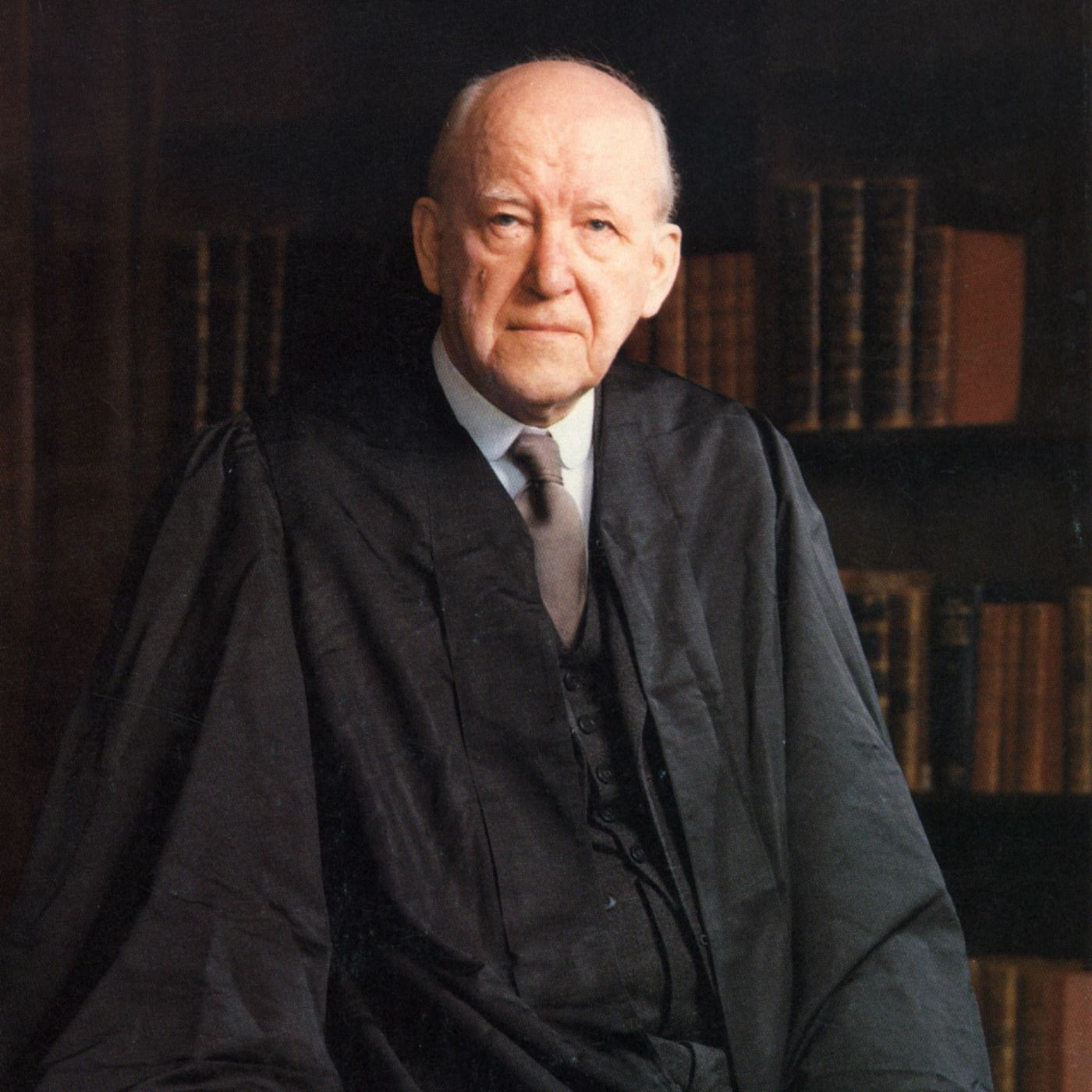
PODCAST · religion
From the MLJ Archive on Oneplace.com
by Dr. Martyn Lloyd-Jones
From the MLJ Archive is the Oneplace.com hosted ministry of the MLJ Trust. Our mission is to promulgate the audio ministry of Dr. Martyn Lloyd-Jones.
-
14
Power to Us-ward Who Believe
Hardly anyone claiming the title “Christian” would deny the need for God’s power in salvation. There is, however, a fundamental difference between the person who says salvation is the power of God in addition to something they do, and those who say salvation is God’s power working in them and through them. The latter has roots in the apostolic testimony but the former does not. Neither is this a mere linguistic quibble, says Dr. Martyn Lloyd-Jones, but one’s very assurance is at stake. In this sermon on Ephesians 1:19–23 titled “Power to Us-ward Who Believe,” Dr. Lloyd-Jones says Paul is not simply concerned with God’s power towards His people, but His power in them. This is ultimately the final grounds of the Christian’s assurance. When they consider all that glory entails, especially standing before a holy God and seeing Him face-to-face, how can they ever have confidence that they will be fit to stand? Given that the world, sin, and the devil are constantly at war against the Christian, how will they ever overcome? Dr. Lloyd-Jones shows how the apostle Paul’s prayer calls minds to the resurrection power of God in order to assure that glory will be attained by God’s saints. It is God and by His power alone Christians are made and not even death will keep them from glory. To support this ministry financially, visit: https://www.oneplace.com/donate/603/29?v=20251111
-
13
The Greatness of His Power
Are Christians guilty of underestimating the need for God’s power? At first it may sound like a silly question. After all, any Christian will rightly affirm their daily need of God’s power. But while Christians may correctly affirm the continual need of God’s power in their lives, many times they will assume initial belief in the gospel is easy. Conversations among some Christians often assume anybody who wants to believe the gospel can do so. In this sermon on the greatness of God’s power from Ephesians 1:19–20 titled “The Greatness of His Power,” Dr. Martyn Lloyd-Jones says this is a grave mistake. To do so tragically misunderstands the need for God’s power to believe. It misunderstands the consequences of sin and the power of the new birth. With its darkened mind, proud heart, and deadly prejudices against the gospel, humanity must experience regeneration if there is any chance of coming to faith in Christ. Do unregenerate people need God’s power? Given these theological truths, it is foolish to think otherwise. Listen as Dr. Lloyd-Jones expands on this topic and explains the desperate need of God’s grace. To support this ministry financially, visit: https://www.oneplace.com/donate/603/29?v=20251111
-
12
Riches of His Inheritance
There are common objections to Christianity. Christianity is only for the weak. It is of no consequence today because it does not care about what is happening in the “real” world. Christianity is a waste of time because it is caught-up in other-worldly matters. These objections are as common today as they were in Dr. Martyn Lloyd-Jones’s day. In this sermon on inheritance from Ephesians 1:18 titled “Riches of His Inheritance,” Dr. Lloyd-Jones meets the objections head on and points to the reality that the Bible does call Christians to fix their minds on the world to come. What is important is that this is a good thing for this world. Looking to the list of faithful men and women of Scripture and of history, Dr. Lloyd-Jones argues that the ones who did the most for this world had their eyes set on the world to come. The greatest benefactors of this world are those men and women of God who were concerned about the inheritance of the saints. If humanity forgets the next world, everything goes wrong for this world. To be uninterested in the glory to be revealed in heaven is to be unlike the Lord Jesus Christ himself. The Christian must be fixed on the glory to come when they will be with God. To support this ministry financially, visit: https://www.oneplace.com/donate/603/29?v=20251111
-
11
The Hope of His Calling
Christians can often feel distant from God. What is their response when coldness towards spiritual matters creeps into their heart? Does their assurance waver? How can they have a steady anchor for their Christian life? Rather than wait for another experience, the prayer of the apostle Paul for Christians is that they may know the hope of their calling. This is not a general hopefulness, but hope in God. More specifically, hope in God’s calling of them. This will have a profound effect on the assurance says Dr. Martyn Lloyd-Jones. In this sermon on Ephesians 1:18 titled “The Hope of His Calling,” Dr. Lloyd-Jones expounds this great prayer of Paul and carefully navigates between the general call of God in the gospel for all and the effectual call of the Holy Spirit for believers. To find assurance, one must look to the covenant-keeping God and Scripture. The Christian must look to the God in whom there is no variation or change, to the Father who will keep His children by His grace until the very end. Dr. Lloyd-Jones challenges Christians to consider these wonderful truths of Scripture and pray this for themselves. To support this ministry financially, visit: https://www.oneplace.com/donate/603/29?v=20251111
-
10
The Christian's Knowledge of God
Where does one begin in describing their knowledge of God? Do they begin with propositional or theoretical knowledge? While propositional knowledge of God is good and necessary for the Christian life, there is another knowledge that is just as important. As a matter of fact, it is a knowledge which the apostle Paul prays for in Ephesians. It is the kind of knowledge which is immediate and intimate. It is a personal knowledge of God the Father. Such knowledge is at the heart of the evangelical message. The Christian can have personal fellowship with God the Father through the Lord Jesus Christ. In the new covenant, the Holy Spirit comes into hearts so that the Christian can have direct knowledge of the love of God and the glory of God. In this sermon on Ephesians 1:17 titled “The Christian’s Knowledge of God,” Dr. Lloyd-Jones follows Paul’s prayer for ordinary Christians to have this exact and experiential knowledge of the true and living God. Listen to this passionate appeal to know Him. To support this ministry financially, visit: https://www.oneplace.com/donate/603/29?v=20251111
-
9
The Father of Glory
Prayer is central to every believers’ life and critical to discipleship and worship. However, Christians often feel ashamed to talk about their personal prayer life. They read books and manuals on prayer, hoping to find the perfect solution to a fickle prayer life. In this sermon on Ephesians 1:17 titled “The Father of Glory,” Dr. Martyn Lloyd-Jones argues that questions found in books on prayer often miss the point. Christians must not focus on form or saying the most beautiful words. Nor should Christians simply telegraph their petitions in a sentence or two. Instead they must remember, recollect, and pause, as the apostle Paul does, to whom they are speaking. Paul, in just one verse, notes in his prayer that he is praying to the God with whom he has a covenant relationship. The God of the incarnate Son. Not an unknown god, but the God revealed through the Lord Jesus Christ. This God is the source of all glory. He is the glorious One, who gives glory, not only to the Son, but to His people. When one remembers who they are praying to before they begin, they will, indeed, find little trouble engaging in the greatest activity any human being can do: speak to God. To support this ministry financially, visit: https://www.oneplace.com/donate/603/29?v=20251111
-
8
Tests of Christian Profession
How does one know they are saved? The world calls anyone a “Christian” even if they are associated with theism or morality in a Western context. The title has lost its distinctiveness due to the evaporation of its first century meaning. This is a problem for the church, as it is difficult to know who is truly a Christian and who is deceived or ignorant of the meaning. What then is the test of salvation? In this sermon on Ephesians 1:15–16 titled “Tests of Christian Profession,” Dr. Martyn Lloyd-Jones suggests the apostle Paul provides the ultimate test as he is giving thanks and petitioning in prayer on behalf of the Ephesians. There are just two things necessary: faith in the Lord Jesus and love for all the saints. Within these two tests, Dr. Lloyd-Jones expounds not only the significance of the terms used by Paul, but also the apostolic order in which they occur. It is faith in the Lord Jesus, then love for all the saints. Paul is uninterested in vague sentimentality in the church. Faith (in the biblical sense) in the person of Jesus Christ is non-negotiable. Only after this, but definitely following it, is love for all the saints. Faith and works are joined here. To support this ministry financially, visit: https://www.oneplace.com/donate/603/29?v=20251111
-
7
To the Praise of His Glory
What should be the starting point of all a Christian’s thought? How ought their thinking about any particular doctrine be finally assessed? The answer is simple: the glory of God. In this sermon on Ephesians 1:14 titled “To the Praise of His Glory,” Dr. Martyn Lloyd-Jones points out that the apostle Paul in Ephesians is primarily concerned with the praise of His glory. Many religious people miss this crucial point. Their thinking upon any particular religious topic – whether sin or salvation – begins first with themselves. Dr. Lloyd-Jones warns this is a grave mistake. Any Christian doctrine that begins with something other than the glory of God will negatively be affected. If one’s chief end is to glorify God and enjoy Him forever, how often do they ask God to forgive them for not glorifying Him? How often do they consider salvation as what only benefits or brings happiness to themselves and not as a right relationship to God? These are all hard questions which Dr. Lloyd-Jones provokes in this sermon on one of the highest thoughts human beings can ever contemplate. To support this ministry financially, visit: https://www.oneplace.com/donate/603/29?v=20251111
-
6
The Earnest of Our Inheritance
As Christians anticipate heaven, the most glorious reality will be seeing the Lord face to face. Until that day, what is the connection between the heavenly reality that awaits the Christian and their life now? According to the apostle Paul, it is the work of the Holy Spirit as the pledge or guarantee of future inheritance that connects the future with the present. In this sermon on Ephesians 1:14 titled “The Earnest of Our Inheritance,” Dr. Martyn Lloyd-Jones labors to explain the apostle’s words by arguing that the translation “earnest” fits the context of Paul’s teaching. This rich term communicates the guarantee or pledge, but it also speaks of an installment. The Christian has a glimpse or foretaste of heaven through the work of the Holy Spirit. While one does not fully see Christ in this life, they should be encouraged that they do indeed see Him, even if only as through a mirror dimly. Dr. Lloyd-Jones challenges the listener to share in Christ’s life now by pursuing holiness, purity, peace, and love. Wonderfully, when one does this, they taste what righteousness will be like in the future. To support this ministry financially, visit: https://www.oneplace.com/donate/603/29?v=20251111
-
5
Sealing: Problems and Difficulties
Effective witnessing makes God’s people radiant with joy and there is no experience like it on this side of heaven. In this sermon on Ephesians 1:13 titled “Sealing: Problems and Difficulties,” Dr. Martyn Lloyd-Jones gives a passionate plea for Christians to seek the sealing of the Spirit. The Christian life is not mechanical and emotionless because the love of God, and the love for God in return is not mechanical or emotionless. The fear of emotions should not discourage Christians to seek this experience of the Holy Spirit. Dr. Lloyd-Jones works through objections to this doctrine and answers them by bringing other passages of the Bible to bear on the topic, while also looking at subsequent church history for other Christian men and women who have experienced this work of the Holy Spirit. Finally, Dr. Lloyd-Jones cautions his listeners on the best way to seek the sealing of the Spirit. One must be hesitant to seek the experience for its own sake but instead should seek the Lord Jesus Christ. The Christian cannot be fooled into thinking the Spirit is not sovereign in this matter but instead must recognize the Lordship of the Spirit. With these cautions, Dr. Lloyd-Jones calls the people of God to seek this remarkable assurance that God graciously gives His people. To support this ministry financially, visit: https://www.oneplace.com/donate/603/29?v=20251111
-
4
The Nature of Sealing
The timing of the sealing of the Holy Spirit is a contested topic. It is a topic that raises many other questions. One could be tempted to ignore the subject or teach it in such a way as to minimize the difficulties with the doctrine. In this sermon on Ephesians 1:13 titled “The Nature of Sealing,” Dr. Martyn Lloyd-Jones thoughtfully engages this topic and the difficult questions head on. One cannot ignore the teaching of Holy Scripture but instead must carefully examine the Bible and conform their lives according to it. By looking at the teaching of the New Testament on the work of the Holy Spirit and invoking great theologians and pastors of the church, Dr. Lloyd-Jones says one must emphasize the experimental aspect of the sealing of Holy Spirit that occurs after belief in the gospel. He challenges the people of God to consider whether they have experienced the sealing of the Spirit. Is there an unmistakable experience that has occurred, resulting in a great assurance, joy in Christ, or love for God deep within their hearts? Dr. Lloyd-Jones cautions distinguishing between the sealing of the Spirit and particular gifts of the Holy Spirit that may or may not come as He dispenses gifts as He sees fit. To support this ministry financially, visit: https://www.oneplace.com/donate/603/29?v=20251111
-
3
Sealed with the Spirit
What causes Christians to be lethargic and lose the joy of their salvation? What steals the enthusiasm for spiritual growth? These are certainly questions evangelical Christians should be concerned about but many Christians are skeptical of talk about the “experience” of the Holy Spirit. In this sermon on Ephesians 1:13 titled “Sealed with the Spirit,” Dr. Martyn Lloyd-Jones suggests the joy in Christ – the experience of that joy – might not be present in a Christian life because they do not fully grasp the truth about the sealing of the Holy Spirit. Since they do not know what they are missing, they do not seek it nor ask the Lord for it. The listener is taken through a detailed examination of the meaning of the apostle Paul’s teaching on the Holy Spirit, beginning with the effect of the Holy Spirit upon the Lord Jesus Christ in His life and ministry. Dr. Lloyd-Jones interacts with two competing views regarding the sealing of the Holy Spirit in the life of the believer. Listen closely as Dr. Lloyd-Jones systematically walks through Scripture, illustrating both the meaning and the timing of the apostle’s teaching on the sealing of the Holy Spirit in the life of the Christian. To support this ministry financially, visit: https://www.oneplace.com/donate/603/29?v=20251111
-
2
Heard. Believed. Trusted.
Does the sovereignty of God minimize the responsibility of humanity? Reformed theology is often caricaturized by insisting it promotes a world where people lack true humanity. God’s work in salvation is said to be in contradiction to human responsibility of proclaiming the gospel and the sinner believing the gospel. But that is not Reformed theology, says Dr. Martyn Lloyd-Jones. A fundamental truth is lacking in this common objection. While it is absolutely God’s work, He uses means to accomplish His work. In this sermon on Ephesians 1:11–14 titled “Heard. Believed. Trusted,” Dr. Lloyd-Jones reminds the listener of these means that are always constant as God is working. If these means are not present, then a person cannot become a Christian. They are necessary for the sinner to move from being under the wrath of God to being in Christ. Listen as Dr. Lloyd-Jones carefully works through God’s Word and teaches on this extremely important subject. Whether the listener is a faithful Christian who desires to better understand the relationship between evangelism and the work of God or a skeptic of Reformed theology, Dr. Lloyd-Jones will assist in explaining this important truth of Scripture. To support this ministry financially, visit: https://www.oneplace.com/donate/603/29?v=20251111
-
1
The Counsel of His Own Will
Perhaps no truth of Scripture is more uncomfortable for certain Christians than predestination. In this message on Ephesians 1:11–14 titled “The Counsel of His Own Will,” Dr. Lloyd-Jones reminds that one cannot simply ignore themes in the Bible just because there are disagreements or debates over them. With reverence, without prejudice, and with submissive hearts, Christians come to the Bible open to the truth contained within God’s Holy Word. Dr. Lloyd-Jones asks a penetrating question that all Christians must contemplate: “why I am what I am as a Christian?” Does one’s answer to that question reserve any glory for themselves or does the answer reserve all glory to God? With keen observation and interpreting Scripture with Scripture, Dr. Lloyd-Jones demonstrates that God is fully responsible not only for the initiation of salvation, but He also is fully responsible for carrying it out. What great assurance this is for Christians. What praise and adoration should be for such a great salvation. Listen as Dr. Lloyd-Jones expounds this wonderful truth of God’s deliberation of salvation according to the counsel of His will. To support this ministry financially, visit: https://www.oneplace.com/donate/603/29?v=20251111
-
0
Jesus Christ, the Judge
As the lordship of Christ is universal, so also is the judgment of Christ. Evangelical Protestants rightly champion Scripture’s teaching on the assurance believers have as they face the final judgment seat of God. The Christian rejoices in the assurance that there is no condemnation from God the Father for those in Christ Jesus. However, as Dr. Martyn Lloyd-Jones reminds in this sermon on Romans 14:10–12 titled “Jesus Christ, the Judge,” Christians often neglect the truth that believers will face another judgment. This is not a final judgment but a judgment of rewards. By bringing out the distinction between Christ’s final judgment and rewards judgment, Dr. Lloyd-Jones protects the church against antinomianism, loose living, and quarreling in the church. As the church at Rome had become factious by judging each other over indifferent matters, the apostle Paul appeals to Christ’s judgment. In doing so, he reminds them who is the true and final judge in all matters. Christians should temper these types of judgments as they are brothers and sisters in Christ. The family of God – those born again by the Holy Spirit and adopted as His children – are not ultimately concerned about proving each other wrong on matters of indifference. Certainly family members are not to denounce and be angry toward a sibling but instead they are called to love, express concern, and help. To support this ministry financially, visit: https://www.oneplace.com/donate/603/29?v=20251111
-
-1
Sabbath and Special Days
In this sermon on Romans 14:1–6 titled “Sabbath and Special Days,” Dr. Martyn Lloyd-Jones offers that Paul is not addressing the importance of observation of the Sabbath since that has been established in Scripture for all time. He provides Scriptural support for this and offers up a question that has been discussed in Christian circles often since the early church: what day of the week is supposed to be set aside for the Sabbath – Saturday or Sunday? He references Biblical evidence for the day of the week that Christians used to meet on, as well as historical evidences from writings that are outside of Scripture. How do Christians today make the right choice about the day to meet? To answer this, Dr. Lloyd-Jones reminds that the early church would not have changed the day of the Sabbath from Saturday to Sunday arbitrarily— he argues that they must have received a revelation that it was good to change it. However, he also states that it is not an issue over which Christians should divide. He addresses extreme Sabbatarianism, a view that is very literal about how the Sabbath day should be observed, and provides helpful points to consider when thinking through it. In echoing Paul, he concluded that Christians are to be fully persuaded in their own mind from Scripture about which decision is correct. To support this ministry financially, visit: https://www.oneplace.com/donate/603/29?v=20251111
-
-2
Lord of the Dead
The fear of death grips humanity. Humanity is death’s servant but people in the West live each day suppressing the reality that death is imminent. How does the death and resurrection of the Lord Jesus Christ speak to this terror? In this sermon on Romans 14:6–12 titled “Lord of the Dead,” Dr. Martyn Lloyd-Jones expounds on Paul’s teaching that Christ is the Lord over death. Salvation, in other words, is not merely forgiveness of sins, but also deliverance from the last enemy – death. While the Christian experiences freedom from the condemnation of the law through the cross and resurrection of Christ, they also experience victory over the devil, who holds unregenerate humanity under the fear of death. Remarkably, says Dr. Lloyd-Jones, Christians are no longer servants of death, but death is actually the servant of the Christian. Death is an entrance to glory and eternal life with God. Through the victory of the resurrection, all fear of death vanishes. Listen as Dr. Lloyd-Jones encourages with the wonderful truth of Christ’s lordship over death and the victory Christians share because of Him. To support this ministry financially, visit: https://www.oneplace.com/donate/603/29?v=20251111
-
-3
Lord of the Dead
The fear of death grips humanity. Humanity is death’s servant but people in the West live each day suppressing the reality that death is imminent. How does the death and resurrection of the Lord Jesus Christ speak to this terror? In this sermon on Romans 14:6–12 titled “Lord of the Dead,” Dr. Martyn Lloyd-Jones expounds on Paul’s teaching that Christ is the Lord over death. Salvation, in other words, is not merely forgiveness of sins, but also deliverance from the last enemy – death. While the Christian experiences freedom from the condemnation of the law through the cross and resurrection of Christ, they also experience victory over the devil, who holds unregenerate humanity under the fear of death. Remarkably, says Dr. Lloyd-Jones, Christians are no longer servants of death, but death is actually the servant of the Christian. Death is an entrance to glory and eternal life with God. Through the victory of the resurrection, all fear of death vanishes. Listen as Dr. Lloyd-Jones encourages with the wonderful truth of Christ’s lordship over death and the victory Christians share because of Him. To support this ministry financially, visit: https://www.oneplace.com/donate/603/29?v=20251111
-
-4
Live and Die to the Lord
In this sermon on Romans 14:5–9 titled “Live and Die to the Lord,” Dr. Martyn Lloyd-Jones continues his sermon series by addressing the need for unity among believers on issues that are not central to the Christian faith. Drawing from Paul, however, he reminds that Christians have a biblical responsibility to be convinced in their minds about the convictions they hold that are not clearly defined in Scripture. Above all, he says, they are to do everything for the glory of the Lord. In this passage, Paul is saying that the how and why one does something is more important in some cases than the specific thing they are doing. Dr. Lloyd-Jones also addresses issues that are not essential to core faith and doctrine and how one can draw right convictions on these topics on which Scripture is sometimes not clear. He reminds that God’s glory is to govern one’s living and dying. If one has been in church for any period of time, they have heard believers discuss the beauty of dying since they are going to be with the Lord. While this is true, Dr. Lloyd-Jones exhorts the listener to focus on this life now and what the Lord has for them to do while they are alive. He reminds that Christians are to be ready to go at any time, but that focusing too much on dying and the life after this one will distract from the reasons that God still has them on earth. To support this ministry financially, visit: https://www.oneplace.com/donate/603/29?v=20251111
-
-5
Live and Die to the Lord
In this sermon on Romans 14:5–9 titled “Live and Die to the Lord,” Dr. Martyn Lloyd-Jones continues his sermon series by addressing the need for unity among believers on issues that are not central to the Christian faith. Drawing from Paul, however, he reminds that Christians have a biblical responsibility to be convinced in their minds about the convictions they hold that are not clearly defined in Scripture. Above all, he says, they are to do everything for the glory of the Lord. In this passage, Paul is saying that the how and why one does something is more important in some cases than the specific thing they are doing. Dr. Lloyd-Jones also addresses issues that are not essential to core faith and doctrine and how one can draw right convictions on these topics on which Scripture is sometimes not clear. He reminds that God’s glory is to govern one’s living and dying. If one has been in church for any period of time, they have heard believers discuss the beauty of dying since they are going to be with the Lord. While this is true, Dr. Lloyd-Jones exhorts the listener to focus on this life now and what the Lord has for them to do while they are alive. He reminds that Christians are to be ready to go at any time, but that focusing too much on dying and the life after this one will distract from the reasons that God still has them on earth. To support this ministry financially, visit: https://www.oneplace.com/donate/603/29?v=20251111
-
-6
Sabbath and Special Days
In this sermon on Romans 14:1–6 titled “Sabbath and Special Days,” Dr. Martyn Lloyd-Jones offers that Paul is not addressing the importance of observation of the Sabbath since that has been established in Scripture for all time. He provides Scriptural support for this and offers up a question that has been discussed in Christian circles often since the early church: what day of the week is supposed to be set aside for the Sabbath – Saturday or Sunday? He references Biblical evidence for the day of the week that Christians used to meet on, as well as historical evidences from writings that are outside of Scripture. How do Christians today make the right choice about the day to meet? To answer this, Dr. Lloyd-Jones reminds that the early church would not have changed the day of the Sabbath from Saturday to Sunday arbitrarily— he argues that they must have received a revelation that it was good to change it. However, he also states that it is not an issue over which Christians should divide. He addresses extreme Sabbatarianism, a view that is very literal about how the Sabbath day should be observed, and provides helpful points to consider when thinking through it. In echoing Paul, he concluded that Christians are to be fully persuaded in their own mind from Scripture about which decision is correct. To support this ministry financially, visit: https://www.oneplace.com/donate/603/29?v=20251111
-
-7
Saved for Eternity
The Lord alone has the authority to make final judgments on people. In this sermon from Romans 14:1–4 titled “Saved for Eternity,” Dr. Martyn Lloyd-Jones reminds the listener of this important truth and how they can follow this while still exercising discernment regarding the people they are around and the activities in which they participate. When the Christian makes ultimate judgments about people, they are usurping the authority of the Lord and putting themselves in His place. This is a very dangerous place. What are they to do about the activities of the world that in and of themselves are not wrong? Dr. Lloyd-Jones provides helpful guidelines to consider as one works through this. He proposes that it all comes back to the theme of Christian liberty and that on issues not clearly portrayed in Scripture as sinful, it is a matter of conscience between each person and God. Paul says that one is not to judge or be jealous of those who are using their Christian liberty because ultimately, the Lord is powerful and strong enough to help them stand up. Dr. Lloyd-Jones ties this into the doctrine of the final perseverance of the saints, providing supporting examples from Scripture. Listen as he instructs on being discerning about things one should avoid and the effects that freedom in Christ has on such choices. To support this ministry financially, visit: https://www.oneplace.com/donate/603/29?v=20251111
-
-8
God Has Received Him
What really is legalism? In this sermon on Romans 14:1–4 titled “God Has Received Him,” Dr. Martyn Lloyd-Jones tackles this important subject by asking what it is, how it can be fought, and the consequences that it carries within the church. Legalism is what happens when people take principles in Scripture, interpret them wrongly, and make them absolute rules that everyone is required to follow. Legalists tend to make indifferent things central. Mainly it means that issues not core to Christianity are elevated to make-or-break issues that are used as standards for measuring the depth of someone’s relationship with Christ. As Dr. Lloyd-Jones reminds, what matters is that people have been received by God— it is not up to others to determine this. People frequently set up their own standards for determining if people are Christians, but from where do they derive their authority? Dr. Lloyd-Jones also addresses if Paul was contradicting his stance against legalism when he said that he acts certain ways around certain people. Ultimately, this was to keep them from stumbling and as Dr. Lloyd-Jones reminds, Paul did not see these issues as central doctrines of Christianity. He closes with a charge— Christians are not to reject someone whom God has received, and ultimately, only God can make the call on whether or not this is the case. They are to trust Him with this and simply be obedient. To support this ministry financially, visit: https://www.oneplace.com/donate/603/29?v=20251111
-
-9
Food and Drink
It is common for the Christian to have a disagreement with someone else about what they think the Bible teaches to be wrong or right on an issue that is not particularly clear. This is the topic at hand for this sermon on Romans 14:1–4 titled “Food and Drink” and Dr. Martyn Lloyd-Jones guides the listener through how to interact with this issue that is becoming more prominent in the church today. There are things in Scripture about which there is not a clear command. In this passage, it had to do with food sacrificed to idols. Because idols are not real, the food sacrificed to them means nothing. However, Paul encourages believers to watch out for their brothers and sisters in Christ and to avoid doing things that would make it easier to stumble because of the way they were raised. The immature Christian, says Dr. Lloyd-Jones, is characterized by making secondary issues primary ones. Yet, as he points out, one should not sit back and judge other Christians— it is the weak Christian who is most likely to do this. Why do they have this tendency? He says that it is due to the spirit of fear and he explains his reasoning behind this. He encourages avoiding falling into legalism and determining if or not people are Christians based off of their judgments— ultimately, that is up to the Lord and it allows living in a way that pleases the Lord and leaving the consequences up to Him. To support this ministry financially, visit: https://www.oneplace.com/donate/603/29?v=20251111
-
-10
Weak in the Faith, Part 2
Within the family of God are those who are strong in their understanding of the Christian faith and those who are weak in their understanding of the faith. The church is made up of some who are more mature and some who are less mature. This diversity within the body of Christ can lead to problems as matters of opinion arise. While the world might say getting one’s way or winning the argument is the most important goal during a disagreement, the apostle Paul offers a different vision for the church, particularly for the strong in faith. In this sermon on Romans 14:1–4 titled “Weak in Faith (2),” Dr. Martyn Lloyd-Jones instructs how to engage the weak in faith over indifferent, albeit important, matters to the Christian life. The weak in faith are part of the family of God, reminds Dr. Lloyd-Jones, and need to be instructed in their thinking. The way the strong instruct them makes a considerable difference and they must distinguish between a Christian discussion and an uncontrolled argument. A Christian discussion must demonstrate self-controlled dialogue which shows love and patience towards a brother or sister in Christ. Listen as Dr. Lloyd-Jones challenges the contemporary church in family disputes. To support this ministry financially, visit: https://www.oneplace.com/donate/603/29?v=20251111
-
-11
Weak in the Faith, Part 1
Some find it hard to know how to regard the differences in spiritual maturity that exists among Christians. Are these differences always good? Are they bad? In this sermon on Romans 14:1 titled “Weak in the Faith (1),” Dr. Martyn Lloyd-Jones provides some biblical answers to these questions. He starts by asking a foundational question: what does it mean to be weak in faith? The believers Paul was talking about and writing to were true Christians that were falling into legalism. He reminds that all believers are the same as it relates to justification and regeneration and the basic need for being saved from sins. However, some are stronger than others. What causes this? Dr. Lloyd-Jones posits that natural personality often lends itself to different strengths and weaknesses in different people. Additionally, the diligence and application of people as Christians also play a large part in the strength or weakness of someone’s faith. He also suggests that the length of time one has been a Christian will affect this. Thankfully the Christian is given the power to grow by the grace of God so if one’s faith is weak, they should not be anxious but continue to seek the Lord and it will grow. To support this ministry financially, visit: https://www.oneplace.com/donate/603/29?v=20251111
-
-12
The Armor of Light
Being suddenly awakened in the middle of the night by bright lights can be an incredibly alarming and disconcerting experience. In this sermon on Romans 13:11–14 titled “The Armor of Light,” Dr. Martyn Lloyd-Jones explains the similarities between this kind of event and conversion for those who become Christians and trust in Jesus for the forgiveness of their sins. They are called to wake up out of spiritual sleep. What does Paul mean when he tells to awake and arise? Overall, it is a general call to spiritual discipline. Time and time again, Scripture warns against living in a purely theoretical way. The Christian life is to be one that is extremely practical. Christians are to take the knowledge of their conversion and the knowledge of what it means to be saved and apply those truths as they seek to live their lives. Dr. Lloyd-Jones reminds that it is because the Christian has been washed that they need to keep themselves clean. In constant practice, Christians are to put off the old man and put on the new man. Since they have been saved from being slaves to sin, why would they still live as they did before they were saved? Listen as Dr. Lloyd-Jones encourages Christians to live a life worthy of the gospel of Christ. To support this ministry financially, visit: https://www.oneplace.com/donate/603/29?v=20251111
-
-13
Christ's Return
Many have charged that Paul gradually changed his view on when he thought the Lord would return. Is this the case? Critics use this to demonstrate that Scripture is not divinely inspired, using passages they think supposedly contradict each other. In this sermon on Romans 13:11–14 titled “Christ’s Return,” Dr. Martyn Lloyd-Jones guides the listener through this crucial contention, clearly showing that this is a false charge. He begins by demonstrating Jesus’s own view— that a gap of time would exist between His life and His second coming. What about Paul? He in fact warned people not to listen to those who said that the coming of the Lord was right around the corner. Elsewhere, he preaches that there are still things that need to happen before Christ would return. Additionally, he wrote about his own coming death. All of these points taken together demonstrate that Paul saw Christ’s return as something far off. But what is the solution to the problem? As Dr. Lloyd-Jones explains, Paul was writing in a style called “prophetic time,” a mode of writing that takes the future and shortens it down. Ultimately for the Christian, the day of the Lord is right around the corner because everything here is so brief and temporary. Listen as Dr. Lloyd-Jones helps the reader work through this issue. To support this ministry financially, visit: https://www.oneplace.com/donate/603/29?v=20251111
-
-14
Strangers and Pilgrims, Part 2
What is the relationship between thoughts and actions? In this sermon on Christians and how they are to live in the world, Dr. Martyn Lloyd-Jones presents a reminder that doctrine and practice are always tied — doctrine especially plays a large influence over the other. What can one deduce from the doctrines that Paul has been presenting in this passage? First, Christians are children of the day. This is how they are to live in the world today— they are to remember where they were, but only by calling to remembrance where Christ has currently brought them. A major purpose of redemption was to deliver the Christian from slavery to sin. Thus, they are doing a great dishonor to the cross of Christ if they are still living in the sinful ways that characterized them before they were saved by Christ. Preaching from Romans 13:11–14 in a sermon titled “Strangers and Pilgrims (2),” Dr. Lloyd-Jones reminds the listener that if they start to compromise on their actions, they will also compromise their beliefs so that they line up with what they want to do. He warns that instead of getting as close to the line as possible, flee sin at all costs. Listen as Dr. Lloyd-Jones helps one think through what it means to be a Christian in today’s world and how they can navigate it well. To support this ministry financially, visit: https://www.oneplace.com/donate/603/29?v=20251111
-
-15
Strangers and Pilgrims, Part 1
It can be easy to lose faith in oneself when feelings change quickly. In this sermon on Romans 13:11–14 titled “Strangers and Pilgrims (1),” Dr. Martyn Lloyd-Jones reminds that regardless of feelings, one’s position is sure if they are a follower of Jesus. Feelings come and go but thankfully they do not influence one’s position or relationship with Jesus since it is centered in Him and His work, not theirs. Christians are charged throughout Scripture that they are to be different from the world because of the change they have undergone in Christ. As Dr. Lloyd-Jones says, Paul calls believers to walk as children of the day, yet he mentions that the day is still to come— how can it be both? As he explains, Christians are already in the day because they are believers. Even though it is in the future, Christians are there in spirit because they are followers of Christ. Paul’s point is that their citizenship is in heaven and must act like it. Dr. Lloyd-Jones explains how the knowledge of one’s conversion ought to drive their actions and how this concept of the “now and not-yet” applies to today. To support this ministry financially, visit: https://www.oneplace.com/donate/603/29?v=20251111
-
-16
The Christian's Future
What is the future of the Christian? In this sermon on Romans 13:11–14 titled “The Christian’s Future,” Dr. Martyn Lloyd-Jones preaches about what is awaiting the Christian. All over Scripture, the answer is clear— Christians are waiting for the coming day of the Lord. Contrary to what some people say, Scripture tells that this coming is a visible and physical coming of the Lord. At this time Jesus will be coming to complete His work. After passing judgment, He will set up His eternal kingdom. What are the consequences of this? First, Dr. Lloyd-Jones explains that time will be no more. One of the main effects this will have is on the condition of the world. It will undo the results of the fall. All things will be restored to their original, perfect condition that existed before humanity sinned. Additionally, there will be a judgment and for believers, a judgment about rewards— the righteous are promised in Scripture that they will receive rewards corresponding to their acts on earth. Judgment for the wicked involves both the body and the spirit. However, the righteous are promised eternal life in the presence of the Lord. Listen as Dr. Lloyd-Jones helps the reader grasp the vision for what the future holds if one has repented and believed in Jesus for forgiveness from their sins and is a child of God. To support this ministry financially, visit: https://www.oneplace.com/donate/603/29?v=20251111
-
-17
Church and the State, Part 2
Does church history hold importance for believers today? Why should Christians look to the past for insight into doctrine instead of looking to Scripture alone? In the second part of his series on the church and the state, Dr. Martyn Lloyd-Jones chastises the arrogance of believers who say church history is not important. In this sermon on Romans 13:1–7 titled “Church and the State (2),” he argues for the wisdom of modern believers’ consideration of men and women of history handling difficult questions of their faith. This is particularly enlightening as one considers the relations of church and state. Dr. Lloyd-Jones continues his historical look at these particular relations through consideration of the view that the church and the state are essentially different and distinct. He provides four distinctions to consider: their difference in origin, the object from which they were instituted, the power given to them by God, and the way their functions are carried out. The teachings of Ulrich Zwingli and John Calvin are given special attention by Dr. Lloyd-Jones as their beliefs are foundational to the development of the influential Belgic Confession and Westminster Confession. These confessions have direct implications for Presbyterian congregations today. Listen as Dr. Lloyd-Jones expounds on the value of learning from church history as he continues discussing the relations of the church and the state. To support this ministry financially, visit: https://www.oneplace.com/donate/603/29?v=20251111
-
-18
Church and the State, Part 1
In this first part of his series on the church and the state, Dr. Martyn Lloyd-Jones lays a historical foundation for understanding the development of the relationship between the two. In this sermon from Romans 13:1–7 titled “Church and the State (1),” he affirms the importance of Christians thinking carefully about their responsibility and attitude towards government and authority. Scripture teaches that the church and government structures are both ordained by God and therefore Christians must maintain a God-honoring posture towards both. Critical to this is having an understanding of how church and state relations developed. In the first three centuries of the early church, believers were living in a pagan world controlled by the Roman Empire. No one was under the illusion that the church and state were one entity. They were at odds towards one another. This changed, Dr. Lloyd-Jones teaches, when Constantine came to power and instituted Christianity as the official religion of the state. What followed was a power struggle between church and state. Listen to this compelling sermon by Dr. Lloyd-Jones as he equips his listeners to understand the historical struggle for authority and power that shapes a current understanding of the relationship of Christianity and government. To support this ministry financially, visit: https://www.oneplace.com/donate/603/29?v=20251111
-
-19
Christian and The State, Part 3: The Christian & War
During times of international conflict, the national conversation inevitably moves to the legitimacy of war or the pursuit of peace. Christian conversations are no different. As those who acknowledge this is God’s world and are sincerely concerned about the well-being of their neighbors, Christians are called to engage the issue by bringing God’s word to bear. Historically Christians have supported (as a last result) wars that can legitimately be called “just,” while in the past century there has risen a competing position called Christian pacifism. In this sermon on Romans 13:1–7 titled “Christian and the State (3): The Christian and War,” Dr. Martyn Lloyd-Jones continues to draw out the implications of this passage by asking the question: what is the Christian position on fighting in war? While Dr. Lloyd-Jones is concerned about answering this question with regard to the individual Christian, he also engages the overall pacifist position in depth. He leaves no stone unturned as he examines the best arguments of pacifists and offers extensive critique of the position. While the Christian should always reject nationalism or jingoism, Dr. Lloyd-Jones says as a matter of Christian freedom that one is allowed to partake in a war if they are satisfied their country is pursing war as a last resort and for a righteous or just cause. Listen as Dr. Lloyd-Jones navigates this hot-button issue and seeks to bring biblical clarity. To support this ministry financially, visit: https://www.oneplace.com/donate/603/29?v=20251111
-
-20
Christian and the State, Part 2
How the people of God relate to kings, emperors, magistrates, and the state in general has long been a topic in the Christian church. Persecution by the state, unjust laws, along with the emergence of new political ideologies, often lead to a re-evaluation on the topic. Can the Christian say with confidence that there is a biblical view on the relationship between the Christian and the state? If so, what principles should guide them? What are the implications for a hot-button issue like capital punishment? In this sermon from Romans 13:1–7 titled “Christian and the State (2),” Dr. Martyn Lloyd-Jones continues to examine Paul’s message as he tackles this confusing topic by providing biblical and theological principles as guidance. Within what Dr. Lloyd-Jones calls the two “extremes” – always maintaining the status quo or anarchy – and paves a way forward that holds together the Christian call to be subject to the state, the limits of being subject to the state, a nuanced understanding of liberty of conscience, and a tempered overall expectation of what the state can accomplish in a sinful world. Dr. Lloyd-Jones is able to soberly look at the complexity of the topic and leave both sides challenged and also encouraged. While ultimately citizens of heaven, Christians are still pilgrims in this world. Listen and learn how to faithfully relate to the state as sojourners and strangers. To support this ministry financially, visit: https://www.oneplace.com/donate/603/29?v=20251111
-
-21
Christian and the State, Part 1
In today’s media-driven culture, the public can witness firsthand the mess of politicians and politics on social media, cable television, and in print media. Cynically, many Christians might find it necessary to simply retreat out of political concerns and government altogether. Perhaps the Christian could justify a retreat from politics by positing the need to focus exclusively on spiritual matters. In this sermon on Romans 13:1–7 titled “Christian and the State (1),” Dr. Martyn Lloyd-Jones seeks to answer such objections. He engages these ideas and other radical ones that call for Christians to abandon concern for the state, government, or politics altogether. In answering critics, Dr. Lloyd-Jones provides a positive Christian view of the state by looking at Romans 13:1–7 and the implications of the Lordship of Jesus Christ. Christians understand that the origin of government is not in human evolution but arose from God Himself. Moreover, the Christian knows human nature and how easily sin and evil can deteriorate society. God has instituted government for the restraint of evil and the well-being of society. Dr. Lloyd-Jones insists that the Christian needs motivation to be not only the best citizen, but also to be compelled to participate in government for the promotion of peace and the common good of all. To support this ministry financially, visit: https://www.oneplace.com/donate/603/29?v=20251111
-
-22
Subject to Government
How are Christians supposed to read the Bible? If there are many different views on what the Bible says, how are they to know the right interpretation? The answer is that they must read the Bible as one work of God. In the sermon on Romans 13:1–7 titled “Subject to Government,” Dr. Martyn Lloyd-Jones shares that this is because the only way to understand Scripture properly is by taking a holistic approach to everything that God has revealed. Christians should not use philosophy to create doctrine but doctrine is to come from the text. With all these things in mind, Dr. Lloyd-Jones seeks to expound the biblical view of government. He says that the submission to authorities and powers that the apostle Paul speaks of is not slavish servitude, but godly submission to the authorities that God has ordained for their good and the good of all people. In this attitude, Christians are to seek to live in peace with all those around them in a way that brings honor to Christ and his gospel. God in his providence has put magistrates in place as a means of restraining sin and evil in the world, though they are often corrupt and sinful. Nevertheless, Christians ought to strive to obey God first and foremost and to obey the government when doing so does not contradict the commands of God. To support this ministry financially, visit: https://www.oneplace.com/donate/603/29?v=20251111
-
-23
Christian and the State, Part 2
How the people of God relate to kings, emperors, magistrates, and the state in general has long been a topic in the Christian church. Persecution by the state, unjust laws, along with the emergence of new political ideologies, often lead to a re-evaluation on the topic. Can the Christian say with confidence that there is a biblical view on the relationship between the Christian and the state? If so, what principles should guide them? What are the implications for a hot-button issue like capital punishment? In this sermon from Romans 13:1–7 titled “Christian and the State (2),” Dr. Martyn Lloyd-Jones continues to examine Paul’s message as he tackles this confusing topic by providing biblical and theological principles as guidance. Within what Dr. Lloyd-Jones calls the two “extremes” – always maintaining the status quo or anarchy – and paves a way forward that holds together the Christian call to be subject to the state, the limits of being subject to the state, a nuanced understanding of liberty of conscience, and a tempered overall expectation of what the state can accomplish in a sinful world. Dr. Lloyd-Jones is able to soberly look at the complexity of the topic and leave both sides challenged and also encouraged. While ultimately citizens of heaven, Christians are still pilgrims in this world. Listen and learn how to faithfully relate to the state as sojourners and strangers. To support this ministry financially, visit: https://www.oneplace.com/donate/603/29?v=20251111
-
-24
Christian and the State, Part 1
In today’s media-driven culture, the public can witness firsthand the mess of politicians and politics on social media, cable television, and in print media. Cynically, many Christians might find it necessary to simply retreat out of political concerns and government altogether. Perhaps the Christian could justify a retreat from politics by positing the need to focus exclusively on spiritual matters. In this sermon on Romans 13:1–7 titled “Christian and the State (1),” Dr. Martyn Lloyd-Jones seeks to answer such objections. He engages these ideas and other radical ones that call for Christians to abandon concern for the state, government, or politics altogether. In answering critics, Dr. Lloyd-Jones provides a positive Christian view of the state by looking at Romans 13:1–7 and the implications of the Lordship of Jesus Christ. Christians understand that the origin of government is not in human evolution but arose from God Himself. Moreover, the Christian knows human nature and how easily sin and evil can deteriorate society. God has instituted government for the restraint of evil and the well-being of society. Dr. Lloyd-Jones insists that the Christian needs motivation to be not only the best citizen, but also to be compelled to participate in government for the promotion of peace and the common good of all. To support this ministry financially, visit: https://www.oneplace.com/donate/603/29?v=20251111
-
-25
Subject to Government
How are Christians supposed to read the Bible? If there are many different views on what the Bible says, how are they to know the right interpretation? The answer is that they must read the Bible as one work of God. In the sermon on Romans 13:1–7 titled “Subject to Government,” Dr. Martyn Lloyd-Jones shares that this is because the only way to understand Scripture properly is by taking a holistic approach to everything that God has revealed. Christians should not use philosophy to create doctrine but doctrine is to come from the text. With all these things in mind, Dr. Lloyd-Jones seeks to expound the biblical view of government. He says that the submission to authorities and powers that the apostle Paul speaks of is not slavish servitude, but godly submission to the authorities that God has ordained for their good and the good of all people. In this attitude, Christians are to seek to live in peace with all those around them in a way that brings honor to Christ and his gospel. God in his providence has put magistrates in place as a means of restraining sin and evil in the world, though they are often corrupt and sinful. Nevertheless, Christians ought to strive to obey God first and foremost and to obey the government when doing so does not contradict the commands of God. To support this ministry financially, visit: https://www.oneplace.com/donate/603/29?v=20251111
-
-26
Relationships
What are the Christian’s duties and responsibilities to government and the state? In this sermon on Romans 13:1–7 titled “Relationships,” this is the perplexing question that Dr. Lloyd-Jones seeks to address. While Christians are citizens of heaven and the kingdom of God, they still live on Earth and are subject to the earthly authorities. When believers disobey the government or refuse to honor earthly powers on the basis of their new citizenship in the kingdom of God, they bring dishonor to the gospel of Jesus Christ. Christians must seek to be faithful to God by obeying his commandments rather than humanity’s, but they also are to live at peace with all. Many Christians have misunderstood this teaching and brought contempt to the name of Christ. Paul says that the government is a minister of God to bring about righteousness. When the government commands what is not contrary to Scripture, Christians should obey and live as good citizens. Natural relations are not destroyed by a believer’s new relationship with God, but it encourages believers to live in a peaceful way as far as they can. This is ultimately so that God is glorified and honored by the lives of Christians in all aspects of life. To support this ministry financially, visit: https://www.oneplace.com/donate/603/29?v=20251111
-
-27
Overcoming Evil
The Christian must ask themselves if they truly love those who desire to do them wrong and if it is enough to not return evil with evil. According to the apostle Paul in Romans 12:20–21, God requires much more from Christians. The return of evil with good raises the Christian perspective far above secular morality. It lifts it to the supernatural. How do Christians achieve such a supernatural response? In this sermon on Romans 12:20–21 titled “Overcoming Evil,” Dr. Martyn Lloyd-Jones explores this question and others in his exposition of Romans. In addition to discerning the meaning of Paul’s citation of Proverbs 25:21–22, Dr. Lloyd-Jones explains why the principle of returning evil with good is essential. Dr. Lloyd-Jones puts Paul’s words in the broader context of the Bible’s teaching on spiritual warfare. Instead of overcoming evil by doing positive good, Christians allow themselves to be overcome by evil by retaliating. The key is to think of themselves less and put the situation in the proper perspective, understanding that life is more about the spiritual than the physical. The Christian commends the gospel and personally grows as they overcome evil with good. Heed the words of Dr. Martyn Lloyd-Jones as he teaches on the Christian’s response to enemies. To support this ministry financially, visit: https://www.oneplace.com/donate/603/29?v=20251111
-
-28
God's Wrath, Not Man's
While some popular streams of so-called Christianity claim that becoming a Christian means a care-free life, the New Testament is clear that Christians are likely to have more troubles. In this passage, the apostle Paul assumes Christians faithfully living in this fallen world will inevitably encounter evil against them. In this sermon on Romans 12:19–20 titled “God’s Wrath, Not Man’s,” Dr. Martyn Lloyd-Jones expounds Paul’s teaching on the topic. Negatively, Christians are to respond to evil by not avenging. Positively, they are to give place to God’s wrath. But what do these things mean? Why should the Christian never seek personal vengeance and does this teaching support Christian pacifism? What about questions about the wrath of God and how are Christians to understand imprecatory prayers in light of this teaching regarding personal vengeance? In all these complex questions, Dr. Lloyd-Jones brings the Scriptures to bear in a cohesive manner by allowing Scripture to interpret Scripture. Listen to this thought-provoking message as he challenges Christians to a distinct way of life in a world where they will encounter evil. To support this ministry financially, visit: https://www.oneplace.com/donate/603/29?v=20251111
-
-29
Be Different
Biblical ethics are supernatural ethics. The call of the Lord Jesus Christ upon His followers is different from humanity’s own fallen instinct. Christ’s call is a fundamentally other worldly way of life – it is what James calls wisdom from above. When Christians encounter evil against them, the natural instinct is retaliation. A person cannot carry out the injunctions given by the apostle Paul in this passage. In this sermon on Romans 12:17–18 titled “Be Different,” Dr. Martyn Lloyd-Jones says the story of humanity is one of hitting back and retaliation. People scoff at turning the other cheek as it is viewed as a weakness. While Dr. Lloyd-Jones encourages Christians not to retaliate, the Scriptures raise one’s thoughts beyond just the negative. When the Christian encounters evil against them, their response is to put the evil action against them in the larger context of their entire Christian outlook. Dr. Lloyd-Jones reminds that Christians do not act on instinct but instead should consider the gospel, Christ, and their witness to the Christian faith. Christians should fight for peace but not peace at any cost, warns Dr. Lloyd-Jones. Listen as he explains the important nuance of contending for the truth while at the same time being peacemakers. To support this ministry financially, visit: https://www.oneplace.com/donate/603/29?v=20251111
-
-30
Wisdom and Knowledge
In this sermon on Romans 12:16 titled “Wisdom and Knowledge,” Dr. Martyn Lloyd-Jones teaches on the importance of being of the same mind. Christians are to bless those who persecute them, rejoice with those who rejoice, and are to be of the same mind in agreement with one another. Two things threaten to destroy harmony – haughtiness in minding high things and being wise in one’s own eyes. Christians should learn about the folly of intellectual pride and look at the history of the Christian church to see how important it is to guard against this sin. This sin is the abuse of one of God’s greatest gift to humanity — the intellect. There is a difference between knowledge and wisdom: one is merely gathering and acquiring factual information, while the other is the power and capacity to apply it. The greater the scholar, the more humble the person. A little knowledge is most dangerous and while love builds one up, knowledge merely puffs up. Christians should consider the humility and meekness of the Son of God and remember the Scriptures, “walk humbly with thy God” and “work out your own salvation with fear and trembling.” Christians are encouraged to learn to distinguish between true and false wisdom. To support this ministry financially, visit: https://www.oneplace.com/donate/603/29?v=20251111
-
-31
Practical Christianity, Part 2
Is it harder to rejoice with those who rejoice or weep with those who weep? In this sermon on Romans 12:15–16 titled “Practical Christianity (2),” Dr. Martyn Lloyd-Jones looks at how Christians are called to respond to one another. The problem of every human being, without exception, is the problem of pride and self. All struggle with envy and jealousy. The Christian is called to not settle for being able to hide this sin but learn to replace it by rejoicing with another over their success. No one can do this for themselves. The gospel of salvation in Christ is the only thing that can deliver one from the self and unify them with the body of believers. Christians cannot divide doctrine and practice and should look at the story of the Christian church, being called to have a common mind and think like one another. Christians are encouraged to know what it means to be knit together in love. They are to look at the example of Christ washing the feet of men and preach the gospel to the poorest. Nothing is more incongruent to the Christian faith as social disjunctions. Christians should associate with the humble, forsaking pride and ambition, and come humbly before the Lord. To support this ministry financially, visit: https://www.oneplace.com/donate/603/29?v=20251111
-
-32
Practical Christianity, Part 1
In this sermon on Romans 12:14–15 titled “Practical Christianity (1),” Dr. Martyn Lloyd-Jones looks at the application for the doctrine Paul has been laying down and how theory moves into practical daily living: “The glory of God in His great salvation is involved in this [daily living].” Learn that the best form of evangelism is Christian people manifesting the Christian life, not only the proclamation by word of mouth. Dr. Lloyd-Jones shares that “a mere theoretical Christianity is useless” and a contradiction. The Scriptures are intensely practical and Christians are called to have patience with unbelievers. Moreover, Dr. Lloyd-Jones teaches that one’s attitude towards persecution must be positive as the endurance of persecution in its various forms tests the reality of their Christianity in a thorough manner. Only a Christian can bless (and not curse) those who persecute them. Christians are called to remember what they were and how God reacted to them, showing them total grace. The sinner must be separated from the sin, asking the question, “Why does a person behave the way they does?” Christians are encouraged to have compassion on the sinner’s helpless state and pray for the salvation of unbelievers to “be like our blessed Lord.” To support this ministry financially, visit: https://www.oneplace.com/donate/603/29?v=20251111
-
-33
Fellowship of Saints
In this sermon on Romans 12:13 titled “Fellowship of the Saints,” Dr. Martyn Lloyd-Jones challenges the listeners to show hospitality. Preaching from Romans 12:13, one of the first things he clarifies is the true Pauline meaning of hospitality. In the book of Romans (and in other places in Scripture), the biblical meaning for hospitality is “loving strangers.” This means that when the biblical authors command believers to show hospitality, their command is one of evangelism rather than only fellowship with the saints. An important element of the Christian existence paired with hospitality is indeed contributing to the needs of the saints. Separate from hospitality but similar, Dr. Lloyd-Jones preaches that contributing to the needs of the saints shows the love of God within the hearts of Christians. A privilege that God has given His believers is that they may share in their suffering instead of enduring alone. Other Christians should be a welcome and wonderful sight for believers because of the burden and the privilege the saints carry. Dr. Lloyd-Jones exhorts his listeners by saying that Christians submit too much to the needs and expectations of the world. Rather, Christians must be the light of the world and share the good news of Jesus Christ with all those they come in contact with, especially through hospitality. To support this ministry financially, visit: https://www.oneplace.com/donate/603/29?v=20251111
-
-34
Practical Christianity, Part 2
Is it harder to rejoice with those who rejoice or weep with those who weep? In this sermon on Romans 12:15–16 titled “Practical Christianity (2),” Dr. Martyn Lloyd-Jones looks at how Christians are called to respond to one another. The problem of every human being, without exception, is the problem of pride and self. All struggle with envy and jealousy. The Christian is called to not settle for being able to hide this sin but learn to replace it by rejoicing with another over their success. No one can do this for themselves. The gospel of salvation in Christ is the only thing that can deliver one from the self and unify them with the body of believers. Christians cannot divide doctrine and practice and should look at the story of the Christian church, being called to have a common mind and think like one another. Christians are encouraged to know what it means to be knit together in love. They are to look at the example of Christ washing the feet of men and preach the gospel to the poorest. Nothing is more incongruent to the Christian faith as social disjunctions. Christians should associate with the humble, forsaking pride and ambition, and come humbly before the Lord. To support this ministry financially, visit: https://www.oneplace.com/donate/603/29?v=20251111
-
-35
Practical Christianity, Part 1
In this sermon on Romans 12:14–15 titled “Practical Christianity (1),” Dr. Martyn Lloyd-Jones looks at the application for the doctrine Paul has been laying down and how theory moves into practical daily living: “The glory of God in His great salvation is involved in this [daily living].” Learn that the best form of evangelism is Christian people manifesting the Christian life, not only the proclamation by word of mouth. Dr. Lloyd-Jones shares that “a mere theoretical Christianity is useless” and a contradiction. The Scriptures are intensely practical and Christians are called to have patience with unbelievers. Moreover, Dr. Lloyd-Jones teaches that one’s attitude towards persecution must be positive as the endurance of persecution in its various forms tests the reality of their Christianity in a thorough manner. Only a Christian can bless (and not curse) those who persecute them. Christians are called to remember what they were and how God reacted to them, showing them total grace. The sinner must be separated from the sin, asking the question, “Why does a person behave the way they does?” Christians are encouraged to have compassion on the sinner’s helpless state and pray for the salvation of unbelievers to “be like our blessed Lord.” To support this ministry financially, visit: https://www.oneplace.com/donate/603/29?v=20251111
We're indexing this podcast's transcripts for the first time — this can take a minute or two. We'll show results as soon as they're ready.
No matches for "" in this podcast's transcripts.
No topics indexed yet for this podcast.
Loading reviews...
ABOUT THIS SHOW
From the MLJ Archive is the Oneplace.com hosted ministry of the MLJ Trust. Our mission is to promulgate the audio ministry of Dr. Martyn Lloyd-Jones.
HOSTED BY
Dr. Martyn Lloyd-Jones
CATEGORIES
Loading similar podcasts...
Frequently Asked Questions
How many episodes does From the MLJ Archive on Oneplace.com have?
From the MLJ Archive on Oneplace.com currently has 50 episodes available on PodParley. New episodes are automatically indexed when they're published to the podcast feed.
What is From the MLJ Archive on Oneplace.com about?
From the MLJ Archive is the Oneplace.com hosted ministry of the MLJ Trust. Our mission is to promulgate the audio ministry of Dr. Martyn Lloyd-Jones.
How often does From the MLJ Archive on Oneplace.com release new episodes?
From the MLJ Archive on Oneplace.com has 50 episodes. Check the episode list to see recent publication dates and frequency.
Where can I listen to From the MLJ Archive on Oneplace.com?
You can listen to From the MLJ Archive on Oneplace.com on PodParley by clicking any episode. We provide an embedded audio player for direct listening, and you can also subscribe via your preferred podcast app using the RSS feed.
Who hosts From the MLJ Archive on Oneplace.com?
From the MLJ Archive on Oneplace.com is created and hosted by Dr. Martyn Lloyd-Jones.
URL copied to clipboard!