
PODCAST · arts
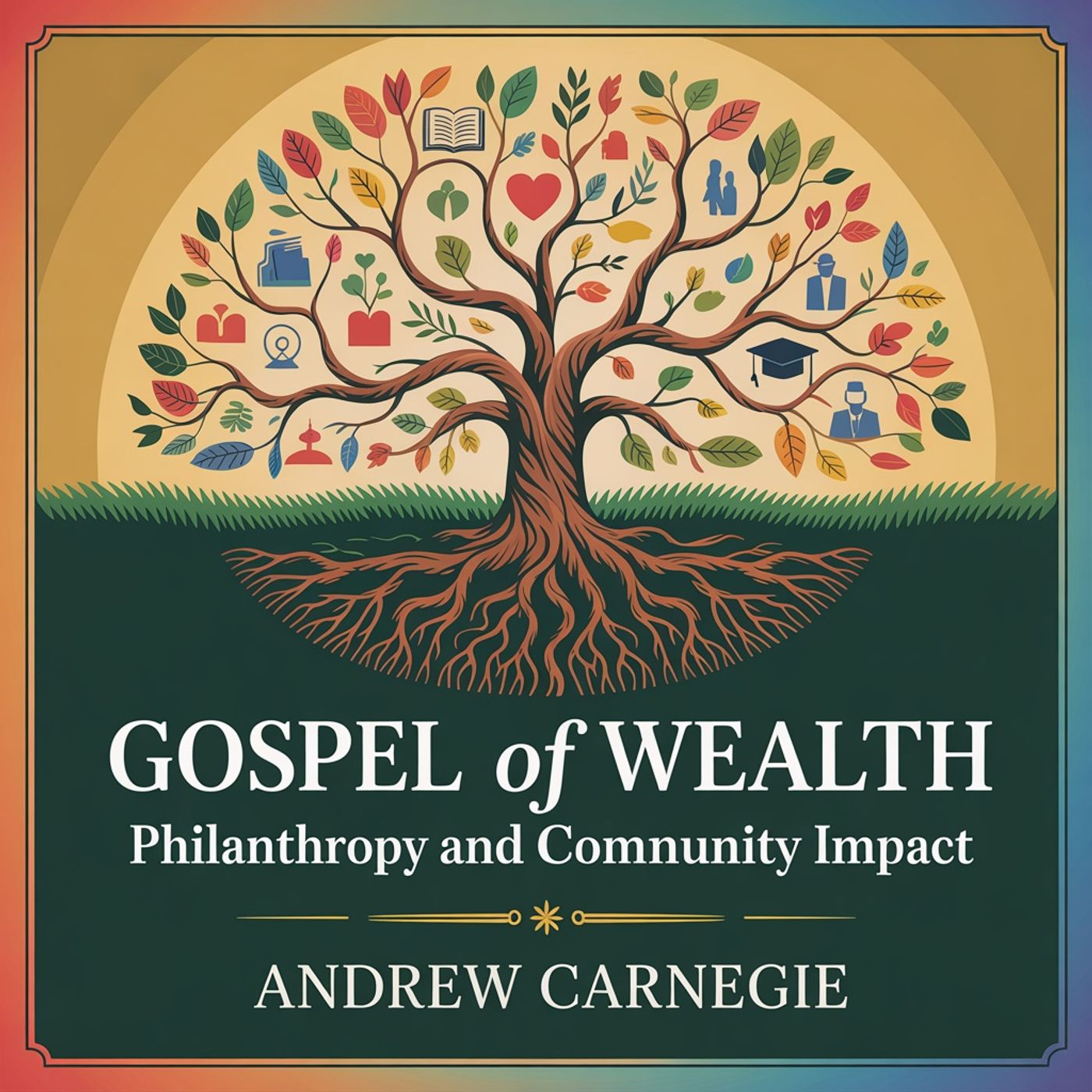
Gospel of Wealth: Philanthropy and Community Impact
by Andrew Carnegie
In this thought-provoking exploration, Andrew Carnegie, the steel magnate turned philanthropist, presents his revolutionary ideas on wealth and its responsibilities. Written in 1889, 'The Gospel of Wealth' challenges the elite to consider how they should manage their fortunes. Carnegie argues that true wealth isn't merely about accumulation; it’s about giving back. He emphasizes the importance of funding projects that have lasting community impact—think libraries, parks, universities, and hospitals. These aren’t just donations; they are investments in the future. Carnegie believes that the wealthy should actively engage in philanthropy during their lifetimes, ensuring their contributions continue to benefit society long after they’re gone. This classic essay remains relevant today, prompting listeners to reflect on their own roles in shaping a better world through generosity. Tune in to explore Carnegie's vision and its implications for modern philanthropy.
-
4
Gospel of Wealth: Philanthropy and Community Impact | Bonus
In this thought-provoking exploration, Andrew Carnegie, the steel magnate turned philanthropist, presents his revolutionary ideas on wealth and its responsibilities. Written in 1889, 'The Gospel of Wealth' challenges the elite to consider how they should manage their fortunes. Carnegie argues that true wealth isn't merely about accumulation; it’s about giving back. He emphasizes the importance of funding projects that have lasting community impact—think libraries, parks, universities, and hospitals. These aren’t just donations; they are investments in the future. Carnegie believes that the wealthy should actively engage in philanthropy during their lifetimes, ensuring their contributions continue to benefit society long after they’re gone. This classic essay remains relevant today, prompting listeners to reflect on their own roles in shaping a better world through generosity. Tune in to explore Carnegie's vision and its implications for modern philanthropy.
-
3
Gospel of Wealth: Philanthropy and Community Impact | Chapter 2: The Best Fields for Philanthropy
In this thought-provoking exploration, Andrew Carnegie, the steel magnate turned philanthropist, presents his revolutionary ideas on wealth and its responsibilities. Written in 1889, 'The Gospel of Wealth' challenges the elite to consider how they should manage their fortunes. Carnegie argues that true wealth isn't merely about accumulation; it’s about giving back. He emphasizes the importance of funding projects that have lasting community impact—think libraries, parks, universities, and hospitals. These aren’t just donations; they are investments in the future. Carnegie believes that the wealthy should actively engage in philanthropy during their lifetimes, ensuring their contributions continue to benefit society long after they’re gone. This classic essay remains relevant today, prompting listeners to reflect on their own roles in shaping a better world through generosity. Tune in to explore Carnegie's vision and its implications for modern philanthropy.
-
2
Gospel of Wealth: Philanthropy and Community Impact | Chapter 1: The Problem of the Administration of Wealth
In this thought-provoking exploration, Andrew Carnegie, the steel magnate turned philanthropist, presents his revolutionary ideas on wealth and its responsibilities. Written in 1889, 'The Gospel of Wealth' challenges the elite to consider how they should manage their fortunes. Carnegie argues that true wealth isn't merely about accumulation; it’s about giving back. He emphasizes the importance of funding projects that have lasting community impact—think libraries, parks, universities, and hospitals. These aren’t just donations; they are investments in the future. Carnegie believes that the wealthy should actively engage in philanthropy during their lifetimes, ensuring their contributions continue to benefit society long after they’re gone. This classic essay remains relevant today, prompting listeners to reflect on their own roles in shaping a better world through generosity. Tune in to explore Carnegie's vision and its implications for modern philanthropy.
-
1
Gospel of Wealth: Philanthropy and Community Impact | Trailer
In this thought-provoking exploration, Andrew Carnegie, the steel magnate turned philanthropist, presents his revolutionary ideas on wealth and its responsibilities. Written in 1889, 'The Gospel of Wealth' challenges the elite to consider how they should manage their fortunes. Carnegie argues that true wealth isn't merely about accumulation; it’s about giving back. He emphasizes the importance of funding projects that have lasting community impact—think libraries, parks, universities, and hospitals. These aren’t just donations; they are investments in the future. Carnegie believes that the wealthy should actively engage in philanthropy during their lifetimes, ensuring their contributions continue to benefit society long after they’re gone. This classic essay remains relevant today, prompting listeners to reflect on their own roles in shaping a better world through generosity. Tune in to explore Carnegie's vision and its implications for modern philanthropy.
We're indexing this podcast's transcripts for the first time — this can take a minute or two. We'll show results as soon as they're ready.
No matches for "" in this podcast's transcripts.
No topics indexed yet for this podcast.
Loading reviews...
ABOUT THIS SHOW
In this thought-provoking exploration, Andrew Carnegie, the steel magnate turned philanthropist, presents his revolutionary ideas on wealth and its responsibilities. Written in 1889, 'The Gospel of Wealth' challenges the elite to consider how they should manage their fortunes. Carnegie argues that true wealth isn't merely about accumulation; it’s about giving back. He emphasizes the importance of funding projects that have lasting community impact—think libraries, parks, universities, and hospitals. These aren’t just donations; they are investments in the future. Carnegie believes that the wealthy should actively engage in philanthropy during their lifetimes, ensuring their contributions continue to benefit society long after they’re gone. This classic essay remains relevant today, prompting listeners to reflect on their own roles in shaping a better world through generosity. Tune in to explore Carnegie's vision and its implications for modern philanthropy.
HOSTED BY
Andrew Carnegie
Loading similar podcasts...
Frequently Asked Questions
How many episodes does Gospel of Wealth: Philanthropy and Community Impact have?
Gospel of Wealth: Philanthropy and Community Impact currently has 4 episodes available on PodParley. New episodes are automatically indexed when they're published to the podcast feed.
What is Gospel of Wealth: Philanthropy and Community Impact about?
In this thought-provoking exploration, Andrew Carnegie, the steel magnate turned philanthropist, presents his revolutionary ideas on wealth and its responsibilities. Written in 1889, 'The Gospel of Wealth' challenges the elite to consider how they should manage their fortunes. Carnegie argues that...
How often does Gospel of Wealth: Philanthropy and Community Impact release new episodes?
Gospel of Wealth: Philanthropy and Community Impact is no longer actively publishing new episodes, but the existing catalog remains available.
Where can I listen to Gospel of Wealth: Philanthropy and Community Impact?
You can listen to Gospel of Wealth: Philanthropy and Community Impact on PodParley by clicking any episode. We provide an embedded audio player for direct listening.
Who hosts Gospel of Wealth: Philanthropy and Community Impact?
Gospel of Wealth: Philanthropy and Community Impact is created and hosted by Andrew Carnegie.
URL copied to clipboard!