
PODCAST · arts
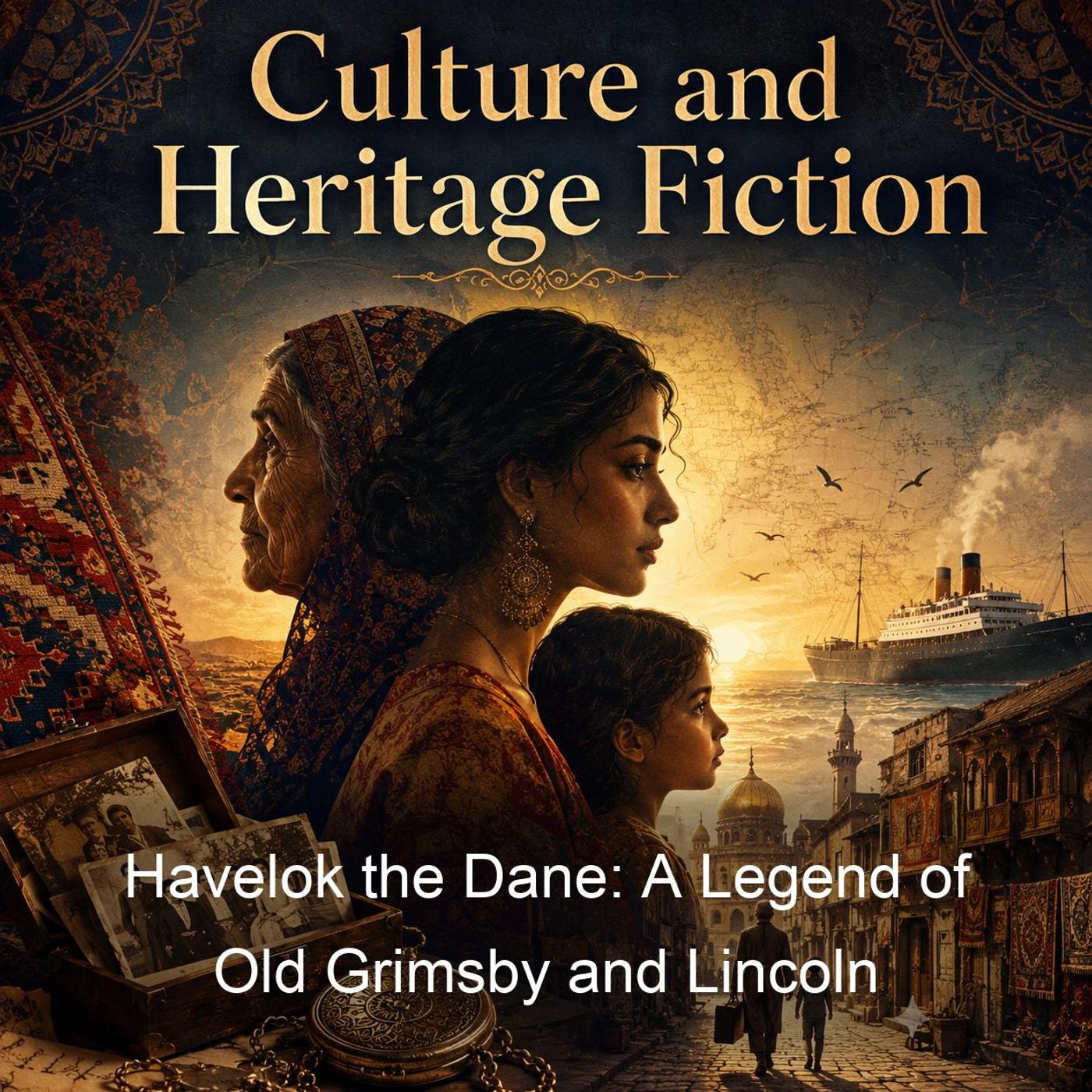
Havelok the Dane: A Legend of Old Grimsby and Lincoln
by Charles Watts Whistler
Troy, Athens, Rome... each has its founding legend. So too does the Lincolnshire town of Grimsby, once the largest fishing port in the world. Havelok the Dane probably derives from a folk-tale, orally passed down before assuming written form - first in Anglo-Norman French, later in Middle English verse (c. 1280-1300). It tells of the rescue of the Danish prince from a wicked regent, who has tried to procure Havelok's murder. Grim the fisher, the appointed hit-man, thwarts the plan by spiriting the lad to England, where Grim settles with his family on the coast, adopting Havelok as his foster-son and naming the new community after himself. C.W. Whistler's clever adaptation of the tale (published in 1899) draws on the various medieval sources. The English poem is particularly suited to 'novelisation'. It abounds in homely detail, and the hero's progress from half-dead waif to the triumphant fulfillment of his strength and kingly destiny makes a satisfying arc for the development of plot
-
1
Marie An Episode in the Life of the Late Allan Quatermain-H. Rider Haggard
"Marie: An Episode in the Life of the Late Allan Quatermain" by H. Rider Haggard delves into the adventures of the iconic explorer Allan Quatermain, showcasing a pivotal moment in his life that intertwines themes of courage, exploration, and the complexities of human relationships. This tale captures the essence of adventure and the spirit of discovery, reflecting on how personal experiences shape one's identity and purpose. Haggard's narrative resonates with timeless themes of bravery and the quest for meaning, making it a compelling listen for those who appreciate classic literature. The story invites listeners to reflect on their own journeys and the adventures that define them.
-
0
France At War On the Frontier of Civilization-Rudyard Kipling
"France At War On the Frontier of Civilization" by Rudyard Kipling delves into the profound complexities of conflict and its impact on society. This work captures the essence of war, exploring themes of bravery, sacrifice, and the human spirit's resilience in the face of adversity. Kipling's insights remain relevant today, as they remind us of the enduring struggles that shape civilizations and the moral dilemmas faced during wartime. The narrative invites listeners to reflect on the historical context of conflict and its lasting effects on culture and identity, making it a timeless exploration of the human condition. Experience Kipling's powerful prose and gain a deeper understanding of the forces that have shaped our world.
-
-1
Legends of Saints and Sinners-Douglas Hyde
"Legends of Saints and Sinners" by Douglas Hyde delves into the rich tapestry of folklore that intertwines the lives of saints and sinners, exploring the moral complexities and enduring human experiences that resonate through time. This collection invites listeners to reflect on the timeless themes of redemption, virtue, and the struggle between good and evil, making it a compelling listen for those seeking both entertainment and insight. Hyde's storytelling captures the essence of these legends, reminding us of the lessons that can be gleaned from our shared past. As we navigate our own lives, the tales of these figures serve as a powerful reminder of the choices we face and the legacies we create.
-
-2
Ikom Folk Stories from Southern Nigeria-Elphinstone Dayrell
"Ikom Folk Stories from Southern Nigeria" by Elphinstone Dayrell is a captivating collection that delves into the rich tapestry of folklore from the Ikom region. These tales, steeped in the cultural heritage of Southern Nigeria, offer timeless lessons on community, morality, and the human experience. The enduring nature of these stories speaks to universal themes of resilience and wisdom, making them relevant today as they encourage listeners to reflect on their own lives and values. With a blend of humor, adventure, and insight, this audiobook invites you to explore the vibrant world of Ikom folklore, celebrating the power of storytelling across generations.
-
-3
South African Folk-Tales-James A. Honeÿ
"South African Folk-Tales" by James A. Honeÿ invites listeners into a rich tapestry of stories that capture the essence of South African culture and tradition. These tales reflect the values, beliefs, and experiences of the diverse communities within the region, showcasing the enduring power of storytelling to convey wisdom and moral lessons. Hearing these folk-tales now resonates with contemporary themes of identity, resilience, and the importance of community, reminding us of the universal human experiences that bind us together. As a collection, these narratives not only entertain but also preserve the heritage of South Africa, making them a vital part of the global storytelling tradition.
-
-4
Thorstein of the Mere A Saga of the Northmen in Lakeland-William Gershom Collingwood
"Thorstein of the Mere: A Saga of the Northmen in Lakeland" by William Gershom Collingwood transports listeners to the rugged landscapes of the Northmen, weaving a tale that explores the strength and resilience of its characters. This saga captures the spirit of adventure and the enduring legacy of Norse culture, reflecting themes of bravery, loyalty, and the quest for identity. As the story unfolds against the backdrop of the picturesque Lakeland, it resonates with today's audiences by highlighting the timeless human experiences of struggle and triumph. Collingwood's masterful storytelling invites listeners to connect with a rich historical tapestry that continues to inspire and captivate.
-
-5
Germania-Publius Cornelius Tacitus
"Germania" by Publius Cornelius Tacitus offers a detailed account of the customs, geography, and tribes of ancient Germany, providing a rare glimpse into the lives of people who existed outside the bounds of the Roman Empire. This work is not only a historical document but also a reflection on cultural identity and the contrasts between civilizations, themes that resonate deeply in today's discussions about heritage and the impact of external influences. Tacitus's observations prompt listeners to reflect on the complexities of cultural interactions and the enduring nature of societal values. Engaging with "Germania" allows for a richer understanding of how the past informs our present, making it a timeless exploration of human experience.
-
-6
Robin Hood-J. Walker McSpadden
"Robin Hood" by J. Walker McSpadden brings to life the legendary figure of the outlaw who steals from the rich to give to the poor, embodying the spirit of justice and rebellion against tyranny. This enduring tale resonates with themes of heroism, camaraderie, and the fight for social equity, making it a timeless narrative that continues to inspire listeners today. As Robin Hood and his band of Merry Men navigate the challenges of their world, they remind us of the importance of standing up for what is right in the face of oppression. McSpadden's retelling captures the essence of this beloved legend, ensuring that the story remains relevant and compelling for audiences of all ages.
-
-7
Phantom Town Mystery-Grace May North
Phantom Town Mystery by Grace May North invites listeners into a world rich with intrigue and suspense. This captivating tale explores the enigmatic events surrounding a mysterious town, drawing readers into a web of secrets and revelations. The themes of mystery and the quest for truth resonate deeply, reminding us of the timeless allure of uncovering hidden stories that lie beneath the surface. As the narrative unfolds, it challenges us to confront our perceptions and the shadows that linger in our lives. With its enduring appeal, this audiobook is a compelling listen for anyone who enjoys unraveling the complexities of human experience and the mysteries of the unknown.
-
-8
Master of the World-Jules Verne
"Master of the World" by Jules Verne invites listeners into a thrilling exploration of human ambition and the quest for power through the lens of advanced technology. This captivating tale delves into the implications of innovation and the moral dilemmas that accompany the pursuit of mastery over nature. Verne's visionary storytelling resonates today as we grapple with the balance between progress and responsibility in our increasingly technological world. The themes of ambition, control, and the consequences of human ingenuity continue to be relevant, making this classic work not only a timeless adventure but also a profound reflection on the challenges we face in our own era.
-
-9
Longshanks-Stephen W. Meader
"Longshanks" by Stephen W. Meader invites listeners into a captivating narrative that resonates with timeless themes of bravery and adventure. This tale explores the enduring spirit of its characters as they navigate challenges and triumphs, reflecting the universal quest for honor and identity. Meader's storytelling captures the essence of courage in the face of adversity, making it relevant for today's audiences who seek inspiration in overcoming obstacles. The rich historical backdrop and the exploration of loyalty and heroism ensure that this audiobook remains a compelling listen, celebrating the values that continue to shape our lives.
-
-10
Inheritors-Susan Glaspell
Inheritors by Susan Glaspell explores the complexities of human relationships and the struggles of individuals as they navigate their inherited legacies. This thought-provoking work delves into themes of identity, societal expectations, and the burdens passed down through generations, making it a timeless reflection on the human condition. Glaspell's keen insights into the emotional landscapes of her characters resonate deeply, encouraging listeners to consider their own inheritances—both tangible and intangible. The exploration of these enduring themes ensures that Inheritors remains relevant today, inviting audiences to reflect on how the past shapes our present and influences our future.
-
-11
Black Amazon of Mars (Version 3)-Leigh Douglass Brackett
"Black Amazon of Mars" by Leigh Douglass Brackett transports listeners to a vivid world of adventure and intrigue on the red planet. This gripping tale features a fierce protagonist who embodies strength and resilience, navigating a landscape filled with danger and conflict. Brackett's masterful storytelling captures the essence of heroism and the struggle for survival, themes that resonate deeply in today's society. The exploration of power dynamics and the quest for identity within an alien world make this audiobook a timeless exploration of the human spirit. Immerse yourself in this classic narrative that continues to inspire and entertain.
-
-12
Fables of Pilpay-Abdullah Ibn al-Muqaffaʿ
Fables of Pilpay-Abdullah Ibn al-Muqaffaʿ is a timeless collection of moral tales that explore the complexities of human nature and the wisdom of life through engaging anecdotes. These fables, rooted in ancient traditions, offer insights into virtues such as kindness, justice, and the importance of knowledge, making them as relevant today as they were centuries ago. Each story serves as a reminder of the enduring lessons that can guide our actions and decisions in a rapidly changing world. With their rich narrative style and profound themes, these fables continue to captivate listeners, inviting reflection on the moral dilemmas we face in our own lives.
-
-13
Fables of Pilpay-Abdullah Ibn al-Muqaffaʿ
Fables of Pilpay-Abdullah Ibn al-Muqaffaʿ is a timeless collection of moral tales that explore the complexities of human nature and the wisdom of life through engaging anecdotes. These fables, rooted in ancient traditions, offer insights into virtues such as kindness, justice, and the importance of knowledge, making them as relevant today as they were centuries ago. Each story serves as a reminder of the enduring lessons that can guide our actions and decisions in a rapidly changing world. With their rich narrative style and profound themes, these fables continue to captivate listeners, inviting reflection on the moral dilemmas we face in our own lives.
-
-14
Tree of Appomattox-Joseph A. Altsheler
"Tree of Appomattox" by Joseph A. Altsheler is a stirring tale set against the backdrop of the American Civil War, exploring themes of honor, sacrifice, and the profound impact of conflict on individuals and society. The narrative delves into the struggles faced by characters who navigate the tumultuous landscape of war, shedding light on the complexities of loyalty and the human spirit. This audiobook resonates today as it reflects on the enduring consequences of division and the quest for unity, making it a poignant reminder of the past and its relevance to contemporary issues. Altsheler's storytelling captures the essence of resilience, ensuring that listeners are both entertained and enlightened by this classic work.
-
-15
Rangy Pete-Guy Morton
Rangy Pete-Guy Morton is a captivating tale that immerses listeners in the adventures and trials of its titular character. This audiobook invites you to explore themes of resilience, courage, and the quest for identity, which resonate as strongly today as they did in the past. The story's enduring appeal lies in its rich portrayal of human experience, showcasing the timeless struggle between personal ambition and communal responsibility. As you delve into this narrative, you'll find yourself reflecting on your own journey and the universal challenges we all face. Experience the vibrant world of Rangy Pete-Guy Morton and discover why this legend continues to inspire.
-
-16
Outlaw of Torn - Edgar Rice Burroughs
Outlaw of Torn by Edgar Rice Burroughs takes listeners on a thrilling journey through the tumultuous world of medieval adventure and intrigue. This captivating tale explores themes of loyalty, honor, and the struggle for justice, making it a timeless narrative that resonates with those who appreciate classic literature. Burroughs' masterful storytelling and vivid characterizations draw readers into a realm where the fight for righteousness against overwhelming odds remains a powerful and inspiring message. With its rich historical backdrop and enduring themes, Outlaw of Torn is a compelling listen that invites reflection on the age-old battle between good and evil, appealing to both new and seasoned fans of the genre.
-
-17
Havelok the Dane A Legend of Old Grimsby and Lincoln - Charles Watts Whistler
Troy, Athens, Rome... each has its founding legend. So too does the Lincolnshire town of Grimsby, once the largest fishing port in the world. Havelok the Dane probably derives from a folk-tale, orally passed down before assuming written form - first in Anglo-Norman French, later in Middle English verse (c. 1280-1300). It tells of the rescue of the Danish prince from a wicked regent, who has tried to procure Havelok's murder. Grim the fisher, the appointed hit-man, thwarts the plan by spiriting the lad to England, where Grim settles with his family on the coast, adopting Havelok as his foster-son and naming the new community after himself. C.W. Whistler's clever adaptation of the tale (published in 1899) draws on the various medieval sources. The English poem is particularly suited to 'novelisation'. It abounds in homely detail, and the hero's progress from half-dead waif to the triumphant fulfillment of his strength and kingly destiny makes a satisfying arc for the development of plot and character. At the same time, the legend's origins in oral performance are suggested through the choice of a first-person narrator, namely Grim's sober-sided son Radbard, whose plain-spoken account conveys something of the older saga tradition. Our reader, the gifted Tony Foster, has worked and travelled in Scandinavia. His subtly-inflected narration brings a truly Nordic flavour to this re-creation of life in sixth-century Britain. Since Charles Whistler published his novel, both Grimsby and its local heroes have been celebrated from time to time - by Elton John in his album Caribou (1974) and recently in a folk rock musical by local band Merlin's Keep (2014). (Introductory summary by Martin Geeson)
We're indexing this podcast's transcripts for the first time — this can take a minute or two. We'll show results as soon as they're ready.
No matches for "" in this podcast's transcripts.
No topics indexed yet for this podcast.
Loading reviews...
ABOUT THIS SHOW
Troy, Athens, Rome... each has its founding legend. So too does the Lincolnshire town of Grimsby, once the largest fishing port in the world. Havelok the Dane probably derives from a folk-tale, orally passed down before assuming written form - first in Anglo-Norman French, later in Middle English verse (c. 1280-1300). It tells of the rescue of the Danish prince from a wicked regent, who has tried to procure Havelok's murder. Grim the fisher, the appointed hit-man, thwarts the plan by spiriting the lad to England, where Grim settles with his family on the coast, adopting Havelok as his foster-son and naming the new community after himself. C.W. Whistler's clever adaptation of the tale (published in 1899) draws on the various medieval sources. The English poem is particularly suited to 'novelisation'. It abounds in homely detail, and the hero's progress from half-dead waif to the triumphant fulfillment of his strength and kingly destiny makes a satisfying arc for the development of plot
HOSTED BY
Charles Watts Whistler
Loading similar podcasts...
Frequently Asked Questions
How many episodes does Havelok the Dane: A Legend of Old Grimsby and Lincoln have?
Havelok the Dane: A Legend of Old Grimsby and Lincoln currently has 19 episodes available on PodParley. New episodes are automatically indexed when they're published to the podcast feed.
What is Havelok the Dane: A Legend of Old Grimsby and Lincoln about?
Troy, Athens, Rome... each has its founding legend. So too does the Lincolnshire town of Grimsby, once the largest fishing port in the world. Havelok the Dane probably derives from a folk-tale, orally passed down before assuming written form - first in Anglo-Norman French, later in Middle English...
How often does Havelok the Dane: A Legend of Old Grimsby and Lincoln release new episodes?
Havelok the Dane: A Legend of Old Grimsby and Lincoln has 19 episodes. Check the episode list to see recent publication dates and frequency.
Where can I listen to Havelok the Dane: A Legend of Old Grimsby and Lincoln?
You can listen to Havelok the Dane: A Legend of Old Grimsby and Lincoln on PodParley by clicking any episode. We provide an embedded audio player for direct listening, and you can also subscribe via your preferred podcast app using the RSS feed.
Who hosts Havelok the Dane: A Legend of Old Grimsby and Lincoln?
Havelok the Dane: A Legend of Old Grimsby and Lincoln is created and hosted by Charles Watts Whistler.
URL copied to clipboard!