
PODCAST · business
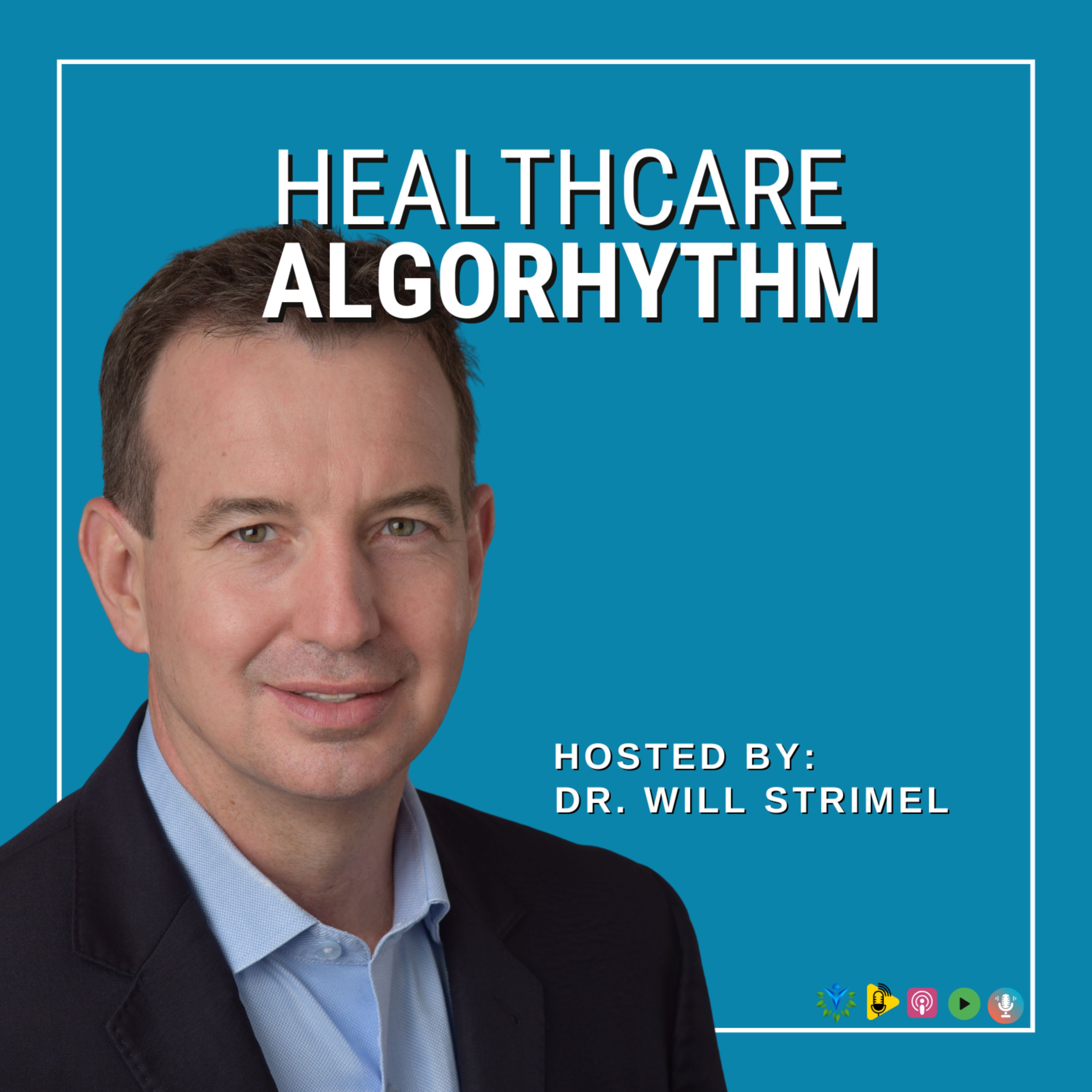
Healthcare Algorhythm
by William Strimel
Healthcare Algorhythm is a podcast where healthcare professionals share real conversations about patient experience, care delivery, day to day operations, and technology. Each episode explores what is truly working in healthcare today through practical stories, lessons learned, and real world outcomes.
-
26
How Dr. Ricardo Febry Is Helping Seniors Stay at Home Longer Through Better Care Coordination
What does it really take to help older adults remain safely at home?In this episode of Healthcare Algorhythm, Dr. Will Strimel sits down with Dr. Richard Febry, founder of Care Associates, a physician-led organization delivering home-based primary care, transitional care, caregiver support, and hospice services to medically complex seniors.Drawing on decades of experience in nursing homes, hospitals, hospice, and home-based care, Dr. Febry shares how his journey led him to rethink traditional healthcare delivery and build a model focused on keeping frail older adults out of institutions whenever possible.The conversation explores why so many seniors struggle to navigate a fragmented healthcare system, the critical role of caregivers, and how better coordination—not just better medicine—can dramatically improve quality of life.Dr. Febry also discusses his unique experience building custom technology solutions for his organization, his perspective on artificial intelligence in healthcare, and why clinicians should become more involved in shaping the tools they use every day.Whether you're a healthcare professional, caregiver, healthcare entrepreneur, or simply interested in the future of aging in place, this episode offers valuable insights into one of healthcare's most important challenges.Key Topics DiscussedHome-based primary care and transitional careKeeping older adults safely at homeCaregiver support and care coordinationThe GUIDE dementia care modelHealthcare fragmentation and aging populationsPhysician-led innovation and software developmentArtificial intelligence in clinical practiceTechnology's role in improving patient outcomesThe future of independent medical practiceAbout Our GuestDr. Richard Febry is the founder of Care Associates, a Louisiana-based healthcare organization focused on integrating home-based medical care, caregiver support, dementia services, case management, adult day care, and hospice services for frail and homebound older adults.With experience spanning internal medicine, nursing home care, hospital medicine, hospice, and healthcare technology development, Dr. Febry has built a unique model centered on helping seniors age in place while supporting the families who care for them.Connect with Dr. Richard FebryWebsite: https://care.associatesConnect with Healthcare AlgorhythmWebsite: https://www.tuliohealth.comSubscribe on your favorite podcast platform for conversations exploring healthcare innovation, care coordination, technology, and the people working to improve the patient experience.
-
25
How Antonio Johnson Is Rethinking Rehabilitation, Staffing, and Recovery in Post-Acute Care
In this episode of the Healthcare Algorhythm Podcast, Dr. Will Strimel sits down with Antonio Johnson to explore one of the most pressing operational challenges in healthcare today: the growing gap between patient demand and the clinical workforce in post-acute care.Antonio brings more than 20 years of leadership experience across skilled nursing, rehabilitation, and multi-site healthcare operations. Together, they discuss the realities facing rehabilitation providers, including staffing shortages, clinician burnout, rising educational costs, value-based care pressures, and the growing administrative burden placed on frontline teams.The conversation also dives into how emerging technologies—including AI-powered documentation tools, EMR customization, and transcription capabilities—may help reduce friction for clinicians while improving operational efficiency and patient outcomes. Antonio shares real-world examples of how organizations are adapting to these pressures and what separates teams that successfully embrace innovation from those that struggle with change.Dr. Strimel and Antonio also discuss the future of rehabilitation, the importance of organizational culture, the role of prehabilitation before surgery, and why patient education and engagement are critical to improving recovery and preserving independence as the population ages.This episode offers valuable insight for healthcare operators, clinicians, rehabilitation leaders, and anyone interested in the evolving intersection of workforce strategy, technology, and patient recovery.Key Topics CoveredSkilled nursing and rehabilitation workforce shortagesClinician burnout and retention strategiesValue-based care pressures in post-acute settingsAI integration in EMRs and clinical documentationTechnology adoption in healthcare organizationsThe future of rehabilitation and recovery carePrehabilitation and surgical recovery optimizationLeadership, culture, and operational transparency in healthcare
-
24
How Greg Sciarra Is Reducing Hospitalizations by 40% Through Prevention and Behavior Change
Episode SummaryWhat if we could prevent hospitalizations before they happen—at scale?In this episode of the Healthcare Algorhythm Podcast, Dr. Will Strimel sits down with Greg Sciarra, COO of Embrace Prevention Care, to explore a model of care designed to keep seniors healthy, independent, and out of the hospital.Embrace Prevention Care is focused on a fundamental shift in healthcare—from reactive, episodic treatment to continuous, preventive engagement. By helping patients adopt simple, sustainable health behaviors and reinforcing them over time, their team has demonstrated over a 40% reduction in hospitalizations in their patient population.Greg shares how their approach is grounded in geriatric principles like “what matters most,” how they focus on just 1–2 high-impact behaviors across multiple chronic conditions, and why consistent follow-up—not complexity—is the key to lasting change.The conversation also dives into their work within Medicare’s GUIDE pilot program, where they support patients with dementia and their caregivers—addressing one of the most overlooked drivers of outcomes: caregiver burnout.We also discuss:Why healthcare remains fragmented and episodicThe real challenges of behavior change in chronic diseaseHow Embrace integrates with primary care rather than replacing itWhat value-based care has gotten right—and where it still falls shortWhy preventing one hospitalization may matter more than treating tenThis is a conversation about execution, not theory—and what it actually takes to deliver better outcomes in one of healthcare’s most complex populations.Links & Resources🔗 Greg Sciarra (LinkedIn): linkedin.com/in/greg-sciarra-rph-mba 🔗 Embrace Prevention Care: https://embracepreventioncare.com 🔗 Learn more about Medicare GUIDE Program: https://www.cms.gov/priorities/innovation/innovation-models/guide
-
23
How Chris Widmayer Is Driving AI Readiness and Data-First Transformation in Healthcare Systems
Episode Summary:In this episode of Healthcare Algorhythm, hosted by Dr. Will Strimel, Dr. Strimel sits down with Chris Widmayer, CEO of Penrod, to explore how healthcare organizations can responsibly adopt AI by first solving their data and systems foundation.Chris shares how Penrod helps health systems, providers, and payers modernize their technology ecosystems through consulting and tech-enabled services focused on AI readiness, data strategy, and patient experience improvement. His work centers on bridging fragmented healthcare systems by leveraging platforms like Salesforce and Snowflake to enable more connected, efficient, and patient-centered operations.A key focus of the conversation is the concept of AI readiness—starting with clean, unified, and trusted data before introducing any AI tools. Chris explains how decades of mergers, acquisitions, and legacy EHR systems have created data silos that limit AI effectiveness and introduce operational risk if not properly addressed.The discussion also highlights real-world applications of AI in healthcare, including automated patient scheduling, AI-powered contact centers, and workflow optimization tools that reduce administrative burden on clinicians. Chris emphasizes that the goal of AI is not to replace human care, but to free up providers to spend more time on patients and less time on systems.Key Takeaways:Why data readiness is the foundation of successful AI adoption in healthcareHow fragmented EHR and legacy systems create barriers to AI scalabilityThe role of Salesforce and Snowflake in building connected healthcare ecosystemsHow AI is transforming patient access through scheduling and contact center automationWhy governance, compliance, and HIPAA constraints shape AI implementationHow health systems use “centers of excellence” to safely scale AI initiativesWhy the best AI strategies reduce administrative burden—not clinical judgmentGolden Nugget:“If your data isn’t ready, your AI won’t be ready, data comes first, always.”Connect with Chris Widmayer:LinkedIn: https://linkedin.com/in/widmayerWebsite: https://penrodcrm.com | https://datasentials.comListen Now & Subscribe:Available on Captivate, Spotify, iHeart Podcast, Apple Podcasts, Amazon Music, YouTube, or wherever you get your podcasts.Healthcare Algorhythm breaks down the systems, strategies, and technologies shaping modern medicine, turning complexity into clarity, one conversation at a time.
-
22
How Ethan Guerrieri Is Helping Seniors Age in Place Through Scalable, Personalized Home Care Systems
Episode Summary:In this episode of Healthcare Algorhythm, hosted by Dr. William Strimel, Dr. Strimel sits down with Ethan Guerrieri, Vice President of Operations at Preferred Care at Home, to explore how large-scale home care networks are transforming senior care and reducing hospital readmissions through personalized, in-home support.Ethan shares the origin story of the family-founded business, which began in 1984 when his grandmother, a retired nurse, began offering in-home care from her own house. What started as a simple act of service has evolved into a nationwide franchise network supporting seniors across more than 130 locations.The conversation dives into the growing demand for aging-in-place solutions and how home care fills critical gaps left by hospitals, rehab facilities, and assisted living. Ethan explains how his organization builds customized care plans based on Activities of Daily Living (ADLs) and Instrumental Activities of Daily Living (IADLs), ensuring seniors receive both hands-on support and essential daily assistance.They also explore the challenges shaping the industry today, including caregiver shortages, post-COVID workforce burnout, fragmented care coordination, and the increasing importance of technology. Ethan highlights how wearables, real-time monitoring, and data-driven insights are improving transparency, early intervention, and family engagement in senior care.Key Takeaways:Why most seniors transition into home care after hospitalizationHow ADLs and IADLs shape personalized care planningWhy education is critical for families navigating insurance coverage gapsHow home care reduces readmissions through consistent follow-up and coordinationThe role of technology and wearables in proactive senior careWhy caregiver culture and retention are now central to operational success.Golden Nugget:“Home care isn’t just support, it’s the missing link that keeps seniors safely where they want to be: home.”Connect with Ethan Guerrieri:LinkedIn: https://linkedin.com/in/ethan-guerrieri-317101a9Website: https://preferhome.comListen Now & Subscribe:Available on Captivate, Spotify, iHeart Podcast, Apple Podcasts, Amazon Music, YouTube, or wherever you get your podcasts.Healthcare Algorhythm breaks down the systems, strategies, and technologies shaping modern medicine, turning complexity into clarity, one conversation at a time.
-
21
How Karen McNerney Is Scaling Post-Acute Care Through Operational Excellence and Integrated Communication
Episode Summary:In this episode of Healthcare Algorhythm, hosted by Dr. William Strimel, Dr. Strimel sits down with Karen McNerney, Chief Operating Officer at Paragon Post Acute, to explore how operational systems, clinical innovation, and communication infrastructure are transforming post-acute care delivery.Karen shares how Paragon Post Acute evolved from an outpatient practice into a rapidly growing organization serving over 50 facilities, delivering in-house pain management and physiatry services. She explains how this model reduces care gaps during the critical transition from hospital to skilled nursing, improving patient outcomes while minimizing costly hospital readmissions.The conversation dives deep into Karen’s role as an Entrepreneurial Operating System (EOS) Integrator, where she aligns strategy, teams, and execution across a highly distributed healthcare environment. She outlines how structured frameworks like Level 10 meetings, KPI scorecards, and accountability charts enable faster decision-making, transparency, and continuous improvement.They also unpack one of healthcare’s most persistent challenges: fragmented communication. Karen details how Paragon uses HIPAA-compliant tools, virtual clinical support teams, and EHR integrations to ensure real-time coordination between providers, facilities, patients, and families—creating a more responsive and reliable care model.Karen also reflects on the regulatory complexities of pain management, the realities of staffing shortages in post-acute care, and what it takes to build a culture of accountability and compassion at scale.Key Takeaways:Why post-acute care is a critical yet often overlooked stage in the patient journeyHow in-house pain management and physiatry reduce readmissions and improve recovery outcomesWhat EOS is and how it drives accountability, alignment, and execution across teamsWhy communication breakdowns are one of healthcare’s biggest challenges—and how to solve themHow technology enables faster, HIPAA-compliant coordination across facilitiesThe operational realities of scaling care across 50+ locationsGolden Nugget:“Structured communication and accountability systems are what turn complex healthcare operations into consistent, high-quality patient care.”Connect with Karen McNerney:LinkedIn: https://linkedin.com/in/karenmcnerneyWebsite: https://paragon-pac.comListen Now & Subscribe:Available on Captivate, Spotify, iHeart Podcast, Apple Podcasts, Amazon Music, YouTube, or wherever you get your podcasts.Healthcare Algorhythm breaks down the systems, strategies, and technologies shaping modern medicine, turning complexity into clarity, one conversation at a time.
-
20
How Tara Nastase Is Navigating Rising Acuity and Complexity in Senior Living
In this episode of Healthcare Algorhythm, I sit down with Tara Nastase, a senior living executive with experience leading multi-state community operations and driving occupancy and growth.We explore how senior living is evolving in real time as residents enter communities with increasing clinical complexity—and how that is reshaping everything from family decision-making to day-to-day operations.Tara shares what she’s seeing on the ground, including the growing urgency behind move-in decisions, the challenges of coordinating care across a fragmented healthcare system, and the pressure this places on staff, leadership teams, and families alike.We also discuss the role of technology in senior care—what’s working, what’s not, and where meaningful gaps still remain.This is a practical, honest look at where senior living stands today—and where it’s headed.Key Topics CoveredRising acuity and complexity of senior living residentsWhy move-in decisions are becoming more urgentThe shift from lifestyle-driven to care-driven communitiesChallenges coordinating care across hospitals, specialists, and providersThe role families play in navigating fragmented careWorkforce realities and operational strain in senior livingTechnology adoption: what’s working and where gaps remainWhat the next 3–5 years may look like for senior careIf you enjoyed this conversation, be sure to follow Healthcare Algorhythm for more discussions on how healthcare is evolving—and how we can build systems that better support patients, families, and care teams.Guest BioTara Nastase, LNHA, MHA, is a senior living executive currently serving as a Regional Director of Operations, overseeing multi-state portfolios across assisted living, memory care, and independent living communities.With a background spanning clinical care and operational leadership, she focuses on driving occupancy, improving care delivery, and supporting teams in managing increasing resident complexity.Tara is known for her authentic leadership style and coaching-based approach to management, with a strong emphasis on trust, accountability, and team development.
-
19
How Dr. Vasanth Kainkaryam Is Redefining Primary Care Through Direct Access and Patient-First Medicine
Episode Summary:In this episode of Healthcare Algorhythm, hosted by Dr. William Strimel, Dr. Strimel sits down with Vasanth Kainkaryam, MD, MBA, MS, CPE, FAAP, FACP, DABOM—physician, entrepreneur, and founder of 4 Elements Direct Primary Care—to explore how a subscription-based healthcare model is transforming the patient-physician relationship.Dr. Kainkaryam breaks down the fundamentals of Direct Primary Care (DPC), explaining how removing insurance from routine care creates more access, transparency, and continuity for patients. The conversation dives into the financial realities of traditional healthcare, the limitations of insurance-driven systems, and how DPC enables physicians to deliver more personalized, relationship-centered care.They also explore how technology—from AI-powered documentation to customized electronic health records—is helping independent practices operate more efficiently while strengthening patient engagement. Dr. Kainkaryam shares his journey from large health systems to building his own practice, offering insight into the mindset and risks required to redefine how care is delivered.Key Takeaways:Why Direct Primary Care replaces transactional visits with relationship-based careHow subscription pricing improves access and reduces overall healthcare costsThe key differences between DPC and concierge medicineHow technology and AI are enhancing, not replacing, the physician-patient relationshipWhy traditional EHR systems often fail clinicians and how to rethink themThe growing role of employers and alternative models in expanding DPC accessGolden Nugget: “I don’t work for an insurance company, I work for my patients.”Connect with Vasanth Kainkaryam:LinkedIn: https://linkedin.com/in/vasanthkainkaryamWebsite: https://4ElementsMD.comListen Now & Subscribe:Available on Captivate, Spotify, iHeart Podcast, Apple Podcasts, Amazon Music, YouTube, or wherever you get your podcasts.Healthcare Algorhythm breaks down the systems, strategies, and technologies shaping modern medicine, turning complexity into clarity, one conversation at a time.
-
18
How Dr. Rada Sumareva Is Solving Telemedicine’s Biggest Limitation: The Physical Exam
Telemedicine expanded rapidly during the COVID-19 pandemic, offering a new level of access to care — especially for seniors, rural populations, and underserved communities.But as adoption has matured, one major limitation has become clear:You can’t perform a physical exam through a screen.In this episode of Healthcare Algorhythm, Dr. Will Strimel sits down with Dr. Rada Sumareva, CEO of ZiphyCare, to explore how her company is addressing what may be the missing piece in telehealth.ZiphyCare has developed a hybrid model that combines on-site clinical support with remote physicians, enabling full physical exams — including heart and lung auscultation, EKGs, imaging, and more — to be performed anywhere, from a patient’s home to community-based pop-up clinics. Their platform captures and stores rich clinical data, allowing for objective tracking over time, improved care coordination, and even predictive analytics.In this conversation, Dr. Sumareva shares the journey of building this technology, from early development through real-world deployment during COVID-19 and even in international settings.Topics include:Why telemedicine adoption has plateauedThe limitations of traditional virtual visitsHow remote physical exams can expand access to careThe role of data in improving continuity and coordinationChallenges across patients, providers, and payersUse cases in home care, community clinics, and hospital systemsThe future of telehealth in value-based care modelsDr. Sumareva also discusses how ZiphyCare is addressing critical barriers like technology literacy, reimbursement, and workflow integration.This episode highlights a key insight:The future of telemedicine may not be fully virtual — but hybrid.Key Topics CoveredTelemedicine limitations and adoption challengesRemote physical exam technologyHybrid care delivery modelsData-driven clinical decision makingAccess to care in underserved populationsIntegration with healthcare systems and payersGuest BioDr. Rada Sumareva is the CEO of ZiphyCare, a healthcare technology company focused on enabling remote physical exams through a hybrid care model.With a background in clinical care, healthcare operations, and quality improvement, she has worked extensively on initiatives aimed at improving access to care for underserved and high-risk populations.Under her leadership, ZiphyCare has developed a patented platform that combines in-person clinical support with remote physician oversight, enabling comprehensive, data-rich telemedicine encounters.Guest LinksZiphyCare https://ziphycare.com
-
17
How Dr. Jay Harness Is Bringing Exercise Into the Standard of Cancer Care
When we think about innovation in cancer care, we often think about new drugs, new devices, or cutting-edge technologies.But what if one of the most powerful interventions has been in front of us all along?In this episode of Healthcare Algorhythm, Dr. Will Strimel sits down with Dr. Jay Harness, a breast surgical oncologist with more than five decades of experience and a former president of the American Society of Breast Surgeons, to explore the rapidly growing field of exercise oncology.Despite more than 30 years of research — including over 3,000 clinical trials and tens of thousands of publications — exercise has yet to be fully integrated into standard cancer care.Dr. Harness shares how he discovered this body of evidence later in his career and why he has become a leading advocate for bringing structured exercise into oncology treatment pathways.The conversation explores both the science and the system challenges behind this shift.Topics include:The evidence behind exercise improving cancer outcomesA landmark clinical trial showing 37% improved survival and reduced recurrenceWhy moderate exercise (150 minutes per week) is often sufficientThe role of resistance training in maintaining strength and quality of lifeWhy adoption has lagged despite strong evidenceThe parallels between exercise oncology and cardiac rehabilitationThe importance of starting small — “some movement is better than no movement”Dr. Harness also discusses his platform CancerFitness.org, which aims to educate both clinicians and patients on how to safely integrate exercise into cancer care.This conversation highlights a powerful idea:Sometimes the most impactful innovations in healthcare are not new technologies — but new ways of applying what we already know.Key Topics CoveredExercise oncology and its clinical evidenceSurvival and recurrence benefits of structured exerciseBarriers to adoption in healthcare systemsComparison to cardiac rehabilitation modelsPatient engagement and behavior changeThe role of resistance training in aging populationsGuest BioDr. Jay Harness is a breast surgical oncologist with more than five decades of experience and a former president of the American Society of Breast Surgeons.Throughout his career, he has been a leader in advancing multidisciplinary cancer care. More recently, he has become a prominent advocate for exercise oncology, working to integrate structured exercise into standard cancer treatment and survivorship care.He is the founder of CancerFitness.org, an educational platform designed to bring awareness of exercise as a critical component of cancer care to both clinicians and patients.Guest LinksCancer Fitnesshttps://cancerfitness.org
-
16
How Christine Oriol Mahoney Is Rethinking Senior Care as Medical Complexity Grows
Senior care is one of the fastest growing segments of healthcare — but it is also one of the most rapidly changing.In this episode of Healthcare Algorhythm, Dr. Will Strimel sits down with Christine Oriol Mahoney, CEO of Oriol Health Care, to discuss how the role of senior care communities is evolving as residents arrive with increasingly complex medical needs.Historically, senior living communities were designed around a social model of care. But today, many residents arrive with chronic illnesses, complicated medication regimens, and frequent interactions with hospitals, specialists, and healthcare providers outside the facility.This shift is creating new operational pressures for senior care operators — and raising important questions about how these communities can maintain quality of life while also supporting more complex medical needs.In this conversation, Christine shares her perspective from years of experience leading senior care organizations and navigating the changing landscape of aging services.Topics include:Why residents are entering senior living with greater medical complexityThe operational challenges created by fragmented healthcare systemsHow families evaluate senior care communities todayThe balance between lifestyle services and clinical oversightWhy better care coordination may become a competitive differentiator for communitiesAs senior care continues to evolve, leaders across the industry are rethinking how communities can support both quality of life and medical clarity for residents and families.Key Topics CoveredThe growing medical complexity of senior living residentsThe gap between healthcare systems and senior care communitiesOperational challenges facing senior living leadersHow families evaluate care quality and coordinationThe future of senior care deliveryGuest BioChristine Oriol Mahoney is the CEO of Oriol Health Care, a Massachusetts-based senior care organization that provides a range of services including skilled nursing, rehabilitation, assisted living, and community-based care.With extensive leadership experience in aging services, Christine has been deeply involved in navigating the operational, regulatory, and clinical challenges facing modern senior care providers.Her work focuses on improving care delivery, supporting staff, and ensuring that senior care organizations can meet the evolving needs of aging populations.Guest LinksOriol Health Care https://oriolhealthcare.comLinkedIn Christine Oriol Mahoney
-
15
How Dr. Fred Moss Is Reframing Mental Health Through Human Connection
In this unique episode of Healthcare Algorhythm, we step away from the usual conversations about healthcare technology and operations to explore a deeper question:What if the first step in healing is realizing that you're not sick at all — you're simply human?Dr. Will Strimel speaks with Dr. Fred Moss, a psychiatrist, author, and founder of the Welcome to Humanity Movement. After decades working within the traditional psychiatric system, Dr. Moss began challenging the assumption that emotional discomfort must always be medicalized.Instead, he argues that the most powerful tool in healing is something far simpler — genuine human communication.Dr. Moss shares the personal journey that led him to rethink modern psychiatry, including a pivotal moment when he began helping patients move away from diagnoses and medications and toward deeper connection, self-awareness, and personal responsibility.Together, they explore:Why modern society may be increasing anxiety and disconnectionHow psychiatric diagnoses can shape identity and behaviorThe role of fear in limiting authentic communicationWhy discomfort is often a normal part of the human experienceHow reconnecting with others can unlock resilience and healingWhat the future of mental health care could look like if built around human connectionDr. Moss also discusses his Moss Method, a framework that focuses on practices such as communication, creativity, gratitude, service, and connection to help individuals reconnect with their authentic selves.This conversation challenges many assumptions about mental health — and invites listeners to rethink what it means to be human.Key Topics CoveredCommunication as the foundation of healingWhy fear disrupts authentic connectionThe impact of psychiatric labeling and diagnosisAnxiety as a natural human responseReclaiming personal responsibility and agencyThe Moss Method and holistic human developmentGuest BioDr. Fred Moss is a psychiatrist, speaker, and founder of the Welcome to Humanity Movement, an initiative focused on restoring authentic human connection in mental health and healthcare. After decades practicing traditional psychiatry, Dr. Moss developed the Moss Method, which emphasizes communication, personal responsibility, and holistic human practices to support emotional well-being.He is the author of multiple books and hosts the Welcome to Humanity podcast.Guest LinksWebsite: https://drfred360.comWelcome to Humanity Movement: https://welcometohumanity.netUndoctor Reset Retreat: https://undoctorreset.comLinkedIn: Dr. Fred Moss
-
14
How Aaron Nye Is Scaling Connected Care to Support Aging Populations at Home
Episode Summary:In this episode of Healthcare Algorhythm, hosted by Dr. William Strimel, Dr. Strimel sits down with Aaron Nye, Chief Operating Officer at Connect America, a leader in personal emergency response systems and remote patient monitoring solutions.Aaron shares how connected care technologies are transforming the way healthcare is delivered—especially for aging populations who want to remain independent at home. Drawing from his leadership role overseeing customer operations, he highlights the importance of scalable systems, responsive support, and seamless patient experiences in delivering effective remote care.The conversation dives into how health IT can address clinician burnout and staffing shortages by extending care beyond traditional settings. Aaron explains how solutions like remote monitoring, emergency response systems, and data-driven care models help reduce hospital readmissions while improving patient safety and engagement.They also explore the operational challenges of implementing connected health at scale—from integrating technology into workflows to ensuring reliability for vulnerable populations—and why simplicity and trust are critical in adoption.Key Takeaways:How connected care enables aging in place and improves patient outcomesThe role of health IT in reducing clinician burnout and staffing gapsWhy operational excellence is critical in remote patient monitoringHow scalable support systems drive adoption of digital health toolsGolden Nugget:“Healthcare doesn’t just happen in hospitals anymore—it happens wherever the patient is.”Connect with Aaron Nye:LinkedIn: https://theorg.com/org/connect-america-llc/org-chart/aaron-nyeWebsite: https://www.connectamerica.com/Listen Now & Subscribe:Available on Captive, Spotify Link, iHeart Podcast, ApplePodcast, Amazon Music, YouTube, or wherever you get your podcasts.Healthcare Algorhythm breaks down the systems, strategies, and technologies shaping modern medicine, turning complexity into clarity, one conversation at a time.
-
13
How Christian Milaster Is Driving Digital Health Adoption in Rural Healthcare
Episode Summary:In this episode of Healthcare Algorhythm, hosted by Dr. William Strimel, Dr. Strimel sits down with Christian Milaster, Founder & CEO of Ingenium, a vendor-agnostic boutique consulting firm transforming rural healthcare through sustainable digital health and telehealth implementation.Christian shares why healthcare’s biggest challenge isn’t innovation, but adoption. Drawing on over a decade of experience working with rural hospitals, FQHCs, and behavioral health organizations, he explains how poor workflows, lack of change management, and misaligned incentives have slowed digital health success—especially post-COVID.The conversation highlights practical strategies for building clinician trust, designing usable systems, and implementing telehealth and RPM programs that actually scale and improve outcomes in rural communities.Key Takeaways:Why adoption matters more than innovation in digital healthCommon mistakes health systems make when implementing telehealthHow rural healthcare can scale sustainable digital solutionsThe importance of clinician buy-in and systems thinkingGolden Nugget:“You don’t have an innovation problem—you have an adoption problem.”Connect with Christian Milaster:LinkedIn: https://linkedin.com/in/christianmilasterWebsite: https://IngeniumDigitalHealth.comListen Now & Subscribe:Available on Captive, Spotify Link, iHeart Podcast, ApplePodcast, Amazon Music, YouTube, or wherever you get your podcasts.Healthcare Algorhythm breaks down the systems, strategies, and technologies shaping modern medicine, turning complexity into clarity, one conversation at a time.
-
12
How Stecy Ola Is Expanding Access to Community-Based Mental Health Care
Episode Summary:In this episode of Healthcare Algorhythm, hosted by Dr. William Strimel, Dr. Strimel sits down with Stecy Ola, psychiatric provider, to discuss the real-world challenges of delivering accessible mental health care in underserved communities.Stecy shares insights from frontline clinical practice, highlighting barriers such as transportation, technology access, language differences, and stigma. The conversation explores how hybrid care models, community-based support, and patient-centered workflows can improve engagement and continuity of care.The episode also touches on lessons from telehealth expansion, shifting payer dynamics, and why technology must be paired with human support to create meaningful mental health outcomes.Key Takeaways:Why access remains the biggest challenge in mental health careHow community-based and hybrid care models improve engagementThe importance of patient-centered workflows over technology aloneGolden Nugget:“Real impact in mental health starts with meeting people where they are.”Connect with Stecy Ola:Psychology Today Profile: https://www.psychologytoday.com/us/psychiatrists/stecy-ola-owings-mills-md/1640129Listen Now & Subscribe:Available on Captive, Spotify Link, iHeart Podcast, ApplePodcast, Amazon Music, YouTube, or wherever you get your podcasts.Healthcare Algorhythm breaks down the systems, strategies, and technologies shaping modern medicine, turning complexity into clarity, one conversation at a time.
-
11
How Dr. David Wild Is Redefining Patient Experience Through Data and Technology
Episode Summary:In this episode of Healthcare Algorhythm, hosted by Dr. William Strimel, Dr. Strimel sits down with David M. Wild, MD, MBA, Chief Clinical Officer and physician executive, to discuss how quality improvement, analytics, and people-first leadership are reshaping patient experience in healthcare.Dr. Wild shares his transition from anesthesiology to executive leadership and explains why many healthcare metrics fail to reflect meaningful outcomes. The conversation explores how better measurement, trust-building touchpoints, and smarter use of data can drive patient engagement, improve care delivery, and support scalable innovation across complex health systems.Key Takeaways:Why healthcare must move beyond measuring volume to measuring meaningHow poorly defined metrics can distort patient experience and outcomesThe connection between trust, engagement, and better clinical resultsCommon pitfalls health tech founders face when entering complex health systemsHow analytics, AI, and leadership alignment can scale patient-centered careGolden Nugget:“Patient experience isn’t about chasing metrics—it’s about measuring what matters, building trust, and connecting process improvements to real outcomes.”Connect with David M. Wild:LinkedIn: https://linkedin.com/in/david-m-wild-md-mbaListen Now & Subscribe:Available on Captive, Spotify Link, iHeart Podcast, ApplePodcast, Amazon Music, YouTube, or wherever you get your podcasts.Healthcare Algorhythm breaks down the systems, strategies, and technologies shaping modern medicine, turning complexity into clarity, one conversation at a time.
-
10
How Dr. Tammy Penhollow Is Re-Engineering Spine & Joint Health with Precision Regenerative Medicine
Episode Summary:In this episode of Healthcare Algorhythm, Dr. William Strimel, we’re joined by Dr. Tammy Penhollow, D.O.—Architect of Motion, Stanford-trained regenerative medicine educator, and CEO/Medical Director of Precision Regenerative Medicine. Dr. Penhollow guides listeners through the revolutionary field of regenerative medicine, highlighting how it harnesses the body’s own cells—like platelet-rich plasma (PRP) and stem cells from bone marrow or fat—to promote healing and restore function in joints, muscles, and the spine.Dr. Penhollow shares her personal journey from traditional pain management, where temporary fixes like steroids and nerve ablations dominated, to creating a patient-centered, regenerative approach focused on long-term health and autonomy. She explains the importance of prehab, lifestyle optimization—including nutrition, sleep, and anti-inflammatory strategies—and technology-driven interventions to maximize treatment outcomes.The episode also dives into innovative tools at Precision Regenerative Medicine, such as musculoskeletal ultrasound for precision cell delivery and repetitive transcranial magnetic stimulation (rTMS) to optimize mind-body readiness for treatment. Dr. Penhollow emphasizes that these therapies are accessible to everyone—not just professional athletes—and can significantly reduce the need for invasive surgeries like knee replacements or spinal fusions.Key Takeaways:Regenerative medicine uses the body’s own cells to facilitate natural healing in musculoskeletal conditionsPrehab and lifestyle optimization are critical for treatment successAdvanced technologies like rTMS and precision ultrasound enhance patient outcomesData-driven, patient-centered care empowers autonomy and measurable progressEarly intervention and proper preparation can prevent progression of joint degenerationGolden Nugget:“Your body is capable of healing itself. Our role is to guide, optimize, and partner with patients so they can regain control, mobility, and independence.”Connect with Dr. Tammy Penhollow:LinkedIn: Tammy Penhollow, D.O.Website: Precision Regenerative MedicineYouTube Channel: Dr. Tammy PenhollowListen Now & Subscribe:Available on Captive, Spotify Link, iHeart Podcast, ApplePodcast, Amazon Music, YouTube, or wherever you get your podcasts.Healthcare Algorhythm breaks down the systems, strategies, and technologies shaping modern medicine, turning complexity into clarity, one conversation at a time.
-
9
How Brendie Barnes Is Transforming Patient Engagement and Aging in Place
Episode Summary:In this episode of Healthcare Algorhythm, Dr. William Strimel sits down with Brendie Barnes, RN, BSN, Health and Wellness Expert and CEO/co-founder of Aging Well in Mount Eagle, Tennessee, to explore patient engagement, functional exercise, and strategies for helping older adults remain independent in their homes.Brendie shares insights from her career in startups, telehealth, and remote patient monitoring, explaining why technology alone isn’t enough to engage patients—especially Medicare-aged clients. She discusses how combining in-home visits, personalized clinical support, and functional exercise plans improves outcomes, prevents hospitalizations, and empowers patients to feel better while staying active.The conversation also highlights caregiver support, tools for maintaining independence, and innovative scoring systems for evaluating facilities and resources. Brendie emphasizes the importance of trust, human intervention, and personalized care alongside technology, showing how Aging Well is creating meaningful impact for both patients and families.Key Takeaways:How combining technology and in-home clinical support boosts patient engagementThe role of functional exercise in maintaining independence and delaying higher levels of careTools and strategies to support caregivers and monitor patients effectivelyInnovative approaches for families to select the right facilities and resourcesGolden Nugget:“Independence is powerful, and with the right tools and support, people can stay in their homes longer and healthier.”Connect with Brendie:LinkedIn: linkedin.com/in/brendiekeane Website: wellbybarnes.comListen Now & Subscribe:Available on Captive, Spotify Link, iHeart Podcast, ApplePodcast, Amazon Music, YouTube, or wherever you get your podcasts.Healthcare Algorhythm breaks down the systems, strategies, and technologies shaping modern medicine, turning complexity into clarity, one conversation at a time.
-
8
How Jared Torkelson Is Revolutionizing Bone Health and Osteoporosis Prevention
Episode Summary:In this episode of Healthcare Algorhythm, Dr. William Strimel sits down with Jared Torkelson, President of the American Society of Osteoporosis Providers and Bone Health Specialist, to explore osteoporosis, bone health, and strategies to prevent fractures before they happen.Jared shares insights from his career in adult reconstruction and bone health, explaining the challenges of underdiagnosis, the critical role of DEXA scans, and emerging technologies like opportunistic CT scans and AI-driven predictive tools. He breaks down practical strategies for maintaining bone strength at any age, including exercise, nutrition, supplements, and family history considerations.The conversation also delves into the broader impact of osteoporosis on healthcare, the importance of provider education, and how organizations like the American Society of Osteoporosis Providers are advancing awareness, prevention, and treatment for patients nationwide.Key Takeaways:Why early detection and prevention of osteoporosis is criticalHow DEXA scans and AI tools are improving diagnosis and risk assessmentPractical lifestyle strategies to maintain bone healthThe role of provider education and specialty organizations in reducing fracture riskGolden Nugget:“Osteoporosis doesn’t have to be inevitable—prevention and early intervention can change the trajectory of your bone health.”Connect with Jared:LinkedIn: linkedin.com/in/jared-torkelson-2a96a6280Listen Now & Subscribe:Available on Captive, Spotify Link, iHeart Podcast, ApplePodcast, Amazon Music, YouTube, or wherever you get your podcasts.Healthcare Algorhythm breaks down the systems, strategies, and technologies shaping modern medicine, turning complexity into clarity, one conversation at a time.
-
7
How Sridhar Uyyala Is Using Agentic AI to Transform Healthcare Operations and Patient Experience
Episode Summary:In this episode of Healthcare Algorhythm, Dr. William Strimel sits down with Sridhar Uyyala, Founder and CEO of TensorLinks Inc, to explore how agentic artificial intelligence is reimagining access to healthcare, reducing administrative friction, and enhancing the patient experience.Sridhar shares insights from his 20+ years of software engineering experience across military, defense, and healthcare, explaining how AI agents can perform complex administrative tasks, orchestrate workflows, and turn raw operational data into actionable intelligence. He explains the evolution from early AI and deep learning projects to today’s large language models (LLMs) and how these models serve as building blocks for intelligent agents in healthcare settings.The conversation also covers the challenges of adopting AI in real-world healthcare environments, including human-in-the-loop integration, patient trust, domain-specific customization, and operational standardization across clinics.Key Takeaways:What agentic AI is and how it differs from traditional automationHow AI agents handle front desk, scheduling, billing, and operational tasksThe importance of human oversight and continuous learning in healthcare AITransforming administrative data into actionable insights for clinic leadershipGolden Nugget:“AI only works when it’s designed to solve real problems, not just because it’s technologically possible.”Connect with Sridhar Uyyala:LinkedIn: linkedin.com/in/sridharuyyalaLListen Now & Subscribe:Available on Captive, Spotify Link, iHeart Podcast, ApplePodcast, Amazon Music, YouTube, or wherever you get your podcasts.Healthcare Algorhythm breaks down the systems, strategies, and technologies shaping modern medicine, turning complexity into clarity, one conversation at a time.
-
6
How Nita Akoh Is Using AI, Neuroscience, and Mobile Data to Detect Mental Health Decline Before Crisis
Episode Summary:In this episode of Healthcare Algorhythm, Dr. William Strimel, Dr. Strimel sits down with Nita Akoh, Founder & CEO of MyAtlas, to explore how AI, neuroscience, and mobile data are enabling earlier detection of mental health decline before a crisis occurs.Nita shares her personal journey into neuroscience and how it led to building MyAtlas, a platform inspired by functional MRI research and designed to identify mental health risk using everyday digital signals from smartphones and wearables. The conversation highlights how technology can close access gaps, reduce clinician burden, and support timely intervention.They also discuss the real-world impact of MyAtlas, including preventing thousands of mental health crises from escalating, while addressing key challenges in behavioral health such as access, equity, data privacy, and reimbursement.Key Takeaways:How AI and mobile data detect mental health decline earlyThe role of neuroscience in personalized mental health careWhy early intervention matters in crisis preventionUsing technology to improve access and outcomesGolden Nugget:“You can’t prevent a crisis if you only act when it’s already happening.”Connect with Nita Akoh:LinkedIn: linkedin.com/in/nitaakohListen Now & Subscribe:Available on Captive, Spotify Link, iHeart Podcast, ApplePodcast, Amazon Music, YouTube, or wherever you get your podcasts.Healthcare Algorhythm breaks down the systems, strategies, and technologies shaping modern medicine, turning complexity into clarity, one conversation at a time.
-
5
How Tiffany Anghel Is Decoding Healthcare Regulations, EHRs, and Interoperability
Episode Summary:In this episode of Healthcare Algorhythm, hosted by Dr. William Strimel, Dr. Strimel sits down with Tiffany Anghel, CEO of RevTech Healthcare Technology Consulting, to unpack healthcare regulations, EHR systems, and what interoperability really means for today’s healthcare ecosystem.Tiffany shares insights from her 15-year career in healthcare technology, explaining how federal mandates like the 21st Century Cures Act and TEFCA are reshaping data sharing, compliance, and provider workflows. She breaks down the real-world challenges providers and startups face, including administrative burden, vendor fatigue, staffing shortages, and regulatory risk.The conversation also explores AI in healthcare, data privacy, patient consent, and why trust and transparency are essential as interoperability expands nationwide.Key Takeaways: Why interoperability matters for providers and patients What TEFCA and the Cures Act mean in practice How regulations impact healthcare innovation The role of trust and consent in health data sharingGolden Nugget: “Interoperability only works if it’s built on trust.”Connect with Tiffany:LinkedIn: linkedin.com/in/tiffanny-anghelListen Now & Subscribe:Available on Captive, Spotify Link, iHeart Podcast, ApplePodcast, Amazon Music, YouTube, or wherever you get your podcasts.Healthcare Algorhythm breaks down the systems, strategies, and technologies shaping modern medicine, turning complexity into clarity, one conversation at a time.
-
4
How Dr. Milad Owji Is Shaping the Future of Dentistry, From Refugee to Dental Innovator:
Episode Summary:In this episode of Healthcare Algorhythm, Dr. William Strimel sits down with Dr. Milad Owji, CEO & Founder of DentMent and Doctor of Dental Medicine, to share a compelling story of resilience, mentorship, and innovation in modern dentistry.Dr. Owji discusses his journey from refugee to healthcare professional, navigating immigration challenges, financial hardship, and starting dental school later in life. He breaks down the realities of dental education, student debt, and the critical career decisions dentists face early on.The conversation explores the differences between private practice and corporate dentistry (DSOs), highlighting why mentorship, autonomy, and long-term growth matter more than short-term compensation. Dr. Owji also introduces DentMent, his mentorship and education platform designed to support dental students and early-career clinicians with business skills, clinical guidance, and community support.They also touch on staffing shortages, clinician burnout, and how AI and healthcare technology are reshaping dental practice operations and patient experience.Key Takeaways:Why mentorship is critical in dental careersPrivate practice vs. corporate dentistry explainedNavigating dental school debt and career decisionsHow DentMent supports the next generation of dentistsThe role of AI in modern dental practicesGolden Nugget:“Long-term success in dentistry comes from mentorship, autonomy, and building systems that support both patients and clinicians.”Learn More:Website: dent-ment.comConnect with Dr. Milad Owji: LinkedInListen Now & Subscribe:Available on Captive, Spotify Link, iHeart Podcast, ApplePodcast, Amazon Music, YouTube, or wherever you get your podcasts.Healthcare Algorhythm breaks down the systems, strategies, and technologies shaping modern medicine, turning complexity into clarity, one conversation at a time.
-
3
How Fractional Co-Founders Help Build Impactful Healthcare Startups with Paulo Machado
Episode Summary:In this episode of Healthcare Algorhythm, Dr. William Strimel is joined by Paulo J. Machado, fractional co-founder and healthcare entrepreneur, to explore how startups can build healthcare that truly matters. The conversation centers on moving beyond flashy technology to create solutions that improve patient outcomes, support providers, and scale compassionate care.Paulo shares how his background in data science, life sciences strategy, and healthcare innovation shaped his values-driven approach to entrepreneurship. He explains the role of fractional co-founders in helping early-stage companies bridge operational and commercialization gaps while staying focused on mission and impact. The episode also examines what makes healthcare startups investable, from aligned teams and clear purpose to technology that serves real-world needs, and offers a grounded perspective on building sustainable, meaningful healthcare businesses.Key Takeaways:Why fractional co-founders can accelerate early-stage healthcare startupsHow mission, values, and purpose drive long-term startup successThe importance of human-centered solutions alongside technologyInnovations in mental health, cardiovascular care, and cancer treatmentsSystemic challenges in healthcare and strategies to overcome themHow clinician-entrepreneurs are shaping the future of healthcare startupsWhat investors look for in impactful, scalable healthcare solutionsGolden Nugget:“Technology alone won’t solve healthcare impact comes from aligning purpose, execution, and compassion for patients and providers alike.”Connect with Paulo J. Machado:LinkedIn: linkedin.com/in/paulojmachadoListen Now & Subscribe:Available on Captive, Spotify Link, iHeart Podcast, ApplePodcast, Amazon Music, YouTube, or wherever you get your podcasts.Healthcare Algorhythm breaks down the systems, strategies, and technologies shaping modern medicine, turning complexity into clarity, one conversation at a time.
-
2
How Coaching and AI Help Clinicians Reduce Burnout and Improve Well-Being with Lillian Liang Emlet
Episode Summary:In this episode of Healthcare Algorhythm, Dr. William Strimel speaks with Dr. Lillian Liang Emlet, emergency and critical care physician, executive coach, and founder of Transforming Healthcare Coaching, about clinician burnout and sustainable career design. The conversation reframes burnout as a system-level challenge and explores how coaching, leadership development, and emotional intelligence can help clinicians regain alignment, resilience, and meaning in their work.Dr. Emlet shares insights from her frontline clinical experience and coaching practice, highlighting the importance of reflection, values-based decision-making, and generational awareness in healthcare teams. The episode also examines how human-centered and ambient AI can reduce documentation burden and cognitive load when thoughtfully designed. Together, Dr. Strimel and Lillian outline practical strategies for individuals and organizations to support clinician well-being, improve retention, and build healthier healthcare environments.Key Takeaways:Why clinician burnout is a system-level, not personal, issueHow coaching can improve fulfillment, leadership, and career sustainabilityThe role of generational shifts and emotional intelligence in team dynamicsHow poor EHR design contributes to stress and burnoutThe promise of human-centered and ambient AI in healthcareBusiness and financial benefits of investing in clinician well-beingAligning personal values with daily work to reduce burnoutStrategies for healthcare leaders to build sustainable, human-focused systemsGolden Nugget:“Burnout isn’t a failure, it’s a signal that systems, values, and technology need to work for people, not against them.”Connect with Lillian Liang Emlet:LinkedIn: linkedin.com/in/lillian-liang-emlet-transforming-healthcare-coachingWebsites: transforminghealthcarecoaching.com , tidycal.com/lillian-liang-emlet/15-minute-quickcall (Other)Listen Now & Subscribe:Available on Captive, Spotify Link, iHeart Podcast, ApplePodcast, Amazon Music, YouTube, or wherever you get your podcasts.Healthcare Algorhythm breaks down the systems, strategies, and technologies shaping modern medicine, turning complexity into clarity, one conversation at a time.
-
1
How Agentic AI Is Transforming the Healthcare Front Door | Patient Intake, Access & Automation with Carlos Rodriguez
Episode Summary:In this episode of Healthcare Algorhythm, Dr. William Strimel is joined by Carlos A. Rodriguez, Cofounder and CEO of Humanate, to explore how agentic AI can help healthcare systems reduce operational strain while preserving empathy and clinical integrity. The conversation examines rising labor costs, administrative burden, and clinician burnout, and why labor remains one of healthcare’s most persistent challenges.Carlos shares how his background as a healthcare executive and entrepreneur led him to build Humanate, a digital health company using conversational, avatar-based agentic AI to automate patient intake, screenings, and forms. By reducing time-consuming workflows from minutes to seconds, Humanate helps clinicians stay focused on care while improving patient honesty and engagement. The episode highlights the importance of human-centered AI design and offers a practical look at how agentic AI is emerging as a trusted digital front door for healthcare organizations.Key Takeaways:Why healthcare labor costs remain one of the industry’s biggest financial challengesHow agentic AI differs from ambient AI in clinical workflowsThe role of AI in automating patient intake and administrative tasksWhy human-centered AI design builds patient trust and honestyHow to measure ROI and clinician adoption in digital health solutionsWhere AI is making a real operational impact in healthcare todayWhy successful AI must help clinicians—not just reduce costsHow digital front doors can improve access and reduce burnoutGolden Nugget:“AI succeeds in healthcare only when it makes clinicians’ lives easier, and patients feel more human, not more automated.”Connect with Carlos A. Rodriguez: Humanate: https://www.linkedin.com/company/humanate-inc/LinkedIn: linkedin.com/in/carlosrodriguez979Listen Now & Subscribe:Available on Captive, Spotify Link, iHeart Podcast, ApplePodcast, Amazon Music, YouTube, or wherever you get your podcasts.Healthcare Algorhythm breaks down the systems, strategies, and technologies shaping modern medicine, turning complexity into clarity, one conversation at a time.
We're indexing this podcast's transcripts for the first time — this can take a minute or two. We'll show results as soon as they're ready.
No matches for "" in this podcast's transcripts.
No topics indexed yet for this podcast.
Loading reviews...
ABOUT THIS SHOW
Healthcare Algorhythm is a podcast where healthcare professionals share real conversations about patient experience, care delivery, day to day operations, and technology. Each episode explores what is truly working in healthcare today through practical stories, lessons learned, and real world outcomes.
HOSTED BY
William Strimel
Loading similar podcasts...
Frequently Asked Questions
How many episodes does Healthcare Algorhythm have?
Healthcare Algorhythm currently has 26 episodes available on PodParley. New episodes are automatically indexed when they're published to the podcast feed.
What is Healthcare Algorhythm about?
Healthcare Algorhythm is a podcast where healthcare professionals share real conversations about patient experience, care delivery, day to day operations, and technology. Each episode explores what is truly working in healthcare today through practical stories, lessons learned, and real world...
How often does Healthcare Algorhythm release new episodes?
Healthcare Algorhythm has 26 episodes. Check the episode list to see recent publication dates and frequency.
Where can I listen to Healthcare Algorhythm?
You can listen to Healthcare Algorhythm on PodParley by clicking any episode. We provide an embedded audio player for direct listening, and you can also subscribe via your preferred podcast app using the RSS feed.
Who hosts Healthcare Algorhythm?
Healthcare Algorhythm is created and hosted by William Strimel.
URL copied to clipboard!