
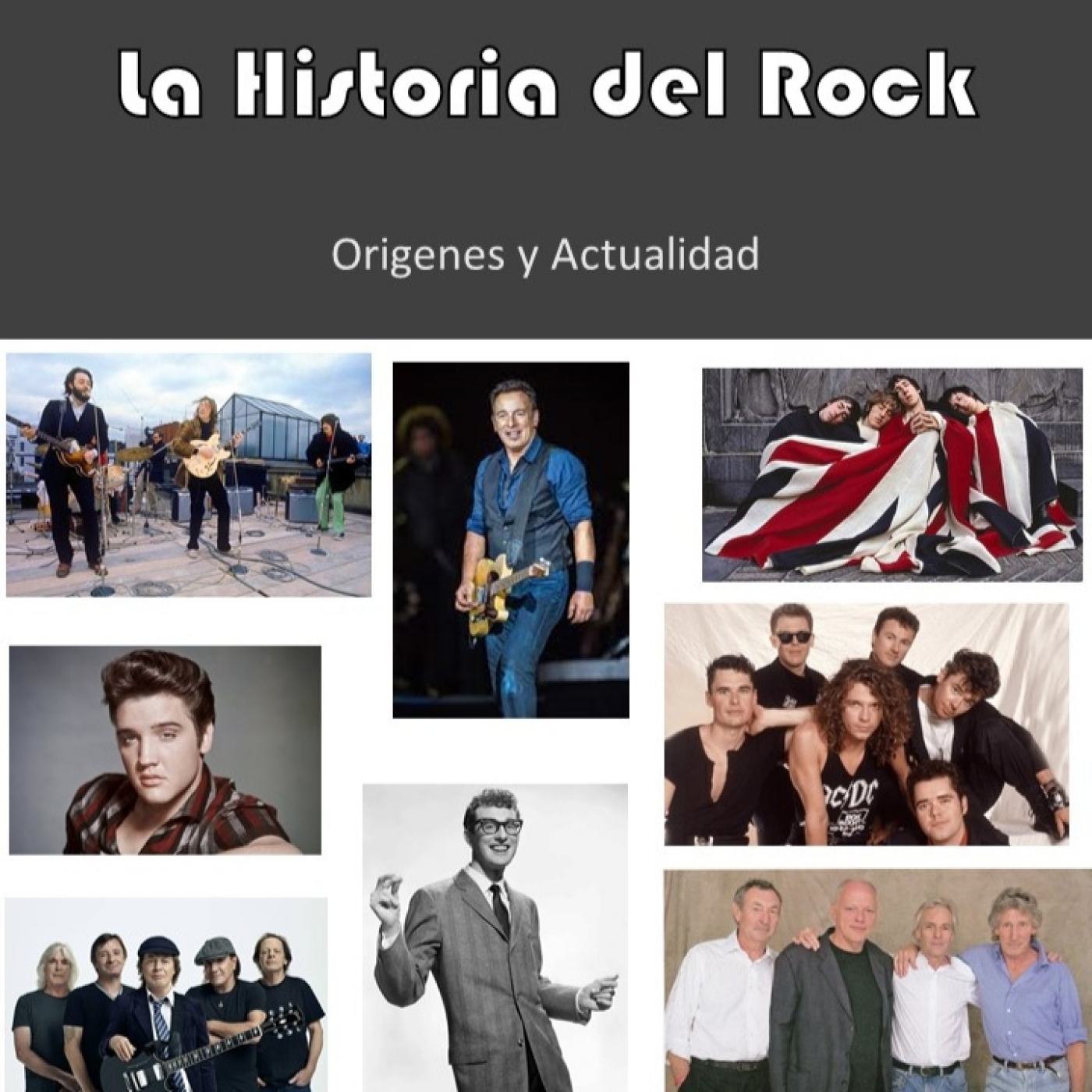
PODCAST · history
Historias Rockeras
by Rockabilly Radio
La música es el soundtrack personal de cada uno. Una canción, una tonada, nos transportan a un momento específico en nuestras vidas, nos traen recuerdos, buenos o malos, pero siempre la música es la gran compañera de esos recuerdos que compartimos con quienes vivieron a nuestro lado. Es la música el medio por el cual podemos regresar a vivir.
-
299
Programa Rockabilly 80B
Rockabilly is one of the earliest styles of rock and roll music. It dates back to the early 1950s in the United States, especially the South. As a genre, it blends the sound of Western musical styles such as country with that of rhythm and blues leading to what is considered "classic" rock and roll. Some have also described it as a blend of bluegrass with rock and roll. The term "rockabilly" itself is a portmanteau of "rock" (from "rock 'n' roll") and "hillbilly", the latter a reference to the country music (often called "hillbilly music" in the 1940s and 1950s) that contributed strongly to the style. Other important influences on rockabilly include Western swing, boogie-woogie, jump blues, and electric blues. Defining features of the rockabilly sound included strong rhythms, boogie woogie piano riffs, vocal twangs, doo-wop acapella singing, and common use of the tape echo; and eventually came to incorporate different instruments and vocal harmonies Initially popularized by artists such as Carl Perkins, Elvis Presley, Johnny Burnette, Jerry Lee Lewis and others, the rockabilly style waned in the late 1950s; nonetheless, during the late 1970s and early 1980s, rockabilly enjoyed a revival. An interest in the genre endures even in the 21st century, often within musical subcultures. Rockabilly has spawned a variety of sub-styles and has influenced the development of other genres such as punk rock.
-
298
Programa Rockabilly 79B
Rockabilly is one of the earliest styles of rock and roll music. It dates back to the early 1950s in the United States, especially the South. As a genre, it blends the sound of Western musical styles such as country with that of rhythm and blues leading to what is considered "classic" rock and roll. Some have also described it as a blend of bluegrass with rock and roll. The term "rockabilly" itself is a portmanteau of "rock" (from "rock 'n' roll") and "hillbilly", the latter a reference to the country music (often called "hillbilly music" in the 1940s and 1950s) that contributed strongly to the style. Other important influences on rockabilly include Western swing, boogie-woogie, jump blues, and electric blues. Defining features of the rockabilly sound included strong rhythms, boogie woogie piano riffs, vocal twangs, doo-wop acapella singing, and common use of the tape echo; and eventually came to incorporate different instruments and vocal harmonies Initially popularized by artists such as Carl Perkins, Elvis Presley, Johnny Burnette, Jerry Lee Lewis and others, the rockabilly style waned in the late 1950s; nonetheless, during the late 1970s and early 1980s, rockabilly enjoyed a revival. An interest in the genre endures even in the 21st century, often within musical subcultures. Rockabilly has spawned a variety of sub-styles and has influenced the development of other genres such as punk rock.
-
297
Programa 78C
Rockabilly is one of the earliest styles of rock and roll music. It dates back to the early 1950s in the United States, especially the South. As a genre, it blends the sound of Western musical styles such as country with that of rhythm and blues leading to what is considered "classic" rock and roll. Some have also described it as a blend of bluegrass with rock and roll. The term "rockabilly" itself is a portmanteau of "rock" (from "rock 'n' roll") and "hillbilly", the latter a reference to the country music (often called "hillbilly music" in the 1940s and 1950s) that contributed strongly to the style. Other important influences on rockabilly include Western swing, boogie-woogie, jump blues, and electric blues. Defining features of the rockabilly sound included strong rhythms, boogie woogie piano riffs, vocal twangs, doo-wop acapella singing, and common use of the tape echo; and eventually came to incorporate different instruments and vocal harmonies Initially popularized by artists such as Carl Perkins, Elvis Presley, Johnny Burnette, Jerry Lee Lewis and others, the rockabilly style waned in the late 1950s; nonetheless, during the late 1970s and early 1980s, rockabilly enjoyed a revival. An interest in the genre endures even in the 21st century, often within musical subcultures. Rockabilly has spawned a variety of sub-styles and has influenced the development of other genres such as punk rock.
-
296
Programa Rockabilly 78B
Rockabilly is one of the earliest styles of rock and roll music. It dates back to the early 1950s in the United States, especially the South. As a genre, it blends the sound of Western musical styles such as country with that of rhythm and blues leading to what is considered "classic" rock and roll. Some have also described it as a blend of bluegrass with rock and roll. The term "rockabilly" itself is a portmanteau of "rock" (from "rock 'n' roll") and "hillbilly", the latter a reference to the country music (often called "hillbilly music" in the 1940s and 1950s) that contributed strongly to the style. Other important influences on rockabilly include Western swing, boogie-woogie, jump blues, and electric blues. Defining features of the rockabilly sound included strong rhythms, boogie woogie piano riffs, vocal twangs, doo-wop acapella singing, and common use of the tape echo; and eventually came to incorporate different instruments and vocal harmonies Initially popularized by artists such as Carl Perkins, Elvis Presley, Johnny Burnette, Jerry Lee Lewis and others, the rockabilly style waned in the late 1950s; nonetheless, during the late 1970s and early 1980s, rockabilly enjoyed a revival. An interest in the genre endures even in the 21st century, often within musical subcultures. Rockabilly has spawned a variety of sub-styles and has influenced the development of other genres such as punk rock.
-
295
Prgrama Rockabilly 78A
Rockabilly is one of the earliest styles of rock and roll music. It dates back to the early 1950s in the United States, especially the South. As a genre, it blends the sound of Western musical styles such as country with that of rhythm and blues leading to what is considered "classic" rock and roll. Some have also described it as a blend of bluegrass with rock and roll. The term "rockabilly" itself is a portmanteau of "rock" (from "rock 'n' roll") and "hillbilly", the latter a reference to the country music (often called "hillbilly music" in the 1940s and 1950s) that contributed strongly to the style. Other important influences on rockabilly include Western swing, boogie-woogie, jump blues, and electric blues. Defining features of the rockabilly sound included strong rhythms, boogie woogie piano riffs, vocal twangs, doo-wop acapella singing, and common use of the tape echo; and eventually came to incorporate different instruments and vocal harmonies Initially popularized by artists such as Carl Perkins, Elvis Presley, Johnny Burnette, Jerry Lee Lewis and others, the rockabilly style waned in the late 1950s; nonetheless, during the late 1970s and early 1980s, rockabilly enjoyed a revival. An interest in the genre endures even in the 21st century, often within musical subcultures. Rockabilly has spawned a variety of sub-styles and has influenced the development of other genres such as punk rock.
-
294
Programa Rockabilly 77C
Rockabilly is one of the earliest styles of rock and roll music. It dates back to the early 1950s in the United States, especially the South. As a genre, it blends the sound of Western musical styles such as country with that of rhythm and blues leading to what is considered "classic" rock and roll. Some have also described it as a blend of bluegrass with rock and roll. The term "rockabilly" itself is a portmanteau of "rock" (from "rock 'n' roll") and "hillbilly", the latter a reference to the country music (often called "hillbilly music" in the 1940s and 1950s) that contributed strongly to the style. Other important influences on rockabilly include Western swing, boogie-woogie, jump blues, and electric blues. Defining features of the rockabilly sound included strong rhythms, boogie woogie piano riffs, vocal twangs, doo-wop acapella singing, and common use of the tape echo; and eventually came to incorporate different instruments and vocal harmonies Initially popularized by artists such as Carl Perkins, Elvis Presley, Johnny Burnette, Jerry Lee Lewis and others, the rockabilly style waned in the late 1950s; nonetheless, during the late 1970s and early 1980s, rockabilly enjoyed a revival. An interest in the genre endures even in the 21st century, often within musical subcultures. Rockabilly has spawned a variety of sub-styles and has influenced the development of other genres such as punk rock.
-
293
Programa Rockabilly 77B
Rockabilly is one of the earliest styles of rock and roll music. It dates back to the early 1950s in the United States, especially the South. As a genre, it blends the sound of Western musical styles such as country with that of rhythm and blues leading to what is considered "classic" rock and roll. Some have also described it as a blend of bluegrass with rock and roll. The term "rockabilly" itself is a portmanteau of "rock" (from "rock 'n' roll") and "hillbilly", the latter a reference to the country music (often called "hillbilly music" in the 1940s and 1950s) that contributed strongly to the style. Other important influences on rockabilly include Western swing, boogie-woogie, jump blues, and electric blues. Defining features of the rockabilly sound included strong rhythms, boogie woogie piano riffs, vocal twangs, doo-wop acapella singing, and common use of the tape echo; and eventually came to incorporate different instruments and vocal harmonies Initially popularized by artists such as Carl Perkins, Elvis Presley, Johnny Burnette, Jerry Lee Lewis and others, the rockabilly style waned in the late 1950s; nonetheless, during the late 1970s and early 1980s, rockabilly enjoyed a revival. An interest in the genre endures even in the 21st century, often within musical subcultures. Rockabilly has spawned a variety of sub-styles and has influenced the development of other genres such as punk rock.
-
292
Programa Rockabilly 77A
The 1950s in America were a time of contrast and rebellion, a period when the clean-cut conformity of post-war prosperity met the restless spirit of the youth setting the perfect stage for the birth of Rockabilly. This was an era where teens craved something different, something that echoed their desire for freedom and excitement, away from the cookie-cutter lifestyle of suburban bliss that their parents aspired to. The air was electric with change—cars were getting faster, skirts were getting shorter, and music… well, music was about to get a whole lot louder.
-
291
Programa Rockabilly 76B
The 1950s in America were a time of contrast and rebellion, a period when the clean-cut conformity of post-war prosperity met the restless spirit of the youth setting the perfect stage for the birth of Rockabilly. This was an era where teens craved something different, something that echoed their desire for freedom and excitement, away from the cookie-cutter lifestyle of suburban bliss that their parents aspired to. The air was electric with change—cars were getting faster, skirts were getting shorter, and music… well, music was about to get a whole lot louder.
-
290
Programa Rockabilly 76A
The 1950s in America were a time of contrast and rebellion, a period when the clean-cut conformity of post-war prosperity met the restless spirit of the youth setting the perfect stage for the birth of Rockabilly. This was an era where teens craved something different, something that echoed their desire for freedom and excitement, away from the cookie-cutter lifestyle of suburban bliss that their parents aspired to. The air was electric with change—cars were getting faster, skirts were getting shorter, and music… well, music was about to get a whole lot louder.
-
289
Programa Rockabilly 75C
The 1950s in America were a time of contrast and rebellion, a period when the clean-cut conformity of post-war prosperity met the restless spirit of the youth setting the perfect stage for the birth of Rockabilly. This was an era where teens craved something different, something that echoed their desire for freedom and excitement, away from the cookie-cutter lifestyle of suburban bliss that their parents aspired to. The air was electric with change—cars were getting faster, skirts were getting shorter, and music… well, music was about to get a whole lot louder.
-
288
Programa Rockabilly 75B
The 1950s in America were a time of contrast and rebellion, a period when the clean-cut conformity of post-war prosperity met the restless spirit of the youth setting the perfect stage for the birth of Rockabilly. This was an era where teens craved something different, something that echoed their desire for freedom and excitement, away from the cookie-cutter lifestyle of suburban bliss that their parents aspired to. The air was electric with change—cars were getting faster, skirts were getting shorter, and music… well, music was about to get a whole lot louder.
-
287
Programa Rockabilly 75A
The 1950s in America were a time of contrast and rebellion, a period when the clean-cut conformity of post-war prosperity met the restless spirit of the youth setting the perfect stage for the birth of Rockabilly. This was an era where teens craved something different, something that echoed their desire for freedom and excitement, away from the cookie-cutter lifestyle of suburban bliss that their parents aspired to. The air was electric with change—cars were getting faster, skirts were getting shorter, and music… well, music was about to get a whole lot louder.
-
286
Programa Rockabilly 74C
The 1950s in America were a time of contrast and rebellion, a period when the clean-cut conformity of post-war prosperity met the restless spirit of the youth setting the perfect stage for the birth of Rockabilly. This was an era where teens craved something different, something that echoed their desire for freedom and excitement, away from the cookie-cutter lifestyle of suburban bliss that their parents aspired to. The air was electric with change—cars were getting faster, skirts were getting shorter, and music… well, music was about to get a whole lot louder.
-
285
Programa Rockabilly 74B
The 1950s in America were a time of contrast and rebellion, a period when the clean-cut conformity of post-war prosperity met the restless spirit of the youth setting the perfect stage for the birth of Rockabilly. This was an era where teens craved something different, something that echoed their desire for freedom and excitement, away from the cookie-cutter lifestyle of suburban bliss that their parents aspired to. The air was electric with change—cars were getting faster, skirts were getting shorter, and music… well, music was about to get a whole lot louder.
-
284
Programa Rockabilly 74A
The 1950s in America were a time of contrast and rebellion, a period when the clean-cut conformity of post-war prosperity met the restless spirit of the youth setting the perfect stage for the birth of Rockabilly. This was an era where teens craved something different, something that echoed their desire for freedom and excitement, away from the cookie-cutter lifestyle of suburban bliss that their parents aspired to. The air was electric with change—cars were getting faster, skirts were getting shorter, and music… well, music was about to get a whole lot louder.
-
283
Programa Rockabilly 73C
The 1950s in America were a time of contrast and rebellion, a period when the clean-cut conformity of post-war prosperity met the restless spirit of the youth setting the perfect stage for the birth of Rockabilly. This was an era where teens craved something different, something that echoed their desire for freedom and excitement, away from the cookie-cutter lifestyle of suburban bliss that their parents aspired to. The air was electric with change—cars were getting faster, skirts were getting shorter, and music… well, music was about to get a whole lot louder.
-
282
Programa Rockabilly 72B
The 1950s in America were a time of contrast and rebellion, a period when the clean-cut conformity of post-war prosperity met the restless spirit of the youth setting the perfect stage for the birth of Rockabilly. This was an era where teens craved something different, something that echoed their desire for freedom and excitement, away from the cookie-cutter lifestyle of suburban bliss that their parents aspired to. The air was electric with change—cars were getting faster, skirts were getting shorter, and music… well, music was about to get a whole lot louder.
-
281
Programa Rockabilly 73B
The 1950s in America were a time of contrast and rebellion, a period when the clean-cut conformity of post-war prosperity met the restless spirit of the youth setting the perfect stage for the birth of Rockabilly. This was an era where teens craved something different, something that echoed their desire for freedom and excitement, away from the cookie-cutter lifestyle of suburban bliss that their parents aspired to. The air was electric with change—cars were getting faster, skirts were getting shorter, and music… well, music was about to get a whole lot louder.
-
280
Programa Rockabilly 72A
The 1950s in America were a time of contrast and rebellion, a period when the clean-cut conformity of post-war prosperity met the restless spirit of the youth setting the perfect stage for the birth of Rockabilly. This was an era where teens craved something different, something that echoed their desire for freedom and excitement, away from the cookie-cutter lifestyle of suburban bliss that their parents aspired to. The air was electric with change—cars were getting faster, skirts were getting shorter, and music… well, music was about to get a whole lot louder.
-
279
Programa Rockabilly 71C
The 1950s in America were a time of contrast and rebellion, a period when the clean-cut conformity of post-war prosperity met the restless spirit of the youth setting the perfect stage for the birth of Rockabilly. This was an era where teens craved something different, something that echoed their desire for freedom and excitement, away from the cookie-cutter lifestyle of suburban bliss that their parents aspired to. The air was electric with change—cars were getting faster, skirts were getting shorter, and music… well, music was about to get a whole lot louder.
-
278
Programa Rockabilly 73A
The 1950s in America were a time of contrast and rebellion, a period when the clean-cut conformity of post-war prosperity met the restless spirit of the youth setting the perfect stage for the birth of Rockabilly. This was an era where teens craved something different, something that echoed their desire for freedom and excitement, away from the cookie-cutter lifestyle of suburban bliss that their parents aspired to. The air was electric with change—cars were getting faster, skirts were getting shorter, and music… well, music was about to get a whole lot louder.
-
277
Programa Rockabilly 72C
The 1950s in America were a time of contrast and rebellion, a period when the clean-cut conformity of post-war prosperity met the restless spirit of the youth setting the perfect stage for the birth of Rockabilly. This was an era where teens craved something different, something that echoed their desire for freedom and excitement, away from the cookie-cutter lifestyle of suburban bliss that their parents aspired to. The air was electric with change—cars were getting faster, skirts were getting shorter, and music… well, music was about to get a whole lot louder.
-
276
Programa Rockabilly 72B
The 1950s in America were a time of contrast and rebellion, a period when the clean-cut conformity of post-war prosperity met the restless spirit of the youth setting the perfect stage for the birth of Rockabilly. This was an era where teens craved something different, something that echoed their desire for freedom and excitement, away from the cookie-cutter lifestyle of suburban bliss that their parents aspired to. The air was electric with change—cars were getting faster, skirts were getting shorter, and music… well, music was about to get a whole lot louder.
-
275
Programa Rockabilly 71B
The 1980s saw a major, energetic revival of 1950s rockabilly—a blend of rock & roll, country, and blues—driven by bands like The Stray Cats. This scene acted as a counter-culture to pop, combining vintage fashion (leather jackets, pompadours) with punk-influenced intensity, spawning genres like psychobilly and keeping the rebellious, "greaser" aesthetic alive.
-
274
Programa Rockabilly 71A
The 1980s saw a major, energetic revival of 1950s rockabilly—a blend of rock & roll, country, and blues—driven by bands like The Stray Cats. This scene acted as a counter-culture to pop, combining vintage fashion (leather jackets, pompadours) with punk-influenced intensity, spawning genres like psychobilly and keeping the rebellious, "greaser" aesthetic alive.
-
273
Programa Rockabilly 70C
The 1980s saw a major, energetic revival of 1950s rockabilly—a blend of rock & roll, country, and blues—driven by bands like The Stray Cats. This scene acted as a counter-culture to pop, combining vintage fashion (leather jackets, pompadours) with punk-influenced intensity, spawning genres like psychobilly and keeping the rebellious, "greaser" aesthetic alive.
-
272
PRograma Rockabilly 70B
El rockabilly experimentó un fuerte revival a principios de los años 80, combinando la estética y sonido de los 50s con la energía del punk, destacando bandas como Stray Cats, The Blasters y The Rockats. Este movimiento neorockabilly reintrodujo el contrabajo, tupés y chaquetas de cuero, mientras surgía el psychobilly como una rama más agresiva y macabra. Artistas Clave: Stray Cats fueron los líderes indiscutibles con éxitos como "Rock This Town". Otros artistas relevantes incluyen a Robert Gordon, The Blasters, The Jets, y en España, Loquillo y Los Rebeldes. Influencia: La inmersión en la estética de los 50s fue un refugio contra la música disco, consolidándose como una subcultura nostálgica pero renovada. Psychobilly: A principios de los 80 nació esta fusión de rockabilly y punk, con estética de terror y ritmo acelerado, muy popular en la escena underground británica. El fenómeno Stray Cats: Su éxito comercial internacional en 1981-1982 popularizó el estilo de peinados con gomina, tatuajes y guitarras Gretsch. En resumen, los 80s no solo recordaron el rockabilly de los 50s, sino que lo actualizaron, convirtiéndolo en un género de culto vibrante y energético.
-
271
Programa Rockabilly 70A
El rockabilly experimentó un fuerte revival a principios de los años 80, combinando la estética y sonido de los 50s con la energía del punk, destacando bandas como Stray Cats, The Blasters y The Rockats. Este movimiento neorockabilly reintrodujo el contrabajo, tupés y chaquetas de cuero, mientras surgía el psychobilly como una rama más agresiva y macabra. Artistas Clave: Stray Cats fueron los líderes indiscutibles con éxitos como "Rock This Town". Otros artistas relevantes incluyen a Robert Gordon, The Blasters, The Jets, y en España, Loquillo y Los Rebeldes. Influencia: La inmersión en la estética de los 50s fue un refugio contra la música disco, consolidándose como una subcultura nostálgica pero renovada. Psychobilly: A principios de los 80 nació esta fusión de rockabilly y punk, con estética de terror y ritmo acelerado, muy popular en la escena underground británica. El fenómeno Stray Cats: Su éxito comercial internacional en 1981-1982 popularizó el estilo de peinados con gomina, tatuajes y guitarras Gretsch. En resumen, los 80s no solo recordaron el rockabilly de los 50s, sino que lo actualizaron, convirtiéndolo en un género de culto vibrante y energético.
-
270
Programa Rockabilly 69C
El rockabilly es un subgénero temprano del rock and roll que surgió en Estados Unidos en la década de 1950, combinando el country con estilos afroamericanos como el rhythm and blues para crear un sonido enérgico y representativo del "rock and roll clásico". Este estilo, que fusionaba la música "hillbilly" (country) con el rock and roll inicial, se popularizó gracias a figuras como Elvis Presley y es recordado por su ritmo, la guitarra síncopa y el uso de repeticiones, generando un ambiente de rebeldía juvenil.
-
269
Programa Rockabilly 69B
El rockabilly es un subgénero temprano del rock and roll que surgió en Estados Unidos en la década de 1950, combinando el country con estilos afroamericanos como el rhythm and blues para crear un sonido enérgico y representativo del "rock and roll clásico". Este estilo, que fusionaba la música "hillbilly" (country) con el rock and roll inicial, se popularizó gracias a figuras como Elvis Presley y es recordado por su ritmo, la guitarra síncopa y el uso de repeticiones, generando un ambiente de rebeldía juvenil.
-
268
Programa Rockabilly 69A
El rockabilly es un subgénero temprano del rock and roll que surgió en Estados Unidos en la década de 1950, combinando el country con estilos afroamericanos como el rhythm and blues para crear un sonido enérgico y representativo del "rock and roll clásico". Este estilo, que fusionaba la música "hillbilly" (country) con el rock and roll inicial, se popularizó gracias a figuras como Elvis Presley y es recordado por su ritmo, la guitarra síncopa y el uso de repeticiones, generando un ambiente de rebeldía juvenil.
-
267
Programa Rockabilly 68C
El rockabilly es un subgénero temprano del rock and roll que surgió en Estados Unidos en la década de 1950, combinando el country con estilos afroamericanos como el rhythm and blues para crear un sonido enérgico y representativo del "rock and roll clásico". Este estilo, que fusionaba la música "hillbilly" (country) con el rock and roll inicial, se popularizó gracias a figuras como Elvis Presley y es recordado por su ritmo, la guitarra síncopa y el uso de repeticiones, generando un ambiente de rebeldía juvenil.
-
266
Programa Rockabilly 68B
El rockabilly es un subgénero temprano del rock and roll que surgió en Estados Unidos en la década de 1950, combinando el country con estilos afroamericanos como el rhythm and blues para crear un sonido enérgico y representativo del "rock and roll clásico". Este estilo, que fusionaba la música "hillbilly" (country) con el rock and roll inicial, se popularizó gracias a figuras como Elvis Presley y es recordado por su ritmo, la guitarra síncopa y el uso de repeticiones, generando un ambiente de rebeldía juvenil.
-
265
Programa Rockabilly 68A
El rockabilly es un subgénero temprano del rock and roll que surgió en Estados Unidos en la década de 1950, combinando el country con estilos afroamericanos como el rhythm and blues para crear un sonido enérgico y representativo del "rock and roll clásico". Este estilo, que fusionaba la música "hillbilly" (country) con el rock and roll inicial, se popularizó gracias a figuras como Elvis Presley y es recordado por su ritmo, la guitarra síncopa y el uso de repeticiones, generando un ambiente de rebeldía juvenil.
-
264
Programa Rockabilly 67C
El rockabilly es un subgénero temprano del rock and roll que surgió en Estados Unidos en la década de 1950, combinando el country con estilos afroamericanos como el rhythm and blues para crear un sonido enérgico y representativo del "rock and roll clásico". Este estilo, que fusionaba la música "hillbilly" (country) con el rock and roll inicial, se popularizó gracias a figuras como Elvis Presley y es recordado por su ritmo, la guitarra síncopa y el uso de repeticiones, generando un ambiente de rebeldía juvenil.
-
263
ProgramaRockabilly 67B
El rockabilly es un subgénero temprano del rock and roll que surgió en Estados Unidos en la década de 1950, combinando el country con estilos afroamericanos como el rhythm and blues para crear un sonido enérgico y representativo del "rock and roll clásico". Este estilo, que fusionaba la música "hillbilly" (country) con el rock and roll inicial, se popularizó gracias a figuras como Elvis Presley y es recordado por su ritmo, la guitarra síncopa y el uso de repeticiones, generando un ambiente de rebeldía juvenil.
-
262
Programa Rockabilly 67A
El rockabilly es un subgénero temprano del rock and roll que surgió en Estados Unidos en la década de 1950, combinando el country con estilos afroamericanos como el rhythm and blues para crear un sonido enérgico y representativo del "rock and roll clásico". Este estilo, que fusionaba la música "hillbilly" (country) con el rock and roll inicial, se popularizó gracias a figuras como Elvis Presley y es recordado por su ritmo, la guitarra síncopa y el uso de repeticiones, generando un ambiente de rebeldía juvenil.
-
261
Programa Rockabilly 66C
El rockabilly es un subgénero temprano del rock and roll que surgió en Estados Unidos en la década de 1950, combinando el country con estilos afroamericanos como el rhythm and blues para crear un sonido enérgico y representativo del "rock and roll clásico". Este estilo, que fusionaba la música "hillbilly" (country) con el rock and roll inicial, se popularizó gracias a figuras como Elvis Presley y es recordado por su ritmo, la guitarra síncopa y el uso de repeticiones, generando un ambiente de rebeldía juvenil.
-
260
Programa Rockabilly 66B
El rockabilly es un subgénero temprano del rock and roll que surgió en Estados Unidos en la década de 1950, combinando el country con estilos afroamericanos como el rhythm and blues para crear un sonido enérgico y representativo del "rock and roll clásico". Este estilo, que fusionaba la música "hillbilly" (country) con el rock and roll inicial, se popularizó gracias a figuras como Elvis Presley y es recordado por su ritmo, la guitarra síncopa y el uso de repeticiones, generando un ambiente de rebeldía juvenil.
-
259
Programa Rockabilly 66A
El rockabilly es un subgénero temprano del rock and roll que surgió en Estados Unidos en la década de 1950, combinando el country con estilos afroamericanos como el rhythm and blues para crear un sonido enérgico y representativo del "rock and roll clásico". Este estilo, que fusionaba la música "hillbilly" (country) con el rock and roll inicial, se popularizó gracias a figuras como Elvis Presley y es recordado por su ritmo, la guitarra síncopa y el uso de repeticiones, generando un ambiente de rebeldía juvenil.
-
258
Programa Rockabilly 65C
El rockabilly es un subgénero temprano del rock and roll que surgió en Estados Unidos en la década de 1950, combinando el country con estilos afroamericanos como el rhythm and blues para crear un sonido enérgico y representativo del "rock and roll clásico". Este estilo, que fusionaba la música "hillbilly" (country) con el rock and roll inicial, se popularizó gracias a figuras como Elvis Presley y es recordado por su ritmo, la guitarra síncopa y el uso de repeticiones, generando un ambiente de rebeldía juvenil.
-
257
Programa Rockabilly 65B
El rockabilly es un subgénero temprano del rock and roll que surgió en Estados Unidos en la década de 1950, combinando el country con estilos afroamericanos como el rhythm and blues para crear un sonido enérgico y representativo del "rock and roll clásico". Este estilo, que fusionaba la música "hillbilly" (country) con el rock and roll inicial, se popularizó gracias a figuras como Elvis Presley y es recordado por su ritmo, la guitarra síncopa y el uso de repeticiones, generando un ambiente de rebeldía juvenil.
-
256
Programa Rockabilly 65A
El rockabilly es un subgénero temprano del rock and roll que surgió en Estados Unidos en la década de 1950, combinando el country con estilos afroamericanos como el rhythm and blues para crear un sonido enérgico y representativo del "rock and roll clásico". Este estilo, que fusionaba la música "hillbilly" (country) con el rock and roll inicial, se popularizó gracias a figuras como Elvis Presley y es recordado por su ritmo, la guitarra síncopa y el uso de repeticiones, generando un ambiente de rebeldía juvenil.
-
255
Programa Rockabilly 64C
El rockabilly es un subgénero temprano del rock and roll que surgió en Estados Unidos en la década de 1950, combinando el country con estilos afroamericanos como el rhythm and blues para crear un sonido enérgico y representativo del "rock and roll clásico". Este estilo, que fusionaba la música "hillbilly" (country) con el rock and roll inicial, se popularizó gracias a figuras como Elvis Presley y es recordado por su ritmo, la guitarra síncopa y el uso de repeticiones, generando un ambiente de rebeldía juvenil.
-
254
Programa Rockabilly 64B
El rockabilly es un subgénero temprano del rock and roll que surgió en Estados Unidos en la década de 1950, combinando el country con estilos afroamericanos como el rhythm and blues para crear un sonido enérgico y representativo del "rock and roll clásico". Este estilo, que fusionaba la música "hillbilly" (country) con el rock and roll inicial, se popularizó gracias a figuras como Elvis Presley y es recordado por su ritmo, la guitarra síncopa y el uso de repeticiones, generando un ambiente de rebeldía juvenil.
-
253
Programa Rockabilly 64A
El rockabilly es un subgénero temprano del rock and roll que surgió en Estados Unidos en la década de 1950, combinando el country con estilos afroamericanos como el rhythm and blues para crear un sonido enérgico y representativo del "rock and roll clásico". Este estilo, que fusionaba la música "hillbilly" (country) con el rock and roll inicial, se popularizó gracias a figuras como Elvis Presley y es recordado por su ritmo, la guitarra síncopa y el uso de repeticiones, generando un ambiente de rebeldía juvenil.
-
252
Programa Rockabilly 63C
El rockabilly es un subgénero temprano del rock and roll que surgió en Estados Unidos en la década de 1950, combinando el country con estilos afroamericanos como el rhythm and blues para crear un sonido enérgico y representativo del "rock and roll clásico". Este estilo, que fusionaba la música "hillbilly" (country) con el rock and roll inicial, se popularizó gracias a figuras como Elvis Presley y es recordado por su ritmo, la guitarra síncopa y el uso de repeticiones, generando un ambiente de rebeldía juvenil.
-
251
Programa Rockabilly 63B
El rockabilly es un subgénero temprano del rock and roll que surgió en Estados Unidos en la década de 1950, combinando el country con estilos afroamericanos como el rhythm and blues para crear un sonido enérgico y representativo del "rock and roll clásico". Este estilo, que fusionaba la música "hillbilly" (country) con el rock and roll inicial, se popularizó gracias a figuras como Elvis Presley y es recordado por su ritmo, la guitarra síncopa y el uso de repeticiones, generando un ambiente de rebeldía juvenil.
-
250
Programa Rockabilly 63A
El rockabilly es un subgénero temprano del rock and roll que surgió en Estados Unidos en la década de 1950, combinando el country con estilos afroamericanos como el rhythm and blues para crear un sonido enérgico y representativo del "rock and roll clásico". Este estilo, que fusionaba la música "hillbilly" (country) con el rock and roll inicial, se popularizó gracias a figuras como Elvis Presley y es recordado por su ritmo, la guitarra síncopa y el uso de repeticiones, generando un ambiente de rebeldía juvenil.
We're indexing this podcast's transcripts for the first time — this can take a minute or two. We'll show results as soon as they're ready.
No matches for "" in this podcast's transcripts.
No topics indexed yet for this podcast.
Loading reviews...
ABOUT THIS SHOW
La música es el soundtrack personal de cada uno. Una canción, una tonada, nos transportan a un momento específico en nuestras vidas, nos traen recuerdos, buenos o malos, pero siempre la música es la gran compañera de esos recuerdos que compartimos con quienes vivieron a nuestro lado. Es la música el medio por el cual podemos regresar a vivir.
HOSTED BY
Rockabilly Radio
CATEGORIES
Loading similar podcasts...
Frequently Asked Questions
How many episodes does Historias Rockeras have?
Historias Rockeras currently has 50 episodes available on PodParley. New episodes are automatically indexed when they're published to the podcast feed.
What is Historias Rockeras about?
La música es el soundtrack personal de cada uno. Una canción, una tonada, nos transportan a un momento específico en nuestras vidas, nos traen recuerdos, buenos o malos, pero siempre la música es la gran compañera de esos recuerdos que compartimos con quienes vivieron a nuestro lado. Es la música...
How often does Historias Rockeras release new episodes?
Historias Rockeras has 50 episodes. Check the episode list to see recent publication dates and frequency.
Where can I listen to Historias Rockeras?
You can listen to Historias Rockeras on PodParley by clicking any episode. We provide an embedded audio player for direct listening, and you can also subscribe via your preferred podcast app using the RSS feed.
Who hosts Historias Rockeras?
Historias Rockeras is created and hosted by Rockabilly Radio.
URL copied to clipboard!