
PODCAST · health
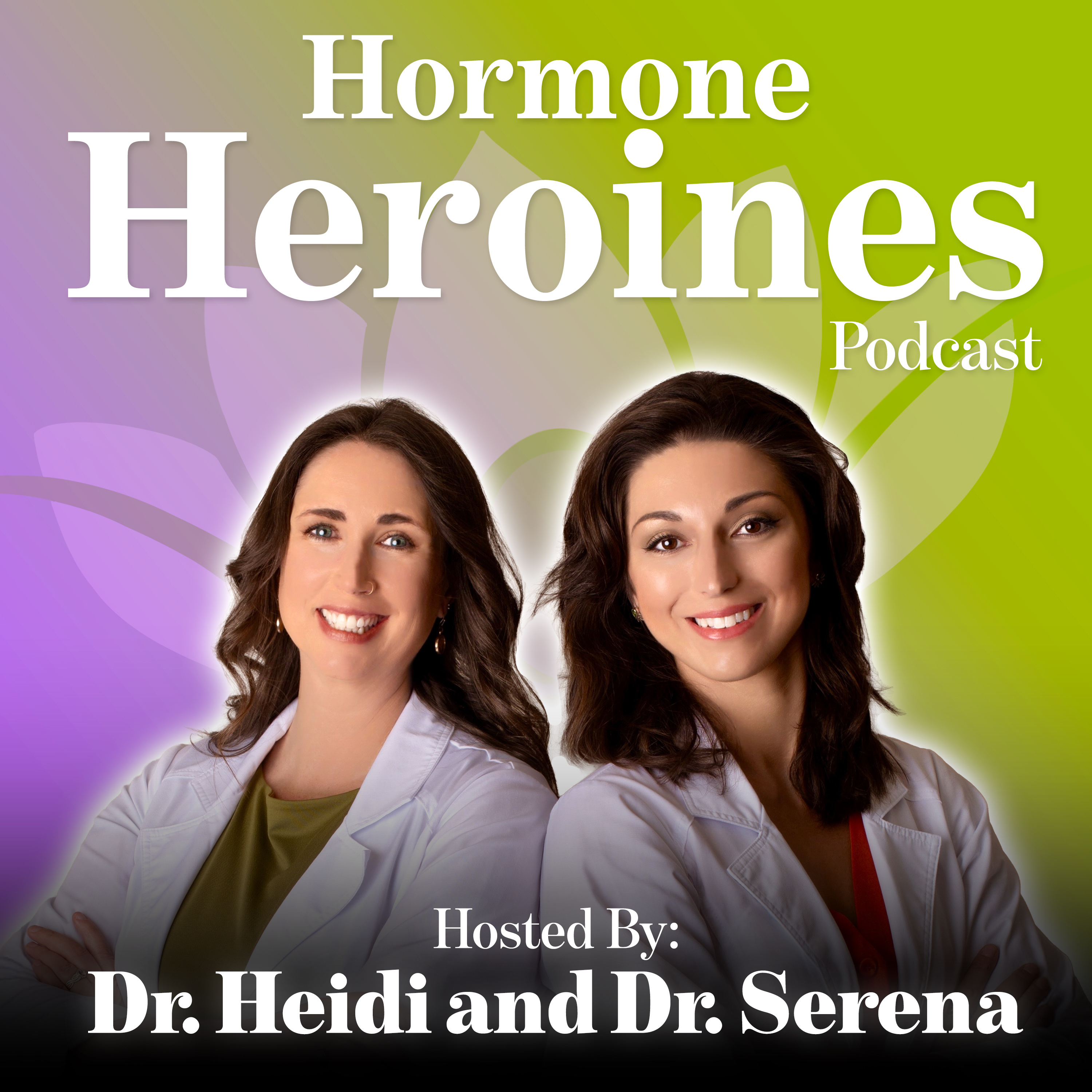
Hormone Heroines Podcast
by Hormone Heroines
Hormones shouldn’t feel confusing. On Hormone Heroines, Dr. Serena Russum and Dr. Heidi Codino share real stories, expert insights, and simple tools to help you understand your body and feel supported through every stage—PMS, fertility, postpartum, perimenopause, and beyond. If you’re ready for clarity, confidence, and conversations that finally make you feel seen, follow Hormone Heroines wherever you get your podcasts.
-
33
Detox, Hormones & Hidden Toxins: What Every Woman Needs to Know
In this episode of Hormone Heroines, we sit down with Jeff Hoyt, wellness innovator and founder of Zeolite Labs, to explore the growing impact of environmental toxins on hormone health and overall wellness.Jeff explains how modern life exposes us to a wide range of toxic stressors, including heavy metals, microplastics, environmental pollutants, poor air quality, contaminated water, and chronic emotional stress. Together, we discuss how these exposures may contribute to inflammation, hormone disruption, and long-term health challenges.Throughout the conversation, Jeff shares his perspective on why the body stores toxins in tissues such as fat, bone, and organs. He explains how this may serve as a short-term survival strategy when the body is unable to efficiently process and eliminate toxic compounds.We also explore the relationship between toxins and hormone health, including the potential impact of endocrine-disrupting chemicals and xenoestrogens found in plastics and other environmental contaminants. Jeff discusses how chronic toxic exposure and inflammation may contribute to hormone imbalances and affect overall health.- - - - -About the Guest:Jeff Hoyt is a wellness innovator, educator, and founder of Zeolite Labs, a company focused on developing zeolite-based products designed to support detoxification and wellness. Jeff is passionate about helping individuals understand environmental toxicity, heavy metals, detoxification strategies, and the role of natural binders in supporting the body's elimination pathways. Through his educational work, he aims to make complex topics surrounding detoxification and health more accessible to practitioners and consumers alike.- - - - -Social HandlesWebsite: https://www.zeolitelabs.com/Facebook: https://www.facebook.com/zeolitelabs/Instagram: https://www.instagram.com/zeolitelabs/- - - - -Hormone HeroinesInstagram: https://www.instagram.com/hormone_heroines/TikTok: https://www.tiktok.com/@hormone_heroinesYoutube: https://www.youtube.com/@HormoneHeroinesWebsite: www.blossominglongevity.comShop Supplements: https://partnerships.timeline.com/BLOSSOMINGLONGEVITSubscribe: Spotify, Apple Podcast & iHeart- - - - -PODCASTThank you for listening.Please subscribe and share.This podcast is produced by DrTalks.comhttps://drtalks.com/podcast-service/
-
32
The Deeper Causes of Hormone Imbalance in Midlife Women
In this episode of Hormone Heroines, we sit down with Jenna Richardson, founder of Princeton Integrative Health and co-host of Smoke, Mirrors, and Menopause, to discuss why hormone imbalance is often about much more than hormones alone.Jenna shares her journey from management consulting into functional and integrative medicine after her infant son experienced health challenges that traditional healthcare struggled to explain. This experience led her to focus on root-cause medicine and helping patients uncover the deeper drivers of chronic symptoms.Throughout the conversation, Jenna explains her philosophy that “when hormones drop, the truth rises.” As estrogen declines during perimenopause and menopause, many women begin experiencing symptoms that reveal long-standing imbalances involving stress, inflammation, gut health, nervous system dysfunction, trauma, and emotional well-being.We explore Jenna’s Health Pyramid framework, which includes physical health, physiologic health, emotional health, and energetic health. She explains why addressing only hormones is often insufficient and why women may continue feeling stuck even when they are eating well, exercising, taking supplements, and following hormone protocols.Jenna also discusses the profound connection between the nervous system and hormone health. Chronic stress can impair healing, increase inflammation, worsen menopause symptoms, and reduce the body’s ability to regulate itself effectively. She shares how unresolved subconscious beliefs and emotional patterns can continue influencing health, relationships, and behaviors for decades.The conversation also highlights challenges within menopause care, including the lack of menopause education among many healthcare providers, widespread misinformation, and the importance of women advocating for themselves when seeking support.Finally, Jenna offers an empowering message for women navigating midlife: menopause is not simply an ending, but an opportunity for self-discovery, healing, and stepping into a more authentic version of yourself.- - - - -About the Guest:Jenna Richardson is the founder of Princeton Integrative Health, a functional medicine practice dedicated to uncovering and addressing the root causes of chronic illness and dysfunction. With a background in management consulting and healthcare strategy, Jenna transitioned into integrative medicine after navigating complex health challenges with her son. She is also the co-host of the podcast Smoke, Mirrors, and Menopause and creator of Energy-Led Leadership, an approach that integrates neuroscience, physiology, identity, and personal transformation to help women create lasting change in health and life.- - - - -Social Handles:Website: https://www.princetonih.com/LinkedIn: https://www.linkedin.com/in/jennamrichardson/Apple Podcasts: Smoke, Mirrors, and Menopause- - - - -Hormone HeroinesInstagram: @hormone_heroinesTikTok: @hormone_heroinesYoutube: @HormoneHeroinesWebsite: www.blossominglongevity.comShop Supplements: https://partnerships.timeline.com/BLOSSOMINGLONGEVITSubscribe: Spotify, Apple Podcast, iHeart- - - - -PODCASTThank you for listening.Please subscribe and share.This podcast is produced by DrTalks.comhttps://drtalks.com/podcast-service/
-
31
From Night Sweats to Innovation: Arielle Cole on Women's Health & Cooling Sleepwear
In this episode of Hormone Heroines, we sit down with Arielle Cole, founder of Arid Blaine, to discuss her personal journey through hypothyroidism, mental health struggles, hormonal symptoms, and entrepreneurship.Arielle shares how being diagnosed with hypothyroidism at a young age made her highly aware of her health and body from early childhood. Later, after experiencing severe mental health challenges in her twenties, she began taking SSRIs, which improved her mental health but caused intense night sweats and chronic sleep disruption.As sleep deprivation began affecting every aspect of her life — from emotional well-being to work performance in the fashion industry — Arielle realized she needed a better solution. Frustrated by being told to simply “live with” the side effects, she began researching cooling fabrics and discovered a major gap in the market: existing cooling sleepwear either lacked effectiveness or style.This realization led her to create Arid Blaine, a cooling sleepwear brand designed for women dealing with medication-induced night sweats, menopause, hormonal changes, pregnancy, chemotherapy, stress, and overheating during sleep.Throughout the conversation, we discuss the importance of normalizing conversations around women’s health, mental health, menopause, hormonal symptoms, and sleep struggles. Arielle also opens up about the vulnerability of building a business rooted in personal experience and how empowering it has been to connect with women facing similar challenges.Finally, Arielle shares her message for listeners: you do not have to accept ongoing discomfort as inevitable. There are solutions, support systems, and ways to advocate for better health and quality of life.- - - - -About the Guest:Arielle Cole is the founder of Arid Blaine, a cooling sleepwear brand designed to help women experiencing night sweats, hormonal changes, menopause, stress, pregnancy, chemotherapy, and sleep disruption. Drawing from her own experience with hypothyroidism, mental health challenges, and medication-induced night sweats, Arielle combined her background in fashion and fabric technology to create stylish, functional sleepwear that prioritizes comfort, confidence, and better sleep for women.- - - - -Hormone HeroinesInstagram: @hormone_heroinesTikTok: @hormone_heroinesYoutube: @HormoneHeroinesWebsite: www.blossominglongevity.comShop Supplements: https://partnerships.timeline.com/BLOSSOMINGLONGEVITSubscribe: Spotify, Apple Podcast, iHeart- - - - -PODCASTThank you for listening.Please subscribe and share.This podcast is produced by DrTalks.comhttps://drtalks.com/podcast-service/
-
30
The Journey of Trauma, Transformation & Spiritual Bodybuilding
In this episode of Hormone Heroines, we sit down with Nahum V. to explore his extraordinary journey through foster care, military service, PTSD, bodybuilding, and deep spiritual healing.Nahum shares how his early life challenges led him into the military, where he trained as an airborne soldier and later became an EOD technician. After deployments and intense experiences in Iraq and Guantanamo Bay, he faced a profound identity crisis, PTSD, and heavy pharmaceutical intervention.Seeking healing, he turned to bodybuilding, psychology, and later somatic therapy—where a powerful emotional release experience reshaped his entire understanding of trauma and the nervous system. This moment became a turning point that led him into spiritual exploration, plant medicine work, and holistic healing practices.We also discuss his books, The Indigo Flame and The Biohacker's Guide to Spiritual Bodybuilding, which explore vulnerability, ego, identity, and the importance of integrating physical training with emotional and spiritual awareness.Finally, Nahum shares his core philosophy on healing: that true transformation comes from integration, self-honesty, community connection, and balancing the physical, emotional, and spiritual aspects of life.- - - - -About the Guest:Nahum V. is a veteran, author, and holistic health practitioner specializing in trauma recovery, somatic healing, fitness, and spiritual integration. Drawing from his experience in the military, bodybuilding world, psychology studies, and plant medicine work, he helps individuals understand the connection between nervous system regulation, identity, and long-term healing. His work focuses on bridging physical training with emotional and spiritual development for sustainable transformation.- - - - -Hormone HeroinesInstagram: @hormone_heroinesTikTok: @hormone_heroinesYoutube: @HormoneHeroinesWebsite: www.blossominglongevity.comShop Supplements: https://partnerships.timeline.com/BLOSSOMINGLONGEVITSubscribe: Spotify, Apple Podcast, iHeart- - - - -PODCASTThank you for listening.Please subscribe and share.This podcast is produced by DrTalks.comhttps://drtalks.com/podcast-service/
-
29
The Hidden Root Causes of Hashimoto's & Thyroid Dysfunction
In this episode of Hormone Heroines, we sit down with Dr. Heather Stone, functional medicine practitioner and thyroid expert, to discuss the real root causes behind hypothyroidism and Hashimoto's thyroiditis.Dr. Stone shares her own personal journey with thyroid dysfunction and explains why so many women are dismissed after being told their thyroid labs are "normal." We explore how thyroid symptoms often stem from deeper imbalances involving blood sugar, stress, hormones, inflammation, gut health, and toxic load.We also discuss the limitations of standard thyroid testing, the importance of comprehensive lab analysis, and why autoimmune thyroid disease requires more than simply replacing thyroid hormones.Finally, Dr. Stone breaks down her seven-pillar thyroid transformation blueprint, including the role of mindset, personalized care, coaching, and sustainable lifestyle habits that support long-term healing and metabolic health.- - - - -About the Guest:Dr. Heather Stone is a leading functional medicine practitioner with more than 20 years of clinical experience helping women overcome hypothyroidism and Hashimoto's thyroiditis. Through her Thyroid Transformation Blueprint, educational programs, books, webinars, and retreats, she has helped thousands of women restore their energy, metabolism, and overall health by addressing the root causes of thyroid dysfunction.- - - - -Social Handles:Instagram: https://www.instagram.com/drheatherstone/Facebook: https://www.facebook.com/reversemycondition/YouTube: https://www.youtube.com/channel/UCwRA4XSwUnTMZvUtRIITDrw- - - - -Hormone HeroinesInstagram: @hormone_heroinesTikTok: @hormone_heroinesYoutube: @HormoneHeroinesWebsite: www.blossominglongevity.comShop Supplements: https://partnerships.timeline.com/BLOSSOMINGLONGEVITSubscribe: Spotify, Apple Podcast, iHeart- - - - -PODCASTThank you for listening.Please subscribe and share.This podcast is produced by DrTalks.comhttps://drtalks.com/podcast-service/
-
28
Beyond the Curve: The Real Root Causes of Scoliosis
In this episode of Hormone Heroines, we sit down with Dr. Mark Morningstar, chiropractic physician and clinical researcher, to explore a functional medicine approach to scoliosis.We discuss why scoliosis is more than just a structural issue and how the brain, hormones, genetics, and gut health all contribute to its development and progression. Dr. Morningstar explains how the body may create a spinal curve as an adaptive response, and why traditional treatments that focus only on the spine may fall short.We also dive into the importance of early intervention, the role of hormones during puberty, and how targeted strategies—including nutrition, neurological retraining, and movement therapies—can support better outcomes.Finally, we explore innovative tools like the scoliosis activity suit and how both children and adults can benefit from a more comprehensive, root-cause approach to care.- - - - -About the Guest:Dr. Mark Morningstar is a renowned chiropractic physician, clinical researcher, and founder of Back Genius. With over 20 years of experience and more than 60 peer-reviewed publications, his work focuses on advancing scoliosis care through functional medicine, neurology, and evidence-based rehabilitation strategies.Website: https://www.backgenius.com/Facebook: http://www.facebook.com/backgeniusInstagram: https://www.instagram.com/dr.mark.morningstarLinkedIn: https://www.linkedin.com/in/mark-morningstar-dc-phd-facsp-dacbn-chs-a4085415/Youtube: https://www.youtube.com/@ScoliosisWorld- - - - -Hormone HeroinesInstagram: @hormone_heroinesTikTok: @hormone_heroinesYoutube: @HormoneHeroinesWebsite: www.blossominglongevity.comShop Supplements: https://partnerships.timeline.com/BLOSSOMINGLONGEVITSubscribe: Spotify, Apple Podcast, iHeart- - - - -PODCASTThank you for listening.Please subscribe and share.This podcast is produced by DrTalks.comhttps://drtalks.com/podcast-service/
-
27
The NAD Connection: How to Support Energy, Metabolism & Healthy Aging for Women
In this episode of Hormone Heroines, we sit down with Lauren Manaker, registered dietitian and women's health expert, to explore the role of NAD in energy production, metabolic health, and healthy aging.We discuss why NAD naturally declines with age, how this may affect women during perimenopause and menopause, and why mitochondrial health matters for everything from fatigue and brain function to ovarian health.Lauren shares practical ways to support healthy NAD levels through foundational habits like sleep, movement, nutrition, and stress management, along with insights into nicotinamide riboside (NR) and how researched supplementation may fit into a broader wellness strategy.- - - - -About the Guest:Lauren Manaker is an award-winning registered dietitian, women's health expert, speaker, and three-time author with more than 22 years of experience translating evidence-based nutrition into practical advice. Her work focuses on women's health, fertility, healthy aging, and helping women navigate wellness information with science-backed guidance.Instagram: https://www.instagram.com/laurenlovesnutrition/?hl=enLinkedIn: https://www.linkedin.com/in/lauren-manaker-ms-rdn-ld-clec-9535816- - - - -Hormone HeroinesInstagram: @hormone_heroinesTikTok: @hormone_heroinesYoutube: @HormoneHeroinesWebsite: www.blossominglongevity.comShop Supplements: https://partnerships.timeline.com/BLOSSOMINGLONGEVITSubscribe: Spotify, Apple Podcast, iHeart- - - - -PODCASTThank you for listening.Please subscribe and share.This podcast is produced by DrTalks.comhttps://drtalks.com/podcast-service/
-
26
Why Stress Is Making Your Hormones Worse (Even If You Eat Healthy & Exercise)
In this episode of Hormone Heroines, we sit down with Dr. Shivani Gupta to explore why stress can negatively impact women’s health even when diet and exercise are optimized. Through an Ayurvedic lens, we discuss the concept of ojas (vitality) and how chronic stress depletes the body’s resilience, leading to fatigue, brain fog, and burnout.Dr. Gupta shares practical strategies to restore balance, including improving sleep, eating for your unique body type, and incorporating simple daily rituals like “tea time” to pause and reset. We also explore the importance of stepping away from constant stimulation, such as social media, and engaging in restorative activities like reading to support mental and emotional wellbeing.- - - - -About the Guest:Dr. Shivani Gupta is an Ayurvedic practitioner, functional medicine expert, and author of The Inflammation Code. She specializes in helping individuals reduce inflammation, restore balance, and improve overall health using integrative approaches that combine ancient Ayurvedic principles with modern science. Through her work, she teaches practical strategies for managing stress, optimizing digestion, and rebuilding the body’s resilience.Website: https://shivanigupta.com/Facebook: https://www.facebook.com/TheShivaniGuptaLinkedIn: https://www.linkedin.com/in/shivaniguptafl/Instagram: https://www.instagram.com/dr.shivanigupta/Youtube: https://www.youtube.com/@dr.shivaniguptaDecode the root causes of inflammation and discover practical strategies for healing. Subscribe to The Inflammation Code on Apple Podcasts and start your journey toward resilience today.- - - - -Hormone HeroinesInstagram: @hormone_heroinesTikTok: @hormone_heroinesYoutube: @HormoneHeroinesWebsite: www.blossominglongevity.comShop Supplements: https://partnerships.timeline.com/BLOSSOMINGLONGEVITSubscribe: Spotify, Apple Podcast, iHeart- - - - -PODCASTThank you for listening.Please subscribe and share.This podcast is produced by DrTalks.comhttps://drtalks.com/podcast-service/
-
25
Understanding Hashimoto's: Root Causes, Symptoms & How to Reverse It
In this episode of Hormone Heroines, we sit down with Dr. Anshul Gupta to explore Hashimoto's disease beyond thyroid hormone imbalance. We discuss why many patients continue to feel unwell despite treatment, the role of mitochondria in energy and symptoms, and the major root causes driving autoimmunity. Dr. Gupta also explains the importance of gut health, infections, toxins, and stress in thyroid dysfunction, and shares a functional medicine approach focused on healing from the root rather than symptom suppression.- - - - -About the Guest:Dr. Anshul Gupta is a board-certified family medicine and functional medicine physician specializing in Hashimoto's disease and autoimmune thyroid disorders. Through his virtual practice, research, and bestselling book Reversing Hashimoto's, he helps patients identify and address root causes of thyroid dysfunction using a functional medicine approach focused on gut health, nutrition, stress, and lifestyle optimization.Website: https://www.anshulguptamd.com/LinkedIn: https://www.linkedin.com/in/dr-anshul-gupta-md-ifmcp-faihm-0103a29/YouTube: https://www.youtube.com/c/AnshulGuptaMDBreak free from Hashimoto’s with Reversing Hashimoto’s by Anshul Gupta, MD—a practical 3-step plan to lose weight, end fatigue, and clear brain fog at the root.- - - - -Hormone HeroinesInstagram: @hormone_heroinesTikTok: @hormone_heroinesYoutube: @HormoneHeroinesWebsite: www.blossominglongevity.comShop Supplements: https://partnerships.timeline.com/BLOSSOMINGLONGEVITSubscribe: Spotify, Apple Podcast, iHeart- - - - -PODCASTThank you for listening.Please subscribe and share.This podcast is produced by DrTalks.comhttps://drtalks.com/podcast-service/
-
24
Postpartum Recovery Explained: Healing, Breastfeeding, Pelvic Floor & What to Expect After Birth
In this episode of Hormone Heroines, Dr. Heidi Codino and Dr. Serena Russum walk through the postpartum recovery journey, sharing what new mothers can expect physically, hormonally, and emotionally after birth. They discuss immediate postpartum care, including bleeding, perineal healing, and pain management strategies such as sitz baths, padcicles, and lidocaine sprays.The conversation also explores abdominal separation (diastasis recti), pelvic floor dysfunction, and the importance of rest and proper core recovery techniques. Breastfeeding challenges, nipple pain, engorgement, and latch issues are addressed along with practical solutions for support and healing.Finally, they highlight bowel health, hemorrhoid care, hormonal shifts, emotional wellbeing, and the critical importance of rest, support systems, and asking for help during the postpartum period.- - - - -About the Host:Dr. Heidi Codino is a physician specializing in women's health, hormone optimization, and postpartum recovery. She focuses on integrative and functional approaches to help women heal after childbirth, including pelvic floor health, hormonal balance, and breastfeeding support.Dr. Serena Russum is a physician dedicated to women's health, reproductive medicine, and functional postpartum care. She helps women navigate postpartum recovery through evidence-based strategies for physical healing, hormone balance, and emotional wellbeing.- - - - -Hormone HeroinesInstagram: @hormone_heroinesTikTok: @hormone_heroinesYoutube: @HormoneHeroinesWebsite: www.blossominglongevity.comShop Supplements: https://partnerships.timeline.com/BLOSSOMINGLONGEVITSubscribe: Spotify, Apple Podcast, iHeart- - - - -PODCASTThank you for listening.Please subscribe and share.This podcast is produced by DrTalks.comhttps://drtalks.com/podcast-service/
-
23
Real Birth Stories (No Sugarcoating)
In this episode of Hormone Heroines, Dr. Heidi Codino and Dr. Serena Russum share three very different birth experiences: a natural hospital birth, a home birth with complications, and a high-risk preterm hospital birth. They discuss labor progression, unexpected interventions, and postpartum recovery, highlighting the importance of preparation, flexibility, and understanding that birth outcomes can be unpredictable.- - - - -About the Host:Dr. Heidi Codino and Dr. Serena Russum are co-hosts of Hormone Heroines, dedicated to educating and supporting women on hormone health, fertility, and wellness. They combine medical knowledge with personal experience to normalize women's health challenges and provide a safe space for discussion.- - - - -Hormone HeroinesInstagram: @hormone_heroinesTikTok: @hormone_heroinesYoutube: @HormoneHeroinesWebsite: www.blossominglongevity.comShop Supplements: https://partnerships.timeline.com/BLOSSOMINGLONGEVITSubscribe: Spotify, Apple Podcast, iHeart- - - - -PODCASTThank you for listening.Please subscribe and share.This podcast is produced by DrTalks.comhttps://drtalks.com/podcast-service/
-
22
Personal Stories of Pregnancy Losses: Honesty, Hormones & Healing
In this episode of the Hormone Heroines Podcast, Dr. Heidi Codino and Dr. Serena Codino explore the realities of pregnancy loss, sharing both personal stories and medical insights. They discuss how common miscarriages are, why they happen, and the emotional and hormonal impacts on women's bodies and minds. The episode emphasizes that grief, anger, relief, or numbness are all valid, and provides guidance on coping, fertility after loss, and finding community support.- - - - -About the Guest:Dr. Heidi Codino and Dr. Serena Codino are co-hosts of Hormone Heroines, dedicated to educating and supporting women on hormone health, fertility, and wellness. They combine medical knowledge with personal experience to normalize women's health challenges and provide a safe space for discussion.- - - - -Hormone HeroinesInstagram: @hormone_heroinesTikTok: @hormone_heroinesYoutube: @HormoneHeroinesWebsite: www.blossominglongevity.comShop Supplements: https://partnerships.timeline.com/BLOSSOMINGLONGEVITSubscribe: Spotify, Apple Podcast, iHeart Radio- - - - -PODCASTThank you for listening.Please subscribe and share.This podcast is produced by DrTalks.comhttps://drtalks.com/podcast-service/
-
21
Role of Menopause & Mitochondria in Women's Aging
In this episode of the Hormone Heroines Podcast, Dr. Heidi Codino and Dr. Sundeep Dugar explore how estrogen drives energy production, mitochondrial health, and overall cellular function. The discussion covers why postmenopausal estrogen loss leads to fatigue, brain fog, muscle loss, and bone density decline. They also highlight Mito Catalyst E, a natural molecule that mimics exercise-induced hormonal effects to promote mitochondrial biogenesis, support metabolism, and enhance muscle and cognitive function. The episode connects hormonal biochemistry, mitochondrial function, exercise, microbiome health, and practical interventions to help women maintain vitality during perimenopause, menopause, and beyond.- - - - -About the Guest:Dr. Sundeep Dugar is a co-inventor of Zetia and Bitorin, with 38 years of experience in drug discovery and over 100 patents. Awarded ACS Inventor of the Year, he specializes in mitochondrial health, hormone biology, and novel therapeutic interventions to support metabolic and muscular function. His work focuses on translating decades of research into clinically validated approaches for women's health and bioenergetics.Explore the science behind Mito Catalyst EWebsite: https://www.blueoaknx.com/science/- - - - -Hormone HeroinesInstagram: @hormone_heroinesTikTok: @hormone_heroinesYoutube: @HormoneHeroinesWebsite: www.blossominglongevity.com- - - - -PODCASTThank you for listening.Please subscribe and share.This podcast is produced by DrTalks.comhttps://drtalks.com/podcast-service/
-
20
Why Mitochondrial Health Matters, And Where Urolithin A Fits In
In this episode of the Hormone Heroines Podcast, the hosts speak with nutrition expert Jen Scheinman about mitochondrial health and why it plays such a critical role in energy, muscle performance, brain function, and the aging process. Mitochondria are often referred to as the "powerhouses of the cell," but they also help regulate cellular repair, communication, and turnover. As people age, mitochondria naturally become damaged and less efficient, which can contribute to symptoms such as fatigue, brain fog, slower exercise recovery, and loss of muscle mass.The conversation explores how hormonal changes—particularly the decline of estrogen during perimenopause and menopause—can further impact mitochondrial function in women. Because mitochondria contain estrogen receptors, shifts in hormone levels can directly influence how effectively cells produce energy and repair themselves.The episode also highlights the emerging research around urolithin A, a compound created when gut microbes metabolize polyphenols found in foods such as pomegranates and berries. Urolithin A supports a cellular process called mitophagy, which helps remove damaged mitochondria and recycle their components to build new, healthier ones. Clinical studies suggest that supporting this mitochondrial renewal process may improve muscle strength, endurance, recovery, and overall cellular health.The hosts also discuss the challenges of obtaining effective levels of urolithin A through diet alone, ongoing research on its potential effects on brain and immune health, and how mitochondrial support may become an important part of healthy aging strategies.- - - - -About the Guest:Jen Scheinman is a registered dietitian and nutrition expert specializing in healthy aging, mitochondrial health, and the science of longevity. She works with the research team behind Timeline Nutrition, where she helps translate emerging scientific research into practical tools that support energy, muscle health, and cellular function.With a background in clinical nutrition and decades of experience working with patients and consumers, Jen focuses on educating people about the importance of cellular health, the role of mitochondria in aging, and how targeted nutrients such as urolithin A may support mitochondrial renewal and overall wellbeing.Explore a breakthrough in healthy aging with Timeline’s award‑winning, clinically proven Mitopure® products — recommended by the Hormone Heroines. Learn more today.https://partnerships.timeline.com/BLOSSOMINGLONGEVITY- - - - -Hormone HeroinesInstagram: @hormone_heroinesTikTok: @hormone_heroinesYoutube: @HormoneHeroinesWebsite: www.blossominglongevity.com- - - - -PODCASTThank you for listening.Please subscribe and share.This podcast is produced by DrTalks.comhttps://drtalks.com/podcast-service/
-
19
Testosterone Isn't Just for Men: Why This Hormone Is Essential for Women's Health
In this episode of the Hormone Heroines Podcast, the hosts explore the role of testosterone in women's health and why it is often overlooked in conversations about hormones. While commonly associated with men, testosterone is a critical hormone for women, influencing energy levels, mood, motivation, libido, muscle development, bone density, and cognitive function. The hosts explain how testosterone gradually declines with age and how this decline may contribute to symptoms such as fatigue, brain fog, reduced exercise performance, and decreased sexual desire.They discuss the importance of proper hormone testing, including measuring both free and total testosterone levels, and why testing should be done in the morning when levels are highest. The conversation also covers the potential benefits and risks of testosterone therapy, including different delivery methods such as creams, pellets, and injections. The hosts emphasize the importance of working with a knowledgeable practitioner to ensure safe dosing and monitoring, as excessive testosterone can lead to side effects such as acne, hair changes, or voice deepening.Finally, the episode highlights lifestyle strategies that support healthy testosterone levels naturally, including resistance training, adequate sleep, stress management, and eating enough dietary fat and protein. The key takeaway is that testosterone is not just a “male hormone”—it plays a critical role in women’s vitality, longevity, and quality of life.- - - - -About the Hosts:Dr. Heidi Codino and Dr. Serena Russum are the founders and co-hosts of the Hormone Heroines Podcast, translating complex hormone science into practical, empowering guidance for women.As clinicians rooted in functional and integrative medicine, they specialize in female hormone balance—from PMS and PCOS to postpartum recovery and perimenopause. Their approach blends evidence-informed medicine with real-world clinical experience, helping women move beyond symptom suppression toward root-cause healing.Hormone Heroines was created to remind women that their symptoms are not random or inevitable—they are signals worth understanding.- - - - -Social Handles:Hormone HeroinesInstagram: @hormone_heroinesTikTok: @hormone_heroinesYoutube: @HormoneHeroinesWebsite: www.blossominglongevity.com- - - - -PODCASTThank you for listening.Please subscribe and share.This podcast is produced by DrTalks.comhttps://drtalks.com/podcast-service/
-
18
Brain Fog Is Not Inevitable: The Hormone–Brain Connection with Dr. Christin Glorioso
In this episode of the Hormone Heroines Podcast, Dr. Christin Glorioso, MD-PhD and CEO of NeuroAge, reframes perimenopause as a neurological transition rather than simply a reproductive milestone. She explains how declining estrogen, progesterone, and testosterone influence mood, memory, sleep, and motivation—and why symptoms like brain fog are signals, not inevitabilities.The conversation explores the nine pillars of healthy brain aging, including exercise, Mediterranean nutrition, sleep, stress management, metabolic health, reaction-time training, trauma healing, community engagement, and toxin reduction. Dr. Glorioso emphasizes that 40–60% of Alzheimer's risk is modifiable through lifestyle choices.She also introduces the concept of measuring biological "brain age" using MRI imaging, cognitive testing, and blood biomarkers—highlighting that brain aging is dynamic and reversible. The key message: don't wait. Early intervention is the most powerful tool for lifelong cognitive vitality.- - - - -About the Guest:Dr. Christin Glorioso is an MD-PhD physician-scientist and the CEO of NeuroAge. Her work focuses on the intersection of hormones, aging, and brain health. Through cutting-edge imaging, biomarker analysis, and cognitive testing, she is helping redefine how we understand cognitive decline—not as an inevitable fate, but as a measurable and modifiable process.Dr. Glorioso's mission is to empower individuals—especially women navigating perimenopause and midlife transitions—to take proactive control of their brain health through science-backed strategies.Think your brain’s younger than you are? Find out with NeuroAge’s AI‑driven brain aging test and start taking control of your cognitive future: https://app.neuroagetx.com/- - - - -Social Handles:Website: https://app.neuroagetx.com/LinkedIn: https://linkedin.com/in/christin-glorioso-md-phd-39627719Instagram: https://www.instagram.com/drglorioso/- - - - -Hormone HeroinesInstagram: @hormone_heroinesTikTok: @hormone_heroinesYoutube: @HormoneHeroinesWebsite: www.blossominglongevity.com- - - - -PODCASTThank you for listening.Please subscribe and share.This podcast is produced by DrTalks.comhttps://drtalks.com/podcast-service/
-
17
Herb Your Enthusiasm: Plant Medicine for Hormone Support Part 2
In this episode of the Hormone Heroines Podcast, the hosts provide a comprehensive overview of how herbal medicine supports hormonal health across every stage of a woman's life, from PMS to perimenopause. Estrogen dominance with low progesterone is common in PMS, and liver-supportive herbs such as Dandelion, Burdock, and Milk Thistle help clear excess estrogen, while Vitex and Evening Primrose Oil support progesterone production. For PMDD, where severe mood swings require nervous system support, herbs like Valerian, Saffron, Rhodiola, and carefully monitored St. John's Wort can help stabilize mood. In PCOS, the focus shifts to reducing androgens and improving insulin sensitivity, often using a biphasic protocol that supports estrogen in the follicular phase and progesterone in the luteal phase, along with Berberine, Inositol (40:1), Spearmint, Saw Palmetto, and White Peony. During pregnancy and postpartum, progesterone support through Evening Primrose Oil and calming nervine herbs such as Lemon Balm, Passionflower, and Lavender help stabilize mood, while Shatavari supports milk supply and Red Raspberry Leaf primes the uterus. For perimenopause, symptom relief strategies include Black Cohosh for hot flashes, Shatavari for libido, and Cramp Bark with California Poppy for uterine discomfort. Across all stages, the key takeaway is that herbs are powerful medicine, and their safe and effective use depends on proper dosing, professional supervision, and careful attention to interactions.- - - - -Dr. Heidi Codino and Dr. Serena Russum are the founders and co-hosts of the Hormone Heroines Podcast, translating complex hormone science into practical, empowering guidance for women.As clinicians rooted in functional and integrative medicine, they specialize in female hormone balance—from PMS and PCOS to postpartum recovery and perimenopause. Their approach blends evidence-informed medicine with real-world clinical experience, helping women move beyond symptom suppression toward root-cause healing.- - - - -Hormone HeroinesInstagram: @hormone_heroinesTikTok: @hormone_heroinesYoutube: @HormoneHeroinesWebsite: www.blossominglongevity.com- - - - -PODCASTThank you for listening.Please subscribe and share.This podcast is produced by DrTalks.comhttps://drtalks.com/podcast-service/
-
16
Herb Your Enthusiasm: Plant Medicine for Hormone Support Part 1
In this episode of the Hormone Heroines Podcast, the hosts provide a comprehensive overview of how herbal medicine can support hormonal health across every stage of a woman’s life—from PMS to perimenopause.They begin by discussing the most common hormonal imbalance pattern: estrogen dominance with low progesterone, often seen in PMS. Liver-supportive herbs such as Dandelion, Burdock, and Milk Thistle help clear excess estrogen, while progesterone-supporting herbs like Vitex and Evening Primrose Oil help restore balance.The conversation then shifts to PMDD, described as “PMS on steroids,” where mood instability and severe emotional symptoms require deeper nervous system support. Herbs like Valerian, Saffron, Rhodiola, and carefully monitored St. John’s Wort are discussed as adjunctive tools alongside medical care.For PCOS, the focus turns to androgen reduction and insulin sensitivity. The hosts outline a biphasic herbal protocol aligned with the menstrual cycle, as well as key metabolic tools like Berberine and Inositol (40:1 ratio). Anti-androgen herbs such as Spearmint, Saw Palmetto, and White Peony are also reviewed.In the postpartum and pregnancy segment, the hosts discuss the dramatic hormone drop after birth and the importance of safe, breastfeeding-compatible herbs like Shatavari. Nervines such as Lemon Balm, Skullcap, Lavender, and Catnip are highlighted for calming support, while Red Raspberry Leaf and Oats are noted as nutritive pregnancy allies.Finally, for perimenopause, the focus shifts from curative protocols to symptom relief. Black Cohosh for hot flashes, Shatavari for libido, and uterine-supportive combinations like Cramp Bark and California Poppy are discussed.The episode closes with an important reminder: herbs are powerful medicine. Proper dosing, professional supervision, and awareness of medication interactions are critical for safe and effective use.Dr. Heidi Codino and Dr. Serena Russum are the founders and co-hosts of the Hormone Heroines Podcast, where they translate complex hormone science into practical, empowering guidance for women.As clinicians deeply rooted in functional and integrative medicine, Drs. Heidi and Serena specialize in female hormone balance across the lifespan—from PMS and PCOS to postpartum recovery and perimenopause. Their approach blends evidence-informed medicine with real-world clinical experience, helping women move beyond symptom suppression and toward true root-cause healing.Through candid conversations, expert interviews, and educational deep dives, they aim to demystify hormones, challenge outdated narratives about women’s health, and equip listeners with tools to advocate for their bodies confidently.Hormone Heroines was created to remind women that their symptoms are not random, dramatic, or “just part of getting older”—they are signals worth understanding.Hormone HeroinesInstagram: @hormone_heroinesTikTok: @hormone_heroinesYoutube: @HormoneHeroinesWebsite: www.blossominglongevity.comPODCASTThank you for listening.Please subscribe and share.This podcast is produced by DrTalks.comhttps://drtalks.com/podcast-service/
-
15
Perimenopause and the Gut-Hormone Connection
Bloating, brain fog, weight gain, and hormone chaos aren’t just “part of getting older.” In this episode of Hormone Heroines, Dr. Emily Wolbers explains how gut health, the estrobolome, stress, and the mind-body connection shape hormone balance during perimenopause—and where women should start to truly heal.In this episode of the Hormone Heroines Podcast, Dr. Emily Wolbers—a naturopathic doctor recognized as one of the top NDs in the U.S.—breaks down the powerful connection between gut health, hormones, and the mind-body system during perimenopause.Dr. Wolbers explains how the estrobolome regulates estrogen metabolism through gut bacteria and enzymes like beta-glucuronidase, influencing whether estrogen is underactive or excessively reabsorbed. She shares the most common gut-related symptoms she sees in perimenopausal women, including bloating, stool changes, brain fog, fatigue, and weight gain—many of which are often dismissed as “just aging.”The conversation dives into microbiome testing, including key bacterial families involved in estrogen balance, the importance of butyrate producers, and how leaky gut and inflammation worsen hormonal symptoms. Dr. Wolbers also explains how chronic stress and elevated cortisol disrupt gut integrity, lower progesterone, and fuel anxiety, poor sleep, and metabolic dysfunction.Rather than extreme elimination diets, Dr. Wolbers advocates for nourishment, dietary diversity, and tools like continuous glucose monitoring (CGM) to personalize nutrition and rebuild trust with food. She shares practical mind-body strategies—such as singing, mindful eating, and activating the cephalic phase of digestion—to support the gut-brain axis and nervous system regulation.The episode closes with realistic healing timelines, reframing perimenopause as a new chapter of self-nourishment, and one simple starting step: incorporating ground flaxseed as a gentle estrogen modulator and microbiome supporter.Dr. Emily Wolbers is a naturopathic doctor and nationally recognized leader in mind-body medicine. She practices full-time at QC Natural Health, where she specializes in gastrointestinal health, the gut-brain connection, and hormone balance during perimenopause. Dr. Wolbers is passionate about integrating the mind, body, and spirit as foundational pillars of healing in modern clinical care.Website: https://www.qcnaturalhealth.com/about-dr-wolbers Youtube: https://www.youtube.com/@qcnaturalhealth Facebook: https://www.facebook.com/qcnaturalhealth/ Instagram: http://instagram.com/qcnaturalhealth Linkedin: https://www.linkedin.com/in/emily-wolbers/ Hormone HeroinesInstagram: @hormone_heroinesTikTok: @hormone_heroinesYoutube: @HormoneHeroinesWebsite: www.blossominglongevity.comPODCASTThank you for listening.Please subscribe and share.This podcast is produced by DrTalks.comhttps://drtalks.com/podcast-service/
-
14
Peptides for Longevity
HRT isn’t always enough. In this episode of Hormone Heroines, Dr. Jannine Krause explains why women still struggle with weight loss, hot flashes, pain, and gut issues despite optimized hormones—and how peptides, bioregulators, and advanced testing can restore true vitality and health span.In this episode of the Hormone Heroines Podcast, Dr. Jannine Krause—a naturopathic doctor and acupuncturist—dives into why Hormone Replacement Therapy (HRT), while foundational, often fails to resolve lingering symptoms in midlife women. She explains that weight loss plateaus, persistent hot flashes, joint pain, and gut dysfunction are frequently driven by inflammation, metabolic imbalance, vascular dysfunction, or impaired tissue repair rather than hormone levels alone.Dr. Krause walks through her advanced diagnostic approach, which includes hormone metabolism testing (saliva, blood, and DUTCH), gut testing with GI Map, micronutrient analysis, and inflammatory markers. These insights help identify when patients need more targeted support beyond hormones.She introduces peptides as “small messengers” that signal the body to heal specific tissues. Foundational peptides like BPC-157 and KPV are highlighted for gut repair, inflammation reduction, ligament and tendon healing, and brain health. For metabolic support, Dr. Krause shares why she prefers low-dose tirzepatide over semaglutide and discusses peptide blends designed for patients seeking alternatives to GLP-1 medications.The conversation also explores bioregulators—cell-level therapies that help “reset” organ function. Pineal gland regulators such as Pinealon and Endolutin are used for stubborn insomnia and circadian rhythm disruption, while Vesugen supports blood vessels and endothelial health, making it particularly helpful for hot flashes and POTS-like symptoms.Throughout the episode, Dr. Krause emphasizes safety, individualized care, and the importance of cycling peptides rather than using them indefinitely. Her clinical philosophy centers on microdosing hormones, layering peptides strategically, and sourcing therapies through trusted medical professionals.The key message: HRT sets the foundation, but peptides and bioregulators are the “icing on the cake” that help women achieve true vitality, resilience, and long-term health span.Dr. Jannine Krause is a naturopathic doctor and licensed acupuncturist specializing in women’s health, hormone optimization, gut health, and regenerative therapies. Known for her integrative and precision-based approach, Dr. Krause helps patients move beyond symptom management by addressing root causes through advanced testing, peptides, bioregulators, and personalized treatment strategies.Website: https://doctorjkrausend.com/ Instagram: https://www.instagram.com/drjanninekrause Youtube: https://www.youtube.com/c/Doctorjkrausendtv Facebook: https://www.facebook.com/docjkrausend/ Pinterest: https://www.pinterest.com/docjkrause/ Hormone HeroinesInstagram: @hormone_heroinesTikTok: @hormone_heroinesYoutube: @HormoneHeroinesWebsite: www.blossominglongevity.comPODCASTThank you for listening.Please subscribe and share.This podcast is produced by DrTalks.comhttps://drtalks.com/podcast-service/
-
13
Cycle Syncing Secrets with Dr. Jen Pfleghaar
Perimenopause isn’t a problem—it’s a transition. In this episode, Dr. Jen Pfleghaar explains the hormonal shifts of perimenopause, how cycle syncing transforms nutrition and training, and why faith, nervous system regulation, and integrative medicine are essential for thriving through hormonal change.In this episode of the Hormone Heroines Podcast, Dr. Jen Pfleghaar—a double board-certified physician in emergency and integrative medicine—breaks down the complex and often misunderstood transition of perimenopause. She explains that while menopause marks the end of ovarian function, perimenopause is a years-long transition defined by declining progesterone and unpredictable estrogen fluctuations.Dr. Jen highlights that women are experiencing perimenopausal symptoms earlier than ever before, often in their 30s, due to chronic stress, nervous system dysregulation, and metabolic dysfunction. Rather than fighting these changes, she encourages women to work with their physiology through cycle syncing.She explains how the follicular phase supports higher-intensity training, fasting, and lower-calorie eating due to increased insulin sensitivity and stress resilience. In contrast, the luteal phase requires a gentler approach—emphasizing recovery-based movement, increased carbohydrates and fats, and avoiding fasting to prevent cortisol spikes and further progesterone depletion.Dr. Jen also shares practical biohacking tools, including using a continuous glucose monitor (CGM) for a full cycle to identify stress and food-related glucose spikes, buffering coffee with fats or amino acids to protect the adrenals, and prioritizing muscle mass as a key buffer against insulin resistance and aging.For hormonal support, she discusses using chaste tree berry (Vitex) in early perimenopause to enhance natural progesterone production and bioidentical progesterone in later stages for sleep, mood, and overall quality of life.Throughout the conversation, Dr. Jen brings a unique “integrative doctor mom” perspective, emphasizing that true healing requires alignment of body, mind, and spirit. She encourages women to regulate their nervous systems, practice discernment with synthetic hormones, and lean into faith, prayer, and scripture during a season that is both physically and spiritually transformative.Dr. Jen Pfleghaar is a double board-certified physician in emergency medicine and integrative medicine. She specializes in women’s hormonal health, perimenopause, metabolic optimization, and cycle syncing. Blending evidence-based medicine with faith-centered wellness, Dr. Jen helps women navigate hormonal transitions with clarity, confidence, and resilience.🎧 The Integrative Health Podcast with Dr. JenThe Integrative Health Podcast with Dr. Jen brings together modern medicine and holistic approaches, offering practical insights to help you support your health through a balanced, root-cause, and whole-person perspective.Listen on SpotifyListen on Apple PodcastsListen on BuzzsproutWebsite: pflegmed.com/dr-jenInstagram: @integrativedrmomHormone HeroinesInstagram: @hormone_heroinesTikTok: @hormone_heroinesYoutube: @HormoneHeroinesWebsite: www.blossominglongevity.comPODCASTThank you for listening.Please subscribe and share.This podcast is produced by DrTalks.comhttps://drtalks.com/podcast-service/
-
12
The Resiliency Method
Why do high performers burn out and get sick? In this episode, Dr. Erika Schultz explains her Resiliency Method—a phased approach to root-cause healing that blends Chinese medicine, functional medicine, and clinical nutrition to restore nervous system balance, reverse chronic illness, and support long-term longevity.In this episode of the Hormone Heroines Podcast, Dr. Erika Schultz—creator of the Resiliency Method—shares a powerful framework for moving from chronic illness to vibrant, long-term health. With a doctorate in Chinese medicine and training in functional medicine and clinical nutrition, Dr. Erika bridges ancient wisdom and modern science to uncover true root causes of disease.She explains that many high-functioning individuals are unknowingly trapped in high-cortisol overdrive. Their nervous systems remain locked in sympathetic “fight-or-flight,” driving inflammation, immune dysfunction, hormonal disruption, and eventually autoimmune and neurocognitive decline.The Resiliency Method follows a structured three-phase approach. Phase 1 focuses on removing barriers to healing by identifying stealth infections, parasites, and environmental or heavy metal toxins, while also restoring nutrition by addressing digestion, absorption, and nervous system stress. Phase 2 emphasizes terrain healing—helping the immune system become adaptable rather than hyperreactive, reversing food sensitivities, and initiating detoxification at the cellular level.Phase 3 is the longevity phase, where deeper repair occurs. This includes addressing cellular senescence, releasing toxins stored in fat, brain tissue, the liver, and even the thoracic spine, and using advanced tools such as hydrogen inhalation therapy to mobilize calcifications and chronic inflammatory “phlegm.”Throughout the episode, Dr. Erika translates Chinese medicine concepts into modern biomedical language, explaining how ancient ideas like phlegm correlate to chronic immune responses, calcification, and autoimmunity. She also discusses the advanced diagnostics she uses, including Neural Zoomer testing, heart sound analysis, and thermography, to track neurological and systemic healing.Her ultimate goal is empowerment—helping patients recognize that the body is intelligent, capable of healing, and far more powerful than they’ve been led to believe.Dr. Erika Schultz is a doctor of Chinese medicine, functional medicine practitioner, and creator of the Resiliency Method. Her work integrates ancient healing principles with modern diagnostics and clinical nutrition to help patients recover from chronic illness, autoimmune conditions, and nervous system dysregulation. Dr. Erika specializes in working with high performers and entrepreneurs, guiding them toward resilience, longevity, and true root-cause healing.Website: https://paramountwell.com/pages/about-erika-schultz?srsltid=AfmBOooxMO83CULy4Yy5P6yDmh6vFVxvQPC7iJ8skYPe2gR8ESmA4PSU Youtube: https://www.youtube.com/@paramountwellness3529 Instagram: https://www.instagram.com/paramountwellness/ Linkedin: https://www.linkedin.com/in/dr-erika-schultz-lac-dacm-acn-9167bb4/Hormone HeroinesInstagram: @hormone_heroinesTikTok: @hormone_heroinesYoutube: @HormoneHeroinesWebsite: www.blossominglongevity.comPODCASTThank you for listening.Please subscribe and share.This podcast is produced by DrTalks.comhttps://drtalks.com/podcast-service/
-
11
Hormones & Protein, how to fix your brain
Hormone balance starts in the brain. In this episode, Laurie Hammer explains why regulating neurotransmitters is essential for hormonal health, how amino acid therapy supports mood, energy, and stress resilience, and why protein and lifestyle foundations matter for women—especially busy moms and those in perimenopause.In this episode of the Hormone Heroines Podcast, Laurie Hammer shares her foundational philosophy: you must fix the brain before you can fix hormones. She explains how neurotransmitter depletion forces the adrenal glands to compensate, creating a chronic stress response that disrupts mood, energy, and hormonal balance.Laurie walks through the five key areas of brain balance—serotonin, endorphins, catecholamines, GABA, and glucose regulation—and explains how specific amino acids support each system. When these pathways are nourished, the body’s communication network stabilizes, often resolving symptoms such as PMS, anxiety, brain fog, irritability, and burnout.She emphasizes that most women are significantly under-eating protein and outlines general protein needs, including higher requirements during perimenopause. Quality sleep, particularly being in bed by 10–10:30 PM, allows the brain’s glymphatic system to detoxify and restore neurotransmitter balance.Laurie also discusses her specialized work with clients struggling with disordered eating. Rather than forcing dietary changes first, she uses amino acids to calm the brain, reduce overwhelm, and create safety in the nervous system. In early healing phases, full-spectrum amino acid solutions can provide protein support without the psychological stress of high-calorie meals.For busy moms, Laurie offers practical strategies to support neurotransmitters daily, including movement, morning sunlight, grounding practices, and simple on-the-go protein options like grass-fed beef sticks or canned salmon. Her approach makes brain and hormone health accessible—even in the busiest seasons of life.Laurie Hammer is a functional health practitioner and educator specializing in brain chemistry, neurotransmitter balance, and amino acid therapy. She is known for her “Fix the Brain First” approach, helping women regulate stress, mood, energy, and hormones by supporting the nervous system alongside foundational lifestyle habits. Laurie works extensively with women experiencing burnout, PMS, perimenopause symptoms, and disordered eating, empowering them to restore balance from the inside out.🎧 Take Back My Brain PodcastTake Back My Brain is a podcast focused on helping you regain clarity and control over your thoughts through practical strategies, honest conversations, and expert insights designed for real-life mental wellness.Listen on SpotifyListen on Apple PodcastsWebsite: https://www.lauriehammer.com/ Facebook: https://www.facebook.com/takebackmybrain Instagram: https://www.instagram.com/takebackmybrain/ Youtube: https://www.youtube.com/channel/UCZw1GBitFZkaR8aSfbaOxeQ Hormone HeroinesInstagram: @hormone_heroinesTikTok: @hormone_heroinesYoutube: @HormoneHeroinesWebsite: www.blossominglongevity.comPODCASTThank you for listening.Please subscribe and share.This podcast is produced by DrTalks.comhttps://drtalks.com/podcast-service/
-
10
Why IBS is not a real diagnosis with Dr. Monica Jauregui
Functional medicine offers a smarter way to address digestive issues. In this episode, Dr. Monica Jauregui explains why IBS is a “non-diagnosis,” how SIBO and leaky gut drive systemic inflammation, and what steps you can take to heal from the root cause.In this episode of the Hormone Heroines Podcast, Dr. Monica Jauregui, an MD practicing functional medicine, shares her insights on why conventional approaches to digestive disorders like IBS often fail. Trained in traditional medicine but personally frustrated by its limits, Dr. Jauregui transitioned to functional medicine to better help patients address the root cause of illness rather than just masking symptoms.She explains that IBS is a non-diagnosis — a term that simply means “we don’t know why your intestines are irritable.” Underneath the label, she commonly sees conditions such as low stomach acid, insufficient digestive enzymes, dysbiosis, and particularly Small Intestinal Bacterial Overgrowth (SIBO).SIBO occurs when bacteria migrate from the large intestine to the small intestine, where they ferment undigested food and produce excess gases like hydrogen, methane, or hydrogen sulfide. This bacterial activity damages the intestinal lining, creating leaky gut, which allows toxins and undigested particles to enter the bloodstream and trigger systemic inflammation.The consequences of leaky gut extend beyond the digestive system, including brain fog, chronic fatigue, sleep disturbances, hormone imbalances, skin issues, joint pain, and even cardiovascular inflammation. Functional medicine addresses these systemic symptoms by targeting the root cause.Diagnosis relies on specialized tests like the SIBO breath test, which measures bacterial gases to determine the type of overgrowth and guide treatment. The core pillars of treatment include:Antimicrobials (pharmaceutical or herbal) to reduce bacterial overgrowth.Supporting digestion by restoring stomach acid and enzymes, and encouraging a “rest and digest” state.Restoring motility to prevent recurrence, addressing nerve damage, chronic stress, or other causes of slowed intestinal movement.Dr. Jauregui emphasizes that gut health is a long-term journey. Even after healing, life events such as perimenopause or chronic stress may trigger recurrence, which requires reassessment and targeted interventions.Dr. Monica Jauregui, MD, is a functional medicine physician who bridges conventional and holistic approaches to healthcare. After experiencing unresolved medical issues herself, she transitioned from traditional practice to functional medicine to focus on personalized, root-cause solutions for patients. Her expertise includes gut health, SIBO, digestive disorders, and systemic inflammation. She is passionate about educating patients and empowering them to achieve lasting wellness.🎧 Truly Healthy MD Podcast with Dr. Monica JaureguiUncover the hidden drivers of chronic illness—from hormone imbalances and gut issues to mold toxicity and autoimmune conditions—with a board-certified internist who’s been there and gets it:Listen on SpotifyListen on Apple PodcastsListen on iHeart RadioWebsite: https://trulyhealthymd.com/ Linkedin: https://www.linkedin.com/in/monica-jauregui-md/ Instagram: https://www.instagram.com/trulyhealthy.md/?hl=enHormone HeroinesInstagram: @hormone_heroinesTikTok: @hormone_heroinesYoutube: @HormoneHeroinesWebsite: www.blossominglongevity.comPODCASTThank you for listening.Please subscribe and share.This podcast is produced by DrTalks.comhttps://drtalks.com/podcast-service/
-
9
Unpopular Opinion: I hate being pregnant
In this raw and honest episode, the hosts share why pregnancy “sucks” for many women — from debilitating nausea and pain to emotional overwhelm and feeling disconnected from their bodies. A must-listen for anyone who has struggled through pregnancy or felt guilty for not loving the experience.In this episode of the Hormone Heroines Podcast, the hosts share their “unpopular opinion”: being pregnant sucks. Though they deeply love babies and fully support pregnancy, their personal experiences have been overwhelmingly challenging.They begin with the first trimester, which they describe as pure survival — marked by Hyperemesis Gravidarum, relentless nausea and vomiting, painful constipation from medications like Zofran, malnourishment, exhaustion, and severe mood changes. Heightened senses and food aversions made eating nearly impossible, and the constant discomfort led to feelings of depression, anxiety, and emotional withdrawal. They also discuss the fear and trauma surrounding miscarriage, which amplified the emotional distress.In the second trimester, while the nausea eased, it was replaced by new forms of pain: pubic symphysis dysfunction, round ligament pain, sciatica, SI joint pain, and the sensation of abdominal muscles tearing. Ongoing anemia made breathing difficult, and early body changes triggered body dysmorphia. Bladder pressure, incontinence, and painful fetal kicks added to the daily discomfort.As they approach the third trimester, the hosts anticipate worsening pain and physical limitations. They describe struggling to sleep, swollen vulvas and varicose veins due to venous congestion, hemorrhoids, and the full-body effects of the hormone relaxin — from loose joints and hip pain to even changes in their feet.They conclude with honesty and compassion: pregnancy is a major trauma to the body, and it’s okay not to enjoy it. They want women to know they are not alone, that not bonding immediately is normal, and that postpartum depression deserves attention and care. Their message is clear: you can hate pregnancy and still be an incredible mother.Dr. Heidi and Dr. Serena are women’s health clinicians, educators, and co-hosts of the Hormone Heroines Podcast. Known for their blend of clinical insight and unfiltered honesty, they aim to normalize the full spectrum of women’s health experiences — from fertility and hormones to pregnancy, postpartum, and beyond.Both hosts have personally navigated difficult pregnancies, miscarriages, and the emotional complexities that come with motherhood. Their mission is to create a space where women feel informed, supported, and never alone in their health journeys. Through candid conversations and evidence-based education, they empower women to understand their bodies, challenge stigma, and reclaim the narratives around womanhood.Hormone HeroinesInstagram: @hormone_heroinesTikTok: @hormone_heroinesYoutube: @HormoneHeroinesWebsite: www.blossominglongevity.comPODCASTThank you for listening. Please subscribe and share.This podcast is produced by DrTalks.comhttps://drtalks.com/podcast-service/
-
8
Women's Healthspans vs Lifespan
Dr. Pat McShane, retired fertility specialist with 40+ years of experience, breaks down the true drivers of women’s health after menopause. Learn about metabolic shifts, disease prevention, healthspan vs. lifespan, and the essential lifestyle strategies every postmenopausal woman should know.In this episode of the Hormone Heroines Podcast, hosts Dr. Heidi and Dr. Serena welcome Dr. Pat McShane, a retired fertility specialist with over 40 years of clinical experience, who now dedicates her work to educating postmenopausal women through her series Women's Health Span.Dr. McShane explains the deep information gap facing women after menopause — from contradictory, click-bait health advice to the feeling of medical abandonment when gynecologic care shifts away from reproductive concerns. She emphasizes the importance of credible research sources like the UK Biobank, NHANES, and the Women’s Health Initiative in understanding long-term health outcomes.The conversation explores the profound metabolic transitions triggered by the loss of estrogen, progesterone, and testosterone — including increased risks of cardiovascular disease, diabetes, dementia, frailty, and certain cancers. She highlights the distinction between lifespan and healthspan, noting that while women often live into their 80s, functional independence commonly begins declining in their late 60s. Improving healthspan means reducing this gap.Dr. McShane stresses that it is never too late to improve strength, mobility, and vitality — even in one’s 70s or 80s. Movement is her number-one recommendation, calling it the "secret sauce" of healthy aging. She offers practical tips: walking after meals, lifting groceries, taking stairs, practicing balance, and adding resistance training.The episode also addresses why information for older women is lacking — from decades of medical research excluding women to ongoing disparities and internalized beliefs about aging. Dr. McShane’s message is clear: women can remain active, joyful, and independent well into their later years with simple, consistent lifestyle habits.Dr. Pat McShane is a retired fertility specialist with more than four decades of clinical experience. After recognizing the lack of credible health information for postmenopausal women, she founded Women’s Health Span, a platform dedicated to evidence-based guidance on aging, metabolism, and long-term vitality.Her mission is to help women extend their healthspan — the years lived in good health, strength, and independence — through movement, nutrition, and science-supported lifestyle choices.LinkedIn: https://www.linkedin.com/in/pat-mcshane-0535ba3/ Website: www.womenshealthspan.net YouTube: https://www.youtube.com/@mcshanepmcshane9303 Women’s Healthspan Voices with Dr. Pat McShane Clear answers and real conversations to help women thrive after menopause—because aging isn’t decline, it’s living smarter, longer, better:Listen on SpotifyListen on Apple PodcastsListen on iHeart RadioHormone HeroinesInstagram: @hormone_heroinesTikTok: @hormone_heroinesYoutube: @HormoneHeroinesWebsite: www.blossominglongevity.comPODCASTThank you for listening. Please subscribe and share.This podcast is produced by DrTalks.comhttps://drtalks.com/podcast-service/
-
7
Hormone Foundations: How Food, Stress & Gut Health Shape Your Cycle
Discover the core foundations of hormone health — nutrition, stress, sleep, gut health, and detoxification. Learn why most women experience hormone imbalances and how lifestyle, food habits, and environmental factors impact metabolism, mood, perimenopause, and longevity.In this episode of the Hormone Heroines Podcast, we explore the powerful foundations that regulate women’s hormones — and why many symptoms often blamed on age or “just being a woman” are actually rooted in lifestyle, stress, nutrition, and gut health. We break down how chronic stress disrupts the HPA axis, suppresses ovarian function, and accelerates hormone metabolism, creating issues like anovulation, mood swings, and metabolic dysfunction.You’ll learn why whole foods, adequate protein, healthy fats, and fiber are critical for healthy estrogen, progesterone, and testosterone levels — and why restrictive dieting, fasting, and ultra-processed foods disrupt hormonal rhythms.We also dive deep into gut health, including the estrobolome, inflammation, and the connection between the gut, brain, and endocrine system.Whether you're cycling, in perimenopause, or post-menopausal, this episode provides actionable steps: eat enough food, move regularly (strength training especially), reduce stress, sleep well, and support detox organs so hormones can function the way they’re meant to.Drs. Heidi Codino and Serena Russum are women’s health experts and the hosts of the Hormone Heroines Podcast.Together, they bring decades of clinical experience in integrative women’s health, hormone optimization, natural medicine, and lifestyle-based healing.Their mission is to empower women with education, tools, and foundational strategies that support hormone balance, longevity, and overall vitality.Hormone HeroinesInstagram: @hormone_heroinesTikTok: @hormone_heroinesYoutube: @HormoneHeroinesWebsite: www.blossominglongevity.comPODCASTThank you for listening. Please subscribe and share.This podcast is produced by DrTalks.comhttps://drtalks.com/podcast-service/
-
6
How Hormones healed my patients and my practice with Dr. Clint Carter
Dr. Clint Carter, former ER physician, shares his journey to patient-centered care through Bioidentical Hormone Replacement Therapy (BHRT). Learn how hormones, peptides, and holistic medicine transform lives and revitalize medical practice.----In this episode of the Hormone Heroines Podcast, Dr. Clint Carter — board-certified physician and founder of MyMD Select — shares his transition from emergency medicine burnout to holistic, patient-centered care. Discover how his personal journey with low testosterone and Hashimoto’s thyroiditis inspired a passion for Bioidentical Hormone Replacement Therapy (BHRT) and functional medicine.Dr. Carter explains how BHRT helps women in perimenopause and menopause regain energy, focus, and stable moods, while also supporting men facing early-onset low testosterone and fertility concerns. He also highlights the role of peptides, such as CJC-1295/Ipamorelin and Thymosin Alpha-1, and IV therapies in improving sleep, immunity, and recovery.Listeners gain insights into how holistic medicine can revitalize both patient lives and physician practices, providing real solutions where traditional medicine may fall short.----Dr. Clint Carter is a board-certified physician and founder of MyMD Select, a Direct Primary Care practice focused on holistic, patient-centered medicine. After a decade in emergency medicine, Dr. Carter embraced Bioidentical Hormone Replacement Therapy (BHRT), peptides, and IV therapies to help patients optimize health naturally. His approach empowers both patients and providers to achieve improved well-being and professional fulfillment.----Clint Carter, MD Website: https://mymdselect.com/Instagram: https://www.instagram.com/mymdselect/Facebook: https://www.facebook.com/mymdselectETX----MyMD Unscripted Candid conversations at the intersection of medicine, mindset, and modern health—where real doctors talk real life:Listen on SpotifyListen on Apple PodcastsListen on iHeart RadioWatch on YouTube----Hormone HeroinesInstagram: @hormone_heroinesTikTok: @hormone_heroinesYoutube: @HormoneHeroinesWebsite: www.blossominglongevity.com----PODCASTThank you for listening. Please subscribe and share.This podcast is produced by DrTalks.comhttps://drtalks.com/podcast-service/
-
5
Birth Control Chronicles
Explore hormonal and non-hormonal birth control with the Hormone Heroines. Learn how various methods work, the difference between hormonal generations, common side effects, IUD insertion updates, and how to choose the right contraception for your body.----In this episode of the Hormone Heroines Podcast, we explore the full landscape of birth control — from pills and patches to IUDs, implants, and fertility awareness. The discussion begins with how hormonal birth control works: preventing ovulation, thickening cervical mucus, and thinning the uterine lining to stop pregnancy before it starts.We break down the two main hormonal categories: combo methods (estrogen + progestin) and progestin-only methods, including pills, shots, implants, and hormonal IUDs. The episode also explains the four generations of progestins and how they differ in side effects like acne, mood changes, bloating, and clot risk.Listeners also learn about non-hormonal choices such as condoms, copper IUDs, and fertility-awareness–based methods — plus permanent options like vasectomy and tubal ligation. Throughout the episode, we highlight the importance of individualized care, noting that birth control tolerance varies greatly based on genetics, hormone levels, and life stage.----Dr. Heidi and Dr. Serena are women’s health experts dedicated to helping women understand their hormones, bodies, and options through clear, evidence-based conversations. With backgrounds in functional medicine, integrative wellness, and women’s hormone health, they simplify complex topics and empower listeners with practical, real-world guidance. Their mission is to provide women with the knowledge they need to make confident, informed decisions about their health — from birth control to menopause and everything in between.----Hormone HeroinesInstagram: @hormone_heroinesTikTok: @hormone_heroinesYoutube: @HormoneHeroinesWebsite: www.blossominglongevity.com----PODCASTThank you for listening. Please subscribe and share.This podcast is produced by DrTalks.comhttps://drtalks.com/podcast-service/
-
4
Is Your Gut Sabotaging Your Hormones?
Dr. Julia Ward, functional medicine physician, reveals how gut health directly shapes hormone balance — from estrogen and cortisol to thyroid function. Discover how restoring the gut can resolve PMS, fatigue, and hormonal chaos naturally.----In this episode of the Hormone Heroines Podcast, Dr. Julia Ward — a physician specializing in functional and root-cause medicine — explores the intricate gut-hormone connection. She explains how the gut microbiome regulates hormone metabolism and detoxification, especially for estrogen, cortisol, and thyroid hormones.Listeners learn about the estrobolome, the group of gut bacteria responsible for estrogen balance, and how imbalances can cause estrogen dominance or deficiency. Dr. Ward also connects chronic stress and inflammation to elevated cortisol, adrenal fatigue, and even insulin resistance — key drivers of hormonal and metabolic dysfunction.Dr. Ward concludes with a powerful case study — a woman suffering from PMS, bloating, and brain fog who regained her energy and hormonal balance by addressing dysbiosis and leaky gut in just three months.----Dr. Julia Ward is a functional medicine physician with over a decade of experience helping women uncover and treat the root causes of hormonal and metabolic imbalance. Her approach integrates gut restoration, hormone testing, and personalized nutrition to help patients heal naturally from the inside out.----Julia Ward, MDInstagram: @DrJuliaWardhttps://www.instagram.com/drjuliaward/?hl=en----🎧 The Functional Edge with Dr. Julia Ward Cutting-edge insights on functional medicine, longevity, and whole-body wellness:Listen on SpotifyListen on Apple PodcastsListen on iHeart RadioWatch on YouTubeDr. Serena and Dr. Heidi are experts in women’s hormone and functional health, specializing in strategies to maintain muscle, mobility, and cognitive function during perimenopause and menopause. They combine clinical experience with personal journeys to empower women to age stronger and healthier.----Hormone HeroinesInstagram: @hormone_heroinesTikTok: @hormone_heroinesYoutube: @HormoneHeroinesWebsite: www.blossominglongevity.com----PODCASTThank you for listening. Please subscribe and share.This podcast is produced by DrTalks.comhttps://drtalks.com/podcast-service/
-
3
Menopause Muscle or Lack There Of
Dr. Serena and Dr. Heidi explore how maintaining muscle during perimenopause and menopause supports longevity, metabolic health, bone density, cognitive function, and independence. Learn practical strategies including strength training, nutrition, and bioidentical hormone support.----In this episode of the Hormone Heroines Podcast, Dr. Serena and Dr. Heidi discuss the vital role of muscle for women during perimenopause and menopause. They explain how muscle supports metabolic health, bone strength, cognitive function, and independence, while hormonal declines accelerate muscle loss and fat gain.Listeners learn how bioidentical hormone replacement therapy (BHRT) — including estrogen, testosterone, and progesterone — can support muscle maintenance and repair. For women not using BHRT, lifestyle strategies like strength training, proper protein intake, anti-inflammatory nutrition, supplements, and stress management are essential.The episode also highlights the vicious cycle of declining hormones leading to muscle loss, reduced mobility, chronic disease risk, and mental health challenges. Dr. Heidi encourages women to shift focus from aesthetics to functional strength, mobility, and cognitive health for sustainable long-term wellbeing.----Dr. Serena and Dr. Heidi are experts in women’s hormone and functional health, specializing in strategies to maintain muscle, mobility, and cognitive function during perimenopause and menopause. They combine clinical experience with personal journeys to empower women to age stronger and healthier.----Hormone HeroinesInstagram: @hormone_heroinesTikTok: @hormone_heroinesYoutube: @HormoneHeroinesWebsite: www.blossominglongevity.com----PODCASTThank you for listening. Please subscribe and share.This podcast is produced by DrTalks.comhttps://drtalks.com/podcast-service/
-
2
PCOS Secrets: Beyond Hormones
Dr. Chelsea Eilts reveals the neuroendocrine and metabolic roots of PCOS, beyond simple hormone imbalances. Learn functional strategies for blood sugar, stress, and circadian rhythm to restore balance and reclaim your health.----In this episode of the Hormone Heroines Podcast, Dr. Chelsea Eilts, a naturopathic doctor and functional health expert, explains that PCOS is more than a hormone issue — it’s a neuroendocrine metabolic disorder. She dives into the root causes, including blood sugar instability, adrenal stress, and circadian rhythm disruption, offering functional solutions beyond conventional symptom management.Listeners learn actionable strategies: stabilizing blood sugar through nutrition, supporting adrenal health with stress reduction and adaptogens, and restoring circadian rhythms through light, movement, and sleep optimization. Dr. Eilts emphasizes that long-term symptom resolution is possible with consistent lifestyle and functional interventions, challenging the myth that women must simply "manage" PCOS forever.----Dr. Chelsea Eilts is a naturopathic doctor, doctor of classical Chinese medicine, and functional health expert. She empowers women to understand and address the root causes of PCOS and other hormonal imbalances through holistic, science-backed strategies.----Instagram: @hormone_heroinesTikTok: @hormone_heroinesYoutube: @HormoneHeroinesWebsite: www.blossominglongevity.com----Dr. Chelsea's website: www.aurumsage.comSomatic Guided practice: https://drive.google.com/file/d/1TFbAs4iez28na0w2V1yBWLK6BL7n3rx8/view?usp=sharing----PODCASTThank you for listening. Please subscribe and share.This podcast is produced by DrTalks.comhttps://drtalks.com/podcast-service/
-
1
How We Finally Healed Our Bodies and Found Balance
Two women doctors reveal the untold truth about hormonal chaos — from burnout, infertility, and mood swings to true healing through functional medicine and BHRT. Learn how to restore balance and feel like yourself again while hearing their own personal stories.----In this powerful first episode of Hormone Heroines Podcast, co-hosts Dr. Serena and Dr. Heidi share their deeply personal stories that inspired their careers in holistic medicine.Dr. Serena recounts her struggles with athletic amenorrhea, multiple miscarriages, and the long-term side effects of hormonal birth control. She explains how holistic medicine — stress reduction, gut healing, and targeted supplementation — helped her conceive naturally. Later, during her second pregnancy journey, she found renewed stability and hope through bioidentical progesterone therapy (BHRT).Dr. Heidi reflects on a lifetime of hormonal turmoil — from severe PMDD and Hyperemesis Gravidarum to a near-death experience during childbirth. Years later, Hashimoto's diagnosis explained her ongoing fatigue and mood swings. She now manages perimenopause with bioidentical hormones, strength training, and nutrition, crediting these tools for restoring her vitality.Together, they emphasize that stress, lifestyle, and gut health profoundly affect hormonal balance — and that women deserve better education, options, and medical support. Their message is one of hope: you can reclaim your health, no matter your hormonal stage or history.----Functional medicine doctors, mothers, and hormone experts, Dr. Heidi and Dr. Serena help women rewrite their health stories through root-cause medicine and real-world compassion.-----Instagram: @hormone_heroinesTikTok: @hormone_heroinesYoutube: @HormoneHeroinesWebsite: www.blossominglongevity.com----GDF 15 and Dr. Marlena Fejzo the geneticist who discovered it:https://www.aaas.org/news/geneticist-wins-womens-health-prize-pioneering-discoveries-about-severe-morning-sicknesshttps://www.hyperemesis.org/news/nature2023/----Dr. Vonda Wright's book "Unbreakable: A Woman's Guide to Aging With Power"----PODCASTThank you for listening. Please subscribe and share.This podcast is produced by DrTalks.comhttps://drtalks.com/podcast-service/
-
0
Hormone Heroines Podcast Trailer
Hormone Heroines Podcast Trailer
We're indexing this podcast's transcripts for the first time — this can take a minute or two. We'll show results as soon as they're ready.
No matches for "" in this podcast's transcripts.
No topics indexed yet for this podcast.
Loading reviews...
ABOUT THIS SHOW
Hormones shouldn’t feel confusing. On Hormone Heroines, Dr. Serena Russum and Dr. Heidi Codino share real stories, expert insights, and simple tools to help you understand your body and feel supported through every stage—PMS, fertility, postpartum, perimenopause, and beyond. If you’re ready for clarity, confidence, and conversations that finally make you feel seen, follow Hormone Heroines wherever you get your podcasts.
HOSTED BY
Hormone Heroines
Loading similar podcasts...
Frequently Asked Questions
How many episodes does Hormone Heroines Podcast have?
Hormone Heroines Podcast currently has 34 episodes available on PodParley. New episodes are automatically indexed when they're published to the podcast feed.
What is Hormone Heroines Podcast about?
Hormones shouldn’t feel confusing. On Hormone Heroines, Dr. Serena Russum and Dr. Heidi Codino share real stories, expert insights, and simple tools to help you understand your body and feel supported through every stage—PMS, fertility, postpartum, perimenopause, and beyond. If you’re ready for...
How often does Hormone Heroines Podcast release new episodes?
Hormone Heroines Podcast has 34 episodes. Check the episode list to see recent publication dates and frequency.
Where can I listen to Hormone Heroines Podcast?
You can listen to Hormone Heroines Podcast on PodParley by clicking any episode. We provide an embedded audio player for direct listening, and you can also subscribe via your preferred podcast app using the RSS feed.
Who hosts Hormone Heroines Podcast?
Hormone Heroines Podcast is created and hosted by Hormone Heroines.
URL copied to clipboard!