
PODCAST · science
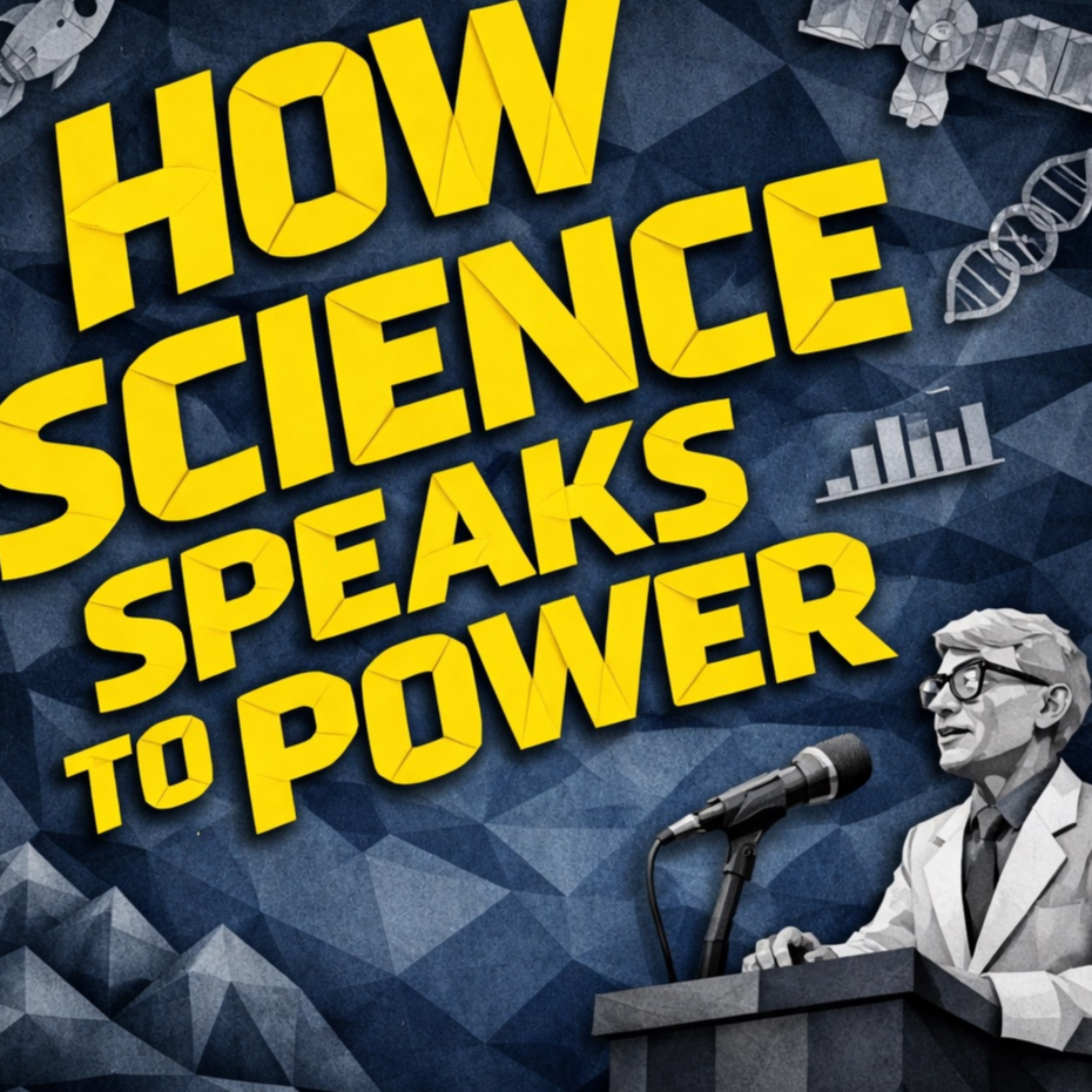
How Science Speaks to Power
by Roger Jacobs
Why can good science fail to inform good policy? Let's explore how advocates in policymaking- the public, scientists, lobbyists, industry and governments can act to distort, silence or amplify the impact of relevant science during policy-making. We will take a case study approach to explore, for instance, how social media interfered with the adoption of a radical new surgery, or why Big Pharma is not developing new antibiotics. Hosted by Roger Jacobs and McMaster University undergraduates. More resources at howsciencespeakstopower.net
-
4
TRAILER- How Science Speaks to Power
What we do:We investigate when science is (mis)presented in policy discussion, and how stakeholders shape and target their evidence to influence policy determination. Each episode is a new case study, explored with McMaster University students.
-
3
Why can't Big Pharma slay Antibiotic Resistance?
Big Pharma makes billions from medicine you may take for life, but their profit from marketing a drug you may need once in your life is too low to justify the effort. Science is coming up with many new antibiotic candidates , and we really need them- because superbugs are resistant to the antibiotics we already have. Our current system of funding new drugs is not working for us.We talk to researchers and patients about the obstacles and new ways forward to cure sepsis and develop drugs of high social value.
-
2
Liberation Therapy: How Social Media damaged trust in Medicine
Multiple Sclerosis (MS) is a debilitating and potentially terminal neurodegenerative disease where the immune system attacks the brain. Neurologists dominate the research and development of therapy. Imagine how upset they were when a vascular surgeon claimed to cure MS by opening collapsing veins from the brain? MS patients were clamouring for a treatment neurologists did not trust. Social media was filled with reports from patients reporting recovery. The resulting struggle to test and approve "Liberation Therapy" is a case study in how non-experts can derail the slow and methodical process of testing and approving a new treatment.
-
1
Red Dye 3: Why was it really banned?
In 2025 the US Food and Drug Administration banned Red Dye 3, as it has been linked to cancer in rats, but only if simultaneously treated with another drug, and at incredibly high dose. Some countries ban the dye because natural alternatives exist. Others merely limit the dose.We talk to experts and lobbyists central to this policy debate, and discover cancer may have been used as a proxy to advance another cause......
We're indexing this podcast's transcripts for the first time — this can take a minute or two. We'll show results as soon as they're ready.
No matches for "" in this podcast's transcripts.
No topics indexed yet for this podcast.
Loading reviews...
ABOUT THIS SHOW
Why can good science fail to inform good policy? Let's explore how advocates in policymaking- the public, scientists, lobbyists, industry and governments can act to distort, silence or amplify the impact of relevant science during policy-making. We will take a case study approach to explore, for instance, how social media interfered with the adoption of a radical new surgery, or why Big Pharma is not developing new antibiotics. Hosted by Roger Jacobs and McMaster University undergraduates. More resources at howsciencespeakstopower.net
HOSTED BY
Roger Jacobs
CATEGORIES
Loading similar podcasts...
Frequently Asked Questions
How many episodes does How Science Speaks to Power have?
How Science Speaks to Power currently has 4 episodes available on PodParley. New episodes are automatically indexed when they're published to the podcast feed.
What is How Science Speaks to Power about?
Why can good science fail to inform good policy? Let's explore how advocates in policymaking- the public, scientists, lobbyists, industry and governments can act to distort, silence or amplify the impact of relevant science during policy-making. We will take a case study approach to explore, for...
How often does How Science Speaks to Power release new episodes?
How Science Speaks to Power has 4 episodes. Check the episode list to see recent publication dates and frequency.
Where can I listen to How Science Speaks to Power?
You can listen to How Science Speaks to Power on PodParley by clicking any episode. We provide an embedded audio player for direct listening, and you can also subscribe via your preferred podcast app using the RSS feed.
Who hosts How Science Speaks to Power?
How Science Speaks to Power is created and hosted by Roger Jacobs.
URL copied to clipboard!