
PODCAST · health
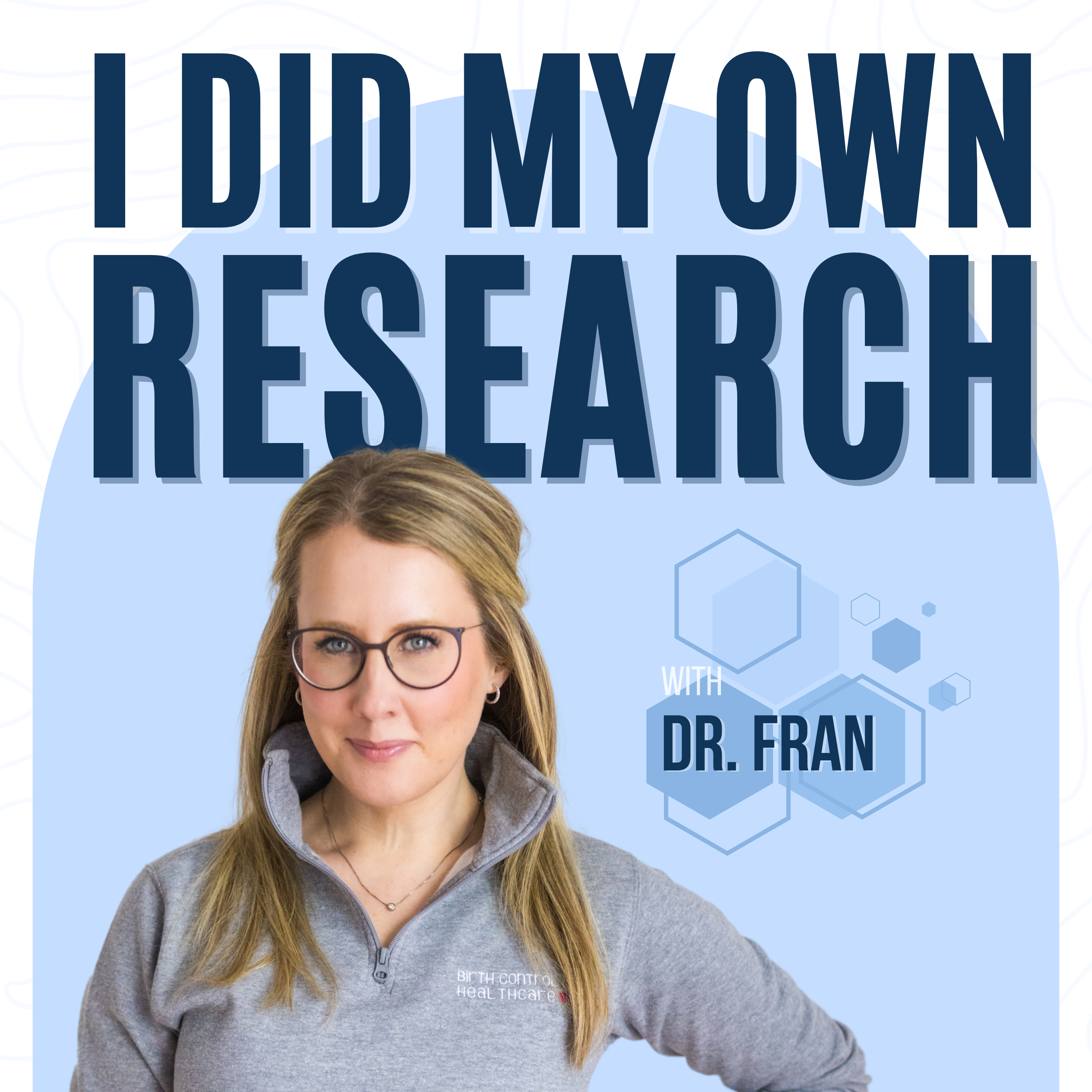
I Did My Own Research
by Franziska Haydanek
I Did My Own Research is a podcast hosted by OB-GYN and medical educator Dr. Fran, digging into what happens when medical misinformation goes viral—and what it takes to fight it. Each episode features conversations with doctors, healthcare professionals, and scientists who create content online, breaking down the myths they see every day, how they got pulled into content creation, and why having evidence-based voices on the internet has never mattered more.From trending health claims to behind-the-scenes creator stories, this podcast is about reclaiming “research,” one expert conversation at a time.
-
21
with @DrMaryMcDaniel: But DOES Sunscreen Cause Cancer?
In this episode of I Did My Own Research, Dr. Fran sits down with board-certified dermatologist Dr. Mary McDaniel to unpack some of the biggest skincare and dermatology myths circulating online. They discuss sunscreen safety, beef tallow, Accutane, acne “root causes,” questionable gut and allergy testing, hair-loss supplements, and the risks of high-dose biotin. They also talk about medical misinformation, the responsibility physicians have on social media, and why being honest about what medicine doesn’t know is just as important as sharing what we do.Dr. McDaniel's social media: @DrMaryMcDaniel Dr. Fran's social media: @PagingDrFran
-
20
with @DrJeremyBryner: Who Wins the Bariatric Surgery Vs GLP-1s Fight?
In this episode of I Did My Own Research, Dr. Fran sits down with Dr. Jeremy Bryner, a bariatric surgeon and board-certified obesity medicine physician, to discuss the many options available for treating obesity—and why there is no one-size-fits-all approach.Dr. Bryner explains how modern obesity care has evolved beyond simply “diet and exercise,” and discusses the role of lifestyle changes, GLP-1 medications, endoscopic procedures, and bariatric surgery. He addresses the stigma surrounding bariatric surgery, why many people still view it as an extreme option, and how today’s procedures and long-term follow-up have changed dramatically from previous decades.The conversation also explores how insurance coverage can dictate treatment decisions, the challenges patients face accessing GLP-1 medications, and the importance of true informed consent when discussing obesity treatment options.Dr. Bryner also tackles the misinformation patients encounter online, including vitamin patches, supplements, peptides, and wellness products that may not have the evidence behind them. He shares why comprehensive, lifelong obesity care matters and how healthcare professionals and patients can work together to make informed decisions.Dr. Bryner's social media: @DrJeremyBrynerDr. Fran's social media: @PagingDrFran
-
19
with @DrSaraMargolin: How Inevitable is Dementia?
Dr. Fran sits down with Dr. Sarah Margolin — cognitive scientist, associate professor, and creator behind @DrSarahMargolin — to talk about what the science of aging actually says, and why so much of what circulates online gets it wrong.Dr. Margolin studies cognitive aging and reading comprehension, and she's built a following by taking on viral myths about getting older — from the false idea that "aging is a disease" to the assumption that memory lapses always signal dementia. In this conversation, she breaks down:The real difference between normal age-related forgetfulness and dementia, including what a basic cognitive screening (like the MMSE) actually tests forWhy the biopsychosocial model — nutrition, exercise, mental engagement, and social connection — matters more than any single supplement, peptide, or "hack"What the Mediterranean diet really means How mindset around aging and menopause can measurably affect symptoms, and why cross-cultural research shows attitude mattersWhy older adults are more tech-capable than we give them credit forWhat it's like to design and run a research study from the ground up, and why "doing your own research" is a lot more rigorous than reading a headlineThe two also get into the broader mission behind Dr. Margolin's In Plain Science series — an effort to demystify how research funding, peer review, and scientific ethics actually work, so people can better evaluate the claims they see online.Dr. Margolin's social media: @DrSaraMargolinDr. Fran's social media: @PagingDrFran
-
18
with @DocHollyPedsGyn: What Even is a Pediatric Gynecologist?
What's it like to be a gynecologist for patients who've never had a gynecology visit before? Dr. Fran sits down with Dr. Holly Hoefgen, a pediatric and adolescent gynecologist and fellowship-trained physician, to talk about a specialty that even OBGYNs often know little about. Dr. Hafgen shares how she landed in a field that lets her combine her love of pediatrics with gynecology, and explains what her day-to-day practice actually looks like — from managing ovarian cysts and menstrual concerns in teens to caring for patients with congenital differences like MRKH, gender-diverse patients, and childhood cancer survivors navigating fertility preservation.The conversation digs into why a patient's first gynecologic visit sets the tone for their relationship with their body and the medical system for years to come, and how prioritizing education and autonomy can undo a lifetime of fear and misinformation. Dr. Hafgen and Dr. Fran also get into the messy world of medical misinformation on social media — from viral videos about painful IUD insertions to persistent myths about the HPV vaccine — and how they've each used their own platforms to counter it, often by handing patients the very videos they make for TikTok and Instagram as real clinical resources. Along the way, they discuss the field's long-overdue reckoning with gynecologic pain management, why cervical cancer remains an underappreciated threat, and what it means to build trust with patients who are stepping into a gynecologist's office for the very first time.Dr. Holly's social media: @DocHollyPedsGynDr. Fran's social media: @PagingDrFran
-
17
With @Diary_of_A_Doctor_Mom: The Truth About Medicine & Motherhood
In this episode of I Did My Own Research, Dr. Fran sits down with Dr. Nancy Githere-Thande — family medicine resident, mom of two, and the voice behind Diary of a Doctor Mom .Dr. Githere-Thande shares her journey from public health research at UCSF to medical school and residency, all while navigating marriage, motherhood, and the birth of her daughter at 27 weeks. She opens up about the hesitation many trainees — especially women of color — feel about being visible online, and why she decided the benefits of sharing her real life outweighed the risks.The conversation dives deep into her personal weight loss journey (125 pounds, including bariatric surgery), and how sharing that story has transformed the way she connects with patients around sensitive topics like obesity, GLP-1s, and body image. She and Dr. Fran also talk about the power of "boring" health stories — from uncomplicated IUD insertions to routine colonoscopies — and why the internet's appetite for extreme outcomes can distort what most patients actually experience.A heartfelt, funny, and deeply honest episode about what it really looks like to be a doctor, a mom, and a person — all at once.Dr. Githere-Thande's social media; @diary_of_a_doctor_momDr. Fran's social media: @PagingDrFran
-
16
with @DrShazmaMithani: Why "Natural" Doesn't Mean Safe
In this episode of I Did My Own Research, Dr. Fran sits down with Dr. Shazma Mithani — a pediatric and adult emergency medicine physician, and co-host of The Doc Talk Podcast. Together, they discussHow Dr. Mithani's path from ER doctor to online misinformation-buster took shape during COVIDWhat The Pitt gets right (and wrong) about emergency medicine, from missing consultants to unrealistic single-coverage EDsThe real-world impact of vaccine hesitancy on pediatric ER workups, and why declining immunization rates change how doctors approach diagnosisWhy "natural" doesn't always mean safe — from risky detoxes and cleanses to supplement-induced hyperthyroidismThis episode is brought to you by Vim & Vigor compression socks — use code RESEARCH for 20% off at VimVigr.com.Dr. Mithani's social media: @DrShazmaMithani & @TheDocTalkPodDr. Fran's social media: @PagingDrFran
-
15
with @SleepDrChris: Does the Viral Sleepy Girl Mocktail Actually Work? And More!
Dr. Fran sits down with Dr. Christopher Allen — pediatric neurologist, sleep medicine specialist, and creator behind "Sleep Doctor Chris" — for a deep dive into everything we get wrong about sleep. From debunking the idea that snoring is "just sleeping deep" to explaining why sleep studies aren't as scary as they sound, Dr. Allen breaks down the science of rest in plain, practical terms.They cover:What actually happens during a sleep study (in-lab and at-home versions)Why obstructive sleep apnea is so often mistaken for anxiety or depression — and how treating it can mean coming off medication entirelyWhy women are chronically underdiagnosed with sleep apnea, and the questions doctors should be askingThe truth about melatonin: the right dose, the right timing, and why more isn't betterWhether you're a chronic snorer, a new parent, a night shift worker, or just someone who doom-scrolls in bed, this episode is packed with real, actionable advice to help you finally get the sleep you deserve.Dr. Chris's social media: @SleepDrChrisDr. Fran's social media: @PagingDrFran
-
14
with Liam (@ThePlantSlant): The Rotisserie Chicken Discourse Must Be Stopped
This week on I Did My Own Research, Dr. Fran sits down with Liam, the creator behind The Plant Slant, who's built an audience of over 3 million by championing a simple message: eat mostly plants, but not only plants — and don't let internet extremism ruin your relationship with food.Liam and Dr. Fran dig into why the rotisserie chicken discourse won't die, how comedy became one of the most effective tools for debunking nutrition misinformation, and why "black and white" advice sells better online than the boring truth (eat fiber, get protein, sleep more — groundbreaking, we know). They talk about spotting the tell-tale sign of a grifter — an Instagram bio stuffed with $45 supplements — and why fear-mongering about affordable staples like seed oils, chicken, and cottage cheese disproportionately hurts people who can least afford the "clean" alternative.The conversation gets personal too, as Liam opens up about growing up on WIC and food stamps, why he's tired of hearing people call struggling families "moochers," and how privilege shapes so much of the wellness advice we see online. Plus: rapid-fire questions, the worst thing anyone has ever done to cottage cheese, and an origin story involving MADtv, grocery store debunking videos, and a guy who thinks broken bells are making us sick.Liam's social media: @The_Plant_SlantDr. Fran's social media: @PagingDrFran
-
13
with @SarOBGYN: Birth Control Doesn't Ruin Your Life — Here's What Does
In this episode, Dr. Fran sits down with Dr. Sara Neill (@SarOBGYN), a complex family planning specialist, to unpack the flood of misinformation swirling around birth control and abortion care.Dr. Neill walks through what complex family planning actually involves — abortion care, contraception, and pregnancy loss care — and shares what a typical (if unpredictable) week looks like between clinic, telehealth, teaching residents, and labor and delivery.The conversation dives into some of the most persistent myths circulating online right now, including the claim that hormonal birth control "makes your body think it's pregnant" and viral theories linking teenage birth control use to adult infertility. Dr. Neill and Dr. Fran talk about how they gently push back on these narratives with patients, why curiosity works better than confrontation, and how being active on social media has actually made them better clinicians.They also get into the harder-to-talk-about topics: the political weight of discussing abortion online, algorithm suppression of reproductive health content, and the role of crisis pregnancy centers in steering patients away from real care. Dr. Neill shares a firsthand account of a patient hesitant to share an ultrasound from one of these centers — and what that might say about how CPCs are coaching patients.Dr. Neill's social media: @SarObGynDr. Fran's social media: @PagingDrFran
-
12
With @Pharmomacist: Decoding the OTC Medicine Aisle
This week, Dr. Fran sits down with clinical pharmacist Dr. Melissa, PharmD (@Pharmomacist), whose online platform tackles postpartum mental health, vaccine data, over-the-counter medications, and skincare.Dr. Melissa walks through her path into ambulatory care pharmacy, including her work in cardiology and a pharmacist-run clinic focused on high-risk patients — and explains why pharmacists often spend as much time removing medications from a regimen as adding them.The conversation digs into the chaos of the children's medicine aisle, why "natural" and "homeopathic" labels on over-the-counter products don't mean regulated or evidence-based, and how something as simple as choosing Tylenol versus Motrin for a teething baby actually comes down to the science of inflammation.Dr. Mack also opens up about sharing her own postpartum SSRI use online, her decision to get Botox while breastfeeding (and what the actual research says about medications and breast milk), and why she felt compelled to respond to a viral video about vaccine refusals — even knowing the backlash it would bring. She and Dr. Fran talk candidly about misinformation, the responsibility that comes with influence, the importance of having these conversations with your provider before delivery day, and why taking care of yourself postpartum isn't selfish — it's part of being a good parent.Dr. Melissa's social media: @PharmomacistDr. Fran's social media: @PagingDrFran
-
11
with @DrPadgetSkogman: What the Research Really Says About Screens & Raising Healthy Kids
In this episode of I Did My Own Research, Dr. Fran sits down with Dr. Padget Skogman — Iowa-based pediatrician, mom of three, and medical content creator — for a wide-ranging conversation about modern parenthood, the pressure of too much information, and how to raise kids confidently in a screen-saturated world.They dig into why parents today are more anxious than ever (hint: it's not a lack of information — it's a firehose of it), and why trusting your own instincts within your family's values matters more than following every online trend.Dr. Skogman breaks down what the research actually says about screen time — including what the ABCD brain study is revealing about how different types of content affect developing minds differently.They also get into:Why picky eating is totally normal and what to actually do about itThe viral "declining interventions in labor" content trend — and why nuance matters when millions of people are watchingHow social media can be a genuine net positive for parents, patients, and physiciansPhysician burnout, processing hard days, and what The Pitt gets right about medicineThis one is equal parts science, real talk, and solidarity for anyone trying to parent thoughtfully in 2026.Dr. Skogman's social media: @DrPadgetSkogmanDr. Fran's social media: @PagingDrFran
-
10
with @MelindaFrenchGates: Why Women's Health Deserves Funding
Dr. Fran sits down with Melinda French Gates — philanthropist and founder of Pivotal, a group of organizations she founded to accelerate the pace of social progress for women and young people in the U.S. and around the world. Following an announcement of new funding commitments that bring her total investment in women's health to over $600 million in the last two years. Melinda shares why she is doubling down on reproductive health while expanding her focus to midlife, menopause, and mental health — areas she believes have been chronically underfunded and overlooked for far too long.Together, Dr. Fran and Melinda dig into the frustrating gaps in women's healthcare, from the lack of research and dedicated treatments for conditions like PCOS, to the inadequate training physicians receive around menopause. Dr. Fran opens up about her own experiences as both a patient with PCOS and a physician who graduated residency with just one lecture on menopause, highlighting how these systemic failures leave both doctors and patients feeling stuck and without real answers.The conversation also takes a deep look at the mental health component of women's healthcare — including the sobering reality that suicide is the leading cause of maternal mortality — and why Melinda sees mental health not as a side issue, but as a core and fundamental part of women's wellbeing. Both women agree on one powerful truth: when women are well, they can do well. And that starts with giving them the right care at the right time.Melinda's social media: @MelindaFrenchGates Dr. Fran's social media: @PagingDrFran
-
9
with @LadySpineDoc: what your MRI isn't telling you
Dr. Fran sits down in person with Dr. Betsy Grunch, board-certified neurosurgeon and creator behind the popular Lady Spine Doc brand, recorded live at the Pinnacle Conference in Austin.Dr. Grunch shares the deeply personal story that drew her to neurosurgery — her mother's spinal cord injury as a police officer — and walks listeners through her path from the University of Georgia to a six-year residency at Duke. The two doctors unpack one of the most common medical complaints their patients share: back pain, and why nearly 90% of people will experience it at some point in their lives. Dr. Grunch explains why MRIs are frequently overutilized, why pathology on a scan doesn't always mean that scan explains a patient's pain, and why a rushed diagnosis can actually make symptoms worse.The conversation turns to women's health, exploring how pregnancy, delivery, and the postpartum period uniquely impact spinal health — and why pelvic floor physical therapy should be a universal part of postpartum care. Dr. Grunch also opens up about her own postpartum back injury, the lifestyle changes it inspired, and her journey with weight loss, strength training, and GLP-1 medications.Dr. Grunch's social media: @LadySpineDocDr. Fran's social media: @PagingDrFran
-
8
with @The.Prenatal.RD: What Actually Helps Fertility? An RD Explains
In this episode of I Did My Own Research, Dr. Fran sits down with registered dietitian and prenatal nutrition expert Jessica Monroe to unpack the complicated — and often oversimplified — world of fertility nutrition. From PCOS and endometriosis to IVF, supplements, and male factor infertility, they dive into what the evidence actually says versus what social media wants you to believe.Together, they discuss why there is no single “fertility food,” how extreme diet advice can become harmful, and why sustainable habits matter more than viral quick fixes. Dr. Monroe shares her journey from nutritional biochemistry to women’s health nutrition, explains what working with a registered dietitian actually looks like, and breaks down how nutrition can support — but not “cure” — chronic conditions like PCOS and endometriosis.They also tackle supplement overload, misinformation online, the difference between a registered dietitian and a self-proclaimed “nutritionist,” and why fertility care should always include both partners. Plus: antioxidants, seafood research, vitamin D, inositol, and an important reminder that patterns over time matter far more than any one “magic” ingredient.If you’ve ever felt overwhelmed by fertility advice online, this episode is a grounded, nuanced conversation about what we know, what we don’t, and how to approach nutrition without fear, shame, or extremes.Dr. Jessica's social media: @The.Prenatal.RDDr. Fran's social media: @PagingDrFran
-
7
with @FriendlyFamDoc: Why Doctors in Germany Can’t Create Content Like U.S. Physicians
In this episode of I Did My Own Research, Dr. Fran sits down with her sister, board-certified family medicine physician Dr. Victoria Hasselhof, for a conversation about practicing medicine across two countries, navigating medical misinformation online, and what patients are really looking for from doctors in the social media era.Dr. Hasselhof shares her unique path through medical school in Germany, residency in the United States, and five years working as a locums physician everywhere from rural South Dakota to remote Molokai, Hawaii. Together, the sisters compare the striking differences between the U.S. and German healthcare systems — including how physicians are regulated online, why German doctors can’t advertise products, and how access to care shapes the way patients seek medical information.They also dive into the realities of being physician content creators, the rise of wellness misinformation, vaccine myths, “low testosterone” content targeted at men, and why nuance in medicine rarely goes viral. Along the way, they make the case for family medicine as one of the most important — and misunderstood — specialties in healthcare.From bone-smashing TikTok trends to thoughtful conversations about trust, science, and patient care, this episode explores what happens when evidence-based medicine collides with the algorithm.Dr. Hasselhof's social media: @FriendlyFamDocDr. Fran's social media: @PagingDrFran
-
6
with @KevinKlatt: Why MAHA Gets Nutrition Wrong & Big Wellness Keeps Missing the Point
Dr. Fran sits down with registered dietitian, researcher, and science communicator Kevin Klatt for a wide-ranging conversation about nutrition science, public health, and how misinformation thrives when complex problems get reduced to simplistic solutions.From the realities of becoming a PhD/RD and conducting actual nutrition research, to the rise of wellness influencers, functional medicine, and the MAHA movement, they unpack why “just eat better” has never been an effective public health strategy.Together, they explore the structural problems driving chronic disease, the lack of investment in nutrition research, the privilege embedded in many wellness narratives, and why blaming individuals for systemic failures helps no one.They also discuss the collapse of science communication online, how academia lost public trust, and why more researchers—not just influencers—need to engage directly with the public.Dr. Klatt's social media: @KCKlattDr. Fran's social media: @PagingDrFran
-
5
with @JenHamilton: Labor Interventions, Birth Vibes & Social Media's Impact on Birthing
In this episode of I Did My Own Research, Dr. Fran sits down with labor and delivery nurse, social media educator, and chicken swaddler Jen Hamilton to unpack how birth conversations have evolved online—and what’s getting lost in the noise. Together, they challenge the growing narrative that all medical intervention is inherently harmful, reframing it instead as a set of tools that can be thoughtfully used to support safer, more positive birth experiences.Jen shares her journey from ER nurse to one of the most recognizable voices in maternal health, explaining how witnessing patient misunderstandings and birth trauma shaped her approach to education, advocacy, and storytelling. The conversation dives into the power of communication in the delivery room, the impact of social media on both patients and providers, and how “birth vibes”—the emotional and environmental experience of care—often matter more than any checklist birth plan.Blending humor, real-world clinical insight, and candid behind-the-scenes stories, this episode explores informed consent, elective inductions, and the importance of meeting patients where they are. It’s a nuanced look at modern birth culture, emphasizing that empowerment isn’t about rejecting care—it’s about understanding your options and choosing what’s right for you.Birth Vibes is now available here!Jen Hamilton's social media: @_Jen_Hamilton_Dr. Fran's social media: @PagingDrFran
-
4
with @DrCerissaKey: Pinworms, AI & Parenting in the Age of Misinformation
Dr. Fran is joined by board-certified pediatrician Dr. Cerissa Key to unpack the overwhelming world of pediatric and parenting misinformation—and how social media is both fueling and fighting it. From viral “wellness” trends to dangerous supplement misuse, they dive into why “natural” doesn’t always mean safe, and how even vitamins can cause real harm when misused.They explore the reality that parents often turn to the internet for guidance due to limited time in clinic visits—and how that gap is being filled by both credible experts and harmful misinformation. Dr. Key shares real patient stories that highlight the risks of unregulated supplements, emphasizing the importance of open, judgment-free communication between parents and pediatricians.The conversation also tackles vaccine hesitancy, the success—and unintended consequences—of modern medicine, and why preventative care is foundational in pediatrics. Plus, they get into the evolving challenges of parenting in the digital age, including AI, social media, and what kids are really exposed to today.With a mix of humor (yes, including pinworms) and practical insight, this episode is a must-listen for anyone navigating parenting, pediatrics, or health information online.Dr. Cerissa Key's social media: @DrCerissaKeyDr. Fran's social media: @PagingDrFran
-
3
With @Lucky.Sekhon: The Dangerous Rise of Fertility Misinformation Online
Diminished ovarian reserve can feel deeply personal—and often deeply misunderstood.In this episode, Dr. Fran is joined by reproductive endocrinologist Dr. Lucky Sekhon to break down one of the most anxiety-provoking fertility topics online. Together, they unpack why egg count does not equal fertility, and how misinformation—especially around supplements, hormones, and “natural” fertility fixes—can lead patients further from their goals.They dive into the emotional toll of fertility testing, the dangers of unregulated supplements (including how some may actually work against conception), and why nuanced, evidence-based care matters more than ever in the age of social media. Dr. Sekhon also shares insights from her book The Lucky Egg, offering a realistic but hopeful perspective on fertility, IVF, and the importance of meeting patients where they are.This episode is both myth-busting and empowering—designed to help you better understand your body, your options, and how to navigate fertility information with clarity and confidence.Dr. Sekhon's social media: @Lucky.SekhonDr. Fran's social media: @PagingDrFran
-
2
with @ExamRoomNutrition: Why Everyone Thinks They’re a Nutrition Expert (and Why It’s Wrong)
This episode of I Did My Own Research dives into the world of nutrition misinformation and why it’s everywhere. Dr. Fran is joined by Colleen Sloan, PA-C and registered dietitian behind Exam Room Nutrition, to break down how social media has blurred the lines between evidence-based guidance and viral diet trends.They discuss why “everyone eats” — and therefore everyone feels like an expert — and how that leads to oversimplified, one-size-fits-all advice that ignores nuance and personalization. Colleen shares her unique perspective working at the intersection of medicine and nutrition, including real patient stories that highlight how harmful misinformation can be, especially for kids and teens.Together, they unpack the difference between a registered dietitian and a “nutritionist,” the rise of fear-based messaging around foods like seed oils and fruit, and how privilege and access shape the way we talk about “healthy eating.” They also explore how extreme diet trends, influencer marketing, and algorithm-driven content are impacting patient behavior in real life.This episode is a must-listen for anyone trying to make sense of nutrition advice online — and for clinicians who want to communicate more effectively with patients in a world full of misinformation.Colleen's social media: @ExamRoomNutritionDr. Fran's social media: @PagingDrFran
-
1
with @Beachgem10: Viral Medicine, Being an Introvert Online, & Childhood Safety Lessons
In the first-ever in-person episode of I Did My Own Research, Dr. Fran sits down with pediatric emergency physician and viral educator Dr. Beachgem to talk about the real impact of medical misinformation—and what it’s like to fight it from both the ER and the internet.From building a platform during COVID to reaching millions with life-saving content, Dr. Beachgem shares how social media has transformed not only her career, but the way she practices medicine. Together, they dive into the emotional reality behind viral health topics—from vitamin K and vaccine hesitancy to the cases physicians can’t share but never forget.They explore the tension between education and engagement online, the ethics of “going viral,” and how fear-based content spreads faster than truth. Most importantly, this conversation highlights the human side of medicine: patients aren’t difficult—they’re scared, overwhelmed, and trying to make the best decisions they can with the information they have.This episode is a powerful reminder that behind every comment, every click, and every ER visit is a person just looking for reassurance—and a physician trying to meet them there.Dr. Beachgem's social media: @TheBeachGem10Dr. Fran's social media: @PagingDrFran
-
0
with @ThePelvicDanceFloor: Kegels Myths & Why You Should Not Hover!
This week on I Did My Own Research, Dr. Fran is joined by pelvic floor physical therapist Alicia Jeffrey-Thomas (aka The Pelvic Dance Floor) to break down one of the most misunderstood areas of health online.From the myth that everyone should be doing Kegels to the reality that pelvic floor dysfunction isn’t one-size-fits-all, they unpack how viral “quick fixes” often miss the mark. Alicia explains why some people actually need to relax—not strengthen—their pelvic floor, and how individualized assessment is key.They also dive into the rise of social media education, the benefits (and limits) of at-home tools, and why even well-meaning advice from providers or the internet can lead to harm without proper context.If you’ve ever been told to “just do Kegels,” this episode will change the way you think about pelvic health.Alicia's social media: @ThePelvicDanceFloorDr. Fran's social media: @PagingDrFran
-
-1
with @TheBoobieDocs: on Mammogram Fear Mongering & Thermogram Scamming
In this episode of I Did My Own Research, Dr. Fran sits down with Dr. Robin Roth, breast radiologist and creator of “The Boobie Docs,” to tackle the growing problem of medical misinformation on social media—especially around breast cancer screening. They break down myths about mammograms, thermography, and dense breast tissue, and discuss how financial incentives often fuel harmful disinformation online.Dr. Roth shares her journey into social media, the challenges of speaking out against misinformation, and why educating patients before they enter the exam room is more important than ever. Together, they explore how physicians can balance evidence-based medicine with an algorithm that rewards controversy—and why showing up online can truly save lives.Dr. Roth's social media: @TheBoobieDocsDr. Fran's social media: @PagingDrFran
-
-2
with @DocfluencerMDO: On Medfluencing & Driving Real Change In Healthcare
Dr. Fran is joined by Dr. Olivia Richman to discuss the rise of physician influencers and the power of social media to drive real change in healthcare.Dr. Richman shares her journey from educating peers about sexual health to building Docfluencer MDO—a growing community of medical creators using their platforms to combat misinformation, amplify public health messaging, and advocate for reform. Together, they explore what makes a doctor credible online, the challenges of navigating digital spaces, and how collaboration can turn influence into impact.They also give a behind-the-scenes look at the upcoming Docfluencer conference in New York City, designed to bring healthcare creators together for connection, mentorship, and meaningful content creation.Dr. RIchman's social media: @DocFluencerMDODr. Fran's social media: @PagingDrFran
-
-3
with @TheWomensDietitian: On PCOS Misinformation And Why Nutrition Myths Persist Online
“Anyone can call themselves a nutritionist—but becoming a registered dietitian takes years of training.”In this episode of I Did My Own Research, Dr. Fran is joined by registered dietitian and PCOS educator Cori Ruth, also known online as The Women’s Dietitian, to break down the difference between evidence-based nutrition advice and the wellness misinformation circulating across social media.Cori shares how her own PCOS diagnosis led her to build a platform educating more than a million followers about women’s health and eventually write her book, PCOS Is My Power, a guide to understanding PCOS and navigating nutrition for this common hormonal condition.Together, Dr. Fran and Cori unpack some of the most common myths about PCOS and hormone health online, including claims that birth control causes PCOS, extreme elimination diets for hormone balance, and the persistent idea that weight loss alone can “cure” the condition. They also discuss viral wellness trends like seed cycling, hormone-balancing foods, and the growing number of “PCOS coaches” offering advice without formal training.The conversation also dives into the realities clinicians face when treating PCOS—a condition affecting millions of women that still has no single medication designed specifically to treat it. Cori shares practical guidance clinicians can give patients around nutrition, including why protein, fiber, and blood sugar regulation play such a critical role in PCOS management.For anyone trying to navigate hormone advice online—or wondering who to trust when it comes to nutrition and PCOS—this episode offers a grounded, evidence-based conversation.Cory Ruth's social media: @TheWomensDietitianDr. Fran's social media: @PagingDrFran
-
-4
with @FriscoPediatrician: Parenting in a time of Social Media, and the Rise of Vaccine Hesitancy
In this episode of I Did My Own Research, Dr. Fran sits down with pediatrician Sandeepa Raj to talk about what it’s really like practicing medicine—and parenting—in the age of social media. With over 20 years of experience in pediatrics across private practice, hospital systems, and volunteer work at free clinics, Dr. Raj shares how the landscape of pediatric care has changed and why misinformation has become one of the biggest challenges facing doctors today.The conversation dives into the growing wave of vaccine misinformation online and how it has shifted real-life conversations in the exam room. Dr. Raj explains how social media has amplified fears around vaccines and other pediatric topics, often spreading persuasive but inaccurate information faster than evidence-based medicine can keep up. She also shares how pediatricians approach these conversations with parents—balancing empathy, trust, and science while addressing genuine concerns about children’s health.Dr. Fran and Dr. Raj also explore why parenting spaces online are particularly vulnerable to misinformation. From “natural is always safer” narratives to dangerous wellness trends, they discuss how kernels of truth often get twisted into misleading health advice.The episode also highlights how physicians can use social media as a tool to extend education beyond the clinic and “take the doctor home” with patients through accessible, evidence-based content.Beyond medicine, the conversation touches on the realities of modern parenting—how to talk to children about difficult world events, how doctors’ work shapes their perspective on empathy and privilege, and the complicated decision of whether or not to share kids on social media.This episode is a candid look at pediatrics, misinformation, and the responsibility of doctors to show up—both in the clinic and online—to help families navigate an increasingly confusing health information landscape.Dr. Raj's social media: @FriscoPediatricianDr. Fran's social media: @PagingDrFran
-
-5
with @AgeWellWithDrSteph: Longevity Myths, Aging Realities & What Actually Matters
Longevity, biohacking, peptides, supplements—social media is full of promises about how to live longer. But how much of it is actually backed by evidence?In this episode of I Did My Own Research, Dr. Fran is joined by geriatrician Dr. Stephanie Rogers (Age Well with Dr. Steph), Associate Chief of Geriatrics Clinical Programs at UCSF. Together, they unpack what actually helps people age well—and what the internet is getting wrong.They discuss why “longevity medicine” often misses the bigger picture, the reality that most of us will experience some level of disability if we live long enough, and why building healthcare systems and communities that support aging is just as important as trying to extend lifespan.Dr. Rogers also breaks down common medication pitfalls in older adults, including surprising risks of medications, and explains why some widely used drugs may be doing more harm than we realize.The conversation also dives into:Why biohacking and supplements are so appealing onlineThe difference between lifespan vs. healthspanHow doctors actually learn from each other on social mediaThe biggest predictors of aging well (hint: they’re not peptides)Why hearing loss, muscle mass, and social connection matter more than most people thinkPlus, rapid-fire questions on the most harmful medications for aging, underrated longevity habits, and the best things you can start doing in your 30s and 40s to age well.If you’ve ever wondered what actually matters when it comes to longevity—and what’s just internet hype—this episode is for you.Dr. Steph's social media: @AgeWellWithDrStephDr. Fran's social media: @PagingDrFran
-
-6
with @DrEmilyPfender: what a PhD in Health Communication Sees Online
In this episode of I Did My Own Research, Dr. Fran is joined by Dr. Emily Pfender, a PhD-trained health communication researcher at the University of Pennsylvania, to break down what’s actually happening with women’s health information on social media.From viral birth control fear-mongering to preeclampsia misinformation shared by self-identified “medical providers,” Dr. Pfender walks us through how her team analyzes online content—and what they’ve found when they put that content in front of real patients.They dive into why extreme, emotional videos outperform nuanced medical information, how even researchers can feel pulled in by misleading trends, and what it means when clinicians themselves contribute to misinformation.If you’ve ever wondered whether social media is a net positive or negative for reproductive health—or how to tell who’s truly qualified to give advice—this conversation is a must-listen.Dr. Pfender's social media: @EmilyPfenderDr. Fran's social media: @PagingDrFran
-
-7
with @LaborJunkieRN: Why A High Risk L&D Nurse Joined The Fight Against Misinformation
When misinformation about decreased fetal movement nearly cost her nephew his life, Sarah RN (@Labor_Junkie_RN) knew she couldn’t stay silent.In this powerful episode of I Did My Own Research, Dr. Fran sits down with Sarah—better known online as LaborJunkieRN—an experienced high-risk OB nurse with over a decade at the bedside and more than 1.3 million followers across social media.Sarah shares the terrifying story that pushed her into online education, how social media both empowers and endangers patients, and what it’s really like navigating birth in the age of TikTok. Together, they unpack the tension between informed advocacy and fear-based decision making, the importance of building trust in obstetrics, and how clinicians can restore agency without fueling polarization.They also dive into their very different birth preferences—elective induction and epidural vs. low-intervention, movement-focused labor—and model what respectful, judgment-free conversations about birth should sound like.Plus: oversupply struggles, donating 10,000+ ounces of breast milk, navigating grief, creating a labor room at home for education, and the community behind medical content creation.This is a candid, nuanced conversation about trust, trauma, choice, and what happens when real-life medicine collides with the online world.Sarah's Social Media: @Labor_Junkie_RNFran's Social Media: @PagingDrFran
-
-8
with @PagingDrFran: The Real Life Impact of Medical Misinformation & The Fight Against It
The podcast 'I Did My Own Research' explores the impact of medical misinformation and the role of healthcare professionals in combating it. Dr. Fran shares her personal journey, the challenges of residency, and her engagement with medical content on social media. The podcast addresses the spread of misleading medical information, patient frustration, and the need for open conversations to combat misinformation.TakeawaysMedical misinformationSocial media impactChapters00:00 Introduction to Medical Misinformation06:47 Advocacy and Impact on Social Media11:50 Impact of Healthcare Systems on Patient Perception17:26 Bringing in Experts to Combat Medical Misinformation
We're indexing this podcast's transcripts for the first time — this can take a minute or two. We'll show results as soon as they're ready.
No matches for "" in this podcast's transcripts.
No topics indexed yet for this podcast.
Loading reviews...
ABOUT THIS SHOW
I Did My Own Research is a podcast hosted by OB-GYN and medical educator Dr. Fran, digging into what happens when medical misinformation goes viral—and what it takes to fight it. Each episode features conversations with doctors, healthcare professionals, and scientists who create content online, breaking down the myths they see every day, how they got pulled into content creation, and why having evidence-based voices on the internet has never mattered more.From trending health claims to behind-the-scenes creator stories, this podcast is about reclaiming “research,” one expert conversation at a time.
HOSTED BY
Franziska Haydanek
Loading similar podcasts...
Frequently Asked Questions
How many episodes does I Did My Own Research have?
I Did My Own Research currently has 30 episodes available on PodParley. New episodes are automatically indexed when they're published to the podcast feed.
What is I Did My Own Research about?
I Did My Own Research is a podcast hosted by OB-GYN and medical educator Dr. Fran, digging into what happens when medical misinformation goes viral—and what it takes to fight it. Each episode features conversations with doctors, healthcare professionals, and scientists who create content online,...
How often does I Did My Own Research release new episodes?
I Did My Own Research has 30 episodes. Check the episode list to see recent publication dates and frequency.
Where can I listen to I Did My Own Research?
You can listen to I Did My Own Research on PodParley by clicking any episode. We provide an embedded audio player for direct listening, and you can also subscribe via your preferred podcast app using the RSS feed.
Who hosts I Did My Own Research?
I Did My Own Research is created and hosted by Franziska Haydanek.
URL copied to clipboard!