
PODCAST · health
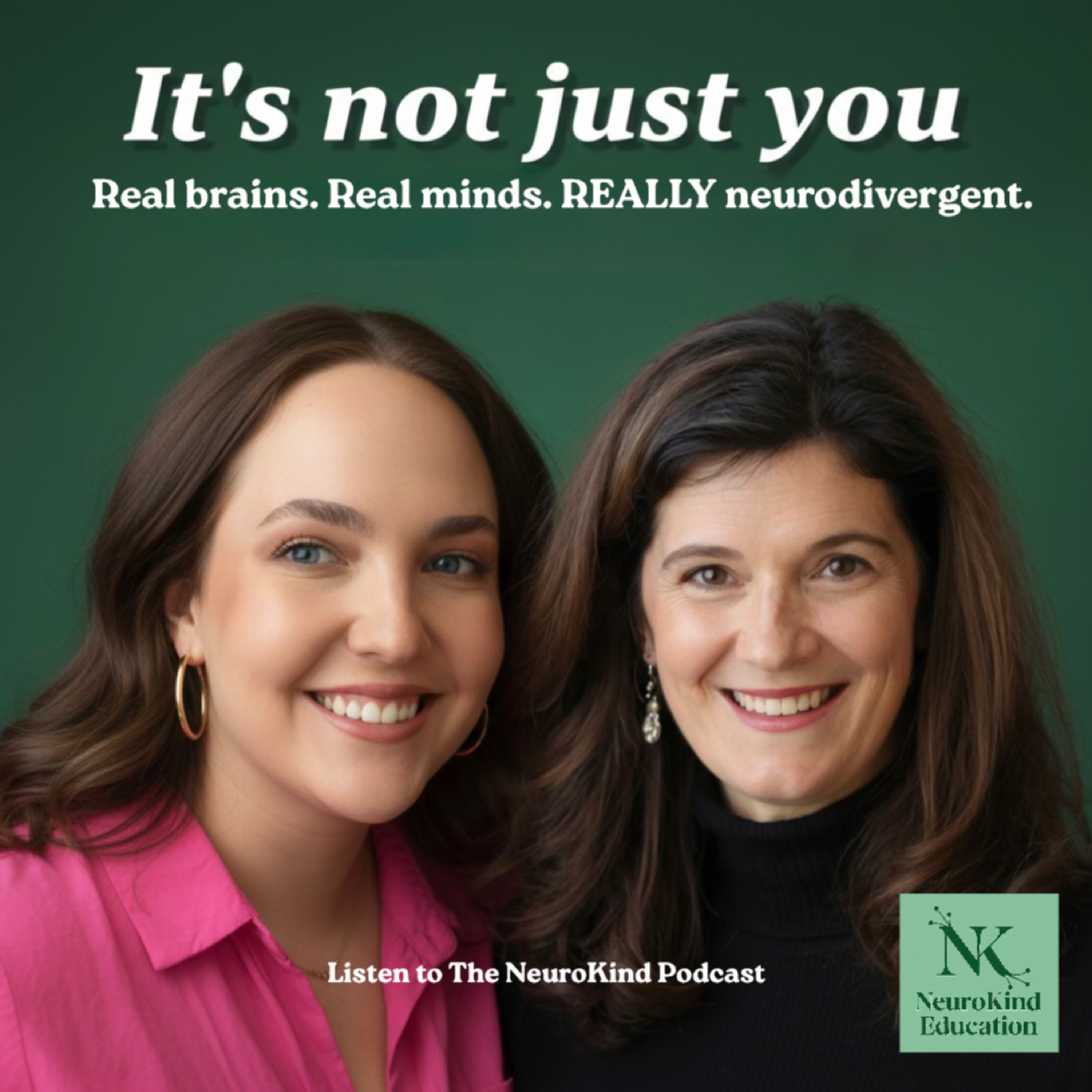
It’s Not Just You: The NeuroKind Podcast
by NeuroKind Education
For anyone who’s ever felt too much — or not enough. Too sensitive. Too different.You’re not broken. And you’re not alone.The NeuroKind Podcast explores neurodivergent minds through real conversations, clinical insight, lived experience, and humour. Autistic? ADHD? AuADHD? Welcome home. Hosted by Hannah Cayzer and Dr Dominique Hannah, this podcast is about making sense of your brain — and your child’s — with clarity, compassion, and truth.It’s not just you.
-
4
AuDHD: When Autism and ADHD Exist Togethter | The NeuroKind Podcast
What happens when autism and ADHD exist in the same brain?For many people, the answer is confusion, contradiction, and decades of feeling like they don’t quite belong anywhere.In this episode of the NeuroKind Podcast, psychiatrist Dr Dominique Hannah and NeuroKind co-founder Hannah McLaughlin take a deep dive into AuDHD—the increasingly recognised presentation of co-occurring Autism and ADHD.For years, autism and ADHD were viewed as separate conditions. In fact, previous diagnostic systems did not allow both diagnoses to be given simultaneously. Modern research has transformed our understanding, revealing that many people experience characteristics of both neurotypes and that these traits often interact in unique and sometimes paradoxical ways.The conversation explores why AuDHD can feel so difficult to identify, particularly in adults who have spent their lives trying to understand themselves through only one lens. Many individuals report feeling “too autistic for the ADHD groups” and “too ADHD for the autism groups”—a feeling of existing between categories while fully belonging to neither.Dr Hannah explains how autism and ADHD can both complement and conflict with each other. The autistic desire for predictability, routine and structure can sit alongside the ADHD drive for novelty, spontaneity and stimulation. The result is often an internal push-pull that can be exhausting, confusing and difficult to explain to others.The episode examines common AuDHD experiences including:• Executive functioning difficulties• Hyperfocus and intense interests• Sensory sensitivities and sensory seeking• Social communication differences• Emotional regulation challenges• Demand avoidance and burnout• Masking and late diagnosis• The search for identity and self-understanding• Strengths associated with neurodivergent thinkingUsing historical examples and thought experiments, the discussion explores how neurodivergent traits may have influenced some of history’s most influential thinkers, scientists, artists and innovators. Importantly, the hosts discuss the limitations of retrospective diagnosis while examining the characteristics that often lead researchers and clinicians to speculate about neurodivergence in historical figures.The conversation also highlights an important issue often overlooked in discussions of history and science: the contributions of women. During a spontaneous discussion about the discovery of DNA, the hosts reflect on the crucial role played by Rosalind Franklin and the broader tendency for women’s achievements to be overlooked or forgotten.A central theme throughout the episode is that many late-diagnosed autistic and ADHD adults have spent years believing they were failing. They have tried harder, worked longer, become more organised, more disciplined and more self-critical in an effort to function in systems that were never designed for their brains. Dr Hannah offers a powerful alternative perspective: The problem was never a lack of effort. The problem was misunderstanding.Understanding one’s neurotype can transform self-perception, reduce shame and create opportunities to develop strategies that work with the brain rather than against it. The hosts introduce the concept of flexible structure—the idea that many AuDHD individuals thrive not with rigid routines or complete freedom, but with adaptable systems that balance predictability and autonomy.Above all, this episode is a message of validation.Whether you are newly diagnosed, questioning whether you may be neurodivergent, supporting a neurodivergent family member, or simply interested in the evolving science of autism and ADHD, this conversation provides an accessible and compassionate introduction to AuDHD.Neurodiversity research is still developing. Our understanding of AuDHD continues to evolve. Yet for many people, finally discovering that autism and ADHD can coexist offers a framework that makes sense of a lifetime of experiences.
-
3
Signs of Autism in Girls & Women: Social Struggles, Masking, Burnout, and Late Diagnosis
In this episode of It’s Not Just You, Hannah McLaughlin and Dr Dominique explore the signs of autism in girls and women — not just what autism looks like from the outside, but what it feels like on the inside.We talk about why autistic girls are so often missed, how masking and social performance can hide distress, and why many women grow up feeling “different” without knowing why.This conversation explores:Autism in girls and womenLate diagnosis and missed diagnosisMasking, camouflaging and social exhaustionSpecial interests that fly under the radarFriendship, boundaries and social confusionInteroception, alexithymia and emotional intensityThe “good girl” and “problem child” presentationsBurnout, anxiety and the cost of performingWhy understanding your neurotype can change everythingIf you’ve ever felt like you were performing your way through life, or wondered why everything seemed harder than it looked, this episode is for you.It’s Not Just You is a NeuroKind podcast hosted by Dr Dominique Hannah and Hannah McLaughlin.
We're indexing this podcast's transcripts for the first time — this can take a minute or two. We'll show results as soon as they're ready.
No matches for "" in this podcast's transcripts.
No topics indexed yet for this podcast.
Loading reviews...
ABOUT THIS SHOW
For anyone who’s ever felt too much — or not enough. Too sensitive. Too different.You’re not broken. And you’re not alone.The NeuroKind Podcast explores neurodivergent minds through real conversations, clinical insight, lived experience, and humour. Autistic? ADHD? AuADHD? Welcome home. Hosted by Hannah Cayzer and Dr Dominique Hannah, this podcast is about making sense of your brain — and your child’s — with clarity, compassion, and truth.It’s not just you.
HOSTED BY
NeuroKind Education
Loading similar podcasts...
Frequently Asked Questions
How many episodes does It’s Not Just You: The NeuroKind Podcast have?
It’s Not Just You: The NeuroKind Podcast currently has 2 episodes available on PodParley. New episodes are automatically indexed when they're published to the podcast feed.
What is It’s Not Just You: The NeuroKind Podcast about?
For anyone who’s ever felt too much — or not enough. Too sensitive. Too different.You’re not broken. And you’re not alone.The NeuroKind Podcast explores neurodivergent minds through real conversations, clinical insight, lived experience, and humour. Autistic? ADHD? AuADHD? Welcome home. Hosted by...
How often does It’s Not Just You: The NeuroKind Podcast release new episodes?
It’s Not Just You: The NeuroKind Podcast has 2 episodes. Check the episode list to see recent publication dates and frequency.
Where can I listen to It’s Not Just You: The NeuroKind Podcast?
You can listen to It’s Not Just You: The NeuroKind Podcast on PodParley by clicking any episode. We provide an embedded audio player for direct listening, and you can also subscribe via your preferred podcast app using the RSS feed.
Who hosts It’s Not Just You: The NeuroKind Podcast?
It’s Not Just You: The NeuroKind Podcast is created and hosted by NeuroKind Education.
URL copied to clipboard!