PODCAST · health
Kill The Silence
by Cody Taymore
Welcome to the Kill The Silence podcast! Hosted by Cody Taymore. killthesilenceofficial.substack.com
-
23
Kill The Silence: Episode 17
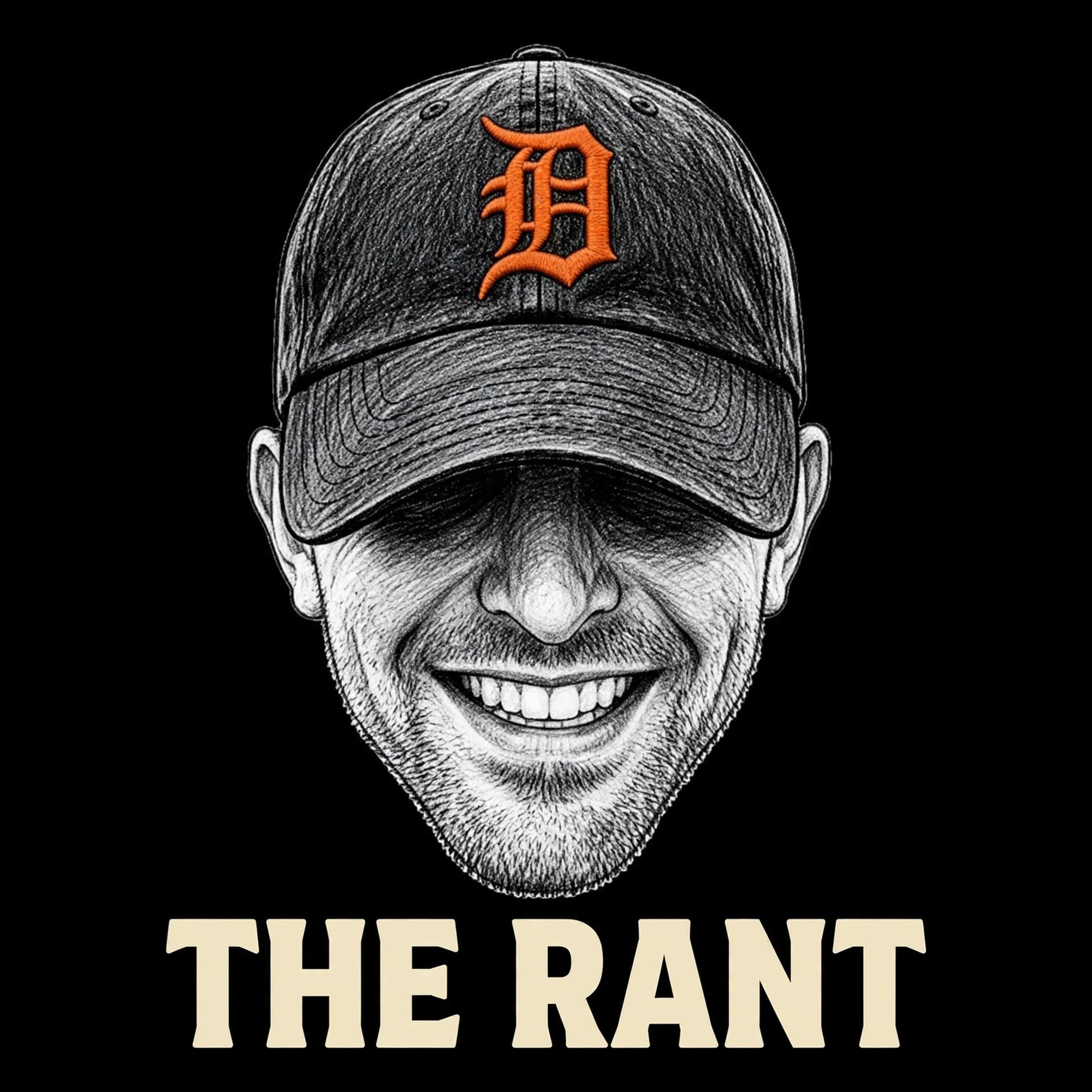
Launching “The Rant”: A New Comedy Podcast and the Power of VulnerabilityThe host shares that this episode of the Kill the Silence podcast is also being posted for subscribers who may miss emailed articles, and announces a new, free comedy podcast called The Rant, described as an unstructured comedy exercise built around ranting to develop material for stage. He reflects on stepping away from performing for 1.5–2 years due to being fired, his best friend’s death, and an ongoing lawsuit alleging a therapist blackmailed and extorted him, insisting he won’t live scared or censor himself because he’s telling the truth and seeks justice and accountability. He discusses growing Kill the Silence on Substack to 4,100 subscribers and 7,500 followers by practicing “brutal vulnerability” and writing about struggles, manipulation, healing, and aligning with one’s own values rather than pleasing others, then asks listeners to subscribe and share The Rant as he heads to Ohio for work.00:00 Welcome and Updates00:29 Life Upheaval and Lawsuit02:41 Starting The Rant Podcast03:38 Comedy Mindset and Freedom04:21 Why Comedy Stays Free04:48 Kill the Silence Growth05:35 Substack Strategy Honesty06:36 Values and Creating Anyway08:19 Subscribe and Closing Get full access to Kill The Silence at killthesilenceofficial.substack.com/subscribe
-
22
Why You Keep Apologizing When You Did Nothing Wrong
You didn’t do anything wrong.You know that. Somewhere underneath all the second-guessing and the stomach-dropping anxiety, you know it. And yet there you are — apologizing. Again. For existing. For reacting. For taking up space.This isn’t weakness. It isn’t stupidity. It is one of the most sophisticated survival adaptations the human brain can produce. And someone taught it to you on purpose.Here’s what actually happened.You learned that conflict was dangerous.At some point in your life, probably early, you figured out that when someone got upset, bad things followed. Maybe it was a parent who raged. A partner who punished you with silence. A boss who made your life hell when you disagreed. A therapist who weaponized your own words against you.Your brain did what it was built to do. It found the fastest way to make the danger stop.Apologizing worked. Even when you did nothing wrong, saying sorry de-escalated the situation. The rage cooled. The silent treatment ended. The punishment softened.Your brain logged that as survival data.“Apologizing = safety. Standing your ground = more pain.”Do that enough times and it becomes automatic. You stop even checking whether you actually did something wrong before the apology comes out. The apology is just the reflex now.This is called the fawn response. But forget the label.What matters is the mechanics. You scanned for threat, you found it, and you submitted before the attack came. Every time you did that instead of holding your ground, the pathway got stronger. Now it fires before your conscious brain can intervene.You’re not weak. You’re efficient. You built the fastest possible route to safety and your nervous system took it every single time.The problem is you’re still running a survival program that belongs to an old situation. The people who made apologizing necessary may not even be in your life anymore. But the program is still running.How to actually stop.First, you have to create a gap. When you feel the apology coming, pause. One breath. That’s it. You’re not suppressing anything, you’re just buying one second to ask: did I actually do something wrong here?If the answer is no, do not apologize. Not even a softened version. Not “I’m sorry you feel that way.” Nothing. Silence is better than a false apology. A false apology tells your nervous system the threat was real and submission was the right call. It makes the next apology more automatic, not less.Second, stop explaining yourself to people who have already decided you’re wrong. Explanation feels like the rational alternative to apologizing. It isn’t. With certain people, explanation is just a longer apology. It still signals that you believe you need to justify your existence to them.You don’t.Third, expect the discomfort. Not apologizing when every cell in your body is screaming at you to smooth it over is genuinely uncomfortable. That discomfort is not a sign you’re doing it wrong. It’s a sign you’re breaking a pattern that kept you safe for years. It’s supposed to feel wrong at first.The apology reflex was built in a place where standing your ground wasn’t an option. You’re not in that place anymore.The work is convincing your nervous system of that. One held boundary at a time.You didn’t do anything wrong.You don’t have to apologize for that.—Cody TaymoreKill The SilenceIf this gave you clarity, peace, or just helped you feel a little less alone — and you want to support more work like this — you can leave a small tip here.Buy Me a Coffee Get full access to Kill The Silence at killthesilenceofficial.substack.com/subscribe
-
21
America Is Having A Nervous Breakdown And We’re All Pretending It’s Fine
Something is wrong.You feel it. I feel it. Everyone feels it.But nobody’s saying it out loud because we’re all too busy pretending we’re okay while the whole country quietly falls apart.75% of Americans say they’re more stressed than ever about the future. Not “somewhat concerned.” Not “a little worried.” More stressed than ever. Three out of four people you pass on the street are terrified about what’s coming and smiling anyway.This isn’t politics. This isn’t left or right. This is everyone, everywhere, barely holding on and performing normal because that’s what we’ve been trained to do.I’m done pretending.The Numbers Nobody Wants To Talk AboutLet me show you what’s actually happening.82% of American workers are at risk of burnout right now. Not “feeling a little tired.” At risk of burnout. Eight out of ten people at your job are one bad week away from breaking.69% of adults said they needed more emotional support this year than they received. That’s not a small percentage of fragile people. That’s the majority of the country saying “I needed help and didn’t get it.”One in three American adults report feeling lonely often or always. Not occasionally. Often or always. 52 million people walking around feeling completely alone while surrounded by other people who feel exactly the same way.And here’s the one that stopped me cold: Gen Z hits peak burnout at 25 years old now. Not 42 like previous generations. 25. We broke an entire generation before they even got started.But sure. Everything’s fine.The Loneliness Nobody AdmitsThe Surgeon General declared loneliness a national epidemic. Said it carries the same health risk as smoking 15 cigarettes a day. Increases your risk of heart disease by 29%. Stroke by 32%. Dementia by 50%.Loneliness is literally killing people. And we designed a society that manufactures it.No front porches. No third places. No community centers. No church attendance. No bowling leagues. No neighborhood cookouts. Just algorithms and isolation dressed up as independence.50% of young adults aged 18 to 24 report feeling lonely often or always. Half. Half of the youngest adults in this country feel persistently alone.And when researchers asked what factors contribute to physical health problems, Americans overwhelmingly pointed to mental health. 50% said stress. 43% said anxiety. 42% said poor sleep. 35% said depression.We know what’s wrong. We just don’t know how to fix it. Or we’re too exhausted to try.The Money Problem Nobody Can Solve44% of Americans cannot cover a $1,000 emergency. Not “would struggle to cover.” Cannot cover.One flat tire. One ER visit. One broken appliance. And nearly half the country is financially destroyed.Meanwhile, 25% of workers have a second job right now. Another 37% are actively looking for one. That’s not hustle culture. That’s desperation wearing a productivity mask.Consumer confidence just dropped again. People are sour on the economy AND their ability to find jobs. The vibe is off and the math doesn’t work and everyone knows it but we keep showing up and grinding because what else are we supposed to do.You want to know why everyone’s burned out? Because one income doesn’t cover one life anymore and we’re all working ourselves to death trying to close the gap.The Division That’s Making Us SickThe American Psychological Association just released their annual stress report. They called it “A Crisis of Connection.”Here’s what they found: People who are stressed by societal division are significantly more likely to feel isolated. 61% versus 43%. The division isn’t just annoying. It’s physically separating us from each other.When they asked Americans to describe the country right now, they let people choose as many words as they wanted from a list. Here’s what people selected:Freedom: 41% Corruption: 38% Opportunity: 37% Division: 36% Hope: 35% Fear: 32%Look at that. The same Americans, choosing from the same list, picked freedom AND corruption. Opportunity AND division. Hope AND fear. These aren’t different groups disagreeing. This is individuals holding contradictions inside themselves at the same time.That’s a country that doesn’t know what it is anymore. We can’t even form a coherent thought about who we are collectively. We feel hopeful and terrified in the same breath. We see opportunity and division with the same eyes.We used to argue about politics and then have dinner together. Now we can’t even be in the same room. Families fractured. Friendships ended. Communities split down the middle over shit that didn’t matter five years ago.The division is a choice someone made. The loneliness is the cost we all pay.The Trust That’s GoneOnly 48% of employees believe their employers care about their mental health. That’s down from 54% last year.Let that sink in. Every year, fewer people believe the place they spend most of their waking hours gives a single shit about whether they’re okay.And they’re right. Most employers don’t. They want your productivity. They want your output. They want your availability. They do not want to know that you’re drowning.So you don’t tell them. You perform. You hit your metrics. You answer emails at 11pm. You show up to meetings with a camera on and a face that looks fine. And you die a little bit every day because the gap between how you feel and how you perform keeps getting wider.Trust in institutions is collapsing. Trust in employers. Trust in healthcare. Trust in government. Trust in media. Trust in each other.We don’t believe anyone’s looking out for us anymore. Because mostly, they’re not.The Fear That’s Growing57% of Americans are stressed about the rise of AI. That’s up from 49% last year.69% are stressed about the spread of misinformation. Up from 62%.People are scared of technology they don’t understand taking their jobs while being lied to by technology they can’t identify. The future feels less like opportunity and more like threat.And nobody’s helping. Nobody’s explaining. Nobody’s preparing people for what’s coming. Just vague reassurances from people who will be fine no matter what happens to the rest of us.The fear is rational. The anxiety is appropriate. The stress makes sense.What doesn’t make sense is pretending everything’s normal while the ground shifts under our feet.What We’re Actually ExperiencingHere’s what I think is happening.We’re all going through something massive and collective and nobody’s naming it. So everyone thinks they’re the only one struggling. Everyone thinks they’re failing at something other people have figured out.You’re not failing. The system is failing.You’re not bad at life. Life got harder while wages stayed flat and costs exploded and community disappeared and technology accelerated and nobody taught us how to cope with any of it.You’re not weak for struggling. You’re human in an environment designed to extract maximum productivity at minimum cost with zero support.The burnout isn’t a personal problem. It’s a policy choice.The loneliness isn’t a character flaw. It’s an architectural decision.The anxiety isn’t irrational. It’s pattern recognition.The Lie We Keep TellingEvery day, millions of Americans wake up exhausted, drag themselves to jobs that don’t pay enough, perform wellness while feeling terrible, scroll through highlight reels of other people’s fake lives, feel guilty for not being happier, and go to bed wondering if this is all there is.And every day, we tell each other we’re fine.Fine.The word we use when we’re not fine but don’t have the energy to explain. The word we use when we’re drowning but don’t want to burden anyone. The word we use when we’ve given up on anyone actually wanting to know the answer.“How are you?” “Fine.”Both people lying. Both people knowing. Both people too tired to go deeper.That’s where we are. A nation of people saying “fine” while falling apart. A collective delusion maintained by exhaustion.What Happens NowI don’t have solutions. I’m not a policy expert. I can’t fix the economy or rebuild community or make employers care about their workers.But I can do one thing.I can stop pretending.I can say out loud that something is deeply wrong and most of us feel it and the performance of normalcy is making it worse.Because here’s what the research also showed: 84% of Americans still believe they can create a good life. 73% believe they can help shape the country’s future.Underneath all the fear and exhaustion and loneliness, people still have hope. Buried under the bullshit, something stubborn survives.That’s not nothing. That’s actually remarkable.We’re terrified and hopeful at the same time. Exhausted and still trying. Isolated and still reaching for connection.That’s not weakness. That’s the human spirit refusing to quit even when quitting makes sense.My PointAmerica is having a nervous breakdown.We’re lonely. We’re broke. We’re burned out. We’re divided. We’re scared. We’re losing trust in everything. And we’re all pretending we’re fine because nobody gave us permission to say otherwise.Consider this your permission.You’re not crazy. Everything actually is harder than it used to be. The struggle is real and it’s shared and you’re not the only one feeling it.The first step to fixing something is admitting it’s broken.America is broken.Now what are we going to do about it?—Cody TaymoreKill The SilenceIf this gave you clarity, peace, or just helped you feel a little less alone — and you want to support more work like this — you can leave a small tip here.Buy Me a CoffeeSourcesAmerican Psychological Association. “Stress in America 2025: A Crisis of Connection.” November 2025.Aflac. “2025 WorkForces Report: U.S. Worker Burnout Hits Six-Year High.” October 2025.The Cigna Group. “Loneliness in America 2025.” June 2025.Wysa Research. “The Hidden Health Crisis: How Loneliness Is Making America Sick.” November 2025.U.S. Surgeon General. “Our Epidemic of Loneliness and Isolation.” 2023.Grant Thornton. “2024 State of Work in America Survey.” November 2024.The Conference Board. “Consumer Confidence Index.” November 2025.Gallup. “Americans and Loneliness.” 2025.New Atlas. “Stress in America 2025: Loneliness and Division Impact Wellbeing.” November 2025.NPR. “Social Divisions Are Making Americans Feel Stressed and Lonely.” November 2025. Get full access to Kill The Silence at killthesilenceofficial.substack.com/subscribe
-
20
Your Parents Did Their Best And Their Best Still F*cked You Up (And That's Allowed To Be True)
Two things can be true at the same time.They loved you. And they damaged you.They tried. And they failed.They did better than their parents did. And they still passed down wounds you’re carrying right now.This isn’t about blame. It’s about honesty.And most of us have never been allowed to be honest about this.The Script We’re GivenFrom the time you could understand words, you were handed a script about your parents.“They sacrificed everything for you.” “They did their best with what they had.” “You should be grateful.” “Family is everything.” “Honor your mother and father.”And if you felt something other than gratitude, something was wrong with you. Ungrateful. Selfish. Spoiled.So you learned to bury it.You learned to feel guilty for your own pain. To minimize what happened. To make excuses for behavior that would be unacceptable from anyone else but somehow gets a pass because it came from family.You learned that loyalty means silence.And you’ve been silent ever since.What We’re Actually Talking AboutI’m not talking about monsters. This isn’t about the obvious cases of abuse that everyone agrees are wrong.I’m talking about regular parents. Good enough parents. Parents who showed up to your games and made sure you had food and genuinely believed they were doing right by you.This isn’t about broken homes. This is about homes.Parents who also:Criticized you until your inner voice sounds exactly like them.Dismissed your emotions until you stopped trusting yourself to feel.Compared you to siblings or cousins or neighbors’ kids until you believed you were never enough.Controlled every decision until you couldn’t make one without anxiety.Made you the parent when you were still a child because they couldn’t hold their own shit together.Projected their unlived dreams onto you until you didn’t know which goals were yours.Used guilt as a management tool until obligation became your primary emotion.Made love conditional on performance until you became an achievement machine that can’t feel joy.None of this makes them evil. All of it made you who you are. And some of what you are is wounded.That’s not drama. That’s just true.Why We Protect ThemHere’s what I’ve learned about why we defend the people who hurt us.It’s not about them. It’s about us.If your parents were flawed but trying, your childhood makes sense. It was imperfect but it was real and it was survivable.But if your parents harmed you, then something terrible happened. And that means you were a child who was harmed. And that’s a harder thing to sit with.Defending them protects us from having to grieve.Grieving that the childhood we deserved isn’t the one we got. Grieving that the people who were supposed to protect us were sometimes the source of the danger. Grieving the relationship we wanted with the parents we actually have.That grief is brutal. So we skip it. We defend instead.“They meant well.” “They didn’t know any better.” “It wasn’t that bad.” “Other people have it worse.”All of these might be true. None of them erase the wound.The Guilt Is A LieYou feel guilty for even reading this. I know because I would have felt guilty too.The guilt says: How dare you criticize the people who raised you. How dare you focus on the negative when they gave you so much. How dare you be anything other than grateful.The guilt is a control mechanism. And it was installed on purpose.Children who feel guilty are easier to manage. They don’t ask questions. They don’t push back. They don’t hold adults accountable because they’re too busy feeling bad about their own existence.That guilt followed you into adulthood. It shows up every time you try to set a boundary. Every time you consider distance. Every time you acknowledge that something they did still affects you.The guilt says you’re betraying them by being honest.Honesty isn’t betrayal. Silence is self-betrayal.The Permission You’re Looking ForHere it is:You’re allowed to love your parents and be angry at them.You’re allowed to appreciate what they gave you and grieve what they couldn’t.You’re allowed to understand their limitations and still hold them responsible for the impact.You’re allowed to acknowledge that they were doing their best and that their best wasn’t good enough.You’re allowed to stop pretending it didn’t hurt just because it wasn’t intentional.Intent doesn’t erase impact. Someone can step on your foot by accident and your foot still bleeds. You don’t have to pretend it doesn’t hurt just because they didn’t mean to.Your parents stepped on parts of you. Maybe they didn’t mean to. It still left marks.What This Isn’tThis isn’t permission to become a victim forever. Your wounds are real and at some point the healing becomes your responsibility even though the injury wasn’t your fault.This isn’t an excuse to blame every problem in your life on your childhood. You’re an adult. You make choices. Some of your shit is on you.This isn’t a script for confrontation. You don’t have to tell your parents anything. Acknowledgment can be internal. Healing doesn’t require their participation or their permission.This isn’t about cutting people off. Some people need distance. Some people can repair. That’s your call based on your situation.This is just about truth.The truth that something can be well-intentioned and still cause harm. That good people can create bad outcomes. That the people who loved you most might also be the source of some of your deepest wounds.And that acknowledging that isn’t betrayal.It’s the beginning of healing shit you’ve been carrying alone.The Thing Nobody Tells YouHere’s what I wish someone told me earlier:You can grieve parents who are still alive.You can mourn the relationship you wanted while still having some version of one.You can love people and recognize they’re not safe for you.You can understand their trauma and still not accept it as an excuse for how they treated you.You can forgive them and still have boundaries.You can hold all of this at once without choosing sides.And yeah, it’s exhausting. Welcome to being a person who actually looks at their shit instead of burying it like everyone else at Thanksgiving.The people who tell you it’s one or the other, that you either defend your parents completely or you’re an ungrateful child, are people who haven’t done their own work.They need you to stay silent so they don’t have to look at their own shit.That’s not your responsibility to manage.What Happens When You Tell The TruthWhen you stop pretending, you stop performing.When you stop performing, you start feeling.When you start feeling, you grieve.When you grieve, you process.When you process, you release.When you release, you stop passing it down.That’s the whole point. Not to punish your parents. Not to be a victim. Not to dwell in the past forever.The point is to stop the cycle.Your parents probably inherited wounds from their parents who inherited wounds from their parents. Unprocessed pain gets passed down like genetics. Nobody means to do it. It just happens when you don’t look at it.Looking at it is how it stops.Telling the truth about what happened to you is how you stop happening to someone else.The Real ConversationThis is the conversation your family never had.This is the thing that gets avoided at holidays and buried under small talk and drowned in whatever coping mechanism your family uses to not feel.Nobody wants to talk about it. Nobody wants to be the one who says it out loud.So everyone pretends. And the pretending becomes the culture. And the culture becomes the next generation.Until someone breaks.That’s not failure. That’s courage.The one who says “this happened and it affected me” is the one who changes everything for everyone who comes after.Even if your family never acknowledges it.Even if they call you dramatic.Even if they close ranks and make you the problem for having the audacity to name reality.You still told the truth. And that truth lives in you as something clean now.The Only PointYour parents did their best.Their best still f*cked you up.Both are true.You’re allowed to say it out loud.And maybe that’s the truest thing you’ve let yourself think in a while.—Cody TaymoreKill The SilenceIf this gave you clarity, peace, or just helped you feel a little less alone — and you want to support more work like this — you can leave a small tip here.Buy Me a Coffee Get full access to Kill The Silence at killthesilenceofficial.substack.com/subscribe
-
19
Kill The Silence: Episode 16
In this episode, I talk about a wild week in Detroit, ADHD chaos, and the ongoing fight against the therapist who extorted me. It’s raw, honest, and a reminder that even when life’s on fire, you can still stay functional—and find a way to laugh through it.—Cody TaymoreKill The Silence Get full access to Kill The Silence at killthesilenceofficial.substack.com/subscribe
-
18
Kill The Silence : Episode 15
I’m back. Been traveling, eating steaks in Pittsburgh, and apparently walking straight into fever dreams—like the guy who asked me to help him “get Nicole out of the sewer.” (You can’t make this shit up.)But this episode isn’t just about that. It’s about what happens when life gets insane, when your therapist turns out to be the abuser, and when you decide you’re not gonna let the people who broke you keep the last word.It’s messy. It’s real. It’s me processing everything—from suing my former therapist, to finding moments of dark humor, to remembering that you don’t need to be perfectly healed to make an impact.If you’ve ever been through hell and still found a way to laugh, you’ll get it.If you’ve ever felt like giving up but didn’t—you’re who I made this for.—Cody TaymoreKill The Silence Get full access to Kill The Silence at killthesilenceofficial.substack.com/subscribe
-
17
Kill The Silence: Episode 14
Get full access to Kill The Silence at killthesilenceofficial.substack.com/subscribe
-
16
The 5 Most Dangerous Lies Strong People Tell Themselves
Strong people are the best liars you’ll ever meet.Not to others — to themselves. We turn survival patterns into an identity. We perfect the mask until it feels like skin. And then we believe the very lies that keep us stuck.Here are the five that will destroy you if you don’t catch them in time.1. “I’m Fine.”Translation: “I’m barely holding it together, but I can pass inspection.”I’ve said “I’m fine” after betrayal, after loss, after nights where my chest felt like a vice.It’s not strength. It’s camouflage. And the longer you wear it, the more it becomes who you think you are.Reframe: Ditch “I’m fine.” Try “I’m at capacity” or “I’m not okay, but I’m here.” Truth is stronger than presentation.2. “I Don’t Need Help.”Translation: “If I let someone in, they’ll see the cracks.”We turn self-reliance into a religion. We’d rather break in silence than risk someone thinking we’re fragile.That’s not independence. It’s self-sabotage.Reframe: Help isn’t weakness. It’s leverage. Strategic support lets you survive without burning everything else to the ground.3. “I Can Handle Anything.”Translation: “I’m about to take on more than any sane person should.”I’ve used this one to pile my plate so high it collapsed — jobs, people, problems that weren’t even mine.Carrying everything isn’t strength. It’s a refusal to choose.Reframe: You can handle less. That’s not laziness — it’s precision. Save your capacity for the things that actually matter.4. “If I Stop, I’ll Fall Apart.”Translation: “I’m afraid of what I’ll feel if I’m not busy.”Relentless motion is the easiest drug to get addicted to. I stayed in overdrive to outrun the thoughts I didn’t want to face.But stillness isn’t the enemy. It’s the mirror you’ve been avoiding.Reframe: Schedule one hour where nothing happens. No phone, no distractions. Let the quiet in and watch what it shows you.5. “I Should Be Over This by Now.”Translation: “I’ve decided there’s a deadline for healing, and I’m failing it.”This one turns recovery into self-hate. You’re not over it because it mattered. And rushing it doesn’t erase it — it just shoves it underground.Reframe: Forget the deadline. Notice what’s smaller now. That’s progress. The rest will take as long as it takes.The Cost of Believing Your Own LiesThese lies make you unapproachable, exhausted, and disconnected.Real strength isn’t gritting your teeth through it. Real strength is calling yourself out before the mask calcifies.Ready to Stop Lying to Yourself and Start Moving?Half of the reason strong people stay stuck is because we overthink every choice — we wait for “perfect,” we drown in options, and we mistake delay for strategy.I built a simple system to break that cycle. It’s called The Decision Paralysis Cure — and it’s how you make any choice in under 5 minutes without second-guessing yourself for weeks.—Cody TaymoreKill The SilenceIf this gave you clarity, peace, or just helped you feel a little less alone — and you want to support more work like this — you can leave a small tip here.Buy Me a Coffee Get full access to Kill The Silence at killthesilenceofficial.substack.com/subscribe
-
15
Kill The Silence: Episode 13
In this episode of Kill The Silence, I talk about two things I can’t stand — canker sores and people who run to the comments to poke holes in a survivor’s story. I’ve been revisiting and tightening the story of my former therapist — how she used five years of trust, my ADHD diagnosis, and the worst year of my life to control me and take $126,000. She’s still practicing in Michigan. I’ve filed complaints, met with investigators, and even taken it to the police, but the system is slow.While I wait, I’m not staying quiet. I’m here to tell the truth, not seek revenge, and to protect others from going through what I did. And if you’re in my comments talking shit? I like what I write more than I like you — and I’m not here to please you.I also talk about why I’ve started pricing my digital products, the self-care I’m leaning into, and why survivors have the right to speak openly, even when the “proper channels” drag their feet.This one’s about holding your ground, owning your story, and not letting anyone — online or off — shut you up.—Cody TaymoreKill The Silence Get full access to Kill The Silence at killthesilenceofficial.substack.com/subscribe
-
14
Kill The Silence: Episode 12
I was raised in fear.Fear of hell. Fear of being wrong. Fear of people who thought, lived, or loved differently than I did.And like most kids, I didn’t question it. I swallowed the poison and called it truth.But at some point, life handed me a choice: keep pretending I believed it all or start asking the questions I was taught not to ask.This episode is about that choice. The unlearning. The discomfort. The rewiring.It’s about what happens when you stop carrying other people’s beliefs and start thinking for yourself.Inside This Episode:* What it felt like to grow up in a hardcore Pentecostal environment* How shame and fear shaped my worldview* The cognitive dissonance that cracked everything open* Why curiosity matters more than certainty* Why politics, religion, and identity shouldn’t be used to divide us* Why difference isn’t dangerous — it’s necessary* What Kill The Silence is really being built forI talk about betrayal, faith, ADHD, groupthink, boredom, and the power of questioning everything you were taught to never question.My Hope For This PlatformI want Kill The Silence to be a place where people can show up exactly as they are.Not polished. Not perfect. Not pretending.I want to feature stories from people who have been through hell and still showed up.I want this to become a space where vulnerability isn’t punished — it’s respected.You don’t have to agree with me. You don’t have to vote like me, love like me, pray like me, or think like me.You just have to be willing to be real.That’s it.—Cody TaymoreKill The Silence Get full access to Kill The Silence at killthesilenceofficial.substack.com/subscribe
-
13
Kill The Silence: Episode 11
I didn’t plan this episode. I just hit record. I shaved my face for the first time in a decade, had a mini breakdown, and now I don’t recognize myself in windows. Welcome to healing.This episode’s about therapy. Real therapy. Not the kind where they smile too much and pretend to be your friend. The kind where someone asks the right questions and you actually learn how to deal with your shit.Aside from that I realize that the new podcast software doesn’t have my name and logo on it so I look like a clown at one point in this video because I think it does.Aside from that… I talk about:* Getting blackmailed and extorted by my former therapist for $126,000* Why I still gave therapy another shot* What my new therapist is doing right* What I learned in my second session* How core values get clouded by guilt, pressure, and bullshit* Why clarity beats comfort* And why I’m still not “healed,” but I’m a little better than yesterdayI also rant about overpriced suits, Lululemon discounts, and how much I hate Gumroad’s user interface. It’s a vibe.If you’ve ever been skeptical about therapy, this episode might help you see it differently. Not as a magic wand. Not as a fix-all. But as a place to ask better questions and stop running from the ones that matter.Kill The Silence isn’t a self-help podcast.It’s survival.It’s honesty.And it’s a little bit of chaos — the kind that makes healing feel human again.See you in the episode. — Cody TaymoreKill The Silence Get full access to Kill The Silence at killthesilenceofficial.substack.com/subscribe
-
12
Kill The Silence: Episode 10
Welcome to Episode 10 of Kill The Silence. Yeah, we made it to double digits.Today’s episode is about rejection and how I’ve overcome it. I talk about Rejection Sensitivity Dysphoria — what it is, how it’s messed with my life, and why I made a tool called The Rejection Spiral Stopper to help shut it down.I also get into:* Why ghosting is emotional immaturity* What standup comedy taught me about shame and silence* How sales beat the fear of rejection out of me* Letting go of the need to be liked by everyone* Why I refuse to burn myself out just to feel worthy* And why some days resting is actually productiveThis episode isn’t polished. It’s personal.You’ll hear rants, sidebars, maybe even some accidental wisdom.But mostly, you’ll hear me being real — about fear, identity, and figuring it out one spiral at a time.Listen now.— Cody TaymoreKill The Silence Get full access to Kill The Silence at killthesilenceofficial.substack.com/subscribe
-
11
Kill The Silence: Episode 9
This one is personal.If you’ve ever worked your ass off only to be undermined by someone insecureIf you’ve ever spoken the truth and been punished for itIf you’ve ever trusted someone in a position of power who ended up exploiting youThis episode is for youIn this one, I talk about:* Being targeted by a micromanaging coward who felt threatened by my performance* Watching a company I helped grow turn its back the moment I stopped being silent* Losing my career in finance, then losing my best friend* Getting blackmailed by my own therapist during the darkest time of my life* And still finding a way to build something real from the wreckageAlso — yes, my ADHD was loud todayI forgot to plug in the micSo the audio isn’t studio qualityBut the message still landsThis is not polishedIt’s not scriptedIt’s realIt’s me—Cody TaymoreKill The Silence Get full access to Kill The Silence at killthesilenceofficial.substack.com/subscribe
-
10
Kill The Silence: Episode 8
For two years, I felt like I was losing my mind.I was at the top of my career, managing hundreds of millions in assets, recognized as one of the best financial advisors in the countryuntil a targeted attack by my manager left me jobless, blacklisted, and vulnerable.Then life turned darker. My mentor and best friend died just months after my career was shattered. And in my vulnerability, the one person I thought I could trustmy therapist of five years who'd helped me achieve sobrietyweaponized my trust and orchestrated chaos to exploit me. Harassment, threats, blackmail. She turned my world upside down when I was already drowning.I'm still fighting for justice. The investigation remains open. I'm not fully healed, but I'm not broken either.This trauma taught me something powerful: healing shouldn't come with a price tag. So I've created a digital libraryfree, traumainformed recovery tools built for survivors, people battling addiction, or anyone just trying to rebuild their lives. No gimmicks, no "gurus," no paywalls. Just tactical strategies and emotional armor that helped me get through the darkest days.I'm also launching my sales methodWAKE UP Sales Methodbuilt on authentic alignment and empathy. It’s not manipulative, it’s not superficial. It’s real human connection. And yes, parts of this will have a cost, but it won't be high. It'll be fair, transparent, and genuinely valuablebecause I despise the baitandswitch bullshit rampant in the industry.Here's one more thing I've learned through this nightmare: not all your thoughts are your own. Trauma can implant intrusive, bizarre thoughtsthings you wouldn't consciously think. They're echoes, remnants of pain. They don't define you. You are not your thoughts. You have permission to detach from them, to let them go, to not assign them meaning.If you're battling intrusive thoughts, anxiety, CPTSD, addiction, or burnoutI see you, and you're not alone. It took far more than my therapist’s manipulation, threats, and harassment to destroy me. And if you're reading this, I know you're strong enough to overcome whatever you're facing too.Don't beat yourself up for having intrusive thoughts. Practice detachment. Use tools like meditation (try Headspace or Calm appsthey helped me). Remember that trauma recovery isn't about never feeling broken againit's about learning to navigate the breaks without losing yourself.So keep fighting. Keep showing up. And remember:You’re not crazy. You're surviving.-Cody TaymoreKill The Silence Get full access to Kill The Silence at killthesilenceofficial.substack.com/subscribe
-
9
Kill The Silence: Episode 7
This episode is a little chaotic. A little funny. And a lot real. Welcome to Cody’s brain.I talk about everything from my new Willy Wonka hat to the moment I realized the police were actually taking my case seriously. It took months of isolation, investigation, and holding the line with no closure — but now things are moving. That means something.We talk addiction. Self-regulation. Trusting people again after being manipulated by someone who was supposed to help you. I open up about trying therapy again after surviving one of the most devastating betrayals a person can experience.I tell the truth about what it’s like to feel like you’re crawling in your skin. To not know if it’s trauma, anxiety, or just too much energy. And I get honest about nicotine pouches, recovery, work addiction, and how Eminem and Starbucks sometimes carry me through.This episode isn’t polished. It’s not linear. But that’s exactly what healing actually looks like.If you have ever felt like you were rebuilding your entire life alone…If you have ever doubted your own story because nobody believed it…If you are trying to trust yourself again…This one is for you.Listen to Episode 7 now.Then send it to someone who needs to know they are not the only one.— Cody TaymoreKill The Silence Get full access to Kill The Silence at killthesilenceofficial.substack.com/subscribe
-
8
Kill The Silence: Episode 6
After psychological abuse, people expect you to “move on.”But what happens when your mind won’t let you?What happens when the person who was supposed to help you heal is the one who caused the damage?In this episode, I talk about what actually happened to me after I broke away from a therapist who manipulated and extorted me.Not just the facts — the symptoms. The fallout. The reality I had to put back together.I talk about:* The confusion of not knowing what was true and what was a lie* The racing thoughts, night terrors, and nervous system dysregulation* The guilt of caring about someone who was actively hurting me* How shame lives in the body, and how it can make you feel physically sick* The way trauma makes time fold in on itself — how months of recovery can still feel like you’re trapped in the same momentI also talk about the pressure to prove it.How painful it is to feel like you have to convince people what happened — like surviving wasn’t enough.Like the burden is on you to explain, justify, retell the worst moments of your life just to be taken seriously.This wasn’t a clean break.It was a long, drawn-out process of slowly reclaiming my nervous system, my clarity, my sleep, my self-worth.And I’m still rebuilding.But I’m not where I was.And if you’re in it — if you’re clawing your way back from something you never thought you’d have to survive — just know this:You’re not alone.You’re not broken.And you don’t have to justify the damage to anyone.You can recover from this. Whatever “this” may be. Keep going.— Cody TaymoreKill The Silence Get full access to Kill The Silence at killthesilenceofficial.substack.com/subscribe
-
7
Kill The Silence: Episode 5
Get full access to Kill The Silence at killthesilenceofficial.substack.com/subscribe
-
6
Kill The Silence: Episode 4
In this episode, I go all in on something I’ve carried for years — shame.I think I’ve always struggled with shame due to my upbringing. It seems like it was hard wired into me. The kind of shame that doesn’t belong to me. The kind that was planted in me by people who should’ve protected me.And the kind that grew because I stayed silent for too long.I talk about what it’s been like to live with the shame of being manipulated, targeted, abused, and extorted by my therapist of five years.This one’s heavier. But it’s the truth. And I’m done being quiet about it.What’s Inside This Episode:* Why shame lingers after abuse — even when it wasn’t your fault* The fallout of being targeted and fired while in recovery* How my therapist exploited my darkest fears and made me question my sanity* What it’s like to be gaslit by the person you trusted most* The pressure to keep it all secret, and what happens when you stop* Why I refuse to carry the shame that belongs to my abuser* The real cost of silence — and why predators rely on itThis is one of the most personal episodes I’ve ever recorded.Not to make you uncomfortable — but because I know I’m not the only one who’s felt like this.Show Notes:* Abuse doesn’t always look like violence. Sometimes it looks like support.* I talk openly about my experience being manipulated by a licensed therapist while I was vulnerable, recovering, and isolated.* I share how shame became the tool she used to keep me quiet — and how I’m finally taking that back.* I reflect on why survivors blame themselves, and why that shame never belonged to us in the first place.* This episode includes real details of what happened — including identity distortion, manipulation, and threats.* I talk about how difficult it’s been to find a new therapist, trust again, and function under PTSD symptoms like emotional flooding, night terrors, and dissociation.* And why none of that is going to shut me up.—Cody TaymoreKill The Silence Get full access to Kill The Silence at killthesilenceofficial.substack.com/subscribe
-
5
Kill The Silence: Episode 3
I wasn’t planning to talk about all of this today. But like most of what I’ve built — this episode is unscripted, uncomfortable, and real.I talk about why I didn’t record yesterday.I talk about losing my entire career.I talk about what it felt like to have a therapist blackmail me, threaten me, and destroy my trust while I was already in the middle of the worst professional collapse of my life.And I talk about what it means to try and build something again… when you don’t even know if you’re okay.What’s inside this episode:* How being the top performer in my role didn’t protect me from being targeted* The aftermath of being fired, silenced, and psychologically manipulated by a therapist I trusted for five years* Why traditional “shame regulation” and therapy tools never worked for me* PTSD symptoms I still deal with daily — night terrors, rage spirals, dissociation* How one friend saved my life just by showing up when no one else did* Why most people have no idea what to say when you’re spiraling — and what actually helpsThis episode is messy, honest, and probably uncomfortable to listen to.But it’s not for everyone.It’s for the people who’ve been there — or who are there right now.If that’s you, press play.—Cody TaymoreKill The Silence Get full access to Kill The Silence at killthesilenceofficial.substack.com/subscribe
-
4
Kill The Silence: Episode 2
In this raw and unfiltered episode, I share the truth I’ve never fully told until now — the story of how I was blackmailed and psychologically abused by my therapist of five years, and what it took to survive it without relapsing, losing my job, or giving up on myself.This isn’t a sob story. It’s a war story.It’s about what happens when the person you trust most becomes the one who destroys you.I talk about:* Getting sober after years of alcoholism and trauma* Why I created the Kill The Silence digital library* How my therapist manipulated, isolated, and extorted me* The emotional cost of being silenced, and how I broke free* The tools that actually helped me stay grounded through it all* How shame almost killed me — and how I took my power backTopics Covered* ADHD, CPTSD, and the shame of "not being healed"* Getting sober without AA, church, or traditional therapy* Why I’ll never charge for recovery tools — and what’s in the Digital Library* The truth about therapist abuse, coercive contracts, and trauma gaslighting* How I kept my job and didn’t relapse under extreme psychological pressure* Why I’m turning this story into stand-up comedy (and survival power)—Cody Get full access to Kill The Silence at killthesilenceofficial.substack.com/subscribe
-
3
Kill The Silence: Episode 1
This is the first episode of the Kill The Silence podcast — and I recorded it raw, unscripted, and unfiltered. I didn’t want to script this. I didn’t want to polish it. I just wanted to show up and speak — about survival, humor, silence, and what happens when you stop pretending you're fine.This episode is the beginning of something I’ve needed to say out loud for a long time. I talk about my decision to finally launch this show, the difference between writing your truth and saying it, and how comedy helped me survive things that almost destroyed me.Whether you’re here for the personal story, the professional journey, or just the voice of someone who’s been through it and still gets up swinging — this is where it starts.Episode BreakdownWelcome to the Kill The Silence PodcastWhy this show exists — and why it’s different from anything I’ve done before.The Journey Begins: My First Podcast ExperienceWhat it feels like to go unscripted for the first time and speak from the gut.The Power of Sharing True StoriesHow honesty — especially the hard kind — becomes a weapon in the right hands.Embracing Vulnerability and ConnectionWhy showing up with nothing to prove is the most human thing you can do.My Professional Background and Future PlansWhat I’ve done, what I’m building, and what I’ll be talking about on this show.The Role of Humor in Overcoming AdversityHow joking saved my life — and why I plan to laugh through the darkness, too.Conclusion and Looking ForwardWhat’s next. Why this matters. And how I plan to show up again.If any part of this hit — share it with someone who needs it.If you’re surviving silently, this podcast is for you.And if you’re ready to kill the silence in your own life, you’re not alone.—Cody TaymoreKill The Silence Get full access to Kill The Silence at killthesilenceofficial.substack.com/subscribe
-
2
You're Not Supposed to Heal From Everything
Some trauma doesn’t resolve. It doesn’t make you stronger. It doesn’t teach you anything.It just hurts.This episode is for the survivors who are tired of turning their pain into performance—tired of pretending healing is always beautiful or redemptive. It’s for the ones who still flinch, still ache, still carry what they were told to bury.You’re not broken because you haven’t “moved on.” You’re honest.And that might be the most radical form of healing there is.— Cody Taymore | Kill The Silence Get full access to Kill The Silence at killthesilenceofficial.substack.com/subscribe
-
1
Healing Isn't About Becoming Softer. It's About Remembering You're Dangerous
This episode is for the ones who were told healing meant being softer, quieter, more agreeable.It’s not.Real healing isn’t submission. It’s sovereignty.It’s not about becoming easier to tolerate—it’s about becoming impossible to control.You didn’t survive to be sweet. You survived to be free.To remember your power. To reclaim your voice. To walk through the world unapologetically dangerous in the best way possible.This isn’t about revenge. It’s about remembering who the hell you are.— Cody Taymore | Kill The Silence Get full access to Kill The Silence at killthesilenceofficial.substack.com/subscribe
No matches for "" in this podcast's transcripts.
No topics indexed yet for this podcast.
Loading reviews...
ABOUT THIS SHOW
Welcome to the Kill The Silence podcast! Hosted by Cody Taymore. killthesilenceofficial.substack.com
HOSTED BY
Cody Taymore
CATEGORIES
Loading similar podcasts...