
PODCAST · arts
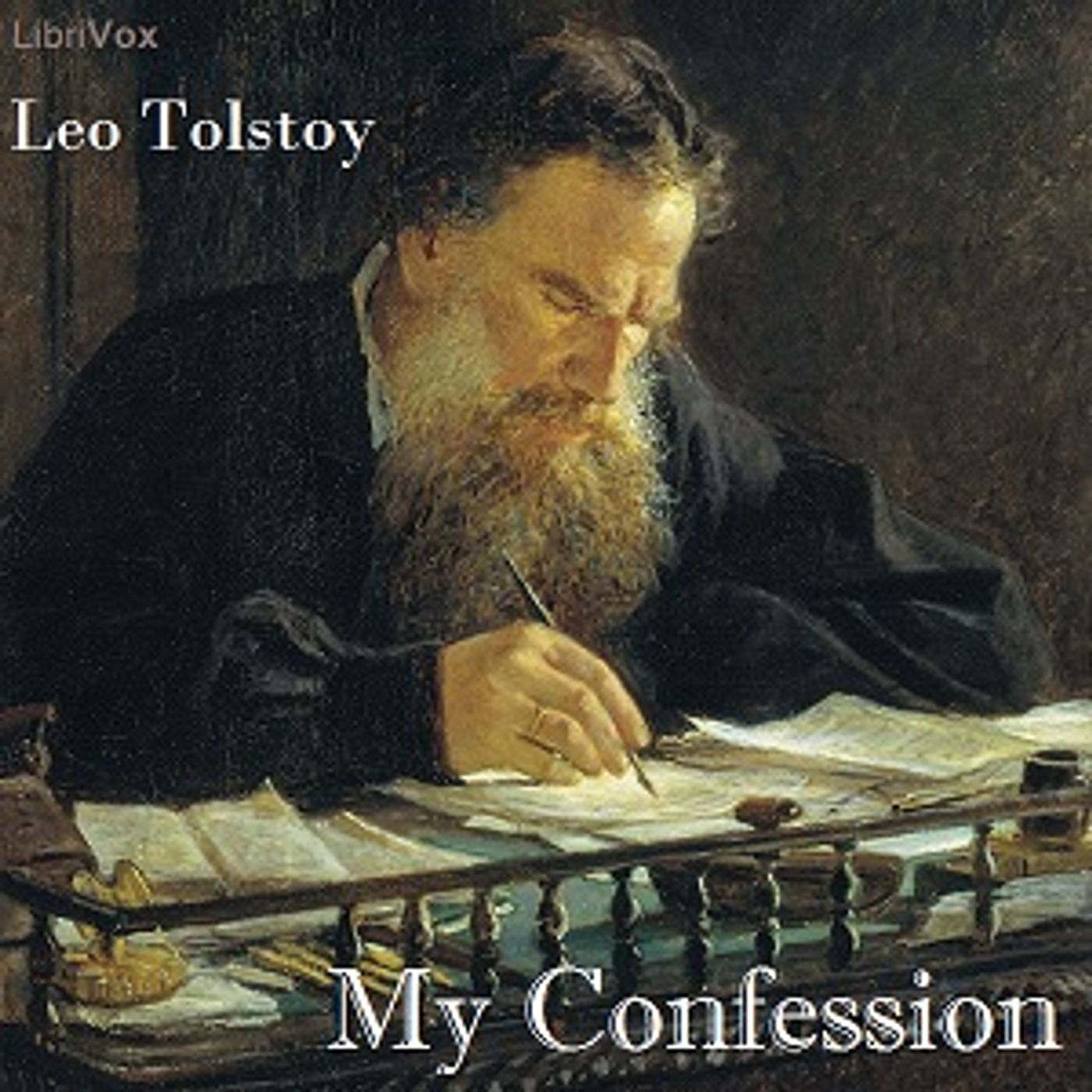
Leo Tolstoy - My Confession
by Audiobooks by Librivox
"My Confession" is a brief autobiographical story of Leo Tolstoy's struggle with a mid-life existential crisis of melancholia. It describes his search for answers to the profound questions "What will come of my life?" and "What is the meaning of life?", without answers to which life, for him, had become "impossible." Tolstoy reflects on the arc of his philosophical life until then: his childhood abandonment of his Russian orthodox faith; his mastery of strength, will, power, and reason; and how, after he had achieved tremendous financial success and social status, life to him seemed meaningless. After despairing of his attempts to find answers in science, philosophy, eastern wisdom, and his fellow men of letters, he describes his turn to the wisdom of the common people and his attempts to reconcile their instinctive faith with the dictates of his reason. The main body of the text ends with the author reaching a compromise: faith, he realizes, is a necessity, but it must be constrained
-
16
-
15
-
14
-
13
-
12
-
11
-
10
-
9
-
8
-
7
-
6
-
5
-
4
-
3
-
2
-
1
We're indexing this podcast's transcripts for the first time — this can take a minute or two. We'll show results as soon as they're ready.
No matches for "" in this podcast's transcripts.
No topics indexed yet for this podcast.
Loading reviews...
ABOUT THIS SHOW
"My Confession" is a brief autobiographical story of Leo Tolstoy's struggle with a mid-life existential crisis of melancholia. It describes his search for answers to the profound questions "What will come of my life?" and "What is the meaning of life?", without answers to which life, for him, had become "impossible." Tolstoy reflects on the arc of his philosophical life until then: his childhood abandonment of his Russian orthodox faith; his mastery of strength, will, power, and reason; and how, after he had achieved tremendous financial success and social status, life to him seemed meaningless. After despairing of his attempts to find answers in science, philosophy, eastern wisdom, and his fellow men of letters, he describes his turn to the wisdom of the common people and his attempts to reconcile their instinctive faith with the dictates of his reason. The main body of the text ends with the author reaching a compromise: faith, he realizes, is a necessity, but it must be constrained
HOSTED BY
Audiobooks by Librivox
CATEGORIES
Loading similar podcasts...
Frequently Asked Questions
How many episodes does Leo Tolstoy - My Confession have?
Leo Tolstoy - My Confession currently has 16 episodes available on PodParley. New episodes are automatically indexed when they're published to the podcast feed.
What is Leo Tolstoy - My Confession about?
"My Confession" is a brief autobiographical story of Leo Tolstoy's struggle with a mid-life existential crisis of melancholia. It describes his search for answers to the profound questions "What will come of my life?" and "What is the meaning of life?", without answers to which life, for him, had...
How often does Leo Tolstoy - My Confession release new episodes?
Leo Tolstoy - My Confession has 16 episodes. Check the episode list to see recent publication dates and frequency.
Where can I listen to Leo Tolstoy - My Confession?
You can listen to Leo Tolstoy - My Confession on PodParley by clicking any episode. We provide an embedded audio player for direct listening, and you can also subscribe via your preferred podcast app using the RSS feed.
Who hosts Leo Tolstoy - My Confession?
Leo Tolstoy - My Confession is created and hosted by Audiobooks by Librivox.
URL copied to clipboard!