
PODCAST · arts
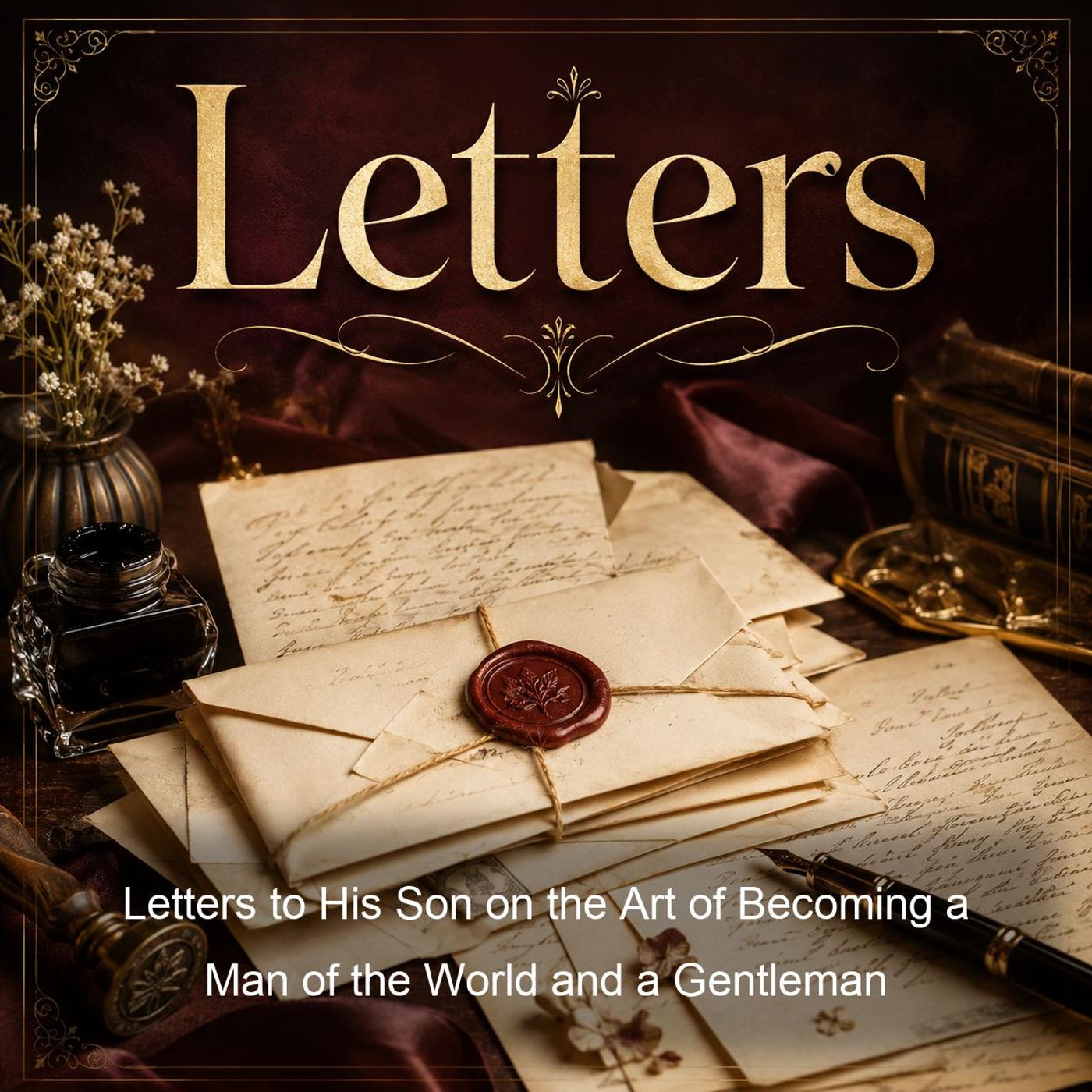
Letters to His Son on the Art of Becoming a Man of the World and a Gentleman
by Philip Stanhope, 4th Earl of Chesterfield
Philip Stanhope, Earl of Chesterfield, was at one time Ambassador to the Hague, negotiated the second Treaty of Vienna, was a founding governor of London’s Foundling Hospital, Lord-Lieutenant of Ireland, and Secretary of State. Having no legitimate children, his heir was his third cousin (another Philip) whom he adopted. Although known as a hard, calculating man, he is most well known for his letters to his natural son (i.e., illegitimate son) (also called Philip). When Philip died in 1768, the letters are addressed to his grandchildren (Philip’s two sons, Charles, and, yes, Philip!). (Sibella Denton) From the introduction: “The proud Lord Chesterfield would have turned in his grave had he known that he was to go down to posterity as a teacher and preacher of the gospel of not grace, but—"the graces, the graces, the graces." Natural gifts, social status, open opportunities, and his ambition, all conspired to destine him for high statesmanship. If anything was lacking in his qualificati
-
3
Letters of Travel-Rudyard Kipling
"Letters of Travel" by Rudyard Kipling invites listeners to embark on a journey through the author's reflections on his adventures and observations around the world. This collection of writings captures Kipling's insights into diverse cultures, landscapes, and the human experience, showcasing his keen understanding of life and the art of storytelling. The themes of exploration, personal growth, and the quest for knowledge resonate powerfully today, reminding us of the importance of curiosity and empathy in an increasingly interconnected world. Kipling's eloquent prose and vivid imagery make this audiobook an enduring treasure for anyone seeking inspiration and a deeper appreciation for the world we inhabit.
-
2
Great Inventors and Their Inventions-Frank P. Bachman
Philip Stanhope, Earl of Chesterfield, was at one time Ambassador to the Hague, negotiated the second Treaty of Vienna, was a founding governor of London’s Foundling Hospital, Lord-Lieutenant of Ireland, and Secretary of State. Having no legitimate children, his heir was his third cousin (another Philip) whom he adopted. Although known as a hard, calculating man, he is most well known for his letters to his natural son (i.e., illegitimate son) (also called Philip). When Philip died in 1768, the letters are addressed to his grandchildren (Philip’s two sons, Charles, and, yes, Philip!). (Sibella Denton) From the introduction: “The proud Lord Chesterfield would have turned in his grave had he known that he was to go down to posterity as a teacher and preacher of the gospel of not grace, but—"the graces, the graces, the graces." Natural gifts, social status, open opportunities, and his ambition, all conspired to destine him for high statesmanship. If anything was lacking in his qualifications, he had the pluck and good sense to work hard and persistently until the deficiency was made up. Something remained lacking, and not all his consummate mastery of arts could conceal that conspicuous want,—the want of heart. Teacher and preacher he assuredly is, and long will be, yet no thanks are his due from a posterity of the common people whom he so sublimely despised. His pious mission was not to raise the level of the multitude, but to lift a single individual upon a pedestal so high that his lowly origin should not betray itself. That individual was his, Lord Chesterfield's, illegitimate son, whose inferior blood should be given the true blue hue by concentrating upon him all the externals of aristocratic education.”
-
1
Old New Zealand Being Incidents of Native Customs and Character in the Old Times-Frederick Edward Maning
Philip Stanhope, Earl of Chesterfield, was at one time Ambassador to the Hague, negotiated the second Treaty of Vienna, was a founding governor of London’s Foundling Hospital, Lord-Lieutenant of Ireland, and Secretary of State. Having no legitimate children, his heir was his third cousin (another Philip) whom he adopted. Although known as a hard, calculating man, he is most well known for his letters to his natural son (i.e., illegitimate son) (also called Philip). When Philip died in 1768, the letters are addressed to his grandchildren (Philip’s two sons, Charles, and, yes, Philip!). (Sibella Denton) From the introduction: “The proud Lord Chesterfield would have turned in his grave had he known that he was to go down to posterity as a teacher and preacher of the gospel of not grace, but—"the graces, the graces, the graces." Natural gifts, social status, open opportunities, and his ambition, all conspired to destine him for high statesmanship. If anything was lacking in his qualifications, he had the pluck and good sense to work hard and persistently until the deficiency was made up. Something remained lacking, and not all his consummate mastery of arts could conceal that conspicuous want,—the want of heart. Teacher and preacher he assuredly is, and long will be, yet no thanks are his due from a posterity of the common people whom he so sublimely despised. His pious mission was not to raise the level of the multitude, but to lift a single individual upon a pedestal so high that his lowly origin should not betray itself. That individual was his, Lord Chesterfield's, illegitimate son, whose inferior blood should be given the true blue hue by concentrating upon him all the externals of aristocratic education.”
-
0
Selections from Harris's Cabinet-William Roscoe
Philip Stanhope, Earl of Chesterfield, was at one time Ambassador to the Hague, negotiated the second Treaty of Vienna, was a founding governor of London’s Foundling Hospital, Lord-Lieutenant of Ireland, and Secretary of State. Having no legitimate children, his heir was his third cousin (another Philip) whom he adopted. Although known as a hard, calculating man, he is most well known for his letters to his natural son (i.e., illegitimate son) (also called Philip). When Philip died in 1768, the letters are addressed to his grandchildren (Philip’s two sons, Charles, and, yes, Philip!). (Sibella Denton) From the introduction: “The proud Lord Chesterfield would have turned in his grave had he known that he was to go down to posterity as a teacher and preacher of the gospel of not grace, but—"the graces, the graces, the graces." Natural gifts, social status, open opportunities, and his ambition, all conspired to destine him for high statesmanship. If anything was lacking in his qualifications, he had the pluck and good sense to work hard and persistently until the deficiency was made up. Something remained lacking, and not all his consummate mastery of arts could conceal that conspicuous want,—the want of heart. Teacher and preacher he assuredly is, and long will be, yet no thanks are his due from a posterity of the common people whom he so sublimely despised. His pious mission was not to raise the level of the multitude, but to lift a single individual upon a pedestal so high that his lowly origin should not betray itself. That individual was his, Lord Chesterfield's, illegitimate son, whose inferior blood should be given the true blue hue by concentrating upon him all the externals of aristocratic education.”
-
-1
In Old Narragansett-Alice Morse Earle
Philip Stanhope, Earl of Chesterfield, was at one time Ambassador to the Hague, negotiated the second Treaty of Vienna, was a founding governor of London’s Foundling Hospital, Lord-Lieutenant of Ireland, and Secretary of State. Having no legitimate children, his heir was his third cousin (another Philip) whom he adopted. Although known as a hard, calculating man, he is most well known for his letters to his natural son (i.e., illegitimate son) (also called Philip). When Philip died in 1768, the letters are addressed to his grandchildren (Philip’s two sons, Charles, and, yes, Philip!). (Sibella Denton) From the introduction: “The proud Lord Chesterfield would have turned in his grave had he known that he was to go down to posterity as a teacher and preacher of the gospel of not grace, but—"the graces, the graces, the graces." Natural gifts, social status, open opportunities, and his ambition, all conspired to destine him for high statesmanship. If anything was lacking in his qualifications, he had the pluck and good sense to work hard and persistently until the deficiency was made up. Something remained lacking, and not all his consummate mastery of arts could conceal that conspicuous want,—the want of heart. Teacher and preacher he assuredly is, and long will be, yet no thanks are his due from a posterity of the common people whom he so sublimely despised. His pious mission was not to raise the level of the multitude, but to lift a single individual upon a pedestal so high that his lowly origin should not betray itself. That individual was his, Lord Chesterfield's, illegitimate son, whose inferior blood should be given the true blue hue by concentrating upon him all the externals of aristocratic education.”
-
-2
Autobiography of Goethe Volume 2-Johann Wolfgang von Goethe
Philip Stanhope, Earl of Chesterfield, was at one time Ambassador to the Hague, negotiated the second Treaty of Vienna, was a founding governor of London’s Foundling Hospital, Lord-Lieutenant of Ireland, and Secretary of State. Having no legitimate children, his heir was his third cousin (another Philip) whom he adopted. Although known as a hard, calculating man, he is most well known for his letters to his natural son (i.e., illegitimate son) (also called Philip). When Philip died in 1768, the letters are addressed to his grandchildren (Philip’s two sons, Charles, and, yes, Philip!). (Sibella Denton) From the introduction: “The proud Lord Chesterfield would have turned in his grave had he known that he was to go down to posterity as a teacher and preacher of the gospel of not grace, but—"the graces, the graces, the graces." Natural gifts, social status, open opportunities, and his ambition, all conspired to destine him for high statesmanship. If anything was lacking in his qualifications, he had the pluck and good sense to work hard and persistently until the deficiency was made up. Something remained lacking, and not all his consummate mastery of arts could conceal that conspicuous want,—the want of heart. Teacher and preacher he assuredly is, and long will be, yet no thanks are his due from a posterity of the common people whom he so sublimely despised. His pious mission was not to raise the level of the multitude, but to lift a single individual upon a pedestal so high that his lowly origin should not betray itself. That individual was his, Lord Chesterfield's, illegitimate son, whose inferior blood should be given the true blue hue by concentrating upon him all the externals of aristocratic education.”
-
-3
Mice & Other Poems-Gerald Bullett
Philip Stanhope, Earl of Chesterfield, was at one time Ambassador to the Hague, negotiated the second Treaty of Vienna, was a founding governor of London’s Foundling Hospital, Lord-Lieutenant of Ireland, and Secretary of State. Having no legitimate children, his heir was his third cousin (another Philip) whom he adopted. Although known as a hard, calculating man, he is most well known for his letters to his natural son (i.e., illegitimate son) (also called Philip). When Philip died in 1768, the letters are addressed to his grandchildren (Philip’s two sons, Charles, and, yes, Philip!). (Sibella Denton) From the introduction: “The proud Lord Chesterfield would have turned in his grave had he known that he was to go down to posterity as a teacher and preacher of the gospel of not grace, but—"the graces, the graces, the graces." Natural gifts, social status, open opportunities, and his ambition, all conspired to destine him for high statesmanship. If anything was lacking in his qualifications, he had the pluck and good sense to work hard and persistently until the deficiency was made up. Something remained lacking, and not all his consummate mastery of arts could conceal that conspicuous want,—the want of heart. Teacher and preacher he assuredly is, and long will be, yet no thanks are his due from a posterity of the common people whom he so sublimely despised. His pious mission was not to raise the level of the multitude, but to lift a single individual upon a pedestal so high that his lowly origin should not betray itself. That individual was his, Lord Chesterfield's, illegitimate son, whose inferior blood should be given the true blue hue by concentrating upon him all the externals of aristocratic education.”
-
-4
Undying One and Other Poems-Caroline Elizabeth Sarah Norton
Philip Stanhope, Earl of Chesterfield, was at one time Ambassador to the Hague, negotiated the second Treaty of Vienna, was a founding governor of London’s Foundling Hospital, Lord-Lieutenant of Ireland, and Secretary of State. Having no legitimate children, his heir was his third cousin (another Philip) whom he adopted. Although known as a hard, calculating man, he is most well known for his letters to his natural son (i.e., illegitimate son) (also called Philip). When Philip died in 1768, the letters are addressed to his grandchildren (Philip’s two sons, Charles, and, yes, Philip!). (Sibella Denton) From the introduction: “The proud Lord Chesterfield would have turned in his grave had he known that he was to go down to posterity as a teacher and preacher of the gospel of not grace, but—"the graces, the graces, the graces." Natural gifts, social status, open opportunities, and his ambition, all conspired to destine him for high statesmanship. If anything was lacking in his qualifications, he had the pluck and good sense to work hard and persistently until the deficiency was made up. Something remained lacking, and not all his consummate mastery of arts could conceal that conspicuous want,—the want of heart. Teacher and preacher he assuredly is, and long will be, yet no thanks are his due from a posterity of the common people whom he so sublimely despised. His pious mission was not to raise the level of the multitude, but to lift a single individual upon a pedestal so high that his lowly origin should not betray itself. That individual was his, Lord Chesterfield's, illegitimate son, whose inferior blood should be given the true blue hue by concentrating upon him all the externals of aristocratic education.”
-
-5
Finland and the Tsars, 1809-1899-Joseph R. Fisher
Philip Stanhope, Earl of Chesterfield, was at one time Ambassador to the Hague, negotiated the second Treaty of Vienna, was a founding governor of London’s Foundling Hospital, Lord-Lieutenant of Ireland, and Secretary of State. Having no legitimate children, his heir was his third cousin (another Philip) whom he adopted. Although known as a hard, calculating man, he is most well known for his letters to his natural son (i.e., illegitimate son) (also called Philip). When Philip died in 1768, the letters are addressed to his grandchildren (Philip’s two sons, Charles, and, yes, Philip!). (Sibella Denton) From the introduction: “The proud Lord Chesterfield would have turned in his grave had he known that he was to go down to posterity as a teacher and preacher of the gospel of not grace, but—"the graces, the graces, the graces." Natural gifts, social status, open opportunities, and his ambition, all conspired to destine him for high statesmanship. If anything was lacking in his qualifications, he had the pluck and good sense to work hard and persistently until the deficiency was made up. Something remained lacking, and not all his consummate mastery of arts could conceal that conspicuous want,—the want of heart. Teacher and preacher he assuredly is, and long will be, yet no thanks are his due from a posterity of the common people whom he so sublimely despised. His pious mission was not to raise the level of the multitude, but to lift a single individual upon a pedestal so high that his lowly origin should not betray itself. That individual was his, Lord Chesterfield's, illegitimate son, whose inferior blood should be given the true blue hue by concentrating upon him all the externals of aristocratic education.”
-
-6
Foxe's Book of Martyrs Vol 2: Lives and Deaths of Early Christian and Protestant Martyrs-Forbush, Foxe
Philip Stanhope, Earl of Chesterfield, was at one time Ambassador to the Hague, negotiated the second Treaty of Vienna, was a founding governor of London’s Foundling Hospital, Lord-Lieutenant of Ireland, and Secretary of State. Having no legitimate children, his heir was his third cousin (another Philip) whom he adopted. Although known as a hard, calculating man, he is most well known for his letters to his natural son (i.e., illegitimate son) (also called Philip). When Philip died in 1768, the letters are addressed to his grandchildren (Philip’s two sons, Charles, and, yes, Philip!). (Sibella Denton) From the introduction: “The proud Lord Chesterfield would have turned in his grave had he known that he was to go down to posterity as a teacher and preacher of the gospel of not grace, but—"the graces, the graces, the graces." Natural gifts, social status, open opportunities, and his ambition, all conspired to destine him for high statesmanship. If anything was lacking in his qualifications, he had the pluck and good sense to work hard and persistently until the deficiency was made up. Something remained lacking, and not all his consummate mastery of arts could conceal that conspicuous want,—the want of heart. Teacher and preacher he assuredly is, and long will be, yet no thanks are his due from a posterity of the common people whom he so sublimely despised. His pious mission was not to raise the level of the multitude, but to lift a single individual upon a pedestal so high that his lowly origin should not betray itself. That individual was his, Lord Chesterfield's, illegitimate son, whose inferior blood should be given the true blue hue by concentrating upon him all the externals of aristocratic education.”
-
-7
Improvement of the Mind-Stephen Norris Fellows, Isaac Watts
Philip Stanhope, Earl of Chesterfield, was at one time Ambassador to the Hague, negotiated the second Treaty of Vienna, was a founding governor of London’s Foundling Hospital, Lord-Lieutenant of Ireland, and Secretary of State. Having no legitimate children, his heir was his third cousin (another Philip) whom he adopted. Although known as a hard, calculating man, he is most well known for his letters to his natural son (i.e., illegitimate son) (also called Philip). When Philip died in 1768, the letters are addressed to his grandchildren (Philip’s two sons, Charles, and, yes, Philip!). (Sibella Denton) From the introduction: “The proud Lord Chesterfield would have turned in his grave had he known that he was to go down to posterity as a teacher and preacher of the gospel of not grace, but—"the graces, the graces, the graces." Natural gifts, social status, open opportunities, and his ambition, all conspired to destine him for high statesmanship. If anything was lacking in his qualifications, he had the pluck and good sense to work hard and persistently until the deficiency was made up. Something remained lacking, and not all his consummate mastery of arts could conceal that conspicuous want,—the want of heart. Teacher and preacher he assuredly is, and long will be, yet no thanks are his due from a posterity of the common people whom he so sublimely despised. His pious mission was not to raise the level of the multitude, but to lift a single individual upon a pedestal so high that his lowly origin should not betray itself. That individual was his, Lord Chesterfield's, illegitimate son, whose inferior blood should be given the true blue hue by concentrating upon him all the externals of aristocratic education.”
-
-8
Real Latin Quarter-Frank Berkeley Smith
Philip Stanhope, Earl of Chesterfield, was at one time Ambassador to the Hague, negotiated the second Treaty of Vienna, was a founding governor of London’s Foundling Hospital, Lord-Lieutenant of Ireland, and Secretary of State. Having no legitimate children, his heir was his third cousin (another Philip) whom he adopted. Although known as a hard, calculating man, he is most well known for his letters to his natural son (i.e., illegitimate son) (also called Philip). When Philip died in 1768, the letters are addressed to his grandchildren (Philip’s two sons, Charles, and, yes, Philip!). (Sibella Denton) From the introduction: “The proud Lord Chesterfield would have turned in his grave had he known that he was to go down to posterity as a teacher and preacher of the gospel of not grace, but—"the graces, the graces, the graces." Natural gifts, social status, open opportunities, and his ambition, all conspired to destine him for high statesmanship. If anything was lacking in his qualifications, he had the pluck and good sense to work hard and persistently until the deficiency was made up. Something remained lacking, and not all his consummate mastery of arts could conceal that conspicuous want,—the want of heart. Teacher and preacher he assuredly is, and long will be, yet no thanks are his due from a posterity of the common people whom he so sublimely despised. His pious mission was not to raise the level of the multitude, but to lift a single individual upon a pedestal so high that his lowly origin should not betray itself. That individual was his, Lord Chesterfield's, illegitimate son, whose inferior blood should be given the true blue hue by concentrating upon him all the externals of aristocratic education.”
-
-9
Cellar-House of Pervyse-Mairi Chisholm, Elsie Knocker
Philip Stanhope, Earl of Chesterfield, was at one time Ambassador to the Hague, negotiated the second Treaty of Vienna, was a founding governor of London’s Foundling Hospital, Lord-Lieutenant of Ireland, and Secretary of State. Having no legitimate children, his heir was his third cousin (another Philip) whom he adopted. Although known as a hard, calculating man, he is most well known for his letters to his natural son (i.e., illegitimate son) (also called Philip). When Philip died in 1768, the letters are addressed to his grandchildren (Philip’s two sons, Charles, and, yes, Philip!). (Sibella Denton) From the introduction: “The proud Lord Chesterfield would have turned in his grave had he known that he was to go down to posterity as a teacher and preacher of the gospel of not grace, but—"the graces, the graces, the graces." Natural gifts, social status, open opportunities, and his ambition, all conspired to destine him for high statesmanship. If anything was lacking in his qualifications, he had the pluck and good sense to work hard and persistently until the deficiency was made up. Something remained lacking, and not all his consummate mastery of arts could conceal that conspicuous want,—the want of heart. Teacher and preacher he assuredly is, and long will be, yet no thanks are his due from a posterity of the common people whom he so sublimely despised. His pious mission was not to raise the level of the multitude, but to lift a single individual upon a pedestal so high that his lowly origin should not betray itself. That individual was his, Lord Chesterfield's, illegitimate son, whose inferior blood should be given the true blue hue by concentrating upon him all the externals of aristocratic education.”
-
-10
France At War On the Frontier of Civilization-Rudyard Kipling
Philip Stanhope, Earl of Chesterfield, was at one time Ambassador to the Hague, negotiated the second Treaty of Vienna, was a founding governor of London’s Foundling Hospital, Lord-Lieutenant of Ireland, and Secretary of State. Having no legitimate children, his heir was his third cousin (another Philip) whom he adopted. Although known as a hard, calculating man, he is most well known for his letters to his natural son (i.e., illegitimate son) (also called Philip). When Philip died in 1768, the letters are addressed to his grandchildren (Philip’s two sons, Charles, and, yes, Philip!). (Sibella Denton) From the introduction: “The proud Lord Chesterfield would have turned in his grave had he known that he was to go down to posterity as a teacher and preacher of the gospel of not grace, but—"the graces, the graces, the graces." Natural gifts, social status, open opportunities, and his ambition, all conspired to destine him for high statesmanship. If anything was lacking in his qualifications, he had the pluck and good sense to work hard and persistently until the deficiency was made up. Something remained lacking, and not all his consummate mastery of arts could conceal that conspicuous want,—the want of heart. Teacher and preacher he assuredly is, and long will be, yet no thanks are his due from a posterity of the common people whom he so sublimely despised. His pious mission was not to raise the level of the multitude, but to lift a single individual upon a pedestal so high that his lowly origin should not betray itself. That individual was his, Lord Chesterfield's, illegitimate son, whose inferior blood should be given the true blue hue by concentrating upon him all the externals of aristocratic education.”
-
-11
Fate of Fenella-Various
Philip Stanhope, Earl of Chesterfield, was at one time Ambassador to the Hague, negotiated the second Treaty of Vienna, was a founding governor of London’s Foundling Hospital, Lord-Lieutenant of Ireland, and Secretary of State. Having no legitimate children, his heir was his third cousin (another Philip) whom he adopted. Although known as a hard, calculating man, he is most well known for his letters to his natural son (i.e., illegitimate son) (also called Philip). When Philip died in 1768, the letters are addressed to his grandchildren (Philip’s two sons, Charles, and, yes, Philip!). (Sibella Denton) From the introduction: “The proud Lord Chesterfield would have turned in his grave had he known that he was to go down to posterity as a teacher and preacher of the gospel of not grace, but—"the graces, the graces, the graces." Natural gifts, social status, open opportunities, and his ambition, all conspired to destine him for high statesmanship. If anything was lacking in his qualifications, he had the pluck and good sense to work hard and persistently until the deficiency was made up. Something remained lacking, and not all his consummate mastery of arts could conceal that conspicuous want,—the want of heart. Teacher and preacher he assuredly is, and long will be, yet no thanks are his due from a posterity of the common people whom he so sublimely despised. His pious mission was not to raise the level of the multitude, but to lift a single individual upon a pedestal so high that his lowly origin should not betray itself. That individual was his, Lord Chesterfield's, illegitimate son, whose inferior blood should be given the true blue hue by concentrating upon him all the externals of aristocratic education.”
-
-12
Gold Hunter's Experience-Chalkley J. Hambleton
Philip Stanhope, Earl of Chesterfield, was at one time Ambassador to the Hague, negotiated the second Treaty of Vienna, was a founding governor of London’s Foundling Hospital, Lord-Lieutenant of Ireland, and Secretary of State. Having no legitimate children, his heir was his third cousin (another Philip) whom he adopted. Although known as a hard, calculating man, he is most well known for his letters to his natural son (i.e., illegitimate son) (also called Philip). When Philip died in 1768, the letters are addressed to his grandchildren (Philip’s two sons, Charles, and, yes, Philip!). (Sibella Denton) From the introduction: “The proud Lord Chesterfield would have turned in his grave had he known that he was to go down to posterity as a teacher and preacher of the gospel of not grace, but—"the graces, the graces, the graces." Natural gifts, social status, open opportunities, and his ambition, all conspired to destine him for high statesmanship. If anything was lacking in his qualifications, he had the pluck and good sense to work hard and persistently until the deficiency was made up. Something remained lacking, and not all his consummate mastery of arts could conceal that conspicuous want,—the want of heart. Teacher and preacher he assuredly is, and long will be, yet no thanks are his due from a posterity of the common people whom he so sublimely despised. His pious mission was not to raise the level of the multitude, but to lift a single individual upon a pedestal so high that his lowly origin should not betray itself. That individual was his, Lord Chesterfield's, illegitimate son, whose inferior blood should be given the true blue hue by concentrating upon him all the externals of aristocratic education.”
-
-13
Convivio-Dante Alighieri
Philip Stanhope, Earl of Chesterfield, was at one time Ambassador to the Hague, negotiated the second Treaty of Vienna, was a founding governor of London’s Foundling Hospital, Lord-Lieutenant of Ireland, and Secretary of State. Having no legitimate children, his heir was his third cousin (another Philip) whom he adopted. Although known as a hard, calculating man, he is most well known for his letters to his natural son (i.e., illegitimate son) (also called Philip). When Philip died in 1768, the letters are addressed to his grandchildren (Philip’s two sons, Charles, and, yes, Philip!). (Sibella Denton) From the introduction: “The proud Lord Chesterfield would have turned in his grave had he known that he was to go down to posterity as a teacher and preacher of the gospel of not grace, but—"the graces, the graces, the graces." Natural gifts, social status, open opportunities, and his ambition, all conspired to destine him for high statesmanship. If anything was lacking in his qualifications, he had the pluck and good sense to work hard and persistently until the deficiency was made up. Something remained lacking, and not all his consummate mastery of arts could conceal that conspicuous want,—the want of heart. Teacher and preacher he assuredly is, and long will be, yet no thanks are his due from a posterity of the common people whom he so sublimely despised. His pious mission was not to raise the level of the multitude, but to lift a single individual upon a pedestal so high that his lowly origin should not betray itself. That individual was his, Lord Chesterfield's, illegitimate son, whose inferior blood should be given the true blue hue by concentrating upon him all the externals of aristocratic education.”
-
-14
Dreams-Olive Schreiner
Philip Stanhope, Earl of Chesterfield, was at one time Ambassador to the Hague, negotiated the second Treaty of Vienna, was a founding governor of London’s Foundling Hospital, Lord-Lieutenant of Ireland, and Secretary of State. Having no legitimate children, his heir was his third cousin (another Philip) whom he adopted. Although known as a hard, calculating man, he is most well known for his letters to his natural son (i.e., illegitimate son) (also called Philip). When Philip died in 1768, the letters are addressed to his grandchildren (Philip’s two sons, Charles, and, yes, Philip!). (Sibella Denton) From the introduction: “The proud Lord Chesterfield would have turned in his grave had he known that he was to go down to posterity as a teacher and preacher of the gospel of not grace, but—"the graces, the graces, the graces." Natural gifts, social status, open opportunities, and his ambition, all conspired to destine him for high statesmanship. If anything was lacking in his qualifications, he had the pluck and good sense to work hard and persistently until the deficiency was made up. Something remained lacking, and not all his consummate mastery of arts could conceal that conspicuous want,—the want of heart. Teacher and preacher he assuredly is, and long will be, yet no thanks are his due from a posterity of the common people whom he so sublimely despised. His pious mission was not to raise the level of the multitude, but to lift a single individual upon a pedestal so high that his lowly origin should not betray itself. That individual was his, Lord Chesterfield's, illegitimate son, whose inferior blood should be given the true blue hue by concentrating upon him all the externals of aristocratic education.”
-
-15
Year with the Birds-W. Warde Fowler
Philip Stanhope, Earl of Chesterfield, was at one time Ambassador to the Hague, negotiated the second Treaty of Vienna, was a founding governor of London’s Foundling Hospital, Lord-Lieutenant of Ireland, and Secretary of State. Having no legitimate children, his heir was his third cousin (another Philip) whom he adopted. Although known as a hard, calculating man, he is most well known for his letters to his natural son (i.e., illegitimate son) (also called Philip). When Philip died in 1768, the letters are addressed to his grandchildren (Philip’s two sons, Charles, and, yes, Philip!). (Sibella Denton) From the introduction: “The proud Lord Chesterfield would have turned in his grave had he known that he was to go down to posterity as a teacher and preacher of the gospel of not grace, but—"the graces, the graces, the graces." Natural gifts, social status, open opportunities, and his ambition, all conspired to destine him for high statesmanship. If anything was lacking in his qualifications, he had the pluck and good sense to work hard and persistently until the deficiency was made up. Something remained lacking, and not all his consummate mastery of arts could conceal that conspicuous want,—the want of heart. Teacher and preacher he assuredly is, and long will be, yet no thanks are his due from a posterity of the common people whom he so sublimely despised. His pious mission was not to raise the level of the multitude, but to lift a single individual upon a pedestal so high that his lowly origin should not betray itself. That individual was his, Lord Chesterfield's, illegitimate son, whose inferior blood should be given the true blue hue by concentrating upon him all the externals of aristocratic education.”
-
-16
Social War of 1900-Simon Landis
Philip Stanhope, Earl of Chesterfield, was at one time Ambassador to the Hague, negotiated the second Treaty of Vienna, was a founding governor of London’s Foundling Hospital, Lord-Lieutenant of Ireland, and Secretary of State. Having no legitimate children, his heir was his third cousin (another Philip) whom he adopted. Although known as a hard, calculating man, he is most well known for his letters to his natural son (i.e., illegitimate son) (also called Philip). When Philip died in 1768, the letters are addressed to his grandchildren (Philip’s two sons, Charles, and, yes, Philip!). (Sibella Denton) From the introduction: “The proud Lord Chesterfield would have turned in his grave had he known that he was to go down to posterity as a teacher and preacher of the gospel of not grace, but—"the graces, the graces, the graces." Natural gifts, social status, open opportunities, and his ambition, all conspired to destine him for high statesmanship. If anything was lacking in his qualifications, he had the pluck and good sense to work hard and persistently until the deficiency was made up. Something remained lacking, and not all his consummate mastery of arts could conceal that conspicuous want,—the want of heart. Teacher and preacher he assuredly is, and long will be, yet no thanks are his due from a posterity of the common people whom he so sublimely despised. His pious mission was not to raise the level of the multitude, but to lift a single individual upon a pedestal so high that his lowly origin should not betray itself. That individual was his, Lord Chesterfield's, illegitimate son, whose inferior blood should be given the true blue hue by concentrating upon him all the externals of aristocratic education.”
-
-17
Letters of Mrs. Adams, the Wife of John Adams, Vol. 1-Abigail Adams
Philip Stanhope, Earl of Chesterfield, was at one time Ambassador to the Hague, negotiated the second Treaty of Vienna, was a founding governor of London’s Foundling Hospital, Lord-Lieutenant of Ireland, and Secretary of State. Having no legitimate children, his heir was his third cousin (another Philip) whom he adopted. Although known as a hard, calculating man, he is most well known for his letters to his natural son (i.e., illegitimate son) (also called Philip). When Philip died in 1768, the letters are addressed to his grandchildren (Philip’s two sons, Charles, and, yes, Philip!). (Sibella Denton) From the introduction: “The proud Lord Chesterfield would have turned in his grave had he known that he was to go down to posterity as a teacher and preacher of the gospel of not grace, but—"the graces, the graces, the graces." Natural gifts, social status, open opportunities, and his ambition, all conspired to destine him for high statesmanship. If anything was lacking in his qualifications, he had the pluck and good sense to work hard and persistently until the deficiency was made up. Something remained lacking, and not all his consummate mastery of arts could conceal that conspicuous want,—the want of heart. Teacher and preacher he assuredly is, and long will be, yet no thanks are his due from a posterity of the common people whom he so sublimely despised. His pious mission was not to raise the level of the multitude, but to lift a single individual upon a pedestal so high that his lowly origin should not betray itself. That individual was his, Lord Chesterfield's, illegitimate son, whose inferior blood should be given the true blue hue by concentrating upon him all the externals of aristocratic education.”
-
-18
Vegetable; or, From President to Postman-F. Scott Fitzgerald
Philip Stanhope, Earl of Chesterfield, was at one time Ambassador to the Hague, negotiated the second Treaty of Vienna, was a founding governor of London’s Foundling Hospital, Lord-Lieutenant of Ireland, and Secretary of State. Having no legitimate children, his heir was his third cousin (another Philip) whom he adopted. Although known as a hard, calculating man, he is most well known for his letters to his natural son (i.e., illegitimate son) (also called Philip). When Philip died in 1768, the letters are addressed to his grandchildren (Philip’s two sons, Charles, and, yes, Philip!). (Sibella Denton) From the introduction: “The proud Lord Chesterfield would have turned in his grave had he known that he was to go down to posterity as a teacher and preacher of the gospel of not grace, but—"the graces, the graces, the graces." Natural gifts, social status, open opportunities, and his ambition, all conspired to destine him for high statesmanship. If anything was lacking in his qualifications, he had the pluck and good sense to work hard and persistently until the deficiency was made up. Something remained lacking, and not all his consummate mastery of arts could conceal that conspicuous want,—the want of heart. Teacher and preacher he assuredly is, and long will be, yet no thanks are his due from a posterity of the common people whom he so sublimely despised. His pious mission was not to raise the level of the multitude, but to lift a single individual upon a pedestal so high that his lowly origin should not betray itself. That individual was his, Lord Chesterfield's, illegitimate son, whose inferior blood should be given the true blue hue by concentrating upon him all the externals of aristocratic education.”
-
-19
Post Mortems Two Mere Mortals Medico-Historical Essays-Charles MacLaurin
Philip Stanhope, Earl of Chesterfield, was at one time Ambassador to the Hague, negotiated the second Treaty of Vienna, was a founding governor of London’s Foundling Hospital, Lord-Lieutenant of Ireland, and Secretary of State. Having no legitimate children, his heir was his third cousin (another Philip) whom he adopted. Although known as a hard, calculating man, he is most well known for his letters to his natural son (i.e., illegitimate son) (also called Philip). When Philip died in 1768, the letters are addressed to his grandchildren (Philip’s two sons, Charles, and, yes, Philip!). (Sibella Denton) From the introduction: “The proud Lord Chesterfield would have turned in his grave had he known that he was to go down to posterity as a teacher and preacher of the gospel of not grace, but—"the graces, the graces, the graces." Natural gifts, social status, open opportunities, and his ambition, all conspired to destine him for high statesmanship. If anything was lacking in his qualifications, he had the pluck and good sense to work hard and persistently until the deficiency was made up. Something remained lacking, and not all his consummate mastery of arts could conceal that conspicuous want,—the want of heart. Teacher and preacher he assuredly is, and long will be, yet no thanks are his due from a posterity of the common people whom he so sublimely despised. His pious mission was not to raise the level of the multitude, but to lift a single individual upon a pedestal so high that his lowly origin should not betray itself. That individual was his, Lord Chesterfield's, illegitimate son, whose inferior blood should be given the true blue hue by concentrating upon him all the externals of aristocratic education.”
-
-20
Armand Durand-Rosanna Eleanor Leprohon
Philip Stanhope, Earl of Chesterfield, was at one time Ambassador to the Hague, negotiated the second Treaty of Vienna, was a founding governor of London’s Foundling Hospital, Lord-Lieutenant of Ireland, and Secretary of State. Having no legitimate children, his heir was his third cousin (another Philip) whom he adopted. Although known as a hard, calculating man, he is most well known for his letters to his natural son (i.e., illegitimate son) (also called Philip). When Philip died in 1768, the letters are addressed to his grandchildren (Philip’s two sons, Charles, and, yes, Philip!). (Sibella Denton) From the introduction: “The proud Lord Chesterfield would have turned in his grave had he known that he was to go down to posterity as a teacher and preacher of the gospel of not grace, but—"the graces, the graces, the graces." Natural gifts, social status, open opportunities, and his ambition, all conspired to destine him for high statesmanship. If anything was lacking in his qualifications, he had the pluck and good sense to work hard and persistently until the deficiency was made up. Something remained lacking, and not all his consummate mastery of arts could conceal that conspicuous want,—the want of heart. Teacher and preacher he assuredly is, and long will be, yet no thanks are his due from a posterity of the common people whom he so sublimely despised. His pious mission was not to raise the level of the multitude, but to lift a single individual upon a pedestal so high that his lowly origin should not betray itself. That individual was his, Lord Chesterfield's, illegitimate son, whose inferior blood should be given the true blue hue by concentrating upon him all the externals of aristocratic education.”
-
-21
Astrophel and Stella-Sir Philip Sidney
"Astrophel and Stella" by Sir Philip Sidney is a timeless exploration of love and longing, encapsulating the complexities of human emotion through the lens of poetic expression. This collection of sonnets delves into the struggles of unrequited love, the pursuit of beauty, and the philosophical reflections on the nature of desire. Its enduring themes of passion, introspection, and the quest for personal identity resonate with listeners today, reminding us of the universal experiences that shape our lives. Sidney's masterful use of language and form offers a rich auditory experience, inviting contemplation on the nature of love and the human condition that remains relevant across centuries.
-
-22
Letters to His Son on the Art of Becoming a Man of the World and a Gentleman - Philip Stanhope 4th Earl of Chesterfield - Part 3
Philip Stanhope, Earl of Chesterfield, was at one time Ambassador to the Hague, negotiated the second Treaty of Vienna, was a founding governor of London’s Foundling Hospital, Lord-Lieutenant of Ireland, and Secretary of State. Having no legitimate children, his heir was his third cousin (another Philip) whom he adopted. Although known as a hard, calculating man, he is most well known for his letters to his natural son (i.e., illegitimate son) (also called Philip). When Philip died in 1768, the letters are addressed to his grandchildren (Philip’s two sons, Charles, and, yes, Philip!). (Sibella Denton) From the introduction: “The proud Lord Chesterfield would have turned in his grave had he known that he was to go down to posterity as a teacher and preacher of the gospel of not grace, but—"the graces, the graces, the graces." Natural gifts, social status, open opportunities, and his ambition, all conspired to destine him for high statesmanship. If anything was lacking in his qualifications, he had the pluck and good sense to work hard and persistently until the deficiency was made up. Something remained lacking, and not all his consummate mastery of arts could conceal that conspicuous want,—the want of heart. Teacher and preacher he assuredly is, and long will be, yet no thanks are his due from a posterity of the common people whom he so sublimely despised. His pious mission was not to raise the level of the multitude, but to lift a single individual upon a pedestal so high that his lowly origin should not betray itself. That individual was his, Lord Chesterfield's, illegitimate son, whose inferior blood should be given the true blue hue by concentrating upon him all the externals of aristocratic education.”
-
-23
Letters to His Son on the Art of Becoming a Man of the World and a Gentleman - Philip Stanhope 4th Earl of Chesterfield - Part 2
Philip Stanhope, Earl of Chesterfield, was at one time Ambassador to the Hague, negotiated the second Treaty of Vienna, was a founding governor of London’s Foundling Hospital, Lord-Lieutenant of Ireland, and Secretary of State. Having no legitimate children, his heir was his third cousin (another Philip) whom he adopted. Although known as a hard, calculating man, he is most well known for his letters to his natural son (i.e., illegitimate son) (also called Philip). When Philip died in 1768, the letters are addressed to his grandchildren (Philip’s two sons, Charles, and, yes, Philip!). (Sibella Denton) From the introduction: “The proud Lord Chesterfield would have turned in his grave had he known that he was to go down to posterity as a teacher and preacher of the gospel of not grace, but—"the graces, the graces, the graces." Natural gifts, social status, open opportunities, and his ambition, all conspired to destine him for high statesmanship. If anything was lacking in his qualifications, he had the pluck and good sense to work hard and persistently until the deficiency was made up. Something remained lacking, and not all his consummate mastery of arts could conceal that conspicuous want,—the want of heart. Teacher and preacher he assuredly is, and long will be, yet no thanks are his due from a posterity of the common people whom he so sublimely despised. His pious mission was not to raise the level of the multitude, but to lift a single individual upon a pedestal so high that his lowly origin should not betray itself. That individual was his, Lord Chesterfield's, illegitimate son, whose inferior blood should be given the true blue hue by concentrating upon him all the externals of aristocratic education.”
-
-24
Letters to His Son on the Art of Becoming a Man of the World and a Gentleman - Philip Stanhope 4th Earl of Chesterfield - Part 1
Philip Stanhope, Earl of Chesterfield, was at one time Ambassador to the Hague, negotiated the second Treaty of Vienna, was a founding governor of London’s Foundling Hospital, Lord-Lieutenant of Ireland, and Secretary of State. Having no legitimate children, his heir was his third cousin (another Philip) whom he adopted. Although known as a hard, calculating man, he is most well known for his letters to his natural son (i.e., illegitimate son) (also called Philip). When Philip died in 1768, the letters are addressed to his grandchildren (Philip’s two sons, Charles, and, yes, Philip!). (Sibella Denton) From the introduction: “The proud Lord Chesterfield would have turned in his grave had he known that he was to go down to posterity as a teacher and preacher of the gospel of not grace, but—"the graces, the graces, the graces." Natural gifts, social status, open opportunities, and his ambition, all conspired to destine him for high statesmanship. If anything was lacking in his qualifications, he had the pluck and good sense to work hard and persistently until the deficiency was made up. Something remained lacking, and not all his consummate mastery of arts could conceal that conspicuous want,—the want of heart. Teacher and preacher he assuredly is, and long will be, yet no thanks are his due from a posterity of the common people whom he so sublimely despised. His pious mission was not to raise the level of the multitude, but to lift a single individual upon a pedestal so high that his lowly origin should not betray itself. That individual was his, Lord Chesterfield's, illegitimate son, whose inferior blood should be given the true blue hue by concentrating upon him all the externals of aristocratic education.”
We're indexing this podcast's transcripts for the first time — this can take a minute or two. We'll show results as soon as they're ready.
No matches for "" in this podcast's transcripts.
No topics indexed yet for this podcast.
Loading reviews...
ABOUT THIS SHOW
Philip Stanhope, Earl of Chesterfield, was at one time Ambassador to the Hague, negotiated the second Treaty of Vienna, was a founding governor of London’s Foundling Hospital, Lord-Lieutenant of Ireland, and Secretary of State. Having no legitimate children, his heir was his third cousin (another Philip) whom he adopted. Although known as a hard, calculating man, he is most well known for his letters to his natural son (i.e., illegitimate son) (also called Philip). When Philip died in 1768, the letters are addressed to his grandchildren (Philip’s two sons, Charles, and, yes, Philip!). (Sibella Denton) From the introduction: “The proud Lord Chesterfield would have turned in his grave had he known that he was to go down to posterity as a teacher and preacher of the gospel of not grace, but—"the graces, the graces, the graces." Natural gifts, social status, open opportunities, and his ambition, all conspired to destine him for high statesmanship. If anything was lacking in his qualificati
HOSTED BY
Philip Stanhope, 4th Earl of Chesterfield
Loading similar podcasts...
Frequently Asked Questions
How many episodes does Letters to His Son on the Art of Becoming a Man of the World and a Gentleman have?
Letters to His Son on the Art of Becoming a Man of the World and a Gentleman currently has 28 episodes available on PodParley. New episodes are automatically indexed when they're published to the podcast feed.
What is Letters to His Son on the Art of Becoming a Man of the World and a Gentleman about?
Philip Stanhope, Earl of Chesterfield, was at one time Ambassador to the Hague, negotiated the second Treaty of Vienna, was a founding governor of London’s Foundling Hospital, Lord-Lieutenant of Ireland, and Secretary of State. Having no legitimate children, his heir was his third cousin (another...
How often does Letters to His Son on the Art of Becoming a Man of the World and a Gentleman release new episodes?
Letters to His Son on the Art of Becoming a Man of the World and a Gentleman has 28 episodes. Check the episode list to see recent publication dates and frequency.
Where can I listen to Letters to His Son on the Art of Becoming a Man of the World and a Gentleman?
You can listen to Letters to His Son on the Art of Becoming a Man of the World and a Gentleman on PodParley by clicking any episode. We provide an embedded audio player for direct listening, and you can also subscribe via your preferred podcast app using the RSS feed.
Who hosts Letters to His Son on the Art of Becoming a Man of the World and a Gentleman?
Letters to His Son on the Art of Becoming a Man of the World and a Gentleman is created and hosted by Philip Stanhope, 4th Earl of Chesterfield.
URL copied to clipboard!