
PODCAST · arts
Meno
by Plato (Πλάτων)
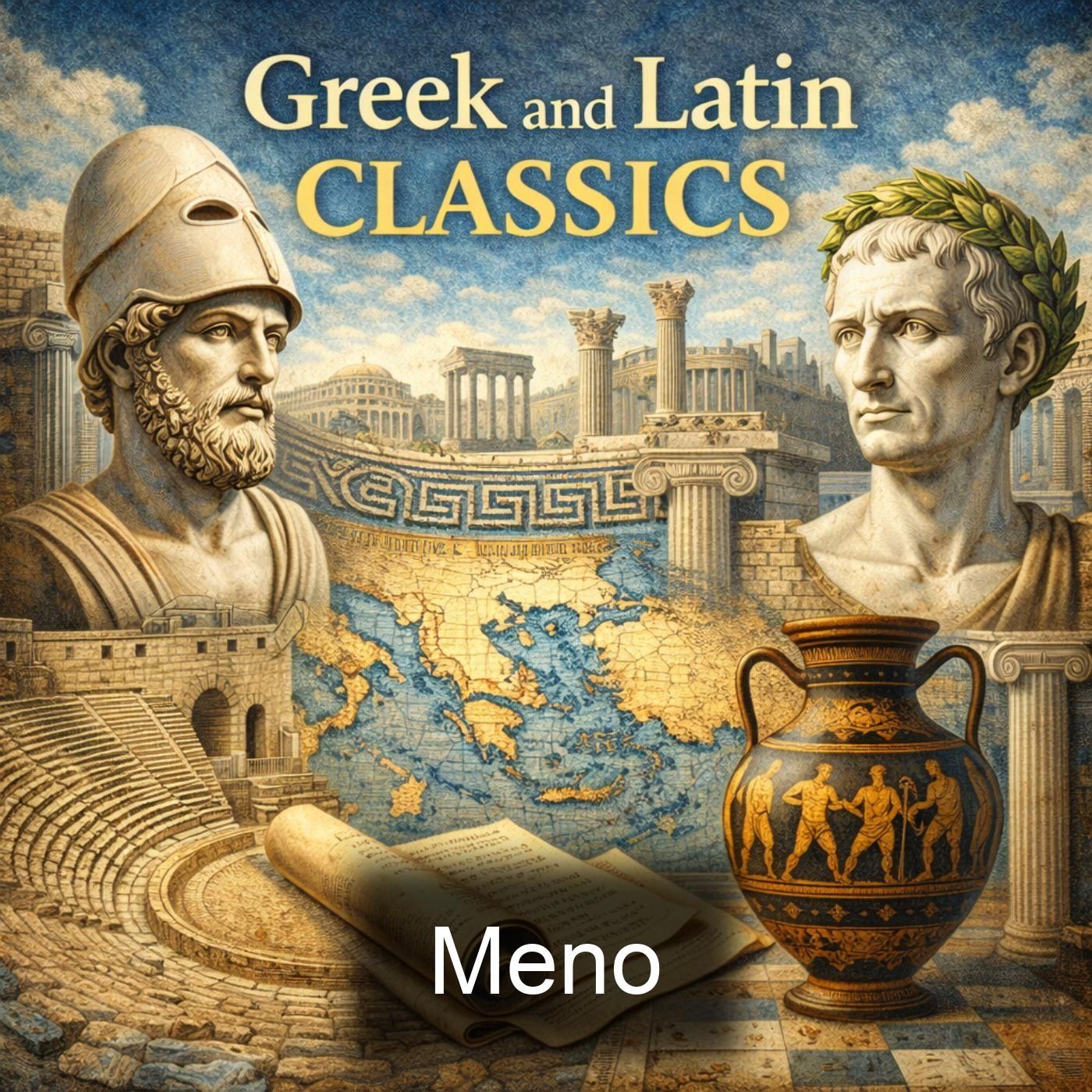
Meno (Ancient Greek: Μένων) is a Socratic dialogue written by Plato. Written in the Socratic dialectic style, it attempts to determine the definition of virtue, or arete, meaning in this case virtue in general, rather than particular virtues, such as justice or temperance. The goal is a common definition that applies equally to all particular virtues. Socrates moves the discussion past the philosophical confusion, or aporia, created by Meno's paradox (aka the learner's paradox) with the introduction of new Platonic ideas: the theory of knowledge as recollection, anamnesis, and in the final lines a movement towards Platonic idealism.. (Introduction by Wikipedia)
-
1
Theaetetus-Plato (Πλάτων)
"Theaetetus" by Plato delves into profound philosophical inquiries about the nature of knowledge and perception. This dialogue, featuring Socratic questioning, challenges listeners to reflect on what it means to truly know something, making it a timeless exploration of epistemology. The themes of knowledge, belief, and understanding resonate deeply in our contemporary world, where information is abundant yet clarity often eludes us. Engaging with "Theaetetus" invites us to confront our own assumptions and encourages a critical examination of how we perceive reality.
-
0
Sophist-Plato (Πλάτων)
"Sophist" by Plato delves into the nature of sophistry and the distinction between true knowledge and mere opinion. Through a dialectical approach, Plato explores the complexities of being, non-being, and the essence of reality, challenging listeners to contemplate the foundations of their beliefs. This work remains relevant today as it invites critical thinking about the manipulation of language and ideas in contemporary discourse. The themes of truth versus illusion and the quest for genuine understanding resonate deeply in our modern world, making "Sophist" an enduring exploration of philosophy that encourages reflection on the very nature of knowledge itself.
-
-1
Cratylus-Plato (Πλάτων)
Cratylus, one of Plato's dialogues, delves into the nature of language and its relationship to reality, exploring whether names are inherently connected to the objects they signify. This philosophical inquiry raises timeless questions about communication, meaning, and understanding, making it a relevant listen for anyone interested in the foundations of language and thought. The dialogue's examination of how words shape our perceptions and the essence of truth continues to resonate in today's discussions about semantics and the power of language. Engaging with Cratylus offers listeners a profound opportunity to reflect on the complexities of expression and the philosophical underpinnings of our everyday conversations.
-
-2
Constitution of Athens-Aristotle
The "Constitution of Athens" by Aristotle offers a profound exploration of the political structure and governance of ancient Athens, providing insights into the principles that shaped one of history's most influential democracies. This work is essential for understanding the foundations of political theory and the development of civic life, highlighting the balance between power and responsibility in governance. Its themes of justice, citizenship, and the role of the individual in society remain relevant today, encouraging listeners to reflect on the nature of democracy and civic engagement. Aristotle's keen observations invite contemporary audiences to consider the enduring significance of political philosophy in shaping our world.
-
-3
Three Hundred Aesop's Fables-Aesop
"Three Hundred Aesop's Fables" is a timeless collection of moral tales attributed to Aesop, featuring a rich tapestry of stories that convey essential life lessons through the clever use of animals and their interactions. Each fable encapsulates profound truths about human nature, ethics, and the consequences of our actions, making them as relevant today as they were in ancient times. The enduring appeal of these fables lies in their simplicity and the universal wisdom they impart, encouraging listeners to reflect on their own lives and choices. With themes of justice, kindness, and the importance of wit, this audiobook invites audiences to engage with the timeless lessons that continue to resonate across generations.
-
-4
Of the Shortness of Life-Lucius Annaeus Seneca
"Of the Shortness of Life" by Lucius Annaeus Seneca delves into the profound reflections on the nature of time and the human experience. Seneca argues that life is not inherently short, but rather, it is our misuse of time that makes it feel fleeting. This timeless discourse encourages listeners to reassess their priorities and embrace a life of purpose and mindfulness. As themes of self-awareness and the importance of living fully resonate today, Seneca's insights remain a powerful reminder of the value of each moment. Engaging with this work can inspire a deeper appreciation for the present and motivate a more intentional approach to how we spend our days.
-
-5
From the Foundation of the City Vol. 01-Titus Livius
"From the Foundation of the City Vol. 01-Titus Livius" invites listeners to explore the rich tapestry of Roman history as chronicled by the renowned historian Titus Livius. This volume delves into the origins and early development of Rome, capturing the essence of its foundational myths, political evolution, and societal structures. The themes of ambition, governance, and the human experience resonate deeply in today's world, reminding us of the timeless lessons embedded in history. By engaging with Livius's work, listeners gain insight into the complexities of civilization and the enduring nature of human aspirations, making it a compelling listen for both history enthusiasts and those seeking to understand the roots of modern society.
-
-6
On the Laws-Marcus Tullius Cicero
"On the Laws" by Marcus Tullius Cicero delves into the fundamental principles of justice and governance, exploring the relationship between law and morality. This profound work invites listeners to contemplate the nature of law and its role in society, emphasizing the importance of ethical governance and civic responsibility. Cicero's insights into human behavior and the pursuit of the common good remain relevant today, as they challenge us to reflect on the moral foundations of our own legal systems. Engaging with this timeless text offers a chance to connect with enduring philosophical questions that continue to shape our understanding of justice and societal order.
-
-7
Odes and Carmen Saeculare-Quintus Horatius Flaccus
"Odes and Carmen Saeculare" by Quintus Horatius Flaccus, commonly known as Horace, is a collection of lyrical poetry that captures the essence of human emotions, celebrating themes of love, nature, and the passage of time. These timeless works resonate with listeners today, as they explore the complexities of life and the pursuit of happiness, reflecting on the joys and sorrows that define the human experience. Horace's masterful use of language and rhythm invites readers to ponder their own lives, making the wisdom of his verses relevant across generations. This audiobook offers a profound journey into the heart of classical poetry, reminding us of the enduring power of art to inspire and connect us all.
-
-8
Metamorphosis or The Golden Ass-Lucius Apuleius
"Metamorphosis or The Golden Ass" by Lucius Apuleius is a timeless tale that explores the themes of transformation and the quest for enlightenment through the bizarre journey of its protagonist. This captivating narrative delves into the complexities of human experience, blending elements of magic, myth, and philosophy. Its enduring appeal lies in the universal exploration of identity and self-discovery, resonating with contemporary audiences who grapple with their own metamorphoses in a rapidly changing world. Listening to this audiobook invites reflection on the nature of change and the pursuit of wisdom, making it a relevant and enriching experience for today's listeners.
-
-9
Of Peace of Mind-Lucius Annaeus Seneca
"Of Peace of Mind" by Lucius Annaeus Seneca delves into the timeless pursuit of tranquility and inner peace, exploring the philosophical underpinnings that guide individuals toward a serene existence. Seneca's reflections resonate deeply in today's fast-paced world, reminding listeners of the importance of cultivating a calm mind amidst chaos. His insights into the nature of happiness and the human condition encourage a thoughtful examination of one's values and priorities. This work remains enduring in its ability to inspire self-reflection and a deeper understanding of what it means to live a fulfilling life, making it a valuable listen for anyone seeking solace and wisdom in their daily journey.
-
-10
Politics-Aristotle
"Politics-Aristotle" delves into the foundational ideas of governance and civic life as articulated by one of history's greatest philosophers, Aristotle. This work explores the nature of political communities, the role of citizens, and the pursuit of the common good, offering timeless insights that remain relevant in today's complex political landscape. Aristotle's examination of justice, virtue, and the ideal state prompts listeners to reflect on the principles that underpin effective leadership and societal harmony. Engaging with this text invites a deeper understanding of the dynamics of power and responsibility, making it a crucial listen for anyone interested in the enduring questions of political philosophy and human behavior.
-
-11
Symposium-Plato (Πλάτων)
"Symposium" by Plato is a profound exploration of love, beauty, and the nature of human connection, presented through a series of speeches delivered at a banquet. Each speaker offers unique insights into the essence of love, weaving together philosophical reflections that challenge and inspire. This timeless dialogue invites listeners to ponder the complexities of desire and the pursuit of truth, making it a relevant and enriching experience even today. The themes of love and the quest for understanding continue to resonate, encouraging a deeper examination of our own relationships and beliefs. Engaging with "Symposium" is an opportunity to reflect on enduring questions that shape the human experience.
-
-12
Prometheus Bound (Thoreau Translation)-Aeschylus
"Prometheus Bound," translated by Thoreau, presents the timeless tale of Prometheus, the Titan who defies the gods by bringing fire and knowledge to humanity. This powerful narrative explores themes of rebellion, suffering, and the quest for enlightenment, making it a profound reflection on the human condition. As Prometheus endures punishment for his defiance, listeners are invited to contemplate the cost of progress and the struggle against tyranny. The story’s exploration of the tension between authority and individual freedom resonates deeply in today's world, reminding us of the enduring relevance of courage in the face of oppression.
-
-13
Ion-Plato (Πλάτων)
"Ion" by Plato explores the nature of poetry and inspiration through a dialogue between Socrates and the rhapsode Ion. This work delves into the relationship between art and knowledge, questioning whether poets are truly wise or merely vessels for divine inspiration. The themes of creativity, the role of the artist, and the quest for understanding resonate deeply in today's world, where the impact of art on society continues to provoke thought and discussion. Plato's insights into the human experience and the power of language remain timeless, making "Ion" a compelling listen for anyone interested in the philosophical foundations of art and its enduring influence on culture.
-
-14
Anabasis-Xenophon
"Anabasis-Xenophon" is an enduring tale of resilience and leadership, chronicling Xenophon's journey with a group of Greek mercenaries as they navigate their way back home after a grueling campaign in Persia. This classic work explores themes of courage, camaraderie, and the human spirit's capacity to overcome adversity, making it a timeless reflection on the struggles we face in pursuit of our goals. The narrative not only highlights the challenges of survival in a foreign land but also delves into the complexities of trust and loyalty among individuals facing dire circumstances. Hearing this audiobook now offers valuable insights into the nature of perseverance and the bonds that unite us, resonating deeply with contemporary audiences.
-
-15
Menexenus (Text 517)
"Menexenus (Text 517)" presents a thought-provoking exploration of themes such as memory, honor, and the role of rhetoric in shaping public perception. This work invites listeners to reflect on the significance of remembrance and the impact of eloquence in both personal and societal contexts. Its enduring relevance lies in the way it addresses the complexities of human relationships and the importance of legacy, echoing the timeless struggle to find meaning and connection in our lives. Engaging with this text offers a profound opportunity to consider how the past informs our present, making it a compelling listen for anyone interested in the art of discourse and the nature of remembrance.
-
-16
Myths and Legends Around the World - Collection 18-Various
"Myths and Legends Around the World" by Collection 18-Various invites listeners on a captivating journey through the rich tapestry of global folklore. This collection showcases timeless tales that have shaped cultures and beliefs across generations, highlighting the universal themes of heroism, morality, and the human experience. Each story serves as a reflection of the values and fears of the societies from which they originate, making them as relevant today as they were in the past. By exploring these enduring myths and legends, listeners can gain insight into the shared narratives that connect us all, reminding us of our collective heritage and the power of storytelling.
-
-17
Critias-Plato (Πλάτων)
"Critias" by Plato delves into the themes of ideal societies and the nature of human civilization, exploring the philosophical underpinnings of societal structures. This dialogue, attributed to Critias, reflects on the legendary Atlantis, serving as a profound commentary on morality, governance, and the human condition. Its exploration of utopian ideals and the consequences of hubris continues to resonate today, prompting listeners to reflect on the balance between ambition and ethical responsibility.
-
-18
Trojan Women (Murray Translation)-Euripides
Trojan Women, a powerful tragedy by Euripides, delves into the harrowing aftermath of the Trojan War, portraying the plight of the women left behind in the ruins of their city. Through poignant dialogue and stirring themes of loss, resilience, and the consequences of war, the play captures the enduring struggles faced by those who bear the brunt of conflict. The emotional weight of the characters' experiences resonates strongly today, reminding us of the universal impact of war on innocent lives. This timeless narrative invites listeners to reflect on the human cost of violence and the strength found in despair, making it a compelling addition to any literary exploration.
-
-19
On the Sublime-Unknown
"On the Sublime-Unknown" invites listeners to explore the profound depths of existence and the mysteries that lie beyond human comprehension. This thought-provoking work delves into themes of the sublime and the unknown, encouraging a reflective journey that resonates with anyone seeking to understand life's greater questions. Its exploration of the ineffable aspects of our experience remains timeless, inviting audiences to confront their own perceptions of reality and the hidden dimensions of their lives. As listeners engage with these enduring ideas, they may find renewed inspiration and insight into the complexities of the human condition.
-
-20
Phaedrus - Plato (Πλάτων)
Phaedrus by Plato is a profound exploration of love, rhetoric, and the nature of the soul, presented through a dialogue that delves into the philosophical underpinnings of human connection and communication. This timeless work invites listeners to reflect on the power of persuasion and the significance of genuine relationships, themes that resonate deeply in today's world where effective communication is more crucial than ever. Plato's insights into the interplay between love and knowledge encourage us to consider the transformative potential of our connections with others. Engaging with Phaedrus not only enriches our understanding of classical philosophy but also inspires a deeper appreciation for the complexities of human interaction.
-
-21
Meno - Plato Πλατων
Meno (Ancient Greek: Μένων) is a Socratic dialogue written by Plato. Written in the Socratic dialectic style, it attempts to determine the definition of virtue, or arete, meaning in this case virtue in general, rather than particular virtues, such as justice or temperance. The goal is a common definition that applies equally to all particular virtues. Socrates moves the discussion past the philosophical confusion, or aporia, created by Meno's paradox (aka the learner's paradox) with the introduction of new Platonic ideas: the theory of knowledge as recollection, anamnesis, and in the final lines a movement towards Platonic idealism.. (Introduction by Wikipedia)
We're indexing this podcast's transcripts for the first time — this can take a minute or two. We'll show results as soon as they're ready.
No matches for "" in this podcast's transcripts.
No topics indexed yet for this podcast.
Loading reviews...
ABOUT THIS SHOW
Meno (Ancient Greek: Μένων) is a Socratic dialogue written by Plato. Written in the Socratic dialectic style, it attempts to determine the definition of virtue, or arete, meaning in this case virtue in general, rather than particular virtues, such as justice or temperance. The goal is a common definition that applies equally to all particular virtues. Socrates moves the discussion past the philosophical confusion, or aporia, created by Meno's paradox (aka the learner's paradox) with the introduction of new Platonic ideas: the theory of knowledge as recollection, anamnesis, and in the final lines a movement towards Platonic idealism.. (Introduction by Wikipedia)
HOSTED BY
Plato (Πλάτων)
Loading similar podcasts...
Frequently Asked Questions
How many episodes does Meno have?
Meno currently has 23 episodes available on PodParley. New episodes are automatically indexed when they're published to the podcast feed.
What is Meno about?
Meno (Ancient Greek: Μένων) is a Socratic dialogue written by Plato. Written in the Socratic dialectic style, it attempts to determine the definition of virtue, or arete, meaning in this case virtue in general, rather than particular virtues, such as justice or temperance. The goal is a common...
How often does Meno release new episodes?
Meno has 23 episodes. Check the episode list to see recent publication dates and frequency.
Where can I listen to Meno?
You can listen to Meno on PodParley by clicking any episode. We provide an embedded audio player for direct listening, and you can also subscribe via your preferred podcast app using the RSS feed.
Who hosts Meno?
Meno is created and hosted by Plato (Πλάτων).
URL copied to clipboard!