
PODCAST · business
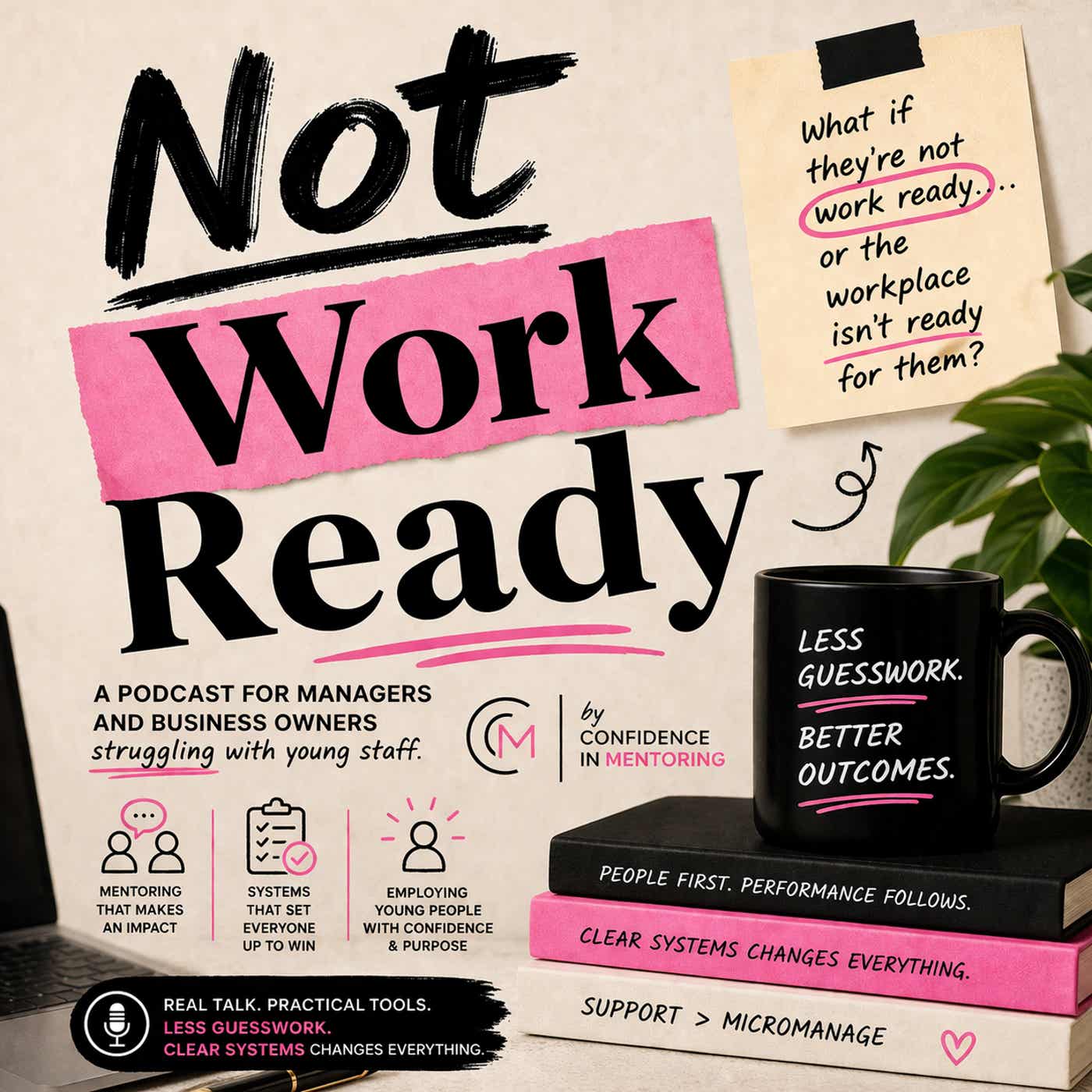
Not Work Ready
by Jono Van der Ploeg
If your young staff aren’t working out, this podcast helps you figure out whether it’s them… or your workplace, and what you should do about it. confidenceinmentoring.substack.com
-
3
Why Mentoring Programs Quietly Die
Most workplace mentoring programs don't fail dramatically.They don't end with a formal announcement or a decision to shut them down. More often, they slowly fade away. Meetings get postponed, mentors become too busy, mentees stop engaging, and eventually the program becomes something everyone quietly stops talking about.In this episode of Not Work Ready, I explore the five common reasons mentoring programs fail after launch and what organisations can do differently to build mentoring programs that actually survive busy workplaces.We look at the importance of having a clear purpose, separating mentoring from performance management, selecting the right mentors, providing training and support, and measuring the outcomes that matter.I also discuss why mentoring is much more intentional than many workplaces realise, and why good mentoring programs require more than goodwill and good intentions to succeed.In this episode:Why mentoring programs rarely fail overnightThe most common mistakes organisations make when launching mentoringWhy mentoring needs a clear business objectiveThe difference between mentoring and performance managementHow poor mentor selection can undermine a programWhy mentor training mattersThe importance of measuring outcomes and participationWhat organisations that sustain mentoring programs usually do differentlyKey takeawayMentoring programs don't fail because people don't care.They fail when organisations treat mentoring as an informal activity rather than a supported system. Successful mentoring programs require clarity, structure, training, support, and ongoing attention if they are going to create meaningful outcomes for staff and organisations.Free ResourcesMentoring Program Business Case https://confidenceinmentoring.com.au/#landingRead the companion articles:Why Many Workplace Mentoring Programs Fail Before They Even Beginhttps://confidenceinmentoring.substack.com/p/most-workplaces-think-they-understandConnectWebsite:https://confidenceinmentoring.com.auLinkedIn:https://www.linkedin.com/in/jonathonvanderploeg/Substack:https://confidenceinmentoring.substack.com This is a public episode. If you would like to discuss this with other subscribers or get access to bonus episodes, visit confidenceinmentoring.substack.com
-
2
The Secret to Keeping Young Staff
A lot of workplaces are asking the same question right now:“How do we keep young staff?”In this episode of Not Work Ready, I explore why many young people don’t actually leave because work is hard — they leave because the environment around the work feels difficult to settle into.I unpack the social and emotional side of employment that workplaces often underestimate, including the importance of belonging, clarity, fairness, and psychological safety for young staff entering the workforce.Throughout the episode, I share reflections and stories from my experience working alongside young people in workplaces, mentoring programs, and youth services, and why I believe mentoring can play such an important role in helping young staff settle, grow in confidence, and stay connected to work.In this episode:Why young people experience workplaces differentlyThe importance of social belonging at workHow uncertainty and lack of clarity quietly increase stressThe role fairness plays in trust and retentionWhy young staff often leave emotionally before they leave physicallyHow mentoring helps young people settle into workplacesWhat workplaces that retain young staff usually understandKey takeawayYoung staff are not just looking for jobs. They are looking for workplaces where they feel connected, clear about what’s expected, and treated fairly.When workplaces create environments that feel socially safe, predictable, and supportive, young people are far more likely to relax, contribute, and stay.ConnectWebsite:https://confidenceinmentoring.com.auLinkedIn:https://www.linkedin.com/in/jonathonvanderploeg/Substack:https://confidenceinmentoring.substack.com This is a public episode. If you would like to discuss this with other subscribers or get access to bonus episodes, visit confidenceinmentoring.substack.com
-
1
Silence, Anxiety, and Young Staff
Young people who are quiet in the workplace are often misunderstood.Managers may assume they lack initiative, confidence, communication skills, or interest in the role. But in many cases, quietness is actually a sign of overwhelm, anxiety, uncertainty, or fear of getting something wrong.In this episode of Not Work Ready, I unpack why young staff sometimes go quiet at work, what workplaces often misunderstand about this behaviour, and how clearer support structures can help young people settle, speak up, and build confidence over time.I also introduce some basic trauma-informed approaches workplaces can use to reduce unnecessary anxiety and confusion for young staff. This includes simple but powerful things like creating predictability, explaining expectations clearly, introducing staff properly to the team, pairing them with supportive colleagues, and helping them understand what to expect throughout the day.The episode finishes by exploring how mentoring can create a safe relationship within the workplace — helping young people ask questions earlier, process feedback more confidently, and feel supported before issues escalate into disengagement or resignation.In this episode:Why quietness is often misunderstood in workplacesThe link between silence, overwhelm, and anxietyWhy many young staff avoid asking questionsWhat workplaces unintentionally do that increases stressSimple trauma-informed practices that reduce uncertaintyThe importance of clarity, predictability, and connectionHow mentoring helps young staff feel safer and more confidentWhy support often needs to come before initiativeRelated articleRead the companion article here:Quiet Young staff arent always doing finehttps://open.substack.com/pub/confidenceinmentoring/p/quiet-young-staff-arent-always-doing?r=6ca2x8&utm_campaign=post-expanded-share&utm_medium=webConnectWebsite:https://confidenceinmentoring.com.auLinkedIn:https://www.linkedin.com This is a public episode. If you would like to discuss this with other subscribers or get access to bonus episodes, visit confidenceinmentoring.substack.com
-
0
Episode 1: When Mental Health Starts Affecting Work
Episode 1: When Mental Health Starts Affecting WorkMental health issues don’t always show up at work as “mental health issues.”They often show up as lateness, withdrawal, poor communication, low confidence, emotional reactions, repeated mistakes, avoidance, conflict, or someone slowly disengaging from the workplace.In this first episode of Not Work Ready, I talk about what happens when mental health starts affecting staff performance, why this creates real pressure for managers, and how mentoring programs can create an early layer of support before issues escalate.I also share part of my own story, how mentoring changed the trajectory of my life during a difficult period with my own mental health and why that experience shaped the work I now do through Confidence in Mentoring.This episode explores why mentoring is not therapy, HR, or performance management, but a practical support structure that can help staff feel seen, supported, and more confident before things reach crisis point.Read the related article here:When Mental Health Starts Affecting Staff Performance, It’s Already Too LateLearn more about Confidence in Mentoring:confidenceinmentoring.com.auConnect with me on LinkedIn:https://www.linkedin.com/company/confidenceinmentoring This is a public episode. If you would like to discuss this with other subscribers or get access to bonus episodes, visit confidenceinmentoring.substack.com
We're indexing this podcast's transcripts for the first time — this can take a minute or two. We'll show results as soon as they're ready.
No matches for "" in this podcast's transcripts.
No topics indexed yet for this podcast.
Loading reviews...
Loading similar podcasts...
Frequently Asked Questions
How many episodes does Not Work Ready have?
Not Work Ready currently has 4 episodes available on PodParley. New episodes are automatically indexed when they're published to the podcast feed.
What is Not Work Ready about?
If your young staff aren’t working out, this podcast helps you figure out whether it’s them… or your workplace, and what you should do about it. confidenceinmentoring.substack.com
How often does Not Work Ready release new episodes?
Not Work Ready has 4 episodes. Check the episode list to see recent publication dates and frequency.
Where can I listen to Not Work Ready?
You can listen to Not Work Ready on PodParley by clicking any episode. We provide an embedded audio player for direct listening, and you can also subscribe via your preferred podcast app using the RSS feed.
Who hosts Not Work Ready?
Not Work Ready is created and hosted by Jono Van der Ploeg.
URL copied to clipboard!