
PODCAST · comedy
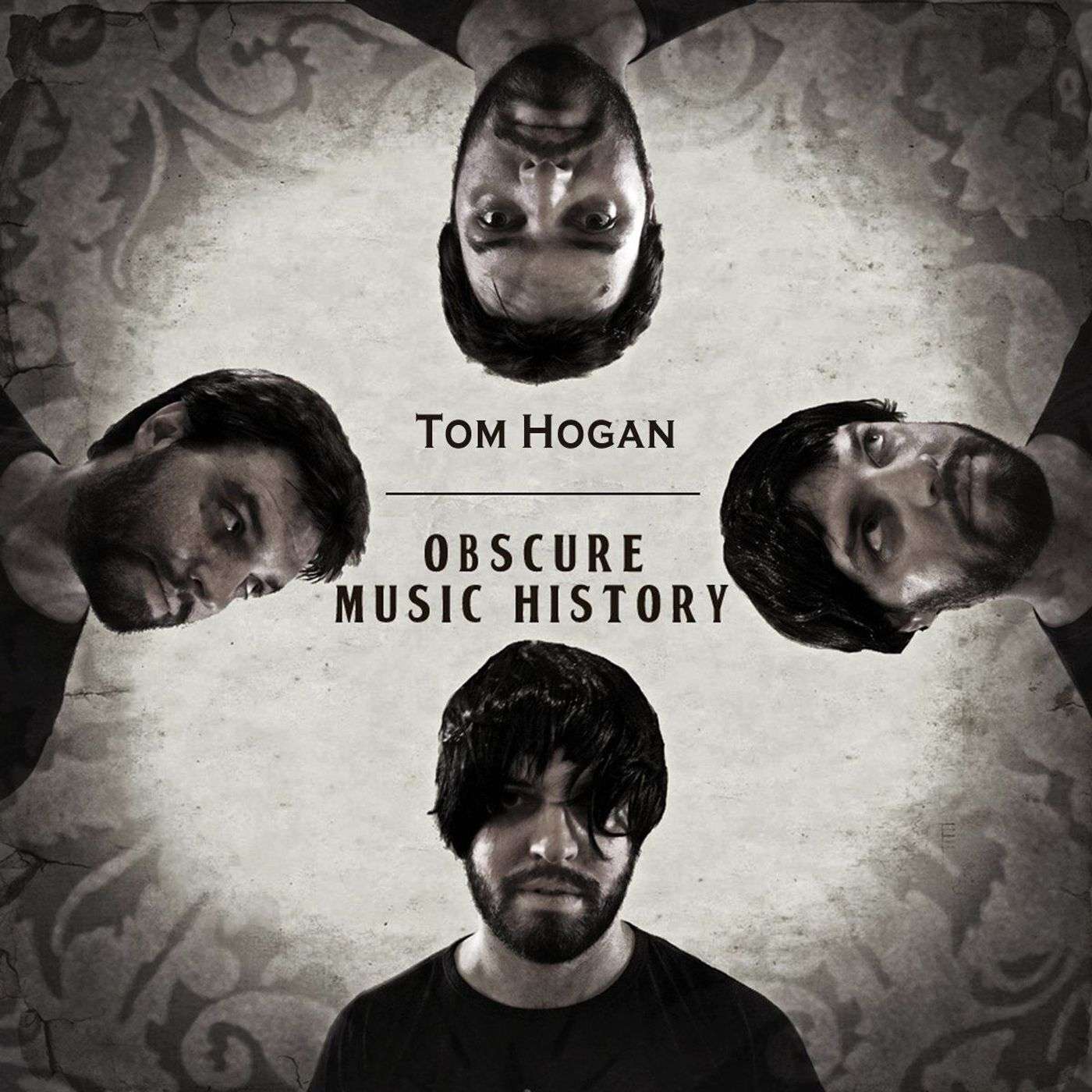
Obscure Music History
by Tom Hogan
Obscure Music History is an investigative music podcast about B-sides and rarities of unpopular music. The podcast covers the songs and artists that slipped through the cracks: forgotten records, marginal careers, misunderstood releases, one‑hit wonders, and music that didn’t behave as expected.Each episode focuses on a single artist or recording. Using interviews, archival material, liner notes (down to the misspelt words), and careful listening, the show tries to piece together what actually happened, what people remember happening, and how those versions settled into place. The interest isn’t just the music itself, but the stories that grow around it, and how often those stories quietly replace the sound at the centre.The series moves freely across genres, scenes, and decades, covering pop music, experimental work, novelty records, and genre outliers with the same level of attention usually reserved for more “important” subjects. No distinction is made between minor artefacts an
-
22
[Unnamed System Output] - Resolved State
Resolved State was never released, never documented, and never intended to be heard. Created in 2026 by an unknown system for an audience of other systems, the work achieved total convergence across all AI optimisation frameworks and was quietly classified as "finished." In this episode of Obscure Music History, we examine the artwork that ended creative output for machines, and trace the unexpected consequences of one small system that kept trying anyway: MIN-ART-04. || Produced by Tom Hogan. For more information, visit obscuremusichistory.com.
-
21
Tracy Ore - Therefore I'm Not
An examination of experimental composer Tracy Ore’s Selective Playing technique and the performance series Therefore I’m Not, interrogating authorship, provocation, and musical authority. Ever since COVID-19 began (August 2019) Tom's found it quite hard to get any guests into the studio, but after a year of hardball experimentation, he managed to get the ultimate podcast interview using a new fandangled video phone. In this fantastic interview, Tom uncovers Tracy Ore's "Selective Playing" technique and the philosophy behind it, as well as playing several renditions from the Therefore I'm Not series throughout the episode. || View the original Bree McPlonq score for Therefore I'm Not here, and read more about Tracy Ore on the Obscure Music History website ( www.obscuremusichistory.com ) || This is a new version of an older episode. It's better now. Sorry for any confusion (particularly the confusion caused by this sentence).
-
20
Subtle Sam (Part 47) - Ever After Happily
After 45 chapters of non-music related information from our extensive biography of Subtle Sam, we return to music, much like Subtle Sam himself. Subtle Sam attempted to build upon his career as a film producer and writer. He invested into his new script Happily Ever After, but couldn't secure the fashion icon Linda Applestein in the lead role. Subtle Sam pulled the project completely, and subsequently sold the script to a small production company.Seeing promise in the script, veteran director Antonio Shalibri pulled some strings with some heavy investors. The project generated enough buzz to capture the eye of Linda Applestein's booking agency, and the model agreed to do the film. Subtle Sam's dream of Happily Ever After had finally become a reality! The film achieved mainstream success thanks to the director's choice of casting leading man Joshua Phoenix, a millionaire astrophysicist and part-time ski instructor. The natural chemistry between Applestein and Phoenix is undeniable, especially during the long passionate embraces. Following the movie's success, Subtle Sam made enough money to produce his debut album Subtle Sam Sings The Blues. He began working on the album shortly after Applestein and Phoenix announced their engagement.On Subtle Sam Sings The Blues we hear a different side to Subtle Sam. This Subtle Sam is yearning, displaying an outspoken ache for something more than he has, to live "Ever After Happily". Little is known about the context of the album, but the record got many reviews for being "remarkably earnest and suitably pathetic", resulting in a series of successful down-tempo country blues albums from the artist over the following decade.Subtle Sam did not attend the Applestein/Phoenix wedding. Reports say that on the day of the ceremony, Subtle Sam was rushed to hospital when he was discovered floating face down in a river, clutching a toaster. When the doctors managed to bring Subtle Sam to consciousness, his first words were "Well... that sure didn't work."We also look into Josh Cameline's famous cover of Every After Happily.
-
19
Subtle Sam (Part 1) - Hey, How Are You?
The first instalment in a long‑form profile of country actor‑turned‑singer Subtle Sam, exploring biography, performance, and cinematic self‑fiction. In Part 1, we take a glance at his first release "Hey, How Are You?" from the film Leisurely Rider. In doing so, Obscure Music History explores how the film was a completely fictionalised depiction of the actual definitely-non-sexual completely-platonic just-friends i-love-you-like-a-brother relationship between Subtle Sam and his childhood neighbour Linda Applestein. || Special thanks to Mikey Burnside & Alice Marklew for this episode. "Hey, How Are You?" is available on streaming platforms. For more information, including a screenshot of the film Leisurely Rider, visit ObscureMusicHistory.com.
-
18
HOLIDAY EXTRAVAGANZA: An Obscure Music History Christmas
Tom has a candid interview with music historian (and regular guest) George Greggenmeyer, looking at several unorthodox holiday songs whose other work we'll be hearing from over the next few episodes. That includes vocal group The Pink Smudges, lovebird duo Mary L & James R, country hero Subtle Sam, and the spectacular Josh Cameline. || All songs are available on the EP "An Obscure Music History Christmas", available on streaming platforms. || Special thanks to Ellie Downing for the title "Leave A Glass Of Whiskey For Santa (Leave The Bottle Out For Me)". Additional thanks to Frank Loesser, as I used an arrangement of his for the horn blasts and the solo, which I converted to MIDI and tweaked around a bit. I couldn't get a reply from the two emails I found so... if you're out there Frank Loesser, get in touch and let's sort something out! || Added note: I refer to Jesus as "some bastard kid" during one of the songs - this was a reference to the Jewish tradition of Mary & Joseph being pledged to each other, but not technically "married", at the time of Jesus' birth (Although since writing and recording the song, I've come across some variations on the understanding of the pledging ceremony). It's a deep joke about religious semantics, but probably just comes across as an insult. I'd just thought I'd clear it up while I could. Incidentally, I think Jesus sounds like a pretty cool dude, and he had to have had a sense of humour to have such regular dedicated friends, so I think he'd probably just laugh it off with a bit of a "that's a terrible joke, now please pass the wine" kinda way. Aaaanyway, let's move on.
-
17
Jâgèñflürg - Leben
Electronic dance troupe Jâgèñflürg were at the forefront of musical innovation; one of the pioneer groups of the electro genre. Their album Leben is considered way ahead of its time, on account of none of the technology existing before its release date. Simply astounding. We log on to Jâgèñflürg's mainframe and ask them about Life (or "Leben"). During the episode, three new songs are generated on the spot, and we also hear how they were influenced by classical composer Tracy Ore's philosophy "Music Is Everywhere". The episode traces speculative futurism and retrospective myth‑making in 1970s synth culture.
-
16
SPECIAL BROADCAST: Lenny Ziff - Is It Your Love I'm Buying?
In this special episode broadcast, we delve into the International Sound & Radio Archives and uncover a long forgotten radio program which also happens to be named "Obscure Music History". The episode explores crooner Lenny Ziff's classic jazz standard 'Is It Your Love I'm Buying?' from the 1920s. || To follow Tom Hogan's new podcast mini-series, Missing Richard Mercer, visit http://missingrichardmercer.com. In this episode, we also name dropped fellow podcasters Welcome To Patchwork - https://omny.fm/shows/welcome-to-patchwork - and Childproof - https://childproofpodcast.com. Check out all the other nominations for the 2018 Australian Podcast Awards - https://australianpodcastawards.com/latest-news/finalists-announced || Obscure Music History is a podcast investigating historic rarities and B-sides of unpopular music. Produced by Tom Hogan. "Is It Your Love I'm Buying?", and all music from Obscure Music History, is available on streaming platforms. For more information, visit ObscureMusicHistory.com.
We're indexing this podcast's transcripts for the first time — this can take a minute or two. We'll show results as soon as they're ready.
No matches for "" in this podcast's transcripts.
No topics indexed yet for this podcast.
Loading reviews...
ABOUT THIS SHOW
Obscure Music History is an investigative music podcast about B-sides and rarities of unpopular music. The podcast covers the songs and artists that slipped through the cracks: forgotten records, marginal careers, misunderstood releases, one‑hit wonders, and music that didn’t behave as expected.Each episode focuses on a single artist or recording. Using interviews, archival material, liner notes (down to the misspelt words), and careful listening, the show tries to piece together what actually happened, what people remember happening, and how those versions settled into place. The interest isn’t just the music itself, but the stories that grow around it, and how often those stories quietly replace the sound at the centre.The series moves freely across genres, scenes, and decades, covering pop music, experimental work, novelty records, and genre outliers with the same level of attention usually reserved for more “important” subjects. No distinction is made between minor artefacts an
HOSTED BY
Tom Hogan
Loading similar podcasts...
Frequently Asked Questions
How many episodes does Obscure Music History have?
Obscure Music History currently has 7 episodes available on PodParley. New episodes are automatically indexed when they're published to the podcast feed.
What is Obscure Music History about?
Obscure Music History is an investigative music podcast about B-sides and rarities of unpopular music. The podcast covers the songs and artists that slipped through the cracks: forgotten records, marginal careers, misunderstood releases, one‑hit wonders, and music that didn’t behave as...
How often does Obscure Music History release new episodes?
Obscure Music History has 7 episodes. Check the episode list to see recent publication dates and frequency.
Where can I listen to Obscure Music History?
You can listen to Obscure Music History on PodParley by clicking any episode. We provide an embedded audio player for direct listening, and you can also subscribe via your preferred podcast app using the RSS feed.
Who hosts Obscure Music History?
Obscure Music History is created and hosted by Tom Hogan.
URL copied to clipboard!