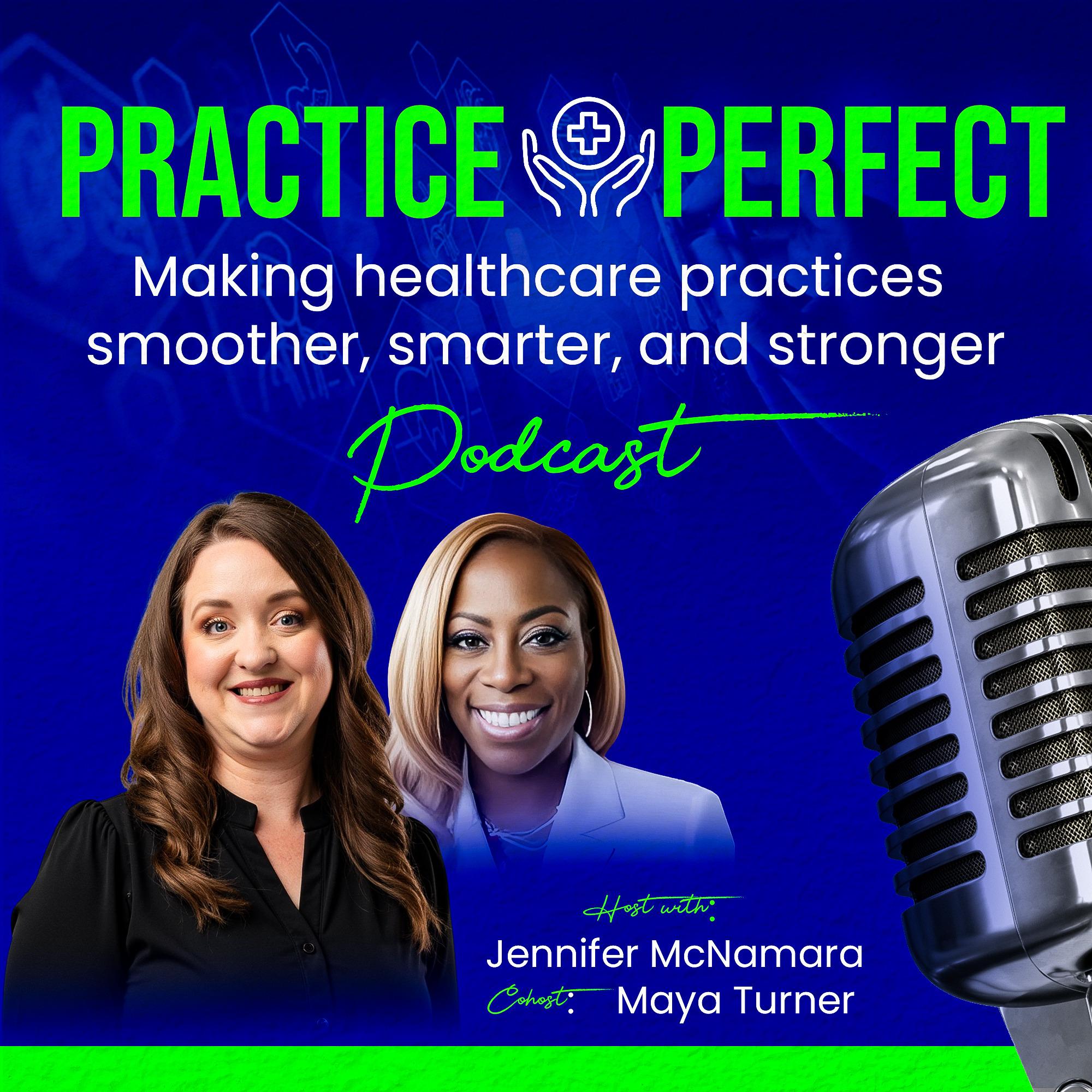
Practice Perfect podcast artwork

PODCAST · business

Practice Perfect

"Practice Perfect" focuses on achieving excellence in healthcare practices by addressing key aspects such as compliance, documentation, billing, coding, and revenue cycle management. It emphasizes practical strategies, attention to detail, and continuous improvement to optimize efficiency and ensure success in medical practices. This concept encourages learning, adaptability, and adherence to industry standards to maintain top-tier performance.

  1. 4

    Network or Nightmare: Hidden Compliance Risks in Medicare Advantage

    Jennifer McNamara and Maya Turner dive deep into the Office of Inspector General's (OIG) February 2024 guidance on Medicare Advantage compliance, focusing on network adequacy and access to care. This episode unpacks the hidden compliance risks that medical practices and Medicare Advantage organizations face, exploring the tension between gatekeeping policies, utilization management, and patients' right to timely access to medically necessary care. The hosts discuss systemic failures in prior authorization processes, outdated policies, and the role of artificial intelligence in claims processing—offering practical insights for healthcare practices navigating these complex regulations.Network Adequacy & Access to CareThe disconnect between provider directories and actual participation statusReal-world patient scenarios: arriving at offices only to find providers no longer participateThe gatekeeper model in Medicare HMO plans vs. traditional MedicareCMS regulations on network adequacy testing and the 2030 deadlineShared responsibility between insurers and medical practices for accurate informationProvider Education & Communication GapsLack of education from Medicare Advantage plans to providersShift from in-person representative visits to electronic-only communicationConflicting guidance between state payers and Medicare managed care programsThe need for clear, consistent communication about covered servicesUtilization Management & Prior Authorization IssuesPrior authorization as a core barrier to access to careGatekeeping policies preventing medically necessary proceduresDocumentation's critical role in authorization decisionsImportance of providers thoroughly understanding their contractsPeer review challenges: Not all "peers" are true specialists in relevant fieldsThe problem of apples-to-apples comparisons (e.g., cardiologist vs. interventional cardiologist)Policy Review & Compliance RisksInsurance companies operating with outdated policies (sometimes 5+ years old)Annual CPT code changes not reflected in insurer policiesCompliance risk when policies aren't aligned with Medicare updatesMany practices still lack comprehensive compliance plansThe need for regulatory requirements to match current medical practice and technologyAutomation vs. Augmentation in Claims ProcessingDifferences between automation and augmentation in AI-driven systemsAlgorithm failures: Same claims denied incorrectly multiple timesAutomation doesn't guarantee accuracy or faster processingPredictive AI limitations in managing complex, multi-system healthcare plansThe imperfect system behind the "perfect idea"Cost containment driving automation at the expense of qualityContract Negotiations & Fighting BackWhy some large healthcare systems write off millions instead of appealing denialsImportance of having healthcare attorneys review contractsReal-world examples of providers who fought back successfullyBalancing "getting business" with understanding contractual rightsThe financial benefit of appeals and proper reimbursement pursuitOIG Oversight Areas (Preview of Future Episodes)Improper financial incentives and behind-the-books arrangementsMarketing practices under scrutinyRisk adjustment methodologiesQuality of care validation mechanismsTopics for Future Episodes: Risk adjustment methodologies, quality of care oversight, and deeper analysis of OIG regulatory framework for Medicare Advantage organizationsUpcoming Events:General Surgery & Gastroenterology Combined Conference: June 4–5, 2026Ortho Summit: July 2026E&M Symposium: Fall 2026

  2. 3

    The Mean Girl Effect: Gaslighting and Toxic Dynamics in the Workplace

    In this episode, Jennifer and Maya unpack the “Mean Girl Effect” at work — the subtle, strategic behaviors that create confusion, undermine credibility, and erode psychological safety without ever appearing overtly aggressive.From social exclusion and information control to polite denial and professional gaslighting, they explore how toxic dynamics operate beneath the surface — and why high-performing, ethical professionals are often the most impacted.You’ll learn:What the Mean Girl Effect actually looks like in real workplacesThe psychology behind gaslighting and why it escalates near accountabilityHow subtle manipulation destabilizes confidence and increases stressWhy your nervous system reacts before your logic doesPractical strategies to protect your clarity, credibility, and mental healthIn the Eye on Healthcare Business segment, Jennifer and Maya provide a deep dive into the OIG’s updated Medicare Advantage Compliance Program Guidance — including key risk areas such as risk adjustment, marketing and enrollment, vendor oversight, and documentation expectations. They also discuss what increased enforcement activity from Attorneys General means for healthcare organizations today.This episode is about naming patterns, protecting integrity, and understanding how culture, compliance, and credibility intersect.OIG Medicare Advantage Industry Segment-Specific Compliance Program Guidance:🔗 https://oig.hhs.gov/compliance/ma-icpg/

  3. 2

    The Groundhog Day Effect

    Do your days in the practice feel… the same?Same problems.Same conversations.Same frustrations—just on repeat.In this episode, we’re talking about The Groundhog Day Effect—that feeling of reliving the same challenges over and over, even though you’re working hard and staying busy.This isn’t about motivation.It’s about awareness, leadership, and breaking patterns that quietly keep practices stuck.If you’ve ever thought, “Why does it feel like nothing is changing?” — this episode is for you.The Groundhog Day Effect happens when:Problems repeat because systems never changeGoals reset every year but behaviors stay the sameTeams feel busy but not alignedGrowth feels stalled despite effortThis episode dives into why this happens and—more importantly—how to break the cycle.Why repetition is often a system issue—not a people issueHow leadership patterns create recurring outcomesThe difference between activity and progressWhy unresolved problems keep showing up in new formsHow clarity and intentional goals disrupt the cycleThe role staff support plays in creating real changeWhy awareness is the first step toward momentumHow to stop “resetting” and start evolvingIf your team keeps:Struggling with the same issuesRevisiting the same conversationsFeeling frustrated or disengagedThis episode will help you see where the loop is happening—and how to lead your way out of it.Change doesn’t come from doing more.It comes from doing things differently.Ask yourself this week:“What keeps repeating in my practice—and what haven’t I changed yet?”That answer holds the key to momentum.

  4. 1

    How to Set Smart Growth Goals for Your Practice This Year

    Growth doesn’t have to mean longer days, burned-out teams, or constant overwhelm.In this episode, we’re breaking down how to set SMART growth goals for your healthcare practice—goals that are clear, achievable, and actually supported by the people responsible for delivering patient care.This is a deep dive into intentional growth, leadership clarity, and the often-missing link between goals, staff support, and patient success.If you’re ready to grow smarter this year, this episode is for you.Why being “busy” isn’t the same as real growthHow to redefine growth so it supports your vision—not stress itThe SMART goal framework explained for real healthcare practicesCommon goal-setting mistakes that keep practices stuckWhy staff support is essential for achieving patient goalsHow to align your team so goals don’t feel like extra workWays to create systems, training, and clarity that empower staffHow supported teams lead to better patient outcomesWhy focus beats hustle every single timeHow to review, adjust, and celebrate progress without burnoutPatient goals don’t live on spreadsheets—they live in daily interactions.In this episode, we dive into:Connecting goals to purpose so teams understand the “why”Making goals role-specific so everyone knows how they contributeReplacing pressure with training, coaching, and clarityFixing systems instead of blaming peopleCreating psychological safety so teams can speak up and improveCelebrating progress to build momentum and confidenceWhen staff feel supported, patient care improves—and growth becomes sustainable.Healthcare practice ownersPractice managers and leadersClinical teams ready for better systemsAnyone who wants growth without chaosCheck out our books on Amazon for practical strategies, leadership insights, and growth frameworks designed specifically for healthcare practices:👉 Clear and Connected: How Effective Communication Builds Trust in Healthcare🔗 Amazon link: https://www.amazon.com/Clear-Connected-Effective-Communication-Healthcare/dp/B0DG8KFZWL#This week, write down one SMART growth goal for your practice—and ask this question:“How are we supporting the team responsible for achieving this?”That answer changes everything.If you found this episode helpful, be sure to follow the show, leave a review, and share it with another practice leader who’s ready for smarter growth.Thanks for listening 🎧Here’s to intentional, supported, sustainable growth.

  5. 0

    Building Resilient Teams: Mental Health in Healthcare Workplaces

    Join Jennifer McNamara and Maya for a powerful episode tackling one of healthcare’s most pressing issues: team mental health and resilience. From burnout to bold leadership moves, this episode delivers real talk, real strategies, and a few unexpected movie quotes along the way.💡 What You’ll Learn in This Episode:The Hidden Strain Behind the ScenesWhy healthcare teams — from clinicians to coders — are feeling more pressure than ever.How after-hours stress (like worrying about documentation or denied claims) quietly fuels burnout.Burnout: The Red Flags You Can’t IgnoreBehavioral signs: sudden withdrawal, irritability, or unusual changes in tone.Cognitive signs: second-guessing, rising errors, and emotional exhaustion.The Real Cost of Neglecting Mental HealthHigh turnover, skyrocketing training costs, and patient dissatisfaction.How poor morale can quietly erode your workplace culture — and why it’s so hard to rebuild.How to Build a Resilient Team (That Actually Wants to Stay)Communication that works: Daily huddles, honest check-ins, and clear expectations.Smarter workflows: Cutting out busywork, protecting focused time, and ongoing staff education.Leadership’s role: Modeling calm, setting boundaries, and creating true psychological safety.📊 CMS 2026 Final Rule — What You Need to Know NowTwo new conversion factors, payment shifts, and a –2.5% efficiency adjustment.What these changes mean for budgets, staffing, and clinic productivity.Telehealth shake-up: Permanent policy changes, supervision updates, and billing compliance tips.🎬 Lights, Camera, Action — The Rainmaker Meets HealthcareThree striking quotes that mirror today’s healthcare challenges:Fear-based decisions around policy change.Moral burnout when patient care takes a backseat.The emotional toll of crossing lines to meet metrics.Closing ThoughtsBuilding resilience isn’t a trend — it’s a leadership mandate.Healthy teams deliver better care, stay longer, and weather change with strength.

  6. -1

    The Cost of Silence: When Leaders Avoid Toxic Behaviors

    Silence may feel like the safest choice when facing toxic staff behaviors—but in healthcare, silence carries a cost far too high to ignore.In this episode, we dive into the real-world impact of unaddressed toxicity on teams, patient safety, and organizational culture. Leaders often stay quiet out of fear—fear of conflict, fear of losing staff, or fear of mishandling HR processes. But avoiding action doesn’t preserve stability; it erodes it.The true cost of silence:How ignoring toxic behaviors fuels burnout, increases turnover, and jeopardizes patient outcomes.Red flags to watch for:Early indicators of problematic behavior that leaders often overlook.How to act with confidence instead of fear:Practical steps for addressing staff issues without hesitation.Documentation that protects you:Easy, effective documentation habits that prepare you for HR-aligned action.Partnering with HR the right way:When to involve HR, what information they need, and how to collaborate rather than fear escalation.Protecting your culture:Strategies for reinforcing expectations, supporting high performers, and preventing toxicity from spreading.When leaders choose silence, teams suffer. When leaders choose courage, culture transforms.📘 Clear and Connected: A Communication Guide for Healthcare LeadersA practical roadmap to building stronger teams, improving communication, and leading with clarity.Amazon link: https://www.amazon.com/Clear-Connected-Effective-Communication-Healthcare/dp/B0DG8KFZWL#📗 Guiding the Next GenerationA powerful resource for mentoring, coaching, and shaping emerging healthcare professionals.Amazon link: https://www.amazon.com/Clear-Connected-Effective-Communication-Healthcare/dp/B0DG8KFZWL#

  7. -2

    Behind the Pink Ribbon

    October brings a wave of pink ribbons, powerful stories, and reminders to prioritize early detection — but behind the awareness campaigns lies a complex operational world that deeply affects both providers and patients. In this powerful episode, Jennifer McNamara and Maya Turner take listeners behind the scenes to examine the business side of breast cancer care.From navigating payer rules to managing rising denial rates, Jennifer reveals how the revenue cycle intersects with clinical decision-making at every step of a patient’s journey. This conversation sheds light on the hidden administrative barriers that influence access, cost, and continuity of care — and why improving compliance isn’t just about accuracy, but compassion.Why Breast Cancer Awareness Month is about more than pink ribbonsCommon revenue cycle pain points in oncology, including prior authorization delays and documentation pitfallsDenial trends affecting breast cancer treatment and imaging servicesHow payer policies shape patient access — often more than clinicians doPractical solutions for practices to reduce denials, streamline workflows, and elevate the patient financial experienceThe critical role of coding and billing teams in supporting both compliance and continuity of carePrior authorization hurdles for diagnostic imaging and treatment plansComplexity of breast cancer coding, documentation, and medical necessityThe financial burden on patients when claims are delayed or deniedCommunication breakdowns between payers, clinicians, and billing teamsWorkflow strategies that improve accuracy and reduce reworkWhy revenue cycle training is essential in oncology practicesBehind every statistic is a person navigating fear, uncertainty, and hope. Administrative barriers shouldn’t be another burden. This episode empowers healthcare leaders, coders, and revenue cycle teams to make breast cancer care more accessible, compliant, and compassionate — supporting both the clinical mission and the business realities.Medical coders & billersOncology practicesRevenue cycle leadersHealthcare administratorsCompliance professionalsAnyone interested in how healthcare finance impacts patient careIf you’d like expanded resources, training, or consulting support for oncology revenue cycle challenges, Jennifer McNamara and Healthcare Inspired LLC are here to help.

  8. -3

    Skin Care is Self-Care: Why It Matters More Than You Think

    September was National Skin Care Awareness Month, and we took the opportunity to spotlight why skincare is so much more than appearances.In this special episode of Practice Perfect, host Jennifer McNamara sits down with Megan Renner — Beauty Society representative, wife, and volunteer — who is passionate about helping women feel confident and cared for.Together, they dive into:✅ Why skincare is about health, prevention, and confidence✅ How simple routines can make a big difference every day✅ Why awareness matters all year long, not just in summer✅ How healthcare professionals can normalize conversations around skin health💡 Whether you’re a busy professional, a healthcare provider, or simply someone who wants to feel more confident in your own skin, this episode will inspire you to see skincare as a vital part of self-care.🎧 Listen here and be reminded: your skin deserves as much care as the rest of you.

  9. -4

    Bonus - September 2025 Mashup

    This special bonus episode pulls together some of the most valuable conversations and updates across coding, compliance, and healthcare operations.We dig into the everyday realities of being a coder and how much more it takes than just knowing the rules. You’ll hear a fresh perspective from Cameron Lewellen, plus a big announcement from Turner Consulting that impacts how practices can get the support they need.We also shine a light on compliance in behavioral health—a space where regulations are constantly evolving and documentation is critical. From there, we unpack the gray areas of “medical necessity,” why payers care, and how providers can protect themselves.And because no coding mashup is complete without it, we close with a look at new codes you should have on your radar to stay ahead of payer changes.This episode is a quick hit of education, industry updates, and inspiration—perfect for coders, consultants, and practice leaders who want to stay sharp without spending hours in the weeds.

  10. -5

    Episode 21 - Payer games we're still paying in 2025

    In this episode, we dive into the power of communication and how it shapes everything from workplace culture to payer negotiations.We start by unpacking why communication is key—not just in theory, but in the day-to-day challenges of healthcare teams. You’ll hear real stories that bring these points to life, showing how small details can make a big difference.From there, we turn to the payer games that practices are still stuck playing—denials, delays, and shifting rules—and talk about strategies to level the playing field. More stories and lessons keep it real and relatable, before wrapping up with takeaways you can apply right away.This episode blends storytelling, real-world payer frustrations, and practical insight, making it perfect for anyone trying to navigate the realities of healthcare operations and coding.

  11. -6

    “But That’s How We’ve Always Done It”: Dangerous Words in Compliance

    In this episode of the Practice Perfect Podcast, Jennifer McNamara and Maya Turner tackle one of the most dangerous phrases in healthcare operations: “But that’s how we’ve always done it.”From ophthalmology documentation pitfalls to outdated CPT codes, and from billing inefficiencies to ignored payer contracts, Jennifer and Maya shine a light on the risks of clinging to old habits. Along the way, they weave in stories from real-world compliance challenges, including patient safety, revenue loss, and the dangers of relying on AI tools without human oversight.This candid discussion highlights why every compliance and revenue cycle professional should question “the way it’s always been done” and instead build a culture of accountability, adaptability, and continuous improvement.Why tradition in compliance and coding often creates risk rather than safetyA real-world case where poor documentation and unchecked templates led to denied claims and even patient harmHow outdated CPT codes and robotic billing processes drain revenue silently over yearsWhy documentation is the backbone of both compliance and AI effectivenessContract review essentials—why rates, payer requirements, and responsibilities can’t be ignoredHow common “we’ve always done it” attitudes in billing, collections, and claims management create avoidable losses🚫 The ophthalmology case that exposed the danger of “unspecified” documentation💸 Outdated CPT codes still being billed years later—and the thousands lost🤖 The limits of AI in coding: garbage in, garbage out📄 The compliance risks buried in payer contracts not reviewed for 8+ years🧾 Copay and deductible collection myths that delay payment unnecessarilyJennifer’s Substack – Insights on payer contracts, compliance, and healthcare operationsAMA CPT® Code Book – the official “source of truth” for codingCMS Medicare Coverage Database – LCDs, NCDs, and coverage policiesMcVey Seminars – National healthcare training programs (Jennifer presents quarterly ENT updates)Healthcare Inspired – Learn more about our services in coding, compliance, and practice efficiency👉 Coming soon: a special episode on the Medicare Physician Fee Schedule Proposed Rule for 2026 (dropping Monday the 18th). Don’t miss it!

  12. -7

    2026 MPFS Proposed Rule – What It Really Means for Your Practice

    The 2026 Medicare Physician Fee Schedule (MPFS) Proposed Rule is here — and it’s packed with changes that will impact providers, coders, billers, and compliance teams across the country. In this special episode, Jennifer McNamara and Maya Turner break down the proposal, cut through the legal language, and highlight exactly what practices need to know to stay ahead.From reimbursement shifts to compliance updates, this episode goes beyond the surface to answer the real question: What does this mean for your practice, your patients, and your bottom line?Key highlights from the 2026 MPFS Proposed RuleHow reimbursement changes could affect different specialtiesCompliance implications you can’t afford to overlookThe role of documentation and medical necessity in the new environmentAction steps for practices to prepare before the rule is finalizedMedicare rules don’t just affect Medicare patients — they set the tone for payers across the board. Ignoring the proposed rule until it becomes final can leave your practice scrambling. Jennifer and Maya explain what to watch now, how to get your voice heard during the comment period, and what proactive steps can protect your revenue and compliance moving into 2026.CMS Medicare Physician Fee Schedule Proposed RuleHealthcare Inspired – Learn more about coding, compliance, and practice efficiency servicesJennifer’s Substack – Articles and insights on compliance and payer policyAMA CPT® Code Book – Official source of truth for CPT coding👉 Don’t miss this breakdown of the MPFS Proposed Rule 2026 — because knowing what’s coming is the first step to protecting your practice.

  13. -8

    Seasonal Slowdown or Silent Revenue Leak?

    Seasonal Slowdown or Silent Revenue Leak?Every practice expects a dip in revenue during certain times of the year—but what if it’s not seasonal at all? In this episode, Jennifer McNamara and Maya Turner dive into how to tell the difference between predictable slowdowns and silent revenue leaks that quietly drain your bottom line.They’ll explore how patterns in claims, scheduling, and payer response times can either confirm seasonal trends or expose deeper operational issues. From front desk to back office, you’ll hear practical strategies from two industry pros to keep revenue steady year-round.Spotting the difference between natural seasonal fluctuations and revenue leaksKey data metrics to track during slow periodsHow to pinpoint operational bottlenecks that impact cash flowWays to keep your revenue cycle healthy even during patient volume dipsWhy payer behavior might be a bigger factor than you thinkWhen every dip in revenue gets chalked up to “seasonality,” practices risk ignoring the underlying issues that could be costing thousands—sometimes for years. By understanding your patterns and knowing what to look for, you can prevent these leaks before they become permanent losses.Learn more about Healthcare Inspired’s auditing and business intelligence services: healthcareinspiredllc.comFollow Jennifer McNamara on LinkedIn: Jennifer McNamaraFollow Maya Turner on LinkedIn: Maya TurnerBook a complimentary billing and coding assessmentEpisode Summary-00:00 - Intros 04:15 - Revenue Leaks - Is Vacation the culprit?10:53 - What is the solution?14:28 - Another Critical Element 21:30 - The Hard Truth26:21 - Wrapping up

  14. -9

    Rejections vs. Denials: Know the Difference, Fix the Problem

    This episode dives deep into the confusion many practices face when it comes to rejections vs. denials. Jennifer and Maya welcome back Cameron Lewellen to talk about how AI and automation can transform how practices handle claim issues, boost efficiency, and get paid faster.From hilarious personal stories to hard-hitting truths about insurance delays, this episode is packed with real talk and practical insights.The difference between a rejection and a denialRejections never make it through the system. Denials are processed and then kicked back due to payer rules or errors.Why automation mattersAI (like Athelas) can prevent delays by correcting errors before submission, automatically resubmitting denials, and eliminating lag time.The power of site-specific vs. global rulesCameron explains how custom rulesets based on payer and specialty drastically reduce denials.Real-world examplesIncluding one from an autism center battling denials from unlisted codes—and how automation fixed it.Domain-trained AI in actionThink: bots that sit on hold with payers so your staff doesn’t have to. Yes, really.Underpayments and the dollars you're leaving on the tableAI can track every claim and compare it to your fee schedule to recover revenue you didn’t even know was missing.The burnout problemWe talk about billers working weekends, late nights, and how automation can protect your team’s well-being.“AI works on Saturdays.” – Cameron Lewellen“You earned every dollar. AI helps you collect it.” – Jennifer McNamara“Appeal letters should be short and to the point. If it’s two pages long, no one’s reading it.” – Maya TurnerClearing up common misconceptions about rejections vs. denialsHow AI augments—not replaces—your revenue cycle teamUsing data to identify patterns and prevent denialsUI/UX in RCM software: why it mattersOperational tips for using automation to protect your ARBenchmarking payer behavior and setting smarter expectationsAthelas – Learn more about their AI-driven RCM platformBone & Joint Summit – Join us July 17–18 to meet the Athelas team in personContact Cameron Lewellen for your free financial health analysis

  15. -10

    Copy, Paste, Repeat: The Hidden Risks of EMR Documentation

    Copy-paste documentation: it seems harmless, but it’s costing healthcare practices more than they realize. In this episode, Jennifer and Maya unpack the real risks behind cloned EMR notes—from audit red flags to compliance violations.We’re talking: – What copy/paste looks like in provider notes – Why it's a major liability in audits – How coders, auditors, and providers can clean it up – Tips for starting the conversation with your team – Real-world examples that prove shortcuts aren't worth it🎧 Listen in to protect your documentation—and your bottom line.📌 Need support with EMR audits or education?Email [email protected]

  16. -11

    Compliance for Behavioral Health

    In this insightful episode, we dive into one of the most commonly overlooked areas in healthcare compliance—behavioral health. Sonal Patel joins Jennifer McNamara and Maya Turner to discuss why behavioral health compliance deserves more attention, especially as demand for services grows. From documentation pitfalls to the nuances of medical necessity, we highlight key risks that can lead to denials, audits, and even enforcement action if ignored.What You'll Learn:Why behavioral health is a high-risk area for compliance breachesThe unique challenges providers face in documenting time-based servicesMedical necessity requirements that often go unmetTelehealth-specific compliance issues in behavioral careHow compliance audits can proactively reduce risksSteps providers can take now to strengthen behavioral health complianceHot Topics Covered:Time-based E/M codes and psychotherapy documentationCMS expectations for medical necessityCommon audit triggers in behavioral healthModifiers and telehealth policies under scrutinyReal-world compliance examples and red flagsTakeaway Message:Behavioral health is not immune from audits or enforcement. As the industry grows, so does regulatory scrutiny. Providers need proactive education and tools to remain compliant and protect their practices.Resources Mentioned:CMS Behavioral Health GuidanceOIG Compliance RecommendationsTelehealth Modifier Guidance

  17. -12

    G2211 Drama: What about my Specialty

    In this episode of Practice Perfect, Jennifer McNamara dives into the CMS G2211 complexity add-on code—specifically how it applies (or doesn’t!) to specialty practices. Whether you’re in orthopedics, ENT, plastics, or any other niche, we’ll unpack CMS’s intent, share real-world scenarios, and give you actionable tips to document and bill confidently.What is G2211?A quick refresher on the 2024 complexity add-on for longitudinal care and complex decision-making.Specialty ScenariosHow CMS’s guidance plays out in orthopedics vs. general surgery vs. other specialties.Documentation Must-HavesWhat language drives approval—and what red flags to avoid.Billing Best PracticesReminder: as of 2025, you can bill G2211 with an AWV using modifier 25—here’s how to do it right.

  18. -13

    Statutorily Excluded vs. Not Medically Necessary: Why It Matters

    In this episode, we break down two commonly misunderstood terms in healthcare coverage: "Statutorily Excluded" and "Not Medically Necessary."While they may sound similar, these distinctions have major implications for providers, payers, and—most importantly—patients.We explore how these classifications affect insurance claims, appeal rights, provider obligations, and patient financial responsibility. Whether you're a healthcare administrator, clinician, or just navigating your own care, understanding this difference can help you advocate more effectively within the system.✅ What "statutorily excluded" means under federal healthcare programs like Medicare✅ How "not medically necessary" determinations are made✅ Why the distinction affects patient billing and appeals✅ Key compliance and documentation tips for healthcare providersStatutorily Excluded: Services never covered by law, regardless of medical need (e.g., cosmetic surgery under Medicare).Not Medically Necessary: Services denied based on clinical judgment or guidelines—even if technically covered.Appeal Rights: Patients typically cannot appeal statutory exclusions but can appeal denials based on medical necessity.Documentation Matters: Accurate clinical notes can be the difference between a denied and an approved claim.Proactive Communication: Providers should notify patients in advance using tools like ABNs (Advance Beneficiary Notices).Advance Beneficiary Notice (ABN) GuideGet to know how to reduce redundant billing headaches with our partners at Athelas Get a DEMO today

  19. -14

    Abstracting from the Path Report

    Whether you’re a coder hunting for the right CPT, a tumor registrar assembling a perfect abstract, or a practice manager double‑checking documentation, that pathology report is gold— if you know how to mine it. In this episode Jennifer breaks down her go‑to process for turning dense, microscopic jargon into clean, billable data that tells the patient’s full story. In this conversation you’ll learn:How to navigate the four must‑read sections of every path report (and why the microscopic description isn’t always the MVP).Pro tips for translating diagnostic phrases into precise ICD‑10‑CM codes—without over‑coding malignancy.When a single tumor can drive multiple CPTs (and when bundling rules shut that down).Common abstracting traps—margin language, laterality gaps, and “NOS” pitfalls—and how to fix them before they hit the claim.Simple query templates that get pathologists to clarify size, grade, or margins without slowing the lab down.Loved the episode? Subscribe, leave a review, and share it with your favorite lab or HIM team.

  20. -15

    Beyond Burnout: Cultivating a Culture of Calm in the Workplace

    Stress is inevitable, but burnout doesn’t have to be. In this powerful episode of Practice Perfect, Jennifer and Maya dive into the real reasons behind workplace burnout and what healthcare teams can do about it. From overloaded coders and overwhelmed managers to providers stretched thin, we explore what it takes to create a culture that not only survives—but thrives.You'll learn:How to recognize the early signs of burnoutWhy stress doesn’t always lead to burnout—but poor systems doReal-world strategies to build calm into your workflowsHow leadership can set the tone for psychological safetyTools your team can use today to reduce chaos and improve moraleApril is Stress Awareness Month, making it the perfect time to talk about how your team can reset, recharge, and reclaim productivity without sacrificing well-being.If you’ve ever felt like your team is stuck in survival mode, this episode is your permission to make a change—and the roadmap to get there.

  21. -16

    Top Payer Myths: Fact vs. Fiction

    Hosts:Jennifer McNamara – Founder of Healthcare Inspired LLC, expert in compliance, coding, and revenue cycle management.Maya Turner – Owner of Turner Expert Consulting, passionate about helping practices thrive through expert guidance and simplified solutions.Episode Summary:In this episode, Jennifer and Maya bust some of the biggest myths surrounding payers. From payment delays to the misconceptions about small claim errors, they bring the truth to light with engaging facts and real stories. Listen in as they break down why you can—and should—negotiate with payers, and how to navigate common payer challenges for a healthier revenue cycle.Key Topics Covered:Common Payer Myths:“Payers never pay on time.”“Small claim errors always lead to rejection.”“You can’t negotiate with payers.”And lot's more...Facts to Set the Record Straight:Causes of payment delays and what you can do about them.The truth about claim rejections and how to handle minor errors.Negotiation strategies that work with payers to secure better deals.Improving Your Payer Relationships:How to use knowledge of payer myths to your advantage.Building better payer relationships for improved revenue.Featured Segments:Jennifer’s Insights: The real impact of payer myths on revenue and how to approach them.Maya’s Takeaways: Actionable tips for handling negotiations and improving payer relations.Call to Action:Stay tuned for the next episode, where we’ll uncover Abstracting from the Path Report. Learn essential abstraction techniques that can enhance accuracy and efficiency in medical coding. Subscribe, leave a review, and let us know your thoughts and questions!Let's debunk those payer myths together!

  22. -17

    What Every Practice Should Know About Payer Contracts (But Didn’t!)

    Episode Summary:In this episode of Practice Perfect Podcast, we break down the most overlooked yet crucial aspects of payer contracts. Are you leaving money on the table? Do you know when to negotiate, push back, or walk away? We’re diving into the must-know contract terms, red flags to watch out for, and insider tips to ensure you’re getting the best deal.From understanding your leverage to why you should treat contracts like relationships (yes, sometimes you just need to walk away!), this episode is packed with practical advice, humor, and surprising insights to help your practice stay profitable and protected.✅ Compare before you commit – How active comparisons and expert consultations can help you negotiate better contracts.✅ Know your worth – If a payer doesn’t value your extended hours or patient care efforts, you CAN say no!✅ Contracts aren’t forever – They’re like relationships—if it’s not working, don’t be afraid to walk away!✅ Telehealth & reimbursement trends – What you need to know about chronic care management, remote patient monitoring, and compliance changes.✅ Maximize your revenue – Smart ways to increase income beyond direct patient visits.Next Up: Top Payer Myths – Fact vs. FictionThink you know payers? Think again! In our next episode, we’re busting some of the biggest myths, including:🚫 "Payers never pay on time."🚫 "Small claim errors always lead to rejection."🚫 "You can’t negotiate with payers."Join us as we separate fact from fiction and give you the tools to take control of your revenue!📲 Follow us on all our platforms for more insights!

  23. -18

    The Importance of Quality Assurance in Coding and Audits

    Episode Summary:In this episode of Practice Perfect Podcast, we dive into the crucial role of quality assurance in coding and audits. Our guest, Robin Ingalls- Fitzgerald, joins us to discuss common coding errors, the impact of compliance, and why strong auditing processes are essential for healthcare organizations.From modifier 25 and 59 issues to the challenges of telehealth, we uncover why consistent education, collaboration, and compliance are key to avoiding costly mistakes. Plus, we explore how outsourcing and coding support services can enhance accuracy and efficiency without replacing in-house teams.Key Takeaways:✅ Why audits matter – Identifying and preventing common errors before they become compliance risks.✅ Telehealth regulations – The evolving landscape and its impact on coding and billing.✅ Collaboration in coding – How external experts support practices without taking over.✅ Common documentation mistakes – How small errors (like wrong laterality in orthopedics) can have big consequences.✅ Education & training – The role of continuous learning in maintaining compliance and quality assurance.Notable Quotes:💬 "It’s not about taking over your team’s work, but supporting them in delivering accurate and compliant coding." – Jennifer Mcnamara💬 "Compliance isn’t just about following rules—it’s about ensuring patients get the right care." – Robin Ingalls-Fuchs-GeraldDon’t miss Episode 9, where we break down payer contracts and reveal what practices often overlook when negotiating with payers. Learn how to get the best deal and avoid costly mistakes! 💰📑🔔 Subscribe, leave a review, and join the conversation!📌 LinkedIn: Jennifer McNamara | Maya Turner | Robin Ingalls-FitzgeraldTune in now and take control of your coding and auditing process! 🎧

  24. -19

    Medicare Advantage Requirements for Prior Authorization & Coverage

    Episode Summary:Medicare Advantage plans come with their own set of rules when it comes to prior authorizations and coverage determinations. If you’re navigating the complex world of Medicare Advantage compliance, this episode is for you!Jennifer and Maya are joined by Richelle Marting to break down:✅ How prior authorization requirements differ from traditional Medicare.✅ Key regulatory updates practices need to know.✅ Strategies to streamline the approval process and reduce denials.Whether you’re a provider, administrator, or compliance officer, this episode will help you stay ahead of the ever-changing Medicare Advantage landscape. 🔹 Understanding Prior Authorization in Medicare Advantage:The difference between Medicare and Medicare Advantage rules.How denials and appeals work in Medicare Advantage plans.🔹 Regulatory Compliance & Coverage Determinations:The latest updates on CMS guidelines for prior authorization.What documentation is required for approvals.🔹 Improving Workflow & Reducing Prior Authorization Delays:Strategies to speed up approvals and reduce administrative burdens.Best practices to avoid claim denials.🔹 What Providers Need to Know About Coverage Policies:How to ensure services are covered under Medicare Advantage.Navigating exceptions and medical necessity requirements.💡 Richelle’s Legal Insights: Breaking down the must-know regulations for 2025.🛠️ Jennifer & Maya’s Practical Tips: How to optimize workflows and stay compliant.Don’t miss Episode 8, where we welcome Robin Ingalls-Fitzgerald to discuss the importance of quality assurance in coding and audits. Learn how accuracy impacts compliance, reimbursement, and financial stability! ✅🔔 Subscribe, leave a review, and join the conversation!📌 LinkedIn: Jennifer McNamara | Maya Turner | Richelle MartingStay ahead of Medicare Advantage regulations—tune in now! 🎧

  25. -20

    The Future of Revenue Cycle: Trends, Challenges, and Opportunities

    Episode Summary:The healthcare revenue cycle is evolving fast, and staying ahead of the curve is essential for financial success. In this episode, Jennifer and Maya welcome Vanessa Moldovan to break down the biggest trends, challenges, and opportunities in Revenue Cycle Management (RCM) for 2025.From payment models to automation, we’ll explore how practices can adapt and thrive in an ever-changing landscape. Whether you're a practice manager, billing professional, or compliance expert, this episode is packed with valuable insights to future-proof your revenue cycle. 💰🔹 Emerging Trends in Revenue Cycle Management:How AI and automation are reshaping billing and collections.The impact of value-based care on reimbursement strategies.🔹 Biggest Challenges Practices Face in 2025:Dealing with payer complexities and reimbursement delays.The rising demand for compliance in billing and coding.🔹 Opportunities to Improve Financial Performance:Strategies for reducing denials and optimizing claims management.How data analytics can improve financial decision-making.🔹 The Role of Patient Engagement in RCM:Improving price transparency to reduce surprise billing.Creating a smoother payment experience for patients.💡 Vanessa’s Take: Key predictions for the future of RCM and how to prepare.📊 Jennifer & Maya’s Insights: Practical steps to strengthen your revenue cycle today.Call to Action:Join us for Episode 7, where we welcome Richelle Marting to discuss Medicare Advantage requirements for prior authorization and coverage determinations. Gain clarity on the process and stay compliant with key regulations! 🔔 Subscribe, leave a review, and share your thoughts!📌 LinkedIn: Jennifer McNamara | Maya Turner | Vanessa MoldovanLet’s take control of the future of RCM together! 🚀

  26. -21

    Work Smarter, Not Harder: Workflow Optimization in Healthcare

    Efficiency is the key to a successful healthcare practice. In this episode, Jennifer and Maya share practical strategies to optimize workflows, eliminate inefficiencies, and improve team collaboration. From identifying bottlenecks to leveraging technology, this discussion will help you create a smoother, more productive practice without adding unnecessary stress to your team.🔹 Identifying Workflow Bottlenecks:Common inefficiencies that slow down operations.How to analyze your practice’s workflow for improvement opportunities.🔹 Enhancing Team Communication:The role of clear communication in reducing errors and delays.Strategies for fostering a culture of teamwork and accountability.🔹 Leveraging Technology for Efficiency:Tools and automation solutions that simplify administrative tasks.How to integrate software seamlessly to reduce workload.🔹 Creating a Patient-Centered Workflow:Improving scheduling, check-in, and follow-up processes.Ensuring a better patient experience while maintaining operational efficiency.💡 Jennifer’s Insights: Top workflow mistakes and how to fix them.🛠️ Maya’s Takeaways: Simple changes that make a big impact on efficiency.Don’t miss Episode 6, where we look ahead to the future of revenue cycle management with special guest Vanessa Moldovan. We’ll discuss emerging trends, major challenges, and how to maximize financial performance in 2025. 💰📈 Subscribe, leave a review, and share your thoughts with us!📌 LinkedIn: Jennifer McNamara | Maya TurnerLet’s optimize your workflow and work smarter, not harder! 🚀

  27. -22

    Compliance and Training: Building a Culture of Integrity

    Episode Summary:Compliance isn’t just about following rules—it’s about building a culture of integrity in your practice. In this episode, Jennifer and Maya break down how to implement a strong compliance program from day one, covering essential policies, HIPAA regulations, and billing practices. They also share effective training strategies to ensure that compliance becomes part of your team’s daily routine. Whether you’re launching a new practice or strengthening your current policies, this episode provides the tools to build a trustworthy and compliant work environment.Key Topics Covered:

  28. -23

    Software Solutions: Choosing What Works for Your Practice

    Episode Summary:Choosing the right software can make or break your practice’s efficiency. In this episode, Jennifer and Maya guide you through the process of selecting EHR, billing, and practice management software that aligns with your needs. From evaluating vendors to balancing cost and features, this episode ensures you make smart tech choices that streamline operations, enhance security, and improve patient care.Key Topics Covered:

  29. -24

    Patient Engagement from Day One

    Episode Summary:Patient engagement isn’t just a goal—it’s a strategy that starts the moment your practice opens its doors. In this episode, Jennifer and Maya break down the essential steps to attract and retain patients by focusing on communication, transparency, and a patient-first experience. Whether you're preparing to launch or looking to refresh your approach, these insights will help you build strong, lasting relationships with your patients.Key Topics Covered:

  30. -25

    Opening the Doors: Starting Your Practice on the Right Foot

    In the first episode of Practice Perfect, Jennifer and Maya team up to guide listeners through the essential steps for launching a successful medical practice. From compliance to team-building, this episode is packed with actionable advice to ensure your practice starts off on the right foot. Key Topics Covered: The Essentials of Practice Start-Up: Licensing, compliance, and credentialing basics.  Choosing the right software and tools to support your goals.Financial Stability from Day One:  Managing startup costs without sacrificing quality.  The importance of revenue cycle management in a new practice. Building the Right Team: Finding, hiring, and retaining top talent. Creating a culture of excellence and patient care. Designing a Patient-Centered Experience: Workflow tips to keep operations smooth and stress-free.  Marketing strategies to make your practice stand out in the community. Featured Segments: Jennifer’s Insights: Key compliance steps to protect your practice from the start. Maya’s Takeaways: Practical tools and tips to create a seamless opening day experience. Call to Action: Don’t miss Episode 2, where we dive deeper into patient engagement strategies for new practices. Subscribe, leave a review, and reach out with your questions and feedback! Let’s take the first step toward your practice’s success together!

Type above to search every episode's transcript for a word or phrase. Matches are scoped to this podcast.

Searching…

We're indexing this podcast's transcripts for the first time — this can take a minute or two. We'll show results as soon as they're ready.

No matches for "" in this podcast's transcripts.

Showing of matches

No topics indexed yet for this podcast.

Loading reviews...

ABOUT THIS SHOW

"Practice Perfect" focuses on achieving excellence in healthcare practices by addressing key aspects such as compliance, documentation, billing, coding, and revenue cycle management. It emphasizes practical strategies, attention to detail, and continuous improvement to optimize efficiency and ensure success in medical practices. This concept encourages learning, adaptability, and adherence to industry standards to maintain top-tier performance.

HOSTED BY

Jennifer McNamara

CATEGORIES

Frequently Asked Questions

How many episodes does Practice Perfect have?

Practice Perfect currently has 30 episodes available on PodParley. New episodes are automatically indexed when they're published to the podcast feed.

What is Practice Perfect about?

"Practice Perfect" focuses on achieving excellence in healthcare practices by addressing key aspects such as compliance, documentation, billing, coding, and revenue cycle management. It emphasizes practical strategies, attention to detail, and continuous improvement to optimize efficiency and...

How often does Practice Perfect release new episodes?

Practice Perfect has 30 episodes. Check the episode list to see recent publication dates and frequency.

Where can I listen to Practice Perfect?

You can listen to Practice Perfect on PodParley by clicking any episode. We provide an embedded audio player for direct listening, and you can also subscribe via your preferred podcast app using the RSS feed.

Who hosts Practice Perfect?

Practice Perfect is created and hosted by Jennifer McNamara.
URL copied to clipboard!