
PODCAST · health
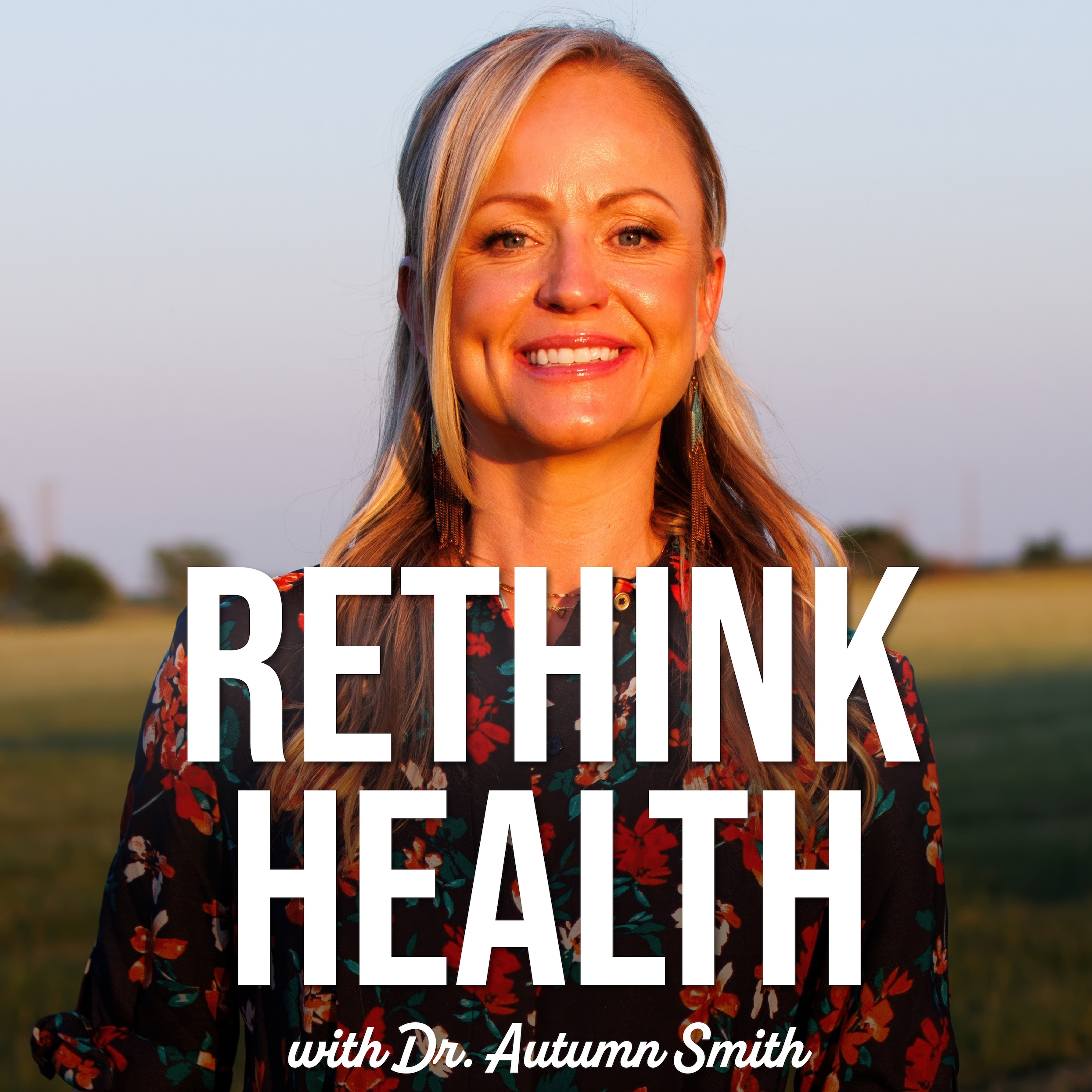
ReThink Health with Dr. Autumn Smith
by Dr. Autumn Smith
Take control of your health by moving beyond the Paleo template and learning about cutting edge health strategies that really work. This podcast will give you tips and tricks from the mouths of experts and common folk alike who discovered exactly what it takes to THRIVE. Join Chas and Autumn Smith, loving and passionate husband and wife and founders of Paleovalley.com as they guide you on the journey to cultivate vibrant health and wellness.
-
100
Is Caffeine Helping or Hurting You? with Stephen Cherniske
IN THIS EPISODE Is your morning coffee helping or hurting your health? The answer may depend on much more than how many cups you drink. In this episode of the ReThink Health Podcast, I sit down with nutritional biochemist Stephen Cherniske, author of Caffeine Blues, for a nuanced look at one of the most widely consumed compounds in the world: caffeine. Rather than labeling caffeine "good" or "bad," Stephen explains why your dose, timing, genetics, and individual response can completely change how caffeine affects you. Stephen (who still drinks coffee himself) encourages understanding your own physiology and using caffeine strategically rather than mindlessly; a distinction that becomes especially important since people can metabolize and respond to caffeine very differently. You'll learn: Why caffeine doesn't actually give your body energy (and what it does instead) The research-backed benefits of caffeine for cognition, memory, athletic performance, and metabolic health Why the same amount of caffeine may make one person feel great and another anxious, jittery, or unable to sleep How caffeine can interfere with deep, restorative sleep even when you think you're sleeping just fine How your heart rate and sleep quality may provide clues about your personal caffeine tolerance Why caffeine timing matters (and when Stephen recommends cutting yourself off for the day) Why tea may feel different from coffee for people who are sensitive to caffeine What to look for when choosing a high-quality decaf coffee If coffee is one of the first things you reach for every morning, this episode will help you stop thinking about caffeine as simply "healthy" or "unhealthy" and start asking a much more useful question: How is it actually affecting you? HELPFUL RESOURCES Paleovalley Polyphenol-Dense Organic Coffee >>> Enjoy clean, organic coffee made with antioxidant-rich beans and rigorously tested for purity. Try Paleovalley Polyphenol-Dense Organic Coffee today for up to 20% OFF!
-
99
Is Processed Meat Really Bad for You? with Dr. Frederick Leroy.
IN THIS EPISODE Most of us hear the words "processed meat" and immediately think unhealthy. But is a traditionally fermented salami really the same thing as an ultra-processed meat snack packed with sugar, fillers, and additives? In this episode of the ReThink Health Podcast, I sit down with Dr. Frederick Leroy, a professor and food scientist who has spent decades studying animal-source foods, fermentation, food processing, and human nutrition. Dr. Leroy explains why lumping every processed meat into one category misses some important details. (Humans have been drying, curing, smoking, and fermenting meat for thousands of years, and traditional products can look very different from modern ultra-processed versions!) It's a refreshingly nuanced conversation that moves beyond "processed meat = bad" and asks a much more useful question: What kind of processing are we actually talking about? You'll learn: The difference between traditionally processed and ultra-processed meat products What the WHO's processed-meat classification actually tells us about hazard vs. risk Why much of the processed-meat research relies on observational data, and why that matters How traditional fermentation, curing, drying, and smoking preserve meat How to spot a higher-quality processed meat by reading the ingredient list What nitrates and nitrites actually do in cured meats (and why celery-derived nitrate is still the same molecule) What we know (and don't know) about probiotics, postbiotics, and bioactive peptides in fermented meats Dr. Leroy's simple framework for building a nourishing diet without following rigid food rules If you've been avoiding ham, salami, jerky, or meat sticks because you've heard that all processed meat is unhealthy, this episode will help you understand the important differences that rarely make it into nutrition headlines. VALUABLE RESOURCES Paleovalley 100% Grass Fed Beef Sticks >>> Get convenient, high-quality protein from Paleovalley 100% Grass Fed Beef Sticks HERE for up to 20% off! BIO Dr. Frederick Leroy is a professor and food scientist with a PhD in Applied Biological Sciences whose work focuses on animal-source foods, food processing, fermentation, human nutrition, and food systems. His training began in food science and nutrition, including research into food and nutrient security in Africa, before he completed doctoral work in food processing and engineering. His early research into meat fermentation examined the microbiology, safety, and quality of fermented foods such as salami. Today, his work takes a broader look at the role of animal-source foods in human nutrition, health, sustainability, food culture, and society. THANKS FOR LISTENING! Thanks so much for joining us this week! Have feedback or a question? Email us at [email protected]—we'd love to hear from you. If you enjoyed this episode, please share it with someone who might benefit from the information. Following the ReThink Health Podcast on YouTube, Spotify, or iTunes helps us reach more people who need to hear this and keeps you updated on new episodes. Likes, subscribes, ratings and reviews are incredibly helpful and deeply appreciated—we read every single one! Let's spread this knowledge and help others together. See you next time! Click below to follow on YouTube, Spotify or iTunes: Don't miss the podcast… Is Processed Meat Really Bad for You? with Dr. Frederick Leroy.
-
98
75% of People Are Missing This Critical Nutrient, with Dr. Philip Calder
IN THIS EPISODE You've probably heard that omega-3s are good for you. But few people realize just how crucial they are for brain health, inflammation, and so much more… and just how many of us aren't getting enough. In this episode of the ReThink Health Podcast, I sit down with Dr. Philip Calder, Professor of Nutritional Immunology at the University of Southampton and one of the world's leading researchers on omega-3 fatty acids and inflammation. According to Dr. Calder, an estimated 75% of people worldwide aren't getting enough EPA and DHA, the omega-3s most strongly linked to human health. And over time, low omega-3 status may contribute to greater risk of cardiovascular disease, metabolic disease, cognitive decline, and other conditions associated with aging. Come explore why DHA is especially important for the brain, how omega-3s may support muscle as we age, the nuanced truth about omega-6 seed oils, and simple ways to improve your omega-3 status through food and supplements. You'll learn: How omega-3s change your cell membranes and influence how your cells function How EPA, DHA, and DPA literally help turn off inflammation Why DHA plays a unique role in the brain, vision, and cognitive function The difference between EPA and DHA (and why you need both) How omega-3s may support muscle protein synthesis and healthy aging The surprising connection between omega-3s, fertility, pregnancy, and infant development Why the balance between omega-6 and omega-3 fatty acids matters The best food sources of EPA and DHA, and how much Dr. Calder recommends getting each day How the Omega-3 Index can help reveal your long-term omega-3 status and future health risks If you're not regularly eating fatty fish, there's a good chance you're missing out on these critical fats. This episode explains exactly why omega-3s matter and the practical steps you can take to get more of them. VALUABLE RESOURCES Paleovalley Omega-3 Complex >>> Support brain, heart, cellular, and whole-body health with 1,050 mg of clean, bioavailable omega-3s per serving. Save up to 20% on Paleovalley Omega-3 Complex. BIO Dr. Philip Calder is a Professor of Nutritional Immunology at the University of Southampton whose research explores how nutrition influences immune function, inflammation, and human health. With a background in metabolic biochemistry, Dr. Calder began studying how immune cells use fatty acids nearly four decades ago. His discovery that different fatty acids could actually change the way immune cells function helped lead him into the emerging field of nutritional immunology. Today, his research focuses extensively on the effects of dietary fats (particularly omega-3 fatty acids) on immunity, inflammation, and health. THANKS FOR LISTENING! Thanks so much for joining us this week! Have feedback or a question? Email us at [email protected]—we'd love to hear from you. If you enjoyed this episode, please share it with someone who might benefit from the information. Following the ReThink Health Podcast on YouTube, Spotify, or iTunes helps us reach more people who need to hear this and keeps you updated on new episodes. Likes, subscribes, ratings and reviews are incredibly helpful and deeply appreciated—we read every single one! Let's spread this knowledge and help others together. See you next time! Click below to follow on YouTube, Spotify or iTunes:
-
97
Grass-Fed Beef Has 3x More of This Critical Nutrient (Shocking Results) with Dr. van Vliet.
IN THIS EPISODE We love to argue about food like it's simple—grass-fed vs. grain-fed, animal vs. plant, protein powder vs. "real food." But the truth is… we're barely scratching the surface of what food actually contains. In this episode of the ReThink Health Podcast, I sit down with Dr. Stephen Van Vliet (Utah State University), a researcher on the front lines of nutrient density, metabolomics, and regenerative agriculture. His lab is helping answer the questions most of us feel are important, but don't have clear, evidence-based answers for yet: Does food quality actually change what happens in your body? Does the way an animal is raised matter… beyond marketing labels? And what does "nutrient-dense" even mean when a food can contain thousands of compounds we don't track on a nutrition label? You'll hear why beef may contain tens of thousands of unique metabolites, how new metabolomics tools are changing what we can measure, and why "grass fed" isn't always as straightforward as people think. Dr. van Vliet also shares fascinating early findings from long-term human trials, looking at what happens when people switch from conventional to pasture-raised animal foods, including changes in omega-3 levels in the blood. It's a nuanced, science-forward conversation that skips the dogma and gets to what really matters: making food choices that support real health over the long haul. You'll learn: Why nutrition labels only tell a tiny part of the story What "nutrient density profiling" really means (and how it's measured) Why whole foods can act differently in the body than isolated protein powders The surprising reasons why some "grain-fed" samples can be more nutrient-dense than the least nutrient-dense "grass fed" samples What Dr. van Vliet's research suggests about omega-3s in pasture-raised meat, eggs, and blood markers over time The emerging role of phytonutrients in animal foods (and why liver may be especially interesting) The most impactful "health upgrade" you can make today If you've ever felt skeptical of nutrition debates that sound too black-and-white, this episode will feel like a breath of fresh air and a glimpse into where food research is heading next. VALUABLE RESOURCES Paleovalley Grass Fed Organ Complex >>> Support your body with one of nature's most nutrient-dense foods + SAVE up to 20% on Paleovalley Grass Fed Organ Complex without cooking or choking down organ meats. BIO Dr. Stephen van Vliet is the Director of the Center for Human Nutrition Studies at Utah State University, where his team uses advanced metabolomics to study nutrient density in foods—and how those differences show up in human biology. His lab works at the intersection of food quality, regenerative agriculture, and clinical nutrition trials, helping uncover how nutrients flow from soil and plants into animals and ultimately into people. THANKS FOR LISTENING! Thanks so much for joining us this week! Have feedback or a question? Email us at [email protected]—we'd love to hear from you. If you enjoyed this episode, please share it with someone who might benefit from the information. Following the ReThink Health Podcast on YouTube, Spotify, or iTunes helps us reach more people who need to hear this and keeps you updated on new episodes. Likes, subscribes, ratings and reviews are incredibly helpful and deeply appreciated—we read every single one! Let's spread this knowledge and help others together. See you next time! Click below to follow on YouTube, Spotify or iTunes:
-
96
Is Your Bad Mood Actually a Nutrient Deficiency? with Julia Ross.
IN THIS EPISODE When we feel anxious, down, or just not like ourselves, we usually assume something in our life is to blame. But what if sometimes the problem isn't your life… it's that your brain is missing a crucial nutrient? In this episode of the ReThink Health Podcast, I sit down with Julia Ross, a pioneer in the nutritional use of amino acids for mood, cravings, eating disorders, and addiction. After more than 40 years of clinical work, she's helping answer some fascinating questions about the connection between protein, brain chemistry, and how we feel. You'll hear how amino acids like DLPA, GABA, tryptophan, tyrosine, and glutamine interact with neurotransmitter systems tied to mood and appetite. Julia also explains why cravings for foods like chocolate, sugar, bread, and cheese may offer clues about what's happening in the brain… and why getting enough high-quality protein is such an important nutritional foundation. It's a fascinating look at mood and cravings from a completely different angle: not just what's happening in your life, but whether your brain has the raw materials it needs to function at its best. You'll learn: The difference between a "true mood" and a "false mood" How specific amino acids support neurotransmitters involved in mood, calm, focus, and pleasure Why DLPA may support endorphin activity and emotional well-being How GABA, tryptophan, tyrosine, and glutamine each play different roles Why certain food cravings may offer clues about your brain chemistry How ultra-processed diets and low protein intake may affect amino acid availability How to tell exactly which amino acids you need for your most vibrant health If you've ever wondered why you can have a good life and still not feel good, this episode offers a fascinating new way to think about the connection between food, brain chemistry, and mood. VALUABLE RESOURCES Paleovalley 100% Grass Fed Bone Broth Protein >>> Give your body the high-quality protein and naturally occurring amino acids it needs with Paleovalley 100% Grass Fed Bone Broth Protein for up to 20% OFF! BIO Julia Ross is a pioneer in the nutritional use of amino acids for mood problems, eating disorders, and addiction, with more than 40 years of clinical experience. Her work began in addiction treatment in the late 1970s and evolved as emerging neuroscience revealed how specific nutrients could influence the brain systems involved in mood, cravings, focus, and addictive behavior. She is the author of The Diet Cure, The Mood Cure, and The Craving Cure and has directed clinics since the early 1980s. Today, her clinic also works virtually, allowing clients to trial amino acids with professional guidance from home. THANKS FOR LISTENING! Thanks so much for joining us this week! Have feedback or a question? Email us at [email protected]—we'd love to hear from you. If you enjoyed this episode, please share it with someone who might benefit from the information. Following the ReThink Health Podcast on YouTube, Spotify, or iTunes helps us reach more people who need to hear this and keeps you updated on new episodes. Likes, subscribes, ratings and reviews are incredibly helpful and deeply appreciated—we read every single one! Let's spread this knowledge and help others together. See you next time! Click below to follow on YouTube, Spotify or iTunes:
-
95
Can Eating Meat Actually Be Healthy? with Dr. Drew Pinsky
IN THIS EPISODE We're told meat is dangerous, fat is the enemy, and cereal somehow ends up with a better "health score" than beef or eggs. But what if much of that narrative is based on oversimplified science… and not the full picture of human biology? In this episode of the ReThink Health Podcast, I sit down with Dr. Drew Pinsky to unpack his personal health transformation and what he believes is the powerful link between diet, inflammation, brain function, and long-term metabolic health. Drawing from decades in medicine and his own experience shifting to a low-carb, meat-forward diet, Dr. Drew explains why carbohydrates, ultra-processed foods, and unhealthy fats may play a far bigger role in mental and physical health than we've been led to believe. You'll learn: How a high carbohydrate intake may drive inflammation, insulin issues, and metabolic dysfunction The incredible results and dramatic improvements Dr. Drew noticed in himself after reducing carbs Why the brain is not separate from the body—and how diet impacts mental health directly The potential role of red meat and amino acids in mood, focus, and overall well-being Why ultra-processed foods and "yummy" engineered carbs can be habit-forming and disruptive to appetite regulation The difference between wellness, mental health, and mental illness—and where nutrition fits in Why reading labels and eating consciously may be the most powerful first step for lasting change If you've ever felt confused by conflicting headlines about meat, fat, and carbs—or wondered how diet truly affects mood, energy, and long-term health—this episode offers a grounded, experience-backed perspective that cuts through the noise. VALUABLE RESOURCES Paleovalley Pasture-Raised Meat Sticks >>> Fuel your day with clean, protein-rich snacks made from pasture raised meat, real spices, and zero junk. Save up to 20% on Paleovalley Pasture Raised Meat Sticks. Drew Pinsky, MD, is a board-certified physician, addiction specialist, and media personality known for his decades-long career educating the public on mental health, addiction, and wellness. He has hosted numerous radio and television programs, including Loveline and Dr. Drew On Call, and frequently speaks on the intersection of physical health, brain function, and behavior. Drawing on both clinical experience and personal experimentation, Dr. Drew advocates for a more integrated approach to diet and mental well-being. THANKS FOR LISTENING! Thanks so much for joining us this week! Have feedback or a question? Email us at [email protected] —we'd love to hear from you. If you enjoyed this episode, please share it with someone who might benefit from the information. Following the ReThink Health Podcast on YouTube, Spotify, or iTunes helps us reach more people who need to hear this and keeps you updated on new episodes. Likes, subscribes, ratings, and reviews are incredibly helpful and deeply appreciated—we read every single one! Let's spread this knowledge and help others together. See you next time! Click below to follow on YouTube, Spotify or iTunes:
-
94
The Glyphosate Problem Nobody's Talking About (Can Glycine Fix it?) with Dr. Stephanie Seneff.
Glyphosate is one of the most widely used herbicides in the world. But what if its impact on human health goes far beyond the plants it was designed to kill? In this episode of the ReThink Health Podcast, Dr. Stephanie Seneff and I dive into one of the most controversial and fascinating theories in modern health: the possible connection between glyphosate, glycine, and chronic disease. Glycine is an amino acid that plays a massive role in proteins, collagen, digestion, detoxification, immune function, and cellular repair. And according to Dr. Seneff's research, glyphosate's structural similarity to glycine may help explain why so many modern health issues are rising alongside increased glyphosate exposure. In this eye-opening conversation, we explore how glyphosate may impact the gut microbiome, where it hides in the food supply, and why glycine-rich foods like bone broth, collagen, and fermented foods may help support resilience. You'll learn: Why glyphosate was marketed as "safe" for humans… and why that explanation may be incomplete How glyphosate may disrupt the gut microbiome and contribute to digestive dysfunction The unexpected connection between glyphosate and glycine Which foods may contain the highest glyphosate residues, including a surprising category many people think of as healthy How quickly glyphosate levels may drop when switching to an organic diet Why fermented foods, sulfur-rich foods, and glycine-rich foods may help support the gut What deuterium is and why Dr. Seneff believes it may play a role in mitochondrial dysfunction If you've ever wondered why gut issues, food sensitivities, inflammatory conditions, and chronic disease seem to be rising so quickly… this episode offers a fascinating look at one possible missing piece. VALUABLE RESOURCES Paleovalley Bone Broth Protein >>> Support whole-body repair with clean, glycine-rich protein from 100% grass fed bone broth. Save up to 20% today on Paleovalley Bone Broth Protein. BIO Dr. Stephanie Seneff is a senior research scientist, author, and leading voice in the conversation around glyphosate, chronic disease, and environmental health. Her work explores the potential links between glyphosate exposure, gut microbiome disruption, mineral depletion, impaired detoxification, glycine interference, and rising rates of chronic illness. She is the author of Toxic Legacy, a book examining the history, science, and potential health consequences of glyphosate exposure. Dr. Seneff has published extensively on glyphosate, sulfur metabolism, mitochondrial dysfunction, deuterium, gut health, and the biological mechanisms that may help explain today's chronic disease epidemic. THANKS FOR LISTENING! Thanks so much for joining us this week! Have feedback or a question? Email us at [email protected]. We'd love to hear from you! If you enjoyed this episode, please share it with someone who might benefit from the information. Following the ReThink Health Podcast on YouTube, Spotify, or iTunes helps us reach more people who need to hear this and keeps you updated on new episodes. Likes, subscribes, ratings, and reviews are incredibly helpful and deeply appreciated… we read every single one! Let's spread this knowledge and help others together. See you next time! Click below to follow on YouTube, Spotify or iTunes: Dr. Stephanie Seneff explains the controversial connection between glyphosate, glycine, gut health, collagen, constipation, inflammation, and chronic disease. Learn where glyphosate is found, how it may affect the microbiome, and why glycine-rich foods may support resilience. The Glyphosate Problem Nobody's Talking About (Can Glycine Fix it?) with Dr. Stephanie Seneff.
-
93
Is Modern Food Making Us Sicker? with Dr. Eric Berg
What if the health of your food starts long before it reaches your plate? In this episode of the ReThink Health Podcast, Dr. Eric Berg and I explore the fascinating connection between soil health, regenerative farming, nutrient density, metabolic health, and the ketogenic diet. Dr. Berg shares his personal journey from being a self-described "junk food junkie" struggling with severe health issues… to discovering low-carb nutrition, healthy keto, and the powerful role food quality plays in long-term wellness. But this conversation goes far beyond keto. We dive deep into the modern food system, why regenerative farming may produce more nutrient-dense meat, how soil microbes influence plant and animal health, and why the quality of the food you eat may matter just as much as the macros. You'll learn: Why Dr. Berg says going vegan was "the sickest time" of his life Why bioavailable nutrients like vitamin A, iron, zinc, DHA, and protein may be harder to obtain from plants alone The difference between "healthy keto" and simply eating low carb How soil health may directly influence plant, animal, and human health The hidden problems with conventional agriculture, glyphosate, hormones, antibiotics, and grain-fed livestock What Dr. Berg's regenerative beef testing revealed about omega-3s, inflammation markers, phytonutrients, and metabolic health How keto and intermittent fasting may support weight loss, mood, energy, blood sugar, and metabolic health If you've ever wondered how modern food production affects human health, this episode offers a thought-provoking look at the connection between agriculture, metabolism, and wellness. VALUABLE RESOURCES Paleovalley Bone Broth Protein >>> Support whole-body repair with clean, glycine-rich protein from 100% grass fed bone broth. Save up to 20% today on Paleovalley Bone Broth Protein. Is Modern Food Making Us Sicker? With Dr. Eric Berg.
-
92
Rethinking Saturated Fat and Healthy Aging with Dr. Stephanie Venn-Watson
For decades, we've been told to avoid saturated fat. But what if one specific saturated fat is actually essential for healthy aging? In this episode of the ReThink Health Podcast, Dr. Stephanie Venn-Watson and I discuss a groundbreaking discovery that could completely reshape how we think about fat, aging, and metabolic health. While studying aging Navy dolphins, Dr. Venn-Watson and her team uncovered something unexpected… The healthiest, longest-living dolphins consistently had higher levels of a little-known fatty acid called C15:0 (pentadecanoic acid). And researchers now believe C15 may qualify as the first newly discovered essential fatty acid in over 90 years since omega-3s were identified. In this fascinating conversation, Dr. Venn-Watson explains how decades of low-fat dietary recommendations may have unintentionally lowered our intake of this critical nutrient. Plus, we cover what that could mean for rising rates of insulin resistance, fatty liver disease, accelerated aging, and metabolic dysfunction. You'll learn: What C15 actually is and why scientists are calling it a potential essential fatty acid How dolphin research unexpectedly unlocked new insights into human aging and metabolic health The surprising connection between low C15 levels, fragile red blood cells, iron overload, and accelerated aging Why higher C15 levels are associated with lower risks of type 2 diabetes and cardiovascular disease How modern low-fat dietary trends may have contributed to widespread C15 deficiency Which foods naturally contain higher amounts of C15 The connection between C15, metabolic health, inflammation, liver health, and biological aging What RDW (red blood cell distribution width) may reveal about aging and cellular health If you've ever wondered whether all saturated fats deserve their bad reputation… or why rates of metabolic disease seem to be skyrocketing despite decades of low-fat advice… this episode has the answers! VALUABLE RESOURCES Paleovalley Omega-3 Complex >>> Support brain health, inflammation balance, and cellular functioning with clean, highly bioavailable omega-3s. Save up to 20% today on Paleovalley Omega-3 Complex. BIO Dr. Stephanie Venn-Watson is a veterinary epidemiologist, longevity researcher, and CEO of Seraphina Therapeutics. While working with the U.S. Navy-trained aging dolphin population, she discovered groundbreaking links between the fatty acid C15 and healthy aging, metabolic health, and cellular resilience. Her research has contributed to a rapidly growing body of evidence suggesting C15 may be an essential fatty acid with important implications for human health and longevity. Dr. Venn-Watson has authored more than 80 peer-reviewed scientific papers and is leading ongoing research into the role of C15 in metabolic function, inflammation, liver health, cardiovascular disease, and aging. THANKS FOR LISTENING! Thanks so much for joining us this week! Have feedback or a question? Email us at [email protected]. We'd love to hear from you! If you enjoyed this episode, please share it with someone who might benefit from the information. Following the ReThink Health Podcast on YouTube, Spotify, or iTunes helps us reach more people who need to hear this and keeps you updated on new episodes. Likes, subscribes, ratings, and reviews are incredibly helpful and deeply appreciated… we read every single one! Let's spread this knowledge and help others together. See you next time! Click below to follow on YouTube, Spotify or iTunes:
-
91
The Supplement Industry Is Lying To You with Robyn Openshaw - Green Smoothie Girl
Most of us assume supplements are helping us. After all… they're marketed as essential for filling nutrient gaps, supporting immunity, and optimizing health. But what if that assumption deserves a closer look? In this episode of the ReThink Health Podcast, I sit down with Robyn Openshaw (author, researcher, and founder of GreenSmoothieGirl) to pull back the curtain on the supplement industry. What she uncovered after years of deep research may completely change how you think about the pills in your cabinet. From synthetic vitamins to fish oil, collagen, and beyond, Robyn explains why not all supplements are created equal… and why many may not be delivering the benefits people expect. You'll learn: Why most supplements on the market are synthetic (and what that actually means) The surprising connection between the pharmaceutical and supplement industries Why isolated nutrients may not replicate the complexity of whole foods What's really behind common supplements like vitamin D, B12, and collagen Why many fish oil supplements may be oxidized or ineffective The difference between correlation and causation in nutrition research How soil depletion and modern agriculture may contribute to nutrient deficiencies Simple ways to evaluate supplement quality using better questions and tools If you've ever wondered whether what you're taking is actually helping your health, this episode will completely change how you think about supplements. VALUABLE RESOURCES Paleovalley Omega-3 Complex >>> Support brain health, inflammation balance, and cellular function with highly bioavailable omega-3s. Save up to 20% today on Paleovalley Omega-3 Complex.
-
90
The Real Reason You Can't Lose Weight | It's Not What You Think (Dr. Hyman reveals)
IN THIS EPISODE We've been told weight loss is simple: "Eat less and move more." And if you can't… it must be a willpower problem. But Dr. Mark Hyman says this story doesn't match what we're seeing in real life… or what the science actually shows. In this episode of the ReThink Health Podcast, I sit down with Dr. Hyman to unpack the real drivers behind stubborn weight gain (and why so many people feel like their body is working against them). We talk about how today's food environment is built around ultra-processed, hyper-palatable ingredients that don't just add calories; they change your biology, disrupt appetite signals, and push the body toward insulin resistance and fat storage. You'll also hear Dr. Hyman's grounded take on the "fat vs. carbs" debate, why food quality matters more than diet labels, and what simple shifts actually move the needle — without shame, extremes, or perfectionism. You'll learn: Why "calories in, calories out" doesn't explain stubborn weight gain How ultra-processed foods can hijack hunger, energy, and cravings The #1 dietary driver behind metabolic dysfunction (and why bread isn't "better" than sugar) Why vilifying fat backfired — and what matters most instead How insulin resistance can make you hungrier and less motivated to move Why meat isn't the villain… but quality absolutely matters The "Goldilocks" approach to longevity: mTOR, autophagy, and realistic fasting windows What Dr. Hyman considers the most impactful rule of thumb for eating well Why personal responsibility alone is a broken framework in a highly addictive food environment If you've ever felt like you're "doing everything right" and still not losing weight, this conversation will help you understand what's really going on… and give you a way forward that feels sane, practical, and empowering. VALUABLE RESOURCES Paleovalley 100% Grass Fed Whey Protein with Colostrum >>> Support lean muscle, metabolism, and steady energy with a clean, highly bioavailable protein — plus colostrum for gut + immune support. Save up to 20% on Paleovalley 100% Grass Fed Whey Protein with Colostrum. Mark Hyman, MD is a practicing physician and a leading voice in functional medicine. He is a New York Times bestselling author and an advocate for food-as-medicine approaches that address the root causes of chronic disease. Dr. Hyman focuses on how modern diets and food systems shape metabolism, inflammation, brain health, and long-term wellness — and how simple, evidence-informed shifts in food quality can create profound changes in health. THANKS FOR LISTENING! Thanks so much for joining us this week! Have feedback or a question? Email us at [email protected] — we'd love to hear from you. If you enjoyed this episode, please share it with someone who might benefit from the information. Following the ReThink Health Podcast on YouTube, Spotify, or iTunes helps us reach more people who need to hear this and keeps you updated on new episodes. Likes, subscribes, ratings, and reviews are incredibly helpful and deeply appreciated — we read every single one! Let's spread this knowledge and help others together. See you next time! 100% Grass Fed Whey Protein with Colostrum >>> Support lean muscle, metabolism, and steady energy with a clean, highly bioavailable protein — plus colostrum for gut + immune support. Save up to 20% on Paleovalley 100% Grass Fed Whey Protein with Colostrum.
-
89
Can Eating Meat Actually Be Healthy? with Dr. Drew Pinsky
We're told meat is dangerous, fat is the enemy, and cereal somehow ends up with a better "health score" than beef or eggs. But what if much of that narrative is based on oversimplified science… and not the full picture of human biology? In this episode of the ReThink Health Podcast, I sit down with Dr. Drew Pinsky to unpack his personal health transformation and what he believes is the powerful link between diet, inflammation, brain function, and long-term metabolic health. Drawing from decades in medicine and his own experience shifting to a low-carb, meat-forward diet, Dr. Drew explains why carbohydrates, ultra-processed foods, and unhealthy fats may play a far bigger role in mental and physical health than we've been led to believe. You'll learn: How a high carbohydrate intake may drive inflammation, insulin issues, and metabolic dysfunction The incredible results and dramatic improvements Dr. Drew noticed in himself after reducing carbs Why the brain is not separate from the body—and how diet impacts mental health directly The potential role of red meat and amino acids in mood, focus, and overall well-being Why ultra-processed foods and "yummy" engineered carbs can be habit-forming and disruptive to appetite regulation The difference between wellness, mental health, and mental illness—and where nutrition fits in Why reading labels and eating consciously may be the most powerful first step for lasting change If you've ever felt confused by conflicting headlines about meat, fat, and carbs—or wondered how diet truly affects mood, energy, and long-term health—this episode offers a grounded, experience-backed perspective that cuts through the noise. VALUABLE RESOURCES Paleovalley Pasture-Raised Meat Sticks >>> Fuel your day with clean, protein-rich snacks made from pasture raised meat, real spices, and zero junk. Save up to 20% on Paleovalley Pasture Raised Meat Sticks.
-
88
The Anti-Inflammatory Amino Acid You May Be Deficient In
We tend to think of inflammation as something that just happens… a normal response to stress, aging, or injury. But what if much of today's chronic inflammation is actually a nutrient deficiency problem hiding in plain sight? In this episode of the ReThink Health Podcast, I sit down with Joel Brind, a world-renowned biochemist and author of The Glycine Miracle, to explore why glycine (an amino acid long labeled "non-essential") may actually be one of the most critical and overlooked nutrients in modern diets. Dr. Brind explains how glycine acts as the body's natural anti-inflammatory regulator, helping keep immune cells from overreacting, supporting healthy blood flow, calming the nervous system, and even protecting against inappropriate clotting. He also reveals why most people today are unknowingly deficient, thanks to diets high in muscle meats and low in collagen-rich foods like bones, connective tissue, and skin. You'll hear how glycine plays a central role in managing inflammation, sleep, cardiovascular health, immune balance, and recovery… and why simply eating "enough protein" isn't the same as getting the right balance of amino acids. This is a deep, science-forward conversation that challenges long-held nutrition assumptions and offers a clearer framework for supporting long-term health from the inside out. You'll learn: Why glycine is your body's built-in anti-inflammatory "trigger lock" How chronic inflammation may stem from glycine deficiency, not just stress or aging The sneaky reason why modern diets high in muscle meats drain glycine reserves How glycine helps regulate immune cells, blood clotting, and vascular inflammation Why glycine supports better sleep, recovery, and nervous system balance The surprising links between glycine, cardiovascular risk, and plaque formation Why bone-based foods like collagen and bone broth matter more than most people realize Practical ways to increase glycine intake through food and supplementation If you've ever felt confused by inflammation advice that focuses only on avoiding foods or suppressing symptoms, this episode offers a refreshing, biology-based perspective on what your body actually needs to stay resilient. VALUABLE RESOURCES Paleovalley 100% Grass Fed Bone Broth Protein >>> Support healthy inflammation balance, recovery, and daily glycine intake with a clean, grass fed source of collagen-rich protein. Save up to 20% on Paleovalley 100% Grass Fed Bone Broth Protein.
-
87
Is your leaky skin causing chronic disease? (Here's what to do) with Kiran Krishnan
It's easy to think that skin issues are just cosmetic… something to cover up, manage, or ignore. But what if your skin is actually one of the earliest warning systems in your body? In this episode of the ReThink Health Podcast, I sit down with microbiologist Kiran Krishnan to explore a groundbreaking (and often overlooked) connection: Your skin health may predict your risk for chronic disease, inflammation, and even how you age. Drawing from decades of microbiome research, Kiran explains why conditions like acne, eczema, dryness, and sensitivity may be signs of deeper dysfunction. And more importantly, he reveals what you can actually do about it! You'll learn: How "leaky skin" and barrier dysfunction may contribute to chronic disease risk The surprising link between skin issues and conditions like Alzheimer's, osteoporosis, and inflammation How the skin microbiome controls pH, hydration, and structural integrity What most skincare routines get wrong (and how they may be making things worse) The connection between gut health, acne, and systemic inflammation Why certain everyday products (like soaps, fragrances, and makeup) may disrupt your skin's natural balance The role of probiotics, postbiotics, and microbial signaling in repairing the skin Simple, evidence-based ways to support your skin barrier naturally If you've ever struggled with breakouts, dryness, sensitivity, or felt like your skin issues never fully resolve… This episode will completely change how you think about your skin and your health. VALUABLE RESOURCES Paleovalley 100% Grass Fed Bone Broth Protein >>> Support healthy skin, collagen production, and whole-body recovery with a clean, nutrient-dense protein source made from grass fed bones. Save up to 20% on Paleovalley 100% Grass Fed Bone Broth Protein. SIV Skincare >>> Learn more here + Try it RISK-FREE (at 15% off with code: PALEO)
-
86
EP284: How To Reverse Climate Change in One Generation with Paul Hawken
We've all read the devastating headlines about climate change and global warming, but many times it's difficult to know exactly what you can do to help. Do you have to give up animal products? Get solar power? Drive an electric car? Fortunately, you do NOT have to change your entire life or give up meat to reduce your carbon footprint and become part of the solution. In fact, in this week's podcast with bestselling author, award-winning activist and co-founder of Project Drawdown, Paul Hawken, we talk all about his new book Regeneration: Ending the Climate Crisis in One Generation and the simple steps you can take to help regenerate the planet. We also talk about common myths about vegan diets, plant-based burgers and the diet we need to reverse climate change. Here's what you'll learn… The major contributors to climate changes 3 steps you can take to reverse climate change (even if you're a beginner!) The true cause of climate change Do we need to be vegan to reverse climate change? The role of ruminant animals in healing our planet The problems with plant-based burgers The 3 types of plant-based burgers Why big food companies are paying attention to regenerative ag How healthy plants change the weather Why conventional agriculture is are problematic The many benefits of regenerative agriculture The simplest dietary step you can take to reverse climate change How long will it take to reverse climate change The most dangerous myth about climate change And so much more! This has been one of my favorite podcasts to date, friends, so please listen in and share this incredibly important conversation with anyone you think it might help! Valuable Resources: Paul Hawken - Project Regeneration >>> Learn more about Paul's work HERE! Wild Pastures Grass Fed & Pasture Raised Meat Delivery >>> To lock in 20% OFF + FREE shipping on Every Order for LIFE… Click HERE!
-
85
EP245: From World Champion to Brain Cancer Conqueror with Alison Gannett
Imagine being a world champion skier, growing all of your own food and then being diagnosed with terminal malignant BRAIN CANCER and given 6 months to live. That's what happened to today's podcast guest, oncology nutrition expert, Alison Gannett. Fortunately, today (7 years later) she is healthy and teaching others how to conquer and prevent cancer using targeted diet and lifestyle strategies. Cancer takes over 600,000 American lives each year and approximately 1 in 3 Americans will develop cancer. It seems to touch all of us in some way. So do yourself a favor and listen in for Alison's incredible story, the steps she took to conquer cancer and steps you can take to possibly prevent cancer. Here are some of the fascinating topics we cover: How many hours a day she fasts (and the specific changes she sees in her labs) Why her vitamin C was poisoning her The common food that can drive cancer growth 3 simple steps that may prevent cancer The personality type associated with cancer Why the carnivore diet scares her The 3 main factors she thinks led to her cancer diagnosis The "healthy" dietary strategy she believes caused her cancer How to know if you need less protein The 5 minute daily practice that has helped her heal Why she doesn't drink smoothies The paleo-approved flour that can be high in carbs Why keto can work for cancer The % of cancer cases negatively impacted by excess carbs (this will shock you!) Her favorite keto-approved sweetener The link between over exercise and cancer Why muscle soreness is not always a good thing Why training for a marathon isn't always healthy The 5 labs to track to prevent cancer And so much more! Please SHARE this podcast with everyone you think may benefit! Valuable Resources: Learn More About Alison's Cancer Program HERE! Get up to 24% OFF Keto-Friendly Grass Fed Beef Sticks HERE!
We're indexing this podcast's transcripts for the first time — this can take a minute or two. We'll show results as soon as they're ready.
No matches for "" in this podcast's transcripts.
No topics indexed yet for this podcast.
Loading reviews...
ABOUT THIS SHOW
Take control of your health by moving beyond the Paleo template and learning about cutting edge health strategies that really work. This podcast will give you tips and tricks from the mouths of experts and common folk alike who discovered exactly what it takes to THRIVE. Join Chas and Autumn Smith, loving and passionate husband and wife and founders of Paleovalley.com as they guide you on the journey to cultivate vibrant health and wellness.
HOSTED BY
Dr. Autumn Smith
CATEGORIES
Loading similar podcasts...
Frequently Asked Questions
How many episodes does ReThink Health with Dr. Autumn Smith have?
ReThink Health with Dr. Autumn Smith currently has 16 episodes available on PodParley. New episodes are automatically indexed when they're published to the podcast feed.
What is ReThink Health with Dr. Autumn Smith about?
Take control of your health by moving beyond the Paleo template and learning about cutting edge health strategies that really work. This podcast will give you tips and tricks from the mouths of experts and common folk alike who discovered exactly what it takes to THRIVE. Join Chas and Autumn Smith,...
How often does ReThink Health with Dr. Autumn Smith release new episodes?
ReThink Health with Dr. Autumn Smith has 16 episodes. Check the episode list to see recent publication dates and frequency.
Where can I listen to ReThink Health with Dr. Autumn Smith?
You can listen to ReThink Health with Dr. Autumn Smith on PodParley by clicking any episode. We provide an embedded audio player for direct listening, and you can also subscribe via your preferred podcast app using the RSS feed.
Who hosts ReThink Health with Dr. Autumn Smith?
ReThink Health with Dr. Autumn Smith is created and hosted by Dr. Autumn Smith.
URL copied to clipboard!