
PODCAST · education
Roman funerary monuments - for iPod/iPhone
by The Open University
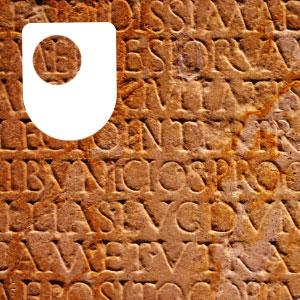
How and what can we learn from fragments? Thousands of fragmented inscriptions survive from the ancient city of Rome, the majority of which are funerary inscriptions or epitaphs from tombs. This album looks at the impact of funerary monuments. From the Mausoleum of Emperor Augustus, to the more humble tombs of freed slaves, these monuments reveal a great deal about the people and families commemorated. Examining the type, scale, location, decoration, and epitaph of each tomb allows us to build up a detailed picture of a life lived thousands of years ago. This material forms part of The Open University course A219 Exploring the classical world.
Episodes
-
Roman funerary monuments
An introduction to this album.
-
Fragments as clues
Thousands of ancient inscriptions survive in Rome; what do they tell us?
-
Cemeteries in the Roman world
How ancient Romans buried and commemorated their dead outside the city walls.
-
Funerary monuments
How the style of a memorial can indicate a lot about the deceased’s status and identity.
-
Epitaphs and sculptures
How tombs and epitaphs promote the memory of the deceased.
-
Constructing identity
How tomb styles changed after Augustus built his huge mausoleum.
-
Family tombs
How a family tomb evolved over generations.
-
The living and the dead
The living had to the power to keep the memory of the dead alive, so tombs were designed for their visits too.
We're indexing this podcast's transcripts for the first time — this can take a minute or two. We'll show results as soon as they're ready.
No matches for "" in this podcast's transcripts.
Loading reviews...
ABOUT THIS SHOW
How and what can we learn from fragments? Thousands of fragmented inscriptions survive from the ancient city of Rome, the majority of which are funerary inscriptions or epitaphs from tombs. This album looks at the impact of funerary monuments. From the Mausoleum of Emperor Augustus, to the more humble tombs of freed slaves, these monuments reveal a great deal about the people and families commemorated. Examining the type, scale, location, decoration, and epitaph of each tomb allows us to build up a detailed picture of a life lived thousands of years ago. This material forms part of The Open University course A219 Exploring the classical world.
HOSTED BY
The Open University
CATEGORIES
Loading similar podcasts...
Frequently Asked Questions
How many episodes does Roman funerary monuments - for iPod/iPhone have?
Roman funerary monuments - for iPod/iPhone currently has 16 episodes available on PodParley. New episodes are automatically indexed when they're published to the podcast feed.
What is Roman funerary monuments - for iPod/iPhone about?
How and what can we learn from fragments? Thousands of fragmented inscriptions survive from the ancient city of Rome, the majority of which are funerary inscriptions or epitaphs from tombs. This album looks at the impact of funerary monuments. From the Mausoleum of Emperor Augustus, to the more...
How often does Roman funerary monuments - for iPod/iPhone release new episodes?
Roman funerary monuments - for iPod/iPhone has 16 episodes. Check the episode list to see recent publication dates and frequency.
Where can I listen to Roman funerary monuments - for iPod/iPhone?
You can listen to Roman funerary monuments - for iPod/iPhone on PodParley by clicking any episode. We provide an embedded audio player for direct listening, and you can also subscribe via your preferred podcast app using the RSS feed.
Who hosts Roman funerary monuments - for iPod/iPhone?
Roman funerary monuments - for iPod/iPhone is created and hosted by The Open University.
URL copied to clipboard!