
PODCAST · religion
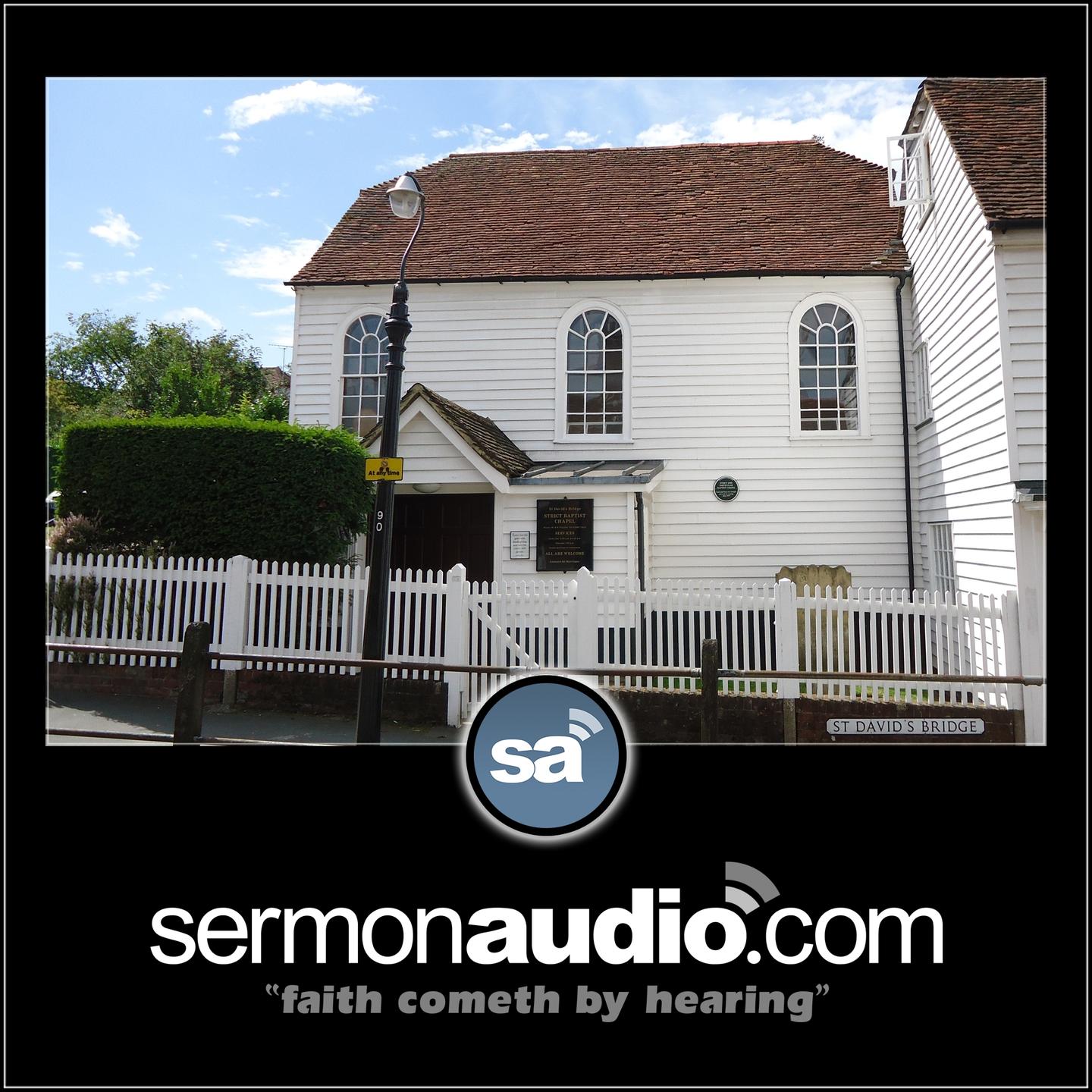
St David's Bridge Strict Baptist Chapel
by Rowland Wheatley
The newest sermons from St David's Bridge Strict Baptist Chapel on SermonAudio.
-
100
Fiery Trials
~~~~~~~ No 19 in the series - The Epistles of Peter. ~~~~~~~ **Considering 1 Peter 4: 12-16** Beloved, think it not strange concerning the fiery trial which is to try you, ..... Yet if any man suffer as a Christian, let him not be ashamed; but let him glorify God on this behalf. *1/ Fiery trails and thinking rightly about them. 2/ A cause of rejoicing. 3/ God's verdict concerning his people and those that reproach them for his sake. 4/ A searching question - Are we really suffering as a Christian?* **Sermon summary:** This sermon, drawn from 1 Peter 4:12–16, presents a profound theological reflection on the nature and purpose of suffering for believers, framing trials not as random afflictions but as divinely appointed experiences designed to refine faith, deepen fellowship with Christ, and reveal God's sovereign goodness. It emphasizes that suffering—particularly when endured for Christ's sake—is not strange or indicative of divine abandonment, but a mark of spiritual kinship with Christ, who Himself endured reproach and persecution, and a foretaste of the future glory that will be revealed. The preacher underscores that God's perspective on suffering differs radically from human judgment: while the world may revile the believer, God declares the believer glorified, and the Spirit of glory rests upon them. The sermon calls for discernment, urging believers to examine whether their suffering stems from faithful witness to Christ or from personal sin, misbehaviour, or misguided zeal, reminding the audience that true Christian suffering is not self-inflicted but arises from faithful discipleship.
-
99
Cast thy burden upon the LORD
Cast thy burden upon the LORD, and he shall sustain thee: he shall never suffer the righteous to be moved. (Psalm 55:22) ~~~~ This sermon was preached at Handcross Baptist Chapel, West SUSSEX. ~~~~ - A prophetic psalm. - Who the verse concerns. - A wonderful statement at the end of the verse. *1/ What this verse concerns - Thy burden. 2/ The direction given concerning it - Cast it upon the LORD. 3/ The promise to those who do so - He shall sustain thee.* **Sermon Summary:** The sermon centers on the profound truth of casting one's burdens upon the LORD, as revealed in Psalm 55:22, emphasizing that while the righteous—both Christ and His people—bear weighty trials, God sustains them without allowing them to be moved from their faith or covenant. Drawing from Christ's suffering, the betrayal by Judas, and the personal struggles of believers, the message underscores that burdens are not merely removed but carried with divine strength, as seen in Christ's prayer in Gethsemane, Paul's thorn in the flesh, and the daily trials of life. The promise is not deliverance from suffering, but continual support—God's grace sufficient, His presence constant, and His guidance ever available through prayer, community, and the Holy Spirit. The sermon calls believers to trust in God's sustaining power, recognizing that trials are not signs of abandonment but opportunities for deeper dependence, spiritual growth, and faithfulness, ultimately affirming that the Lord will never let the righteous fall.
-
98
This is life eternal
And this is life eternal, that they might know thee the only true God, and Jesus Christ, whom thou hast sent. (John 17:3) *1/ The gift of Eternal life. 2/ The effect, or what is life eternal.* **Sermon summary:** Eternal life is not merely an extended duration of existence but a transformative, personal relationship with the only true God and Jesus Christ, whom the Father has sent. Rooted in the sovereign gift of God, this life is instantaneously bestowed through divine grace, not earned or developed through human effort, and is evidenced by a growing, experiential knowledge of God that transcends mere intellectual understanding. This knowledge is cultivated not through abstract doctrine alone, but through the Spirit's work in the heart—revealed in Scripture, confirmed by divine providence, and recognized in the Lord's faithful, gentle, and gracious dealings with His people. The believer's assurance lies not in self-examination, but in the unshakable truth that when God acts, His people come to know Him personally, intimately, and irrevocably, recognizing His voice, His hand, and His character in every circumstance. Ultimately, eternal life is both a present reality and a future hope, marked by fellowship with God here and now, and the certain anticipation of seeing Him face to face in glory.
-
97
Willing in the day of thy power
Thy people shall be willing in the day of thy power, in the beauties of holiness from the womb of the morning: thou hast the dew of thy youth. (Psalms 110:3) *1/ Thy people. 2/ An unwilling people. 3/ The day of God's power.* **Sermon summary:** This sermon centers on Psalm 110:3, emphasizing that God's people are made willing in the day of His power, a truth rooted in the sovereign work of grace rather than human effort. It unfolds the theological reality that, though all humanity is naturally unwilling and rebellious against God due to a corrupted will, the Holy Spirit effectually renews the heart, transforming resistance into joyful obedience. The passage highlights Christ as the divine King and eternal High Priest after the order of Melchizedek, underscoring the contrast between the old covenant's legalistic priesthood and the new covenant's grace-based salvation. The sermon illustrates how God's power is most evident not in dramatic displays, but in the quiet, transformative work of regeneration—seen in conversion, sanctification, and daily surrender—where the believer's willing service flows from a heart renewed by divine grace. Ultimately, the text affirms that true identification with God's people is marked not by external signs, but by a Spirit-empowered willingness to follow Christ, a testimony to the ongoing work of God's power in the lives of His redeemed.
-
96
Made nigh by the blood of Christ
But now in Christ Jesus ye who sometimes were far off are made nigh by the blood of Christ. (Ephesians 2:13) *1/ **In Christ Jesus** - a quickened soul - Ephesians 2:1-8 2/ Where all are by nature - far off. 3/ A blessed soul - made nigh. 4/ How God brings nigh - By the blood of Christ. 5/ Words of Application.* ~~~~ This sermon was preached at Ebenezer Strict Baptist Chapel Broad Oak, Heathfield. ~~~~ **Sermon summary:** The sermon centers on the transformative reality of being brought near to God through Christ, emphasizing that all humanity—by nature alienated and far off due to sin—are reconciled to God not by works or religious observance, but solely through the blood of Jesus Christ. Drawing from Ephesians 2:13, it unfolds a theological journey from spiritual death to life, from separation to intimate fellowship, highlighting the necessity of a personal, heart-changing encounter with Christ that transcends ethnic, cultural, and religious divisions. The message underscores that true communion with God is not achieved by human effort but by grace, secured through Christ's atoning sacrifice, which satisfies divine justice and restores broken relationship. The preacher calls both the unconverted and the backslidden to repentance and faith, urging them to rest in Christ's finished work, while exhorting the spiritually blessed to recognize their fellowship as a gift purchased by His blood. Ultimately, the sermon proclaims the gospel's power to make the far off near, the dead alive, and the estranged a beloved child of God.
-
95
Good Stewards of God's grace
~~~~~~~ No 18 in the series - The Epistles of Peter. ~~~~~~~ **Considering 1 Peter 4:7-11** But the end of all things is at hand: be ye therefore ......., as good stewards of the manifold grace of God. **Consider also 2 Corinthians 6:1** *These verses give us five pointers as to how we are to be good stewards of the grace of God:* *1/ By seeking fresh supplies of grace ourselves. Living soberly as saved by grace. Praying, watching. 2/ By paying attention to what reflects God's grace and mercy most . 3/ By using gifts God has given us in helping "one another". 4/ By paying attention to how we speak and minister the word. 5/ By using the grace given so that God in all things may be glorified.* **Sermon Summary:** The sermon centers on the urgent call to faithful stewardship of God's grace, grounded in the imminent return of Christ and illustrated through the parables of the ten virgins and the talents. It emphasizes that true discipleship requires sober vigilance, continual prayer, and active engagement with the spiritual and practical needs of the church community. The preacher outlines five key principles: cultivating personal dependence on grace through prayer and discernment, prioritizing fervent love and hospitality within the body of believers, actively using God-given gifts to serve others, speaking and ministering the Word with divine authority and humility, and ensuring all efforts are directed to glorify God through Jesus Christ rather than self. The tone is both pastoral and convicting, urging believers to live as watchful, humble, and purposeful stewards, ready for Christ's return and committed to building up the Church through grace-enabled service.
-
94
The Scarlet line
And she said, According unto your words, so be it. And she sent them away, and they departed: and she bound the scarlet line in the window. (Joshua 2:21) **This is audio of Reading and Sermon only** - *See PDF for hymn sheet and scarlet line poem* ~~~~~~~~ A Thursday morning service in the lounge of Milward Pilgrim Home, Tunbridge Wells Kent. ~~~~~~~~ *1/ Who Rahab's faith looked to. 2/ How her faith was evidenced. 3/ How it proved true* **Sermon Summary:** The sermon centers on Rahab's faith as a Gentile woman whose trust in the God of Israel, demonstrated through her actions and the scarlet cord she bound in her window, secured her and her household's salvation. Her faith was rooted in the historical acts of God—particularly the parting of the Red Sea and the conquest of the Amorite kings—and culminated in a clear confession of the LORD as the one true God. This faith was evidenced not in words alone, but in her courageous decision to shelter the spies, risk her life, and seek a token of deliverance, which mirrored the Passover blood and pointed to Christ's atoning sacrifice. The scarlet cord became a visible sign of her reliance on God's promise, a testimony visible to all yet ultimately seen and honoured by God, who preserved her house which was on the wall when Jericho fell. Her inclusion in the lineage of Christ and the faith hall of Hebrews 11 affirms that true faith is both personal and life-transforming, leading to eternal belonging in God's people. The message calls believers to examine where their faith is placed, how it is evidenced in their lives, and to trust solely in Christ's blood as their only hope.
-
93
Taught of God.
For this is the covenant that I will make with the house of Israel after those days, saith the Lord; I will put my laws into their mind, and write them in their hearts: .... (Hebrews 8:10-11) *1/ The promises in the prophets and confirmed by Jesus. 2/ The effect of God's teaching. 3/ The means God uses and what is taught.* **Sermon summary:** The sermon centers on the New Covenant described in Hebrews 8:10–11, emphasizing that God's promise to write His law on the hearts of His people—rather than merely on tables of stone —marks a profound shift from external obedience to internal transformation. Rooted in prophetic promises from Jeremiah, Isaiah, and Micah, and fulfilled in Christ's ministry and the outpouring of the Holy Spirit, this covenant ensures that all believers, from the least to the greatest, will personally know the Lord through divine teaching that transcends mere intellectual knowledge. The effect of this teaching is not only spiritual understanding but also a deep, experiential relationship with God, marked by forgiveness, divine presence, and a longing to be with His people, all made possible through the Spirit's gentle yet powerful work in trials, Scripture, and personal experience. The sermon calls believers to discern between head knowledge and heart knowledge, urging reliance on God's sovereign instruction rather than human effort, and affirms that true spiritual learning results in a transformed life, a renewed heart, and a growing intimacy with Christ.
-
92
And Jesus went before them
And they were in the way going up to Jerusalem; and Jesus went before them: and they were amazed; and as they followed, they were afraid. And he took again the twelve, and began to tell them what things should happen unto him, (Mark 10:32) ~~~~~~ This sermon was preached into the Australian Churches from England. ~~~~~~ **Looking at the four clauses of the text:** *1/ They were in the way. 2/ And Jesus went before them. 3/ Ans as they followed 4/ And began to tell them what things should happen unto him.* **Sermon Summary:** The sermon centers on Mark 10:32, highlighting the disciples' journey to Jerusalem as a profound spiritual metaphor for the Christian life, emphasizing that true discipleship involves being in the one way—Jesus Christ—through faith, Scripture, and a heavenly destination. It underscores that Jesus goes before His people in every aspect: in eternal election, in His sacrificial death, in His intercession, and in the providential ordering of life, even in suffering and death, which are not obstacles but pathways to glory. The disciples' amazement and fear reflect the tension between divine purpose and human confusion, calling believers to follow Christ willingly, embracing the cross, obedience, and the certainty of His resurrection. The repeated revelation of Christ's suffering and triumph serves as both a warning and a comfort, reinforcing that all of God's plans are certain and redemptive, and that faith is strengthened by looking back on Christ's fulfilled promises and forward to His eternal return.
-
91
The ministry of reconciliation
Therefore if any man be in Christ, he is a new creature: old things are passed away; behold, all things are become new. And all things are of God, who hath reconciled us to himself by Jesus Christ, and hath given to us the ministry of reconciliation; ...... ( 2 Corinthians 5:17-21) *1/ The effect of reconciliation to God. 2/ The cause - Christ made sin for us. 3/ The means - The ministry of reconciliation. 4/ The word of reconciliation.* **Sermon Summary:** The sermon centers on the transformative power of divine reconciliation through Christ, drawing from 2 Corinthians 5:17–21 to articulate a gospel-driven reality where sinners, once alienated from God, are made new creatures through Christ's atoning sacrifice. It emphasizes that this reconciliation is not initiated by human effort but is entirely God's work—rooted in Christ's substitutionary death, where He became sin for us that we might become the righteousness of God. The ministry of reconciliation, entrusted to believers, is both a divine commission and a living testimony to the world of God's reconciling love, calling all to be restored to fellowship with Him. The sermon underscores the necessity of the preached Word as the instrument through which God draws sinners from enmity to friendship, awakening repentance and faith, and calls listeners to respond in humility and obedience, recognizing that true spiritual renewal begins with God's grace and is sustained by His ongoing work in the heart.
-
90
Armed with the same mind as Christ
~~~~~~~ No 17 in the series - The Epistles of Peter. ~~~~~~~ **Considering 1 Peter 4:1-6** Forasmuch then as Christ hath suffered for us in the flesh, arm yourselves likewise with the same mind: ....... *The same mind as Christ;* *1/ Resigned to suffering. 2/ Regarding sin. 3/ As to the will of God. 4/ In readiness for the judgement.* **Sermon Summary:** The sermon, drawn from 1 Peter 4:1–6, calls believers to adopt the mind of Christ through four transformative convictions: a willingness to embrace suffering as Christ did, a decisive break from the lusts of the past, a commitment to live according to God's will even amid earthly trials, and a readiness to judge rightly in light of divine justice. It emphasizes that true discipleship involves spiritual warfare, where the believer resists sin not by mere willpower but by aligning the heart with Christ's holy perspective, recognizing that suffering and sanctification are inseparable. Ultimately, the believer is called to spiritual discernment, to recognize the difference between those who serve God and those who do not, reflecting Christ's own mind in judgment and holiness, and thus strengthening the Church through faithful, Spirit-led discernment.
-
89
Delight in the LORD - so vital that we do so.
If thou turn away thy foot from the sabbath, from doing thy pleasure on my holy day; and call the sabbath a delight,..... Then shalt thou delight thyself in the LORD; and I will cause thee to ride upon the high places of the earth, and feed thee with the heritage of Jacob thy father: for the mouth of the LORD hath spoken it. (Isaiah 58:13-14) ~~~~ This sermon was preached at Colnbrook Baptist Chapel. ~~~~ *1/ The preparation for delight in the LORD - delighting in his holy day. 2/ Delight in the LORD - Then shalt thou ...... 3/ The additional blessing following - and I will cause....* **Sermon summary:** The sermon centers on the biblical call to genuine delight in the Lord, rooted in the proper observance of the Sabbath as a holy day set apart for worship and communion with God. It emphasizes that true worship is not merely outward ritual or duty, but a heartfelt orientation toward God Himself—finding joy in His presence, His character, His works, and His promises—rather than in personal gain or religious performance. The preacher underscores the importance of the Lord's Day as a divine institution, a weekly reminder of creation and redemption, and a vital opportunity to gather in fellowship, meditate on Scripture, and cultivate a personal relationship with Christ. This spiritual delight, cultivated through disciplined devotion and corporate worship, leads to deeper intimacy with God and the promise of future blessings, including spiritual elevation and inheritance in Christ, as the believer's hope is fixed on heavenly realities. Ultimately, the message calls for a transformed heart that seeks God not for what He can give, but for who He is.
-
88
To God's Praise
I will speak of the glorious honour of thy majesty, and of thy wondrous works. And men shall speak of the might of thy terrible acts: and I will declare thy greatness. They shall abundantly utter the memory of thy great goodness, and shall sing of thy righteousness. (Psalm 145:5-7) ~~~~~ This sermon was preached at Prior Road Strict Baptist Chapel, Maidstone. This is an Audio only recording with hymn words on screen. ~~~~~ *1/ The method of Praise. 2/ Praise that will not cease with the passage of time. 3/ The reason for Praise.* **Sermon summary:** This sermon, rooted in Psalm 145:5–7, presents a comprehensive vision of biblical praise as a dynamic, multi-faceted response to God's eternal character and redemptive works. It emphasizes four distinct methods of praise—speaking, declaring, pouring forth, and singing—each grounded in Scripture and essential to authentic worship, with a strong call to reclaim the authority of preaching and the richness of New Testament worship language. The sermon underscores that praise is not confined to time or generation, as God's mighty acts, especially the atonement and resurrection, remain eternally praiseworthy and are perpetually remembered through the enduring Word of God and the global, unceasing worship of His people across all time zones. The central reasons for praise are drawn from God's eternal majesty, His wondrous works in creation and providence, His terrible judgments, and above all, His great goodness and imputed righteousness revealed in Christ, which together form an everlasting foundation for worship that exalts God alone.
-
87
In every Nation - acceptance with God
Then Peter opened his mouth, and said, Of a truth I perceive that God is no respecter of persons: But **in every nation** he that feareth him, and worketh righteousness, is accepted with him. (Acts 10:34-35) *1/ In every nation - By Prophecy, example and fulfilment. 2/ Our great need - Acceptance with God. 3/ The cause of our acceptance. 4/ The fruit of our acceptance.* **Sermon Summary:** The sermon centers on Acts 10:34–35, emphasizing that God is no respecter of persons and accepts all who fear Him and do righteousness, a truth rooted in divine prophecy, fulfilled in the inclusion of Gentiles like Cornelius, and demonstrated through the Holy Spirit's outpouring on them. It underscores the necessity of spiritual acceptance with God, which is not earned by human effort, prayer, or righteousness, but solely through faith in Christ's atoning work, as revealed in the preached gospel. The sermon distinguishes between the fruit of salvation—such as godly fear and righteous living—and the ground of acceptance, which is Christ alone, exalted as the sole basis of justification. It calls believers to recognize the providential hand of God in uniting prepared hearts with prepared messengers, and to rejoice in the global reach of the gospel, where the simple proclamation of Christ's death and resurrection brings true conversion and lasting fruit in every nation.
-
86
Things secret and revealed
The secret things belong unto the LORD our God: but those things which are revealed belong unto us and to our children for ever, that we may do all the words of this law. (Deuteronomy 29:29) ~~~~~~ This sermon was preached into the Australian Churches from England. ~~~~~~ *1/ Israel's literal salvation - Romans 9-11 2/ The Gospel - Romans 10:4-10 3/ In our lives - Things secret and revealed.* **Sermon Summary:** The sermon centers on Deuteronomy 29:29, distinguishing between the secret things belonging to God and the revealed truths meant for God's people and their children to obey, emphasizing that salvation is not earned by human effort but secured by God's sovereign grace through faith in Christ. It unfolds the tension between divine sovereignty and human responsibility, showing how the Mosaic covenant, though unkept by Israel due to their hardened hearts, points forward to a new covenant where God promises to circumcise the heart and write His law within His people—a promise fulfilled in the Gospel through Christ's atoning work and the Holy Spirit's inward transformation. The sermon applies this to both national Israel, whose future restoration is rooted in God's faithfulness, and to individual believers, who are called not to pry into divine mysteries but to live obediently in response to the revealed Word, trusting that God's hidden purposes are good and His revealed will is sufficient for faith and life. Ultimately, it calls for a life of humble submission, where faith in Christ alone is the foundation, and obedience is the fruit, not the cause, of salvation.
-
85
Jabez's answered prayer
And Jabez was more honourable than his brethren: and his mother called his name Jabez, saying, Because I bare him with sorrow. And Jabez called on the God of Israel, saying, Oh that thou wouldest bless me indeed, and enlarge my coast, and that thine hand might be with me, and that thou wouldest keep me from evil, that it may not grieve me! And God granted him that which he requested. (1 Chronicles 4:9-10) *1/ Jabez - the man. 2/ Who he called upon - The God of Israel. 3/ What he prayer for.* **Sermon summary:** The sermon centers on Jabez's prayer in 1 Chronicles 4:9–10 as a profound example of faith, dependence, and divine response, highlighting how a man named for sorrow became a model of a praying soul whose life was defined not by his past but by his intimate relationship with the God of Israel. It emphasizes that true prayer arises from a deep awareness of God's character—revealed through Israel's history—as the one who blesses, enlarges, sustains, and protects, and who alone can grant spiritual transformation and eternal security. The fourfold request—blessing, enlarged coast, divine presence, and deliverance from evil—reflects a heart oriented toward God's glory, not merely personal gain, and illustrates how genuine faith seeks not only provision but spiritual growth, sanctification, and the assurance of God's sustaining hand. Ultimately, the story of Jabez points to the redemptive work of Christ, where sorrow leads to blessing, and prayer becomes the means by which God's people are drawn into His presence and transformed by His grace.
-
84
Christ, Noah, and Baptism
~~~~~~~ No 16 in the series - The Epistles of Peter. ~~~~~~~ **Considering 1 Peter 3:18-22** For Christ also hath once suffered for sins, ...... once the longsuffering of God waited in the days of Noah,..... The like figure whereunto even baptism ..... *1/ Christ - His suffering and death and resurrection - 1 Peter 3:18 2/ Noah - The gospel preached to those before Christ died and who did not profit from it - 1 Peter 3:19-20 3/ Baptism - The answer of a good conscience - 1 Peter 3:21* **Sermon summary:** The sermon centers on the redemptive work of Christ, emphasizing His substitutionary death as the just suffering for the unjust to bring his people back to God, a sacrifice that was once for all and fully satisfied divine justice. Drawing from Genesis and 1 Peter, it highlights Noah as a prophetic figure whose faith and obedience in building the ark—despite ridicule—foreshadowed the gospel message of salvation through faith, with only eight souls saved by water as a type of baptism. The sermon then connects this to believer's baptism, not as a ritual cleansing of the flesh, but as a public, obedient response of a good conscience toward God, rooted in the resurrection of Christ and the believer's identification with His death and new life. Through the lens of Noah's faith, Christ's atonement, and the sacrament of baptism, the preacher calls the congregation to live in faithful obedience, recognizing that true salvation is a gift of grace, not of works, and that the ultimate hope is eternal fellowship with God, secured by Christ's victory over sin and death.
-
83
Enoch is held up as an example in scripture for 3 things
And Enoch walked with God: and he was not; for God took him. (Genesis 5:24) ~~~~ This sermon was preached at Oakington Strict Baptist Chapel. (Audio only and just the sermon) ~~~~ *Enoch is held up as an example in scripture for 3 things:* *1/ His walk with God - Genesis 5:22-24 2/ His bold testimony of coming Judgement - Jude 1:14-15 3/ His faith in readiness to be taken to be with the Lord - Hebrews 11:5* **Sermon Summary:** The sermon centers on Enoch as a model of a life fully devoted to God, emphasizing three essential marks of such a walk: a genuine, inward transformation rooted in the new birth and sustained by faith in Christ's atoning work; a bold, unwavering testimony to the coming judgment of God, exemplified by Enoch's prophetic warning in a corrupt age; and a life of faith characterized by readiness for Christ's return, trusting in God's promise of redemption. Drawing from Genesis, Jude, Hebrews, and the Psalms, the message underscores that true walking with God is not a mere outward imitation but a heart-transformed life marked by humility, obedience, spiritual discernment, and continual dependence on divine grace. It calls believers to reject worldly conformity, embrace the Word as their guide, and live with the expectancy of Christ's return, not for personal gain but as a faithful witness to the truth. Ultimately, the sermon invites the hearer to seek a daily, intimate communion with God, knowing that the same grace that enabled Enoch to walk with God is available to all who believe, and that one day, faith will be replaced by sight in the eternal presence of the Lord.
-
82
Where thou feedest and where thou makest thy flock to rest
Tell me, O thou whom my soul loveth, **where thou feedest, where thou makest thy flock to rest at noon:** for why should I be as one that turneth aside by the flocks of thy companions? If thou know not, O thou fairest among women, go thy way forth by the footsteps of the flock, and feed thy kids beside the shepherds' tents. (Song of Solomon 1:7-8) ~~~~~~ This sermon was preached at Swavesey Strict Baptist Chapel. ~~~~~~ *1/ The churches question to Christ. 2/ Christ's answer. 3/ Points of application to us.* **Sermon Summary:** The sermon centers on the intimate relationship between Christ and His Church, illustrated through the Song of Solomon, emphasizing the believer's longing to know where Christ feeds and rests His flock. It highlights the Church's recognition of her own spiritual need—her dependence on Christ for nourishment and rest—while acknowledging her ignorance and the necessity of divine revelation. The Lord's response directs the believer to identify His true people, following their footsteps and gathering near the shepherds' tents, where the gospel is faithfully preached, distinguishing genuine spiritual nourishment from legalistic or lifeless religious experience. The application calls for discernment in choosing a church and ministry, urging believers to seek where the Lord's people are truly fed and rested, not by numbers or sentiment, but by the presence of the Word and the Spirit. Ultimately, the message is a call to remain faithful to Christ's flock, rejecting spiritual compromise, and finding true peace in the finished work of Christ alone.
-
81
A spiritual birth - Its necessity, cause, and evidence
But as many as received him, to them gave he power to become the sons of God, even to them that believe on his name: Which were born, not of blood, nor of the will of the flesh, nor of the will of man, but of God. (John 1:12-13) *1/ The necessity of a spiritual birth. 2/ The source and cause of the new birth. 3/ The means to the new birth. 4/ The evidence of the new birth.* **Sermon summary:** The sermon centers on the necessity, divine origin, and evidences of the new birth, emphasizing that spiritual sonship with God is not inherited, self-achieved, or humanly initiated, but solely the work of God through faith in Christ. Drawing from John 1:12–13 and John 3, it underscores that regeneration is essential for entering God's kingdom, a mysterious yet vital transformation akin to natural birth, marked by a new spiritual life that cannot be forced or earned. The preacher highlights that while the means of this birth may be varied—such as the preaching of the Word, personal encounters, or moments of conviction—the source is always God's sovereign grace, not human will or lineage. Evidence of this new birth includes a genuine reception of Christ, heartfelt belief, submission to His authority, a growing love for fellow believers, and a persistent desire to follow Him, all of which reflect a life transformed by divine power. The message calls both believers and seekers to recognize and cherish this spiritual rebirth as the foundation of true faith and eternal hope.
-
80
What meaneth this? - Pentecost.
And they were all amazed, and were in doubt, saying one to another, What meaneth this? (Acts 2:12) It meant that: *1/ The type of the Passover and giving of the law 50 days after was fulfilled. 2/ The type of the feast of weeks was fulfilled -Leviticus 23:16 3/ Joel's prophecy was fulfilled - Acts 2:16-21 4/ What Jesus promised came to pass - Acts 1:5-8 5/ Jesus was risen, ascended and making intercession - John 14:16 6/ The work of The Holy spirit attending the ministry had begun. 7/ The disciples were now free to go out from Jerusalem preaching.* **Sermon summary:** The sermon centers on the profound significance of Pentecost as the birth of the Church and the fulfilment of divine promises, interpreting the outpouring of the Holy Spirit not as a mere historical event but as the climactic realization of Old Testament prophecy, Christ's own predictions, and the Father's eternal plan. Through a detailed exposition of Acts 2, it emphasizes that the Spirit's descent—marked by audible wind, visible fire, and miraculous tongues—was a divine sign confirming the gospel's universal reach, reversing the confusion of Babel and enabling the proclamation of God's wonders to every nation. The preacher highlights Peter's bold preaching, rooted in Scripture and the resurrection, which led to conviction, repentance, and the immediate reception of 3,000 souls, demonstrating the Spirit's work in awakening sinners, granting repentance, and bestowing assurance through faith in Christ. The sermon underscores that Pentecost is not only a past event but a continuing reality, where the Spirit equips believers, convicts hearts, and builds the Church.
-
79
A nail in a sure place
And I will fasten him as a nail in a sure place; and he shall be for a glorious throne to his father's house. (Isaiah 22:20-25) ~~~~~ This sermon was preached on Lord's Day afternoon at Ebenezer Strict Baptist Chapel, Broad Oak, Heathfield, East Sussex, England. ~~~~~ *1/ Eliakim - A type of Christ. 2/ Christ - A nail in a sure place. 3/ Christ - What was hung upon him. 4/ Christ - The burden that was cut off when he lay down his life.* **Sermon Summary:** The sermon presents Isaiah 22:20–25 as a profound typology of Jesus Christ, revealing Him as the divinely appointed, unshakable foundation of God's covenant people. Through the figure of Eliakim, the son of Hilkiah, the text illustrates Christ's role as the sure nail fastened in a firm place—secure in the Trinity, the Scriptures, God's eternal purposes, and the hearts of believers—enduring all trials and unmovable by sin, death, or human failure. The passage emphasizes that upon Christ are hung all the glory, burdens, and sins of His people, who are united to Him in His sacrificial death, where He bore the full weight of divine judgment. His crucifixion, described as being cut off, was not defeat but the decisive removal of the burden of sin, fulfilling God's redemptive plan and securing eternal salvation. The sermon concludes by affirming that the Holy Spirit's work in conviction, repentance, and faith confirms that believers are those for whom Christ died, and thus their sins are truly forgiven and removed.
-
78
Living as a Christian
~~~~~~~ No 15 in the series - The Epistles of Peter. ~~~~~~~ **Considering 1 Peter 3:8-17** Finally, be ye all of one mind, having compassion one of another, love as brethren, be pitiful, be courteous: Not rendering evil for evil, or railing for railing: but contrariwise blessing; ......... For it is better, if the will of God be so, that ye suffer for well doing, than for evil doing. *1/ Behaving as a Christian - 1 Peter 3:8-11 2/ Three things to keep in mind - 1 Peter 3:12,13,17 3/ Suffering for righteousness sake - 1 Peter 3:14-16* **Sermon Summary:** This sermon, drawn from 1 Peter 3:8–17, presents a compelling call to Christian living rooted in the transformative power of grace and the sanctifying work of the Holy Spirit. It emphasizes that true faith manifests in a willingness to be taught by the word and to walk in practical holiness—unity, compassion, brotherly love, mercy, courtesy, and the refusal to retaliate with evil, instead responding with blessing—reflecting the character of Christ and fulfilling the purpose of being called to inherit a blessing. Three key principles are highlighted: God's constant awareness of the righteous, the assurance that no true harm can come to the soul when walking in goodness, and the profound privilege of suffering for Christ, which is more honourable than suffering for sin. The passage concludes with a call to sanctify God in the heart, to be ready with a gentle and reverent defence of one's hope, and to live with a clear conscience, so that even in the face of false accusation, the world may be shamed by the integrity of a life transformed by Christ.
-
77
Shew me now thy way
Now therefore, I pray thee, if I have found grace in thy sight, shew me now thy way, that I may know thee, that I may find grace in thy sight: and consider that this nation is thy people. (Exodus 33:13) **Sermon summary:** The sermon centers on Moses' prayer in Exodus 33:13—'Show me now thy way, that I may know thee'—as a profound expression of the believer's longing for divine guidance not merely for practical direction, but for intimate communion with God. Rooted in the narrative of Israel's apostasy and God's withdrawal of His presence, the message unfolds the necessity of God's personal presence as the ultimate goal of the Christian life, surpassing even the promise of the land of Canaan. The preacher emphasizes that God's way is revealed through the cross, where justice and mercy meet, and where the true nature of divine glory—seen in Christ's suffering and triumph—is unveiled. This journey of faith, marked by trials and chastening, is not about avoiding hardship but about being sanctified through it to know God more deeply, culminating in worship and eternal fellowship. The sermon calls the hearers to emulate Moses' desire: not just to be led, but to know God, to behold His glory, and to live in the reality of His presence, which is the essence of true salvation and the foundation of eternal life.
-
76
Them that were redeemed
And Moses gave the money of **them that were redeemed** unto Aaron and to his sons, according to the word of the LORD, as the LORD commanded Moses. (Numbers 3:51) *1/ The Biblical teaching of particular redemption. 2/ The blessings of particular redemption. 3/ The response to particular redemption.* ~~~~~ This sermon was preached on a Lord's Day evening at Clifton Strict Baptist Chapel in Bedfordshire. The deacon giving out the hymns is Mr David Lawson. ~~~~~ **Sermon summary:** The sermon centers on the biblical doctrine of particular redemption—the belief that Christ's atonement was specifically intended for a definite people chosen by God before the foundation of the world. Drawing from Numbers 3:51 and other scriptural passages, it emphasizes that redemption is not a general offer extended to all but a precise, personal, and certain work of Christ, secured by His substitutionary sacrifice and intercession. The blessings of this doctrine include profound assurance of salvation, the certainty of God's eternal love, the unbreakable chain of election and glorification, and the confidence that Christ's work fully saves and secures His people. The response to this truth is not fatalism, but joyful faith, diligent evangelism, and heartfelt worship, grounded in the conviction that God's redemptive plan is certain and will not fail, even when human efforts seem fruitless.
-
75
God's people in Christ
He hath not beheld iniquity in Jacob, neither hath he seen perverseness in Israel: the LORD his God is with him, and the shout of a king is among them. (Numbers 23:21) *1/ Balaam and lessons from this account. 2/ Three things said of Jacob - God's people:* *- How God views them in Christ.* *- God is with them.* *- Jesus is their King and Lord.* ~~~~~ This sermon was preached Lord's Day afternoon at Zoar Strict Baptist Chapel Ashwell. The deacon giving out the hymns is Mr Brian Northern. ~~~~~ **Sermon summary:** The sermon centers on the transformative power of God, who turns human attempts to curse into divine blessings, as illustrated in Balaam's reluctant blessings over Israel. Though Balaam, a man driven by greed and ill intent, was compelled by God to speak words of praise, his motives reveal a dangerous spiritual danger: the separation of outward profession from inward faith, where one may speak truth without true devotion. The passage highlights three profound truths about God's people: **first,** that God sees them not in their sin but through the imputed righteousness of Christ, rendering them faultless; **second,** that the Lord's presence is their constant companion, guiding them through life and into eternity; and **third,** that Jesus Christ is their rightful King, whose authority is acknowledged not in words alone but in willing obedience. The message calls believers to examine their hearts, reject the spirit of Balaam, and embrace a faith marked by genuine submission, where the blessings of God are not merely received but lived out in faithful surrender to Christ's lordship.
-
74
A prayer for God to search me
Search me, O God, and know my heart: try me, and know my thoughts: And see if there be any wicked way in me, and lead me in the way everlasting. (Psalm 139:23-24) **Sermon Summary:** This sermon, centred on Psalm 139:23–24, unfolds a profound meditation on God's omniscience, omnipresence, and sovereignty, revealing both the terror of divine knowledge for the unrepentant and the deep comfort it offers to the believer. The preacher emphasizes that God's all-knowing nature—knowing every thought, word, and hidden motive—should lead not to despair but to humble self-examination and reliance on Christ, who perfectly fulfilled God's righteousness. Drawing from David's prayer to be searched and known, the sermon calls believers to a holy self-awareness, recognizing their inherent sinfulness and the impossibility of self-justification, while pointing to Christ as the only true substitute whose sinless life and atoning death make eternal life possible. The message is both convicting and comforting: while God sees all, He also draws sinners to Himself through grace, and those who are in Christ are securely kept by His power. Ultimately, the sermon calls for a life marked by genuine repentance, hatred of sin, and a continual turning to Christ as the only way everlasting, grounded in the assurance that God is too good to be unkind and too wise to be mistaken.
-
73
Shew me a token for good
**Shew me a token for good;** that they which hate me may see it, and be ashamed: because thou, LORD, hast holpen me, and comforted me. (Psalm 86:17) *1/ Shew me - God's way of teaching. 2/ "A" Token. 3/ Tokens for good - a true token.* ~~~~~ This sermon was preached Lord's Day morning at Zoar Strict Baptist Chapel Ashwell. The deacon giving out the hymns is Mr Brian Northern. ~~~~~ **Sermon summary:** The sermon centers on the heartfelt plea in Psalm 86:17—'Show me a token for good'—as a profound expression of a believer's longing for divine assurance and inward confirmation of God's presence and favour. Rooted in Scripture, it explores how God reveals Himself not merely through abstract doctrine, but through tangible, personal experiences: inward spiritual awakening, providential deliverance, answered prayer, the Spirit's witness, and the chastening of His children as evidence of sonship. The emphasis is on the sufficiency of one true, scriptural token—such as a moment of divine guidance, deliverance from temptation, or a deeply meaningful sermon—rather than a multiplicity of signs, all pointing ultimately to Christ as the source of all grace and the fulfilment of God's covenant. These tokens are not mere coincidences but divine appointments that confirm the believer's identity in Christ, strengthen faith, and direct the heart toward eternal realities, reminding the soul that every blessing flows from the blood of Jesus and the Father's unchanging love.
-
72
The God ordained relationship of husband and wife
~~~~~~~ No 14 in the series - The Epistles of Peter. ~~~~~~~ **Considering 1 Peter 3:1-7** Likewise, ye wives, be in subjection to your own husbands; .....Likewise, ye husbands, dwell with them according to knowledge, giving honour unto the wife, as unto the weaker vessel, and as being heirs together of the grace of life; that your prayers be not hindered. *1/ Seven reasons to heed the teaching of these verses. 2/ The directions to a husband. 3/ The directions to a wife.* **Sermon summary:** This sermon, drawn from 1 Peter 3:1–7 and Ephesians 5:21–33, presents a Christ-centred vision of marriage as a sacred, God-ordained relationship reflecting the covenantal love between Christ and His Church. It calls husbands to lead with sacrificial, self-giving love—emulating Christ's care for the Church—while honouring their wives as equal heirs of grace and vulnerable vessels, thereby preserving the integrity of prayer and spiritual unity. Wives are exhorted to submit with a meek and quiet spirit, not as a sign of inferiority but as a living testimony of faith, whose godly conduct may draw even unbelieving husbands to Christ. The sermon emphasizes that both spouses are to live in mutual submission, humility, and holiness, grounded in the Word of God, with the ultimate aim of glorifying God, fostering spiritual growth, and reflecting the eternal mystery of Christ's love for His bride. Through practical application, personal holiness, and a focus on inward transformation, the message calls believers—married or not—to see marriage as a divine type pointing to Christ's redemptive work, and to live in a way that invites others to behold the beauty of God's grace.
-
71
The Hope of The Gospel
If ye continue in the faith grounded and settled, and be not moved away from **the hope of the gospel,** which ye have heard, and which was preached to every creature which is under heaven; whereof I Paul am made a minister; (Colossians 1:23) *1/ Reconciliation through Jesus Christ. 2/ Continuing in the faith. 3/ The hope of the gospel.* ~~~~~ This sermon was preached at Clifton Strict Baptist Chapel in Bedfordshire, England. ~~~~~ **Sermon summary:** The sermon centers on the enduring hope of the gospel, grounded in Christ's reconciling work and sustained through continual faith, urging believers not to be moved away from this hope amid life's trials. The hope of the gospel is not a static doctrine but a living assurance drawn from God's unchanging promises, the imputed righteousness of Christ, the certainty of eternal life, and the future glory of being with Him forever, all of which are safeguarded by God's preserving power and purpose. The preacher warns that while believers are secure in salvation, they must remain vigilant against spiritual complacency, temptation, and the forgetfulness of divine promises, drawing strength from the conviction that all things—especially trials—work together for good for those who love God and are called according to His purpose. Ultimately, the gospel is not merely a beginning but a comprehensive, sustaining reality that provides guidance, protection, and spiritual teaching, ensuring that God's people remain anchored in the hope of His faithfulness.
-
70
Foundations that cannot be destroyed
If the foundations be destroyed, what can the righteous do? (Psalm 11:3) *1/ Who are the righteous? 2/ Foundations that cannot be destroyed. 3/ When the teaching and belief of the foundations is destroyed, what can the righteous do?* **Sermon Summary:** This sermon centers on the enduring security of the righteous in the face of spiritual and ecclesiastical crisis, anchored in four unshakable foundations: God's sovereign rule, the divine and human nature of Christ, the eternal covenant of grace, and the inspired authority of Scripture. Drawing from Psalm 11 and 2 Timothy 3, it emphasizes that while the world may appear to be crumbling—when churches abandon core truths or promote heresies—the righteous are called not to flee in fear but to trust in God's unchanging throne and to hold fast to these foundational realities. The preacher warns that when doctrine is compromised, especially in matters of God's sovereignty, Christ's deity, election, or biblical inerrancy, the faithful must respond with prayer, personal steadfastness, public witness, and, if necessary, separation from such environments. Ultimately, the message is one of profound hope: though institutions may falter, the foundations of salvation are eternal, and those built upon them—through faith in Christ—will endure forever.
-
69
Redemption through his blood
In whom we have redemption through his blood, the forgiveness of sins, according to the riches of his grace; (Ephesians 1:7) *1/ Our need. 2/ In whom is this redemption and what is its cost? 3/ Who is the "we" who have redemption?* **Sermon summary:** The sermon centers on the profound necessity of redemption and forgiveness through Christ, rooted in the sovereign grace of God revealed in Ephesians 1:7. It unfolds with a pastoral emphasis on the universal human condition—alienated from God by sin and under the just condemnation of the law—illustrated through biblical metaphors of captivity, the Passover, and the kinsman-redeemer in Ruth. The message affirms that redemption is not achieved by human effort but is fully accomplished in Jesus Christ, who, as the eternal High Priest, entered heaven once for all by His own blood, securing eternal salvation and reconciliation with God. The sermon underscores that this redemption is preached to all who hear the gospel, as the Holy Spirit works through the Word to awaken in conviction, faith, and repentance, making believers aware of their identity as those who have been chosen, adopted, and sealed by God's grace. Ultimately, the preacher calls the congregation to rest in the finished work of Christ, trusting daily in His atoning blood, which provides both forgiveness and the assurance of eternal life, all according to the boundless riches of God's grace.
-
68
The transformative power of faith
When Jesus saw their faith, he said unto the sick of the palsy, Son, thy sins be forgiven thee. (Mark 2:5) **Sermon Summary:** The sermon centers on the transformative power of faith, illustrated through the healing of the paralytic in Mark 2:5, where Jesus responds to the faith of the man's friends by first forgiving his sins—a divine act that underscores Christ's authority over both spiritual and physical realms. Drawing from Hebrews 11, it emphasizes that faith is the foundation of a righteous life, enabling believers to trust in God's promises even when unseen, and to endure trials with hope in the eternal city prepared by God. The preacher highlights the inseparable connection between spiritual healing and physical restoration, showing that sin—root cause of all suffering—must be addressed before true healing can occur, and that Jesus, as the perfect sacrifice and eternal High Priest, possesses divine power to forgive and heal. Through vivid imagery and personal reflection, the message calls listeners to recognize their own need for grace, to persevere in faith, and to witness the awe-inspiring works of Christ that glorify God and confirm His lordship over life and death.
-
67
The Good Shepherd
I am the good shepherd: the good shepherd giveth his life for the sheep. (John 10:11) I am the good shepherd, and know my sheep, and am known of mine. (John 10:14) *1/ Our Lord's description of himself. 2/ What he says of his sheep. 3/ What he does for his sheep.* **Sermon summary:** The sermon centers on Jesus Christ as the divine Good Shepherd, drawing from Psalm 23 and John 10 to affirm His identity, care, and sacrificial love for His people. It emphasizes that Jesus claims divine authority through the title 'I AM' and the role of Shepherd, which the Jews recognized as blasphemy, underscoring His deity. The sermon unpacks the intimate relationship between Christ and His sheep—His ownership, personal knowledge, and the mutual recognition that marks true believers—rooted in election, redemption, and the Holy Spirit's work. It highlights the Shepherd's actions: laying down His life, granting eternal life, calling by name, leading, protecting, and preserving His sheep securely in His hand and the Father's, ensuring their ultimate salvation and eternal rest.
-
66
Thinking upon his name
Then they that feared the LORD spake often one to another: and the LORD hearkened, and heard it, and a book of remembrance was written before him for them that feared the LORD, and that thought upon his name. (Malachi 3:16) *1/ They that thought upon his name. 2/ Thoughts upon his name. 3/ What the Lord says concerning them that thought upon his name.* **Sermon summary:** This sermon centers on those, who by grace, fear God, speak often with fellow believers, and meditate on His holy name. Drawing from Malachi 3:16 and key passages in Exodus, Isaiah, and the New Testament, it emphasizes that true faith is marked by reverent awe—neither slavish nor careless—evidenced in the lives of Old Testament saints who treasured God's presence, as seen in Moses' encounter with the burning bush and the prophetic names of Christ such as Emmanuel, Wonderful, Counsellor, Mighty God, Everlasting Father, and Prince of Peace. The preacher underscores that those who fear the Lord, commune in spiritual fellowship, and dwell on His names are not forgotten by God, but are written in His book of remembrance and will be claimed as His own jewels, spared in the day of judgment. Through a pastoral and deeply encouraging tone, the sermon calls believers to cultivate a life of holy reflection, intimate fellowship, and unwavering trust in Christ's redeeming names, assuring them of divine recognition and eternal security.
-
65
Even so must the Son of man be lifted up
And as Moses lifted up the serpent in the wilderness, even so must the Son of man be lifted up: (John 3:14) ~~~~~~~~ A Lord's day afternoon service in the lounge of Milward Pilgrim Home, Tunbridge Wells Kent. ~~~~~~~~ *1/ A type approximately 1450 years before Christ. 2/ Even so - Christ's application and the great anti-type.* **Sermon Summary:** The sermon centers on the profound connection between the Old Testament account of the bronze serpent in the wilderness and Jesus Christ's crucifixion, illustrating how both serve as divine means of salvation through faith. It emphasizes that sin, manifested in rebellion against God and His appointed leaders, brings judgment—symbolized by the deadly serpents—but repentance and faith in God's appointed remedy lead to life. Just as the Israelites were healed by looking upon the lifted serpent, believers are saved by looking to Christ, who was lifted up on the cross as a substitute, bearing the curse of sin and satisfying divine justice. The message underscores that salvation is not found in removing sin's consequences through human effort, but in faith in Christ alone, who is revealed through Scripture and proclaimed in the gospel, drawing sinners to Himself in humility and trust. The tone is both pastoral and convicting, calling listeners to recognize their sin, repent, and fix their eyes on Christ as the only source of eternal life.
-
64
Following Christ's example
~~~~~~~ No 13 in the series - The Epistles of Peter. ~~~~~~~ **Considering 1 Peter 2:21-25** For even hereunto were ye called: because Christ also suffered for us, **leaving us an example,** that ye should follow his steps: ..... the Shepherd and Bishop of your souls. (1 Peter 2:21-25) *1/ Christ's person - the one to follow. 2/ Christ's actions - that we are to follow. 3/ Christ's people - who are to follow his example.* **Sermon summary:** This sermon, drawn from 1 Peter 2:21–25, presents Christ as the ultimate example for believers, emphasizing His sinless nature, sacrificial suffering, and faithful submission to God's will. It unfolds three central themes: Christ's person as the spotless Lamb and Shepherd who leads His people; His actions—enduring revilement without retaliation, suffering without threat, and committing Himself to the righteous Judge; and the identity of Christ's people as those once lost and wayward, now returned to Him, called to live dead to sin and alive to righteousness. The preacher calls believers to follow Christ not in their own strength, but through daily dependence on divine grace, reckoning themselves dead to sin and walking in newness of life, empowered by the Holy Spirit to endure trials and reflect Christ's meekness. The tone is deeply pastoral and convicting, urging a life of continual surrender, sanctification, and faithful imitation of Christ's example in a world marked by sin and suffering.
-
63
God Hath Chosen
But **God hath chosen** the foolish things of the world to confound the wise; and God hath chosen the weak things of the world to confound the things which are mighty; (1 Corinthians 1:27) *1/ Seven choices God makes for us. 2/ How knowing that God chooses, is a help and comfort to us.* ~~~~~~ This sermon was preached into the Australian Churches from England. ~~~~~~ **Sermon Summary:** The sermon centers on the sovereign and comforting truth that God has chosen His people and all aspects of their lives—election, inheritance, the path they walk, their circumstances, afflictions, relationships, and even their instruction—according to His eternal purpose. Rooted in 1 Corinthians 1:27, it emphasizes that God's wisdom is revealed not in human strength or intellect, but in the 'foolishness' of the cross, where the weak are exalted and the humble are lifted. The preacher underscores that this divine choice, far from diminishing human responsibility, brings profound peace, as believers trust that every trial, decision, and appointment is under God's sovereign care. By reflecting on Scripture and personal experience, the message calls for humility, surrender, and reliance on God's guidance, assuring that all things work together for good for those called according to His purpose. Ultimately, the sermon invites the hearer to rest in the unshakable assurance that God's choice is not based on human merit but on His eternal love, leading to a life of worship, dependence, and joy in His sovereign grace.
-
62
All these things are against me
And Jacob their father said unto them, Me have ye bereaved of my children: Joseph is not, and Simeon is not, and ye will take Benjamin away: **all these things are against me.** (Genesis 42:36) *1/ The things we see are against us when God begins with us in grace. 2/ What Jesus has done to turn these things to be for us. 3/ How these things are now for God's people in Christ.* ~~~~~ This sermon was preached online for Providence Chapel Northampton. ~~~~~ **Sermon Summary:** The sermon centers on the profound truth that what appears to be against God's people, is ultimately transformed into spiritual good through the redemptive work of Jesus Christ. Drawing from Jacob's anguish over the loss of Joseph, Simeon, and the threat to Benjamin, the preacher illustrates how suffering and hardship, though perceived as adversarial, are part of God's sovereign plan to bring about greater good. The core message unfolds through three movements: **First,** recognizing the overwhelming weight of sin, law, and divine justice that condemn the unregenerate; **Second,** the divine reversal achieved through Christ's perfect life, substitutionary atonement, and resurrection, which satisfies God's holiness, justice, and righteousness; **and Third,** the believer's transformed perspective, where every element of life—law, God, self, enemies, trials, and Scripture—now works for their eternal good because Christ has fulfilled all things. The sermon concludes with a powerful assurance: if God is for us, no force in heaven or earth can prevail against us, and all things, even in their darkest moments, are being orchestrated for the glory of God and the salvation of His people.
-
61
The garden of the LORD
For the LORD shall comfort Zion: he will comfort all her waste places; and he will make her wilderness like Eden, and her desert like the garden of the LORD; joy and gladness shall be found therein, thanksgiving, and the voice of melody. (Isaiah 51:3) *1/ Eden - The garden of the LORD. 2/ Gethsemane - The garden of the LORD. 3/ The Church of God - The garden of the LORD.* **Sermon Summary:** The sermon unfolds a profound theological vision centred on divine restoration, drawing from Isaiah 51 and John 18 to present three interconnected gardens: Eden, Gethsemane, and the Church. It emphasizes that God's promise to comfort Zion—transforming her wilderness into a paradise like Eden—finds its fulfilment not in natural renewal but in the redemptive work of Christ, first in the agony of Gethsemane where He bore the sins of His people, and then in the resurrection that secures eternal life. The Church, portrayed as a divinely planted and enclosed garden, is sustained not by human effort but by God's faithful care, where each believer is nurtured for fruitfulness, joy, and worship. Through the lens of Scripture, the preacher calls the congregation to trust in God's sovereign work, to pray for revival, and to find hope in the promise that the Lord will make His people a place of everlasting gladness, thanksgiving, and melody, rooted in the finished work of Christ.
-
60
Returning to the LORD
And I also have given you cleanness of teeth in all your cities, and want of bread in all your places: **yet have ye not returned unto me, saith the LORD.** (Amos 4:6) *1/ The whole plan of salvation is to return a people to the LORD. 2/ The work of grace in conversion is a returning to the LORD. 3/ The work of God in keeping and chastening his people is to bring them to return to him.* **Sermon Summary:** The sermon centers on the divine purpose of restoring humanity to God, rooted in God's eternal covenant through Jesus Christ, who is the only means of reconciliation. Drawing from Amos 4's repeated call to return despite escalating judgments, it emphasizes that afflictions alone cannot bring true repentance, underscoring the necessity of a divine work of grace. The message unfolds in three movements: **First,** the overarching plan of salvation is to bring the lost back to God; **Second,** conversion is a personal return to the Lord, marked by repentance, prayer, and a new allegiance to God's people; **Third,** God's ongoing work of keeping and chastening His people ensures their perseverance, demonstrating His intimate knowledge and faithful care. The sermon affirms that salvation is not a human achievement but a sovereign, gracious work of God, secured by Christ's atonement and sustained by the Holy Spirit, culminating in eternal fellowship with God.
-
59
An afflicted and poor people
I will also leave in the midst of thee an afflicted and poor people, and they shall trust in the name of the LORD. (Zephaniah 3:12) *1/ Where God's people are to be found - In the midst of thee - The nations. 2/ The description of God's people - afflicted and poor. 3/ What good is said of them - they shall trust in the name of the LORD.* ~~~~~~ This sermon was preached on Lord's Day afternoon at Zoar Chapel, The Dicker, in Hailsham East Sussex. ~~~~~~ **Sermon Summary:** The sermon centers on the enduring truth that, amidst a world marked by widespread wickedness and spiritual decline, God preserves a remnant—afflicted and poor in spirit yet trusting in His name. Drawing from Zephaniah's prophecy and biblical examples like Noah, Lot, and the faithful in Israel, it emphasizes that God's people are not defined by worldly success or numbers, but by their dependence on His grace and righteousness. Though they endure suffering, persecution, and inner spiritual conflict, their identity is rooted in Christ alone, who is their refuge, wisdom, righteousness, and salvation. The passage affirms that true faith is not found in religious performance or prosperity, but in humility, repentance, and a daily reliance on Christ's finished work. Ultimately, the message is one of profound encouragement: God sees His people, sustains them in the midst of a hostile world, and will gather them home at the final day, assuring them of eternal security and divine honour.
-
58
The Father Glorified
Now is my soul troubled; and what shall I say? Father, save me from this hour: but for this cause came I unto this hour. Father, glorify thy name. Then came there a voice from heaven, saying, I have both glorified it, and will glorify it again. The people therefore, that stood by, and heard it, said that it thundered: others said, An angel spake to him. Jesus answered and said, This voice came not because of me, but for your sakes. (John 12:27-30) **Sermon Summary:** The central message of the sermon is that the ultimate purpose of Jesus Christ's incarnation, suffering, and death was the glorification of God the Father, not merely the salvation of sinners. Drawing from John 12:27–28, the preacher emphasizes that Jesus' prayer, 'Father, glorify Thy name,' reveals His deep burden in the hour of His crucifixion, where divine justice and holiness were satisfied through His substitutionary sacrifice. The sermon unfolds how God's glory is revealed in the cross—where righteousness and mercy meet, where the Father's love is most profoundly displayed in sending His Son, and where the Holy Spirit is poured out to continue glorifying Christ and drawing believers into eternal worship. The preacher calls the church to make this same prayer their own: not for personal gain, but for God's glory in every aspect of life, worship, service, and suffering, affirming that the final end of all creation is to see God glorified forever, with no glory shared with another, and that true worship is the soul's response to the awe-inspiring holiness and love of God revealed in Christ.
-
57
What the Lord does for his people
And David the king came and sat before the LORD, and said, Who am I, O LORD God, and what is mine house, that thou hast brought me hitherto? And yet this was a small thing in thine eyes, O God; for thou hast also spoken of thy servant's house for a great while to come, and hast regarded me according to the estate of a man of high degree, O LORD God. What can David speak more to thee for the honour of thy servant? for thou knowest thy servant. O LORD, for thy servant's sake, and according to thine own heart, hast thou done all this greatness, in making known all these great things. (1 Chronicles 17:16-19) *1/ What the Lord does for his people. 2/ The grounds upon which he does it. 3/ The response in the heart of David.* **Sermon Summary:** The sermon centers on David's profound response to God's promise of an eternal dynasty through his son Solomon, revealing a deeper spiritual truth: God's salvation is not based on human merit but on His sovereign grace, fulfilled in the eternal Son, Jesus Christ. Through the lens of 1 Chronicles 17, the preacher unpacks three truths—what God does for His people (giving a Saviour, Priest, and King), the grounds for His actions (not human worth, but Christ's atonement and God's eternal love), and the proper human response (worship, prayer, and humble gratitude). The message emphasizes that God's greatness is revealed not in earthly achievements but in redeeming unworthy sinners through Christ, who is both the fulfilment of David's promise and the eternal basis of the believer's hope, calling for a life of worship, dependence, and joyful petition rooted in divine grace.
-
56
Perceiving we are the Lord's
Hereby perceive we the love of God, because he laid down his life for us: and we ought to lay down our lives for the brethren. (1 John 3:16) *1/ Perception - A scriptural way of knowing we are the Lord's people. 2/ How God's people are to perceive the love of God towards them. 3/ A further way of assuring our hearts that we are God's people.* **Sermon Summary:** The sermon centers on the biblical assurance of salvation through a threefold perception of God's love: *First,* recognizing God's favour in the gradual unfolding of providential blessings, answered prayers, and spiritual awakenings that collectively point to His personal care; *Second,* understanding that this love is grounded in Christ's atoning sacrifice, which is perceived not through dramatic experiences but through the quiet, persistent work of the Holy Spirit in drawing the soul to faith and repentance; and *Third,* confirming one's identity as a child of God through a growing, self-sacrificial love for fellow believers, demonstrated in practical acts of compassion and commitment to the church community. Rooted in 1 John 3:16, the message emphasizes that true assurance is not found in emotional highs or external signs, but in the inward, Spirit-led realization of God's grace, evidenced by a transformed heart that desires fellowship with God's people and seeks their good, even at personal cost.
-
55
The entrance of thy words
The entrance of thy words giveth light; it giveth understanding unto the simple. (Psalm 119:130) *1/ God's words. 2/ The needful entrance of the word into our hearts. 3/ The effect of the entrance of God's word.* **Sermon Summary:** The sermon centers on the transformative power of God's Word, emphasizing that true spiritual understanding comes not from intellectual knowledge or external rituals, but from the divine entrance of Scripture into the heart. Drawing from the parable of the sower, it distinguishes between superficial hearing and genuine reception, where the Word, when embraced with humility and faith, brings light and understanding to the simple—those who recognize their spiritual need. The preacher underscores the necessity of the Word's divine authority, its dual role in revealing both human sinfulness and the grace of Christ, and the vital work of the Holy Spirit in making the Word effectual. The result is a life marked by conviction, repentance, and joy, as the Word becomes a lamp to the feet and a light to the path, producing lasting fruit in the believer's character and witness.
-
54
A Christian's submission to authority
~~~~~~~ No 12 in the series - The Epistles of Peter. ~~~~~~~ **Considering 1 Peter 2:13-20** Submit yourselves to every ordinance of man for the Lord's sake: whether it be to the king, as supreme; Or unto governors, ......... this is acceptable with God. (1 Peter 2:13-20) *1/ How God commands us to respond to the ordinances of man. 2/ Maintaining a character acceptable to God. 3/ Scriptural examples of maintaining a Christian character.* **Sermon summary:** This sermon presents a theologically grounded call for Christian submission to earthly authority, rooted in Scripture from Romans, 1 Timothy, and 1 Peter, emphasizing that all governing powers are ultimately ordained by God for the maintenance of order in a fallen world. It underscores that obedience to authority is not merely a civic duty but a spiritual act of worship, done 'for the Lord's sake,' and is to be accompanied by a humble, respectful, and Christ-like character marked by love, honour, and patience. The preacher carefully balances this submission with the principle that obedience to God supersedes human authority when the latter demands disobedience to divine commandments, citing biblical examples such as Daniel, the midwives, Esther, and the apostles to illustrate how faithful resistance must be conducted with grace, integrity, and a willingness to suffer without malice. Ultimately, the sermon calls believers to live in a way that is not only legally compliant but spiritually acceptable to God, where both obedience and resistance are shaped by a conscience informed by Scripture and a heart devoted to Christ's example of humble submission.
-
53
But rather grew worse
And had suffered many things of many physicians, and had spent all that she had, and was nothing bettered, **but rather grew worse,** (Mark 5:26) *1/ The realisation of the sickness of sin. 2/ The effect of seeking a remedy apart from Christ alone. 3/ A perfect cure.* **Sermon Summary:** The sermon centers on the transformative power of faith in Christ, illustrated through three miraculous healings in Mark 5: the deliverance of the Gadarene demoniac, the healing of the woman with the issue of blood, and the resurrection of Jairus's daughter. It emphasizes that true healing begins with a profound realization of one's spiritual condition—sin's deep and pervasive nature—followed by the futility of seeking salvation through human effort or legalistic religion, which only intensifies spiritual distress. The sermon highlights the woman's journey from desperate, fruitless attempts to find relief through physicians to her decisive act of faith in touching Christ's garment, demonstrating that only through personal, trusting reliance on Christ's atoning work can true healing and peace be found. The preacher underscores that genuine faith, though initially hidden, must be publicly confessed and lived out, as seen in the woman's compelled testimony, which brings full spiritual restoration and divine affirmation. Ultimately, the message calls believers to abandon self-reliance, embrace the grace of Christ alone, and live in joyful, public acknowledgment of His saving work.
-
52
Prayer and what it unlocks
And whatsoever ye shall ask in my name, that will I do, that the Father may be glorified in the Son. If ye shall ask any thing in my name, I will do it. (John 14:13-14) *1/ Asking in the name of Jesus 2/ The reason the Lord does what we ask - that the Father may be glorified in the Son. 3/ Examples from scripture of the things we need to ask for.* **Sermon Summary:** The sermon centers on the transformative power and necessity of prayer as a vital means of communion with God, emphasizing that prayer is not merely a request for personal gain but a sacred act of worship and dependence that glorifies the Father through the Son. Drawing from key passages in Luke and John, it highlights the importance of praying in Jesus' name—acknowledging His mediation, sacrifice, and authority—while underscoring that God answers prayers not for our convenience, but to manifest His glory and fulfil His sovereign will. The preacher encourages persistent, humble, and faith-filled supplication, illustrated through biblical examples such as the persistent widow, the Canaanite woman, and the Apostle Paul, demonstrating that God honours faithful, persistent prayer even when answers come in divine timing or form. The sermon calls believers to pray for spiritual realities—mercy, grace, the Holy Spirit, wisdom, deliverance, sanctification, and the spread of the gospel—reminding them that prayer unlocks divine blessings, sustains faith, and aligns the heart with God's eternal purposes.
-
51
Christ, who is our life.
For ye are dead, and your life is hid with Christ in God. When Christ, who is our life, shall appear, then shall ye also appear with him in glory. (Colossians 3:3-4) *1/ What Christ is to a believer now - our life. 2/ When he shall appear 3/ The prospect - we shall appear with him in glory.* ~~~~~~~ This sermon was preached from the UK into the Churches in Australia ~~~~~~~ **Sermon summary:** The sermon centres on the profound truth that believers are spiritually dead to sin and alive in Christ, whose life is now their own, secured by grace and maintained through faith. Drawing from Romans 8 and Colossians 3, it emphasizes that the Christian life is not a struggle to earn favour, but a response to a finished work in Christ, where mortification of sin is rooted in the reality of being united with Him. The preacher underscores that believers are hidden with Christ in God, their true life secure in Him, and look forward to the future hope of appearing with Christ in glory when He returns. This hope, grounded in divine sovereignty and the promise of resurrection, sustains the believer through present trials, fosters holy living, and assures eternal fellowship with God, where the conflict between flesh and spirit will be eternally resolved.
We're indexing this podcast's transcripts for the first time — this can take a minute or two. We'll show results as soon as they're ready.
No matches for "" in this podcast's transcripts.
No topics indexed yet for this podcast.
Loading reviews...
ABOUT THIS SHOW
The newest sermons from St David's Bridge Strict Baptist Chapel on SermonAudio.
HOSTED BY
Rowland Wheatley
CATEGORIES
Loading similar podcasts...
Frequently Asked Questions
How many episodes does St David's Bridge Strict Baptist Chapel have?
St David's Bridge Strict Baptist Chapel currently has 50 episodes available on PodParley. New episodes are automatically indexed when they're published to the podcast feed.
What is St David's Bridge Strict Baptist Chapel about?
The newest sermons from St David's Bridge Strict Baptist Chapel on SermonAudio.
How often does St David's Bridge Strict Baptist Chapel release new episodes?
St David's Bridge Strict Baptist Chapel has 50 episodes. Check the episode list to see recent publication dates and frequency.
Where can I listen to St David's Bridge Strict Baptist Chapel?
You can listen to St David's Bridge Strict Baptist Chapel on PodParley by clicking any episode. We provide an embedded audio player for direct listening, and you can also subscribe via your preferred podcast app using the RSS feed.
Who hosts St David's Bridge Strict Baptist Chapel?
St David's Bridge Strict Baptist Chapel is created and hosted by Rowland Wheatley.
URL copied to clipboard!