
PODCAST · arts
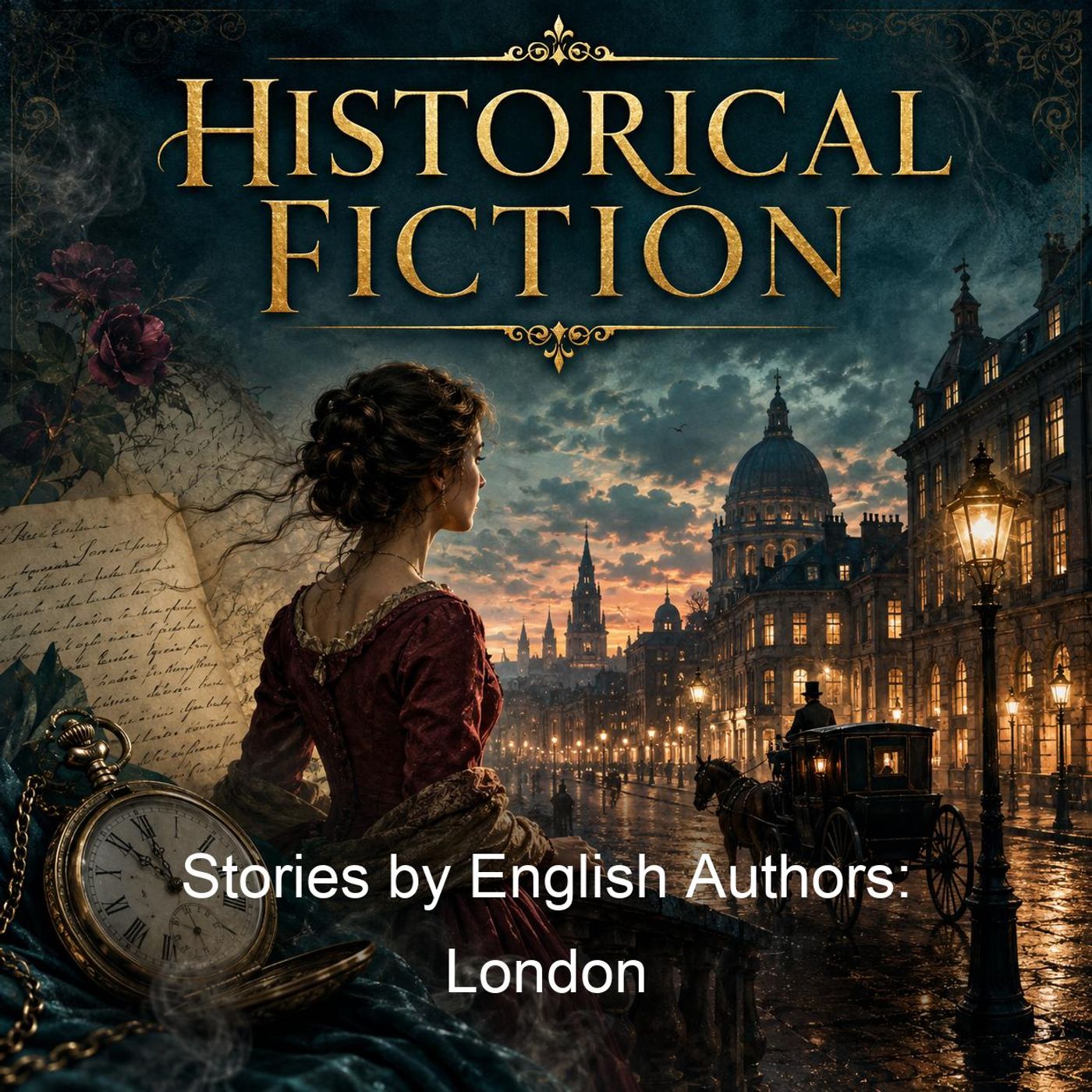
Stories by English Authors: London
by F. Anstey, J. M. Barrie, Marie Corelli, Beatrice Harraden, Arthur Morrison, Sir Arthur Thomas Quiller-Couch, Israel Zangwill
This book collects seven short stories by some of England's best turn-of-the-(last)-century's writers. The collection begins with the humor of J. M. Barrie, of Peter Pan fame. A later and equally humorous story is by Israel Zangwill, also widely known for his exposures of social and economic problems. The immensely popular Marie Corelli’s contribution is the last, and among the most moving. (NB: Though a less prominent writer than some represented here, Corelli was so popular that her literary sales exceeded those of Arthur Conan Doyle, H. G. Wells and Rudyard Kipling – combined.) In short, these writers offer great variety as to style, tone and topic, ranging from breezy tales to poignant proofs of the kindness and grace that can underlie the deepest tragedies. But while diverse, these writers have in common that they clearly know and clearly express genuine emotional truth. They hold our attention by conveying their stories honestly. They have no need for the tricks and devices of me
-
1
Mr. Punch's Dramatic Sequels-St. John Emile Clavering Hankin
This book collects seven short stories by some of England's best turn-of-the-(last)-century's writers. The collection begins with the humor of J. M. Barrie, of Peter Pan fame. A later and equally humorous story is by Israel Zangwill, also widely known for his exposures of social and economic problems. The immensely popular Marie Corelli’s contribution is the last, and among the most moving. (NB: Though a less prominent writer than some represented here, Corelli was so popular that her literary sales exceeded those of Arthur Conan Doyle, H. G. Wells and Rudyard Kipling – combined.) In short, these writers offer great variety as to style, tone and topic, ranging from breezy tales to poignant proofs of the kindness and grace that can underlie the deepest tragedies. But while diverse, these writers have in common that they clearly know and clearly express genuine emotional truth. They hold our attention by conveying their stories honestly. They have no need for the tricks and devices of melodrama, shallow emotionalism, or shocking plot twists. This accomplishment – this evidence of high literary quality – is all the more impressive in historical and social context. They lived in a time of widespread suffering. Yet even as most of these writers begin by drawing our attention to terrible and extensive suffering (and go on by holding it there), they end by keeping our attention in writing clearly and convincingly about important things they really know - leaving us moved, convinced, and a little richer for the experience. - Summary by Kirsten Wever
-
0
Mortal Coils-Aldous Huxley
This book collects seven short stories by some of England's best turn-of-the-(last)-century's writers. The collection begins with the humor of J. M. Barrie, of Peter Pan fame. A later and equally humorous story is by Israel Zangwill, also widely known for his exposures of social and economic problems. The immensely popular Marie Corelli’s contribution is the last, and among the most moving. (NB: Though a less prominent writer than some represented here, Corelli was so popular that her literary sales exceeded those of Arthur Conan Doyle, H. G. Wells and Rudyard Kipling – combined.) In short, these writers offer great variety as to style, tone and topic, ranging from breezy tales to poignant proofs of the kindness and grace that can underlie the deepest tragedies. But while diverse, these writers have in common that they clearly know and clearly express genuine emotional truth. They hold our attention by conveying their stories honestly. They have no need for the tricks and devices of melodrama, shallow emotionalism, or shocking plot twists. This accomplishment – this evidence of high literary quality – is all the more impressive in historical and social context. They lived in a time of widespread suffering. Yet even as most of these writers begin by drawing our attention to terrible and extensive suffering (and go on by holding it there), they end by keeping our attention in writing clearly and convincingly about important things they really know - leaving us moved, convinced, and a little richer for the experience. - Summary by Kirsten Wever
-
-1
Gamester-Edward Moore
This book collects seven short stories by some of England's best turn-of-the-(last)-century's writers. The collection begins with the humor of J. M. Barrie, of Peter Pan fame. A later and equally humorous story is by Israel Zangwill, also widely known for his exposures of social and economic problems. The immensely popular Marie Corelli’s contribution is the last, and among the most moving. (NB: Though a less prominent writer than some represented here, Corelli was so popular that her literary sales exceeded those of Arthur Conan Doyle, H. G. Wells and Rudyard Kipling – combined.) In short, these writers offer great variety as to style, tone and topic, ranging from breezy tales to poignant proofs of the kindness and grace that can underlie the deepest tragedies. But while diverse, these writers have in common that they clearly know and clearly express genuine emotional truth. They hold our attention by conveying their stories honestly. They have no need for the tricks and devices of melodrama, shallow emotionalism, or shocking plot twists. This accomplishment – this evidence of high literary quality – is all the more impressive in historical and social context. They lived in a time of widespread suffering. Yet even as most of these writers begin by drawing our attention to terrible and extensive suffering (and go on by holding it there), they end by keeping our attention in writing clearly and convincingly about important things they really know - leaving us moved, convinced, and a little richer for the experience. - Summary by Kirsten Wever
-
-2
Centuries Apart-Edward T. Bouvé
This book collects seven short stories by some of England's best turn-of-the-(last)-century's writers. The collection begins with the humor of J. M. Barrie, of Peter Pan fame. A later and equally humorous story is by Israel Zangwill, also widely known for his exposures of social and economic problems. The immensely popular Marie Corelli’s contribution is the last, and among the most moving. (NB: Though a less prominent writer than some represented here, Corelli was so popular that her literary sales exceeded those of Arthur Conan Doyle, H. G. Wells and Rudyard Kipling – combined.) In short, these writers offer great variety as to style, tone and topic, ranging from breezy tales to poignant proofs of the kindness and grace that can underlie the deepest tragedies. But while diverse, these writers have in common that they clearly know and clearly express genuine emotional truth. They hold our attention by conveying their stories honestly. They have no need for the tricks and devices of melodrama, shallow emotionalism, or shocking plot twists. This accomplishment – this evidence of high literary quality – is all the more impressive in historical and social context. They lived in a time of widespread suffering. Yet even as most of these writers begin by drawing our attention to terrible and extensive suffering (and go on by holding it there), they end by keeping our attention in writing clearly and convincingly about important things they really know - leaving us moved, convinced, and a little richer for the experience. - Summary by Kirsten Wever
-
-3
Fevers and Physicians in Space (Ed Reads Short Sci-fi, vol. II)-Various
This book collects seven short stories by some of England's best turn-of-the-(last)-century's writers. The collection begins with the humor of J. M. Barrie, of Peter Pan fame. A later and equally humorous story is by Israel Zangwill, also widely known for his exposures of social and economic problems. The immensely popular Marie Corelli’s contribution is the last, and among the most moving. (NB: Though a less prominent writer than some represented here, Corelli was so popular that her literary sales exceeded those of Arthur Conan Doyle, H. G. Wells and Rudyard Kipling – combined.) In short, these writers offer great variety as to style, tone and topic, ranging from breezy tales to poignant proofs of the kindness and grace that can underlie the deepest tragedies. But while diverse, these writers have in common that they clearly know and clearly express genuine emotional truth. They hold our attention by conveying their stories honestly. They have no need for the tricks and devices of melodrama, shallow emotionalism, or shocking plot twists. This accomplishment – this evidence of high literary quality – is all the more impressive in historical and social context. They lived in a time of widespread suffering. Yet even as most of these writers begin by drawing our attention to terrible and extensive suffering (and go on by holding it there), they end by keeping our attention in writing clearly and convincingly about important things they really know - leaving us moved, convinced, and a little richer for the experience. - Summary by Kirsten Wever
-
-4
Crome Yellow, Version 2-Aldous Huxley
This book collects seven short stories by some of England's best turn-of-the-(last)-century's writers. The collection begins with the humor of J. M. Barrie, of Peter Pan fame. A later and equally humorous story is by Israel Zangwill, also widely known for his exposures of social and economic problems. The immensely popular Marie Corelli’s contribution is the last, and among the most moving. (NB: Though a less prominent writer than some represented here, Corelli was so popular that her literary sales exceeded those of Arthur Conan Doyle, H. G. Wells and Rudyard Kipling – combined.) In short, these writers offer great variety as to style, tone and topic, ranging from breezy tales to poignant proofs of the kindness and grace that can underlie the deepest tragedies. But while diverse, these writers have in common that they clearly know and clearly express genuine emotional truth. They hold our attention by conveying their stories honestly. They have no need for the tricks and devices of melodrama, shallow emotionalism, or shocking plot twists. This accomplishment – this evidence of high literary quality – is all the more impressive in historical and social context. They lived in a time of widespread suffering. Yet even as most of these writers begin by drawing our attention to terrible and extensive suffering (and go on by holding it there), they end by keeping our attention in writing clearly and convincingly about important things they really know - leaving us moved, convinced, and a little richer for the experience. - Summary by Kirsten Wever
-
-5
Diatessaron A Harmony of the Four Gospels-Tatian
This book collects seven short stories by some of England's best turn-of-the-(last)-century's writers. The collection begins with the humor of J. M. Barrie, of Peter Pan fame. A later and equally humorous story is by Israel Zangwill, also widely known for his exposures of social and economic problems. The immensely popular Marie Corelli’s contribution is the last, and among the most moving. (NB: Though a less prominent writer than some represented here, Corelli was so popular that her literary sales exceeded those of Arthur Conan Doyle, H. G. Wells and Rudyard Kipling – combined.) In short, these writers offer great variety as to style, tone and topic, ranging from breezy tales to poignant proofs of the kindness and grace that can underlie the deepest tragedies. But while diverse, these writers have in common that they clearly know and clearly express genuine emotional truth. They hold our attention by conveying their stories honestly. They have no need for the tricks and devices of melodrama, shallow emotionalism, or shocking plot twists. This accomplishment – this evidence of high literary quality – is all the more impressive in historical and social context. They lived in a time of widespread suffering. Yet even as most of these writers begin by drawing our attention to terrible and extensive suffering (and go on by holding it there), they end by keeping our attention in writing clearly and convincingly about important things they really know - leaving us moved, convinced, and a little richer for the experience. - Summary by Kirsten Wever
-
-6
Wit and Humor of America, Vol 07-Various
This book collects seven short stories by some of England's best turn-of-the-(last)-century's writers. The collection begins with the humor of J. M. Barrie, of Peter Pan fame. A later and equally humorous story is by Israel Zangwill, also widely known for his exposures of social and economic problems. The immensely popular Marie Corelli’s contribution is the last, and among the most moving. (NB: Though a less prominent writer than some represented here, Corelli was so popular that her literary sales exceeded those of Arthur Conan Doyle, H. G. Wells and Rudyard Kipling – combined.) In short, these writers offer great variety as to style, tone and topic, ranging from breezy tales to poignant proofs of the kindness and grace that can underlie the deepest tragedies. But while diverse, these writers have in common that they clearly know and clearly express genuine emotional truth. They hold our attention by conveying their stories honestly. They have no need for the tricks and devices of melodrama, shallow emotionalism, or shocking plot twists. This accomplishment – this evidence of high literary quality – is all the more impressive in historical and social context. They lived in a time of widespread suffering. Yet even as most of these writers begin by drawing our attention to terrible and extensive suffering (and go on by holding it there), they end by keeping our attention in writing clearly and convincingly about important things they really know - leaving us moved, convinced, and a little richer for the experience. - Summary by Kirsten Wever
-
-7
Black Poodle and Other Tales-F. Anstey
This book collects seven short stories by some of England's best turn-of-the-(last)-century's writers. The collection begins with the humor of J. M. Barrie, of Peter Pan fame. A later and equally humorous story is by Israel Zangwill, also widely known for his exposures of social and economic problems. The immensely popular Marie Corelli’s contribution is the last, and among the most moving. (NB: Though a less prominent writer than some represented here, Corelli was so popular that her literary sales exceeded those of Arthur Conan Doyle, H. G. Wells and Rudyard Kipling – combined.) In short, these writers offer great variety as to style, tone and topic, ranging from breezy tales to poignant proofs of the kindness and grace that can underlie the deepest tragedies. But while diverse, these writers have in common that they clearly know and clearly express genuine emotional truth. They hold our attention by conveying their stories honestly. They have no need for the tricks and devices of melodrama, shallow emotionalism, or shocking plot twists. This accomplishment – this evidence of high literary quality – is all the more impressive in historical and social context. They lived in a time of widespread suffering. Yet even as most of these writers begin by drawing our attention to terrible and extensive suffering (and go on by holding it there), they end by keeping our attention in writing clearly and convincingly about important things they really know - leaving us moved, convinced, and a little richer for the experience. - Summary by Kirsten Wever
-
-8
Black Cat Vol. 04 No. 08 May 1899-Various
This book collects seven short stories by some of England's best turn-of-the-(last)-century's writers. The collection begins with the humor of J. M. Barrie, of Peter Pan fame. A later and equally humorous story is by Israel Zangwill, also widely known for his exposures of social and economic problems. The immensely popular Marie Corelli’s contribution is the last, and among the most moving. (NB: Though a less prominent writer than some represented here, Corelli was so popular that her literary sales exceeded those of Arthur Conan Doyle, H. G. Wells and Rudyard Kipling – combined.) In short, these writers offer great variety as to style, tone and topic, ranging from breezy tales to poignant proofs of the kindness and grace that can underlie the deepest tragedies. But while diverse, these writers have in common that they clearly know and clearly express genuine emotional truth. They hold our attention by conveying their stories honestly. They have no need for the tricks and devices of melodrama, shallow emotionalism, or shocking plot twists. This accomplishment – this evidence of high literary quality – is all the more impressive in historical and social context. They lived in a time of widespread suffering. Yet even as most of these writers begin by drawing our attention to terrible and extensive suffering (and go on by holding it there), they end by keeping our attention in writing clearly and convincingly about important things they really know - leaving us moved, convinced, and a little richer for the experience. - Summary by Kirsten Wever
-
-9
Amoretti A sonnet sequence-Edmund Spenser
This book collects seven short stories by some of England's best turn-of-the-(last)-century's writers. The collection begins with the humor of J. M. Barrie, of Peter Pan fame. A later and equally humorous story is by Israel Zangwill, also widely known for his exposures of social and economic problems. The immensely popular Marie Corelli’s contribution is the last, and among the most moving. (NB: Though a less prominent writer than some represented here, Corelli was so popular that her literary sales exceeded those of Arthur Conan Doyle, H. G. Wells and Rudyard Kipling – combined.) In short, these writers offer great variety as to style, tone and topic, ranging from breezy tales to poignant proofs of the kindness and grace that can underlie the deepest tragedies. But while diverse, these writers have in common that they clearly know and clearly express genuine emotional truth. They hold our attention by conveying their stories honestly. They have no need for the tricks and devices of melodrama, shallow emotionalism, or shocking plot twists. This accomplishment – this evidence of high literary quality – is all the more impressive in historical and social context. They lived in a time of widespread suffering. Yet even as most of these writers begin by drawing our attention to terrible and extensive suffering (and go on by holding it there), they end by keeping our attention in writing clearly and convincingly about important things they really know - leaving us moved, convinced, and a little richer for the experience. - Summary by Kirsten Wever
-
-10
Black Cat Vol. 01 No. 06 March 1896-Various
This book collects seven short stories by some of England's best turn-of-the-(last)-century's writers. The collection begins with the humor of J. M. Barrie, of Peter Pan fame. A later and equally humorous story is by Israel Zangwill, also widely known for his exposures of social and economic problems. The immensely popular Marie Corelli’s contribution is the last, and among the most moving. (NB: Though a less prominent writer than some represented here, Corelli was so popular that her literary sales exceeded those of Arthur Conan Doyle, H. G. Wells and Rudyard Kipling – combined.) In short, these writers offer great variety as to style, tone and topic, ranging from breezy tales to poignant proofs of the kindness and grace that can underlie the deepest tragedies. But while diverse, these writers have in common that they clearly know and clearly express genuine emotional truth. They hold our attention by conveying their stories honestly. They have no need for the tricks and devices of melodrama, shallow emotionalism, or shocking plot twists. This accomplishment – this evidence of high literary quality – is all the more impressive in historical and social context. They lived in a time of widespread suffering. Yet even as most of these writers begin by drawing our attention to terrible and extensive suffering (and go on by holding it there), they end by keeping our attention in writing clearly and convincingly about important things they really know - leaving us moved, convinced, and a little richer for the experience. - Summary by Kirsten Wever
-
-11
Stories of the Scottish Border-William Platt, Mrs. William Platt
This book collects seven short stories by some of England's best turn-of-the-(last)-century's writers. The collection begins with the humor of J. M. Barrie, of Peter Pan fame. A later and equally humorous story is by Israel Zangwill, also widely known for his exposures of social and economic problems. The immensely popular Marie Corelli’s contribution is the last, and among the most moving. (NB: Though a less prominent writer than some represented here, Corelli was so popular that her literary sales exceeded those of Arthur Conan Doyle, H. G. Wells and Rudyard Kipling – combined.) In short, these writers offer great variety as to style, tone and topic, ranging from breezy tales to poignant proofs of the kindness and grace that can underlie the deepest tragedies. But while diverse, these writers have in common that they clearly know and clearly express genuine emotional truth. They hold our attention by conveying their stories honestly. They have no need for the tricks and devices of melodrama, shallow emotionalism, or shocking plot twists. This accomplishment – this evidence of high literary quality – is all the more impressive in historical and social context. They lived in a time of widespread suffering. Yet even as most of these writers begin by drawing our attention to terrible and extensive suffering (and go on by holding it there), they end by keeping our attention in writing clearly and convincingly about important things they really know - leaving us moved, convinced, and a little richer for the experience. - Summary by Kirsten Wever
-
-12
Stories by English Authors London - F. Anstey, J. M. Barrie, Marie Corelli, Beatrice Harraden, Arthur Morrison
"Stories by English Authors: London" is a captivating collection featuring the works of notable writers such as F. Anstey, J. M. Barrie, Marie Corelli, Beatrice Harraden, and Arthur Morrison. This anthology showcases a diverse range of narratives that capture the essence of London through the eyes of its esteemed authors, offering listeners a glimpse into the city's rich literary heritage. The timeless themes of human experience, societal observation, and the intricacies of urban life resonate just as powerfully today as they did when these stories were first penned. Engaging and thought-provoking, this collection invites audiences to explore the enduring charm and complexity of London through the unique perspectives of its storytellers.
-
-13
Stories by English Authors London - F Anstey J M Barrie Marie Corelli Beatrice Harraden Arthur Morrison Sir Arthur Thomas Quiller-Couch Isr…
This book collects seven short stories by some of England's best turn-of-the-(last)-century's writers. The collection begins with the humor of J. M. Barrie, of Peter Pan fame. A later and equally humorous story is by Israel Zangwill, also widely known for his exposures of social and economic problems. The immensely popular Marie Corelli’s contribution is the last, and among the most moving. (NB: Though a less prominent writer than some represented here, Corelli was so popular that her literary sales exceeded those of Arthur Conan Doyle, H. G. Wells and Rudyard Kipling – combined.) In short, these writers offer great variety as to style, tone and topic, ranging from breezy tales to poignant proofs of the kindness and grace that can underlie the deepest tragedies. But while diverse, these writers have in common that they clearly know and clearly express genuine emotional truth. They hold our attention by conveying their stories honestly. They have no need for the tricks and devices of melodrama, shallow emotionalism, or shocking plot twists. This accomplishment – this evidence of high literary quality – is all the more impressive in historical and social context. They lived in a time of widespread suffering. Yet even as most of these writers begin by drawing our attention to terrible and extensive suffering (and go on by holding it there), they end by keeping our attention in writing clearly and convincingly about important things they really know - leaving us moved, convinced, and a little richer for the experience. - Summary by Kirsten Wever
We're indexing this podcast's transcripts for the first time — this can take a minute or two. We'll show results as soon as they're ready.
No matches for "" in this podcast's transcripts.
No topics indexed yet for this podcast.
Loading reviews...
ABOUT THIS SHOW
This book collects seven short stories by some of England's best turn-of-the-(last)-century's writers. The collection begins with the humor of J. M. Barrie, of Peter Pan fame. A later and equally humorous story is by Israel Zangwill, also widely known for his exposures of social and economic problems. The immensely popular Marie Corelli’s contribution is the last, and among the most moving. (NB: Though a less prominent writer than some represented here, Corelli was so popular that her literary sales exceeded those of Arthur Conan Doyle, H. G. Wells and Rudyard Kipling – combined.) In short, these writers offer great variety as to style, tone and topic, ranging from breezy tales to poignant proofs of the kindness and grace that can underlie the deepest tragedies. But while diverse, these writers have in common that they clearly know and clearly express genuine emotional truth. They hold our attention by conveying their stories honestly. They have no need for the tricks and devices of me
HOSTED BY
F. Anstey, J. M. Barrie, Marie Corelli, Beatrice Harraden, Arthur Morrison, Sir Arthur Thomas Quiller-Couch, Israel Zangwill
Loading similar podcasts...
Frequently Asked Questions
How many episodes does Stories by English Authors: London have?
Stories by English Authors: London currently has 15 episodes available on PodParley. New episodes are automatically indexed when they're published to the podcast feed.
What is Stories by English Authors: London about?
This book collects seven short stories by some of England's best turn-of-the-(last)-century's writers. The collection begins with the humor of J. M. Barrie, of Peter Pan fame. A later and equally humorous story is by Israel Zangwill, also widely known for his exposures of social and economic...
How often does Stories by English Authors: London release new episodes?
Stories by English Authors: London has 15 episodes. Check the episode list to see recent publication dates and frequency.
Where can I listen to Stories by English Authors: London?
You can listen to Stories by English Authors: London on PodParley by clicking any episode. We provide an embedded audio player for direct listening, and you can also subscribe via your preferred podcast app using the RSS feed.
Who hosts Stories by English Authors: London?
Stories by English Authors: London is created and hosted by F. Anstey, J. M. Barrie, Marie Corelli, Beatrice Harraden, Arthur Morrison, Sir Arthur Thomas Quiller-Couch, Israel Zangwill.
URL copied to clipboard!