
PODCAST · arts
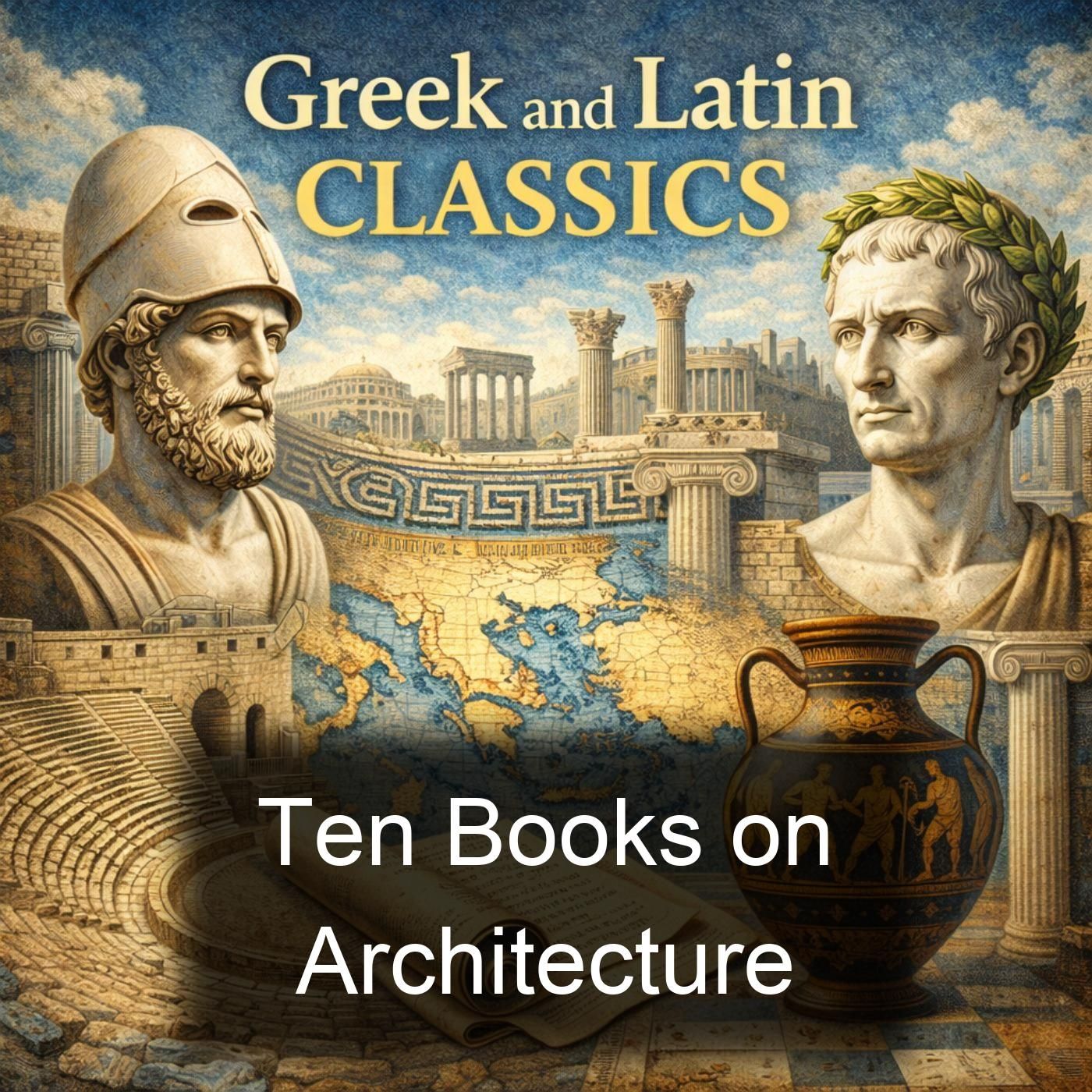
Ten Books on Architecture
by Marcus Vitruvius Pollio
On Architecture is a treatise on architecture written by the Roman architect Vitruvius and dedicated to his patron, the emperor Caesar Augustus as a guide for building projects. The work is one of the most important sources of modern knowledge of Roman building methods as well as the planning and design of structures, both large (aqueducts, buildings, baths, harbours) and small (machines, measuring devices, instruments). He is also the prime source of the famous story of Archimedes and his bath-time discovery. (Summary from Wikipedia)
-
1
Annals Vol 3-Publius Cornelius Tacitus
"Annals Vol 3" by Publius Cornelius Tacitus delves into the intricate tapestry of Roman history, capturing the political machinations and societal dynamics of the era. Tacitus, known for his incisive observations and eloquent prose, offers a compelling account of the events that shaped Rome, making it a timeless exploration of power, governance, and human nature. The themes of ambition, corruption, and the fragility of authority resonate profoundly in today's world, reminding listeners of the cyclical nature of history and the lessons that can be drawn from it. This volume not only enriches our understanding of the past but also invites reflection on the enduring complexities of leadership and moral integrity.
-
0
Parallel Lives of the Noble Greeks and Romans Vol 5-Lucius Mestrius Plutarchus
"Parallel Lives of the Noble Greeks and Romans Vol 5-Lucius Mestrius Plutarchus" presents a compelling exploration of the lives of notable figures from ancient Greece and Rome, showcasing their virtues and vices through a series of biographical sketches. This volume offers timeless insights into human character and the moral complexities that define leadership and personal integrity. The themes of ambition, honor, and the consequences of one's actions resonate profoundly today, reminding us of the enduring nature of these struggles across cultures and eras. Plutarch's reflections encourage listeners to contemplate the legacies of historical figures and how their choices continue to influence modern society.
-
-1
Georgics-Virgil
"Georgics-Virgil" is a timeless exploration of agriculture, rural life, and the relationship between humanity and nature, capturing the essence of pastoral existence. This work reflects on the beauty of the natural world and the labor required to cultivate it, emphasizing themes of hard work, harmony, and the cycles of life. Its enduring relevance lies in its meditation on the connection between people and their environment, a topic that resonates deeply in today's discussions about sustainability and the importance of nature in our lives. Listening to Virgil's verses invites reflection on our own stewardship of the earth and the values inherent in nurturing both land and community.
-
-2
Anabasis-Xenophon
"Anabasis-Xenophon" is a compelling account of Xenophon’s journey with the Greek mercenaries as they navigate their way back home after the Battle of Cunaxa. This timeless narrative explores themes of leadership, resilience, and the human spirit's capacity to overcome adversity. As the mercenaries face numerous challenges in unfamiliar territories, their determination and camaraderie shine through, offering valuable lessons on perseverance and teamwork. The story’s enduring relevance lies in its exploration of the struggle for survival and the quest for identity, making it a thought-provoking listen for anyone interested in the complexities of human experience and the power of unity in the face of hardship.
-
-3
Stratagems and The Aqueducts of Rome-Sextus Julius Frontinus
"Stratagems and The Aqueducts of Rome" by Sextus Julius Frontinus delves into the strategic military tactics of ancient Rome while also exploring the engineering marvels of its aqueducts. This dual focus highlights the ingenuity of Roman civilization, showcasing how effective strategies and infrastructure were pivotal to its success. Hearing this work today offers valuable insights into the interplay between strategy and practicality, themes that resonate in contemporary discussions about resource management and urban planning. Frontinus's reflections on leadership and innovation encourage listeners to appreciate the lessons of history as they apply to modern challenges, making this audiobook a timeless exploration of human ingenuity.
-
-4
On the Parts of Animals-Aristotle
"On the Parts of Animals" by Aristotle delves into the intricate structures and functions of animal anatomy, offering insights that laid the groundwork for biological sciences. This work is significant not only for its scientific observations but also for its philosophical inquiries into the nature of life and existence. Hearing Aristotle's thoughts today allows listeners to appreciate the foundational principles of biology and the enduring questions about the relationship between form and function. The text remains relevant as it challenges us to consider how our understanding of the natural world has evolved while echoing the timeless quest for knowledge that defines human inquiry.
-
-5
Posterior Analytics-Aristotle
"Posterior Analytics" by Aristotle delves into the nature of scientific knowledge and the principles of demonstration and proof. This foundational work explores how knowledge is acquired and validated, emphasizing the importance of logical reasoning and empirical evidence. Its insights into the structure of knowledge and the methods of inquiry remain relevant today, as they resonate with contemporary discussions on education, science, and critical thinking. Aristotle's rigorous approach to understanding the world invites listeners to reflect on their own processes of reasoning and the pursuit of truth, making this timeless text an essential exploration for anyone interested in philosophy and the foundations of knowledge.
-
-6
Libation-Bearers (Morshead Translation)-Aeschylus
"Libation-Bearers," part of Aeschylus's renowned Oresteia trilogy, delves into themes of revenge, justice, and the haunting legacy of familial duty. As Orestes returns home to avenge his father's murder, the play explores the moral complexities of vengeance and the transition from personal retribution to societal justice. This timeless narrative resonates today as it grapples with the consequences of our actions and the quest for redemption, making it a profound reflection on the human condition. Aeschylus's masterful dialogue and rich characterization invite listeners to ponder the weight of legacy and the struggles between fate and free will, ensuring its relevance across the ages.
-
-7
Meditations-Marcus Aurelius
Meditations by Marcus Aurelius is a profound collection of personal writings that delve into the philosophy of Stoicism, providing insights into the mind of one of history's most revered emperors. This timeless work encourages readers to reflect on their own thoughts and actions, emphasizing the importance of virtue, self-discipline, and resilience in the face of adversity. Its themes of inner peace and rationality remain relevant today, offering guidance for navigating the complexities of modern life. By engaging with Aurelius's contemplations, listeners can cultivate a deeper understanding of themselves and the world around them, making this audiobook an enduring source of wisdom and inspiration.
-
-8
Acharnians (Billson Translation)-Aristophanes
"Acharnians" by Aristophanes, translated by Billson, is a timeless comedic play that explores themes of war, peace, and the human condition through the lens of Athenian society. The protagonist's quest for personal peace amidst the chaos of conflict resonates with audiences today, as the desire for tranquility and understanding remains a universal aspiration. Aristophanes masterfully blends humor with poignant social commentary, making this work not only entertaining but also thought-provoking. The enduring relevance of its themes invites listeners to reflect on the challenges of their own times and the importance of seeking harmony in a tumultuous world.
-
-9
Trachiniai (Campbell Translation)-Sophocles
"Trachiniai," translated by Campbell, is a powerful work by Sophocles that delves into themes of fate, identity, and the complexities of human emotion. The story explores the struggles of its characters as they navigate the consequences of their choices and the weight of their pasts. This timeless tragedy resonates today as it reflects the enduring human experience of grappling with destiny and the search for meaning in adversity. Sophocles' masterful exploration of these themes invites listeners to reflect on their own lives, making "Trachiniai" a compelling and relevant work that continues to captivate audiences across generations.
-
-10
Bacchae-Euripides
"Bacchae" by Euripides is a powerful exploration of the duality of human nature, pitting reason against instinct and order against chaos. This ancient Greek tragedy delves into the consequences of denying one's primal instincts and the dangers of excessive rationality, themes that continue to resonate in today's world. The conflict between the rigid structures of society and the liberating force of nature invites listeners to reflect on their own lives and the balance between control and surrender. As the characters grapple with their desires and the repercussions of their actions, the play serves as a timeless reminder of the complexities of human emotion and the often unpredictable nature of existence.
-
-11
Trojan Women (Coleridge Translation)-Euripides
Euripides' "Trojan Women," translated by Coleridge, presents a poignant exploration of the aftermath of war, focusing on the plight of the women of Troy as they grapple with loss, despair, and the brutal realities of their new existence as captives. This timeless tragedy delves into themes of suffering, resilience, and the human condition, making it a powerful reflection on the consequences of conflict that remains relevant today. The emotional depth and stark portrayal of the characters' anguish resonate with contemporary audiences, reminding us of the enduring impact of war on innocent lives.
-
-12
Alcestis (Way Translation)-Euripides
Euripides' "Alcestis," in the Way translation, presents a powerful exploration of love, sacrifice, and the complexities of human relationships. The play delves into the themes of devotion and the lengths one will go to for those they cherish, making it a timeless reflection on the nature of selflessness. Its enduring relevance lies in the universal struggle between duty and desire, as well as the profound impact of loss and mourning. Hearing this classic work today invites listeners to contemplate the depths of love and the human condition, reminding us of the sacrifices made for those we hold dear and the emotional legacies they leave behind.
-
-13
Timaeus-Plato (Πλάτων)
Timaeus by Plato explores the nature of the physical world and its connection to the divine, presenting a dialogue that delves into cosmology, metaphysics, and the essence of existence. This foundational text invites listeners to contemplate the relationship between the material and the ideal, a theme that resonates deeply in contemporary discussions about reality and perception. The insights offered by Plato continue to influence philosophical thought, architecture, and the arts, making it a timeless exploration of how we understand our universe. Engaging with Timaeus today encourages a reflection on the enduring questions of creation, order, and the pursuit of knowledge that shape our world.
-
-14
Trojan Women (Murray Translation)-Euripides
Euripides' "Trojan Women" (Murray Translation) presents a poignant exploration of the aftermath of war, focusing on the plight of the women left behind in the wake of the Trojan War. As they grapple with loss, despair, and the harsh realities of their fates, the play delves into themes of suffering, resilience, and the consequences of conflict. Its powerful portrayal of human anguish and the struggle for dignity resonates deeply with contemporary audiences, reminding us of the enduring impact of violence on innocent lives. The emotional depth and timeless relevance of "Trojan Women" make it an essential listen, offering insights into the human condition that remain pertinent today.
-
-15
Hecuba-Euripides
Hecuba, a powerful tragedy by Euripides, delves into the depths of human suffering and the complexities of grief as it explores the themes of loss and revenge through the tragic fate of its titular character. As the former queen of Troy, Hecuba faces unimaginable pain following the fall of her city and the destruction of her family, making her story a poignant reflection on the resilience of the human spirit in the face of despair. The timeless themes of betrayal, the quest for justice, and the consequences of war resonate deeply in today's world, reminding listeners of the enduring nature of suffering and the search for redemption.
-
-16
Satyricon - Gaius Petronius Arbiter
Satyricon by Gaius Petronius Arbiter is a fascinating exploration of Roman society through a satirical lens, blending humor and critique in a narrative that captures the decadence and moral ambiguity of its time. This work remains significant today as it reflects timeless themes of excess, social hierarchy, and the pursuit of pleasure, inviting listeners to reflect on the parallels between ancient and modern cultures. The vivid storytelling and sharp wit offer a compelling glimpse into the human condition, making it an enduring classic that resonates with contemporary audiences. Engaging with Satyricon allows us to appreciate the complexities of life and the age-old struggles that continue to shape our world.
-
-17
Ten Books on Architecture - Marcus Vitruvius Pollio
On Architecture is a treatise on architecture written by the Roman architect Vitruvius and dedicated to his patron, the emperor Caesar Augustus as a guide for building projects. The work is one of the most important sources of modern knowledge of Roman building methods as well as the planning and design of structures, both large (aqueducts, buildings, baths, harbours) and small (machines, measuring devices, instruments). He is also the prime source of the famous story of Archimedes and his bath-time discovery. (Summary from Wikipedia)
We're indexing this podcast's transcripts for the first time — this can take a minute or two. We'll show results as soon as they're ready.
No matches for "" in this podcast's transcripts.
No topics indexed yet for this podcast.
Loading reviews...
ABOUT THIS SHOW
On Architecture is a treatise on architecture written by the Roman architect Vitruvius and dedicated to his patron, the emperor Caesar Augustus as a guide for building projects. The work is one of the most important sources of modern knowledge of Roman building methods as well as the planning and design of structures, both large (aqueducts, buildings, baths, harbours) and small (machines, measuring devices, instruments). He is also the prime source of the famous story of Archimedes and his bath-time discovery. (Summary from Wikipedia)
HOSTED BY
Marcus Vitruvius Pollio
Loading similar podcasts...
Frequently Asked Questions
How many episodes does Ten Books on Architecture have?
Ten Books on Architecture currently has 19 episodes available on PodParley. New episodes are automatically indexed when they're published to the podcast feed.
What is Ten Books on Architecture about?
On Architecture is a treatise on architecture written by the Roman architect Vitruvius and dedicated to his patron, the emperor Caesar Augustus as a guide for building projects. The work is one of the most important sources of modern knowledge of Roman building methods as well as the planning and...
How often does Ten Books on Architecture release new episodes?
Ten Books on Architecture has 19 episodes. Check the episode list to see recent publication dates and frequency.
Where can I listen to Ten Books on Architecture?
You can listen to Ten Books on Architecture on PodParley by clicking any episode. We provide an embedded audio player for direct listening, and you can also subscribe via your preferred podcast app using the RSS feed.
Who hosts Ten Books on Architecture?
Ten Books on Architecture is created and hosted by Marcus Vitruvius Pollio.
URL copied to clipboard!