
PODCAST · education
The Arts Past and Present: Ireland - for iPad/Mac/PC
by The Open University
Do we use our buildings to declare who we are? How far does our heritage influence our collective identity? This insightful album reveals Ireland's shifting attitudes towards its cultural heritage. In 1922 when it broke free of British rule to become an independent nation state, the Irish nationalists abandoned high-profile buildings like Dublin Castle as it was symbolic of their British oppressors, and it fell into ruin. Yet they proudly restored older sites like Cashel and New Grange, which is even older than the pyramids, to emphasise an earlier romantic Irish past. In doing so they literally reconstructed their new identity through obliterating the memories they didn't want to keep and reinforcing those they did. Today, with the passing of time and after joining the EU, the neglected buildings no longer provoke associations with a painful colonial history. St Mary's Church is now appreciated as a bar as well as a work of art. Ireland has moved on, and now embraces all of its heri
Episodes
-
The Arts Past and Present: Ireland
A short introduction to this album.
-
Attitudes to architectural heritage
How Ireland's built heritage is being rapidly reshaped.
-
Rebuilding after the rebellion
How the new government abandoned certain buildings but chose to preserve others after the rebellion and the civil war.
-
Ancient heritage
How the Irish free state restored ancient sites to consciously reconnect with a more glorious past.
-
Nineteenth century romantic reinvention
How nationalists were quick to see the power of cultural symbols for political ends.
-
Cashel Castle, Tipperary
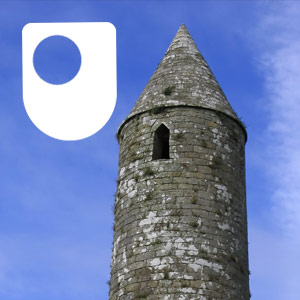
The ancient monuments at Cashel provide a sense of a romantic past without oppressors.
-
The fate of country houses
Why the big estates symbolised the old regime, and so were burned, stripped and redistributed.
-
Castletown House
Appreciating the stately home as a monument to Irish craftsmanship and acheivement.
-
Changing attitudes to restoration
St Mary's church becomes a trendy bar: how Ireland has moved on.
-
Unravelling the issues
Anne Laurence, a History Professor at Open University, explains the significance of Ireland's built heritage to the reconstruction of its national identity.
We're indexing this podcast's transcripts for the first time — this can take a minute or two. We'll show results as soon as they're ready.
No matches for "" in this podcast's transcripts.
No topics indexed yet for this podcast.
Loading reviews...
ABOUT THIS SHOW
Do we use our buildings to declare who we are? How far does our heritage influence our collective identity? This insightful album reveals Ireland's shifting attitudes towards its cultural heritage. In 1922 when it broke free of British rule to become an independent nation state, the Irish nationalists abandoned high-profile buildings like Dublin Castle as it was symbolic of their British oppressors, and it fell into ruin. Yet they proudly restored older sites like Cashel and New Grange, which is even older than the pyramids, to emphasise an earlier romantic Irish past. In doing so they literally reconstructed their new identity through obliterating the memories they didn't want to keep and reinforcing those they did. Today, with the passing of time and after joining the EU, the neglected buildings no longer provoke associations with a painful colonial history. St Mary's Church is now appreciated as a bar as well as a work of art. Ireland has moved on, and now embraces all of its heri
HOSTED BY
The Open University
CATEGORIES
Loading similar podcasts...
Frequently Asked Questions
How many episodes does The Arts Past and Present: Ireland - for iPad/Mac/PC have?
The Arts Past and Present: Ireland - for iPad/Mac/PC currently has 20 episodes available on PodParley. New episodes are automatically indexed when they're published to the podcast feed.
What is The Arts Past and Present: Ireland - for iPad/Mac/PC about?
Do we use our buildings to declare who we are? How far does our heritage influence our collective identity? This insightful album reveals Ireland's shifting attitudes towards its cultural heritage. In 1922 when it broke free of British rule to become an independent nation state, the Irish...
How often does The Arts Past and Present: Ireland - for iPad/Mac/PC release new episodes?
The Arts Past and Present: Ireland - for iPad/Mac/PC has 20 episodes. Check the episode list to see recent publication dates and frequency.
Where can I listen to The Arts Past and Present: Ireland - for iPad/Mac/PC?
You can listen to The Arts Past and Present: Ireland - for iPad/Mac/PC on PodParley by clicking any episode. We provide an embedded audio player for direct listening, and you can also subscribe via your preferred podcast app using the RSS feed.
Who hosts The Arts Past and Present: Ireland - for iPad/Mac/PC?
The Arts Past and Present: Ireland - for iPad/Mac/PC is created and hosted by The Open University.
URL copied to clipboard!