
PODCAST · education
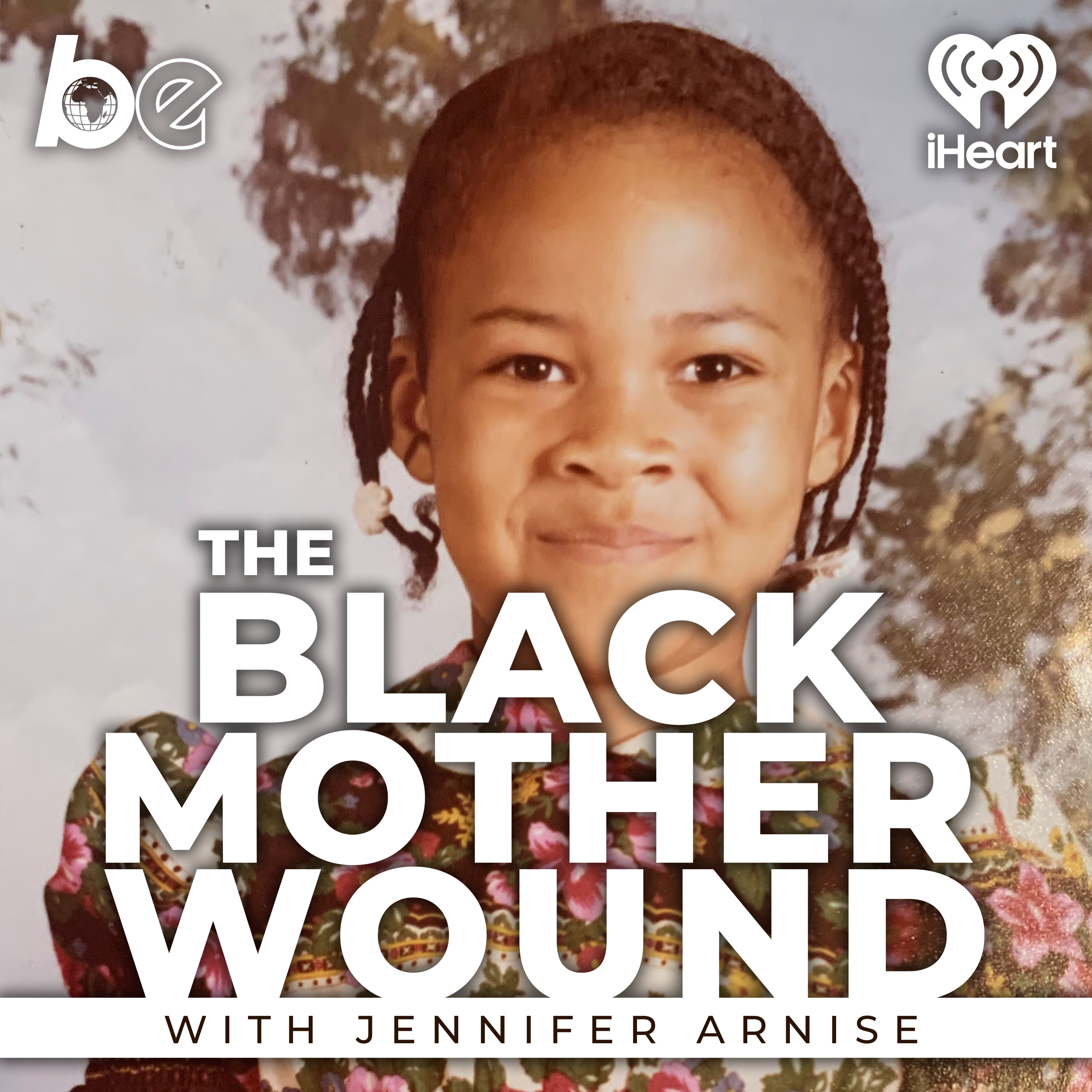
The Black Mother Wound Podcast
by The Black Effect Podcast Network and iHeartPodcasts
Welcome to The Black Mother Wound, a podcast where we dig deep into the unique challenges faced by Black women in their relationships with their mothers. Join us every week as we embark on an honest, vulnerable, and nurturing journey toward embracing, understanding and healing, and embracing our inner little girl.In a world that often tries to silence our voices, this podcast is a safe space where we unpack the complexities of our relationships with the women who raised us. We confront the reality of toxic dynamics and the profound impact they have had on our lives. But we don't stop there; we're committed to unraveling the threads of generational trauma and weaving new narratives of strength, resilience, and self-love.Visit JenniferArnise.com to start your healing journey.
-
99
Starting Over and Letting Myself Be Seen, Even When It’s Messy
After sharing that she had started driving Uber at 51, Jennifer expected judgment. Instead, nearly 50,000 people watched the video, and hundreds reached out with encouragement, support, and stories of their own.In this episode, Jennifer shares what happened after the video went viral, including the support that felt unfamiliar, the stranger who created an entire video criticizing her, and the sold out Black Mother Wound live podcast event she produced while rebuilding her life.She talks honestly about shame, starting over, trusting yourself, and learning that being seen means allowing people to support you and accepting that some people will misunderstand you. Jennifer also explains why starting again does not mean returning to the beginning. You are bringing everything you have learned, survived, and built with you.This episode is about choosing autonomy, taking responsibility for your own life, and remembering that nobody else can build the life you want for you. In This Episode • The unexpected response to Jennifer sharing her first day driving Uber• Why receiving support can feel uncomfortable when you are not used to it• What happened when a stranger created a video criticizing Jennifer• Refusing to let public judgment shut you down again• Producing a sold out live podcast event while experiencing financial uncertainty• Why starting over does not mean you are back at the beginning• How fear of being seen caused Jennifer to abandon a successful blog years ago• The connection between healing, autonomy, and freedom• Why you cannot earn freedom by being obedient or becoming the “good girl”• Learning to trust yourself when your back is against the wall• Recognizing that no one else can save you or create your life for you• Letting go of approval from family, strangers, religion, and social media• Remembering that being yourself is the value you bring Key Takeaways Starting over is not proof that you failed. You are beginning again with more experience, information, and self-awareness than you had before.Being visible will bring support, criticism, and opinions you did not ask for. The goal is not to avoid judgment. The goal is to stop allowing judgment to control your choices.Autonomy means knowing that you can make a decision, change your mind, take care of yourself, and continue moving forward without needing permission.You cannot obey your way into freedom. At some point, you have to choose yourself, even when other people do not understand or approve.Nobody else has your ideas, your vision, or your capacity to build the life that belongs to you. Support is valuable, but your life is still your responsibility.See omnystudio.com/listener for privacy information.
-
98
The Black Mother Wound: I Thought Me and My Mother Were Close
For years, Jennifer believed she and her mother had a close relationship. They talked every day. They spent time together. They shopped together. She called her mother her best friend. But healing has a way of making us revisit old stories and ask harder questions. In this episode, Jennifer explores the painful difference between genuine closeness and enmeshment. She unpacks how many Black daughters confuse access, obligation, guilt, and emotional caretaking for intimacy. She shares personal stories from her relationship with her mother, reflects on celebrating her son's high school graduation, and challenges listeners to examine whether the relationship they call "close" actually allows them to be fully themselves. If you've ever said, "Me and my mama are close," but still struggle to use your voice, make decisions without guilt, or show up authentically around her, this episode is for you. Ep 97 – I Thought Me and My Mother Were Close ✨ In This Episode Why Jennifer intentionally celebrated Vincent's high school graduation The importance of teaching our children they deserve to be seen and celebrated Why many daughters believe they are close to their mothers The difference between closeness and enmeshment How self-abandonment becomes normalized in mother-daughter relationships Why emotional caretaking is not intimacy The hidden cost of being the "good daughter" Questions to help you identify enmeshment in your own life How parentification creates one-sided relationships Why healing requires building a stronger relationship with yourself, not your mother 💭 Reflection Question When you think about your relationship with your mother, are you experiencing genuine closeness—or have you been taught to mistake obligation, guilt, and emotional caretaking for love? Because healing starts when we're willing to tell ourselves the truth. Even when it's uncomfortable. Even when it changes the story we've been holding onto for years. Let’s keep in touch! Grab my free mini-course Work with me one-on-one Attend my live event in Charlotte Ask me anything about healing your mother wound and I’ll answer it on the podcast. Click here to ask.See omnystudio.com/listener for privacy information.
-
97
Let Your Freak Flag Fly
In this episode, Let’s keep in touch! Grab my free mini-course Work with me one-on-one Attend my live event in Charlotte Ask me anything about healing your mother wound and I’ll answer it on the podcast. Click here to ask.See omnystudio.com/listener for privacy information.
-
96
What I Wish I Knew Sooner
In this week's episode, Jennifer talks about a few of the lessons she wishes she would have learned earlier on her healing journey. Let’s keep in touch! Grab my free mini-course Work with me one-on-one Attend my live event in Charlotte Ask me anything about healing your mother wound and I’ll answer it on the podcast. Click here to ask.See omnystudio.com/listener for privacy information.
-
95
I Don't Even Know Who I Am
Healing isn't about becoming someone new. It's about undoing who your mother taught you to be. In this episode, Jennifer introduces a new framework for healing the Black Mother Wound by exploring why safety—not shame, fear, or pressure—is the foundation of lasting change. She explains how many Black women developed an identity built around survival, obedience, and keeping the peace instead of becoming who they truly are. You'll learn why your inner little girl already knows who she is, how to begin listening to her instead of silencing her, and why healing requires gentleness, consistency, and community—not punishment or perfection. If you've ever wondered, "Do I even know who I am?" this episode is the place to start. Let’s keep in touch! Grab my free mini-course Work with me one-on-one Ask me anything about healing your mother wound and I’ll answer it on the podcast. Click here to ask.See omnystudio.com/listener for privacy information.
-
94
Being Smart and Not Knowing Shit at the Same Time
In this episode of the Black Mother Wound Podcast, Jennifer gets honest about what came up after her AC went out in the middle of a South Carolina summer. What started as a home ownership problem quickly became something much deeper: shame, self-blame, loneliness, and the pain of realizing how much she was never taught. Jennifer unpacks the emotional weight of being a smart, capable, high-functioning Black woman who still feels like she is missing basic life lessons. Not because she is incapable, but because so much of her life was spent figuring things out alone, without the safety, patience, or loving guidance she needed. This episode is about the steep learning curve of adulthood when you did not have an emotionally attuned mother. It is about how hard it can be to admit what you do not know when you were raised to believe you should already know. It is about the shame that comes up when life exposes a gap in your skill set, and the grief of not having a mother you can call who makes you feel safe while you figure it out. Jennifer also talks about repeating patterns with her own son, learning how to be gentler with herself, asking for help, opening up to friends, and allowing herself to be a person having a human experience instead of somebody who has to get everything right to be loved. This conversation is for the woman who is exhausted from always having to figure it out, who feels embarrassed by what she does not know, and who is learning that not knowing does not make her broken. It makes her human. In this episode, Jennifer talks about: Why “you should already know” is such a harmful message The loneliness of not having a loving mother to call during hard moments How emotionally immature parenting creates gaps in life management Why being smart and capable does not mean you were properly supported The difference between being taught and being punished into performing How the mother wound affects learning, asking questions, and needing help Repeating parenting patterns you never wanted to repeat Why “doing your best” is not always enough without support, tools, and repair The grief of being high-functioning while still feeling developmentally unsupported The importance of opening up to friends instead of isolating Why you have to ask the “dumb” questions and get the help you need Let’s keep in touch! Grab my free mini-course Work with me one-on-one Attend my live event in Charlotte Ask me anything about healing your mother wound and I’ll answer it on the podcast. Click here to ask.See omnystudio.com/listener for privacy information.
-
93
I Thought I Was Being Considerate, But I Was Codependent
Today, Jennifer gets honest about a realization that hit hard: what she thought was being considerate, thoughtful, kind, and “a good person” was actually codependency. This is a real-time processing episode about what happens when your identity has been built around service, being liked, being needed, and making sure everybody else is comfortable. Jennifer explores how Black girls are often groomed to find their value in what they can do for others, how church and culture can reinforce that programming, and how the Black mother wound can shape a lifelong pattern of self-abandonment. Jennifer also shares how dating has become part of her healing practice, almost like exposure therapy, helping her test what happens when she chooses herself instead of automatically managing someone else’s feelings. From changing plans without over-explaining to noticing the panic that comes up when someone might be disappointed, this episode unpacks how deep the fear of being disliked can go. This conversation is for the woman who has been praised for being good, dependable, thoughtful, loyal, and considerate, but is starting to realize that some of that “goodness” came at the cost of herself. In this episode, Jennifer talks about:-How codependency can hide under being considerate-Why being seen as a good person can become a trap-How Black girls are taught that their value is in service-The connection between the mother wound and self-abandonment-Using dating as a healing tool and a place to practice autonomy-The panic that can come with disappointing people-How codependency shows up in casual relationships, not just family-Being groomed to manage other people’s comfort-The fear of being disliked, judged, or misunderstood-Realizing that the Black Mother Wound community has also become part of her healing work-Wanting to be seen as a full person, not only as a healer, educator, or coach-The challenge of growing beyond the box people know you in-How changing behavior is the only way to challenge old programming Key Takeaways Sometimes what we call being considerate is really fear.Sometimes “I’m just trying to be a good person” means “I need you to validate that I am worthy.”Codependency is not only about romantic relationships or family. It can show up anywhere you abandon yourself to manage how someone else feels.When your value has been built around service, choosing yourself can feel selfish, dangerous, or wrong.Healing does not always sound polished. Sometimes it sounds like realizing, in real time, that you are still trying to figure out who you are. Reflection Questions Where in my life am I calling it consideration when it is really self-abandonment?Who am I afraid will be disappointed if I choose myself?What do I believe will happen if people do not see me as good?Do I know how to feel worthy without being useful?Where did I learn that other people’s comfort matters more than my own truth?What part of me still believes I can be punished for choosing myself?Am I allowing myself to be a full person, or only the version of me people are used to? Pull Quote Options “I thought I was being considerate, but I was codependent.”“To be codependent, you do not have authority over yourself.”“I have been groomed to be there for others and to make them happy.”“Changing my behavior and changing my choices is the only way I can debunk an old thought process.”“I want to show more of myself as a person, and not only as a healer, educator, and coach.”“Sometimes the badge of being a good person is really self-abandonment dressed up real pretty.” Keywords Black mother wound, codependency, self-abandonment, Black women healing, mother wound healing, inner child healing, emotional neglect, people pleasing, being a good daughter, Black daughters, healing from mother wound, eldest daughter trauma, boundaries, autonomy, self-worth, emotional healing, Black women and codependency, parentification, relationship patterns, personal development, Black Effect Podcast Network, Jennifer Arnise. Live Event Mention Jennifer will be hosting her first live podcast recording and healing experience in Charlotte on July 18. The event will include live audience questions, in-person coaching, grounding practices, healing tools, community, and a recorded podcast episode. Tickets and details are available in the show notes.See omnystudio.com/listener for privacy information.
-
92
When You're Tired of Being Strong and Have No Village
Have you ever looked around at the life you've built and thought, "I should be happy, but I'm exhausted?" This week's episode was inspired by a listener who asked a heartbreaking question: "How do I start finding compassion for myself? It was absent in my life and I have always been in survival mode." After spending 35 years taking care of everyone else, she finds herself emotionally drained, disconnected from herself, and feeling completely alone. In this episode, Jennifer explores why self-compassion feels so difficult for many Black women, how survival mode becomes our default setting, and why having a village starts with creating safety and compassion within yourself first. She also unpacks the connection between the Black Mother Wound, self-abandonment, white supremacy, and the generational conditioning that taught Black women to care for everyone except themselves. 💭 Reflection Questions Where am I withholding compassion from myself? What needs have I convinced myself are selfish? How do I talk to myself when I make mistakes? What would it look like to become a safe place for myself? If I had a village inside of me, what would it sound like? Resources Mentioned Black Mother Wound Healing Guide RESOLVE Program Waitlist July 18 Live Healing Experience in Charlotte Instagram: @blackmotherwound If this episode resonated with you, share it with another Black woman who is tired of carrying everything alone. You deserve compassion, too. Let’s keep in touch! Grab my free mini-course Work with me one-on-one Ask me anything about healing your mother wound and I’ll answer it on the podcast. Click here to ask.See omnystudio.com/listener for privacy information.
-
91
[RePlay] Oversharing, People-Pleasing & Identity Confusion
Originally Aired January 20, 2026 “Keeping the peace isn’t peace. It is self-erasure.” For many people healing the mother wound, peacekeeping became a survival skill. It meant staying small, agreeable, and easy so no one else exploded. It worked when we were young, but in adulthood it begins to feel like disappearing. Oversharing often comes from the same place: giving too much in hopes of being seen or accepted, mistaking exposure for connection. The shift begins with honest noticing. Before explaining, pleasing, or revealing too much, we pause and ask, “What am I hoping to get right now?” This small moment interrupts old survival habits and teaches our inner child that safety is not earned through performance. With practice, boundaries take the place of peacekeeping, discernment replaces oversharing, and clarity softens guilt. Healing becomes less about controlling how others feel and more about refusing to abandon ourselves. Slowly, peace stops being something we manage for others and becomes something we build within. In this episode, I’m answering listener questions about oversharing, keeping the peace, and identity. We talk about oversharing as a form of seeking approval, how “peacekeeping” leads to self-abandonment, and why guilt shows up when you stop managing other people’s emotions. If you’re tired of performing or pleasing just to feel accepted, this episode breaks down what choosing yourself really looks like. Key Takeaways: “Any oversharing is you seeking validation. It is giving something that people didn’t earn.” “Prostitution is any exchange of who you are to get something in return.” “Have integrity with yourself to be honest about what it is that I’m looking to get from these people and what I am afraid of.” DISCLAIMER: I am not a licensed psychologist, medical doctor, or health care professional and my services do not replace the care of psychologists, doctors or other healthcare professionals. All opinions expressed here are my own. If you feel you are in any danger of harming yourself please call 911. I am not providing health care, medical or nutritional therapy services, or attempting to diagnose, treat, prevent or cure any physical, mental or emotional issue, disease or condition. All opinions are my own and based on my personal lived. Let’s keep in touch! Grab my free mini-course Work with me one-on-one Ask me anything about healing your mother wound and I’ll answer it on the podcast. Click here to ask. Support the show Follow me on IG @jenniferarniseSee omnystudio.com/listener for privacy information.
-
90
I Was On The Breakfast Club and It Triggered Me
This episode dives into how healing our relationships with our mothers transforms our entire lives. Jennifer shares her journey of stepping into her power via her appearance on the Breakfast Club, unpacking the feelings of being taken seriously, and how that shifts our self-perception. Imagine the tough love, raw honesty, and vulnerability of a big sis who’s done the work and is now showing you how to do the same. In this episode: Jennifer’s behind-the-scenes journey to being featured on The Breakfast Club, and what it reveals about self-belief How being taken seriously by the world is a direct mirror of how seriously you take yourself The deep-rooted fear of rejection rooted in childhood, especially for Black women healing mother wounds The importance of asking for what you want, even if that means risking a “no” Why self-doubt and wanting to be “perfect” can hold you back from greatness How to shift your mindset from “I need more” to “I already have enough” The power of claiming your voice and showing up authentically, no matter the stage Recognizing that success is a gift that confirms your worth and encourages further healing Practical ways to start taking yourself more seriously today, without waiting for perfection Timestamps: Introduction and Exciting News - Jennifer shares her excitement about being on the Breakfast Club. (0:02 - 0:46) Experience on the Breakfast Club - Discussing the experience and its impact. (0:46 - 1:40) Personal Reflections - Jennifer reflects on personal growth and challenges. (1:40 - 3:05) Journey to the Breakfast Club - How she got the opportunity. (3:34 - 4:04) Empowerment and Self-Belief - Encouraging listeners to believe in themselves. (4:31 - 5:00) Overcoming Doubts - Discussing self-doubt and overcoming it. (10:05 - 12:09) Importance of Healing - The role of healing in personal growth. (21:09 - 22:08) Closing and Gratitude - Jennifer expresses gratitude to her audience. (26:54 - 27:51) DISCLAIMER: I am not a licensed psychologist, medical doctor, or health care professional and my services do not replace the care of psychologists, doctors or other healthcare professionals. All opinions expressed here are my own. If you feel you are in any danger of harming yourself please call 911. I am not providing health care, medical or nutritional therapy services, or attempting to diagnose, treat, prevent or cure any physical, mental or emotional issue, disease or condition. All opinions are my own and based on my personal lived experience. Let’s keep in touch! Grab my free mini-course Work with me one-on-one Attend my live event in Charlotte Ask me anything about healing your mother wound and I’ll answer it on the podcast. Click here to ask.See omnystudio.com/listener for privacy information.
-
89
When Your Elderly Mother Uses Her Age to Guilt You Into Ending No - Contact
In this episode, Jennifer answers a listener question about being no contact with an aging mother who is now using guilt to reopen the relationship. What do you do when your mother is getting older, but being close to her still harms you emotionally? This conversation is for the Black daughter who feels torn between protecting herself and being seen as a “bad daughter.” Jennifer unpacks the shame, obligation, guilt, and emotional debt many daughters carry, especially when society keeps reminding us, “But that’s your mother.” This episode is not about telling you whether to see her or not. It’s about helping you come back to yourself long enough to make a decision from autonomy, not fear. Jennifer explores the difference between guilt and shame, why end-of-life guilt can feel so heavy, and how to decide what kind of access, if any, your mother gets to have. Whether that looks like no contact, a phone call, one public visit, or a limited relationship with firm boundaries, the question remains: What keeps you whole, safe, and connected to yourself? In this episode, Jennifer talks about: The pressure Black daughters feel to care for mothers who did not emotionally care for them. Why “guilt” may actually be shame. How aging and death can be used as tools of manipulation. The importance of asking yourself if you actually want contact. How to define access without abandoning yourself. Why your mother being elderly does not erase the harm. The role of your inner little girl in making this decision. Why healing the Black mother wound is really about rebuilding the relationship with yourself. How to practice autonomy with the person who may have made autonomy feel unsafe. Estimated Timestamps: 00:00 Welcome, personal update, and graduation season01:54 Pulling from listener questions02:42 Listener question: What if my elderly mother is still emotionally harmful?04:09 The Black daughter’s obligation and emotional debt05:34 When care has never been reciprocal06:45 Guilt as a tool of manipulation07:40 Why what you call guilt may actually be shame09:47 Autonomy and making a decision that belongs to you10:20 The first question: Do you actually want to see her?12:51 Death, grief, and the fear of future regret14:43 Knowing your capacity before reopening contact15:36 Asking yourself what you are hoping to get from contact16:24 Healing is about your relationship with yourself17:22 When “I’m getting old” becomes emotional labor for the daughter18:53 Checking in with your inner little girl first20:04 Asking your mother why she wants to see you20:48 Using her response as clarity22:23 Remembering you can pull access back22:49 Practicing autonomy with the original relationship wound24:59 Thinking through death, funerals, and what honoring yourself looks like26:05 Staying in your body when engaging with her26:55 Releasing responsibility for your mother’s emotions28:20 Reflection questions to sit with29:37 Closing thoughts and reminder to put your inner little girl first Reflection Questions From This Episode: What am I afraid will happen if I stay away?What am I hoping will be different this time?Why am I engaging?What has her pattern shown me over time?Do I want to see her, or do I just want to stop feeling guilty?What kind of access can I offer without abandoning myself?What does my inner little girl need before I make this decision?Pull Quote Options“You’re not a bad person if you don’t want to be around someone who has been abusive to you.”“Nothing you do will make you less worthy of love.”“Healing your Black mother wound is not really about the relationship with your mother. It’s about the relationship you have with yourself.”“You get to make the rule. You get to decide. Ain’t nobody else gotta like it.”“Do not go into this trying to fix her. Go into it asking, how do I stay in my body?” Pull Quote Options “You’re not a bad person if you don’t want to be around someone who has been abusive to you.” “Nothing you do will make you less worthy of love.” “Healing your Black mother wound is not really about the relationship with your mother. It’s about the relationship you have with yourself.” “You get to make the rule. You get to decide. Ain’t nobody else gotta like it.” “Do not go into this trying to fix her. Go into it asking, how do I stay in my body?” Let’s keep in touch! Grab my free mini-course Work with me one-on-one Ask me anything about healing your mother wound and I’ll answer it on the podcast. Click here to ask. See omnystudio.com/listener for privacy information.
-
88
I Love My Mama, But She Made Me Feel Some Type of Way
What happens when you love your mother deeply, but the relationship still hurts? In this episode, Jennifer Arnise opens up a conversation that so many Black daughters struggle to name: the difference between loving your mother and being honest about what the relationship has cost you. After a conversation at the Black Effect Podcast Festival, Jennifer reflects on how quickly we answer, “I love my mama,” when the real question is, “What is your relationship like with her?” Because love and relationship are not the same thing. You can love your mother and still feel hurt. You can honor her and still tell the truth. You can be grateful and still grieve what you did not receive. This episode unpacks why Black women are often taught to protect their mothers, even when it means abandoning themselves. Jennifer explores loyalty, guilt, self-betrayal, emotional honesty, and the cultural pressure to keep performing love instead of experiencing real connection. This conversation is not about choosing between love and pain. It is about giving yourself permission to hold both truths and come back home to yourself. In This Episode, We Talk About Why “I love my mother” does not always answer the real question. How Black daughters are taught to confuse loyalty with connection. Why telling the truth about your mother can feel like betrayal. The difference between love and relationship. How protecting your mother’s image can lead to abandoning yourself. Why your mother does not have to agree with your lived experience for it to be valid. How shame convinces you that being hurt makes you a bad daughter. Why healing the mother wound is really about repairing the relationship with yourself. Key Takeaways You can love your mother and still be hurt by her. You can be grateful for what she did and still grieve what you did not get. Your lived experience does not need your mother’s approval to be true. Love asks, “Do I care about her?”Relationship asks, “What happens to me when I am connected to her?” Telling the truth is not betrayal. Abandoning yourself is. There is no debt you owe for being born, raised, fed, clothed, or protected. Healing begins when you stop making your value dependent on your position in your mother’s life. Reflection Questions What do I feel before I explain it away? Where am I performing love instead of experiencing connection? Where do I abandon myself to keep a relationship stable? What would change if I stopped needing my mother to agree with my truth? Am I protecting peace, or am I protecting the image of a relationship? Listener Invitation If this episode brought something up for you, sit with it before you rush to explain it away. Let yourself tell the truth without judging it. You do not have to choose between loving your mother and acknowledging your pain. Two things can be true. Mentioned In This Episode Jennifer will be hosting Healing Our Black Mother Wound: A Live Experience on June 13th in Charlotte. The event will include a live podcast recording, audience questions, a fireside chat, healing techniques, and community connection. Ticket information will be available in the show notes. DISCLAIMER: I am not a licensed psychologist, medical doctor, or health care professional and my services do not replace the care of psychologists, doctors or other healthcare professionals. All opinions expressed here are my own. If you feel you are in any danger of harming yourself please call 911. I am not providing health care, medical or nutritional therapy services, or attempting to diagnose, treat, prevent or cure any physical, mental or emotional issue, disease or condition. All opinions are my own and based on my personal lived experience. Let’s keep in touch! Grab my free mini-course Work with me one-on-one Ask me anything about healing your mother wound and I’ll answer it on the podcast. Click here to ask. Connect on Instagram: https://www.instagram.com/jenniferarniseSee omnystudio.com/listener for privacy information.
-
87
When She Won't Let You Grow Up
Strength was never meant to cost this much. What looked like maturity was often a child trying to survive. Needs were set aside. Feelings were handled alone. Responsibility came too early, and being “the strong one” slowly became a way of life. It was praised and even admired, but underneath it all was a quiet loss of comfort, safety, and being cared for without having to earn it. That way of living does not stay in childhood. It follows into adulthood and shapes how love is experienced. Care becomes something to give, not receive. Worth feels tied to what can be offered. And even when love is present, it can feel unfamiliar, hard to trust, or difficult to fully accept. There is also a quiet grief. Growing up too fast, carrying too much, and doing it all alone. Beneath that grief is a question that lingers. What would life feel like without the weight? Healing begins with awareness. Noticing the patterns. Questioning the beliefs behind them. Making space for something different. A life where care is not earned, but received. In this episode, I sit down with Dorcas Asuming Opoku to unpack the reality of the parentified child and the lasting impact of the mother wound. We talk about the hidden loneliness behind high performance, the blurred line between protection and control, and the internal conflict of longing for love while struggling to receive it. This conversation offers language for what has been felt but rarely named, and a starting point for creating a life that is no longer shaped by survival alone. “Sometimes the mother does not see the daughter as a separate individual, you are an extension of her. She can't see you as separate.” – Dorcas Asuming Opoku Topics Covered:00:00:00 — Episode snippet00:00:58 — Introducing our guest, Dorcas Asuming Opoku00:03:22 — Why choosing a new path is allowed in life00:05:26 — What is a parentified child?00:09:50 — The hidden cost of being “the strong one”00:13:02 — When is the breakthrough moment in healing?00:18:44 — Where shame begins in childhood00:21:30 — Sharing breaks shame00:28:28 — Why “explainable” is not the same as “excusable”00:31:10 — The mother as authority and savior figure00:37:01 — The grief of lost time and lost self00:42:54 — Protection versus control in parenting00:48:59 — Daughter seen as extension, not separate self 00:50:27 — Daughter as “redemption plan” for mother’s unmet life 00:52:37 — Fear and control when daughters individuate 00:56:10 — How does guilt shape us? 01:00:37 — Approval-seeking becomes identity 01:02:28 — Sitting with the discomfort of disappointing people 01:05:51 — Prioritize yourself 01:10:27 — Regulation over reaction in triggering relationships 01:12:07 — Community as support in healing 01:13:56 — Relationship is a dance 01:14:41 — Building a new emotional ecosystem 01:16:02 — Building a new emotional ecosystem Key Takeaways: “Every shame that she holds within, she also sees in you. Everything that she dislikes about herself, she also sees in you.” “You are my redemption plan. If I didn't go to college, you have to do this. You have to do that.” “With guilt comes obligatory loyalty.” “The number one way a black woman can… show that she's a good person is that she does what her mama says.” “You get the most affirmation from a mother who compliments you very minimally.” “You no longer really understand who you are because you're constantly on a journey of performing.” “You have to choose you over her.” “Community is a pillar in healing.” “You still exist wholly, even if she sees you differently.” “Stop allowing your mother to dictate your environment. The people in your life are a representation of your own ecosystem.” About the Guest Dorcas Asuming Opoku is a Black British Ghanaian integrative psychotherapeutic counselor based in London. She supports high-achieving professionals who are tired of people-pleasing and holding everything together, helping them address deeper emotional patterns through a trauma-informed and culturally attuned approach. Connect with Dorcas Asuming Opoku TikTok: https://www.tiktok.com/@dorcas.asumingopoku Instagram: https://www.instagram.com/dorcas.asumingopoku/ YouTube: https://www.youtube.com/@dorcasopoku DISCLAIMER: I am not a licensed psychologist, medical doctor, or health care professional and my services do not replace the care of psychologists, doctors or other healthcare professionals. All opinions expressed here are my own. If you feel you are in any danger of harming yourself please call 911. I am not providing health care, medical or nutritional therapy services, or attempting to diagnose, treat, prevent or cure any physical, mental or emotional issue, disease or condition. All opinions are my own and based on my personal lived experience. Let’s keep in touch! Grab my free mini-course Work with me one-on-one Ask me anything about healing your mother wound and I’ll answer it on the podcast. Click here to ask. Connect on Instagram: https://www.instagram.com/blackmotherwound See omnystudio.com/listener for privacy information.
-
86
Stop Talking to Yourself Like That
The way you speak to yourself did not start with you.The words spoken over you, and the ones that never came, do not simply pass through, they take root. They settle into the soil of your mind, growing into beliefs that shape how you see yourself, how you move, and what you believe you are allowed to have. Over time, those beliefs become patterns, and those patterns begin to feel like identity. What started as someone else’s voice can become the one that guides your choices, questions your instincts, and defines your worth.Along the way, that voice can feel like the truth. A mother’s words can echo so loudly that they become the lens through which everything is filtered. Even her silence can speak, teaching you what is valuable by what was never affirmed. Without realizing it, life can begin to orbit around unspoken rules, where rest feels like something to earn, joy feels excessive, and expression feels unsafe. The result is a quiet shrinking, a life shaped more by limitation than possibility.Change begins by listening closely to what has been running in the background. Not to silence it immediately, but to understand it. To sit with it, to trace where it came from, and to gently introduce something new. This is not about fixing what is broken, but about tending to what was planted. With new language, spoken with intention and care, new beliefs can grow, creating space for a life that feels more honest, more grounded, and more your own.In this episode, I sit down with Britnei Nicole to explore how language shapes identity, behavior, and healing within the mother wound. We talk about how words become belief systems, how traditional Black parenting influences what is passed down, and how even silence can define self-worth. This conversation opens the door to a different way of relating to yourself, one where you begin to choose the words that will shape who you are becoming.“You don’t have to attack your thoughts to change them; you can respond with care. There is healing power in not trying to change the feeling right away, but sitting with it.” – Britnei NicoleTopics Covered:00:00 — Episode snippet00:10 — Introducing our guest, Britnei Nicole03:03 — How does language shape who we become?05:00 — Language as the technology of belief06:36 — Healing requires making thoughts “moldable”09:00 — Your mother as your first mirror11:40 — How does language impact identity?15:56 — Power struggles between Black mothers and daughters19:01 — Language that creates self-doubt and weakens self-trust20:26 — Rewiring your thoughts takes practice23:21 — Root belief: Life is made of suffering27:07 — Limiting yourself once meant staying safe28:10 — You are built for a different time30:20 — Choose to do your own inner work31:46 — Taking your mother off the pedestal33:38 — Perfection blocks real connection36:40 — Her perspective is not the only truth37:31 — Rest, joy, pleasure40:00 — No “right way” to be a Black woman43:08 — Start with your needs before pleasure47:10 — Build a relationship with yourself48:16 — Release shame around centering yourself51:09 — Rebuilding your expression and voice54:36 — Sit with the critical voice first58:10 — Validate before trying to change01:00:04 — Healing is a relationship with yourself01:01:10 — Safety allows to access deeper memories01:02:19 — Healing starts with changing your self-talk01:03:17 — Words carry power and energy01:04:15 — Healing doesn’t erase your experiences01:06:29 — Turning pain into strength01:07:39 — You can put down what isn’t yours01:10:25 — Connect with Britnei NicoleKey Takeaways:“Language is the technology that creates these patterns of thought in our mind.”“If we’re constantly thinking a certain way, we become a certain way.”“Language brings the experience to life and makes it something your brain can engage with.”“To heal something, it has to be like clay—you have to be able to soften it and make something new out of it.”“A mother is a daughter’s first mirror of what it means to be a feminine being in the world.”“You can actually take control of your thoughts, decide what you think, and change them.”“We are still parenting from survival, even though we are no longer living in those conditions.”“Limiting yourself once meant staying safe, but now it keeps you small.”“You have to choose to run your own updates because no one else can do it for you.”“Your body has been trained to believe you don’t deserve goodness, so even pleasure can feel unsafe.”“Confidence comes from competence, and competence comes from practicing expression.”About the GuestBrittany Nicole is a writer, speaker, and coach specializing in the connection between language, identity, and behavior. Through her work, she helps individuals understand how their internal dialogue shapes their beliefs, decisions, and overall life experience. She is known for translating complex concepts into practical tools, equipping people to shift limiting patterns, strengthen self-awareness, and build a healthier relationship with themselves.Connect with Britnei NicoleWebsite: https://iamprettybrilliant.mykajabi.com/shopTikTok: https://www.tiktok.com/@iamprettybrilliantInstagram: https://www.instagram.com/iamprettybrilliantYouTube: www.youtube.com/@IamprettybrilliantDISCLAIMER: I am not a licensed psychologist, medical doctor, or health care professional and my services do not replace the care of psychologists, doctors or other healthcare professionals. All opinions expressed here are my own. If you feel you are in any danger of harming yourself please call 911. I am not providing health care, medical or nutritional therapy services, or attempting to diagnose, treat, prevent or cure any physical, mental or emotional issue, disease or condition. All opinions are my own and based on my personal lived experience. Let’s keep in touch! Grab my free mini-course Work with me one-on-one Join RESOLVE Evolved Today Ask me anything about healing your mother wound and I’ll answer it on the podcast. Click here to ask. Connect on Instagram: https://www.instagram.com/blackmotherwoundSee omnystudio.com/listener for privacy information.
We're indexing this podcast's transcripts for the first time — this can take a minute or two. We'll show results as soon as they're ready.
No matches for "" in this podcast's transcripts.
No topics indexed yet for this podcast.
Loading reviews...
ABOUT THIS SHOW
Welcome to The Black Mother Wound, a podcast where we dig deep into the unique challenges faced by Black women in their relationships with their mothers. Join us every week as we embark on an honest, vulnerable, and nurturing journey toward embracing, understanding and healing, and embracing our inner little girl.In a world that often tries to silence our voices, this podcast is a safe space where we unpack the complexities of our relationships with the women who raised us. We confront the reality of toxic dynamics and the profound impact they have had on our lives. But we don't stop there; we're committed to unraveling the threads of generational trauma and weaving new narratives of strength, resilience, and self-love.Visit JenniferArnise.com to start your healing journey.
HOSTED BY
The Black Effect Podcast Network and iHeartPodcasts
CATEGORIES
Loading similar podcasts...
Frequently Asked Questions
How many episodes does The Black Mother Wound Podcast have?
The Black Mother Wound Podcast currently has 14 episodes available on PodParley. New episodes are automatically indexed when they're published to the podcast feed.
What is The Black Mother Wound Podcast about?
Welcome to The Black Mother Wound, a podcast where we dig deep into the unique challenges faced by Black women in their relationships with their mothers. Join us every week as we embark on an honest, vulnerable, and nurturing journey toward embracing, understanding and healing, and embracing our...
How often does The Black Mother Wound Podcast release new episodes?
The Black Mother Wound Podcast has 14 episodes. Check the episode list to see recent publication dates and frequency.
Where can I listen to The Black Mother Wound Podcast?
You can listen to The Black Mother Wound Podcast on PodParley by clicking any episode. We provide an embedded audio player for direct listening, and you can also subscribe via your preferred podcast app using the RSS feed.
Who hosts The Black Mother Wound Podcast?
The Black Mother Wound Podcast is created and hosted by The Black Effect Podcast Network and iHeartPodcasts.
URL copied to clipboard!