
PODCAST · business
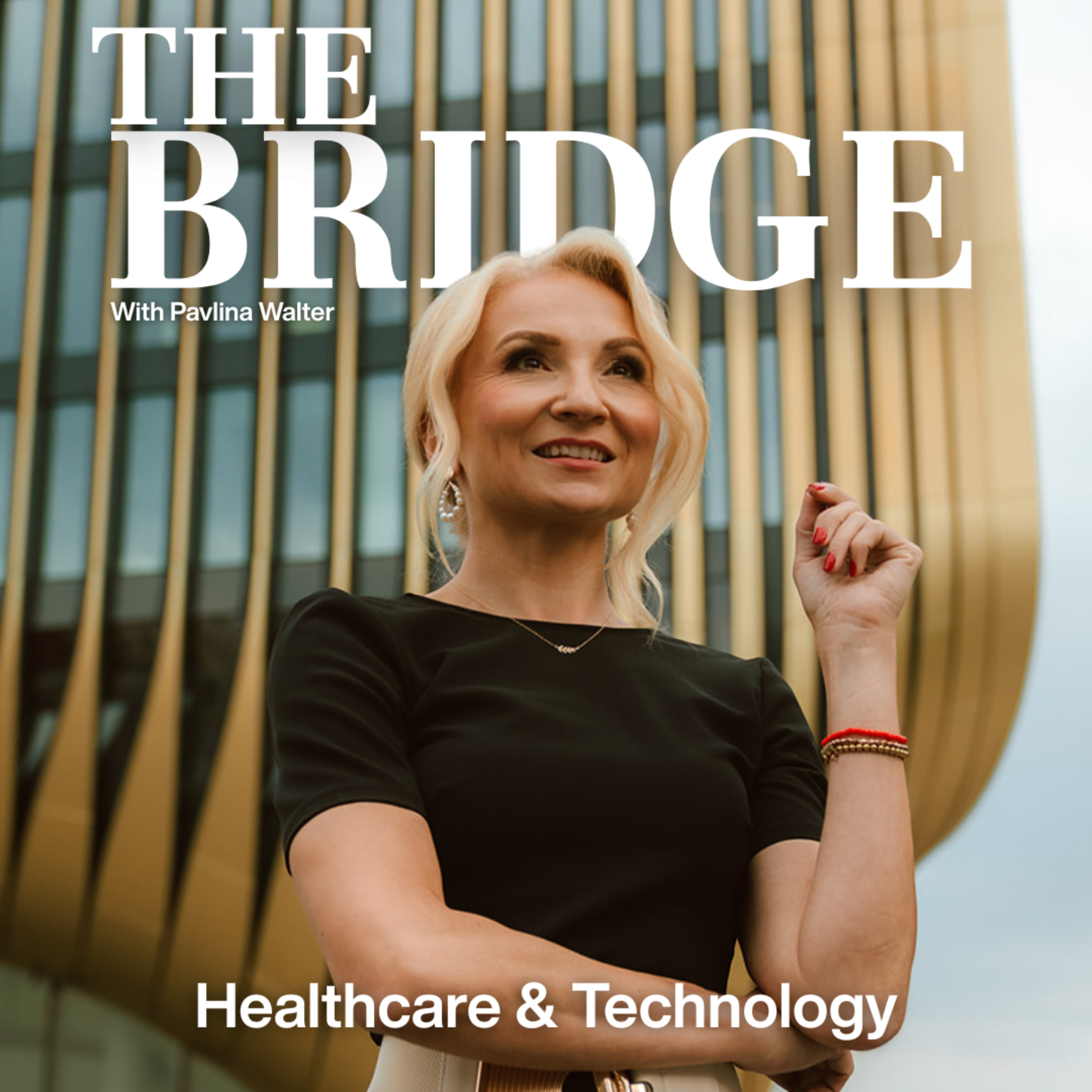
THE BRIDGE with Pavlina Walter
by Pavlina Walter
THE BRIDGE with Pavlina Walter explores how healthcare, technology, and clinical research come together to create real impact. From prevention-first innovation to AI you can trust, Pavlína connects investors, innovators, and policymakers in conversations that turn evidence into action. With a global perspective and a human focus, The Bridge is for leaders who believe progress in healthcare happens when science and technology serve people first.
-
17
EP 17 - Klid Se Dá Natrénovat: Stanislav Knotek a Projekt "Calmory" Ukazují Jak
Klid se dá natrénovat: Stanislav Knotek a projekt Calmory ukazují jak.Když se Stanislav Knotek začal vážně zamýšlet nad tím, co vlastně znamená vnitřní klid, nevedly ho k tomu odborné knihy ani terapeutická sezení. Byly to spíše obyčejné rozhovory s přáteli, kteří řešili úplně stejné věci. Každý z nich měl rodinu, práci i na první pohled fungující život. A přesto se stále opakoval stejný pocit, že dlouhodobě něco nezvládají, že jsou přetížení a nedokážou si skutečně odpočinout.Právě z těchto zkušeností vznikla aplikace Calmory, jejíž název spojuje slova calm a story. Mobilní aplikace pro klidnější mysl stojí na jednoduché, ale silné myšlence: vnitřní klid není něco, s čím se člověk buď narodí, nebo ne. Je to dovednost, kterou je potřeba vědomě rozvíjet a trénovat.Podle Stanislava dnes problém nespočívá v nedostatku informací. Většina z nás dobře ví, že dechová cvičení, pohyb, meditace nebo kvalitní spánek mají pozitivní vliv na psychiku. Čteme o nich, na chvíli je vyzkoušíme, ale po několika dnech nebo týdnech se většinou vrátíme zpět ke starým návykům. Nejtěžší totiž není začít, ale najít způsob, jak tyto malé rituály skutečně začlenit do běžného života a dlouhodobě u nich vydržet.Právě na to reaguje aplikace Calmory. Nabízí bezpečný a klidný prostor, ke kterému se člověk může opakovaně vracet, ať už prostřednictvím meditací, relaxační hudby, příběhů na spaní nebo pohádek pro děti s terapeutickým přesahem.To, co Calmory výrazně odlišuje od běžných wellness aplikací, je způsob vzniku samotného obsahu. Veškeré materiály jsou vytvářeny ve spolupráci s odborníky a krizovými interventy, s důrazem na bezpečnost, citlivost a skutečný přínos pro psychickou pohodu uživatelů.Aplikace Calmory je v současné době zaměřena především na ženy ve věku 35+. Má jednoduchý důvod, právě ženy často drží rodinu pohromadě a vytvářejí její každodenní atmosféru. Z akcí a setkání, která Stanislav organizoval, opakovaně vyplynulo, že první krok ke změně většinou udělala právě žena . A když se cítí lépe ona, přenáší větší klid i na své okolí. Klidný rodič totiž velmi často znamená i klidnější dítě.Calmory přitom není aplikace určená pro léčbu klinických stavů nebo závažných psychických onemocnění. Je zamýšlena jako nástroj pro každodenní péči o psychickou pohodu a práci se sebou samým. Pro lidi, kteří mají na první pohled „všechno v pořádku“, ale přesto cítí dlouhodobou únavu, přetížení nebo vnitřní neklid.V době, kdy sociální sítě a digitální prostředí neustále soupeří o naši pozornost a okolní svět produkuje obrovské množství stresu, se schopnost vědomě pracovat s vlastním klidem stává něčím víc než jen formou sebepéče. Je to dovednost, kterou je potřeba rozvíjet stejně jako jakýkoli jiný návyk.A jaké jednoduché kroky doporučuje Stanislav Knotek úplně každému a zdarma? Více se smát, vědomě prodlužovat výdech a alespoň jednou týdně vyrazit do přírody. Možná to zní jednoduše, ale právě ty nejjednodušší věci bývají často nejúčinnější.00:00 Introduction to Calmory 00:37 What calm means 02:05 From idea to team 03:55 Who the app is for 04:32 Why women 35+ 06:48 What makes Calmory different 08:38 Content and usage 11:10 Future features and challenges 14:05 Training calmness 16:45 Habits and the nervous system 18:46 Closing recommendations 20:42 Three tips outside the app 21:58 GoodbyeLinks:Pavlina Walter: https://www.linkedin.com/in/pavlinawalter/Website: PavlinaWalter.comGuest: Stanislavem Knotkem
-
16
EP 16 - Screening Preeklampsie: Otázka, Která Může Změnit Průběh Těhotenství
Screening preeklampsie: otázka, která může změnit průběh těhotenstvíV této epizodě The Bridge mluví Pavlína Walter s MUDr. Hanou Belošovičovou z Apolináře o preeklampsii, jedné z komplikací těhotenství, která se může rozvinout i u ženy, která se cítí zdravá a nemá žádné jasné rizikové faktory.Preeklampsie se obvykle objevuje po 20. Týdnu těhotenství a může být spojená s vysokým krevním tlakem, poruchou funkce ledvin, jater a dalšími příznaky. Právě proto je důležité o ní mluvit včas a srozumitelně.V rozhovoru se věnujeme prvotrimestrálnímu screeningu, tomu, proč v České republice stále není automaticky součástí péče pro každou těhotnou ženu, a proč by se ženy měly přímo ptát, jestli jejich screening zahrnuje také stanovení rizika preeklampsie.Paní doktorka vysvětluje, že kvalitní screening není jedno jednoduché vyšetření. Je to kombinace anamnézy, krevních markerů, krevního tlaku a ultrazvukového měření průtoků v děložních cévách. Teprve dohromady tyto informace pomáhají určit riziko a další postup.Mluvíme také o prevenci, nízké dávce aspirinu u rizikových žen, dopadu časné preeklampsie na předčasný porod a o tom, proč větší informovanost může pomoci maminkám, dětem, lékařům i celému zdravotnickému systému.Pokud jste na začátku těhotenství, ptejte se na prvotrimestrální screening a také na to, jestli vám bude stanoveno riziko preeklampsie.Prevence začíná správnou informací ve správný čas.Timecode:00:00 Úvod a host00:15 Co je preeklampsie01:01 Kdo je v riziku01:36 Screening v prvním trimestru02:24 Proč není automatický05:02 Jak poznat kvalitní centrum07:24 Limity screeningu08:25 Rizikové faktory a výpočet09:29 Školení a dopady11:00 Pojišťovny a náklady13:46 Data a výskyt16:24 Závěrečné doporučeníPavlina Walter: https://www.linkedin.com/in/pavlinawalter/Website: PavlinaWalter.comGuests:MUDr. Hana Belošovičová: https://apolinar.eu/en/mudr-hana-belosovicova-ph-d/
-
15
EP 15 - AI Can Support Clinical Research, But It Cannot Replace Clinical Thinking
AI Can Support Clinical Research, But It Cannot Replace Clinical ThinkingIt was a great pleasure speaking with Andreas Beust, Andi, CEO of GCP Service, about what is happening in the CRO world, clinical research, AI, and medical devices. One point stayed with me strongly after our conversation: clinical research is changing fast, but not every faster solution is automatically a better one.Every week, there is a new AI tool or digital health application promising to make clinical trials faster and easier. Technology can help with document creation, language quality, and reducing mistakes. But in clinical research, faster is not always better.Andi raised this concern directly. When companies use AI to prepare study documents, the problem is often not the first draft itself. The problem is that without experience from hundreds of trials, you may not know where the document is wrong, where the gaps are, or where you need to think again.This is the real risk for smaller medical device and biotech companies. A protocol can look professional and still miss the real clinical or regulatory question. An informed consent form can be well-written yet still not be appropriate for the patient group. A statistical plan can appear complete and still fail to support the study objective.For medical devices, Andi made another important point: everything comes back to the labeling claim. Choosing the right claim can mean a smaller study, a shorter timeline, and faster market access. But if the study does not support the claim, the company may collect data that cannot be used. As Andi said clearly, if a company runs a trial it cannot use later, this can very often be the end of the company.Many smaller companies depend on external funding, which has become much harder to secure. Inflation, higher interest rates, and global uncertainty have made investors more careful. In this environment, the temptation to use AI as a quick solution is understandable. But AI does not have real-world experience. It does not sit with a sponsor and ask whether the study truly supports the future labeling claim.Clinical thinking means having people who understand the patient, the endpoint, the regulator, and the investor. People who can say early enough: "This looks good on paper, but it will not work in reality." Europe adds another layer of complexity. It remains attractive for international trials due to quality and cost, but navigating different languages and local requirements across Germany, France, Spain, Poland, and other countries demands real preparation.The same challenge exists in digital health. There are countless mental health apps, lifestyle tools, and software products that function as medical devices. Sometimes, even their creators cannot clearly explain what makes them different or why they should exist.AI will help clinical research. It will simplify some processes and reduce repetitive work. But it should not replace the people who know how trials really work. The future should not be AI alone. It should be AI together with clinical research experience.Thank you, Andi, for sharing your practical perspective. Evidence must stay at the center. Without it, we are not building innovation. We are only building nice documents.00:31 CRO Market Consolidation02:39 AI Hype In Clinical Research03:37 Where AI Helps Today06:36 Risks Of AI Written Protocols09:39 Medical Devices And SaMD Boom11:12 Funding Uncertainty Outlook13:40 Investing In Digital Health17:25 App Overload And Differentiation21:03 How They Pick Investments23:13 GCP Service End To End CRO25:50 Why Europe Still Attracts US Trials28:02 Europe Complexity Languages30:34 What Makes Trials Succeed33:39 Clinical Trials In 10 Years35:39 Personal Vision And Wrap UpLinks:Pavlina Walter: https://www.linkedin.com/in/pavlinawalter/Website: PavlinaWalter.comGuest: CEO Dr. Andreas Beust: https://www.linkedin.com/in/andreas-beust-8bb32295/
-
14
EP 14 - Preeklampsie a Penelope: Když Technologie Hlídá Tam, Kde Lékař Nemůže Být
Preeklampsie postihuje 5 až 10 procent těhotných žen v České republice. Přesto stále neexistuje kauzální léčba.Do této epizody The Bridge jsem pozvala primáře Humla z nemocnice Šumperk, autora aplikace Penelope. Mluvíme o tom, proč výskyt preeklampsie neklesá ani přes desetiletí výzkumu. O tom, jak Penelope umožňuje sledovat rizikové těhotenství v reálném čase přímo z domova. A o tom, co může AI diagnostika jednou změnit pro těhotné ženy i jejich lékaře.Zazní také čísla, která stojí za pozornost. V loňském roce se v České republice narodilo přes 77 tisíc dětí, tedy o 30 tisíc méně než bylo běžné. A výskyt preeklampsie přesto zůstává konstantní.Pokud vás zajímá, kde se potkává klinická praxe, prevence a digitální zdravotnictví, tato epizoda vás bude zajímat.Timecode: 00:00 Úvod a host00:29 Co je preeklampsie01:49 Proč riziko neklesá02:37 Screening a rizikové faktory03:44 Aplikace Penelope05:12 Jak Penelope sleduje příznaky07:56 Budoucnost s umělou inteligencí08:46 Současná léčba a medikace09:45 Předčasný porod a viability10:43 Kolik žen je ohroženo12:01 Pokles porodnosti v Česku14:25 Trendy v porodnictví16:36 Zpětná vazba a práce lékařů19:10 Vzkaz maminkám a motivaceLinksMUDr. Karel Huml: https://www.linkedin.com/in/karel-huml/?skipRedirect=truePavlina Walter: https://www.linkedin.com/in/pavlinawalter/Website: PavlinaWalter.com
-
13
EP 13 - Když Informace Zachraňuje Životy: Skutečná Hodnota Včasného Záchytu Preeklampsie
Preeklampsie může dlouho probíhat bez jasných příznaků, a právě proto je tak nebezpečná.V tomto rozhovoru sdílí Markéta Řehořová svůj velmi silný osobní příběh a otevřeně mluví o tom, jak rychle se může zdánlivě normální těhotenství změnit v boj o život miminka i maminky.Mluvíme o preeklampsii, včasném screeningu, komunikaci lékařů, předčasném porodu i o tom, proč může správná informace ve správný čas rozhodnout o osudu celé rodiny.Právě proto je důležité o tomto tématu mluvit.Timecode:00:00 Úvod a Markétin příběh00:28 Intuice a první obavy02:38 Krvácení a hospitalizace04:14 Diagnóza preeklampsie05:42 Zhoršování a plán porodu07:38 Porod v centru péče09:27 Neonatologie a první dny12:59 Komunikace lékařů14:36 Dlouhodobý vývoj dcery17:02 Rozhodnutí pro druhé dítě22:46 Druhé těhotenství varování28:58 Záchvat a akutní císař34:59 JIP a zprávy o synovi40:33 Doporučení a screening42:27 Aspirin jako prevence44:53 Závěrečná rada a rozloučeníLinks:Pavlina Walter: https://www.linkedin.com/in/pavlinawalter/Website: PavlinaWalter.comGuestsIng. Markéta Řehořová – NedoklubkoMarkéta Řehořová (@marketa.rehorova) • Fotky a videa na Instagramu
-
12
EP 12 - Penelope And The Power of Prevention
This episode of THE BRIDGE continues the conversation between Pavlina Walter and returning guest Miloš Tkáčik, diving deeper into Penelope, a human-centered digital health project designed to protect pregnant women with high-risk hypertension.Building on their previous discussion, they explore clinical studies across multiple hospitals, real-time monitoring, and how lowering stress improves outcomes for mothers and babies. From Europe to future global expansion, this episode highlights why prevention must be evidence-based and human-first.Subscribe for ongoing conversations connecting healthcare, technology, and real-world impact. Prevention works when trust leads innovation.Timecode:00:00 Introduction to the Penelope Project00:21 The Need for a Special App for Pregnant Women00:40 Collaboration with Humberg Hospital01:16 Features of the Penelope App02:41 Pilot Phase and Expansion03:48 Challenges in Ensuring Compliance06:33 Global Expansion and African Initiatives07:22 Future Goals and Aspirations07:51 Conclusion and Final ThoughtsLinks:Pavlina Walter: https://www.linkedin.com/in/pavlinawalter/Website: PavlinaWalter.comGuests:Miloš Tkáčik: https://www.linkedin.com/in/tkacik/
-
11
EP 11 - Prevention Is Not a Slogan. It Is an Operating System.
In this episode of THE BRIDGE with Pavlina Walter, I speak with Miloš Tkáčik, CEO of Principal Engineering, about what it takes to scale trusted technology across borders and why telemedicine is becoming a practical pathway to prevention-first healthcare.We discuss:How Principal expanded from IT services into system integration across government, banking, telecom, and utilitiesWhy new markets take longer and cost more than expected, and how trust shapes growthThe real-world shift into telemedicine, from senior support to continuity after spa careRemote monitoring for pregnant women at high risk of hypertension and preeclampsia, and why evidence mattersBuilding platforms that fit clinical workflows, reduce friction, and improve outcomesIf you are an investor, innovator, or healthcare leader focused on proven, scalable solutions, this conversation is for you.Subscribe for more conversations connecting healthcare, technology, and clinical research, with a human focus.Let’s connect to make prevention the standard, not the exceptionSubscribe to The Bridge for more conversations connecting science, technology, and humanity.Timecode:00:00 Introduction and Guest Welcome00:35 Overview of Principal Engineering01:12 Global Expansion and Market Challenges02:08 Principal Engineering's Diverse Services07:42 Telemedicine Ventures14:24 Focus on Preeclampsia16:56 Conclusion and Contact InformationLinks:Pavlina Walter: https://www.linkedin.com/in/pavlinawalter/Website: PavlinaWalter.comGuest:Miloš Tkáčik : https://www.linkedin.com/in/tkacik/
-
10
EP 10 - Inside Europe’s AI Hospitals: How Olomouc Built a Clinical Innovation Engine
Inside Europe’s AI Hospitals reveals how University Hospital Olomouc is using artificial intelligence to transform clinical care, streamline operations, and support clinicians with tools that read images, analyse data, predict risk, and save lives.In this episode of THE BRIDGE, Pavlina Walter and Dr Peter M. Kovacs speak with Antonín Hlavinka, Deputy Director for Innovation and Digitalisation, who leads one of Europe’s most advanced hospital-based AI ecosystems.You will learn:• How certified AI tools detect clinical patterns with high precision• Why multimodal prediction models are changing diagnosis• How telemedicine and secure LLMs are improving patient pathways• What it takes to build a safe and ethical hospital innovation hub• How AI can support, not replace, doctors and nursesThis episode is essential for investors, innovators, clinicians, policymakers, and anyone who wants to understand how AI is shaping the next generation of healthcare in Europe.Watch and join the conversation about responsible, human-centred innovation.Subscribe to The Bridge for more conversations connecting science, technology, and humanity.Timecode:00:00 Welcome and Introduction00:24 Role and Responsibilities in Healthcare01:31 Adoption of AI in Healthcare02:27 Impact of COVID-19 on Technology Adoption04:18 AI Applications in Hospitals04:49 Certified vs. Experimental AI Models07:47 AI Tools in Use14:05 Innovation and Project Management21:41 Introduction to AI in Radiology22:10 The Evolution of AI in Healthcare22:55 Challenges and Rapid Developments23:30 Microsoft's Game-Changing AI Model24:42 AI in Medical Practice27:41 AI in Education28:55 Balancing AI and Human Cognition30:55 AI's Impact on Healthcare Workforce33:30 Global Perspectives on AI Adoption36:42 Future of AI in Hospitals39:03 Collaborating with Startups and Innovators40:33 Conclusion and Future ProspectsLinks:Pavlina Walter: https://www.linkedin.com/in/pavlinawalter/Website: PavlinaWalter.comGuests:Antonin Hlavinka: https://www.linkedin.com/in/anton%C3%ADn-hlavinka-b045754b/Peter M. Kovacs: https://www.linkedin.com/in/petermkovacs/
-
9
EP 09 - Age Management: Building Healthy, Productive Careers at Every Stage
Age management is transforming workplaces across Europe and beyond. In this episode of THE BRIDGE, Pavlina Walter and Peter M Kovacs speak with scientist and consultant Michaela Hrdlickova about how companies can build healthier, more productive, and more motivated teams at every stage of life.We explore the Finnish origins of the workability index, leadership culture, prevention in the workplace, and the future of long-term careers. Whether you lead a startup, corporation, or public institution, this conversation offers practical steps for creating a people-centered, data-driven environment.If you believe that prevention and leadership are the foundation of performance, this episode is for you.Subscribe for more conversations that connect science, clinical research, and innovation with real-world impact.Timecode:00:00 Introduction to Misa Hrdlickova and Age Management00:41 The Concept and History of Age Management03:01 Implementing Age Management in Companies05:50 Solutions and Processes for Age Management14:07 Misa Hrdlickova's Background and Career Journey21:24 Advice for Future Generations23:09 Conclusion and Final ThoughtsLinks:Pavlina Walter: https://www.linkedin.com/in/pavlinawalter/Website: PavlinaWalter.comGuests:Michaela Hrdlickova: https://www.michaelahrdlickova.eu/Peter M. Kovacs: https://www.linkedin.com/in/petermkovacs/
-
8
EP 08 - Investing in Healthcare Without the Illusion: Red Flags, Real Value, and the Future of AI Driven Due Diligence
In this episode of The Bridge, Pavlina Walter and Dr. Peter M. Kovacs speak with investor Ales Vavra about the realities behind healthcare investing. No hype. No illusions. Just a clear look at red flags, evidence-based decision making, and how AI is changing the way investors evaluate clinical and biotech projects.You will learn:• How to recognize misleading claims in healthcare and biotech• Why Alzheimer and CNS projects attract significant fraud• How AI supports due diligence and where its limits are• The importance of diversification in high-risk sectors• How to choose the right advisor for complex medical technologies• Why simplicity is a strong predictor of real innovation• How human behavior impacts both health and investment outcomesIf you want to navigate healthcare innovation with clarity, integrity, and impact, subscribe to The Bridge and connect with leaders shaping the future of prevention, clinical research, and AI-driven healthcare.Let’s build evidence-based innovation that truly serves people.Timecode:00:00 Introduction and Guest Background01:44 Investment Strategies in Healthcare03:13 Red Flags in Healthcare Investments06:04 Role of AI in Investment Decisions08:16 Advice for Healthcare Investors12:01 Success Stories and Challenges14:07 The Role of Sugar in Our Lives14:55 Life Balance15:43 The Hype and Reality of AI18:40 Investment Challenges for Startups21:48 Bitcoin and Long-Term Value25:15 Personal Reflections and Future Outlook26:17 Final Thoughts on Investment and LifeLinks:Pavlina Walter: https://www.linkedin.com/in/pavlinawalter/Website: PavlinaWalter.comGuests:Ales Vavra https://www.linkedin.com/in/ales-vavra-6423475/Peter M. Kovacs: https://www.linkedin.com/in/petermkovacs/
-
7
EP 07 - Prevention Is Personal: Using AI Scanning to Care for Our Future Selves
Prevention works best when it is personal. In this episode of THE BRIDGE, Pavlina Walter reflects on insights from the Health and Longevity Summit in Prague and explains why early action is essential for a healthier future.She explores why nutrition, lifestyle, and personalised insight matter more than ever and why no single supplement or trend works for everyone. Pavlina also introduces an AI-powered scanner that provides fast health insights in just a few minutes, making prevention easier for everyday life.This episode is for anyone who wants a simple and meaningful way to understand their health early.To learn more about the scanner or connect with Pavlina, you can reach out directly.Subscribe to The Bridge for conversations that connect science, technology, and humanity.Timecode:00:00 Introduction to the Health and Longevity Summit00:14 The Importance of Prevention00:38 Healthy Eating Habits01:00 Debate on Supplements01:29 Individualized Health Approaches01:58 Innovative Health Scanner02:31 Conclusion and Contact InformationLinks:Pavlina Walter: https://www.linkedin.com/in/pavlinawalter/Website: PavlinaWalter.com
-
6
EP 06 - The Future of Biologics: How Strategic CROs are Powering the Next Generation of Clinical Research
In this episode of The Bridge with Pavlina Walter, I was joined by my business partner, Dr. Peter M. Kovacs, and Jiri Raska, Chief Commercial Officer of Quinta Analytica, a Czech-based CRO shaping the future of biologics and clinical research.We explore how strategic CRO partnerships accelerate innovation, from analytical chemistry to clinical trials.Key themes:• The rise of biologics and biosimilars in global healthcare.• Why small biotech startups need integrated CRO partners.• Regulatory realities and Europe’s path to faster approvals.• How Central Europe is becoming a hub for biologics and ADCs.• The human side of research: trust, communication, and collaboration.Subscribe to The Bridge for more conversations connecting science, technology, and humanity.Timecode:00:00 Introduction to Jiri and Quinta Analytica01:09 Jiri's Background and Passion for Chemistry01:56 Transition to Business Development03:43 Current Trends in Biologics and Biosimilars05:57 Challenges and Opportunities in Clinical Studies09:17 Supporting Small Biotech Startups13:08 Customer Success Management14:47 Expansion and Collaboration16:43 Future of Personalized Medicine19:26 Regulatory Challenges in Europe23:58 Ostrava Subsidiary and Cross-Border Recruitment27:00 Future Directions for Quinta Analytica29:50 Jiri's Personal Career Aspirations31:49 Conclusion and Final ThoughtsLinks:Pavlina Walter: https://www.linkedin.com/in/pavlinawalter/Website: PavlinaWalter.comGuests:Jiri Raska: https://www.linkedin.com/in/jiri-raska-pharma/Peter M. Kovacs: https://www.linkedin.com/in/petermkovacs/
-
5
EP 05 - Leading with Value: Lessons in Leadership, Legacy, and Resilience
In this episode of The Bridge with Pavlina Walter, I was joined by my business partner, Dr. Peter M. Kovacs, and my mentor, Jiri Pavlicek, founder of Aspironix and one of Central Europe’s most respected MedTech leaders.We explore what it means to build value beyond profit.Key themes:• Why values and trust are the foundation of leadership.• Lessons from Jiri’s journey from Johnson & Johnson to entrepreneurship.• How MedTech in Europe can stay innovative amid regulatory challenges.• The role of AI and prevention in shaping the future of healthcare.• Why curiosity and resilience remain the core of lasting success.Subscribe to The Bridge for conversations that connect science, technology, and humanity, where every story is a step toward a healthier, more compassionate world.Subscribe to The Bridge for more conversations connecting science, technology, and humanity.Timecode:00:00 Welcome and Introduction00:28 Jiri's Background and Early Life01:26 Professional Journey and Achievements03:49 Founding Aspironix and Business Insights06:05 Current MedTech Landscape and Challenges11:58 AI in Medical Devices14:19 Personal Reflections and Future Goals17:04 Advice for Startups and Entrepreneurs19:29 Closing RemarksLinks:Pavlina Walter: https://www.linkedin.com/in/pavlinawalter/Website: PavlinaWalter.comGuests:Jiri Pavlicek: https://www.linkedin.com/in/jiri-pavlicek-7b32b12/Peter M. Kovacs: https://www.linkedin.com/in/petermkovacs/
-
4
EP 04 - InTouch with Humanity: How AI Is Redefining Care and Connection
In this episode of THE BRIDGE with Pavlína Walter, together with my business partner Dr. Peter M. Kovacs, I speak with Vassili Le Moigne, Founder and CEO of InTouch, an AI-powered platform bringing companionship and care to seniors through simple voice conversation.We explore how technology can help reduce loneliness, support independence, and enable us to care better as our societies age.Watch "InTouch with Humanity: How AI Is Redefining Care and Connection" to discover how empathy and innovation can truly come together.Timecode:00:00 Starting the Call: A Busy Morning03:00 Introducing Vassili: Background and Journey04:51 The Birth of InTouch: Inspiration and Development08:07 How InTouch Works: Features and Benefits10:46 Global Reach and Compliance16:47 Real-Life Impact: Testimonials and Feedback19:36 Different Approaches for Alzheimer's Patients21:06 Future Plans and Global Expansion22:45 Addressing Loneliness Beyond Seniors23:47 Technical Challenges and Solutions24:55 Ethical Choices in Voice Selection25:28 Market Differences: Europe vs. USA27:58 Cultural Insights and Language Adaptations30:36 Mentoring and Advice for Startups34:17 Concluding Thoughts on InTouchLinks:Pavlina Walter: https://www.linkedin.com/in/pavlinawalter/Website: PavlinaWalter.comGuests:Vassili Le Moigne: https://www.linkedin.com/in/vassililemoigne/Peter M. Kovacs: https://www.linkedin.com/in/petermkovacs/
-
3
EP 03 - AI in Europe: Building Bridges Between Policy, Business, and Healthcare
In this episode, Peter and I sit down with Jan Kavalírek, the Deputy Minister of Industry and Trade and Government Envoy for AI in the Czech Republic. He gives us an exclusive look into the Czech Republic's efforts to simplify the bureaucracy surrounding AI legislation in the European Union.Jan explains the core mission behind the slogan "Czech AI to top 10 and EU AI to lead," and how this ambition is driving their push to reduce the burden on AI providers, researchers, and startups. We dive into the specifics of the new "simplification omnibus" and how it aims to create a more competitive environment for European businesses without compromising safety.What you'll learn:The Problem: Why the Czech Republic believes current EU AI regulations are too burdensome and could hinder innovation.The Solution: The two main proposals the Czech government is fighting for: simplifying bureaucratic rules and postponing non-essential parts of the AI Act.The Impact: How these changes would affect AI providers, researchers, and even consumers across Europe.The Goal: The ambition to make the EU a global leader in AI, competing with the US and China.Jan also shares insights from his background in MedTech and how his experience running a business informs his work in government.
-
2
EP 02 - My Journey and Mission in Healthcare
In this episode of The Bridge with Pavlina Walter, I share my personal journey and the mission driving my work in healthcare. From Silicon Valley boardrooms to rebuilding schools in Indonesia, I explore how technology, clinical research, and philanthropy come together to make prevention the new standard of care.Key themes:• Why prevention must be the foundation of modern healthcare.• The lessons I brought from Silicon Valley into global health innovation.• How AI can be a trusted partner in diagnostics, drug development, and early detection.• The importance of building bridges between investors, innovators, and underserved communities.This episode is an invitation to collaborate on a future where healthcare is accessible, humane, and prevention-first.Subscribe to The Bridge for conversations that connect science, technology, and humanity.Timecode:00:00 Introduction: My Journey and Mission00:29 Professional Roles and Responsibilities01:15 Personal Motivation and Vision01:44 Key Learnings from Silicon Valley02:14 The Importance of Real-World Impact02:50 Bridging High-Tech and Remote Communities03:11 AI in Healthcare: Partner, Not Master04:08 Future of Healthcare: 2030 Vision04:42 Conclusion: Building a Better Future TogetherLinks:Pavlina Walter: https://www.linkedin.com/in/pavlinawalter/Website: PavlinaWalter.com
-
1
EP01 - AI and Healthcare Innovation with Lukas Benzel, Peter M. Kovacs, and Pavlina Walter
Healthcare innovation must serve people first. In this episode of THE BRIDGE, we go beyond the hype and focus on adoption, prevention, and ROI. Lukas Benzel shares how the Czech AI ecosystem connects 300-plus members across startups, big tech, and hospitals. We talk hospital operations, clinical trials, the shift from sick care to true healthcare, and what Europe can lead in right now.What you will learn • How more than 60 percent of Czech hospitals already use AI, often in the back office • Why prevention and continuous self monitoring are the next growth curve • Practical steps for clinical validation and regulatory pathways • What Singapore’s AI hubs can teach European health systems • How to upskill teams and earn patient trust • Why security and ethics belong in the product roadmapWho should listen:Investors, health system leaders, founders, regulators, and anyone building AI that must work in the real world.Call to action Subscribe to THE BRIDGE for weekly conversations that connect science, clinical research, and AI-driven innovation.Comment with your most urgent healthcare challenge.Connect with me on LinkedIn or via my website to explore partnerships and co-investments.
We're indexing this podcast's transcripts for the first time — this can take a minute or two. We'll show results as soon as they're ready.
No matches for "" in this podcast's transcripts.
No topics indexed yet for this podcast.
Loading reviews...
ABOUT THIS SHOW
THE BRIDGE with Pavlina Walter explores how healthcare, technology, and clinical research come together to create real impact. From prevention-first innovation to AI you can trust, Pavlína connects investors, innovators, and policymakers in conversations that turn evidence into action. With a global perspective and a human focus, The Bridge is for leaders who believe progress in healthcare happens when science and technology serve people first.
HOSTED BY
Pavlina Walter
CATEGORIES
Loading similar podcasts...
Frequently Asked Questions
How many episodes does THE BRIDGE with Pavlina Walter have?
THE BRIDGE with Pavlina Walter currently has 17 episodes available on PodParley. New episodes are automatically indexed when they're published to the podcast feed.
What is THE BRIDGE with Pavlina Walter about?
THE BRIDGE with Pavlina Walter explores how healthcare, technology, and clinical research come together to create real impact. From prevention-first innovation to AI you can trust, Pavlína connects investors, innovators, and policymakers in conversations that turn evidence into action. With a...
How often does THE BRIDGE with Pavlina Walter release new episodes?
THE BRIDGE with Pavlina Walter has 17 episodes. Check the episode list to see recent publication dates and frequency.
Where can I listen to THE BRIDGE with Pavlina Walter?
You can listen to THE BRIDGE with Pavlina Walter on PodParley by clicking any episode. We provide an embedded audio player for direct listening, and you can also subscribe via your preferred podcast app using the RSS feed.
Who hosts THE BRIDGE with Pavlina Walter?
THE BRIDGE with Pavlina Walter is created and hosted by Pavlina Walter.
URL copied to clipboard!