
PODCAST · history
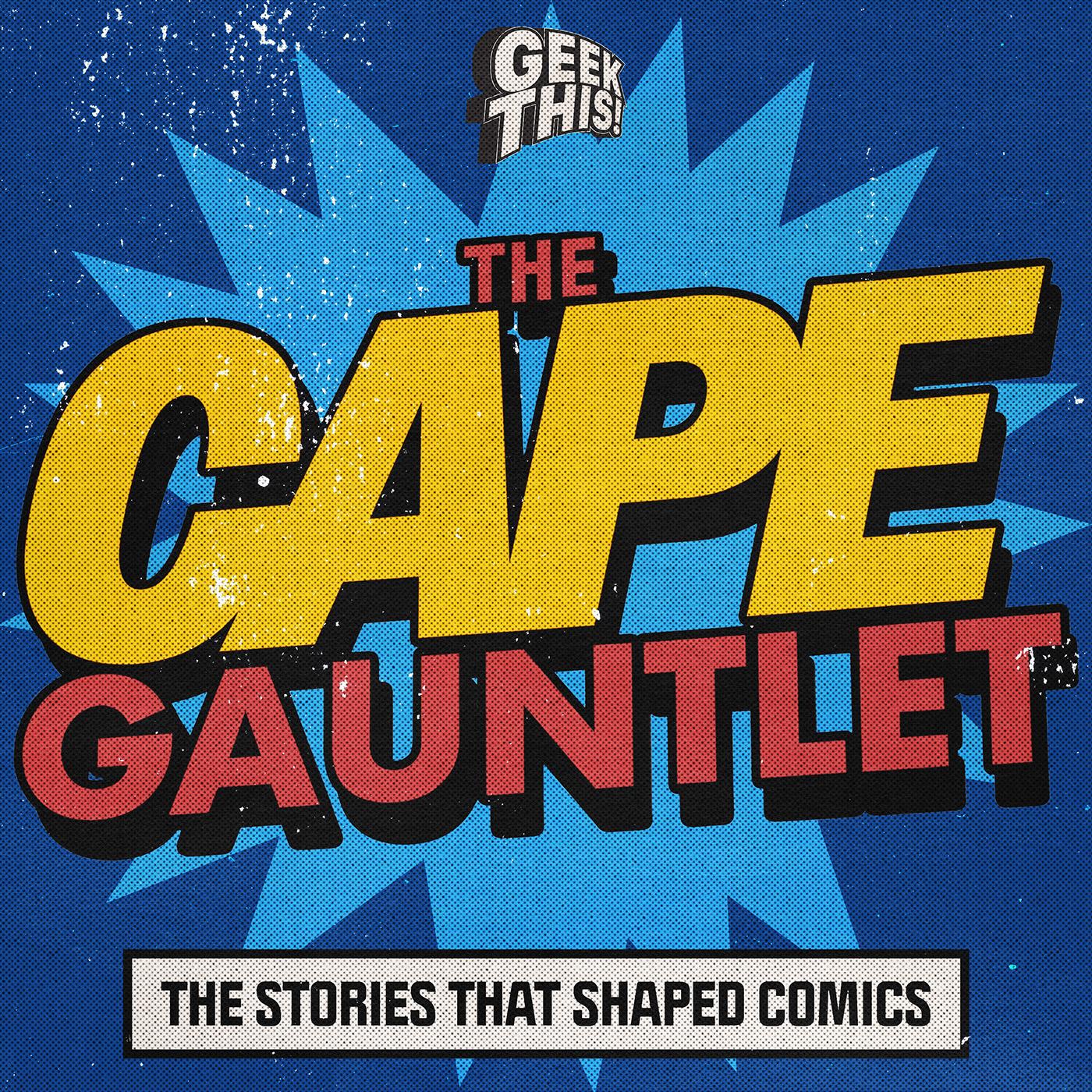
The Cape Gauntlet
by Dave Clements
Across decades of Marvel and DC history, there are way too many issues for any normal person to read everything. So this show focuses on the stories, arcs, and events that shaped the characters, timelines, retcons, alternate worlds, and big industry shifts comic fans still talk about today.Each episode looks at where these stories came from, why they mattered at the time, and how they changed what we know, love, and sometimes hate about our favorite heroes.Welcome to The Cape Gauntlet.
-
3
Action Comics #1 and Marvel Comics #1
Before superhero comics became sprawling universes full of timelines, reboots, legacy heroes, and multiverse-shaking events, they started with a few strange, bold ideas printed on cheap paper.In this episode of The Cape Gauntlet, Dave goes back to the late 1930s to look at two landmark issues: Action Comics #1 and Marvel Comics #1. One introduced the world to Superman, a hero who could leap tall buildings but had not yet become the nearly mythic figure we know today. The other gave readers Timely Comics’ first major icons: the original Human Torch, a synthetic man terrified by his own destructive power, and Namor the Sub-Mariner, a prince from beneath the waves who arrived less like a hero and more like a warning.These stories are rough, strange, sometimes dated, and often very different from the versions modern readers know. But inside them are the first sparks of something enormous: the superhero as symbol, spectacle, outsider, protector, threat, and myth.This is where the gauntlet begins.
-
2
Dawn of the Golden Age of Comics
Episode: Dawn of the Golden Age of ComicsHost: Dave ClementsSummary:The episode opens with the famous Action Comics #1 text about a distant planet destroyed by old age and a scientist launching his infant son toward Earth, noting that Jerry Siegel and Joe Shuster had created Superman and begun the Golden Age of comics. Dave Clements introduces himself as host of The Cape Gauntlet and explains the episode is a brief introduction to the Golden Age, which most historians date from 1938 through 1956.He describes how Detective Comics, after Superman’s introduction, helped establish superheroes as a mainstay by introducing characters like Batman, Wonder Woman, the Flash, and Green Lantern. Other publishers, such as Timely Comics, responded with early versions of the Human Torch and the Sub-Mariner in Marvel Comics #1. Captain America debuted punching Adolf Hitler on his first issue. For a time it seemed superheroes were here to stay.As the 1940s moved into the 1950s, interest in superhero books declined and publishers shifted to genres like westerns, horror, and science fiction. Some publishers, including Detective Comics, continued some superhero titles but sales were not what they had been. Timely Comics tried to keep superhero titles going but, after two issues of Captain America’s Weird Tales that featured no superheroes, they accepted defeat. Martin Goodman, now publisher of the renamed Atlas Comics (formerly Timely), attempted to keep the Human Torch, Namor the Sub-Mariner, and Captain America alive in 1954’s Young Men #24.That same year, Frederick Wortham, described as a German American psychiatrist in the episode, released Seduction of the Innocent, claiming comics harmed children and caused juvenile delinquency. In response the Comics Code Authority (CCA) was established for publishers to voluntarily self-censor through a committee. The CCA reduced acceptable violence, sex, and graphic images, but its effects caused many businesses to shutter and made the future look grim.Facing distribution problems, Martin Goodman made a panic deal with the distributor of his competitor National (owner of Detective Comics), which limited him to eight titles per month. National, meanwhile, was looking ahead toward superhero success. Goodman assembled a small creative team including artist Jack Kirby, Steve Ditko, and his writer nephew Stan Lee Lieber (noted as Stan Lee). The episode notes that this small team would have a large impact on Goodman’s company and the industry.Clements closes by saying this episode is only the beginning and that the next episode will cover touchstone Golden Age releases like Action Comics #1 and Marvel Comics #1. He reiterates the episode is a brief introduction, asks for feedback or requests by email (dave at geek this podcast dot com) or on social media with the hashtag the cape gauntlet (one word), and directs listeners to subscribe at geekthispodcast dot com slash gauntlet. He thanks listeners and encourages them to read more comics.Episode: "Dawn of the Golden Age of Comics" — Host: Dave Clements (The Cape Gauntlet)Opens with Action Comics #1 text and notes Jerry Siegel & Joe Shuster creating Superman and launching the Golden AgeDefines the Golden Age roughly as 1938–1956Detective Comics helped cement superheroes, introducing Batman, Wonder Woman, the Flash, Green LanternOther publishers (Timely/early Marvel) responded with the Human Torch, Sub-Mariner and Captain America (debuted punching Hitler)Superheroes dominated for a time but interest waned entering the 1950sPublishers shifted to westerns, horror, and sci-fi; some superhero titles continued at reduced salesTimely/Atlas tried to sustain heroes; 1954’s Young Men #24 attempted to keep Human Torch, Namor, and Captain America alive1954: psychiatrist Fredric Wertham published Seduction of the Innocent, blaming comics for harming children and juvenile delinquencyPublishers formed the Comics Code Authority (CCA) to self-censor; the CCA’s restrictions on violence, sex, and graphic content hurt many businessesMartin Goodman (Atlas) made a panic distribution deal limiting him to eight titles/month; National (Detective Comics) was positioning for future superhero successGoodman assembled a small creative team — Jack Kirby, Steve Ditko, and writer Stan Lee — who would greatly influence the company and industryClosing: this episode is a brief intro; next episode will cover key Golden Age issues like Action Comics #1 and Marvel Comics #1Host asks for feedback ([email protected]), social media tag #thecapegauntlet, subscribe at geekthispodcast.com/gauntlet, thanks listeners and encourages reading more comics
-
1
Welcome to the Cape Gauntlet
Dave Clements introduces "The Gape Gauntlet" which shares the most iconic and impactful stories in the history of comics.
We're indexing this podcast's transcripts for the first time — this can take a minute or two. We'll show results as soon as they're ready.
No matches for "" in this podcast's transcripts.
No topics indexed yet for this podcast.
Loading reviews...
ABOUT THIS SHOW
Across decades of Marvel and DC history, there are way too many issues for any normal person to read everything. So this show focuses on the stories, arcs, and events that shaped the characters, timelines, retcons, alternate worlds, and big industry shifts comic fans still talk about today.Each episode looks at where these stories came from, why they mattered at the time, and how they changed what we know, love, and sometimes hate about our favorite heroes.Welcome to The Cape Gauntlet.
HOSTED BY
Dave Clements
Loading similar podcasts...
Frequently Asked Questions
How many episodes does The Cape Gauntlet have?
The Cape Gauntlet currently has 3 episodes available on PodParley. New episodes are automatically indexed when they're published to the podcast feed.
What is The Cape Gauntlet about?
Across decades of Marvel and DC history, there are way too many issues for any normal person to read everything. So this show focuses on the stories, arcs, and events that shaped the characters, timelines, retcons, alternate worlds, and big industry shifts comic fans still talk about today.Each...
How often does The Cape Gauntlet release new episodes?
The Cape Gauntlet has 3 episodes. Check the episode list to see recent publication dates and frequency.
Where can I listen to The Cape Gauntlet?
You can listen to The Cape Gauntlet on PodParley by clicking any episode. We provide an embedded audio player for direct listening, and you can also subscribe via your preferred podcast app using the RSS feed.
Who hosts The Cape Gauntlet?
The Cape Gauntlet is created and hosted by Dave Clements.
URL copied to clipboard!