
PODCAST · news
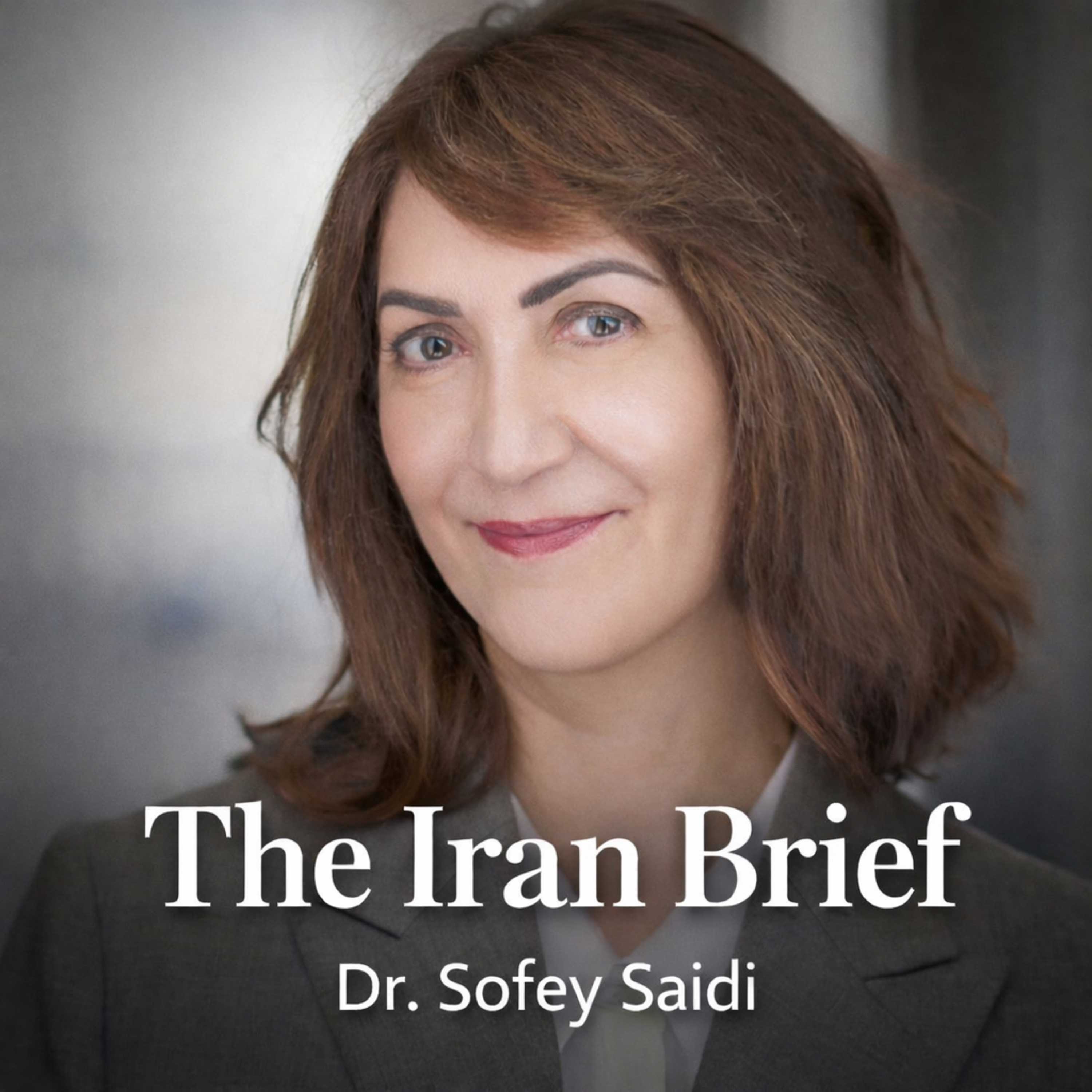
The Iran Brief with Dr. Sofey Saidi
by Dr. Sofey Saidi
A short-form podcast analyzing Iran, democratic transitions, and global policy. Each episode cuts through prevailing narratives to examine the pathways, obstacles, and political dynamics of democratic transition, with a focus on political structure, opposition strategy, and the realities shaping Iran today.
Episodes
-
Iran Brief (ES) | Irán en América Latina no es periférico
La presencia de Irán en América Latina suele considerarse secundaria o simbólica. No lo es. Este episodio examina cómo la relación de Irán con la región puede entenderse en tres niveles: alineación política, profundidad operativa y señalización estratégica. Más que diplomacia aislada, esta...
-
ایران بریف | ایران در آمریکای لاتین حاشیهای نیست
حضور ایران در آمریکای لاتین اغلب به عنوان موضوعی حاشیهای یا نمادین در نظر گرفته میشود. اما اینگونه نیست. این قسمت بررسی میکند که تعامل ایران با این منطقه در سه سطح قابل فهم است: همراستایی سیاسی، عمق عملیاتی و سیگنالدهی استراتژیک. این حضور را نباید صرفاً در چارچوب دیپلماسی محدود دید، بلکه…
more -
Iran Brief (EN) | Iran in Latin America Is Not Peripheral
Iran’s presence in Latin America is not peripheral. It is strategic. This episode breaks down how Tehran operates in the region across political alignment, operational depth, and strategic signaling, and why this activity should be understood as part of a broader system linking external expansion...
-
ایران در حال تغییر است، اما جهان هنوز به درستی درک نکرده
جامعه بینالمللی به این دلیل در قبال ایران ناکام نیست که گزینهای ندارد، بلکه به این دلیل است که همچنان گزینه اشتباه را انتخاب میکند. سالهاست که سیاستها حول مذاکره، فشار و جستجوی «طرف مناسب» در داخل حاکمیت شکل گرفتهاند. اما این چارچوب دیگر با واقعیتهای امروز ایران همخوانی ندارد. در این قسمت…
more -
Iran Is Already Changing. Policy Has Not Caught Up
The international community is not failing on Iran because it lacks options. It is failing because it continues to choose the wrong one. For years, policy has centered on negotiations, pressure, and the search for the “right” interlocutor inside the regime. But that framework no longer reflects…
more -
What the World Can and Cannot Do in Iran: The Limits of External Power | Iran Brief (EN)
If change in Iran comes from within, what role does the outside world actually play? This episode examines the limits of external influence. While pressure, negotiation, and force are often seen as drivers of change, they cannot replace internal dynamics or determine outcomes on their own. At the...
-
Qué puede y qué no puede hacer la comunidad internacional en Irán: los límites del poder externo | Iran Brief (ES)
Si el cambio en Irán surge desde dentro, ¿cuál es el papel de la comunidad internacional? Este episodio analiza los límites del poder externo. Aunque la presión, la negociación o incluso la fuerza suelen verse como motores de cambio, no pueden sustituir las dinámicas internas ni determinar los...
-
جهان چه میتواند و چه نمیتواند در ایران انجام دهد: محدودیتهای قدرت خارجی | Iran Brief (FA)
اگر تغییر در ایران از درون شکل میگیرد، نقش جهان خارج چیست؟ این اپیزود به محدودیتهای تأثیرگذاری خارجی میپردازد. در حالی که فشار، مذاکره و حتی استفاده از زور اغلب بهعنوان ابزارهای تغییر در نظر گرفته میشوند، اما بهتنهایی نمیتوانند جایگزین دینامیکهای داخلی شوند یا نتیجه را تعیین کنند. در عین...
-
Qué sostiene el poder en Irán: por qué el sistema depende de la represión | Iran Brief (ES)
Si un sistema enfrenta presión pero se mantiene, ¿qué lo sostiene? Este episodio analiza cómo se mantiene el poder en Irán. Informes recientes indican la continuación de ejecuciones, incluidas personas vinculadas a la oposición organizada, como parte de un patrón más amplio de represión del...
-
چرا نظام به سرکوب متکی است: چه چیزی قدرت را در ایران حفظ میکند | Iran Brief (FA)
اگر یک نظام با فشار روبهرو باشد اما همچنان پابرجا بماند، چه چیزی آن را حفظ میکند؟ این اپیزود به این سوال میپردازد و نشان میدهد که در ایران، قدرت بر مشروعیت تکیه ندارد، بلکه از طریق کنترل و سرکوب مخالفتها حفظ میشود. گزارشهای اخیر از ادامه اعدامها، از جمله در مورد افرادی که به اپوزیسیون...
-
Why the System Relies on Repression: What Sustains Power in Iran | Iran Brief (EN)
If a system faces sustained pressure but continues to hold, what is sustaining it? This episode examines how power is maintained in Iran. Recent reporting indicates continued executions, including individuals linked to organized opposition groups, reflecting a broader pattern of suppressing...
-
Dónde se origina realmente el cambio: por qué eliminar a los líderes del gobierno iraní no cambió el sistema | Iran Brief (ES)
Durante esta guerra, varios altos cargos del gobierno iraní han sido eliminados. Sin embargo, el sistema no ha cambiado de dirección. ¿Por qué? Este episodio analiza una distinción clave: la diferencia entre el liderazgo dentro de un sistema y las estructuras que lo sostienen. En sistemas como el...
-
منشأ واقعی تغییر کجاست: چرا حذف رهبران حکومت ایران مسیر را تغییر نداد | Iran Brief (FA
در جریان این جنگ، چندین نفر از رهبران ارشد حکومت ایران حذف شدهاند.با این حال، مسیر کلی سیستم تغییر نکرده است. چرا؟ این اپیزود به یک تمایز مهم میپردازد: تفاوت میان رهبری در درون یک سیستم و ساختارهایی که آن را حفظ میکنند. در نظامهایی مانند ایران، قدرت در نهادها، شبکهها و سازوکارهایی ریشه دارد…
more -
Where Change Actually Comes From: Why Eliminating Iran’s Leaders Didn’t Change the System | Iran Brief (EN)
During this war, several senior figures in Iran’s government leadership have been eliminated through sustained military strikes. And yet, the system has not changed direction. Why? This episode examines a key distinction: the difference between leadership within a state system and the structures...
-
Por qué muchos análisis sobre Irán no son precisos: el papel ignorado de la sociedad | Iran Brief (ES)
No falta análisis sobre Irán: informes, artículos y comentarios de todo tipo. Pero, ¿por qué muchos de estos análisis no son precisos? Este episodio examina una brecha clave: el papel de la sociedad. Mientras gran parte del análisis se centra en instituciones, liderazgo y política exterior,...
-
چرا بسیاری از تحلیلها درباره ایران دقیق نیستند: نقش نادیدهگرفتهشده جامعه | Iran Brief (FA)
تحلیل درباره ایران کم نیست؛گزارشها، مقالات و دیدگاههای مختلف. اما چرا بسیاری از این تحلیلها دقیق نیستند؟ این اپیزود به یک خلأ مهم میپردازد: نقش جامعه. در حالی که تمرکز اصلی بر نهادها، رهبران و سیاست خارجی است، دینامیکهای داخلی مانند فشار اجتماعی، افکار عمومی و توانایی سازماندهی کمتر مورد…
more -
Why Analysis Gets Iran Wrong: The Missing Role of Society | Iran Brief (EN)
There is no shortage of analysis on Iran. Policy papers, expert commentary, and strategic forecasts continue to shape how the country is understood. But why do so many of these analyses fall short? This episode explores a critical gap: the limited attention given to society as an active force....
-
Dónde se decide el futuro de Irán: cambio desde arriba o desde abajo | Iran Brief (ES)
La mayoría de los debates sobre Irán se centran en decisiones que se toman en la cúpula: líderes, negociaciones y relaciones entre Estados. Pero, ¿de dónde viene realmente el cambio? Este episodio explora si la transformación política en Irán surge desde arriba o desde abajo. Mientras gran parte...
-
تغییر از بالا یا پایین: مسیر واقعی تحول در ایران | Iran Brief (FA)
بیشتر بحثها درباره ایران بر تصمیمهایی متمرکز است که در سطح بالا گرفته میشود؛ رهبران، مذاکرات، و روابط میان دولتها. اما آیا تغییر واقعی از همینجا آغاز میشود؟ این اپیزود به این سوال میپردازد که: تغییر در ایران بیشتر از بالا شکل میگیرد یا از پایین؟ در حالی که بسیاری از تحلیلها بر دیپلماسی و...
-
Change from Above or Below: What Actually Drives Change in Iran | Iran Brief (EN)
Most discussions about Iran focus on decisions made at the top: leadership, negotiations, and state actors. But where does real change actually come from? This episode explores whether political change in Iran is driven from above or from below. While much of the policy debate centers on…
more -
چرا این چرخه در ایران ادامه دارد: فشار خارجی، کنترل داخلی | Iran Brief (FA)
معمولا تصور میشود فشار خارجی باعث تضعیف حکومتها میشود. اما در ایران، این فشار اغلب به تقویت کنترل داخلی منجر میشود. این اپیزود به این سوال میپردازد که: چرا افزایش فشار خارجی بهجای تغییر، به تداوم یک چرخه منجر میشود؟ در حالی که بسیاری از تحلیلها بر تأثیر مستقیم فشار تمرکز دارند، این بحث…
more -
Why the Cycle Persists in Iran: External Pressure, Internal Control | Iran Brief (EN)
External pressure is often seen as a way to weaken regimes. But in some systems, it produces the opposite effect. This episode examines a recurring pattern in Iran: as pressure increases from the outside, control tightens on the inside. Rather than leading directly to change, external pressure…
more -
روپا هنوز درک درستی از ایران ندارد: چرا تنشزدایی کافی نیست | Iran Brief (FA)
با افزایش تنشها، اروپا بر تنشزدایی، خویشتنداری و بازگشت به دیپلماسی تأکید میکند. این رویکرد قابل درک و در بسیاری از موارد ضروری است. اما آیا برای فهم واقعیت ایران کافی است؟ این اپیزود بررسی میکند که چرا تمرکز صرف بر روابط میان دولتها، تصویر کاملی از وضعیت ایران ارائه نمیدهد. در حالی که...
-
Europe Is Still Misreading Iran: Why De-Escalation Isn’t the Full Picture | Iran Brief (EN)
As tensions rise, Europe is calling for de-escalation, restraint, and a return to diplomacy. That response is understandable and necessary in moments of escalation. But it also leaves out a critical dimension. This episode examines why focusing primarily on state-to-state engagement misses the...
-
متغیر نادیدهگرفتهشده: حکومت ایران واقعا از چه میترسد | Iran Brief (FA)
این اپیزود به یک سوال کلیدی میپردازد: حکومت ایران واقعا از چه میترسد؟ در هفتههای اخیر، الگوی اعدامها نشان میدهد که تمرکز صرفا بر تعداد نیست، بلکه بر انتخاب افراد است؛ افرادی که به شبکههای سازمانیافته مخالف نسبت داده میشوند، از جمله مواردی مرتبط با سازمان مجاهدین خلق ایران. این بحث تلاش...
-
The Missing Variable: Pressure from Within | Iran Brief (EN)
Much of the debate about Iran focuses on external pressure, military escalation, or leadership change. But one critical question is often overlooked: what does the regime actually fear? This episode examines a revealing pattern. In recent weeks, executions have increasingly targeted individuals...
-
War Outside, Executions Inside | Iran’s Crackdown on Opposition | Iran Brief (EN)
While global attention is focused on Iran’s external conflicts, executions inside the country are accelerating. In the past three weeks, at least 18 to 25 executions have been independently confirmed, including at least six individuals linked to the People’s Mojahedin Organization of Iran. This...
-
جنگ در بیرون، اعدام در داخل | Iran Brief (FA)
در حالی که توجه جهان به جنگ و تنشهای خارجی با ایران است، روند اعدامها در داخل کشور بهطور قابل توجهی افزایش یافته است. در هفتههای اخیر، دستکم ۱۸ تا ۲۵ مورد اعدام بهطور مستقل تأیید شده و در میان آنها، حداقل ۶ نفر از اعضا یا مرتبطین با مجاهدین خلق قرار دارند. این اپیزود به بررسی این الگو...
We're indexing this podcast's transcripts for the first time — this can take a minute or two. We'll show results as soon as they're ready.
No matches for "" in this podcast's transcripts.
No topics indexed yet for this podcast.
Loading reviews...
ABOUT THIS SHOW
A short-form podcast analyzing Iran, democratic transitions, and global policy. Each episode cuts through prevailing narratives to examine the pathways, obstacles, and political dynamics of democratic transition, with a focus on political structure, opposition strategy, and the realities shaping Iran today.
HOSTED BY
Dr. Sofey Saidi
Loading similar podcasts...
Frequently Asked Questions
How many episodes does The Iran Brief with Dr. Sofey Saidi have?
The Iran Brief with Dr. Sofey Saidi currently has 28 episodes available on PodParley. New episodes are automatically indexed when they're published to the podcast feed.
What is The Iran Brief with Dr. Sofey Saidi about?
A short-form podcast analyzing Iran, democratic transitions, and global policy. Each episode cuts through prevailing narratives to examine the pathways, obstacles, and political dynamics of democratic transition, with a focus on political structure, opposition strategy, and the realities shaping...
How often does The Iran Brief with Dr. Sofey Saidi release new episodes?
The Iran Brief with Dr. Sofey Saidi has 28 episodes. Check the episode list to see recent publication dates and frequency.
Where can I listen to The Iran Brief with Dr. Sofey Saidi?
You can listen to The Iran Brief with Dr. Sofey Saidi on PodParley by clicking any episode. We provide an embedded audio player for direct listening, and you can also subscribe via your preferred podcast app using the RSS feed.
Who hosts The Iran Brief with Dr. Sofey Saidi?
The Iran Brief with Dr. Sofey Saidi is created and hosted by Dr. Sofey Saidi.
URL copied to clipboard!